
St. Augustine can be excellent with children, but the version that works for a history-loving adult is not automatically the version that works for a six-year-old or a teenager. The city’s strength is variety: forts, pirates, animals, beaches, boats, parks and unusual historic buildings can be mixed so that no one spends the entire trip reading plaques.
The most successful family itineraries alternate concentration and movement. After a museum or guided tour, give children a beach, playground, wildlife area or open plaza. After a long outdoor session, use an air-conditioned indoor attraction. That rhythm matters more than completing a famous checklist.
Age also matters. Toddlers need bathrooms, shade and freedom to move; primary-school children often respond to forts and animals; teenagers want choice, independence and experiences that feel less like school.
Quick planning summary
- Best overall family attractions: Castillo de San Marcos, Alligator Farm, Pirate & Treasure Museum, Lighthouse, Aquarium and beach time
- Best free/low-cost breaks: St. George Street, Plaza de la Constitución, Treaty Park, beaches and selected cultural sites
- Best for toddlers: playgrounds, short fort visit, beach, aquarium and open-space stops
- Best for school-age children: Castillo, pirates, Alligator Farm, lighthouse grounds and interactive museums
- Best for teenagers: lighthouse climb, beach, wildlife, concerts, surfing/golf experiences and giving them one activity choice
Best things to do with toddlers and preschoolers
Keep Castillo de San Marcos short
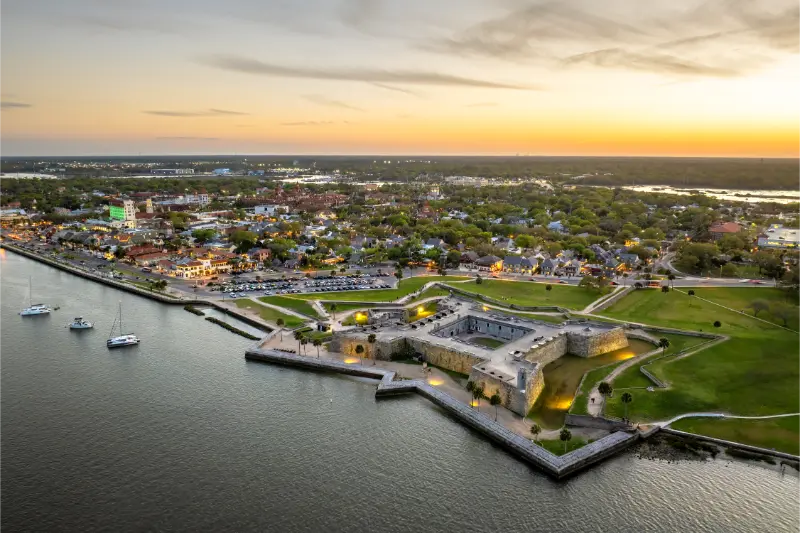
Castillo de San Marcos gives young children large stone spaces, cannons and open views without requiring them to understand every historical detail. Keep the visit brief and focus on a few visible stories rather than exhibits.
Use parks and beaches as real attractions
Parks and playgrounds are valuable family tools. Young children often remember running, sand and water more than a second museum. St. Augustine Beach and Anastasia State Park can provide the movement break the day needs.
Consider the aquarium
St. Augustine Aquarium offers a smaller, guided experience that can be easier to manage than a huge theme-park aquarium. Check the day’s tour format and add-on activities before arriving.
Best things to do with children about 6–12
Pirate & Treasure Museum
Pirate & Treasure Museum is one of the easiest history attractions for this age because the subject is naturally dramatic and artifact-focused.
Alligator Farm
St. Augustine Alligator Farm combines animals, movement and outdoor viewing. Allow enough time that children can slow down at favorite exhibits rather than being pushed through to the next attraction.
Lighthouse
St. Augustine Lighthouse can be a memorable challenge for children old enough and physically able to climb. Review current climb restrictions before promising the tower; the museum and grounds still offer value for family members who do not climb.
Best things to do with teenagers
Teenagers are more likely to enjoy St. Augustine when they choose at least one major activity. Options include lighthouse climb, beach or surf time, wildlife, a concert at The Amp, photography around the historic district, golf culture in Ponte Vedra or a focused museum that matches their interests.

Avoid filling every day with guided historical interpretation. Give teenagers unscheduled time on St. George Street, a beach window or responsibility for choosing a meal. A sense of ownership often matters more than adding another paid attraction.
Best beaches for families
Crescent Beach is a strong quieter choice, St. Augustine Beach has convenient services, and Anastasia State Park combines beach and nature. Mickler’s Landing is useful if your family is staying farther north in Ponte Vedra.
Choose the beach by parking, bathrooms, lifeguard presence and your accommodation—not by a generic “best beach” ranking. Families with toddlers especially benefit from a short route back to the car.
Rainy-day family options
Use Lightner Museum for older children interested in unusual collections and architecture, Pirate & Treasure Museum for younger school-age kids, or smaller historic houses for teenagers who genuinely like history.
A rainy morning does not always mean a lost beach day. Florida storms can be brief, so keep one indoor option ready and reassess rather than committing the whole day to museums at breakfast.
How many attractions per day?
For most families, two paid attractions per day is enough. Add free streets, parks, beach time and meals around them. Three or four ticketed stops can work with teenagers, but younger children usually experience the later attractions as waiting rooms rather than highlights.
Strollers and walking
The historic district includes brick, narrow sidewalks, thresholds and crowded pedestrian areas. A compact stroller handles city walking better than a bulky system, but historic interiors may require parking the stroller or carrying a child.
At beaches and natural areas, soft sand is the bigger issue. A stroller that is excellent downtown may be useless beyond the dune crossover.
Food strategy with kids
Do not wait until everyone is hungry to choose lunch. Eat slightly before peak times, carry small snacks and know where restrooms are before beginning a guided tour. One predictable meal can stabilize an otherwise flexible sightseeing day.
Budget tips for families
Family admission totals add up quickly. Choose the experiences with the highest child interest, then balance them with free beaches, parks, plazas, streets and selected free cultural sites. A free hour at a playground can create more value than a third museum ticket.
A realistic family day
Morning
Start with one major attraction while everyone is fresh: Castillo, Alligator Farm or Lighthouse.
Lunch and reset
Have an early lunch, then use a playground, hotel pool or shaded break. This is especially important with children under eight.
Afternoon
Choose one lighter activity: beach, aquarium, pirate museum or St. George Street.
Evening
Keep dinner casual and avoid a second long queue. Families who still have energy can take a short bayfront walk after sunset.
Common family mistakes to avoid
- Planning an adult museum itinerary and simply bringing children along.
- Skipping movement breaks.
- Waiting until midday to search for beach parking in peak season.
- Promising a lighthouse climb before checking current child rules.
- Buying multi-attraction passes without calculating whether your family can realistically use them.
Weather and seasonal planning
Northeast Florida is visitable year-round, but the experience changes sharply with the season. Late spring through early fall brings heat, humidity and frequent afternoon thunderstorms. Winter often has comfortable walking weather, yet cold fronts can make beaches and exposed waterfronts surprisingly cool and windy. Spring and fall usually provide the easiest compromise between temperature and daylight.
Lightning is the main reason to keep a flexible plan. At beaches, golf courses, parks and open historic sites, thunder is a cue to move indoors rather than shelter under a tree or pavilion. During hurricane season, check operating status before driving because coastal parks, bridges, beach ramps and attractions can close or alter hours even when the storm center is far away.
Official planning resources
Use Florida’s Historic Coast things-to-do guide plus the official pages for each attraction to confirm current hours, child policies and reservations.
Extra planning notes for a smoother visit
Keep a 15–30 minute buffer between major stops around St. Augustine with children. Short map distances can still involve bridge traffic, event congestion, full parking lots, security lines or slow pedestrian streets. A little slack in the day prevents one delay from forcing you to skip the attraction you cared about most.
Save the official address, parking instructions and any reservation confirmation before leaving your hotel. Mobile coverage is generally good, but a group trying to navigate, find a garage and retrieve tickets at the same time can lose more time than expected.
Use official same-day notices for outdoor access. Beach driving, dune walkovers, trails and event parking can change because of tide, storms, maintenance or special events. A map app showing a place as open does not guarantee every activity or entrance is operating normally.
Comfortable shoes are more important here than they may seem. A single day can include brick streets, wooden boardwalks, grass, sand, gravel and historic floors. Choose footwear for the most demanding surface in the itinerary, not only for the restaurant or photo stop at the end.
Build one flexible element into every half day. A beach walk, café, park or scenic drive can expand when everything is running smoothly and shrink when parking, weather or fatigue slows the group down. That flexibility is especially valuable with children and senior travelers.
Think about the return trip before you begin the final activity of the day. After a beach session, concert, long museum visit or golf round, the group is less patient with restaurant queues and parking searches. Keep water in the car and know where your next practical stop will be.
Final thoughts
St. Augustine is a strong family destination when history is only one part of the trip. Mix forts and pirates with animals, playgrounds, beach time and child-led choices. The best family itinerary is not the one that teaches the most—it is the one that keeps everyone curious enough to enjoy the next stop.
How to decide whether this belongs in your itinerary
A useful test is to ask what this stop adds that your other plans do not. If the day already contains two history museums, choose nature, beach or active recreation instead of a third similar attraction. If everyone has been outdoors in the heat, an indoor or seated experience may be the better use of time. Variety usually creates better travel memories than simply maximizing the number of famous names.
For this destination, the practical goal is not to follow a rigid checklist but to leave enough margin for real conditions on the day. That may mean shortening a walk, moving a meal earlier, changing parking areas or dropping a low-priority stop. A trip feels more complete when the experiences you keep are enjoyed at a reasonable pace.
Transportation reality
Northeast Florida distances can look small on a map, but bridges, beach traffic, event congestion and parking searches affect real travel time. Group nearby stops and avoid crossing the same bridge repeatedly. When an attraction has a timed tour or concert gate time, build the schedule backward from that fixed commitment and keep flexible activities around it.
For this destination, the practical goal is not to follow a rigid checklist but to leave enough margin for real conditions on the day. That may mean shortening a walk, moving a meal earlier, changing parking areas or dropping a low-priority stop. A trip feels more complete when the experiences you keep are enjoyed at a reasonable pace.
Planning for meals and energy
Meals are part of the itinerary rather than empty space between attractions. Eating slightly before peak lunch or dinner can reduce waits and protect the rest of the schedule. Families should carry simple snacks, while all travelers benefit from water in the car. After a hot beach or trail session, a long sit-down meal may be more restorative than forcing one more attraction before dinner.
For this destination, the practical goal is not to follow a rigid checklist but to leave enough margin for real conditions on the day. That may mean shortening a walk, moving a meal earlier, changing parking areas or dropping a low-priority stop. A trip feels more complete when the experiences you keep are enjoyed at a reasonable pace.
Photography without slowing the whole group
Choose two or three moments for deliberate photography instead of stopping every few minutes. Early and late light is usually softer on beaches and historic architecture, while overcast conditions can be excellent for gardens and portraits. At wildlife sites, use distance and a longer lens rather than approaching animals. At active churches, concerts and private tours, follow the specific photography rules.
For this destination, the practical goal is not to follow a rigid checklist but to leave enough margin for real conditions on the day. That may mean shortening a walk, moving a meal earlier, changing parking areas or dropping a low-priority stop. A trip feels more complete when the experiences you keep are enjoyed at a reasonable pace.
What to do when plans change
Have one backup in the same geographic area. If a beach closes to driving, use a pedestrian access rather than crossing the county for another ramp. If a thunderstorm delays an outdoor attraction, switch to a nearby museum or meal and return later. The strongest itineraries are modular: one change should not force a complete redesign of the day.
For this destination, the practical goal is not to follow a rigid checklist but to leave enough margin for real conditions on the day. That may mean shortening a walk, moving a meal earlier, changing parking areas or dropping a low-priority stop. A trip feels more complete when the experiences you keep are enjoyed at a reasonable pace.
Safety and comfort
Heat, lightning, surf and traffic are more relevant to most visitors than dramatic hazards. Use sunscreen, hydrate before you feel thirsty, respect beach flags and move indoors when thunder approaches. Never leave children or pets in a parked vehicle, even briefly. On natural trails, tell someone your route if walking alone and turn back before daylight or weather becomes a problem.
For this destination, the practical goal is not to follow a rigid checklist but to leave enough margin for real conditions on the day. That may mean shortening a walk, moving a meal earlier, changing parking areas or dropping a low-priority stop. A trip feels more complete when the experiences you keep are enjoyed at a reasonable pace.