
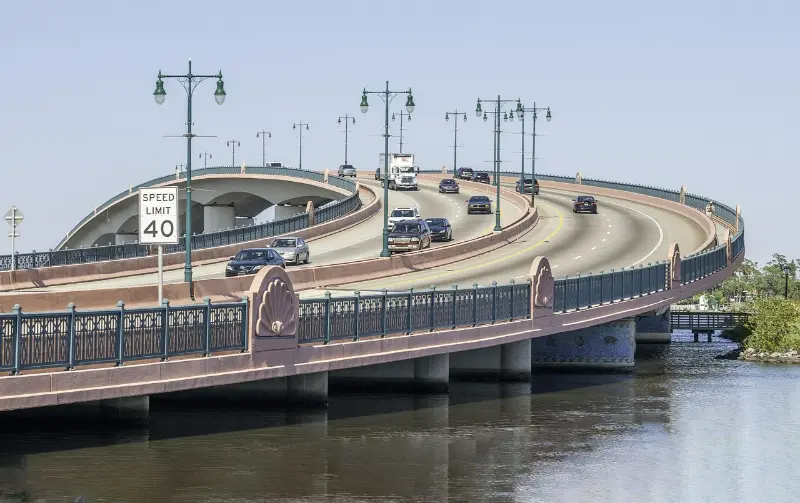
Amelia Island is one of the best places in Northeast Florida for travelers who want a trip that feels coastal without being limited to a resort strip. The island combines a walkable Victorian-era downtown, Atlantic beaches, a Civil War-era fort, maritime history, protected marshes, family parks and quieter residential stretches. That range makes it unusually adaptable: a couple can build a relaxed long weekend around food and sunsets, while a family can alternate beaches, parks and short educational stops without turning every day into a long drive.
The most important planning idea is to stop thinking of Amelia Island as one single beach. The north end around Fernandina Beach, the central public accesses, American Beach, Peters Point and the southern state-park areas all have different parking patterns, facilities and rules. Visitors who choose the exact beach that fits the day generally have a better trip than those who simply drive to the first access they see.
Amelia Island also works best at a slower pace than Jacksonville or Orlando. Distances are manageable, but the value comes from combining one substantial activity with beach or downtown time rather than trying to collect ten attractions. Leave room for weather, tides, a long lunch or an unexpected wildlife sighting.
Quick planning summary
- Best for: couples, families, multigenerational trips, beach lovers, history fans and travelers who want a quieter coastal base than Jacksonville
- How much time: 2–4 days for a balanced first visit; one day can cover highlights but will feel selective rather than complete
- Current practical snapshot: Amelia Island remains a mix of city beaches, county beaches and state-park land, so beach access, parking and vehicle rules depend on the exact location; Fernandina Beach is ending its 2026 paid-parking program on November 18, 2026
- Best season: October–May for the easiest walking weather; summer works well for beach-focused trips if mornings are prioritized and afternoon storms are treated as normal
- Good pairings: Jacksonville, Big Talbot Island, Little Talbot Island and a longer Northeast Florida road trip toward St. Augustine
What the experience is really like
The island feels more like a collection of distinct coastal experiences than a single resort destination. Historic Fernandina Beach gives you restaurants and architecture; Fort Clinch adds a major historic/nature anchor; beaches range from developed family access to quiet dune-backed shore; and marshy interiors create good birding and cycling opportunities. A strong itinerary moves between those environments instead of repeating the same type of day.
What to prioritize
Use Fernandina Beach as the cultural anchor
Spend at least one unhurried block in the historic downtown rather than treating it only as a dinner stop. Centre Street, the waterfront and surrounding historic streets explain much of the island’s identity and give non-beach travelers something substantial to do.
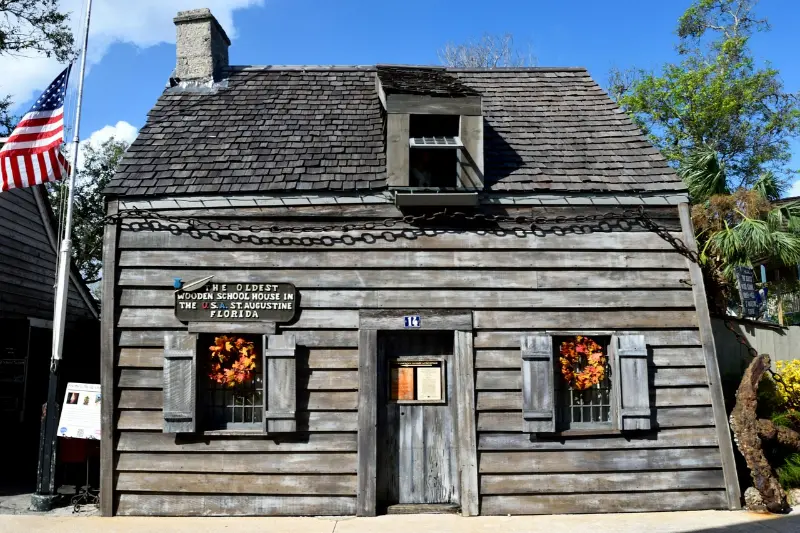
Make Fort Clinch one of the first major stops
Fort Clinch is one of the island’s strongest all-ages attractions because history, trails, river views and beach are in the same park. Arriving earlier in the day makes the fort easier to enjoy before heat and crowds build.
Choose beaches by purpose
Main Beach is convenient for families and nearby services; Peters Point has county facilities and seasonal lifeguards; American Beach adds important Black history; the southern state park feels wilder and has limited capacity. The “best” beach changes with your priorities.
Leave one flexible half-day
Wind, surf, thunderstorms, high heat and special events can alter plans. A flexible block can become beach time, downtown shopping, a museum visit or a nature walk depending on conditions.
Parking, arrival and logistics
Parking is location-specific. Downtown Fernandina Beach has city lots and on-street spaces; the city announced that its current paid-parking program will end November 18, 2026. Beach parking varies by access, and county/state-park areas follow their own rules. Save the exact access point before driving rather than searching only for “Amelia Island beach.”
How to fit it into an Amelia Island trip
Amelia Island is compact compared with Jacksonville, but its attractions fall into distinct zones. The north end around Fernandina Beach and Fort Clinch works naturally together; central beaches are convenient for accommodations and family days; American Beach, Peters Point and the southern end are better grouped into a separate coast-and-history block. Planning by zone prevents unnecessary back-and-forth on A1A and makes it easier to respond to weather.
For this stop, the most natural combinations are Jacksonville, Big Talbot Island, Little Talbot Island and a longer Northeast Florida road trip toward St. Augustine. If you are continuing south, the Big Talbot Island and Boneyard Beach guide and Little Talbot Island guide help build a scenic coastal day between Amelia Island and Jacksonville.
Travelers extending the route farther south can use the Ponte Vedra Beach travel guide to decide whether to keep following the coast or move inland toward St. Augustine. Avoid trying to see Amelia Island, Jacksonville and St. Augustine as one rushed day; each area rewards at least one focused block of time.
Families with babies and young children
Families do best when each day has one clear anchor—Fort Clinch, beach, downtown or nature—plus an easy second activity. Main Beach and parks with restrooms reduce friction for younger children, while short museum visits work well as heat or rain backups.
With babies and preschoolers, simple logistics matter more than the number of sights. Restrooms, shade, parking distance and the ability to leave quickly can turn a beautiful place into an easy or difficult outing. Keep one low-effort backup—hotel pool, playground, short downtown walk or early meal—for the hours when heat or fatigue changes the plan.
Teenagers and older children
Teenagers often enjoy the island more when they can choose between beach time, cycling, photography, fishing, history or downtown food stops. Build some independence into the plan rather than filling every hour with adult sightseeing.
Teenagers usually respond better when the day includes some choice. Let them select a beach, photo stop, food break, bike route or historical story to follow. Amelia Island is relaxed enough that one independent decision can make the itinerary feel less like a sequence of adult-selected attractions.
Senior travelers and multigenerational groups
Senior travelers can have an excellent trip because many highlights can be enjoyed at a moderate pace. Prioritize paved or short routes, avoid midday summer heat, and use downtown or museum stops between more exposed outdoor activities.
For multigenerational travel, build around the least mobile person and add optional extensions for more active travelers. A short museum, waterfront seat or shaded picnic area can serve as a regroup point while others take a longer trail or beach walk.
Accessibility and comfort
Accessibility varies sharply between historic buildings, sand, boardwalks and park trails. Several public beach areas have accessible features, but travelers who need beach mats, beach wheelchairs or step-free routes should confirm the exact access point and current availability before departure.
Accessibility on a barrier island is activity-specific. A park may have accessible parking and restrooms while the beach itself remains soft sand; a historic district may be mostly level but contain older thresholds. Confirm the exact route and facility you need rather than relying on a general accessibility label.
Weather, surf and seasonal planning
Northeast Florida has four noticeably different travel seasons. Winter and early spring are excellent for walking and history, but Atlantic wind can make the beach much cooler than downtown. Late spring and summer bring warm water, humidity and frequent afternoon thunderstorms. Fall can be beautiful, but hurricane-season systems can alter surf, park operations and access even when the storm center is far away.
For any beach day, check rip-current information, flags and lifeguard status where available. Thunder is a reason to leave open sand immediately; do not wait for rain to begin. At natural areas, insect activity and heat can be as important as temperature, so morning starts are consistently the safest all-purpose strategy.
Budget and time planning
Amelia Island can be expensive if every meal, tour and beach day is built around resorts, but many of its best experiences are free or inexpensive. Public beaches, downtown walking, Egans Creek and historic neighborhoods can balance paid museums, Fort Clinch or special tours. Track parking, equipment rentals and food as part of the daily budget rather than looking only at admission prices.
Time is the more valuable resource. Allow 15–20 minutes of buffer between zones, more on busy weekends or during festivals. A half-day that ends early because the group is tired is still successful; forcing another attraction often reduces the quality of the evening.
Food, water and break strategy
Keep water in the car and plan meals before everyone is hungry. Downtown Fernandina is the easiest place to turn food into part of the sightseeing day, while southern beaches may require more deliberate planning. In summer, an air-conditioned lunch can function as a weather break and make an afternoon beach or history stop possible.
If children, seniors or anyone with medication schedules is traveling, carry a small snack even on short outings. Beach traffic, full parking lots or a delayed tour can turn a simple thirty-minute gap into a much longer wait.
Is it worth it?
Choose Amelia Island when you want a quieter, more historic and small-town coastal base. Jacksonville offers more museums, sports and urban dining; St. Augustine has denser historic sightseeing; Amelia is strongest when beach, nature and a relaxed downtown are all priorities.
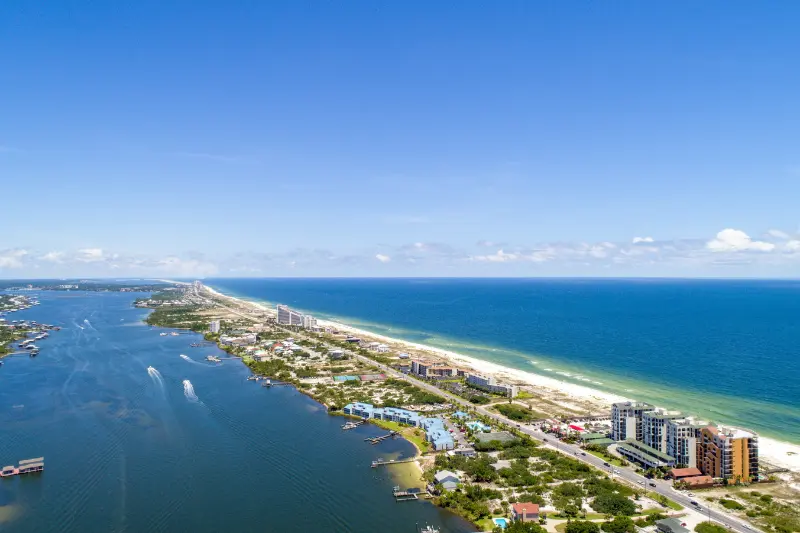
The right question is not whether a place belongs on every Amelia Island itinerary, but whether it adds something your current plan is missing. After several beach hours, history or nature can create contrast. After a fort or museum morning, a simple shoreline or waterfront walk may be the better choice. Build variety rather than maximizing the number of stops.
A realistic visit plan
Day 1
Start with Fort Clinch, then spend the late afternoon and evening in historic Fernandina Beach for waterfront walking and dinner.
Day 2
Choose a beach that matches your group—Main Beach for convenience, Peters Point for county facilities, or American Beach for history plus coast—then add a short nature walk or museum.
Day 3
Use the morning for Egans Creek, cycling or the southern end of the island, then keep the final afternoon flexible for a repeat beach, shopping or a lighthouse/museum visit.
Common mistakes to avoid
- treating every beach access as if parking and rules are identical.
- planning too many attractions instead of allowing time for beach and downtown.
- assuming summer afternoons will stay dry.
- using outdated parking or beach-driving information.
- skipping American Beach and the island’s Black history.
Photography, wildlife and local etiquette
Photograph from public areas and avoid dunes, nesting zones, private property and sensitive habitat. Do not move driftwood, shells containing living organisms or wildlife for a better picture. On residential historic streets, be especially careful not to block driveways or treat homes as unrestricted photo sets.
Sea turtles, shorebirds, alligators, snakes and marine wildlife are all possible in the region. Distance is part of respectful wildlife viewing. Fill beach holes before leaving, remove gear and trash, and follow lighting or seasonal nesting rules when they apply.
Official information to check before you go
Use Amelia Island official tourism site for current hours, prices, parking, closures, access rules and same-day notices. The practical details in this guide reflect information available in October 2026; any trip in 2028 or later should be checked again before departure.
Extra planning notes for a smoother visit
Download or screenshot addresses before leaving the hotel. Beach accesses with similar names can be several minutes apart, and navigation apps do not always distinguish a park entrance from the nearest stretch of shoreline.
Keep one pair of shoes in the car that can handle sand, roots or wet grass. Amelia Island itineraries often move from a restaurant or museum to a nature trail without returning to the hotel.
If a morning is going well, do not automatically add another major stop. Extra unstructured time is one of the reasons Amelia Island feels different from busier Florida destinations.
Check special-event calendars if you travel on a weekend. Festivals, races and downtown events can improve the trip but also change parking, traffic and restaurant waits.
Before the final activity of the day, decide where dinner or the drive back will happen. Small logistical decisions become more difficult when everyone is tired, sandy or overheated.
Final thoughts
Amelia Island is at its best when the trip feels balanced rather than busy. One historic stop, one beach block, one nature experience and one slow evening in Fernandina Beach can create a stronger day than a checklist of attractions. Give the island enough time to feel different from nearby Jacksonville and St. Augustine, and it becomes one of Northeast Florida’s most rewarding coastal bases.
Decision guide: when this stop fits best
Choose Amelia Island Florida Travel Guide when it matches the purpose of the day. Couples, families, multigenerational trips, beach lovers, history fans and travelers who want a quieter coastal base than jacksonville generally receive the strongest value, while travelers whose priorities are different may prefer another Amelia Island stop. A good itinerary alternates effort levels: after a hot beach block, choose a shaded or indoor attraction; after a museum, use a short nature walk; after a long historical visit, leave room for food and unstructured time.
Also compare total effort rather than admission cost alone. A free beach with difficult parking, no shade and a long gear carry can demand more from a family than a paid park with predictable facilities. Conversely, a simple free waterfront walk may be exactly what the group needs after an expensive attraction. The best choice is the one that fits the people traveling that day.
If weather looks uncertain, avoid scheduling two outdoor activities that both require perfect conditions. Pair an exposed beach or trail with downtown Fernandina, a museum or an easy meal so the day can survive a thunderstorm, cold front or strong wind without feeling lost.