
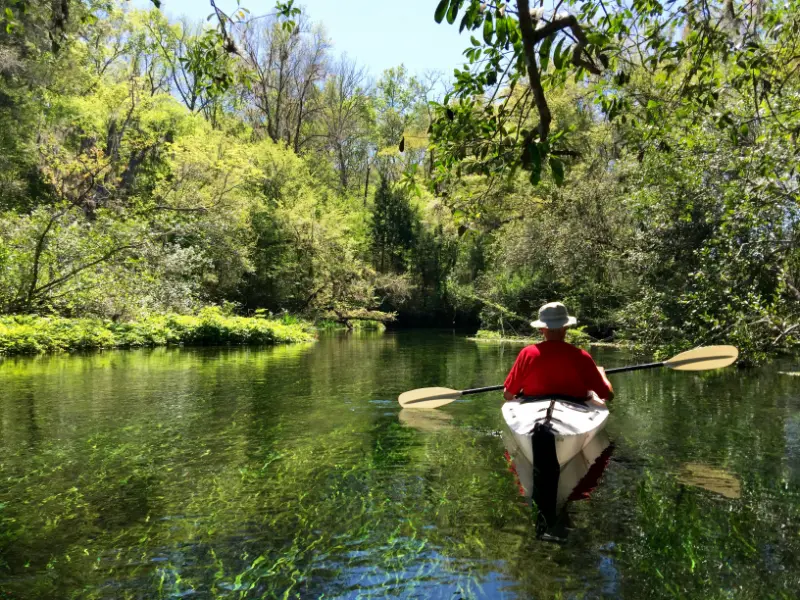
Crystal River is one of the rare Florida destinations where the wildlife encounter is not a side activity but the reason many people build the trip. The spring-fed Kings Bay system, wintering manatees, easy paddling, Gulf sunsets, small-town restaurants and nearby Homosassa make it especially attractive for travelers who want nature without a long wilderness expedition.
For a first trip, plan two full days if possible. One day is enough to see the essentials, but two days let you separate manatee or spring time from history, beach, paddling and a relaxed meal. Families, couples, photographers, older travelers and first-time Florida visitors can all use the same base while choosing very different activities.
Quick planning summary
- Best base: Crystal River for easiest access to Kings Bay, Three Sisters Springs, tours and downtown services
- Ideal stay: 2 nights for a first visit; 3 nights if you want paddling, Homosassa and a Gulf afternoon
- Signature season: November 15 through March 31 for winter manatee concentrations and sanctuary rules
- Best warm-weather reasons to visit: kayaking, swimming, scallop season, fishing and Gulf sunsets
- Car: strongly recommended for beaches, Homosassa, parks and flexible meal planning
- Best for: wildlife, nature-focused families, multigenerational trips, paddlers and travelers who prefer a slower Florida pace
Why Crystal River deserves more than a quick manatee stop
A day-trip mentality can make Crystal River feel like a single attraction: arrive, take a tour, leave. That misses the character of the area. Kings Bay is a broad spring-fed estuary with neighborhoods, city parks, paddling routes and wildlife habitat. The Gulf is close enough for sunsets and saltwater fishing, while archaeological sites and Homosassa add a completely different layer of history and wildlife.
The better approach is to use manatees as the anchor and build the rest of the itinerary around water conditions, temperature and energy. A cold winter morning may be ideal for above-water viewing, followed by a warm lunch and a historical stop. A summer trip may work better with an early paddle, midday hotel break and sunset at Fort Island.
The best things to do in Crystal River
- See Three Sisters Springs from the boardwalk: the easiest land-based introduction to the spring system and a strong choice for non-swimmers.
- Explore Kings Bay: by permitted guided tour, rental kayak or your own paddle craft, depending on current rules and comfort level.
- Visit the national wildlife refuge visitor center: useful before any manatee-focused activity because it explains habitat, seasonal sanctuaries and passive-observation rules.
- Spend time at Hunter Springs Park: a small urban spring park with swimming, a paddle launch, playground and a practical local feel.
- Add local history: Crystal River Archaeological State Park provides a quiet counterpoint to the busy water attractions.
- Drive to the Gulf: Fort Island Gulf Beach is the logical late-afternoon stop when conditions are good and you want a west-facing sunset.
- Visit Homosassa: Ellie Schiller Homosassa Springs Wildlife State Park is especially useful for families and visitors who prefer wildlife viewing without getting into open water.
Manatee season: what changes in winter
The U.S. Fish & Wildlife Service defines Crystal River manatee season as November 15 through March 31. During that period, warm-water sanctuaries in Kings Bay protect animals that depend on spring water when Gulf temperatures fall. Some areas may be closed to people, and Three Sisters Springs can temporarily close to in-water recreation during cold conditions. That is not a failure of the trip; it is the conservation system working as intended.
If your priority is seeing large numbers of manatees, winter is the strongest season. If your priority is relaxed swimming and paddling with fewer winter restrictions, warmer months can be better, though manatee numbers are usually lower.

Should you swim with manatees?
Only if you genuinely want an in-water wildlife experience and are comfortable following strict passive-observation rules. Do not choose the activity because it appears on every list. The refuge prohibits chasing, touching resting or feeding animals, cornering them, separating mothers and calves, riding or standing on manatees, and other forms of disturbance. A reputable permitted operator should make those rules central to the experience rather than treating them as fine print.
For young children, nervous swimmers, travelers with limited mobility or anyone uncomfortable in cold water, boardwalk and boat-based viewing can be the better experience. Seeing wildlife well does not require entering its habitat.
How to organize two days
Day 1: Kings Bay and Three Sisters Springs
Start with the refuge visitor center or a short orientation, then choose either a guided water activity or land access to Three Sisters Springs. Keep lunch flexible because wildlife timing and cold-weather closures can change the morning. In the afternoon, walk downtown, rest at the hotel or visit Hunter Springs Park if weather and energy allow.
Day 2: history, Homosassa or the Gulf
Use the second morning for Crystal River Archaeological State Park or Homosassa Springs Wildlife State Park. Save the late afternoon for Fort Island Gulf Beach or a relaxed meal. This separation prevents the common mistake of booking two wildlife activities so tightly that a delayed launch or weather change ruins the whole day.
Crystal River with children, teenagers and older adults
Crystal River works especially well for mixed-age trips when you keep the schedule flexible. Babies and toddlers need shade, dry clothes and short transfers; school-age children usually enjoy the wildlife mission of spotting fish, birds or manatees; teenagers tend to prefer kayaking, snorkeling or photography; older travelers often appreciate boardwalk viewing, short nature walks and scenic drives. The best plan is not to force everyone into the water simply because the area is famous for in-water encounters.
Accessibility and low-effort options
The Three Sisters Springs boardwalk includes wheelchair-friendly viewing areas, and the refuge visitor center is an easy land-based stop. Homosassa Springs has paved visitor routes and accessible components. Water activities are more variable: a stable pontoon-style tour, kayak, snorkel tour and independent paddle all create very different physical demands. Ask the operator about boarding, ladders, transfer assistance and restroom access before paying.
Best time of year
From late spring through early fall, start outdoor activities early and expect heat, humidity and afternoon thunderstorms. Winter is the signature manatee season, but cold fronts can change water access and push more animals into protected sanctuaries. The water around the springs stays relatively stable, while air temperature can vary dramatically. Pack for the air temperature after you get out of the water, not just for the swim itself.
For spring break and summer trips, the water can be a relief from heat, but popular parks fill quickly. Scallop season creates an additional reason to visit the Gulf side of Citrus County and can raise demand for lodging and boat services. Autumn is underrated for quieter roads and warm water, though tropical weather remains a planning factor.
Where to stay
Stay in Crystal River if you want the easiest access to Kings Bay, tour operators, Three Sisters Springs and downtown dining. Homosassa is better when the wildlife state park, riverfront atmosphere and southern Citrus County are central to the trip. Inverness works better for cycling and inland exploration than for an early manatee tour. For a short first visit, avoid choosing lodging solely by the lowest nightly rate; an extra 25–35 minutes of driving before dawn can erase the savings.
Common mistakes to avoid
- building the entire trip around touching or approaching wildlife instead of observing it passively
- assuming Three Sisters Springs land access and in-water access are the same thing
- booking every hour of a winter morning when cold-weather closures can change the plan
- forgetting dry layers after snorkeling or kayaking
- choosing a hotel far inland when your first activity begins early on Kings Bay
- leaving Fort Island Gulf Beach for midday instead of using it as a sunset or late-afternoon stop
Useful official resources
Start with the official Discover Crystal River tourism site for regional planning and the U.S. Fish & Wildlife Service Crystal River National Wildlife Refuge for refuge rules, manatee season and current wildlife protections. For Three Sisters Springs land access, use the City of Crystal River pages rather than relying on third-party ticket summaries.
How Crystal River fits into a longer Florida road trip
From Ocala, Crystal River is a natural westward transition after an Ocala stay. Travelers continuing south can connect later with Tampa Bay and the central Gulf Coast; travelers moving north can follow the Nature Coast toward Cedar Key. The best road-trip rhythm is two or three nights here rather than a same-day out-and-back from a distant city.
Final thoughts
Crystal River is at its best when you treat it as habitat first and attraction second. Build the schedule around wildlife conditions, allow one flexible half-day, and include at least one experience that has nothing to do with manatees. That combination produces a richer trip and usually a calmer one.
A three-night version of the trip
With three nights, use arrival afternoon for downtown and Hunter Springs, the first full day for Kings Bay and Three Sisters Springs, and the second full day for Homosassa plus the Gulf. That leaves the departure morning for archaeology or a relaxed breakfast. The extra night adds weather insurance rather than simply adding more attractions.
This is especially useful in winter. If the first morning is warmer than expected and few manatees are visible, you can shift the second morning toward wildlife viewing instead of feeling that the entire trip depended on one date.