
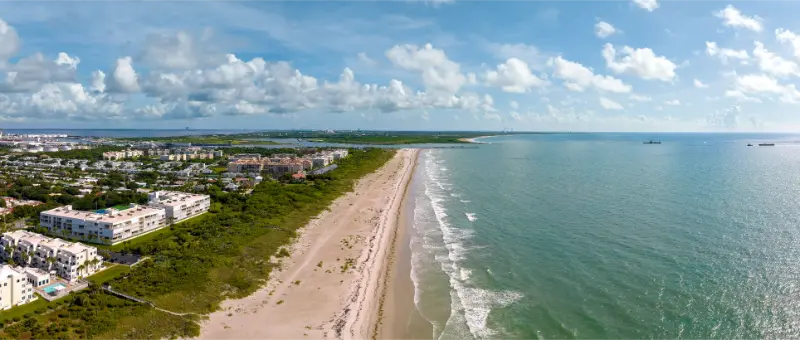
Florida’s Atlantic coast is often described through beaches and busy resort towns, yet much of its appeal comes from quieter ecosystems: barrier islands, river lagoons, dunes, sea turtle habitat and coastal preserves. A six-day road trip from the Space Coast toward Jupiter can combine these places without requiring long wilderness treks or advanced outdoor skills. It works for nature-minded couples, families with school-age children and older travelers who enjoy short walks and careful wildlife observation.
This itinerary is about learning to notice habitat. It does not promise close-up encounters with turtles, dolphins or manatees. Wildlife is wild, conservation rules come first, and the best season for one species may be different from the most comfortable season for human visitors. Use a rental car or another reliable road transport method, book only a couple of bases, and leave daylight hours for enjoying the landscape rather than constantly moving hotels.
How to organize the route and choose bases
Spend the first three nights around Cocoa Beach or Melbourne Beach, then two nights in or near Vero Beach or Jupiter depending on your departure airport. Choosing fewer hotels reduces packing and gives you a second chance if an afternoon storm interrupts one of your planned walks. Check the true driving distance to the nature sites, not just the hotel name: coastal barriers, bridges and local traffic can turn a short-looking route into a much longer transfer. An oceanfront room may be attractive, but a quiet inland hotel with easy parking and breakfast can be more practical.
Plan your major outdoor visit for morning whenever possible. Afternoon heat and lightning risk are important for much of the year. Keep a flexible order: a beach walk on a dry morning, an indoor environmental center or museum when storms develop, and a restaurant near the hotel rather than another long detour. If someone in the group uses a wheelchair or stroller, examine access details for each boardwalk and entrance rather than treating every wildlife refuge as uniformly level or paved.
Day one: Space Coast arrival and a first lagoon view
Start the road trip gently in the Cocoa Beach or Melbourne area. A short waterfront walk can introduce the difference between the Atlantic shoreline and the Indian River Lagoon system. The ocean side has surf, dunes and nesting beach habitat, while the lagoon supports a distinct mixture of shorebirds, fish and coastal vegetation. You do not need to rent a kayak to understand this landscape. A public viewing point, interpretive signs and a pair of binoculars are enough for a useful first hour.
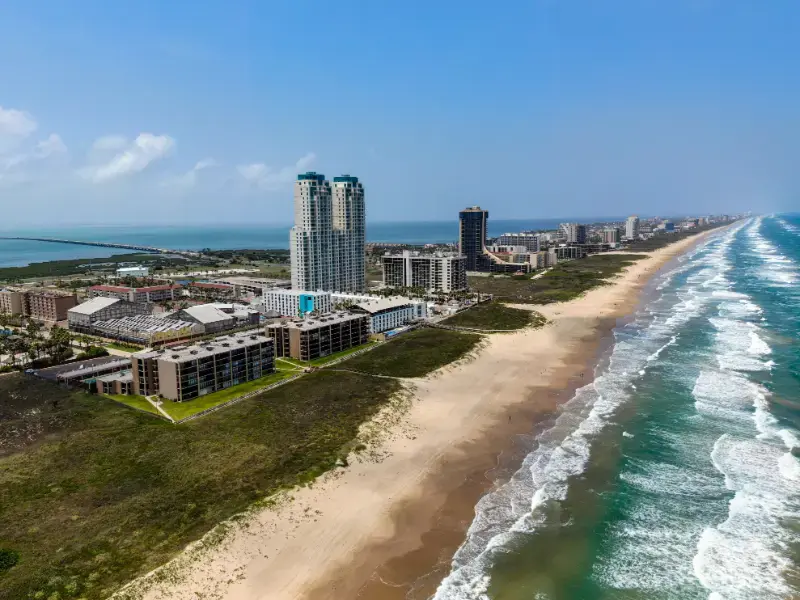
After checking in, identify a grocery store for drinking water and picnic food. Carry sun protection and insect repellent, especially for walks near marshes at dawn or dusk. Explain to children that a nature trip means observing without collecting protected plants, shells with living animals, or anything from marked nesting areas. If you spot a dolphin or a bird feeding, watch from a distance. Do not follow it down the shore to obtain a better picture. On day one, settle into the location and be content with a quiet evening.
Day two: learn about sea turtles the responsible way
The Archie Carr National Wildlife Refuge protects important sea turtle nesting habitat along part of the Atlantic coast. The refuge’s visitor guidance points travelers toward the Barrier Island Center, which offers interpretive exhibits and an accessible ocean-view boardwalk. Check the center’s operating days before arrival; it has published Tuesday-through-Sunday opening, with Mondays closed. The exhibits help explain the significance of dunes, lighting and nesting seasons without asking visitors to encounter a nesting animal themselves.
During the nesting season, guided turtle walks may be offered by authorized organizations, with restrictions on lights, photography and movement. Reserve directly with recognized programs and follow the leader’s instructions. Never walk the beach searching for nesting turtles or use phone flashlights to locate hatchlings. Even ordinary lights from a beachfront hotel can disorient turtles, which is one reason visitors are asked to minimize illumination. Outside the nesting season, the coast is still interesting for birds, plant communities and the lagoon landscape. A rewarding conservation visit is not dependent on seeing a turtle.
Day three: Sebastian Inlet and the changing coastline
Continue south toward the Sebastian Inlet region for a look at a different coastal setting. Inlet environments reveal the interaction of tidal water, fishing activity and Atlantic surf. Check the state park’s latest conditions and any construction or weather warnings before making the trip. Some viewpoints are relatively easy to reach while other sandy areas or rock edges are unsuitable for strollers, people with limited mobility or children who are not steady on their feet. Choose a safe public observation area rather than wandering into an exposed or restricted fishing zone.
If you enjoy birdwatching, bring binoculars and look for seabirds feeding or resting without approaching their flock. The presence of an inlet does not mean swimming is safe; currents near inlets can be particularly dangerous. Follow flags and official guidance. For a family with younger children, an hour of observation followed by a meal may be ample. Older children might enjoy learning why tides change and how barrier islands form. Use interpretive signs or park ranger information as the foundation rather than inventing explanations based only on a photograph.
Day four: Vero Beach and a slower conservation day
Use Vero Beach as a break between larger destinations. This is an ideal day for a beach walk, a managed natural area or an environmental education program rather than an expensive attraction. Check local beach access to find parking, accessible entry and restroom facilities. Different public beaches offer different levels of support, so visitors with special access needs should not rely on a general city description. The goal is to spend time understanding coastal habitats, not merely moving between scenic overlooks.
If weather is stormy, choose a museum or indoor cultural venue and save the outdoor visit for a clearer day. In summer, early morning is usually more comfortable for walking on open sand. In winter, conditions may be pleasantly cool but windy. Bring a thin extra layer and check the marine forecast. If the beach is crowded, avoid trampling vegetation while seeking privacy. Use designated boardwalks and walkovers because dune plants help hold the shoreline together. A quiet afternoon in a cafe can be a sensible part of a nature-focused vacation.
Day five: Jupiter, estuary views and coastal learning
Move toward the Jupiter region, where the Loxahatchee River and nearby protected landscapes offer another perspective on Florida’s waterways. Select one clearly managed visitor area rather than trying to combine every park in the district. Public trails, boardwalks and visitor centers vary in hours and accessibility. Investigate entry fees, walking surfaces, seating and whether the route is shaded. If an interpretive boat trip appeals to your group, confirm departure locations, boarding methods, weather cancellation rules and the operator’s wildlife-viewing practices.
Spend part of the afternoon looking at the estuary rather than focusing exclusively on the ocean. Mangroves and river environments are productive habitats, but they are vulnerable to disturbance. Keep out of protected vegetation, do not feed fish or birds, and respect restricted zones. For young children, a simple wildlife checklist works well: one wading bird, one shorebird, one mangrove root system and one difference between a river and a beach. The best list celebrates observations, not guarantees. If someone struggles with walking, choose a short viewpoint and long seated break.
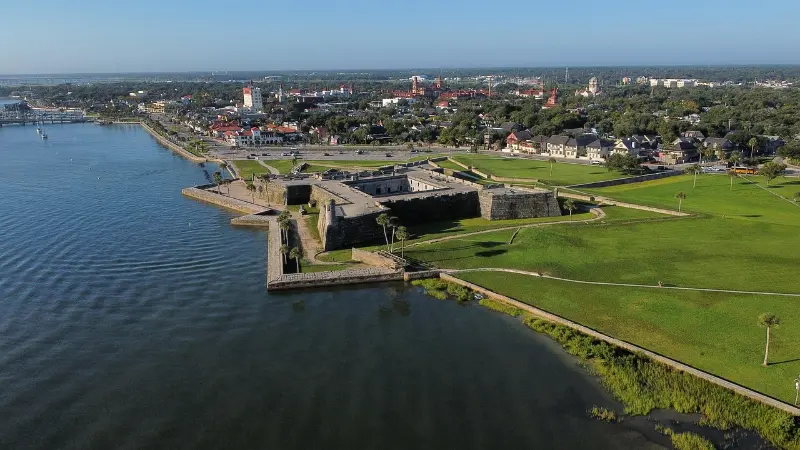
Day six: choose the easiest departure, not another long detour
The last day depends on where your flight leaves. Palm Beach International Airport may be convenient for some routes, while a traveler returning to Orlando faces a significant drive. Leave time for rental car refueling and airport check-in. Avoid booking an early-morning boat tour before a tightly scheduled flight. If you have a late departure, a short morning walk near the accommodation offers a final view without risking your connection. Check traffic and weather again before starting the trip.
Sort any photographs after the journey rather than disrupting wildlife with long camera sessions. Photos of tracks or a marked nest should not tempt anyone to cross barriers or touch protected material. If you learned something from a visitor center, consider supporting its conservation mission through a donation or purchase rather than collecting natural objects. Florida’s coastal communities face storms and shoreline changes; responsible visitors check access updates and leave natural areas as they found them.
Six-day route at a glance
| Day | Area | Main idea | Bad-weather alternative |
|---|---|---|---|
| 1 | Cocoa Beach or Melbourne | Coast and lagoon orientation | Indoor exhibits near hotel |
| 2 | Archie Carr Refuge area | Barrier Island Center and turtle education | Environmental displays |
| 3 | Sebastian Inlet | Tides, birds and ocean observation | Local museum or cafe |
| 4 | Vero Beach | Gentle nature walk and rest | Indoor arts visit |
| 5 | Jupiter | River, estuary and managed conservation area | Visitor center |
| 6 | Departure | Short walk and travel | Direct airport transfer |
The order can be reversed or shortened. Stay longer in one place if you prefer fewer hotel changes. This is not intended as a six-day hiking challenge; even a family with very young children can adapt the distances and select one short outdoor experience a day.
When to go and what wildlife you might see
The refuge notes that sea turtle nesting tends to be more active in warmer months, while winter brings different birding opportunities and generally milder temperatures. However, weather and animal behavior are variable. Avoid booking a trip on the assumption that one specific night will produce a turtle encounter. Summer also overlaps hurricane season and can bring sudden storms, with risks especially important on exposed beach or pier areas. For many travelers, spring and fall provide a balance of activities, but each period has trade-offs.
Wildlife observation is better with a quiet approach. Use binoculars instead of walking toward an animal, keep dogs out of protected areas where prohibited and give nesting or resting birds a broad buffer. Feeding wildlife changes behavior and can create danger for both animals and people. If you are uncertain whether something is permitted, ask a ranger or visitor center volunteer. This simple habit makes the outing more educational and protects the natural places that attract visitors.
Accommodation, cost and practical comforts
Budget for two lodging bases, a rental car, fuel, parking, selected park entry and meals. Some public beach visits cost little beyond transport, while boat tours and guided activities can add significant expense. Compare a room with free parking and a refrigerator against a more expensive waterfront property. Families may value laundry and a separate sleeping area more than proximity to a specific view. Couples who enjoy photography might prefer an early-start location near a legal public access, while older adults may prioritize elevators and restaurants within a short distance.
For accessibility, contact a site to check whether the specific boardwalk is open and suitable for the mobility device you use. Weather and maintenance can change temporary routes. A child who is sensitive to loud spaces may enjoy outdoor interpretation, but avoid exhausting midday heat. Carry a reusable water bottle, medications, hat, extra clothing and phone with offline locations saved. Never leave medication or camera gear in a hot car for extended periods.
Frequently asked questions
Can we see sea turtles on a Florida beach independently?
You may encounter signs of protected nesting activity, but do not pursue turtles or disturb nests. Choose authorized guided programs and follow lighting and access rules. Sightings cannot be guaranteed.
Is this trip suitable for older adults?
Yes if you select short, suitable paths and plan rest stops. Confirm accessible entrances and boardwalk conditions, especially if anyone uses a wheelchair or mobility aid.
Should we swim at Sebastian Inlet?
Swimming conditions around inlets can be dangerous. Follow the park’s current restrictions, beach flags and lifeguard instructions. The itinerary works without entering the water.
Official nature and safety sources
Use the Archie Carr National Wildlife Refuge visitor page, the refuge wildlife calendar, Florida State Parks for inlet-area notices and the National Weather Service for forecasts and marine warnings.
Leave a Reply