
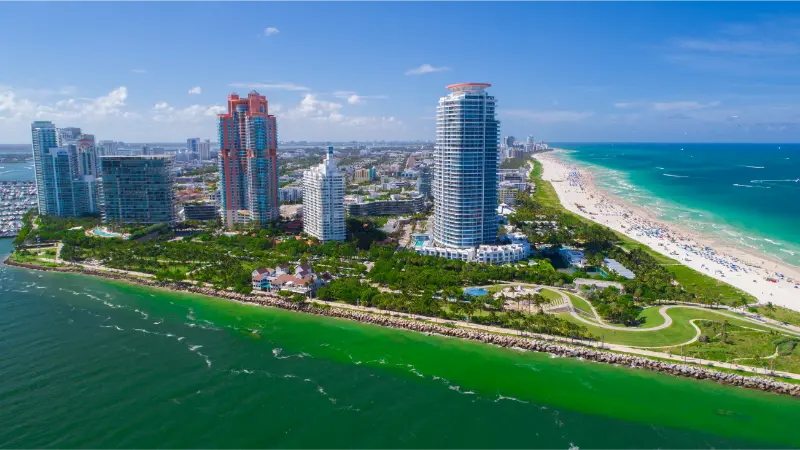
Florida has hundreds of miles of beaches, but the phrase “best beach” is almost meaningless until you define the trip. A family with a toddler may want calm water, toilets and a short walk from parking. A couple may care more about sunsets and restaurants. Shell collectors look for very different conditions from surfers, while senior travelers may prioritize boardwalks, benches and accessible beach-entry equipment. The Gulf Coast and Atlantic Coast also behave differently, and water clarity, waves, seaweed and weather can change from one day to the next.
There is no single beach that suits everyone; compare places by your priorities. It compares major Florida beach regions and highlights strong choices for families, clear-water expectations, shelling, surfing, couples, quieter trips and accessibility. It also explains when the Gulf or Atlantic is likely to fit your travel style better.
Quick planning summary
- Best for: Anyone choosing a Florida beach vacation, from families and couples to surfers, shell collectors, senior travelers and road-trippers.
- Ideal trip length: 3–5 nights for one beach base; 7–10 nights if combining two coasts or a beach with Orlando, Miami or the Keys.
- Getting around: Most beach destinations are easiest with a car, although compact areas such as parts of Miami Beach, Key West and some resort districts can work without one.
- Best planning principle: Choose the beach according to your group and season, not only by a social-media photo taken on one perfect day.
Gulf Coast or Atlantic Coast?
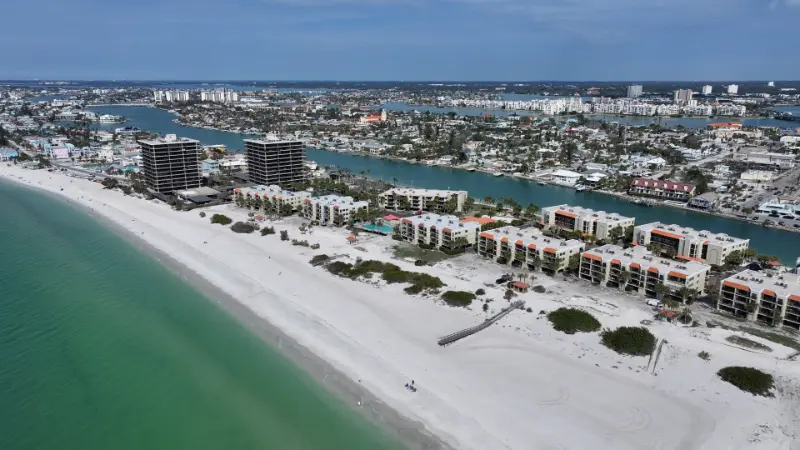
The Gulf Coast is often associated with softer sand, warm water and calmer conditions, although storms and wind can still create rough surf. Destinations such as Clearwater Beach, St. Pete Beach, Siesta Key, Naples and many Panhandle beaches are popular with families and sunset lovers. The Atlantic Coast generally has more wave energy and a stronger surfing culture, with destinations such as Cocoa Beach, New Smyrna Beach and parts of the Space Coast attracting surfers.
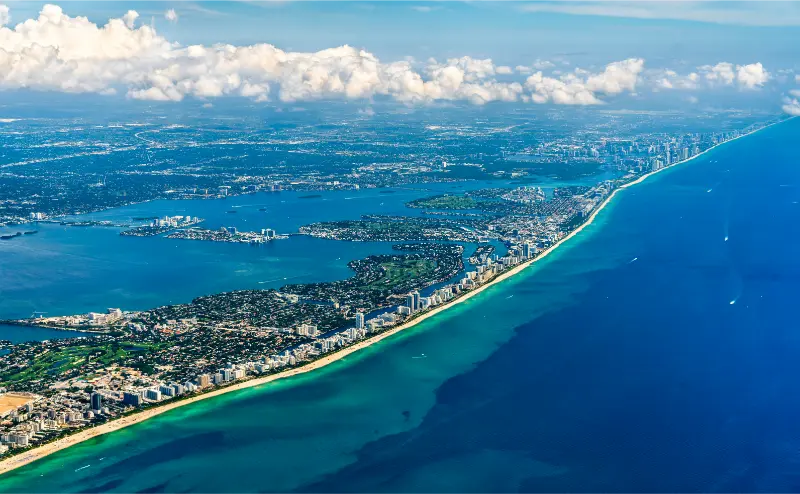
South Florida’s Atlantic beaches—including Miami Beach, Fort Lauderdale and Palm Beach County—combine warm water, urban services and a strong resort atmosphere. Northeast Florida, including St. Augustine and Amelia Island, offers a different experience with historic towns, broader seasonal temperature changes and long beaches. The “better” coast depends on whether your priorities are sunsets, surfing, road-trip geography, water conditions or the attractions beyond the sand.
Best Florida beaches for families
Families generally benefit from reliable parking, restrooms, lifeguard information, food nearby and an easy route back to accommodation. Siesta Key, Clearwater Beach, St. Pete Beach, Naples-area beaches and many Panhandle destinations can work well, but the exact choice should depend on lodging and daily logistics. Panama City Beach is especially strong for families wanting a large tourism infrastructure around the beach, while Amelia Island and St. Augustine combine beach time with history and town activities.
With babies and toddlers, a beachfront or genuinely near-beach property can be worth more than an elaborate resort farther away. Short beach sessions are usually better than trying to remain outside all day. Shade, hydration and nap access matter more than the number of attractions. Teenagers may prefer destinations with watersports, surf culture, piers or walkable entertainment.
Beaches for clear-water expectations
Florida water clarity is dynamic. Wind, waves, rain, river outflow, tides, currents and seasonal biological conditions all affect what you see on a given day. Parts of the Emerald Coast and Florida Keys can look remarkably clear under the right conditions, while Gulf beaches farther south can also be beautiful. No destination can guarantee postcard water every day.
If clear water is a priority, stay several nights rather than judging the trip by one afternoon. Check local beach webcams and current reports shortly before traveling. Snorkeling quality also depends on underwater habitat; a clear sandy beach is not automatically a good reef site. In the Keys, boat-based snorkeling is often more rewarding than simply entering from a hotel beach.
Shelling and wildlife beaches
Sanibel and Captiva are famous for shelling, while southwest Florida and some Gulf islands can offer excellent beachcombing after favorable tides and weather. Shell collecting rules vary, especially when shells contain living organisms or when protected areas are involved. The responsible approach is to learn local rules and leave living creatures where they are.
Wildlife can be a major part of a Florida beach trip. Sea turtles nest on many beaches, shorebirds use protected areas and manatees or dolphins may appear in nearby water. Respect marked nesting zones, keep lights controlled where required and never approach wildlife for photographs. Some destinations have seasonal rules that matter more than visitors realize, particularly at night.
Beaches for couples and relaxed trips
Couples who want restaurants and nightlife may prefer Miami Beach, Fort Lauderdale, Clearwater, St. Pete or Key West, while those seeking quieter surroundings can look toward Anna Maria Island, parts of the Nature Coast, Amelia Island or smaller Panhandle communities. The hotel matters as much as the beach: adults-only atmosphere, balcony orientation, walkable dining and parking can shape the experience more than a small difference in sand quality.
For a romantic trip, avoid over-scheduling. A morning walk, long lunch, pool time and sunset can create a better day than driving to several beaches simply to compare them. If you do want variety, choose neighboring beaches within the same region rather than crossing the state mid-trip.
Beaches for surfing and active travelers
Cocoa Beach and New Smyrna Beach are among the best-known surf destinations in Florida, while other Atlantic communities also develop good conditions depending on swell and wind. Beginners should use reputable surf schools and understand local currents. Strong swimmers can still be vulnerable to rip currents, and beach warning systems should be taken seriously.
Active travelers may also enjoy paddleboarding, kayaking, kiteboarding or beach cycling where permitted. Conditions change quickly, so activity selection should follow the weather rather than force the original plan. Life jackets and local regulations matter on paddlecraft, and lightning should end water activities immediately.
Accessible beach planning
Florida has many beaches with accessible boardwalks, mats, beach wheelchairs or mobility equipment, but availability varies by city, county, park and season. Never assume a famous beach automatically has the exact equipment you need. Confirm parking, restroom access, boardwalk gradients, wheelchair availability and reservation procedures directly with the local authority or park.
Senior travelers may also value benches, shade, short routes and a hotel with direct elevator access. A beachfront room is not necessarily easy access if the route includes stairs, deep sand or a long boardwalk. The complete door-to-water route matters. For multigenerational groups, choose a beach where less-mobile travelers can still enjoy views and shade without needing to cross a large stretch of sand.
When to plan a Florida beach vacation
South Florida and the Keys remain warm through much of winter, while northern beaches can be cool. Spring can be excellent in many regions, although school-break crowds matter. Summer is hot and humid statewide, with frequent thunderstorms, but it is also popular for family vacations. Fall can be beautiful and less crowded in some areas but overlaps with Atlantic hurricane season, which runs June through November.
Water temperature, algae or seaweed events, red tide, beach erosion and storm recovery can all affect local conditions. These are reasons to check recent local information, not reasons to avoid Florida entirely. Flexible travelers often have the best experience because they can switch from swimming to town exploration, parks or museums when the beach is temporarily less appealing.
A practical shortlist by travel style
Use this shortlist as a starting point, then compare accommodation, season and current conditions.
- Family resort atmosphere: Panama City Beach, Clearwater Beach, St. Pete Beach.
- Soft-sand Gulf experience: Siesta Key and southwest Gulf communities.
- Surf culture: Cocoa Beach and New Smyrna Beach.
- Urban beach trip: Miami Beach and Fort Lauderdale.
- History plus beach: St. Augustine and Amelia Island.
- Shelling: Sanibel and Captiva area.
- Island road trip: Florida Keys and Key West.
- Nature-focused Panhandle: Cape San Blas, St. Joseph Peninsula and nearby Gulf communities.
Common beach-planning mistakes to avoid
The most expensive mistake is choosing a destination from one photograph without checking the wider trip. Beaches change daily, and logistics matter. The best Florida beach for your family is the one that matches your pace, budget and mobility needs.
- Assuming calm water is guaranteed on the Gulf.
- Ignoring rip-current and flag warnings.
- Booking “ocean view” without checking actual beach access.
- Expecting every Florida Keys shoreline to be a classic sandy beach.
- Planning full midday beach days for babies or older adults in summer.
- Failing to check local storm, seaweed, red-tide or wildlife information.
Useful Wonderful Florida guides to read next
Continue planning with Panama City Beach, Amelia Island, Cape San Blas and Florida Keys and Key West.
Official resources to check before you travel
Opening hours, road conditions, park rules, transportation services, weather alerts and reservation requirements can change. Check the official source again shortly before the trip whenever a specific attraction, route or service is essential to your plans.
Final thoughts
Florida does not have one best beach; it has a best beach for a particular trip. Decide whether you want Gulf calm, Atlantic energy, walkable nightlife, shelling, wildlife, family facilities or quiet nature, then choose accommodation that makes that experience easy. Current conditions matter more than rankings, so build enough flexibility into the trip to enjoy Florida even when the water is not picture-perfect.