
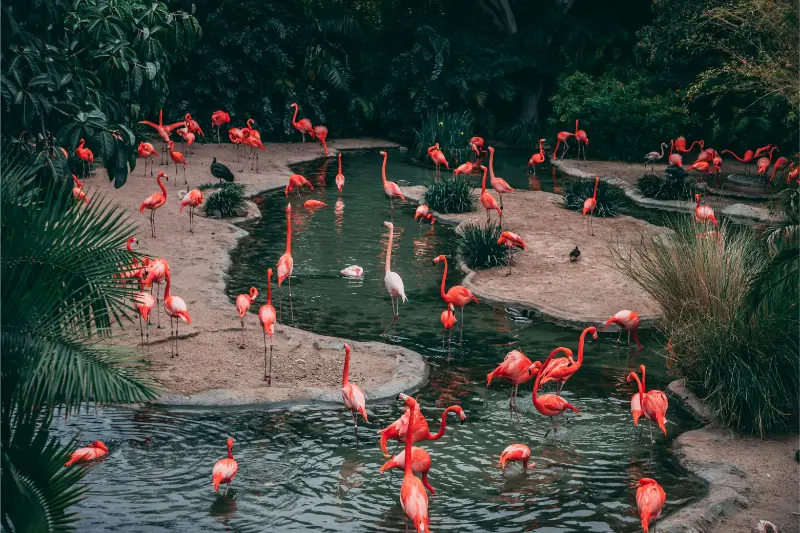
Florida’s strongest zoos and aquariums are useful for more than rainy days. They can introduce travelers to native ecosystems before an Everglades or springs trip, give families a structured half-day between beach days, and offer older travelers an easier wildlife experience than a long humid trail. The state also has a long coastline and major conservation organizations focused on sea turtles, manatees, reefs and marine rescue.
I would choose by region rather than ranking every facility from first to tenth. A great zoo near the route is usually a better vacation choice than a slightly larger one that creates four hours of extra driving. Accreditation, animal care, conservation work, shaded walking and realistic visit length matter more than the number of exhibits.
Quick planning summary
- Tampa Bay: ZooTampa and The Florida Aquarium make a strong urban wildlife pairing
- Northeast Florida: Jacksonville Zoo and Gardens is a major full-day choice
- Space Coast: Brevard Zoo combines animals with an outdoor Florida feel
- Palm Beaches: Palm Beach Zoo works well with a South Florida family itinerary
- Southwest Florida: Naples Zoo is a convenient complement to beach days
- Marine-life planning: add reputable rescue, rehabilitation or science centers when that mission matches your interests
Tampa: ZooTampa and The Florida Aquarium
Tampa is one of the easiest Florida cities for a dedicated zoo-and-aquarium combination. ZooTampa at Lowry Park has a broad collection and a strong Florida-wildlife component, while The Florida Aquarium focuses on marine and aquatic environments. I would split them across two days or pair one with a lighter city activity rather than forcing both into an exhausting single day with young children.
The aquarium is especially useful during hot or stormy weather because much of the experience is climate-controlled, although outdoor areas still matter. ZooTampa requires more walking and sun planning. If your trip also includes Busch Gardens, avoid stacking three large animal-focused attractions without giving the family a beach, pool or slower neighborhood day in between.
Jacksonville Zoo and Gardens
Jacksonville Zoo and Gardens is one of North Florida’s major family attractions and can justify a substantial part of a day. The “Gardens” part of the name is important: landscaping and walking through different environments make the visit feel broader than moving from cage to cage.
Family tipFor families driving I-95, Jacksonville can be a practical stop before St. Augustine or Amelia Island. I would arrive earlier in warm months, use the hottest part of the day for indoor or shaded spaces when possible, and avoid planning a long evening drive immediately after several hours on foot.
Brevard Zoo and the Space Coast
Brevard Zoo fits naturally into a Space Coast trip that may already include Kennedy Space Center and Cocoa Beach. Its scale is manageable for families that want a substantial wildlife visit without turning the entire vacation into theme-park-style touring. Some experiences require separate reservations or fees, so review the official site before promising an add-on.
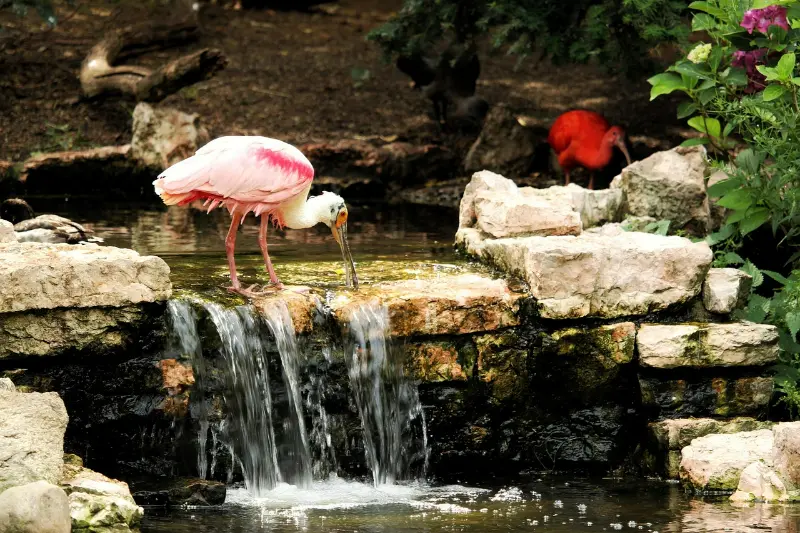
The zoo is also a good example of why Florida wildlife attractions work best when combined with the surrounding region. One day can be focused on animals and conservation, another on space exploration, and another on the beach. That variety reduces the feeling of repeating similar exhibits.
Palm Beach Zoo, Naples Zoo and regional favorites
Palm Beach Zoo is an easy addition to a Palm Beaches itinerary, while Naples Zoo fits well in Southwest Florida between beach and Everglades-oriented days. Both can work for grandparents traveling with children because they offer a defined route, predictable facilities and a visit that can be shortened if the heat becomes tiring.
Other regional zoos and wildlife centers may be excellent, but I would distinguish between accredited zoos, sanctuaries, rehabilitation centers and roadside animal attractions. The names can sound similar while the welfare standards, conservation role and visitor experience are very different. Research the institution rather than assuming every “wildlife park” operates the same way.
Aquariums, marine science and rescue centers
Florida has traditional aquariums as well as marine-science centers, sea-turtle hospitals and rescue-focused institutions. The Florida Aquarium is the most obvious major aquarium in Tampa, while smaller centers around the Atlantic and Gulf coasts can provide close-up education about local species, reefs, lagoons and rehabilitation work.
For children, a smaller center with touch tanks or visible rehabilitation can be more memorable than a huge building. For adults, the mission matters: look for organizations that explain where animals came from, how rescue decisions are made and what conservation projects support wild populations.
How to choose responsibly
I look for clear information about accreditation, conservation, veterinary care and the origin of animals. A facility that focuses on rescue should explain why an animal cannot be released. Interactive encounters deserve extra scrutiny: the fact that an activity can be purchased does not automatically make it the most educational or animal-friendly choice.
Also read the current visitor map. A zoo with excellent exhibits can still be a poor fit for someone who cannot walk long distances in heat. Shade, tram options, rental mobility devices, indoor breaks and accessible restrooms can be decisive for a multigenerational family.
Families, older travelers and accessibility
Zoos and aquariums are often easier than wilderness wildlife viewing for toddlers, older relatives and travelers with mobility limitations, but the details still matter. Check stroller rules, rental wheelchairs or scooters, sensory resources and accessible routes. Families should plan one realistic “must-see” zone rather than assuming a child will happily tour every exhibit. A shorter positive visit is better than dragging the group through the final hour.
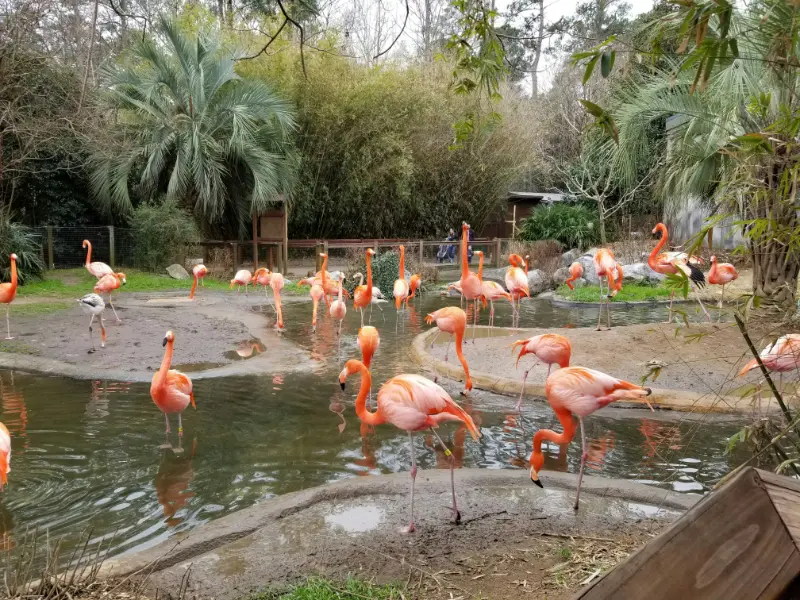
For multigenerational groups, I would build the day around a comfortable base and one shared priority, then let the group split for optional activities. Florida trips work better when everyone does not have to match the pace of the fastest walker or the most energetic teenager. Shade, seating, restrooms, short transfer times and an easy route back to the hotel often matter more than squeezing in one additional attraction.
Budget and booking strategy
Tickets for a family can be expensive, especially after parking, food and paid animal experiences. Compare city attraction passes only if they include places you already intended to visit. Pack refillable water where permitted and eat before peak lunch time. If the zoo is one stop on a road trip, a half-day can deliver better value than paying for extras just because they are available.
Compare the total day rather than a single ticket or hotel price. Parking, tolls, resort fees, food, rentals, transport and cancellation rules can change which choice is actually cheaper. For weather-sensitive plans I prefer reservations that can be modified, even when the flexible option costs a little more.
Best timing and seasonal planning
Cooler mornings are usually better for outdoor zoos, while aquariums are dependable options during heat or rain. Florida summer afternoons can bring lightning, which affects outdoor animal experiences. Holiday weeks and school breaks can be busy. When an animal encounter or behind-the-scenes program is the main reason for visiting, reserve it early and confirm the schedule.
Florida is large enough that weather and crowd patterns differ by region. Check the local forecast and official operating calendar close to the visit, especially when the plan depends on water conditions, wildlife seasons, a ferry, a boat trip or an outdoor attraction.
A practical way to use this guide
Start with the part of Best Zoos and Aquariums in Florida that would make the trip feel worthwhile even if the rest of the day changed. Protect that priority first, then add flexible stops around it. This keeps a weather delay, tired child or longer-than-expected drive from turning the whole itinerary into a failure.
I also separate fixed commitments from flexible choices. Timed tickets, ferries, cruises, special tours and hard-to-get reservations belong in the fixed group. Beaches, neighborhood walks, casual meals, parks and hotel-pool time can usually move. When conditions change, adjust the flexible pieces instead of forcing the original schedule.
Common mistakes to avoid
- Choosing a facility only because it is closest without checking its conservation standards.
- Trying to combine two major animal attractions in one day with small children.
- Arriving at an outdoor zoo at the hottest part of a summer afternoon.
- Paying for every add-on without first seeing how long the main visit takes.
- Assuming all wildlife sanctuaries, rescues and zoos follow the same standards.
- Ignoring accessibility maps and walking distances for a multigenerational group.
Useful Wonderful Florida guides
Official resources to check before you go
Hours, reservation systems, access rules, transportation schedules and weather-related closures can change. When a specific attraction, trail, ferry or service is essential to your trip, verify it on the official source shortly before travel.
Frequently asked questions
What is the best Florida zoo for a first visit?
That depends on your route. Jacksonville Zoo is strong in North Florida, ZooTampa works naturally with Tampa Bay, Brevard Zoo fits the Space Coast and Naples Zoo is convenient in Southwest Florida.
Which Florida aquarium is best for families?
The Florida Aquarium in Tampa is a major all-round choice, but smaller coastal marine-science centers can be better if you want local species, sea-turtle education or a shorter visit.
Are zoos good summer attractions in Florida?
Yes, but arrive early, use shade and indoor areas, and plan for heat and thunderstorms. Aquariums are usually more weather-resistant than outdoor zoos.
How can I tell if a wildlife attraction is responsible?
Look for transparent conservation and veterinary information, recognized accreditation where applicable, clear explanations of rescue animals and practices that do not prioritize close contact over animal welfare.
Are Florida zoos accessible?
Major facilities generally provide accessible routes and services, but terrain and walking distances vary. Check the current accessibility page and rental options before visiting.
Final thoughts
Florida’s best zoos and aquariums can deepen a trip rather than simply filling a rainy day. Choose a respected facility near your route, focus on the exhibits that connect with the region you are exploring, and leave enough time for children and older travelers to move at a comfortable pace.