
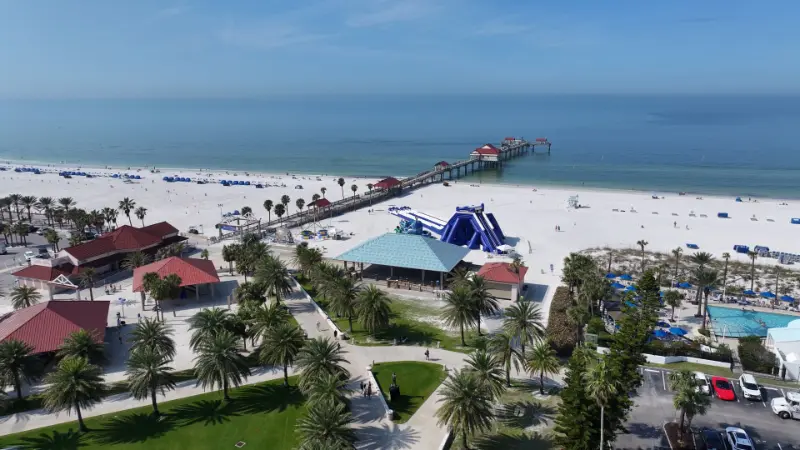
Florida has hundreds of coastal communities, and choosing a beach town is often more important than choosing the beach itself. The sand may be beautiful in many places, but the surrounding town determines whether you can walk to dinner, find a quiet rental, entertain teenagers, avoid high-rise development or fill a rainy afternoon. A good beach vacation starts with matching the community to the way you actually travel.
I would not rank Florida beach towns with a single winner. Fernandina Beach is strong for history, New Smyrna Beach for surf and a real downtown, St. George Island for quiet nature, Clearwater for family infrastructure, Naples for polished comfort, Sanibel for shelling, and Islamorada for Keys water culture. The useful question is not ‘Which is best?’ but ‘Which town gives my group the right balance of beach, services and atmosphere?’
Quick planning summary
- Best for history and walkability: Fernandina Beach and St. Augustine-area communities.
- Best for surf culture: New Smyrna Beach and Cocoa Beach.
- Best for quiet Gulf nature: St. George Island, Sanibel and selected Forgotten Coast communities.
- Best for family infrastructure: Clearwater Beach, Destin-area communities and Panama City Beach.
- Best for Keys atmosphere: Islamorada or Key West, depending on whether you want water activities or nightlife and history.
In this guide
- Quick planning summary
- Fernandina Beach and Amelia Island
- New Smyrna Beach and Cocoa Beach
- St. George Island and the Forgotten Coast
- Clearwater, St. Pete Beach and Gulf convenience
- Sanibel, Naples and Southwest Florida
- Islamorada, Key West and the Keys
- How to choose between a small town and a resort beach
- Getting around once you arrive
- Families, seniors and accessibility
- Best time to go
- Budget and booking
- How to build a realistic day
- Common mistakes to avoid
- Related Wonderful Florida guides
- Official resources to check
- Final advice
Fernandina Beach and Amelia Island
Fernandina Beach combines a historic downtown with easy access to Amelia Island beaches, which makes it one of Florida’s most rounded coastal bases. Centre Street provides restaurants, shops and architecture that remain interesting when the weather is not perfect. Fort Clinch State Park adds history, trails and beach access.
This is an excellent choice for couples, multigenerational families and road-trippers exploring Northeast Florida. The Atlantic water is cooler in winter than South Florida, so choose the season based on whether swimming or simply being by the coast is the priority.
New Smyrna Beach and Cocoa Beach
New Smyrna Beach has a strong surf identity, a walkable dining district and access to the Indian River Lagoon. It feels more like a functioning coastal town than a purpose-built resort. Cocoa Beach is especially useful for families combining the beach with Kennedy Space Center and the wider Space Coast.
Both are Atlantic towns, so waves and rip currents are part of beach planning. Surfers may prefer conditions that a toddler family finds less comfortable. Check lifeguard coverage and local beach-driving rules where relevant, and choose the access point for your needs rather than simply following the busiest pin.
St. George Island and the Forgotten Coast
St. George Island is the choice for travelers who want wide natural beaches, fishing, shelling, stargazing and a lower-density atmosphere. The state park protects a large stretch of the island and helps preserve the sense that nature is the main attraction. Nearby Apalachicola adds history and seafood.
The tradeoff is limited urban entertainment. This is not the right town for a group that wants malls, nightlife and a large indoor-attraction menu. It is ideal when the goal is to slow down, cook in a rental, cycle, fish and watch the weather move across the Gulf.
Clearwater, St. Pete Beach and Gulf convenience
The Tampa Bay beaches offer far more services than remote islands: hotels, restaurants, attractions and easy access to St. Petersburg museums or Tampa. Clearwater Beach is lively and family-oriented, while neighboring beach communities vary in scale and character.
This region works well for first-time Gulf visitors who want a beach vacation without giving up city options. The downside is traffic and parking during busy periods. Staying close enough to walk to the sand can be worth paying more if the beach is the main reason for the trip.
Sanibel, Naples and Southwest Florida
Sanibel is famous for shelling, wildlife and cycling, while Naples combines beaches with refined dining, shopping and access to the Everglades region. Captiva feels smaller and more resort-like. These destinations suit travelers who value warm winter weather and sunset-oriented Gulf days.
Storm recovery can change beach access, businesses and infrastructure over time, so check current local information rather than relying on old photos or reviews. Southwest Florida rewards travelers who leave room for nature and do not expect every island to operate exactly as it did years ago.
Islamorada, Key West and the Keys
Florida Keys communities are beach towns only in a loose sense because the islands are as much about reefs, boating, fishing and waterfront culture as broad sandy beaches. Islamorada is a strong base for water activities and a relaxed Keys atmosphere. Key West offers history, nightlife, museums and sunset culture.
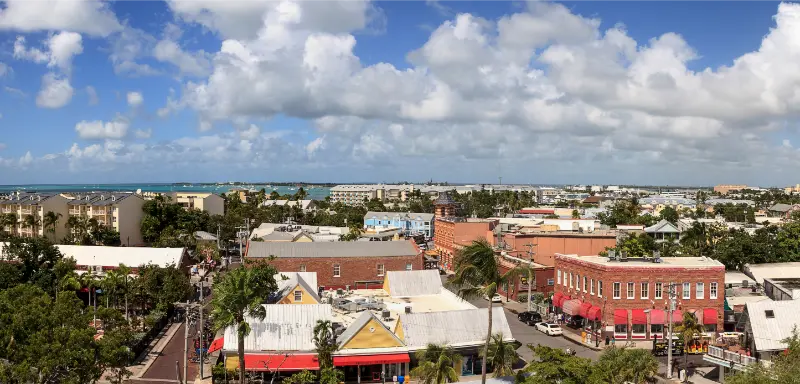
If your dream is endless wide sand, another region may be a better match. If your dream is snorkeling, fishing, tropical drives and eating beside the water, the Keys can be extraordinary. Understand the destination you are choosing instead of assuming every Florida coast offers the same beach experience.
How to choose between a small town and a resort beach
Small beach towns are strongest when local identity, quieter streets and independent businesses matter. Resort beaches are stronger when you want abundant restaurants, watersports, hotel services and entertainment. Neither is inherently more authentic. The right choice depends on whether the group feels energized or burdened by options.
For a first Florida beach trip with children, convenience often wins. For a repeat trip or a couple seeking quiet, a smaller town can feel more rewarding. Multi-generational groups may split the difference by staying near a walkable center but visiting a more natural state-park beach during the day.
Getting around once you arrive
Some beach towns are genuinely walkable; others require a car for groceries, dinner and public beach access. Islands can have trolleys, bikes or golf-cart cultures, but rules vary and summer heat changes how practical a one-mile walk feels. Check the exact location of your accommodation before assuming you can park the car for the week.
If you fly into Florida, compare airport distance with the number of days you will actually spend driving. A remote town may justify a rental car, while a compact resort district can make rideshare and walking practical. The transport decision should follow the town, not precede it.
Families, seniors and accessibility
Families should prioritize the practical beach day: lifeguards where available, restrooms, shade, food and the distance from accommodation to sand. Teenagers may care about surf lessons, watersports or a walkable evening district. Toddlers do better when returning to the room for naps is easy.
Senior travelers and visitors with mobility needs should research beach mats, accessible parking, boardwalks and the surface between the hotel and water. A flat waterfront town can be easier than a remote natural beach even if the latter looks more beautiful in photographs.
Best time to go
South Florida and the Keys are strongest for warm winter weather, while North Florida and the Panhandle have more seasonal temperature variation. Summer brings warm water almost everywhere but also heat, storms and tropical-weather risk. Spring and fall can offer an excellent compromise.
Beach quality on a particular day depends on wind, waves, water conditions and local advisories. Never choose the entire trip from average monthly temperature alone.
Budget and booking
High-demand islands and beachfront towns can be expensive, especially when accommodation supply is limited. A property one or two blocks inland can save money without changing the beach experience much. Parking fees and resort charges should be included in comparisons.
Remote towns sometimes have fewer restaurants and higher grocery logistics but encourage cooking in a rental. Busy resort towns offer more competition but also more temptation to spend on attractions. Match the town to both your desired atmosphere and spending style.
How to build a realistic day
For a beach-town stay, schedule less. Use the morning for the sand or a water activity, eat lunch, rest during the hottest period and take a walk or short attraction later. The town should make the day easier, not become another checklist.
Keep at least one weather-flexible day for museums, shopping, a historic district or a nature center. Every coastal vacation eventually meets wind, rain or rough surf.
Common mistakes to avoid
- Choosing a town only from a single beach photograph.
- Assuming Gulf and Atlantic water conditions feel the same.
- Booking remote islands for a group that wants nightlife and shopping.
- Underestimating parking and bridge traffic in popular resort towns.
- Expecting the Florida Keys to have the same broad sandy beaches as the Panhandle.
- Ignoring accessibility, lifeguard coverage and restroom location.
Related Wonderful Florida guides
Best beaches in Florida, Florida Gulf Coast vs Atlantic Coast, Amelia Island travel guide, St. Petersburg and Clearwater guide, Florida Keys and Key West guide.
Official resources to check
Hours, fees, access rules, wildlife conditions, weather impacts and reservation requirements can change. If a particular experience is essential to your trip, check the responsible agency, destination or operator again shortly before you travel.
Final advice
The best Florida beach town is the one that works after you leave the sand. Choose the right level of walkability, services, nightlife, nature and family infrastructure, then let the beach be the anchor rather than the entire plan. Florida’s coast becomes much easier to understand once you compare towns by lifestyle instead of by sand color alone.