
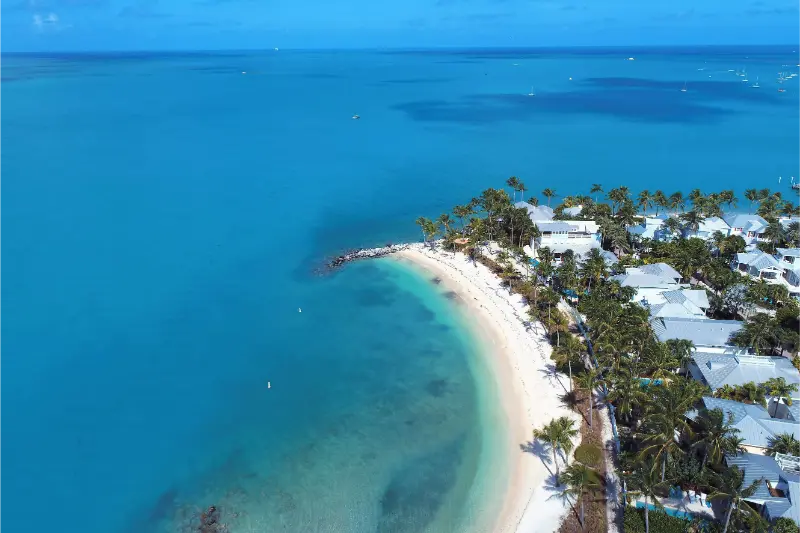
The Florida Keys invite two opposite mistakes: assuming you can see everything between Key Largo and Key West in one day, and assuming the whole chain feels like a continuous tropical beach resort. The Overseas Highway is beautiful, but it is also a vital road through working island communities, with speed changes, limited passing and occasional congestion. Beaches are not everywhere, coral reef trips depend on sea conditions, and the places you remember may be a small harbor or wildlife stop rather than the most photographed milestone. Five days gives you time to experience the Upper, Middle and Lower Keys without driving the length of the islands on every morning.
This itinerary begins in the Miami area with a rental car and ends in Key West. For a round trip, allow the return drive separately; don’t schedule an international flight from Miami immediately after a morning departure from Key West. If you prefer to fly out of Key West, compare one-way rental terms and flight connections before committing. The route works for swimmers, non-swimmers, families, friends and older travelers because it includes optional land-based alternatives to boating.
Understand the islands and mile markers first
The official Florida Keys tourism site uses the green mile markers on U.S. 1 to orient travelers. Key Largo is in the Upper Keys, Islamorada follows, then Marathon and the Middle Keys, then Big Pine Key and the Lower Keys, and finally Key West near mile marker zero. Those markers are practical for navigating businesses and turnoffs. Do not use them as a substitute for travel-time forecasts: traffic, roadworks and a single incident can add significant delay to a one-road journey.
| Day | Suggested base | Main experiences | Overnight choice |
|---|---|---|---|
| 1 | Key Largo | Arrival, mangroves, waterfront | Key Largo |
| 2 | Islamorada | Maritime culture, galleries and water views | Islamorada or Marathon |
| 3 | Marathon | Sea turtle learning, bridges and a relaxed coast day | Marathon |
| 4 | Key West | Old Town, history, harbor and sunset | Key West |
| 5 | Key West | Forts, gardens or a reserved boat day | Key West or depart |
You can reduce hotel changes by sleeping the first two nights in Key Largo or Islamorada and the last three in Marathon or Key West, but that creates some backtracking. Couples may like the flexibility; families with bulky luggage often prefer fewer hotels. Whatever you choose, confirm parking because space on some islands is limited.
Day 1: Enter the Keys slowly at Key Largo
Leaving Miami, drive south through Florida City and continue along U.S. 1. Build the afternoon around Key Largo rather than making the entire journey an anxious race to Key West. John Pennekamp Coral Reef State Park protects mangrove and marine environments and offers different water-related activities. Its official page notes that facilities and services can be limited during infrastructure work; check current boat-ramp restrictions, tour availability and park capacity before arriving. You can still enjoy an island arrival without booking a reef excursion on the same day as a long flight.
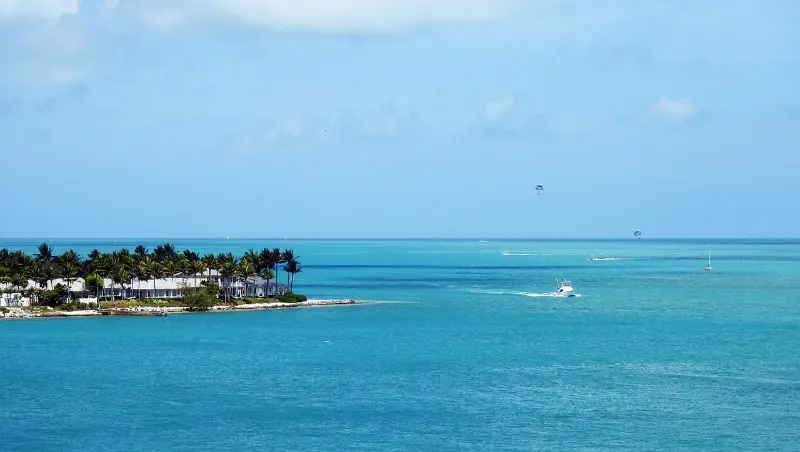
For an easy first afternoon, select a short approved nature experience or a waterfront meal. Snorkeling trips require adequate swimming ability and a sea-state check; glass-bottom or other sightseeing options may be more appropriate for non-swimmers, but they can still encounter waves. Ask operators about boarding, duration and cancellations. Avoid touching coral or collecting marine life. If a child or older companion becomes seasick easily, make the boat a separate decision rather than an obligation the whole group must endure.
Day 2: Islamorada's galleries, fishing heritage and island pace
Move toward Islamorada, where waterfront businesses and fishing culture coexist with art and small galleries. Rather than driving from one advertised photo stop to another, plan a morning around one meaningful activity: a guided fishing experience with an appropriately licensed operator, a marine-education visit, or a self-paced browse through gallery areas. The destination is not just for people who fish. A shaded lunch overlooking the water and a walk through a local neighborhood can provide an authentic sense of the islands’ everyday pace.
Many coastal activities are weather-dependent. Do not book a rigid sequence of two boat trips plus a timed dinner without room for delays. If you rent a kayak, ask about currents, wind, protected zones and the route back. Boat traffic and shallow seagrass areas require care even on apparently sheltered water. For a group with young children, choosing a simple shore-based wildlife outing may be both cheaper and more enjoyable. Onward travel to Marathon can be done later in the day if that is your next hotel base.
Day 3: Marathon, the Turtle Hospital and the Seven Mile Bridge area
Marathon offers a helpful midpoint between the busier Upper Keys and Key West. The Turtle Hospital is known for educational tours explaining treatment and rehabilitation of sea turtles; reservations, access rules and the nature of the experience should be checked with the organization in advance. Approach it as conservation education rather than an interactive animal encounter. Pair it with one more stop in the Marathon area—a museum, nature trail or an authorized viewpoint toward the Seven Mile Bridge—depending on temperature and stamina.
The Old Seven Mile Bridge access to Pigeon Key is a separate historic experience that may offer tours or transportation under current operating arrangements. Verify booking and allowed use rather than assuming you can drive or walk the whole bridge. Afternoon is well spent with a long meal or an easy coastal walk. If visiting in hot, humid weather, keep long exposed bridge walks to safer conditions. Use designated crossing and parking areas; stopping on the active Overseas Highway for photographs is hazardous.
Day 4: Lower Keys wildlife and the arrival in Key West
On the way south, the Lower Keys provide a change of scenery from marina developments to lower-density island landscapes. Big Pine Key is associated with the small Key deer, which are protected wildlife. Drive carefully, observe posted speed limits and never feed, approach or attempt selfies with deer. Wildlife sightings are never guaranteed and should not determine whether a day was successful. A short stop in an approved public location is preferable to driving around residential roads looking for animals.
Once in Key West, park at your accommodation or an authorized facility and explore Old Town on foot if you can. The compact historic core rewards slow walking, with colorful wooden buildings, maritime landmarks, museums and shaded side streets. Choose a historical site such as the Hemingway Home or an architectural walking route, but check current opening and accessibility details. A sunset waterfront visit can be memorable; the most crowded spots are not mandatory. For a quieter evening, find a legal view and an unhurried dinner away from peak crowds.
Day 5: Key West history or a carefully booked island excursion
Spend your final full day in Key West. A history-focused plan might include Fort Zachary Taylor Historic State Park and its coastal setting, a maritime museum and a relaxed Old Town walk. Choose sites that suit your physical comfort: some historic buildings have stairs, while a park or waterfront route may offer easier alternatives. Keep the schedule flexible so you can browse local shops or revisit a favorite neighborhood without constantly checking the clock.
The big optional excursion is Dry Tortugas National Park, located far west of Key West and accessible only by boat or seaplane. This is an entire-day commitment, not an extra stop between breakfast and lunch. The National Park Service explains that ferry and seaplane transport must be arranged, and seats can be limited. Check vessel motion, sun exposure, restroom facilities, snorkeling conditions and personal mobility requirements carefully. If availability or weather does not suit your group, you can have an excellent day staying on Key West itself.
The reality of Keys beaches and snorkeling
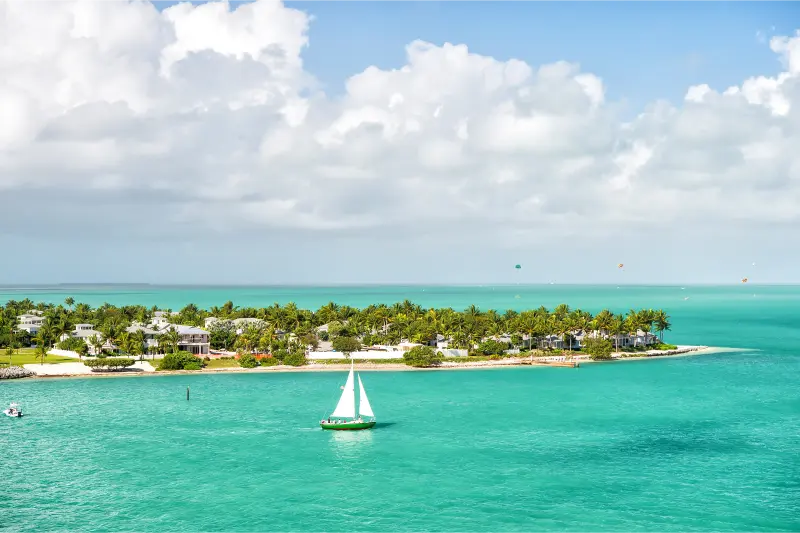
People often picture uninterrupted white-sand beaches along the Keys, but much of the shore is rocky, mangrove-lined or privately developed. Identify actual public beach access points instead of assuming every scenic shoreline is suitable for swimming. Coral reef snorkeling can be outstanding in suitable conditions, yet a rough-sea day is not the time to force it. Tour operators may cancel or change routes for safety, and water clarity varies naturally. Protect coral by keeping fins and hands off the reef and keeping an appropriate distance from marine animals.
For first-time snorkelers, decide whether to try a calm, supervised swimming area before booking an offshore boat. Children need consistent adult supervision and suitable flotation under the operator’s requirements. Travelers unable or unwilling to swim can choose maritime museums, land-based wildlife opportunities or certain sightseeing vessels. “Everyone can do everything” is an unhelpful promise; matching the activity to the group is what makes the trip successful.
Hotels, prices and everyday costs
The Keys are an expensive destination in many popular periods, and different islands offer different accommodation markets. A waterfront hotel with a marina or resort facilities may have additional fees; a smaller inn may have fewer services but a more personal location. Check the complete rate, cancellation conditions, parking and the distance to food. Budget for fuel, meals, excursions and the possibility that a weather cancellation will require a new plan. If staying in Key West, a centrally located hotel may let you leave the car parked for most of your visit.
Do not save a little on a room by accepting an excessive daily commute between islands. Spending two nights in a comfortable base can be more economical than repeatedly paying for car parking and gasoline. For food, try local seafood when it suits your budget, but confirm where fish is sourced if that matters to you; a waterfront location alone does not guarantee a locally caught menu. Groceries and casual lunch stops make the larger ticketed experiences easier to afford.
Weather, hurricanes and marine safety
The dry season is often attractive for road touring, though popular periods bring heavier visitor demand. Warmer and wetter seasons may mean stronger afternoon thunderstorms and tropical-weather risk. Hurricane season runs for part of the year, and island evacuations can affect everyone; read official alerts, understand refundable booking terms and never ignore local instructions. Because U.S. 1 is the principal road through the islands, giving yourself a buffer before a flight is particularly important.
Boat trips have additional risks: wind and sea state can be different from the pleasant conditions at the hotel pool. Never assume a forecast for Miami automatically represents conditions offshore. Watch for heat illness, stay hydrated, carry sun protection and respect protected habitats. If a member of your group uses an adaptive device, confirm vessel boarding measurements with the operator well before booking. An accessible-sounding tour is not necessarily usable with every wheelchair or mobility aid.
How to adapt the five days to your group
For families with very young children, shorten outings and select one accommodation with a reliable cooling option rather than changing rooms nightly. School-age children often love sea turtle conservation, bridge history and a gentle reef-education activity. Teens may enjoy a supervised snorkeling tour or photography walk. Older travelers might prefer quiet harbors, gardens and historic buildings; there is no reason to assume they need only passive sightseeing. Ask each person which two experiences matter most before reserving the costly items.
If you have only three days, choose one region of the Keys rather than racing all the way down and back. For seven days, add extra nights in Islamorada and Marathon so weather-dependent water activities can move around. The best Keys road trip deliberately leaves gaps in the schedule. You will enjoy the water and changing island landscapes much more when you are not watching the clock at every mile marker.
Frequently asked questions
Is five days enough for the Florida Keys?
Yes for an introductory journey, especially with one or two main hotel bases. It is not enough for every island activity and a Dry Tortugas day on top of them all.
Should we drive from Miami to Key West in one day?
It can be done, but this itinerary recommends spending time in the Upper and Middle Keys instead of using them only as a road to the endpoint.
Do we need to book snorkeling ahead?
Book popular operator departures in advance when necessary, but check cancellation and rescheduling policies because weather can change the plan.
Can non-swimmers enjoy the Keys?
Absolutely. Historic sites, wildlife education, harbors, galleries and shore-based nature outings provide many alternatives.
Can we drive to Dry Tortugas?
No. Dry Tortugas is reached by authorized boat or seaplane transport, which requires separate planning.