
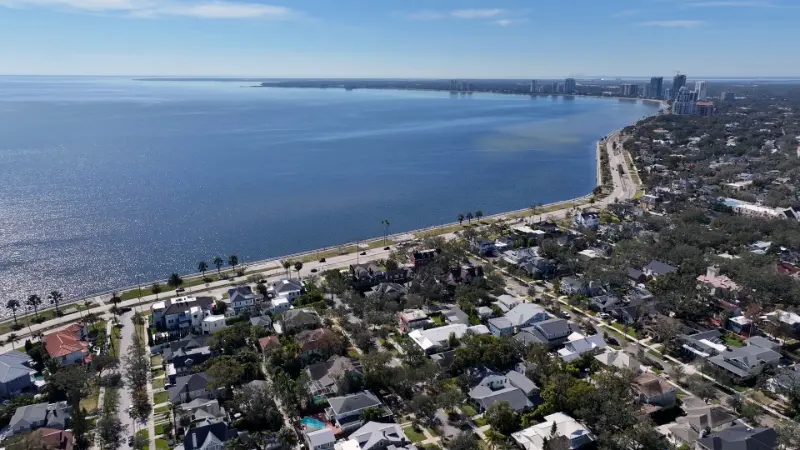
You can enjoy parts of Tampa Bay without renting a car, but a realistic car-free itinerary looks different from a road trip. Tampa, downtown St. Petersburg and St. Pete Beach have useful transit services; remote springs, scattered nature preserves and many attractions beyond the urban corridors are much harder to reach. This five-day plan uses two bases—central Tampa and downtown St. Petersburg or St. Pete Beach—and treats public transport as a way to explore specific neighborhoods rather than a promise of seamless access to the entire region. It works best for travelers who can manage some walking, though accessible transit and arranged transfers can broaden the options. If you have large luggage, small children or mobility equipment, inspect the transfer chain before booking.
The central rule: book your hotel beside the transit you will actually use
Choose a Tampa hotel near downtown, Water Street, Channelside or the TECO Line Streetcar corridor if you want museums, restaurants and historic Ybor City. A generic “Tampa-area” hotel by a highway interchange may require a car for every meal. For the St. Petersburg segment, a downtown property near SunRunner stops makes it easier to visit both the city and St. Pete Beach. If your priority is the Gulf shoreline, select a hotel near a SunRunner beach stop instead. Confirm the walking distance in minutes and the presence of continuous sidewalks, crosswalks and ramps; a half-mile in Florida heat with suitcases is not always a trivial transfer. You will spend more time at attractions and less time solving basic logistics.
Day 1: arrive in Tampa and use the downtown streetcar
Tampa International Airport has bus services operated by HART, including airport connections via routes identified on the agency’s current information pages. The airport pickup is near the Rental Car Center, reached by SkyConnect, not necessarily immediately outside your airline’s baggage door. If that transfer is awkward after a long flight, a prepaid taxi or rideshare may be worthwhile without undermining the car-free concept. Once checked in, explore a short section of downtown Tampa and the Channel District. The TECO Line Streetcar links downtown, Channelside and Ybor City; the city describes a roughly 2.7-mile system and has published free-fare service, but check the latest fare policy before boarding. Use the first evening to learn stop locations and make an uncomplicated dinner plan.
Day 2: Tampa Riverwalk, museums and Ybor City
Spend the morning around the Tampa Riverwalk, choosing a section near a museum or waterfront attraction rather than expecting to walk its entire length. The Florida Aquarium may suit families, while a history or art museum can be the main stop for visitors who enjoy quieter cultural experiences. Verify current admission, timed tickets, opening days and bag rules directly with each venue. Later, use the streetcar for Ybor City, where the historic urban fabric and cigar-making heritage differ from the modern waterfront. Take time to understand the neighborhood rather than rushing between dining venues. At night, some blocks can be busy with nightlife; families or visitors who dislike noise may prefer an earlier dinner. Return using a confirmed streetcar or taxi option rather than expecting service past its scheduled hours.
Day 3: move from Tampa to St. Petersburg thoughtfully
Tampa and St. Petersburg are on opposite sides of the bay; this is the itinerary’s least effortless transfer. Check current intercounty transit options and whether a bus actually connects your exact hotel locations at a useful time. Do not assume a sightseeing ferry runs year-round or on your chosen date: cross-bay ferry availability can change. The practical alternative for luggage-heavy travelers is a direct car service between hotels. After arriving, settle into downtown St. Petersburg and choose one nearby attraction, perhaps the waterfront or a selected museum. Avoid buying museum tickets with a narrow check-in window immediately after an uncertain bus transfer. A short afternoon walk, hotel break and local dinner are a proper travel day, especially for a family or an older visitor.

Day 4: St. Petersburg's art and waterfront on foot
Downtown St. Petersburg has museums, parks and dining clustered closely enough for a rewarding no-car day if your hotel is well positioned. The Dalí Museum and the Museum of Fine Arts have different collections and visitor requirements; select one rather than making every gallery obligatory. Waterfront spaces provide scenery and places to rest, though not every pier activity is free or always operating. Check whether any streets are closed for major events. Families with toddlers may need a stroller, and people with mobility limitations should verify curb cuts and museum entries before setting out. The afternoon can be spent around Central Avenue, watching the neighborhood change from business blocks to restaurants and galleries. Plan a simple return route before dark.
Day 5: ride the SunRunner to St. Pete Beach
The PSTA SunRunner is the key transit tool on the St. Petersburg side. Its published route connects downtown St. Petersburg, Central Avenue districts and St. Pete Beach, with accessible stops and cashless contactless payment. The authority’s current service description notes frequent daytime departures and slower late-evening intervals, but use the live schedule for your actual date. Beach parking worries disappear when you arrive by bus, yet the beach itself still requires planning for sun, restrooms, shade and a safe return. Choose one public access near a SunRunner stop and avoid carrying more equipment than you can manage. If surf conditions are unsafe or thunderstorms form, return to the city for indoor time. Travel back with plenty of margin, particularly before an evening flight.
HART and PSTA are different systems
HART serves Hillsborough County, including Tampa, while PSTA operates in Pinellas County, including St. Petersburg and its beaches. A map can make them look like a single continuous network, but tickets, schedules, service frequencies and connections need independent checking. The TECO Line Streetcar is a relatively easy local ride, and the SunRunner is an efficient corridor service; neither replaces every bus needed for a remote attraction. Download the relevant agency’s current route map, confirm payment methods and use stop names rather than simply searching for an attraction. For visitors who do not speak English fluently, screenshots of stop locations and a translation app can reduce confusion. When service is infrequent, plan around the return bus first.
Which Tampa Bay attractions are not easy without a car?
Fort De Soto Park, many Gulf barrier-island nature preserves, remote springs and certain suburban museums are less convenient by direct transit. You may be able to arrange a rideshare or a tour for a specific outing, but a five-day car-free holiday should not depend on several unreliable return pickups in isolated areas. Clearwater Beach is also a separate trip from central St. Petersburg and can require different connections than SunRunner. If a destination is essential, price a prearranged round trip and assess whether the travel time outweighs the attraction itself. It is more rewarding to explore the Riverwalk, Ybor City, St. Pete museums and one Gulf beach thoroughly than to spend every afternoon changing buses.
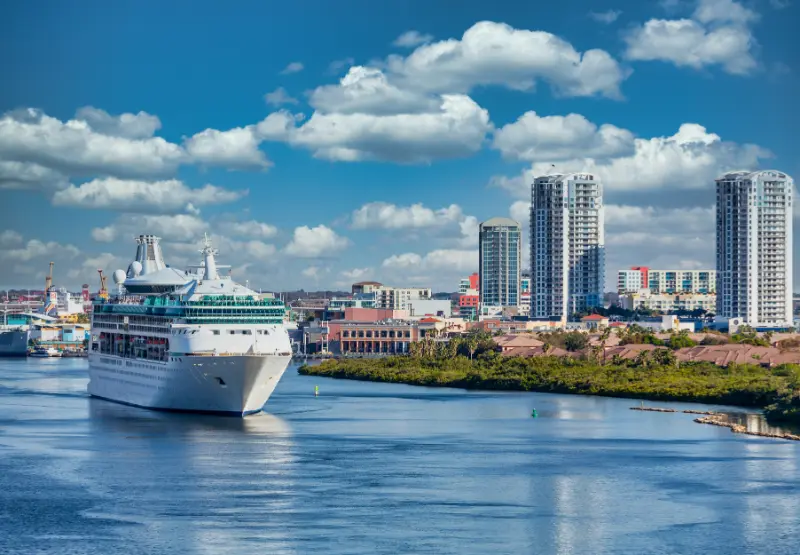
Airport arrivals, transfers and luggage strategies
Fly into Tampa International Airport if the itinerary starts in Tampa, or consider ending near the airport with ample transfer time. Buses can be economical but less suitable when carrying large suitcases, a stroller and a folded wheelchair together. Some services may have limited luggage space, and boarding rules vary. For a traveler using a wheelchair, confirm that the planned accessible station and transit vehicle can accommodate the equipment, and request airport assistance directly with the airline if needed. Do not leave baggage in a museum cloakroom without checking whether one exists. Ask the hotel to hold bags only after confirming its policies. On departure day, allow a generous buffer for an intercounty transfer or use a directly booked ride.
Money: when a rental car is actually cheaper
A car-free visit eliminates rental charges, parking fees and toll uncertainties, but it adds bus fares, airport transfers and possibly taxi rides. For one or two adults staying near transit, the economics can be attractive. For a family of five staying far from central districts, repeated rideshare trips could outweigh a rental car‘s cost. Calculate the route by each day, using actual hotel locations and published fares rather than a general claim that buses are cheap. Museum admissions, meals and beach equipment still cost money regardless of transport. The SunRunner and streetcar have their own fare systems and policies, so do not assume one ticket works across both counties. Set aside a taxi contingency fund for illness, thunderstorms or a missed last departure.
Accessibility and traveling with children
Accessible transit infrastructure helps, but the complete journey matters: hotel entrance, path to stop, vehicle boarding, stop-to-attraction walk and accessible restroom. An older traveler with limited endurance might prefer one museum and a scenic lunch over two bus transfers in summer heat. Families with toddlers should check stroller rules, space and child seating requirements for any private transfer. Children need supervision near busy streets and transit platforms. Sensory-sensitive visitors may find peak-hour buses overwhelming and might prefer off-peak travel. Teenagers can help navigate, but they should understand the system before traveling independently. A good car-free schedule includes periods to sit down and a backup way home if the final leg becomes too difficult.
Weather and service interruptions
Florida thunderstorms can make outdoor walking unsafe in minutes. If thunder is audible, seek a substantial building rather than shelter under a transit-stop roof in an exposed place. Major festivals, roadworks, sports events and flood-related disruptions can reroute buses or streetcars. Both HART and PSTA publish service alerts, and Pinellas County has recently dealt with storm recovery at coastal facilities. Check each agency’s alerts each morning, particularly before a connection with a flight. If a storm warning or evacuation order is issued, follow local emergency-management directions; a tourist itinerary cannot override them. Indoor museums provide routine rain alternatives, but no attraction is worth crossing a flooded street to reach.
Five-day car-free schedule
| Day | Base | Main experiences | Transport reality |
|---|---|---|---|
| 1 | Central Tampa | Arrival, Channelside, simple dinner | Airport bus or arranged ride; streetcar |
| 2 | Central Tampa | Riverwalk, museum, Ybor City | Walk and TECO Streetcar |
| 3 | St. Petersburg | Transfer, waterfront, rest | Confirm intercounty service or direct ride |
| 4 | St. Petersburg | Museum and Central Avenue | Walk, short transit or accessible taxi |
| 5 | St. Pete Beach / departure | Gulf beach and return | PSTA SunRunner and airport transfer |
Frequently asked questions
Can I visit Tampa and St. Petersburg without a rental car?
Yes, provided you stay near useful transit and avoid planning remote attractions. The intercity transfer needs special attention because the two cities have separate networks.
Does the SunRunner go to Clearwater Beach?
No. Its principal corridor links downtown St. Petersburg and St. Pete Beach. Clearwater requires separate transport planning.
Is the Tampa streetcar free?
The City of Tampa has published a free-fare policy for the TECO Line, but fare policies may change. Verify the current official information before your travel date.
Is this itinerary suitable for someone using a wheelchair?
Parts can be, but only after checking the entire path from hotel to transit stop, vehicle, attraction and restroom. Arrange specialized transfers if a regular connection cannot meet your needs.
Should we use public transit to reach Fort De Soto?
Not as the default for this itinerary. The park is much less directly served than the downtown and beach corridors. Arrange an appropriate round-trip transfer if it is a priority.
Official transit tools
- TECO Line Streetcar: schedules and stops
- HART: Tampa-area bus services
- PSTA SunRunner: St. Petersburg to St. Pete Beach
A car-free Tampa Bay trip succeeds by choosing connected places and by knowing when a direct paid transfer is more sensible than a complicated sequence of buses. It should feel like a vacation rather than a public-transport endurance test.