

Traveling through Florida as the only adult with one or more children can be rewarding, but the logistics are different from those of a two-adult family. Somebody must handle the bags while watching the children, manage restroom stops, read maps, organize meals and make decisions when weather changes. The most helpful itinerary is therefore not the one with the most attractions. It is the one that limits transfers, provides predictable breaks and builds in several ways to recover when a child becomes tired or anxious. This seven-day route uses the greater Orlando area as a base and adds the Space Coast as one carefully planned excursion. It is suitable for a single parent, a grandparent traveling alone with grandchildren or another sole caregiver, although documentation and medical needs vary among families.
Choose a single base before choosing tickets
Consider staying all seven nights in one location rather than moving between hotels every other day. A hotel with a refrigerator, breakfast option, dependable elevators and laundry facilities can simplify daily routines more than a fashionable address. Lake Buena Vista is convenient for resort attractions, Winter Park for lower-key urban outings and the airport side for early departures. Check the real journey to the places you care about during typical traffic periods. A large resort pool may be wonderful, but if the path from room to parking requires a shuttle, tired children can turn a short outing into an ordeal.
If one child still naps, look for a quiet room and the ability to return early. Confirm whether a reserved room truly contains two suitable beds; terms such as “sleeps four” may include a sofa bed. Look at parking fees, refundable cancellation terms, any resort charges and what happens if your arrival is delayed. Requesting a room near an elevator can reduce walking but may increase corridor noise. Decide which compromise matters to your family, and keep a simple printed copy of the reservation in case the phone battery runs out.
Day 1: arrival, supplies and the first calm evening
An arrival day is not a sightseeing day. Transfer from Orlando International Airport, settle into the room and locate the nearest supermarket or pharmacy. If renting a car, inspect child-seat arrangements before leaving the airport and be sure the driver can fit and use the restraint correctly. Florida law imposes child-restraint requirements; the Florida Senate's 2026 statute is the authoritative text, while safety organizations may recommend restraints beyond the legal minimum. Do not assume a rideshare vehicle will supply the seat you need or that an adult’s arms make a safe substitute.
Buy water, familiar breakfast foods and a few items your children will eat when restaurant plans collapse. Place a small card with your phone number in each child’s pocket or bag without exposing personal details in public. Establish the room as a meeting location and explain what to do if separated in a crowded venue: stay in a safe public area and ask uniformed staff for assistance. For younger children, practice the instruction rather than assuming they will remember it in a noisy environment. End with an easy meal and an early night.
Day 2: Winter Park at the family's speed
Start with a manageable excursion to Winter Park instead of a major park opening. Walk a compact stretch of the downtown neighborhood, take a shaded snack break and, if appropriate, consider a short scenic outing operating that day. A child may find a small fountain, a bookstore or watching boats more interesting than an attraction that requires another forty-minute queue. Park once when possible. Do not expect every block to have continuous shade; bring hats, sunscreen and the ability to step into an air-conditioned space.
Return to the hotel before the afternoon becomes a battle over fatigue. Quiet time does not require every child to sleep, but it helps everyone reset. The second half of the day can be a hotel swim with active adult supervision or a neighborhood dinner. If you are the only adult, swimming safety is particularly important: choose a pool you can supervise without dividing attention between a toddler and an older sibling. If children of very different abilities want to swim, use life jackets as appropriate and stay within arm’s reach of inexperienced swimmers. Water wings do not replace supervision.
Day 3: select one theme park or a smaller attraction
If the family dreams of Disney World or Universal Orlando, reserve one major park day rather than assuming multiple consecutive days are obligatory. Compare rides by age, minimum height and comfort level before paying. Some attractions are more frightening in the dark or louder than publicity suggests. Consider whether the child who cannot ride something will be waiting with you, and what alternative is available; there is no second adult to rotate responsibilities. Confirm current accessibility support, locker rules, stroller arrangements and official ticket conditions directly with the operator.
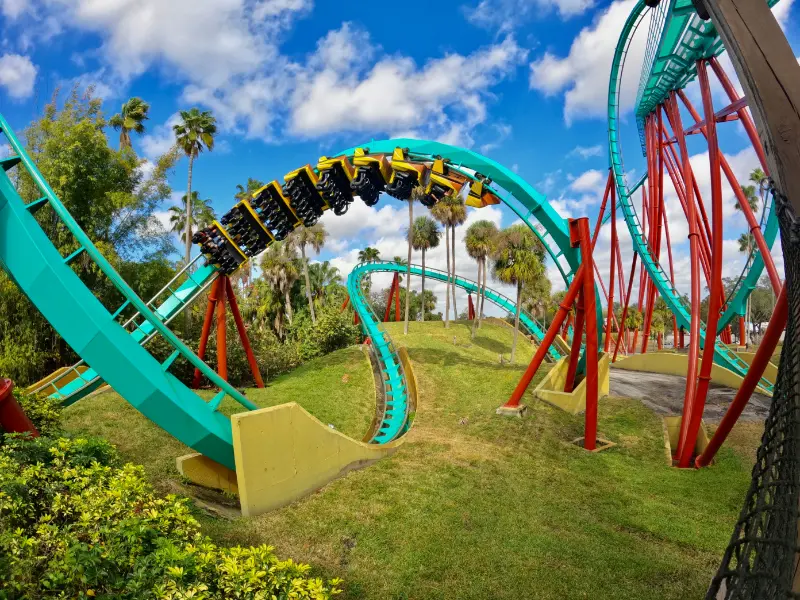
Choose three priorities for the morning and treat anything else as a bonus. Sit down for meals, use restroom breaks strategically and identify an indoor place to rest. If you decide against a theme park, substitute an interactive museum, gardens or a low-stakes indoor play activity, verifying availability before leaving the hotel. The benefit is not merely saving money: it allows a child who dislikes noise or crowds to enjoy Florida without feeling that the vacation is a failure. Carry an extra shirt, a phone charger and a small supply of familiar snacks that comply with venue rules.
Day 4: a genuine rest day with optional local exploration
Reserve day four for recovery. Many families schedule their most expensive ticket on day three and then leave no room for children to process the experience. Sleep later, wash clothes and plan a simple lunch close to the hotel. A half-day at a playground or quiet lakeside walk may be enough. If everyone still has energy, consider a nearby cultural activity, but avoid prepaying for another full day without knowing how the children feel. This is also the day to check the weather forecast and decide whether the Space Coast excursion should be moved.
A low-cost day is helpful financially as well as emotionally. Buying breakfast foods and eating one meal in the room can offset a costly attraction without sacrificing the holiday. Do not turn every snack into a bargaining point; establish a simple daily allowance for treats. Older children can help pack the day bag and choose a grocery item for the family meal. Giving each child one manageable responsibility makes the group more cooperative, especially when there is only one adult organizing everything.
Day 5: Kennedy Space Center with an exit strategy
Leave early enough for a reasonable arrival at Kennedy Space Center Visitor Complex on Merritt Island, but do not set the alarm so early that everyone is exhausted. Check the official visitor information for hours, exhibit status, security, weather and any special operational announcements. The complex is substantial, with exhibits and activities that vary in emotional intensity and physical effort. Children who enjoy rockets may love seeing Space Shuttle Atlantis and the larger historical exhibits. Others may prefer photographs in the Rocket Garden and a few memorable demonstrations.
As the sole adult, carry a concise plan: two major exhibits, a meal and one optional activity. Keep a map saved offline and know the route back to the car. Do not promise a rocket launch, which is subject to operational and weather changes. For a child who struggles with loud sounds or simulators, ask staff about alternatives before joining a line. If a toddler is present, check stroller restrictions and possible walking distances. Return to Orlando in daylight if possible, or choose a prebooked Space Coast hotel only if the family benefits from an overnight stay rather than another packing cycle.
Day 6: Cocoa Beach or an Orlando indoor alternative
If the weather is favorable, spend a morning on the Space Coast. Choose a beach with clear public access, an achievable walk from parking and lifeguard coverage when available. Keep the visit short enough to end while children are still having fun. Ocean surf can change quickly; younger swimmers should remain actively supervised and everyone must follow warning flags. Have a dry bag, clean clothes and a simple lunch plan. If driving back toward Orlando after lunch, build a rest stop into the journey and do not rely on children falling asleep exactly when you expect.

When the ocean is rough or thunderstorms are predicted, replace the beach with a local indoor attraction or an extra hotel day. Check admissions and hours on the same day. Do not replace a dangerous outdoor plan with an equally stressful cross-state drive. Florida’s predictable-looking summer storms can still be dangerous around beaches and pools, and lightning means getting off the water promptly. A seven-day vacation can be successful even if one planned destination is skipped entirely.
Day 7: depart with space for the unexpected
Pack the previous evening and put passports, medications and essential travel documents in a bag that stays with the adult. Review the rental-car return route and airline check-in procedures. Ask children to check beneath beds, behind curtains and in bathroom drawers for personal items. If flights are later in the day, choose a short nearby outing with free cancellation, not an attraction several hours from the airport. Allow extra time for traffic, security, unexpected restroom stops and settling a rental-car fuel question.
The best ending might be breakfast together at a familiar place. Ask the kids which moments they remember. Many will mention the pool, a funny meal or a small encounter rather than the expensive admission. Keep that perspective when planning future trips: one caregiver and several children can enjoy Florida very successfully when a flexible rhythm matters more than completing every possible attraction.
Documents, permissions and travel safety for one caregiver
International visitors should verify current US entry rules for each traveler according to nationality, passport and travel status. A child’s surname may differ from the accompanying adult’s, and family circumstances vary. Airlines and border authorities may request documentation demonstrating parental permission or custodial arrangements in some circumstances. Consult the airline and relevant government sources for your specific situation; do not rely on a blanket statement that one letter always is, or is not, mandatory. Carry any prescribed medicine and a list of emergency contacts, but protect sensitive documents and do not post copies publicly.
Consider what happens if the sole caregiver becomes ill. Another trusted adult at home should know the broad itinerary and hotel details. Save emergency contacts and the nearest medical care information on your phone and on paper. Carry adequate travel insurance if applicable, with attention to medical care for every family member. Explain to older children how to call 911 in an actual emergency and how to tell staff where they are. This is basic preparedness rather than a reason to be afraid of traveling.
Money, transport and weather decisions
A rental vehicle is usually the most straightforward way to combine Orlando and Kennedy Space Center, but compare its full price, child-seat fee, fuel, tolls, hotel parking and collision coverage. Airport transfers and local rideshares can be sensible for a shorter Orlando-only stay, but an excursion to the coast becomes harder. If you use rideshares, confirm age-appropriate child restraints and pickup arrangements in advance. Never assume a child can travel without a suitable seat simply because the distance is short.
Pay for one marquee experience if it is important, then protect funds for meals, snacks, transportation and unexpected clothing or equipment. Florida’s afternoon thunderstorms and seasonal hurricanes make refund conditions relevant; monitor weather alerts and follow official instructions in severe conditions. Book the least flexible items only after checking the itinerary’s structure, and keep at least one indoor fallback. The easiest way to save money may be not buying an activity the family is too tired to enjoy.
Seven-day schedule at a glance
| Day | Main plan | Backup choice | Evening |
|---|---|---|---|
| 1 | Orlando arrival | Groceries and rest | Early dinner |
| 2 | Winter Park | Shaded local walk | Pool or quiet time |
| 3 | One major attraction | Indoor museum | Simple meal |
| 4 | Rest and laundry | Neighborhood activity | Pack for day trip |
| 5 | Kennedy Space Center | Fewer exhibits | Return and rest |
| 6 | Cocoa Beach | Orlando indoors | Relaxed evening |
| 7 | Airport departure | No distant outing | Travel home |
Frequently asked questions
Is Florida manageable with one adult and two or three kids?
Yes, particularly with a single hotel base, short day plans and realistic supervision. The key is avoiding situations that require one adult to be in two places at once, especially at pools and ride queues.
Should I bring my own car seat?
That depends on your child’s size, the transport you will use and the airline’s procedures. Confirm compatibility, rental availability and legal requirements well before travel; a reservation alone does not prove installation is correct.
Does a parent need a permission letter from the other parent?
Requirements depend on citizenship, custody and specific transport or border procedures. Verify with official authorities and your airline rather than relying on general online checklists.
How many theme park days should we book?
For this itinerary, one can be enough. A second may make sense if all children enjoy the experience and the budget allows it, but protect a rest day and assess ride restrictions first.
What if storms cancel our beach visit?
Use an Orlando indoor alternative or spend a low-cost day at the hotel. Avoid swimming during lightning and check formal warnings rather than judging safety from a brief sunny interval.
Official planning resources
Check Florida child-restraint law, Kennedy Space Center visitor planning and the National Weather Service before finalizing this itinerary. This guidance was reviewed in October 2026; operating procedures and conditions may change.