
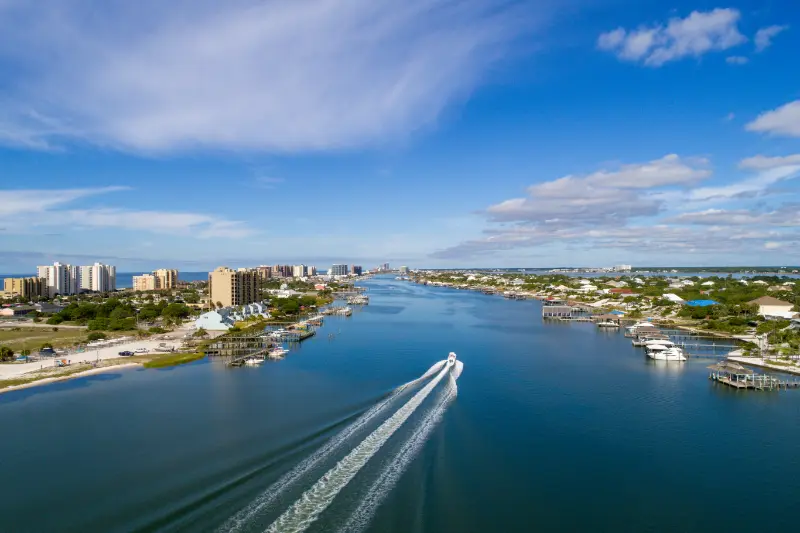
There is a particular pleasure in discovering that Florida’s Panhandle is not one enormous resort. Along the Gulf, naval history, barrier islands, working harbors, dune lakes, small towns and forests sit within a few hours of one another. US 98 is an organizing thread for this six-day journey from Pensacola to Apalachicola, but it is not always the most scenic road and should not be treated as a continuous beachside promenade. Some of the best detours are on local roads such as Scenic 30A or toward St. Joseph Peninsula. This is a slow trip built around places, not a speed test or a promise that every attraction will be open after storms. Beach conditions and roadwork can change by the day.
Why this is not simply another beach-hopping itinerary
Visitors sometimes plan Pensacola, Destin, Panama City Beach and Apalachicola as if every stretch between them consisted of uninterrupted white sand. In reality there are bays, bridges, urban roads, military facilities, residential neighborhoods and protected natural areas. You need to understand the geography to plan sensible stops. The western Panhandle is shaped by Pensacola Bay and the Santa Rosa barrier island. Farther east, Choctawhatchee Bay and the communities along 30A offer a different coastal rhythm. Beyond Panama City, the shoreline becomes more remote near Mexico Beach, Port St. Joe, Cape San Blas and the oyster landscapes of Apalachicola Bay. Plan at least two accommodations during six days. Constant hotel changes consume the hours that make a scenic trip enjoyable. Use your navigation app for real traffic and road closures rather than relying on theoretical drive times.
Day 1: Pensacola's waterfront and old military history
Begin downtown at historic streets and the waterfront before heading to the beach. The city’s museums, forts and historic districts tell different chapters of a harbor that has been strategically important for centuries. Pensacola Beach gives families a classic Gulf shoreline without requiring a day-long drive. If your main goal is a fort, verify the current National Park Service access to Gulf Islands National Seashore; storms and maintenance can alter roads and site opening. The National Naval Aviation Museum is within Naval Air Station Pensacola, so civilian and international visitor access is subject to base security rules and eligibility requirements. Never assume that carrying a passport is sufficient for entry. Travelers who cannot meet requirements can enjoy accessible downtown experiences, parks and public waterfront views instead. Stay in Pensacola or Pensacola Beach depending on parking, budget and mobility needs.
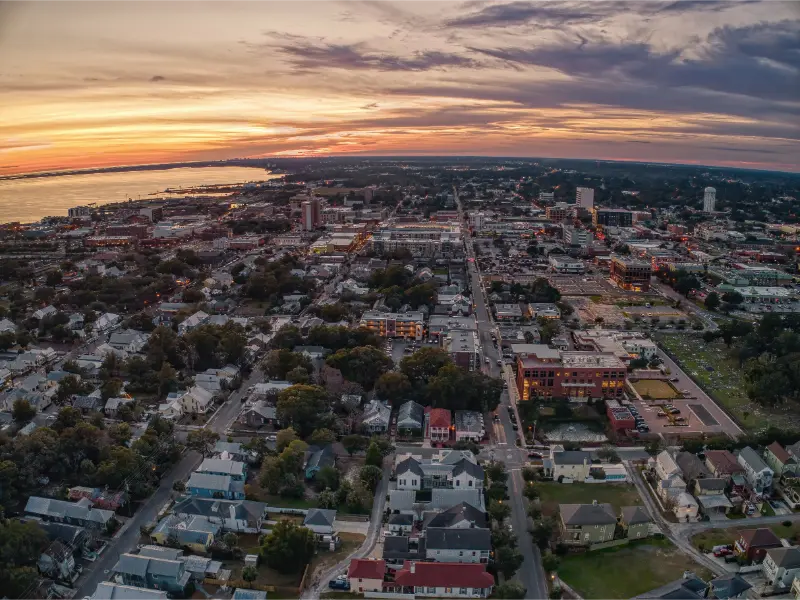
Day 2: Santa Rosa Island and Navarre's calmer pace
Drive east and decide how much beach time your group genuinely enjoys. An hour swimming under appropriate flag conditions is different from six hours sitting in the sun. Santa Rosa Island is exposed to Gulf weather; rip currents, lightning and dangerous surf can occur on beautiful-looking days. Navarre Beach often feels less urban than the larger resort centers, making it a good place for a long lunch and a modest walk rather than a packed activity schedule. An accessible beach day still requires advance checks: the existence of parking near the sand does not guarantee beach-wheelchair availability, firm surfaces or an accessible bathroom. If a child needs a break from the shore, use a shaded park or aquarium-type attraction that is confirmed open. Keep an eye on bridge traffic, especially weekends and holiday changeover days. A simple sunset is a better objective than racing east to squeeze another town into the afternoon.
Day 3: Destin, protected dunes and the choices along 30A
Destin is a convenient place to pause, but its harbor, main commercial roads and beaches can be congested. Decide whether you want a beach day, a boat excursion or a town-to-town drive; doing all three usually produces a rushed result. Henderson Beach State Park offers managed coastal access, yet Florida State Parks currently requires day-use reservations at certain heavily visited sites, including Henderson Beach. Check the official reservation system, and note that an annual pass does not replace a mandatory reservation. Continue toward South Walton and Scenic 30A only when you are ready to slow down. The coastal dune lakes and pine-backed beaches make this area distinctive. Seaside, Grayton Beach and Rosemary Beach have different street layouts, parking conditions and architectural character. Keep to public access points and respect private property signs. A bicycle outing can be lovely where paths are suitable, but children need properly fitted helmets and steady supervision at road crossings.
Day 4: 30A to Panama City Beach without over-scheduling
Use the morning for one carefully chosen destination such as a dune lake viewpoint, a state park trail or a neighborhood that you did not see on day three. Continue toward Panama City Beach, but recognize that its entertainment-oriented sections are different from the subdued landscape farther west. St. Andrews State Park may suit a nature-focused afternoon, depending on park capacity and conditions. Shell Island outings require a separate boating or ferry decision; service varies, and visitors should not treat an undeveloped island as a full-service beach with food and shade. Families with very young children might prefer to stay on the mainland and make the day more predictable. Keep plenty of drinking water in the car and avoid leaving anyone waiting in a parked vehicle during hot weather. Finish with dinner close to your hotel instead of crossing town during peak traffic. A rest day is part of the itinerary, not a failure to experience the Panhandle.
Day 5: Mexico Beach, Port St. Joe and the meaning of coastal recovery
East of Panama City the coastline has experienced extensive hurricane damage and rebuilding over the years. Treat this stretch respectfully: it is home to working communities, not merely scenery left behind by storms. Mexico Beach offers coastal character with fewer large-scale attractions. Port St. Joe is a practical stop for a meal, waterfront views and learning about the region’s historical maritime and industrial economy. If conditions allow, explore the Cape San Blas area and consider a park visit on St. Joseph Peninsula. Beaches, access roads and individual facilities may be altered by storms, erosion and restoration. Do not assume that a map pin for a boardwalk, pier or restaurant represents a currently functioning facility. Ask locally, confirm official notices and avoid entering closed dune or construction areas. Travelers seeking a low-effort day can remain in town, enjoy public waterfront space and skip the more isolated beach drives.
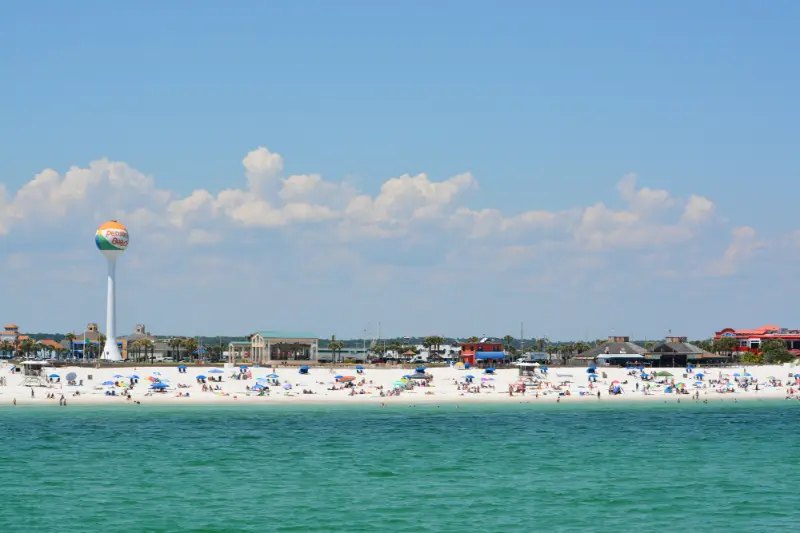
Day 6: Apalachicola Bay, working waterfronts and the Forgotten Coast
Arrive around Apalachicola with time to walk downtown streets and understand the bay’s importance to regional fishing and commerce. This is not an invitation to treat docks, oyster houses or private boats as open-air tourist exhibits. Observe from legal public spaces and support businesses that are operating. Oyster harvesting conditions, seasons, restoration work and seafood availability are governed by current regulations; never promise that local oysters will be served on a particular date. St. George Island can be a beautiful extension, but park access must be confirmed if there are storm-related closures. If you want to extend east toward Carrabelle, allow another night rather than adding it as a final frantic detour. For visitors with reduced stamina, the most satisfying Apalachicola day might be just a history walk, a waterside meal and an early evening. A slow itinerary leaves room for real local life instead of collecting beach photographs.
Where to sleep and how to keep the driving reasonable
Use Pensacola for the first two nights, the Destin/30A/Panama City area for the next two and the Port St. Joe or Apalachicola area for the final nights. That gives each accommodation a purpose. Along the route, travel costs swing dramatically between a beach-view property and a simple inland motel. Add resort fees, cleaning charges, parking, tolls, bridge traffic and fuel before deciding on value. Some rentals impose minimum stays, particularly during summer school holidays. For travelers with mobility needs, specify a roll-in shower or other essential features in writing and confirm them directly with the property rather than relying on a generic ‘accessible’ label. If driving with older relatives, prioritize a place with elevators and dining options nearby; a room that is technically affordable can become exhausting if every meal requires an extra trip.
Safety on the Gulf: flags, thunderstorms, heat and boats
Sea conditions are more important than the color of the water. Beach-warning flags indicate hazards, and absence of flags does not mean there is no risk. Swim near lifeguards where available, remain alert to rip currents and keep children close. Lightning is a reason to leave the water immediately. Outings on rental boats require attention to operator licensing, weather, local navigation rules and appropriate personal flotation devices. On barrier islands, some access points have no shade, drinking water or shops, so prepare for the environment you will actually enter. Hydration breaks and sun protection become especially important for infants, older adults and people with heat-sensitive conditions. Never stop on bridges or road shoulders for photographs unless the spot is a legal turnout. Preserve dunes and nesting areas by using established access. Treat a postponed boat tour as an opportunity for a museum or a relaxed lunch, not as a trip disaster.
Suggested route at a glance
| Day | Main base | Core choice |
|---|---|---|
| 1 | Pensacola | Historic harbor and Pensacola Beach |
| 2 | Pensacola/Navarre | Barrier-island shoreline and nature |
| 3 | Destin/30A | State park or one coastal town |
| 4 | Panama City area | Dune lakes, St. Andrews or rest |
| 5 | Port St. Joe | Mexico Beach and Cape San Blas |
| 6 | Apalachicola | Waterfront history and optional island |
Money, seasonality and realistic expectations
Spring and fall may offer more comfortable sightseeing conditions than the most humid summer weeks, but Atlantic hurricane season also affects the Gulf from June through November. Monitor the National Hurricane Center rather than using seasonal averages as a promise of safety. Summer brings school-vacation crowds to some resorts and extremely hot beach days. Winter can be pleasant for walking yet cool for swimming. Set a flexible daily budget with separate lines for lodging, parking, one paid activity and meals. A group that enjoys beaches and history can avoid many expensive tours; an elaborate charter or premium resort will change the calculation. Keep your final night near your departure route instead of gambling on an early-morning six-hour drive to the airport. Distances on a map do not account for storm diversions, beach traffic or a late check-in queue.
Official sources to check before driving
The Florida Scenic Highways program explains designated scenic corridors; Florida State Parks posts park conditions and reservation requirements; and the National Hurricane Center provides authoritative tropical-weather information. Check local beach flag reports and specific attraction websites each day. This journey is best understood as a regional introduction. You can spend a week here without paying for a major attraction every day, but you cannot safely force a barrier-island crossing, a boat trip or a swim when conditions say otherwise.
Frequently asked questions
Does US 98 stay next to the beach the whole way?
No. It passes across bays, inland sections and urban corridors. Scenic 30A and other side roads provide some of the memorable coastal detours.
Is one week enough for Pensacola to Apalachicola?
Yes for selected highlights, especially with three accommodation bases. Add nights if you want long boat tours or several full beach days.
Do I need to book state-park entry?
Sometimes. Certain high-demand parks require a day-use reservation, and policies may change. A purchased pass does not necessarily guarantee entry.
Can I make the trip with grandparents and toddlers?
Yes if you reduce activity count, choose hotels with easy parking and shade, and avoid keeping children on hot open beaches for extended periods.
What if storms close my preferred beach?
Use museums, downtowns or a rest day as your alternate. Follow closures and do not enter flood-damaged facilities or closed roads.