
Fort Lauderdale is often sold as a city of boats, canals and oceanfront hotels, so a car-free visit may seem unrealistic. In fact, a thoughtfully located hotel and a modest plan can eliminate much of the cost and frustration of renting a vehicle. The secret is to distinguish transport systems rather than treating every trolley, water taxi and train as interchangeable. Broward County Transit operates buses, Tri-Rail connects the wider region, and the city’s LauderGO! network includes free community shuttles, a water trolley and other local mobility options. A commercial sightseeing water taxi is another product with its own tickets and routes.
At a glance
| Stop or theme | What to do | Check before traveling |
|---|---|---|
| Airport | BCT Route 1 or shuttle to Tri-Rail | Check actual boarding stop |
| Downtown | Riverwalk, Las Olas | Check LauderGO route days |
| Beach | Beach Link or nearby lodging | Check last departure |
| New River | Free Water Trolley | Some docks under construction |
| Regional rail | Tri-Rail | Airport station needs shuttle |
This four-day itinerary is for visitors who want one destination rather than a sprawling South Florida road trip. It is particularly useful for solo travelers, families who dislike city driving and older visitors who would rather avoid parking garages. It also has limits: a car-free vacation is easiest if you book near Las Olas, downtown or the main beach and verify how far the nearest usable stop is from the hotel door. ‘A bus runs somewhere nearby’ is not the same as reliable step-free access in August heat.
Before you book: choose your base by its connections
A downtown or Las Olas base favors restaurants, the Riverwalk, museums and connections to local mobility services. An oceanfront hotel favors early morning beach visits and reduces the need to carry beach gear through town. A third option near a frequent bus corridor can save money, but only if the route runs at the times you need it. Check the exact address, sidewalk conditions and the actual stop—not the vague neighborhood description—before committing to a nonrefundable reservation.
If you are traveling with a baby, weigh the convenience of a kitchenette and shaded walking routes against a cheaper room farther inland. For a wheelchair user, request confirmation of step-free entry, usable room configuration and lifts on any transport service you intend to use. For someone over 80 who walks well but tires easily, a hotel in a compact area is often more comfortable than a hotel requiring several transfers. Ask whether resort fees and parking charges are compulsory even when no car is used.
Arriving from Fort Lauderdale-Hollywood International Airport
FLL is close to the city but that does not mean every hotel is a pleasant walk from the airport. Broward County Transit Route 1 serves the airport via the Rental Car Center, and the airport explains how to reach the stop. Tri-Rail’s airport station is at Dania Beach, with a free connecting shuttle between terminals and the station. These two options serve different travel patterns: Route 1 may work for a local bus connection; Tri-Rail is helpful for movement along the South Florida rail corridor.
Do not confuse the Tri-Rail airport station with a train platform inside your terminal. With luggage, children or limited mobility, the transfer time and boarding arrangements matter. Compare the complete door-to-door journey with a licensed taxi or prebooked transfer. A taxi can be economical when split among several people even if public transit costs less on paper. For the return, leave room for road delays, the shuttle connection and airport security. A late-evening landing does not guarantee the same transit frequencies as a weekday afternoon.
Day 1: Riverwalk and Las Olas at a relaxed pace
Check into your hotel and start with the Riverwalk area, where the New River introduces Fort Lauderdale’s relationship with water. Walk only the portion that suits your group; the goal is to understand the city, not to record the maximum step count. A museum or a shaded café makes a useful companion stop when the midday sun grows intense. Look for public seating, water and the location of the closest restroom before setting off with younger children or older relatives.
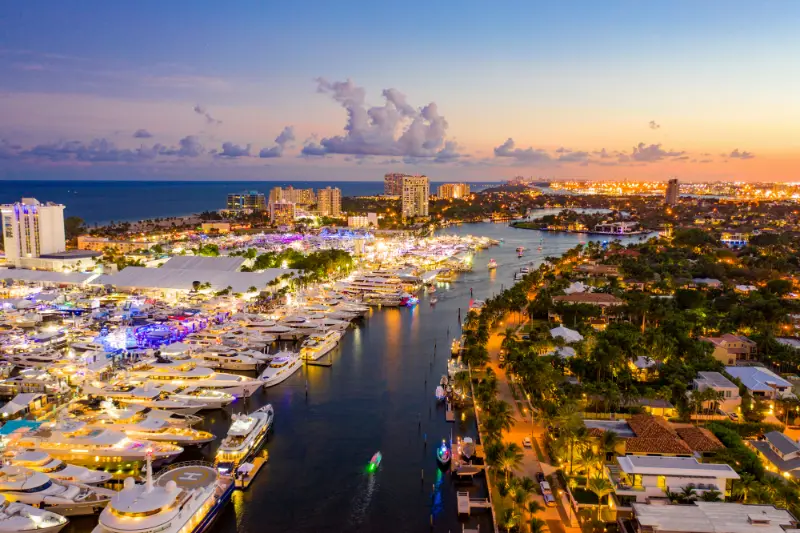
The city’s free LauderGO! Water Trolley operates on the New River, using designated boarding stops. It is a practical short experience and transport link, not a substitute for the larger commercial Water Taxi network. The official city page identifies some stops as unavailable during construction and notes that bridge operations can create delays. Check today’s usable stop map rather than walking to a permanently memorable location. In the evening, enjoy Las Olas Boulevard on foot and return early enough to avoid a long, unfamiliar transfer after shuttle service ends.
Day 2: Fort Lauderdale Beach without a parking search
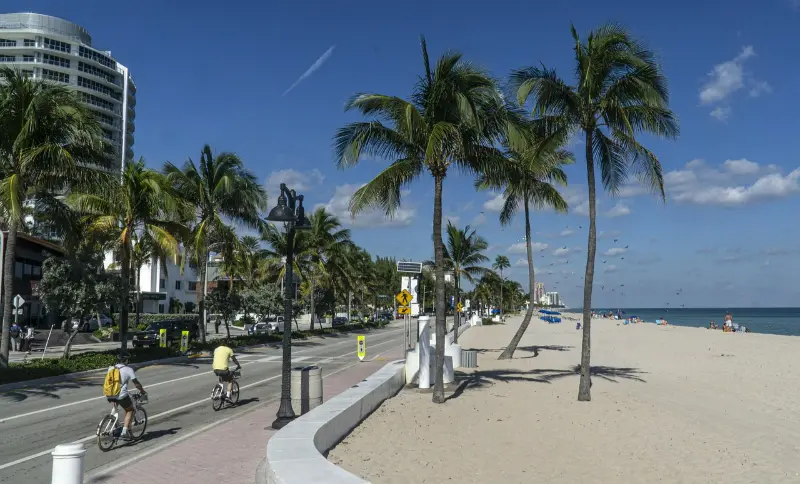
Choose an early start for the beachfront before peak heat. Bring water, sunscreen, a sun hat and only the beach equipment you can carry back comfortably. Ocean currents change with conditions, so follow posted beach flags and lifeguard guidance rather than treating a calm-looking morning as an invitation to swim anywhere. Families with small children may prefer building sandcastles and walking the promenade to spending hours in the water. For travelers who do not swim, the oceanfront still offers sea air, people-watching and photography.
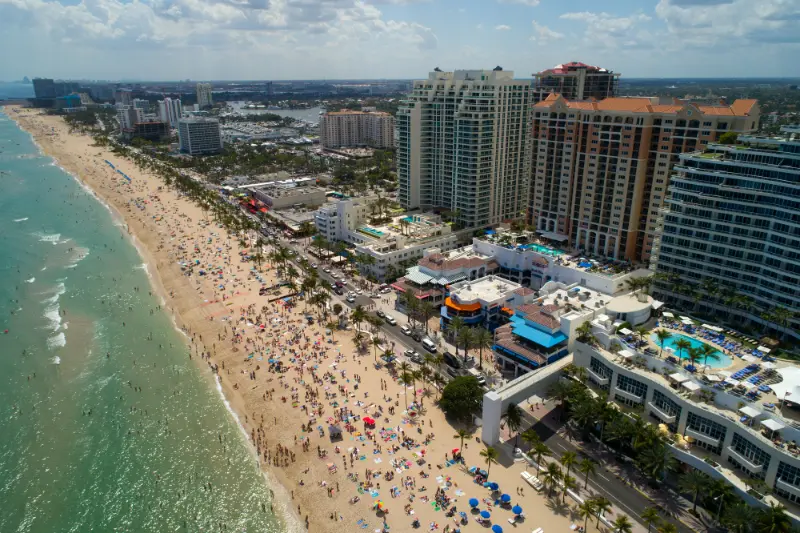
Fort Lauderdale’s LauderGO! Beach Link is a free local shuttle with its own timetable, service pattern and stops. It may connect your hotel and beach area, but it is not a continuous, round-the-clock beach circuit. The Las Olas Link has a different operating schedule and is particularly worth checking for weekend planning. If you want to explore another beach far to the south, assess the actual bus ride and waiting time before adding it. A day spent comfortably in one beach zone is usually better than a day consumed by transfers.
Day 3: Museums, neighborhoods and rainy-day flexibility
Make day three an indoor-and-outdoor combination. Depending on your interests, choose a cultural institution in or near downtown, an exhibition, a history-focused stop or a guided neighborhood experience. Confirm current opening days directly because museums may close on particular weekdays. A family with children can prioritize interactive exhibits, while art-minded adults may spend an entire morning in a single museum. Build one meal break into the schedule rather than assuming everybody has the stamina for nonstop sightseeing.
The free Downtown Link and other LauderGO! community shuttle routes serve distinct areas, and some are weekday-focused. That is why it is a mistake to reuse Friday’s itinerary on Sunday without checking. Broward County Transit buses fill gaps, but transfers need planning, especially during rain. If thunderstorms appear, do not wait at an exposed waterfront stop merely to follow the original plan. Move to a safe indoor location, then reevaluate. A low-cost rideshare trip used strategically can preserve the freedom of a car-free visit without turning the vacation into an endurance test.
Day 4: One easy excursion or a slower final morning
The most useful optional excursion is one that matches the transit system, rather than an attraction that looks close on a regional map. With sufficient time, Tri-Rail can provide a regional outing to a suitable station area, but investigate the last mile first. A station may be far from the beach or historic district you hope to visit. If your real priority is an easy departure day, stay in Fort Lauderdale, return to a favorite section of Riverwalk and enjoy a leisurely lunch instead.
Travelers with a late flight should confirm hotel luggage storage, then work backward from the latest safe departure time. Do not leave the afternoon to chance if your chosen bus runs infrequently. If you took a commercial water taxi sightseeing tour earlier, remember that its ticket does not automatically cover public buses or another operator’s water service. The same principle applies to day passes, apps and promotional fares: identify the provider before purchasing anything. A final morning with fewer decisions often feels more like a holiday than a rushed expedition.
How the different transport systems fit together
The practical division is simple. Broward County Transit provides the backbone of county buses. LauderGO! is a collection of city mobility services, including free shuttles and river transport, with local coverage rather than region-wide reach. Tri-Rail links communities along the South Florida corridor, and the airport provides information about its terminal shuttle to the rail station. Commercial water-taxi sightseeing operates separately. Check the official map for every connection, because a single missed stop can add walking and long waits.
For accessibility, ask service operators about lift equipment, the space available for mobility devices and whether a particular river dock requires steps or unusual boarding conditions. A bus being wheelchair accessible does not make every sidewalk to the stop navigable. In hot or wet weather, plan exits from the itinerary: the nearest shaded café, taxi pickup or hotel return option. Keep a power bank and a paper copy of the hotel address. Mobile apps can help, but an empty phone battery should not become a transportation emergency.
Eating, costs and practical choices
A car-free stay changes where money goes. You may spend less on parking, car rental and fuel, but more on a central hotel or the occasional taxi. Compare total costs rather than the headline room price. The best budget plan may involve free waterfront time, one paid museum and inexpensive local meals, but South Florida dining prices can vary widely. Look for breakfast options within an easy walk of the hotel and check whether a ‘free’ shuttle requires using a specific stop or booking method.
Bring comfortable footwear and light rain protection. Florida’s storms make it useful to split each day into an outdoor morning and a flexible afternoon. Older visitors and small children may appreciate a midday rest even on relatively cool days. This is not a destination where you should rely on crossing a six-lane road whenever a mapping app draws a straight line. Use marked crossings and the actual pedestrian network. The reward for good planning is a city that feels pleasantly manageable without searching for a parking space every time you stop.
Frequently asked questions
Can I see Fort Lauderdale Beach without a rental car?
Yes. Choose lodging near the waterfront or a useful bus or shuttle route, then check service times and the walking distance from the stop to the beach.
Is the free Water Trolley the same as Water Taxi?
No. The city Water Trolley is a free service on the New River; the commercial Water Taxi operates separate sightseeing services and fares.
Can Tri-Rail take me directly to my airport terminal?
No. The FLL airport station is at Dania Beach, with a connecting shuttle to the terminals. Build time for the transfer.
Are the community shuttles available at night?
Not all of them. Routes operate on different days and timetables, and service notices can change. Check the city schedule before an evening outing.
Is this itinerary suitable for visitors with limited mobility?
Potentially, but verify individual hotel entrances, river docks, sidewalk routes and vehicle boarding. A short taxi transfer can be the better choice for a particular leg.
Official planning resources
- City of Fort Lauderdale: LauderGO! for shuttle, Water Trolley and on-demand services.
- Broward County Transit for route maps, fares, timetables and accessibility services.
- FLL Airport Ground Transportation for Route 1 and the Tri-Rail terminal connection.