
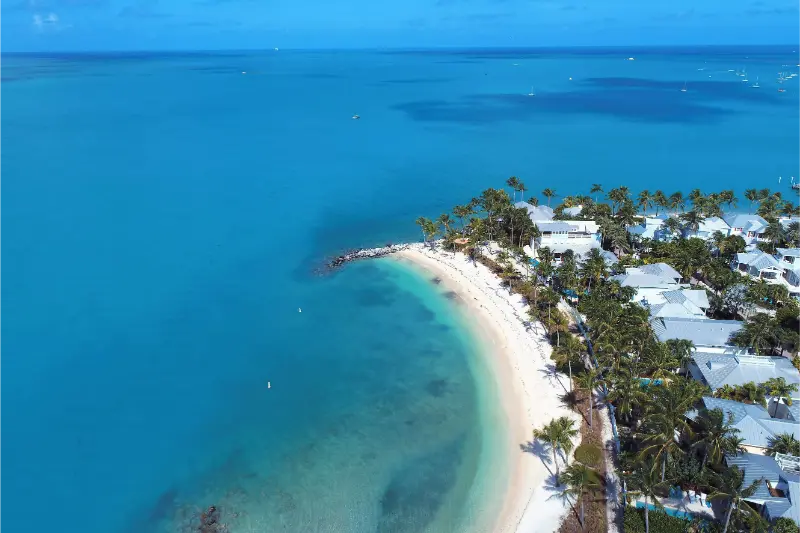
Key Largo is often presented as a place where the best parts are underwater. That is true for divers and many snorkelers, but it is a narrow picture of the island. Travelers who do not swim, dislike boat motion, or simply want a vacation with dry feet can still build a rewarding four-day stay around coral geology, tropical forest, sea-life exhibits, and the complicated history of the Overseas Railroad. This itinerary keeps journeys short enough to accommodate small children and older relatives while showing why the upper Florida Keys feel different from mainland Florida.
In this guide
- Day one: start with the reef on land
- Understand what a reef is without entering the water
- Day two: Dagny Johnson Key Largo Hammock
- What a tropical hammock teaches about the Keys
- Day three: Windley Key and the Overseas Railroad
- Day four: a flexible Key Largo day
- Where to stay: location matters more than resort scale
- Getting there and avoiding unnecessary driving
- A Key Largo budget that is realistic
- Frequently asked questions
Quick planning table
| Day | Main experience |
|---|---|
| 1 | John Pennekamp visitor center and trails |
| 2 | Dagny Johnson tropical hardwood hammock |
| 3 | Windley Key fossil reef quarry |
| 4 | Flexible local history and waterfront stops |
A rental car is useful because attractions spread along the Overseas Highway and public transportation does not operate like a frequent city bus. Stay in Key Largo or the northern Islamorada area rather than moving hotels every night. Consider a property with a shaded outdoor seating area and easy parking; the enjoyment here is as much about the pace between visits as the number of tickets purchased. This is an island environment: walkways can be exposed, afternoons humid, and traffic slow during weekend arrivals.
Day one: start with the reef on land
Make John Pennekamp Coral Reef State Park the first anchor. Its visitor center includes a substantial saltwater aquarium and smaller displays that help explain reef fish and invertebrates before anyone considers a boat trip. These exhibits make the marine environment understandable for a child who is too young to snorkel or an adult who prefers not to enter deep water. The park also has paths and waterside areas, so you can choose a short visit or stay for a picnic. Confirm visitor-center hours and current exhibit access on the official site.
Rather than trying to see every corner of the park, choose one nature trail after the aquariums. The Wild Tamarind Trail is described by the state as a three-tenths-of-a-mile loop through tropical hardwood hammock; the Grove Trail is longer, with mangrove and former grove habitats. Conditions can be hot, uneven, muddy, or buggy, even when distances look modest. Bring closed-toe shoes, drinking water, and a trail map. Visitors who cannot manage the route may enjoy the aquarium and shaded areas without treating the trail as an obligation.
Understand what a reef is without entering the water
The upper Keys are built on a story of changing seas, fossil coral, mangroves, and modern protected waters. In the aquarium, look for differences between reef fish, invertebrates, and living coral displays. Ask a child to identify three adaptations: color, camouflage, and the way fish occupy different parts of the habitat. The point is to leave with a better understanding of the living ecosystem, not just photographs. Interactive interpretation is especially valuable when weather cancels a boat excursion or one member of the group prefers indoor activities.
Do not confuse an aquarium reef with a promise of clear visibility in the sea. Water conditions, wind, and storms control what boat passengers will see on a real outing. A glass-bottom boat may be an optional way to experience the offshore habitat without swimming, but it is still a boat; motion sickness and cancellation rules matter. Book only if everyone who wants to go is comfortable with those uncertainties. The entirely land-based itinerary works just as well without it.
Day two: Dagny Johnson Key Largo Hammock
Dagny Johnson Key Largo Hammock Botanical State Park protects a large tract of West Indian tropical hardwood hammock and several protected species. The difference from the manicured mainland parks is immediate: dense vegetation, filtered light, limestone ground, and an unfamiliar mix of plants. It is better suited to unhurried observation than a fast exercise walk. The state park describes more than six miles of trails overall, but visitors do not need to cover most of them. Select a short route matched to the day's conditions and turn around early if needed.
The park has an honor-box admission system, so arrive prepared according to its current instructions. Watch for roots, insects, and slippery patches after rain. Remain on established paths; fragile plants and animal habitat make shortcuts a poor choice. Birdwatchers may enjoy early hours, while families can keep a simple leaf-shape notebook instead of searching for rare wildlife. Never promise crocodile sightings, even though American crocodiles occur in the broader region. Wild animals should be observed from distance, never approached or fed.
What a tropical hammock teaches about the Keys
The hardwood hammock is not a beachside garden. It is a scarce upland habitat shaped by elevation, salt exposure, hurricanes, and the slow accumulation of organic material over limestone. That makes it an especially revealing place to understand development pressure in the islands. Compared with urban Key Largo, the park shows the environmental character that existed before modern road corridors and large visitor facilities. A family can spend an hour identifying shade, light openings, and wind protection without needing specialized equipment.
Older visitors may prefer one short segment and then a comfortable lunch elsewhere. For a wheelchair user, do not infer that a park is accessible merely because a route is short; ask the ranger station which trail sections have firm surfaces and suitable width on the chosen day. If the path is unsuitable, keep the wildlife education portion at Pennekamp and substitute a scenic roadside overlook. A successful vacation offers equivalent enjoyment, not a mandatory hike.
Day three: Windley Key and the Overseas Railroad
Travel south toward Islamorada to Windley Key Fossil Reef Geological State Park. This is one of the most intellectually satisfying stops in the upper Keys because the old quarry walls reveal fossilized reef structure in exposed limestone. The site also helps connect natural history to human history. In the early twentieth century, rock from the quarry was used for Henry Flagler's Overseas Railroad; later, the stone became decorative building material. The surviving industrial setting gives visitors something tangible to examine beyond conventional beach scenery.
The park currently lists Thursday-through-Monday opening, so organize your four-day visit around its posted schedule instead of assuming you can arrive on any weekday. Paths in a quarry are not the same as a smooth waterfront promenade: check mobility, heat, and footwear needs. Read the interpretive panels slowly, then compare fossil patterns with what you saw in the live aquariums on day one. Children who enjoy trains may be particularly interested in the quarry's railway connection, while adults can reflect on the engineering work involved in crossing islands before modern bridges.
Day four: a flexible Key Largo day
Keep the final day deliberately light. Return to a favored viewpoint, spend a relaxed morning at a waterfront cafe, or revisit Pennekamp's visitor center if the first day was abbreviated. Many waterside restaurants have outdoor tables, but access to a private dock or shoreline is not automatically public; use only authorized viewing spots. If you prefer a history-oriented morning, look for local interpretive displays connected to early Keys settlement and the highway. Check each museum or gallery's operating schedule rather than assuming daily opening.
This is also the best time to decide whether a short guided boat experience belongs in the trip. If one person wants the reef and another cannot board, separate plans can work better than insisting everyone participate. Keep the land-based group near a confirmed restroom and comfortable seating, and arrange a clear reunion point. Where a boat outing would create anxiety or extra expense, an extra meal and a quiet afternoon are fully legitimate vacation choices.
Where to stay: location matters more than resort scale
Key Largo stretches along U.S. 1 rather than around a single walkable center. A hotel that looks close to a restaurant on the map may still sit across a busy highway without a comfortable crossing. Ask whether the property has a ground-floor room or elevator, whether its outdoor paths have steps, and whether parking is included. For families, a refrigerator for drinks and snacks can be more useful than an elaborate activity program. Travelers with mobility needs should request details about bathroom doors, showers, and the exact path between their room and facilities.
A rental condo may offer cooking space and a quieter routine, but confirm the final total including cleaning charges, taxes, parking, and cancellation terms. Don't assume that a property advertising 'waterfront' has a sandy swimming beach. Many Keys shorelines are mangroves, rocks, seawalls, or docks. Choosing an accommodation for the view and the calm rather than imagined beach access avoids a common disappointment.
Getting there and avoiding unnecessary driving
Key Largo is generally approached from the Miami and Florida City area along U.S. 1. Allow extra time for airport rental pickup and traffic on the southern mainland approaches. Long-distance day trips from Orlando or Tampa sacrifice much of the destination's relaxed value; they leave little time for short stops or a meal. Once in the upper Keys, group sites by direction so you do not drive back and forth repeatedly. A Key Largo base suits Pennekamp and Dagny Johnson; Windley Key is a convenient outing to the south.
Drivers should watch for changing speed limits, bike riders, and turn lanes on the Overseas Highway. Never stop on a bridge or shoulder merely because the water looks beautiful; use signed, legal parking areas. After heavy rainfall, trails may be muddy even while the main road is dry. During tropical storm warnings, follow county and state instructions and never attempt to outsmart an evacuation order for the sake of a paid booking.
A Key Largo budget that is realistic
Separate the trip into lodging, transportation, food, admissions, and optional activities. The forest park and quarry often cost much less than a guided reef outing, but prices can change, and using a rental car may be a significant share of the budget. Compare overnight rates by weekday and season and check whether resort fees are added at checkout. When booking outdoor tours, review the weather cancellation policy as carefully as the advertised price.
A practical four-day plan might include two paid park visits, one or two optional restaurant meals each day, and a free afternoon between activities. Taking a packed lunch to a permitted picnic area can make the day less expensive and easier with children who need familiar food. No expensive water sport is necessary to understand why the Keys' coral and mangroves matter.
Frequently asked questions
Can we enjoy Key Largo without swimming or snorkeling?
Yes. Pennekamp's aquariums, forest trails, Windley Key's fossil quarry, and waterfront dining make a satisfying land-based stay. A boat is optional, not essential.
Are trails accessible to every wheelchair or stroller?
No. Trail surfaces and conditions differ. Ask each park about the specific route and current condition before committing; choose visitor centers and shorter stops when needed.
What is the best season for this itinerary?
Many visitors appreciate the generally milder winter and spring months, but traffic and room rates can be high. Summer can be hot and stormy. Check the forecast and park updates for the precise dates.
Official resources
Use John Pennekamp Coral Reef State Park, Dagny Johnson Key Largo Hammock, and Windley Key Fossil Reef to verify hours, routes, admission rules, and park conditions.