
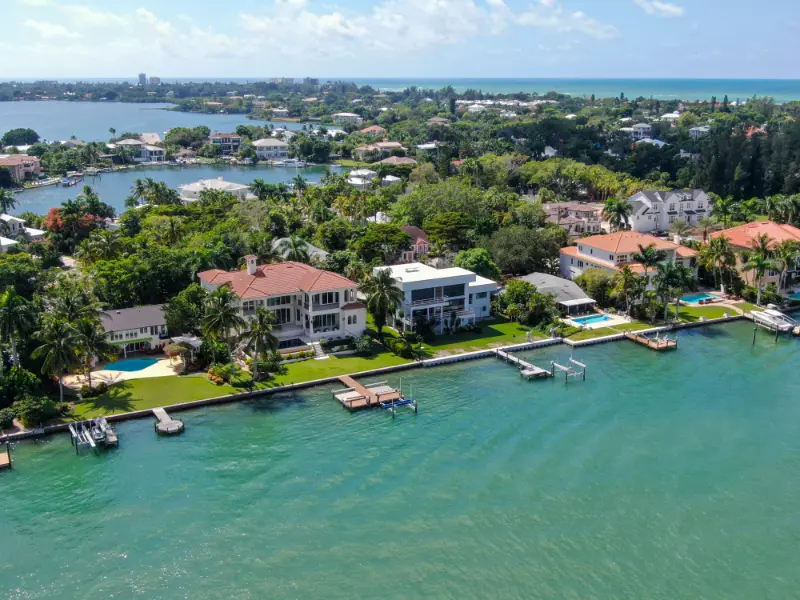
Cortez is a small working fishing community near Bradenton that offers a different experience from the resort coastline immediately beyond the nearby bridges. Its historic houses, maritime traditions, and bay setting are worth exploring, but visitors should not treat its commercial docks as a waterfront theme park. This four-day guide uses the Bradenton area as a base, includes time for the Cortez village landscape, and adds public natural and cultural stops around Sarasota Bay. A boat trip is optional, not required. One important 2026 limitation shapes the itinerary: the Florida Maritime Museum's main building remains closed for rehabilitation, even though the organization continues educational work.
In this guide
- Understand Cortez before choosing accommodation
- Day one: the historic streets of Cortez
- The Florida Maritime Museum closure and what remains accessible
- Day two: seafood, fishing culture, and respectful spending
- Day three: Sarasota Bay as an estuary, not only a view
- Day four: choose art, history, or an easy beach viewpoint
- Living culture versus nostalgia about 'Old Florida'
- Parking, bridges, and the real pace of island-area travel
- Meals and accessibility across four days
- When to go, what to budget, and what to check
- Frequently asked questions
Quick planning table
| Day | Focus |
|---|---|
| 1 | Respectful walking tour of historic Cortez |
| 2 | Seafood culture and working waterfront heritage |
| 3 | Sarasota Bay habitats and public viewpoints |
| 4 | Flexible cultural or beach-area stop |
Understand Cortez before choosing accommodation
Historic Cortez lies on the mainland side of the bridges to Anna Maria Island. It is not the same as staying directly on a Gulf beach, and its streets include residences, working businesses, and narrow rights-of-way. A mainland hotel around Bradenton can be useful for access to groceries and restaurants, while an island property may suit travelers whose main priority is sand and sunsets. If the purpose of this trip is maritime culture, choose lodging that does not demand a daily fight for beach parking. Examine the actual journey to Cortez on a map rather than assuming a hotel described as 'Anna Maria area' is a short walk away.
This region is best explored with a car, though a small town-focused visit may be possible with private transport. Four days need not include a different bed each night. Families with children may prefer a quiet hotel with breakfast and a pool; older adults might appreciate accessible parking, a lift, and straightforward access to meals. For a conservation-minded trip, look for easy public shoreline areas and educational sites instead of arranging private boat excursions that add cost and may not suit everyone in the group.
Day one: the historic streets of Cortez
Begin at the historic village, using the Florida Maritime Museum's Cortez walking-tour information as background. The settlement dates to the late nineteenth century and retains a distinct relationship with commercial fishing. It is easy to mistake any dock or boatyard for a public tourist viewpoint, but many are private workplaces. Keep to lawful public sidewalks and marked visitor areas, never block a truck entrance, and ask before photographing people at work. The cultural value of Cortez comes from its ongoing community, not simply picturesque old buildings.
A self-guided walk may take far less than a full day; this is a good reason to spend time reading about the village rather than stretching the distance. Observe how housing, storage, seafood commerce, and bay access fit together in a small place. Children can compare a working waterfront with a marina full of recreational boats. Adults interested in heritage can reflect on how changes in fishing regulations, waterfront development, and storms affect local families. Keep the first day flexible and finish with a meal at a genuinely open business, checking availability in advance.
The Florida Maritime Museum closure and what remains accessible
The Florida Maritime Museum occupies a former schoolhouse and preserves stories and material connected with traditional Florida fishing. Its official website currently states that the building is temporarily closed for necessary rehabilitation. Do not promise indoor exhibitions or tell visitors to buy tickets for a normal museum visit until that changes. The organization also indicates that certain outdoor grounds and educational activities may remain available; confirm the precise conditions before going. A closure can be disappointing, but it also makes a useful point about the preservation work required to maintain historic buildings in a coastal climate.

Use the museum website for its walking-tour material and background stories. It is better to enjoy the permitted exterior and then visit another open site than to improvise a way into closed facilities. The nearby Cortez Cultural Center operates by appointment, according to the museum's neighborhood information, so it is not an appropriate walk-in backup unless a visit has been confirmed. When bringing children, explain why preserving old buildings takes time and money. The work that safeguards cultural heritage is often invisible when everything is open and running smoothly.
Day two: seafood, fishing culture, and respectful spending
A trip to a fishing village can include a seafood meal, but not everyone will eat seafood and not every restaurant sources all ingredients locally. Ask rather than assuming that a dish is 'caught today' merely because the menu uses coastal language. Learn the difference between fish landed commercially in the area and products shipped from elsewhere. Seasonal availability and regulations influence what can be sold. Travelers with allergies need to discuss ingredients and preparation directly; kitchens handling fish and shellfish may have significant cross-contact risks.
Buying food or craft products from appropriate local businesses can support the community more directly than using its lanes as a photography set. Avoid buying protected shells or wildlife products of uncertain origin. If you are curious about the work itself, look for a properly scheduled educational event or an authorized interpretation offered by community organizations. The Florida Institute for Saltwater Heritage explains its role in preserving Cortez's commercial fishing history and environment. Follow community event announcements rather than assuming a festival takes place every weekend.
Day three: Sarasota Bay as an estuary, not only a view
Sarasota Bay is an estuarine environment where fresh and salt water influences support fish, birds, seagrass, and many other forms of life. Choose a public nature or cultural stop where you can safely observe its edges. This might involve a shoreline park, an interpretive center, or a permitted bay viewpoint, depending on the day and your group's mobility. The goal is to connect the maritime heritage of Cortez with the habitats on which fishing depends. Boat access is not required to understand how mangroves, shallow water, and seagrass support juvenile fish.
Resist the temptation to walk into shallow water to photograph animals or plants. Seagrass beds can be damaged by trampling, while mud and submerged debris make poorly marked areas unsafe. If you visit a nature preserve, stay on established routes and pay attention to sensitive nesting and habitat notices. Explain to younger travelers how coastal development, runoff, and boating behavior affect the water quality on which fishing and wildlife rely. Short, responsible observations from land can be more educational than a rushed boat ride arranged only because the coast appears in the travel brochure.
Day four: choose art, history, or an easy beach viewpoint
For the final day, decide whether your party would prefer another small heritage stop or a carefully chosen public beach area. This decision should follow the weather and the group's energy, rather than a fixed promise made before arrival. A family with preschoolers might enjoy a short beach visit in the morning followed by an indoor lunch. A traveler who cannot walk on sand may prefer a waterfront park with paved paths, a view of the bridge, and a bench. If parking is crowded, choose another open public space rather than stopping illegally on a residential street.
Bradenton and nearby communities contain cultural institutions whose exhibitions and hours vary, so check details before setting off. Another option is to revisit an accessible interpretive display from day one and spend more time with it. The four-day format is deliberately generous; you can enjoy a place without filling every afternoon with a major attraction. This is especially appealing for visitors who appreciate conversations over local food and time to photograph the changing light around the bay without a packed sightseeing checklist.
Living culture versus nostalgia about 'Old Florida'
It can be tempting to describe Cortez as a place where time stopped. That would overlook the pressures facing working fishers and coastal residents today. Storm damage, property prices, fuel costs, regulations, environmental changes, and competing uses of waterfront land shape the community's present. Use historical information to understand continuity and adaptation, not to pretend that local people exist as characters in an old postcard. When asking questions at a public business, remember that staff are working; a polite brief conversation is very different from demanding an informal tour of private operations.
Learning about this history also makes the trip suitable for older children. They can compare a restored school building with newer tourist development and discuss why access to the bay matters to occupations based on water. Adults may find the community's preservation efforts illuminating because the practical questions apply to many coastal towns worldwide. Not everything needs an exhibit label to be meaningful, but reliable background helps prevent romantic or inaccurate storytelling. The fishing village is not a substitute for the people who actually live and work there.
Parking, bridges, and the real pace of island-area travel
Traffic near the bridges to the barrier islands can be slow during popular beach periods, especially on weekends or holidays. Estimate travel times using the specific day and hour, rather than comparing straight-line distances. On narrow village streets, obey signs, avoid driveways, and use lawful public parking. If the preferred stop has no suitable parking, move to a different activity. Visitors with mobility equipment should check curb ramps and pedestrian crossing conditions because older village environments may be less forgiving than new resort developments.
Do not schedule a ferry or boat trip automatically. It adds another reservation, weather dependency, and possibly accessibility constraint. If you do choose a licensed excursion, ask where boarding happens, how long the trip lasts, what happens in storms, and whether the boat can accommodate your group's needs. An on-land itinerary is more reliable for an entire family, particularly when infants or older relatives prefer not to travel on open water. The bay is interesting even when observed from a legal public overlook.
Meals and accessibility across four days
A useful food plan is to choose one significant local meal per day, then keep other meals simple. Confirm restaurant hours because small businesses sometimes close on particular weekdays or adjust seasonally. If someone has dietary needs, communicate them before arrival and do not rely on a generic 'fresh seafood' menu as a promise of allergy-safe preparation. A hotel with a fridge makes snacks and drinks easier and may reduce costs for a family of four or more. Carry water for outdoor walks, even when you are staying near a restaurant district.
For limited mobility, organize each day around one reachable stop with nearby accessible parking and a restroom. Historic buildings may have entrances and floors that differ from modern structures; confirm actual access before making plans. The museum's construction closure means you should be especially cautious about assuming that a prior accessible route is available. Choose public waterfront places with reliable paved access if sand or uneven terrain is difficult. A four-day trip can still be inclusive when every participant has a comfortable way to enjoy the view and take breaks.
When to go, what to budget, and what to check
Cooler seasons are often more comfortable for walking historic streets, while summer heat can make midday exploration tiring. Coastal storms and hurricane-related recovery work can affect buildings, roads, and businesses at any time. Before arriving, consult the official Florida Maritime Museum visit page, the Cortez village guide, and any specific park or attraction you intend to visit. Do not use a general tourism article as proof that a closed building has reopened.
The cost of the trip depends more on lodging, eating out, and optional excursions than on the village walk itself. Keep a small allowance for parking and unexpected transport changes, and be skeptical of packages promising access to private working docks. A good Cortez stay needs curiosity, considerate behavior, and a flexible plan. By the time you leave, you should understand that the coast is not only somewhere to relax; it is also a place where people work, preserve knowledge, and depend on healthy water.
Frequently asked questions
Is the Florida Maritime Museum open in October 2026?
Its official visitor page says the main museum is temporarily closed for building rehabilitation. Check for reopening notices before making plans. Other educational activities may have different schedules.
Can I visit Cortez without joining a fishing or boat trip?
Yes. A respectful self-guided historic walk, local meal, and nearby public bay viewpoints can provide a worthwhile visit without boarding a boat.
Can I walk onto commercial fishing docks for photographs?
Do not assume they are public. Follow property signs, remain on permitted routes, and ask for permission before entering any working facility.