

Children between six and twelve are often at a wonderful age for a Florida vacation. They can remember a rocket, identify a bird, ask questions in a museum and enjoy a beach day without needing constant entertainment. At the same time, they may become tired, hungry or overwhelmed much sooner than an ambitious adult itinerary allows. The trick is to give them a little adventure and plenty of time to absorb it.
This eight-day plan uses Orlando and the Space Coast as two bases. It deliberately avoids a schedule of consecutive theme parks. There is room for a science museum, coastal wildlife, a big space experience and one optional park day. The trip can work with siblings of different ages or grandparents joining the group, provided you adapt the walking, transport and rest stops to each traveler.
At a glance: the eight-day plan
| Day | Main idea | Overnight base | Easy alternative |
|---|---|---|---|
| 1 | Arrival, groceries and a short pool or park break | Orlando | Stay at the hotel |
| 2 | Orlando Science Center and a neighborhood walk | Orlando | One indoor exhibit only |
| 3 | Nature near Orlando and a flexible afternoon | Orlando | Short park visit and rest |
| 4 | Optional theme park or another hands-on activity | Orlando | Winter Park or hotel pool |
| 5 | Transfer to the Space Coast and beach orientation | Cocoa Beach or Titusville | Boardwalk view instead of swimming |
| 6 | Kennedy Space Center Visitor Complex | Space Coast | Shortened visitor-complex visit |
| 7 | Merritt Island refuge and an easy beach afternoon | Space Coast | Wildlife drive only |
| 8 | Breakfast, checkout and departure | — | No extra attraction |
Treat the table as a rhythm, not a contract. Switching days two and three for weather is sensible. If a storm alters a beach plan, make your evening about dinner, games or rest rather than racing to another attraction.
Day 1: make the arrival day easy
An airport, a rental counter and a hotel check-in are already an activity for children. Avoid buying tickets for the same afternoon. Once you arrive, check the room, identify the nearest grocery store and prepare a few easy snacks for the coming days. A hotel with a refrigerator and microwave can reduce costs and make breakfast much simpler. If swimming is possible, an adult should actively supervise children in and around any pool, regardless of lessons or flotation devices.
Have dinner near the hotel and set up a small overnight bag for the next morning: water bottles, sunscreen, hats, spare socks and any medications. Children may be excited enough to stay awake late, but jet lag or a disrupted routine usually catches up later. The first day’s success is everyone settling in comfortably, not the number of attractions visited.
Day 2: science you can touch at Orlando Science Center
The Orlando Science Center is a strong first full day because children can learn while moving between exhibits. Hands-on science, live demonstrations and immersive films offer variety for different attention spans. The center’s official planning page provides opening days, admission and information on stroller sizes and parking. It currently notes that Wednesdays are usually closed, with some school-break exceptions, so confirm the day before designing the rest of your week.
Choose two or three exhibit areas that fit the children’s interests rather than trying to see every floor. One child may prefer engineering and another may love natural science; let them each choose something. Break for lunch before anyone becomes irritable, then consider a short walk in the nearby Loch Haven area if weather permits. A museum full of interactive experiences can be mentally tiring. Returning to the hotel by midafternoon is a perfectly good plan.
Day 3: a short nature stop, not a wilderness expedition
Central Florida has parks and lakes that provide fresh air without a long hike. Choose an established park with restrooms and easy parking. Winter Park’s urban green spaces work for a gentle stroll, while a state park or conservation area can provide a more nature-focused morning if you verify the access and distance. Parents should check whether a trail surface is stroller friendly, and children should be taught to remain on marked paths near water.
Give each child a small observation task: find three different leaf shapes, listen for a bird call or notice the difference between open grass and shady trees. They can use notebooks or take photographs instead of collecting plants, shells or other natural objects. Bring water, protect everyone from mosquitoes and be ready to leave when thunder begins. Spend the afternoon at the accommodation or with a relaxed meal, not another big ticketed event.
Day 4: one big-ticket choice—or none
If the family wants a theme park, dedicate this day to one park that makes sense for the children’s interests and heights. Do not book a second park simply because it is on the same resort property. Check official ride requirements, ticket rules, accessibility support and current opening hours before purchasing. Children who love gentle attractions and characters may want a very different experience from those who enjoy intense rides.
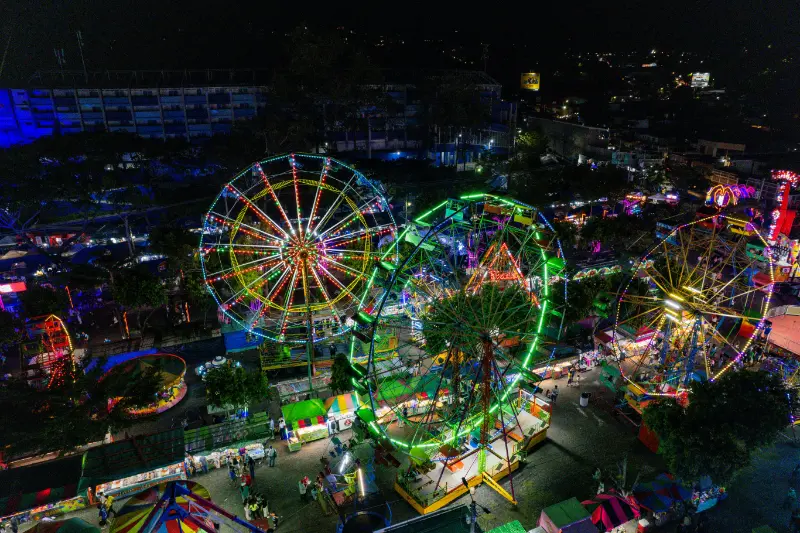
Some families will have a better time skipping theme parks. Winter Park, a mini-golf outing, a second museum visit or a morning at the hotel pool can offer enough fun without expensive queues. Ask the children to choose between a major activity and a quieter alternative a few days before departure. Adults should also consider noise sensitivity, motion sickness and heat tolerance. A good vacation does not need a test of endurance.
Day 5: change bases and discover the Space Coast
Pack the car after breakfast and head toward the Space Coast, allowing time for traffic and an unhurried lunch. Cocoa Beach offers a beach-town atmosphere, while Titusville is useful for people concentrating on the space center and nearby wildlife areas. Compare hotel prices, parking and restaurant locations before choosing. A hotel slightly farther from the beach may work better if it has more comfortable rooms and easy evening meals.
Use the afternoon for checking into the new property, visiting a safe designated beach access or looking over the lagoon from an appropriate viewpoint. If swimming, choose a lifeguarded area where possible, check flags and supervise children continuously. The Atlantic can have rip currents even when the sky is clear. The day should feel different from Orlando, not like a hurried sightseeing race. A relaxed dinner and an early night prepare everyone for the next morning.
Day 6: give Kennedy Space Center the attention it deserves
Kennedy Space Center Visitor Complex is the signature experience of this itinerary. Children this age can begin to understand the human decisions and technology behind spaceflight, especially when adults ask open-ended questions rather than turning exhibits into a school test. Check operating hours, bus tours, special events and potential launch impacts at the official visitor website. Rocket launch dates can change, and an advertised date is never a guarantee.
Arrive early enough to explore without racing. Focus on two or three major highlights, eat before the lunch crowd if possible, and build in seating breaks. The site is extensive; check accessibility and transportation details for anyone who cannot walk far. Children may want time in a gift shop, but agreeing on a souvenir budget before entering avoids unpleasant surprises. Resist adding another paid attraction in the evening. The best conversations about the day may happen over dinner.
Day 7: see wild Florida at Merritt Island
Black Point Wildlife Drive at Merritt Island National Wildlife Refuge is a rewarding contrast to the previous day’s space technology. The U.S. Fish & Wildlife Service describes it as a seven-mile auto tour through wetlands. It is convenient for families who prefer to watch birds and other wildlife from their vehicle, with some optional stops. A pass is required for this drive, so check entry arrangements before arriving.
Bring binoculars and challenge children to identify birds by size, color and behavior. Do not promise an alligator sighting: wildlife is not on a timetable. If someone becomes bored, enjoy the remaining landscape and move on rather than forcing a long stop. Spend the afternoon at the beach or hotel if conditions are suitable. You can make the final evening special with a relaxed meal and a conversation about everyone’s favorite discovery.
Day 8: a calm departure
The temptation to book one final activity can be strong, but traffic, packing and airport queues introduce uncertainty. Plan breakfast, pack the car, check for chargers and children’s belongings, and leave comfortable time for the journey. If a return flight is late, ask the hotel about luggage storage or extended checkout before relying on it. Keep snacks and water accessible in case roads are delayed.
On the journey home, invite children to choose three things they learned or enjoyed. One may remember a rocket, another a tiny bird or an unusual museum experiment. Those individual memories are a better measure of success than trying to fit another attraction into an already full week.
How to keep costs under control
The largest variable costs are accommodation, transportation and major admission tickets. An eight-day stay with one large theme-park day can cost substantially less than a five-park itinerary, but only if you avoid paying for unnecessary extras. Compare the total hotel price, including parking, taxes and any resort fees. A kitchenette or refrigerator helps with breakfast and evening snacks, while a supermarket stop can reduce the cost of drinks and lunch supplies.

For tickets, compare the official advance price against on-site pricing and check refund rules; do not assume every promotional seller is authorized. Parking at some attractions is separate. Nature refuge or state park entry fees are usually a different scale from theme-park tickets, but they should still be verified. Children don’t need a souvenir at every stop. Give each a small budget for the week and let them decide where to spend it.
Which hotel setup works best for a family?
Choose hotels based on sleep and logistics, not just photographs of the pool. A family of four may be fine in two queen beds for a short stay, but children who need different bedtimes can benefit from a separate sleeping area. Connecting rooms should be confirmed directly with the hotel; requesting them is not always a guarantee. On the Space Coast, being near a safe beach access may matter more than a room labeled ocean view.
Families traveling with grandparents should check elevator access, shower layout, parking distance and the number of steps from room to restaurant. For a child with sensory needs, ask about quiet room locations and avoid booking over a busy entertainment venue. Consider staying in one Orlando hotel and one Space Coast hotel, rather than moving repeatedly to chase small price differences.
Rain, heat and swimming safety
Florida often experiences afternoon thunderstorms in warm months. Lightning can strike away from visible heavy rain, so move inside when thunder is heard and follow staff instructions at attractions, parks and pools. Watch heat and humidity, take indoor breaks, and avoid making a child finish a walk when they are overheated. Keep refillable bottles handy and schedule more demanding outdoor activities earlier in the day.
At beaches, follow lifeguards and posted warning flags. A child who swims confidently in a pool may not be prepared for ocean currents. At springs and lagoons, check individual access rules and never enter unfamiliar water. For wildlife viewing, remain on paths and avoid feeding animals. These precautions help protect children while also teaching respectful travel habits.
Frequently asked questions
Is this trip suitable for children younger than six?
It can be adjusted, but young children may need more nap time, shorter museum visits and different attractions. Build the itinerary around their routines rather than expecting an eight-year-old’s schedule to fit a toddler.
Do we need a theme park day?
No. The trip is designed to work without one. A second museum, an easy beach day or a nearby park can be a satisfying alternative.
Can grandparents join this route?
Yes, especially with two hotel bases and short days. Confirm mobility requirements and let adults split into smaller groups when an activity does not suit everyone.