
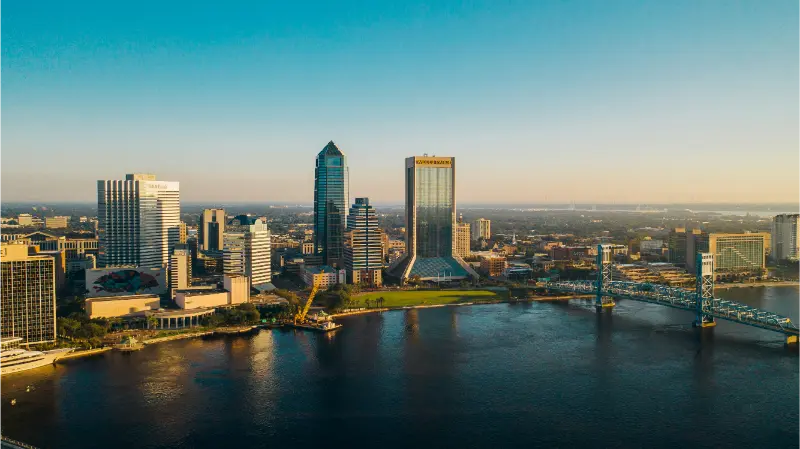
Northeast Florida offers an Atlantic vacation with a very different rhythm from Miami or Orlando. You can spend a morning exploring Jacksonville’s vast river-and-marsh landscape, enjoy a historic neighborhood with independent cafés, learn about coastal history in a national preserve and finish with the beaches and old streets of Amelia Island. A seven-day trip using two bases—Jacksonville for three nights and Fernandina Beach for three nights—keeps driving manageable while giving each destination enough time to feel like a place rather than a highway exit.
This itinerary is a good fit for curious couples, families with school-age children, older travelers who prefer short walks and visitors returning to Florida after the major theme parks. It is not a beach-only holiday. The appeal comes from variety: historic stories, coastal nature, urban food neighborhoods and slow mornings on Amelia Island. Because opening hours, park routes and tides vary, every day includes a flexible alternative rather than a complicated fixed schedule.
Why Jacksonville and Amelia Island work well together
Jacksonville covers a very large area. Its riverfront, older neighborhoods, Atlantic beaches and preserved marshland are spread apart, making a rental car useful for this itinerary. Amelia Island lies northeast, close enough to combine with Jacksonville but distinct enough to deserve its own base. By staying three nights in each place, you avoid repeatedly crossing the same distance while still keeping the move manageable.
Choose a Jacksonville hotel by your daily priorities. Downtown may be convenient for certain cultural venues, Riverside or nearby districts for cafés and neighborhood walks, and a beach-area property for Atlantic mornings. Each carries different parking, dining and driving trade-offs. On Amelia Island, staying near Fernandina Beach’s historic district suits travelers who want evening restaurants on foot. A beach-oriented property elsewhere on the island may be better for daily sand time but less convenient for downtown dinners.
| Nights | Base | Main benefit |
|---|---|---|
| 1–3 | Jacksonville | City culture, river setting and Timucuan Preserve |
| 4–6 | Amelia Island / Fernandina Beach | Historic downtown, Fort Clinch and beach mornings |
If your flight arrives late, spend the first night close to your airport rather than starting a long evening drive. The schedule below assumes a reasonably timed arrival in Jacksonville and a car for most excursions. Those without a car can still enjoy selected districts, but should not treat the two-base itinerary as effortless by public transit.
Day 1: arrive and get to know one Jacksonville neighborhood
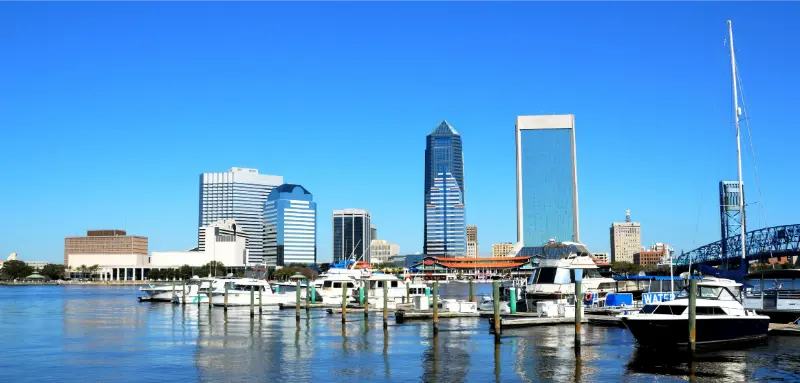
After checking in, pick one neighborhood to explore rather than attempting a citywide tour. Riverside and nearby older streets offer a local feel in parts of the city, while downtown has riverfront landmarks and cultural sites. Choose a walk based on your hotel’s location and what is genuinely open on arrival day. Have dinner somewhere within a comfortable distance and let the rest of the evening stay free. Jacksonville’s size means that “ten minutes away” on a map may not describe rush-hour reality.
Families can turn the evening into a short waterfront observation game: watch passing boats, find a bridge and notice how different a wide river looks from the ocean. Visitors who prefer less walking can select an accessible restaurant near parking instead. The first day is also the time to check tomorrow’s weather, park opening notices and whether any museum or tour needs advance tickets. A simple start creates space for the more distinctive experiences later.
Day 2: the Timucuan Preserve and the coast’s deeper history
The Timucuan Ecological and Historic Preserve protects significant coastal wetlands as well as places that tell complex human histories. One of its major historic sites is Kingsley Plantation on Fort George Island, where interpretation addresses the lives of people who were enslaved there, plantation agriculture and the region’s larger history. It is important to visit with attention and respect, rather than treating the structures as a picturesque photo set.
Check the National Park Service site for current visitor access, programs and conditions. Routes can involve older surfaces and different accessibility characteristics. Consider choosing one major historical destination and a short nearby nature viewpoint rather than racing between every site in the preserve. Salt marshes, oak hammocks and tidal waterways offer plenty to observe even from short established paths. Carry insect repellent where needed and remember that wetlands can be hot and buggy at almost any time of year.
If your group includes children, explain the history in an age-appropriate but truthful way. Ask what daily life might have been like for different people living at the site, and use official interpretation instead of telling romanticized stories about plantation life. Families with older relatives may find a shorter guided or self-directed visit more manageable than a long nature trail. A leisurely lunch back in Jacksonville can finish the day.
Day 3: arts, riverfront and a beach option
Spend this day in the Jacksonville area you found most interesting. Art lovers might explore the Cummer Museum of Art & Gardens, subject to operating hours, admission and garden conditions. Families who want open space can choose a park and a simple riverside picnic. If the weather is sunny and your group wants sand, head toward a public Atlantic beach access with restrooms and check beach safety information. Do not combine several disconnected city districts unless everyone is comfortable with the driving.
Jacksonville’s beaches are appealing, but they should not be confused with Amelia Island, where you will stay later. If you plan to spend much of days four and five on Amelia Island’s shore, using today for city culture may give the vacation more variety. On a rainy day, an indoor museum makes a sensible alternative. In any season, check local water-quality advisories and lifeguard presence before swimming.
An early dinner gives your group a chance to pack without staying up late. Tomorrow’s hotel transfer is short enough to leave room for sightseeing, but packing calmly tonight makes the next morning much more pleasant.
Day 4: transfer to Fernandina Beach and discover its historic center
Drive toward Amelia Island and begin with Fernandina Beach’s historic downtown. The streets, architecture, shops and cafés invite unhurried exploration. Park once in an appropriate place and take short blocks on foot instead of continually moving the car. Look for the historic district’s mix of maritime history and older commercial buildings, then stop for lunch. Not every historic shop has step-free access, so travelers with mobility needs should confirm specific businesses before entering.
Spend part of the afternoon checking in and getting oriented to your new accommodation. If you are close to the beach, take a short walk on dry sand or a public access boardwalk. If the day is windy, use the time for a local museum or a sheltered café instead. Sunset is appealing from appropriate west-facing harbor areas, but the beach side of Amelia Island faces the Atlantic and is generally better known for sunrise views.
This is a good evening for one local seafood meal if that appeals, though visitors with food allergies should confirm ingredients and cross-contact practices. Choose a restaurant by current menu and accessibility, not simply by online photos. Allow time for a quiet stroll back to your hotel or a short drive if your base is away from downtown.
Day 5: Fort Clinch and an Amelia Island beach afternoon
Fort Clinch State Park is one of the most rewarding historic experiences in the region. The preserved fort helps visitors understand coastal defenses, while the surrounding park provides beach and forest scenery. Consult the Florida State Parks website for current fees, fort access, tours and any temporary closures. Portions of a historic fort may involve steps or uneven ground, so ask about accessible routes before making plans with someone who needs step-free access.
A comfortable sequence is to visit the fort in the morning, then have lunch before choosing a beach access on the island. Do not assume the same park entrance ticket covers every desired activity without checking. If the weather is pleasant, spend an hour on the beach taking photos, walking and watching birds. If swimming is planned, use local beach warnings and lifeguarded areas where available. Atlantic currents and waves deserve attention even on sunny days.
For nature-minded travelers, watching the coastal landscape may be more satisfying than covering a long trail. Fort Clinch’s setting rewards a slow visit, especially for grandparents or school-age children interested in how the fort was constructed. You can still leave plenty of time for a relaxed dinner in Fernandina Beach.
Day 6: choose history, beach or a simple departure
Keep this last full day on Amelia Island flexible. A walk through a downtown block you missed, a museum subject to current opening times, or a final beach visit may be enough. If you have time and interest, consider exploring the island’s less busy natural areas or learning about American Beach’s African American history. The American Beach Museum and surrounding history deserve advance research so that your visit is respectful and accurate.
Do not rush a distant excursion to St. Augustine or Orlando into this island day just because it looks possible on a map. Florida roads can have delays, and the journey to an airport may take longer than expected. A short two-base itinerary is meant to let you enjoy Northeast Florida, not to serve as a contest of how many destinations you can fit into seven days.
Day 7: unhurried checkout and the airport drive
Enjoy breakfast, check out with ample time and leave the island without squeezing in a major new attraction. If your flight departs from Jacksonville, factor in the drive, possible traffic near bridges, fuel or rental-car return and airport security. A brief stop for a final coffee or view of the waterfront is enough if your schedule allows it. Avoid booking a paid tour with a fixed finish time on a departure day.
Families should check for lost beach gear, drying swimsuits and chargers before returning the keys. International visitors may need extra time for flight connections or bag-drop requirements. If your departure is very early, a final night closer to the airport can be a useful modification to the two-base plan, but compare the convenience against one more hotel move.
A realistic budget for this particular route
Plan costs in five categories: six nights of accommodation, a rental car and fuel, parking, meals and chosen ticketed attractions. Beach time and some public parks may cost little beyond parking, while museums and guided tours vary. A central Jacksonville hotel could reduce certain urban transfers but cost more for parking. On Amelia Island, a beach-view room can be expensive at peak periods; a place farther inland may offer better value if you are comfortable driving to public beach access.
A family with children can reduce food costs by shopping for breakfast basics and packing some lunches. Couples may prefer one enjoyable restaurant meal each day and simpler snacks for the rest. Compare total lodging prices after mandatory charges rather than focusing on the first rate displayed. If you are visiting during a festival or holiday weekend, expect greater pressure on hotel availability and downtown parking.
Rental car arrangements deserve attention for international visitors. Review insurance terms, toll charges and additional-driver rules; request suitable child seats in advance when needed. The route does not require constant high-mileage driving, so paying for convenient lodging can be worthwhile. A hotel five miles from the main attraction is not automatically a bargain if every meal and beach outing demands extra traffic and parking.
Accessibility, weather and coastal safety
Historic Jacksonville and Fernandina Beach locations can involve uneven surfaces, steps and variable curb ramps. Someone using a wheelchair or walker should identify the exact streets, parking locations and building entrances beforehand. Beaches may offer access mats or beach wheelchairs under local programs, but availability changes. Call the responsible beach authority or accommodation rather than assuming all beach approaches are accessible.
Summer heat and thunderstorms can make long midday walks difficult; schedule outdoor segments early and use museums or a rest break later. The Atlantic hurricane season extends from June through November, so flexible lodging terms and attention to official storm guidance are important during those months. Follow the National Hurricane Center and local emergency management if a tropical system threatens the coast. Do not visit closed piers or beaches after storms to get photographs.
Wildlife habitat deserves the same care: avoid entering dunes, respect nesting birds, and keep all dogs only in areas where they are permitted. Tides can alter narrow beach passages, and salt-marsh trails may be muddy. The region is most rewarding when you accept its natural rhythms rather than trying to force every stop into a rigid order.
Frequently asked questions
Can I visit Jacksonville and Amelia Island in one week?
Yes. Three nights in Jacksonville and three in the Amelia Island area provide a relaxed introduction. A rental car is useful because attractions and neighborhoods are spread out.
Is this itinerary suitable for travelers over 70?
It can be, especially with shorter museum visits and a comfortable hotel base. Check the accessibility of historic forts and downtown buildings and plan regular rest breaks.
Can this be combined with St. Augustine?
Yes, with extra days. If you have only seven days, adding St. Augustine may mean losing the slower pace that makes Jacksonville and Amelia Island enjoyable. Consider extending the trip to eight or nine nights.