
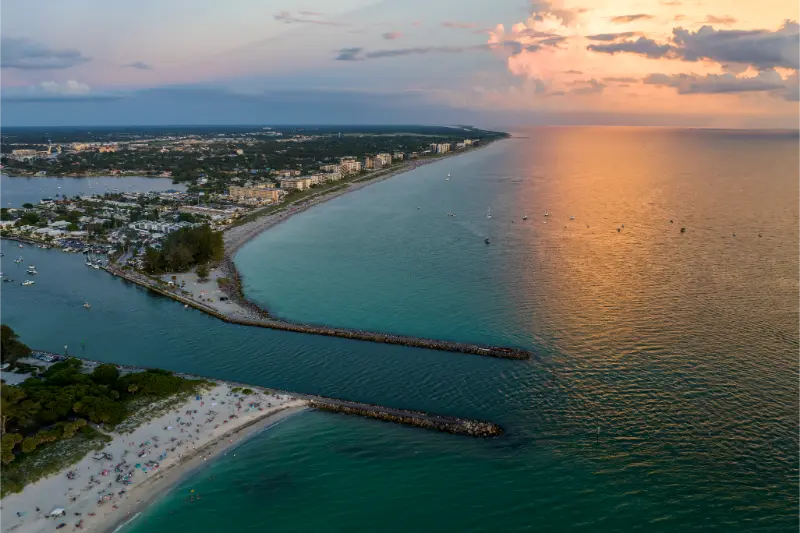
A Gulf-to-Atlantic Florida road trip is a different way to understand the state. Between the white-sand beaches and resort cities lie citrus ridges, freshwater lakes, historic downtowns, ranch country and wetlands that visitors often cross without stopping. Driving from Sarasota toward Vero Beach through the interior takes you through a Florida shaped by agriculture, small communities, and inland landscapes—not merely by theme parks and coastal hotels.
This six-day itinerary travels east at a deliberately modest pace, using Sarasota, Lake Wales, Sebring and Vero Beach as anchors. It is best for travelers who enjoy cultural stops, scenic roads, gardens and manageable outdoor activity. It is not a rapid cross-state shortcut: the journey is meant to include stops, and the driving should always be adjusted for weather, traffic and personal comfort.
Six days from the Gulf to the Atlantic
| Day | Main area | Main idea | Suggested overnight |
|---|---|---|---|
| 1 | Sarasota | Gulf-side arrival and cultural afternoon | Sarasota |
| 2 | Sarasota to Lake Wales | Inland scenery and Bok Tower Gardens | Lake Wales or nearby |
| 3 | Lake Wales | Town history and lakeside landscape | Lake Wales |
| 4 | Sebring and Avon Park | Highlands County lakes and downtowns | Sebring |
| 5 | Sebring to Vero Beach | Eastward drive and lagoon arrival | Vero Beach |
| 6 | Vero Beach | Garden, art or Atlantic shore | Vero Beach or departure |
Why travel across rather than along the coast?
Many first-time Florida itineraries remain on Interstate 75, Interstate 95, or the tourist districts around Orlando. A cross-peninsula journey shows how the terrain changes inland: coastal bays give way to higher sandy ridges, citrus heritage, interconnected lakes and working landscapes before the terrain descends toward the Indian River Lagoon and Atlantic Ocean. You do not have to be a committed nature enthusiast to appreciate the contrast.
The Florida Scenic Highways program provides background on designated routes, including the Ridge region. Use that information for context, but choose each actual road based on current navigation, traffic advisories, and your vehicle’s needs. Scenic roads are public roads serving residents and businesses. Never stop in a traffic lane to photograph farmland or enter private orchards without permission.
Six days allow real stops and two-night stays. If you have only two days, travel straight across and select one major garden or heritage stop. Trying to reproduce a six-day itinerary over a weekend defeats the purpose.
Day one: begin beside Sarasota Bay
Sarasota offers a comfortable first base when arriving from the Gulf Coast side of Florida. Choose a cultural afternoon rather than attempting beaches, museums and a distant drive at once. The Ringling complex is an option for visitors interested in art and the history of the Ringling family, while Sarasota’s downtown waterfront is an easier alternative for travelers who prefer short walks and a meal overlooking the bay. Check each institution’s admission arrangements and opening hours before choosing.
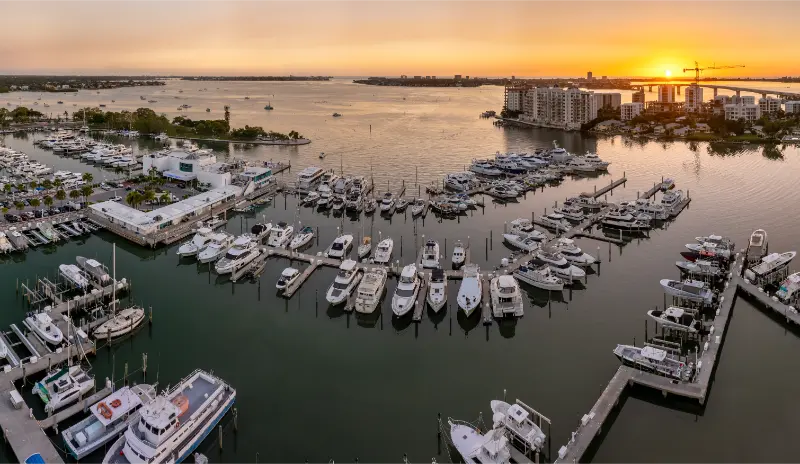
If you arrive after a long flight, focus on a short orientation. Buy snacks and water for the inland drive, collect necessary medication, and confirm that your rental vehicle suits your luggage and any mobility equipment. Sarasota traffic and causeway journeys can take longer at busy times. Do not plan a trip to a distant barrier island solely because you want a sunset on the first evening.
For families, a hotel with breakfast and an accessible parking area can simplify the morning departure. For couples, a more central location may make the first night enjoyable on foot. Pick the accommodation that matches your intended activities rather than the broad location label.
Day two: enter the Lake Wales Ridge
Leave Sarasota after breakfast and drive toward Lake Wales via a route suited to current traffic and the day’s stops. Expect inland agricultural and suburban landscapes, not a continuous wilderness road. Bring snacks and allow for a rest break. The best destination is Bok Tower Gardens, known for its landscaped grounds and landmark singing tower in the Lake Wales area. Visit the official Bok Tower Gardens website to check admission, seasonal hours, musical programs and mobility-access information.
Set aside enough time to enjoy the gardens at your own pace. Families with small children can focus on a manageable loop and resting areas rather than the entire property. Older adults may prefer shady paths and seating; confirm current routes if using a wheelchair or scooter because natural grades and garden surfaces can affect access.
After the visit, check into a Lake Wales-area hotel and have dinner without another long drive. This day introduces the higher sandy ridge landscape that differs from Florida’s low coastal areas. There is no need to cram a second major attraction into the evening.
Day three: a slower Lake Wales day
Stay near Lake Wales for a second night. Explore its downtown, local heritage and the lakeside setting. The area’s identity includes citrus culture and a long history of inland development. Look for open local museums or historic points of interest, but do not assume small museums operate every weekday. Check their individual websites or contact them before traveling.
A second visit to a garden or a relaxed outdoor stop can be more satisfying than a lengthy detour. Families might select a playground or short nature walk; photographers may enjoy early or late light across the lakes. Be careful around freshwater edges: alligators can inhabit suitable Florida waterways, and water should never be treated as safe for swimming simply because it looks calm.
This is also a good day to refresh supplies, check the car’s fuel and tires, and look at the weather for the next stage. Longer road trips become much more pleasant when everyday logistics are handled during a quiet afternoon rather than when everyone is tired.
Day four: the Highlands County lake district
Drive south toward Sebring, with an optional stop around Avon Park if its downtown or local history interests you. The region is known for lakes and its inland Florida character. Sebring’s circular downtown is distinctive and works well for a short orientation, coffee and local exploration. Do not assume the city is organized like a resort: restaurants and shops may have varied hours, and a car remains useful for reaching nature sites.
The Highlands Hammock State Park area can provide a natural contrast if park access and conditions are suitable. Check the Florida State Parks listing for current hours, trail conditions, fees and accessibility information. Some forest trails include boardwalks or uneven terrain, so choose according to your group’s ability. If the weather is oppressive, substitute a short drive and an indoor visit rather than pressing on with a long hike.
Spend the night in Sebring to avoid a tiring two-hour onward drive after sightseeing. A one-night stay can work, but allow sufficient time to appreciate the small-town atmosphere and meal options.
Day five: continue east to the Atlantic
The route toward Vero Beach crosses working landscapes that can feel far removed from oceanfront Florida. The exact road should be selected with live navigation rather than following a rigid scenic label. In rural stretches, fuel and dining options may be farther apart than in Orlando or coastal cities. Refuel before running low, keep water in the car and avoid driving when tired. Observe lower speed limits through towns and watch for agricultural vehicles.
Arrive at Vero Beach with enough daylight to orient yourself. Decide whether your accommodation is closer to the ocean, downtown, or the Indian River Lagoon. These parts of the region are not all interchangeable for walking. A beachside hotel can be delightful, but if you are primarily interested in gardens or museums, an inland base might offer more convenience.
An evening near the lagoon can be a gentle introduction to the Atlantic side without swimming. Choose a public viewing area and observe wildlife at a respectful distance. Do not enter mangrove habitat or obstruct access to private docks.
Day six: Vero Beach’s art, gardens and coast
Spend the last full morning on one major activity. McKee Botanical Garden offers distinctive tropical plant collections and designed garden spaces; check its official visitor information for hours, admission and access conditions. Travelers who prefer art can look into the Vero Beach Museum of Art and its current exhibitions. Choose based on the interests and stamina of your party.
An Atlantic beach visit can fit later in the day, but it is not a guaranteed safe swimming opportunity. Watch local surf conditions and warning flags, use staffed beaches when appropriate, and respect any water-quality advisories. The Atlantic shoreline behaves differently from Sarasota Bay or an inland lake. Even experienced swimmers should not treat it as a casual extension of the museum day without checking conditions.

If you are departing by air the same day, consider travel time to the actual airport and do not book a morning attraction that leaves no check-in margin.
What kind of traveler will enjoy this route?
The itinerary is particularly appealing to repeat Florida visitors who already know Orlando and the major beach resorts, couples looking for smaller cultural attractions, families with school-age children curious about landscapes, and older travelers who value two-night bases. It is less suitable if your main goal is daily nightlife or beachfront swimming, because several of the six days are inland.
Travelers with limited mobility should confirm every accommodation and attraction individually. A beautiful ridge garden can include sloping paths, while a historic downtown may have irregular pavement and limited crossings. Use shorter visits and direct parking where appropriate. For young children, break the trip into regular stops and include one physical activity each day rather than expecting them to enjoy continuous driving and museum visits.
A solo traveler can take the journey comfortably by staying in established hotels and avoiding isolated overnight parking. Share a simple itinerary with someone trusted, especially if exploring rural nature areas without reliable mobile reception.
Food and cultural context along the way
The inland portion reveals connections with citrus production, cattle, lakeside settlements and local food businesses. Stop at operating farm stands when permitted, but check seasons: fruit varieties and availability change throughout the year. Do not assume that every roadside orange sign represents a working visitor center. Respect private property and never photograph workers closely without consent.
Seek out cafés and locally owned restaurants when they are open, while remaining realistic about service hours in smaller towns. If traveling with food allergies, call ahead and carry safe snacks rather than relying on the next stop to have suitable options. The pleasure of this route lies partly in noticing regional differences without turning people who live there into a tourist spectacle.
Climate and seasonal choices
Autumn through spring generally provides more comfortable conditions for inland sightseeing than the hottest summer afternoons, but temperatures and rain still vary. Winter cold fronts can be more noticeable around lakes and inland towns than visitors expecting constant tropical heat might anticipate. Summer introduces high humidity and thunderstorm risk. Schedule gardens and short walks earlier, keeping museums and driving for the hottest hours.
Hurricane season can affect both coasts and the interior. Check weather advisories and road conditions rather than assuming an inland hotel is immune to heavy rain or power outages. The official Florida 511 traffic service can help with major road advisories. If flooding or severe weather makes a segment unsafe, change the route or remain an extra night in a secure location.
Cost and logistics for a one-way trip
A six-day road trip has a different cost profile from a six-night single-hotel vacation. Include rental-car one-way drop fees if collecting and returning at different airports, fuel, tolls, hotel parking, attraction tickets, and the time required to check in at multiple places. Car rental can be cheaper when returned to the same location, so compare a loop itinerary if airfares allow.
Do not drive directly from the final Vero Beach attraction to a distant airport without a clear margin. On a map, the entire state may appear compact compared with the United States as a whole, but long highway transfers are tiring after a week of sightseeing. A final overnight near your departure airport might be the most practical choice.
A sample plan can be adapted to four nights by cutting the second Lake Wales day and one night in Sarasota. With eight days, add one more night near Sebring or Vero Beach rather than inventing distant detours.
Frequently asked questions
Can I drive from the Gulf Coast to the Atlantic in one day?
Yes, depending on the route and traffic. This six-day plan is designed for sightseeing and overnight stops, not the shortest possible cross-state transfer.
Do I need a rental car for Lake Wales and Sebring?
For this itinerary, a car is the practical choice because inland attractions and hotel bases are spread apart and public transport does not connect every stop conveniently.
Is the route suitable for families and older travelers?
Yes, when days are kept short and individual attraction access is checked. It is better to choose one main activity daily than to drive and sightsee without breaks.