
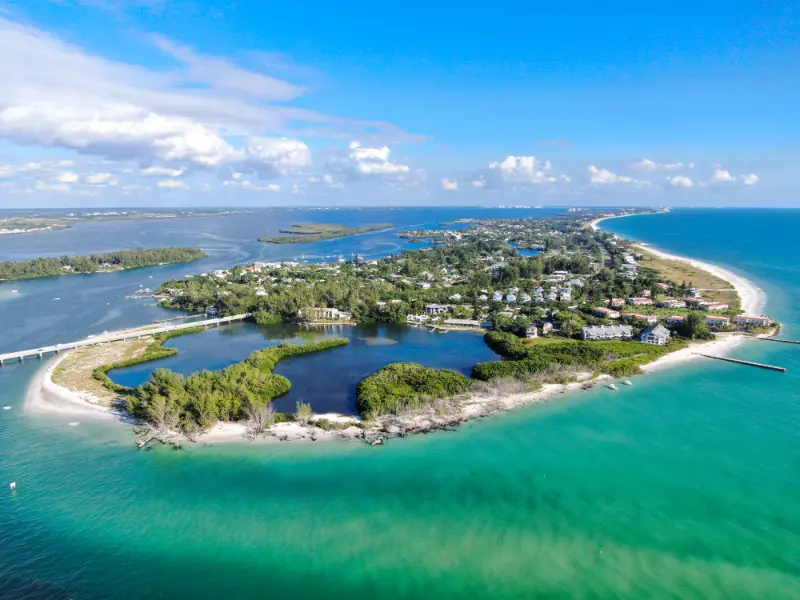
A trip to Florida with three or four friends has its own planning challenges. One person wants the beach at sunrise, another wants a late breakfast, someone is watching the budget, and somebody may not enjoy swimming at all. A five-night vacation around Sarasota and Anna Maria Island can work beautifully when the group chooses a practical base and agrees on expectations before buying flights. The best version mixes shared experiences with enough independent time that nobody feels they have signed up for a school field trip.
This itinerary suits adult friends who enjoy coastal scenery, food, art and short nature outings. It does not rely on nightlife, drinking or expensive boat tours to feel like a holiday. You can use it for a celebration or an ordinary reunion, and it can accommodate people with different walking abilities if accommodations and access are checked carefully. The key is to make a few decisions together in advance and leave the rest flexible.
Have the awkward budget conversation before booking
Agree on an approximate total per person for lodging, transport, activities and meals. Include taxes, cleaning charges, parking, tolls and any refundable security deposit. A rental house can look cheaper than several hotel rooms until service fees and transport are added. Conversely, separate rooms may offer more privacy and predictable bedding even when the price is somewhat higher. Don’t pressure a friend to disclose personal finances; offer a realistic ceiling and let everyone decide whether it works.
Decide which expenses are shared and which are individual. Accommodation and a rental car are commonly split, while optional tours and cocktails can remain personal. Use a shared record of payments rather than relying on memory. Agree in advance how to handle a friend who cancels after a nonrefundable booking. Resentment is more expensive than one extra planning conversation.
Choosing between Sarasota, Bradenton and the islands
Sarasota makes a strong base for art, dining and day trips. Bradenton can be practical for accessing both inland services and the beaches, depending on where your property lies. Anna Maria Island appeals to travelers who want a coastal setting, but parking, traffic and rental rules can complicate a group stay. A house near the water is not automatically the best choice when several adults bring separate cars or prefer different activities.
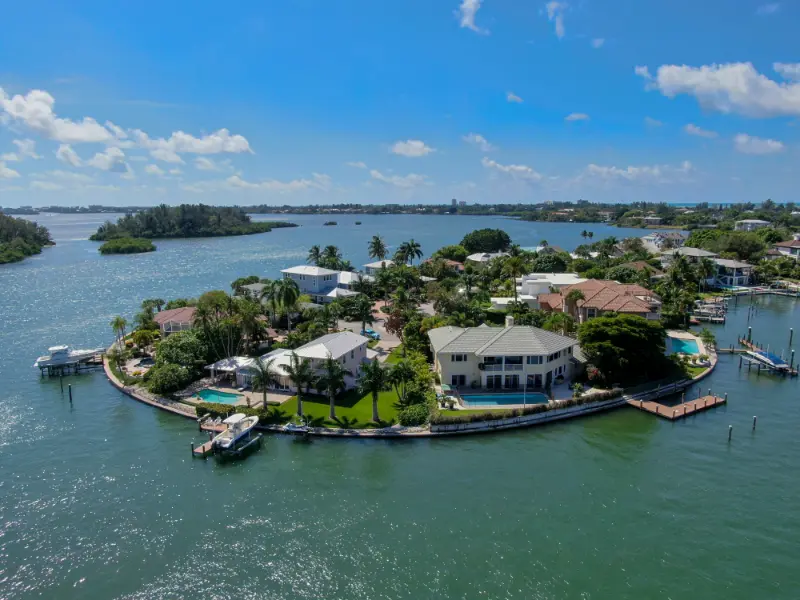
For a group of four, check the actual number and sizes of beds. An advertisement for ‘sleeps six’ may count sofa beds that are uncomfortable for a full week. Confirm bathrooms, climate control, noise rules, check-in procedures and permitted parking spaces. When visiting a residential island, respect occupancy limits and quiet hours. Rental homes are not private event venues simply because the group is on vacation.
Night 1: arrive without forcing everyone into the same flight
Friends often reach Florida at different times. Rather than making early arrivals sit outside with luggage, select a meeting point and confirm who has access to the room. Ask the lodging provider whether an early bag drop is possible. If someone will collect the car, list all authorized drivers and compare the total rental cost, including age-related fees or additional-driver charges. Don’t assume every person can drive under one reservation.
Use the first evening for a simple meal and a walk within comfortable distance of the property. It is a good moment to agree on the next day’s start without deciding every minute of the trip. A shared breakfast order and one main outing can be enough. Anyone tired from travel should feel able to skip an evening activity without losing the rest of the group.
Day 2: Sarasota’s art and waterfront at different speeds
Plan a morning around one major cultural destination, such as a confirmed-open museum or garden. Sarasota has several options, but opening days, special exhibitions and ticket rules change. Choose according to the group’s interests rather than ticking every famous name. An art museum rewards two thoughtful hours more than a hurried circuit squeezed between traffic and lunch reservations.
Split into smaller pairs if needed: one pair might prefer a longer exhibition, while another enjoys the surrounding grounds or a café. Agree to meet at a specific place and time. Ask the venue about wheelchairs, benches and accessible parking for anyone who needs them. After lunch, take a short permitted waterfront walk or return to the room for a break. Leaving the afternoon unscheduled makes the trip feel like a holiday.
Day 3: Anna Maria Island without a parking battle
Choose one beach access and arrive early enough to understand local parking rules. Island roads, trolley routes and beach parking capacity may differ by location and season. Don’t drive endlessly looking for a free place beside the sand. Consult current official town or county information, use signed public parking and be prepared to choose another access if your first option is full. Never use private driveways or block emergency routes.
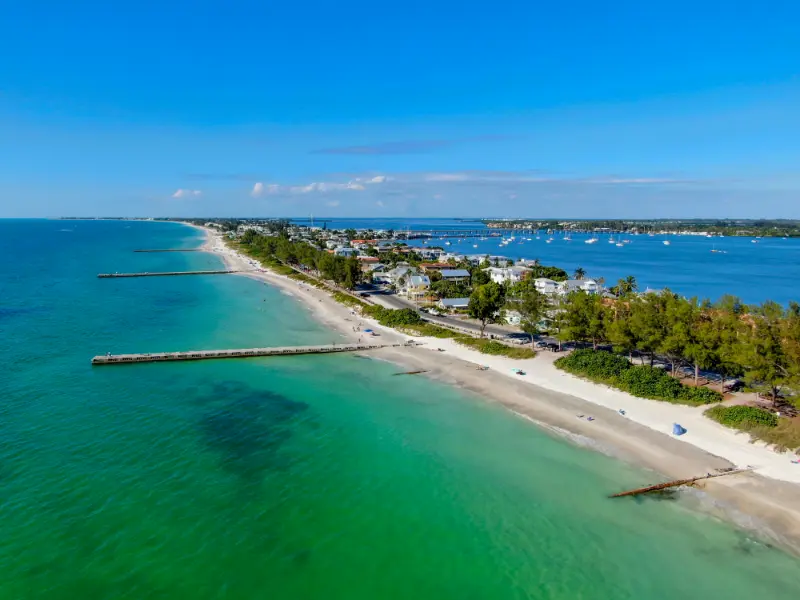
Not everyone needs to swim. Build a morning with shade, reading, shell watching and a walk as well as optional water time. Observe surf warnings, weather and current beach-water information. The Florida Healthy Beaches program addresses bacterial testing, which complements but does not replace local warning flags and lightning awareness.
Have lunch at a place you have confirmed is open, or use a properly chilled picnic. A person who dislikes sand can join for an hour and then head to a café. Avoid making beach time a loyalty test. In the evening, choose an easy group meal near the accommodation rather than adding a long drive just for a recommended restaurant.
Day 4: an inland or nature day for variety
After the beach, a small nature outing or market visit changes the rhythm. Pick a public park, garden or trail appropriate to the group’s mobility and the weather. Check how long the walk really is from legal parking to the attraction. A forest trail may be uneven, while an urban garden might be easier for someone who needs frequent benches. A group doesn’t have to agree on a strenuous hike for an outing to feel meaningful.
For a guided wildlife tour, ask about boarding, shade, duration and cancellation conditions. Book only if enough friends genuinely want it and understand the total price. If the tour is canceled, use the afternoon for a shared cooking session, a local exhibition or downtime. Resist the urge to fill every empty hour by scrolling for activities. Some of the best conversations happen over a slow lunch.
Day 5: let the group divide and rejoin
Use the last full day for personal interests. One pair might return to the beach, another may visit a museum or browse local shops. Establish a straightforward meeting point for dinner and avoid rigid rules about staying together. Friends with different energy levels often enjoy the trip more when they are given permission to opt out of a stop. Keep keys, transport and room access arranged so independent time does not leave anyone stranded.
If planning a celebratory dinner, make reservations and discuss dietary needs and price range first. A restaurant can be enjoyable without being extravagant. Remember that service charges and gratuities may affect the final bill. The most thoughtful group decision is one everyone can comfortably afford, not the most photogenic dining room.
Day 6: departure arrangements that do not annoy everyone
Separate flights complicate checkout day. Agree who will return the car and when luggage must be out of the room. Ask whether the property can hold bags, and avoid leaving them unattended in a parked vehicle while making one last beach stop. If one friend has an early flight, don’t make the whole group wake at dawn unless transport requires it. A rideshare to the airport may be worth comparing against a shared long detour.
Check rental-car fuel rules, additional-driver conditions and any toll billing. Photograph the returned vehicle and save receipts until final charges settle. Send everyone a final summary of shared expenses promptly so nobody is left waiting weeks for reimbursement.
Transport: one car or two?
One suitably sized vehicle can keep costs down, but luggage space is often the limiting factor. Four adults with large suitcases may not fit comfortably in the vehicle class that looked fine on a seating chart. Check capacity before booking. Two vehicles offer independence but increase costs, parking demands and coordination. If your lodging has only one permitted space, a second car can become a real inconvenience.
Some areas are pleasant to walk once you arrive; others require a vehicle. Don’t assume a free trolley connects every accommodation to every beach, or that its route is identical all year. Confirm current service maps, operating hours and accessibility features for your actual dates. Book accommodation according to how your group will move, not merely proximity on an online map.
Food, groceries and shared meals
Plan one initial grocery purchase for breakfast, drinks and simple meals. Put one person in charge of the shopping list, but let everyone add dietary needs before the shop. Label shared items and decide whether alcohol or premium snacks are individual purchases. A few breakfasts at the rental can create both savings and relaxed conversation; it is not necessary to cook every meal.
Florida heat requires sensible food storage. Keep seafood, dairy and other perishables chilled and clean shared kitchen surfaces properly. The USDA’s guidance on safely handling chilled picnic food is useful for beach days. If the group has allergies, choose restaurants that can answer questions clearly rather than assuming a menu icon guarantees safety.
Accessible, comfortable and respectful travel
Adult friends can have very different abilities or health needs. Avoid demanding explanations from someone who needs more rest. Choose a hotel with an elevator or a verified accessible room where necessary, and keep walking routes flexible. A friend who cannot tolerate strong heat may prefer an early outing and an indoor afternoon. You can still share meals and evening conversations without sharing every activity.
Respect residents, beaches and animals. Follow posted rental rules, keep music at a considerate volume and use designated parking. Don’t chase dolphins on a private boat or approach nesting birds for group photos. A memorable friends’ vacation should leave both the group and the places visited in good condition.
A flexible five-night schedule
| Day | Shared highlight | Optional independent time | Planning detail |
|---|---|---|---|
| 1 | Arrival meal | Early rest | Keys and check-in |
| 2 | Sarasota culture | Café or extra exhibition | Tickets and benches |
| 3 | Anna Maria beach | Shopping or reading | Parking and water warnings |
| 4 | Garden or guided nature | Hotel downtime | Weather cancellation |
| 5 | Personal choices and dinner | Split-group outings | Restaurant budget |
| 6 | Departure | Short breakfast | Flights and car return |
Frequently asked questions
Is one rental car enough for four adults?
Possibly, but check luggage capacity, driving rules and parking at the accommodation before deciding.
Is Anna Maria Island a good place for a noisy celebration?
Choose a venue explicitly suitable for your event. Residential rentals have occupancy and quiet-hour rules and should not be treated as party spaces.
Should every activity be booked in advance?
Only the important, limited-capacity ones. Keep much of the schedule flexible so different preferences and weather are easier to manage.