
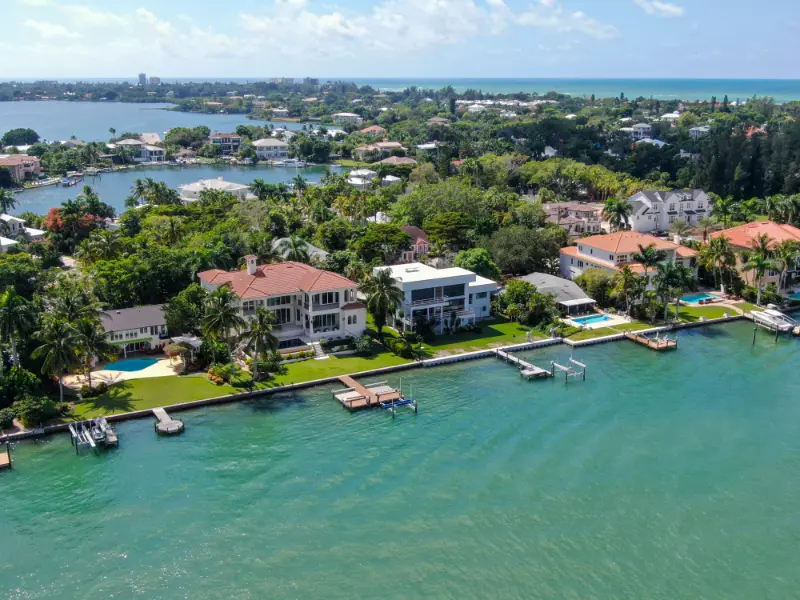
A good Florida vacation with somebody in their nineties is not measured by the number of attractions visited. It is measured by whether the person traveling actually enjoys the days, feels involved in decisions and has enough energy left for a pleasant dinner or conversation. Sarasota can be a useful base for a short Gulf Coast visit because it offers cultural attractions, comfortable accommodation choices and several different ways to experience the coast without requiring strenuous walks. The key is to plan around one person’s preferences, not assumptions about their age.
Some people over ninety travel independently and walk substantial distances; others have mobility, hearing, vision or medical needs that change the practical plan. There is no universal itinerary for a ninety-year-old. This guide proposes a three-day structure that can be adjusted after consulting the traveler and, where appropriate, their healthcare professional. It is a travel-planning guide, not a medical assessment or a guarantee that a particular activity is suitable for everyone.
| When | Place or decision | Main idea | Check |
|---|---|---|---|
| Day 1 | Sarasota arrival | Settle in and optional short bayfront view | Choose room and dinner for comfort |
| Day 2 | Cultural attraction | One museum or gallery with an early lunch | Verify seating, restrooms and access |
| Day 3 | Gulf view or indoor alternative | Flexible scenic outing and return | Keep departure free of rush |
Begin with the traveler, not the destination
Ask your companion what they would genuinely like to do. They might prefer a scenic drive to a museum, a familiar meal to a crowded restaurant, or a comfortable chair overlooking the water instead of a walk on the sand. Have an honest discussion about usual routines: waking time, meal preferences, walking tolerance, stairs and how much rest feels welcome. Let them make choices rather than speaking only with relatives about them. A trip is a shared experience, not a schedule imposed on somebody simply because they are older.
It also helps to agree on a straightforward exit plan. Each activity should be easy to shorten, with the car or hotel reasonably close. Avoid nonrefundable tours as the main event on a day when energy may vary. If the traveler has medical conditions, takes medication or needs mobility equipment, ask their healthcare team about travel-specific questions well before departure. Carry essential information securely, but do not assume you need to disclose private health details to every venue. Consent, dignity and privacy still matter on vacation.
Choose a Sarasota hotel with the right physical layout
Search for accommodation with a reliable elevator if the room is not on the ground floor, short distances between parking and the entrance, and an appropriate bathroom. An attractive historic inn may have steps, a narrow shower or uneven flooring; a modern property may provide a better room layout but still require a long walk from the lobby. Ask direct questions about the exact room you intend to book. If an accessible room is required, confirm its features and reservation with the hotel rather than relying on a vague ‘accessible property’ label.

Noise and sleep can be equally important. Ask whether your room faces a road, pool or event space, and whether the hotel hosts late-night functions. A ground-floor room may reduce stair use but also have more hallway traffic. Consider blackout curtains, a chair with arms, comfortable bed height, a refrigerator if needed and access to a quiet breakfast. If visiting with a family member who may need assistance at night, discuss connecting rooms or an appropriate suite. Never assume a hotel will provide personal care services unless explicitly arranged.
Build transportation around ease and flexibility
A private car or prearranged accessible transfer is often simpler than changing buses on this short itinerary. If renting a car, consider door height, seat position and ease of entry rather than choosing only by price. Some vehicles are too tall to step into comfortably, while very low seats can make standing up difficult. Ask the traveler what has worked before. Allow enough room for mobility equipment and luggage without blocking visibility or safe access to seats and seat belts.
Travel days should be light. Airport security, baggage claim and vehicle pickup can take more energy than anticipated. When airline assistance is needed, request it in advance and confirm procedures with the carrier. At the airport, do not assume that assistance booked for one stage automatically covers every transfer or onward journey. Have an uncomplicated plan to reach the hotel, eat something and rest. Arrival day is not the moment for a sunset dinner reservation across town.
Day 1: arrive, settle in and enjoy the waterfront gently
Use the first day for checking into the hotel, unpacking only essentials and eating at a convenient place. If everybody feels comfortable, a short drive toward the bayfront can give a sense of Sarasota without an ambitious walk. Decide in advance where to park and whether the proposed viewpoint has an accessible surface, nearby seating and restrooms. Choose a stopping point that can be enjoyed for ten minutes or an hour, depending on how the day develops. A photograph by the water is optional; a pleasant view from a comfortable seat is enough.
Keep the evening simple. A restaurant close to the hotel avoids another tiring transfer and gives the traveler an opportunity to return promptly. Ask about seating height, distance from the entrance and whether a table can be reserved in a quieter area. Some people enjoy the activity of a busy room; others find it overwhelming after travel. Make a flexible plan for each. If the visitor prefers to eat earlier than the rest of the family, respect that preference rather than arranging the whole trip around a late reservation.
Day 2: one Sarasota cultural attraction
Choose one cultural outing, such as an appropriate museum visit or another venue that personally interests your companion. Sarasota’s museum and performing-arts offerings can provide indoor time away from the strongest sun. Check the venue’s accessibility description, parking, entrance route, available seating, audio assistance and hours before booking. A large museum may involve much more walking than its entrance photographs suggest. Choose one exhibition area rather than trying to see every gallery. If a wheelchair or mobility aid is useful, confirm whether it is available and whether advance arrangements are required.
Pair the outing with an early lunch and a return to the hotel. A quiet afternoon is not wasted holiday time; it may be what makes another enjoyable day possible. If the visitor wants more activity after resting, offer a short scenic drive rather than another admission ticket. Couples and family groups can take turns pursuing a more energetic activity while someone else rests with the older traveler, but only if that arrangement is mutually agreed upon. Never leave somebody dependent on assistance alone without an appropriate plan.
Day 3: a Gulf Coast view without an exhausting beach day
For the final day, consider the coastline from a well-chosen public park or other approved viewpoint. Sarasota’s nearby barrier islands can be lovely, but sand, heat and long distances from parking can make a standard beach outing unsuitable. Research locations with confirmed accessible parking, paved approaches and restrooms; ask whether any beach wheelchair or mobility equipment is available if needed. Such services may require advance reservation, and conditions can change after storms. Enjoying the beach from a scenic bench or vehicle-accessible viewpoint is a completely valid alternative to walking on sand.
Build the day around a comfortable breakfast, one primary outing and a relaxed lunch. If the weather is windy, humid or stormy, replace the coast with an indoor museum or another low-effort option. Before departure, allow time to collect luggage and take bathroom breaks without rushing. If an early flight is involved, the best choice may be no sightseeing at all. A vacation remains successful when the traveler returns comfortably instead of exhausted by an unnecessary final outing.
Sarasota alternatives when energy or weather changes
A flexible itinerary needs more than a vague ‘rainy day plan.’ Identify two specific alternatives near the hotel: one indoor attraction and one pleasant drive with a safe place to stop. Verify whether the indoor venue has accessible parking and comfortable seating. Keep printed addresses so the day does not depend on last-minute phone searches. In summer, lightning can make coastal activities unsafe; move inside as soon as thunder threatens rather than waiting outside under a shelter.
If the traveler has a difficult morning, offer a genuinely restful day without making them feel guilty. A short breakfast outing or a hotel garden might be enjoyable enough. The purpose of planning is to make choices available, not to create an obligation to complete each activity. Families sometimes overestimate the value of constant sightseeing and underestimate the comfort of unhurried time together. Let the person whose needs are central to the trip determine the pace.
Heat, hydration and everyday comfort
Even during cooler months, the Florida sun can be strong, especially at exposed waterfront stops. Carry drinking water, a hat and suitable sun protection, and avoid prolonged outdoor activity during the hottest part of the day. Never assume everyone can tolerate heat equally. If the traveler has medical advice about fluid intake or activity levels, follow that advice rather than generic vacation rules. Heat-related symptoms should be taken seriously; move to a cool environment and seek appropriate help if somebody appears unwell.
Dress in layers for winter visits because temperatures can change during the day. Comfortable non-slip shoes are useful even for short walks, and a familiar walking aid can be preferable to an unfamiliar rental. Pack necessary medications in carry-on luggage according to travel rules, along with prescriptions or other documentation when appropriate. Keep important contact details accessible. These are practical preparations, not reasons to feel anxious about the trip. Good logistics help create space for enjoyment.
Meals, restrooms and the importance of timing
Before choosing an attraction, locate a convenient restroom and a nearby place to sit. Some venues have a long pathway between parking and their main facilities, making a supposedly short visit harder than expected. Ask whether you can enter through a closer accessible route when one is available. For meals, check menu choices, noise levels and seating rather than relying on a star rating alone. A simple lunch close to the hotel can be more enjoyable than a famous restaurant requiring a long drive and waiting period.
Many people appreciate predictable meal and sleep schedules, but individual preferences vary. Ask before arranging reservations and leave a realistic travel buffer. Avoid booking two fixed-time activities with a tight gap. Sarasota traffic and parking can create delays, especially during busy events and winter travel periods. If the group is hungry or tired, stop before the next attraction. That flexibility can prevent a comfortable vacation from becoming a series of small struggles.
What to budget for a comfortable trip
Create a cost estimate that prioritizes the right room and reliable transport. Include accommodation taxes and any parking or resort fees, the transfer or rental car, meals, admission to one or two optional attractions and a reserve for a changed plan. An inexpensive hotel that lacks a safe entrance or restful room is not good value. Likewise, a car that is hard to enter may add more difficulty than the price difference justifies. A traveler who needs a companion or paid support may have additional costs to arrange separately.
Do not quote a universal daily figure: Sarasota prices vary substantially with the season, event calendar and room location. Request final booking totals before paying and compare cancellation policies. Prioritize refundable reservations where uncertainty is meaningful. A short three-day visit with one comfortable base can cost less, and feel better, than a longer multi-hotel journey. Spending money on practical comfort is often more valuable than adding another attraction ticket.
A family conversation about safety and independence
Talk about safety without taking away the traveler’s independence. Ask what assistance they welcome and how they prefer others to help with steps, doors or luggage. People can have strong preferences about their daily routines even when family members are concerned. Avoid discussing an older companion as though they are not present. If someone needs professional help with personal care or mobility, arrange it appropriately rather than assuming hotel staff or relatives without training can provide it.
Emergency planning should be simple: know the local emergency number, carry essential contacts and understand any personal care requirements. Check travel insurance limitations and healthcare arrangements before the trip, particularly for international visitors. A vacation can be enjoyable at ninety, ninety-five or beyond, but suitability depends on the person, not a birthday. Respecting that individuality is the foundation of planning well.
The final checklist for three pleasant days
Confirm the traveler’s preferences, lodging features, accessible transfer needs, venue schedules and restroom arrangements. Keep the itinerary written in large readable type if helpful, with one main activity each day and a nearby alternative. Bring appropriate sun protection, comfortable clothing, any personally necessary aids and essential documents. Build in ample rest, and make sure the person traveling agrees with the plans. Avoid nonrefundable excursions that would create pressure to continue when a quieter day would be better.
A short Sarasota vacation can offer wonderful moments: a calm morning by the water, an engaging museum visit, an unhurried meal and time together away from normal routines. None depends on age-defying achievements. The most thoughtful itinerary is the one that allows everyone, especially the person over ninety, to feel comfortable, included and free to decide what makes the holiday enjoyable.
Frequently asked questions
Is Florida travel suitable for someone over 90?
That depends on the individual, their wishes and any personal medical needs; age alone does not determine what someone can enjoy.
Should we book a ground-floor room?
Not automatically. Confirm the exact elevator, room layout and accessibility needs with the hotel; a quiet, appropriate room matters more than floor number.
What if our companion wants a day of rest?
Keep the itinerary optional. Rest at the hotel or a shorter outing can be the best decision and does not mean the trip has failed.