
Everglades National Park is too varied to understand in a quick roadside stop, yet it is easy to plan it badly by assuming all entrances connect. A three-day trip based around Homestead and Florida City gives you time to explore the main southern park road, visit the Flamingo area and consider a separate wetland experience without rushing. This guide is designed for travelers who want wildlife, wide-open landscapes and accessible alternatives rather than guaranteed animal sightings. It also explains what a park visit can realistically involve with children, grandparents or anyone who prefers short boardwalks to long hikes. Weather, water and distance shape the experience as much as the itinerary itself.
Three-day summary
| Day | Main plan | Easier alternative |
|---|---|---|
| 1 | Ernest F. Coe entrance and Anhinga Trail | Visitor center and one boardwalk |
| 2 | Long drive to Flamingo and Florida Bay | Short scenic road viewpoints |
| 3 | Shark Valley or Redland countryside | Closer Homestead activity |
Understand which entrances actually connect
Everglades National Park does not have one circular tourist road linking every entrance. The route from Homestead through the Ernest F. Coe entrance toward Flamingo is separate from Shark Valley on the Tamiami Trail and the Gulf Coast entrance near Everglades City. National Park Service guidance explicitly states that the main entrances do not connect inside the park. That fact changes how you should plan three days: trying to visit Shark Valley after Flamingo without accounting for a substantial road transfer would create an exhausting itinerary.
Base yourself in Homestead or Florida City to reach the southern park entrance conveniently. Check whether your accommodation has reliable parking, early breakfast and a restaurant within a reasonable distance. These towns are service bases, not substitutes for a lodge inside the Everglades. If you are visiting without a car, research approved guided transfers with dependable return transport. Rideshare availability in remote park locations cannot be assumed; the National Park Service warns that visitors may struggle to find return cars at some entrances. A prepaid tour with clear pickup arrangements may therefore be safer than an improvised one-way ride.
Day one morning: Ernest F. Coe and the first landscape stops
Enter the park via Ernest F. Coe Visitor Center, confirm current alerts and obtain advice on the best short trails for the day's weather. Exhibits explain why the Everglades are not simply a large swamp: water moves through a shallow, interconnected ecosystem of pinelands, hardwood hammocks, marshes and mangroves. Children may enjoy the visitor displays before seeing the habitats outdoors. Ask which restrooms are open and where drinking water is available, since services are far apart along the park road. Pick a realistic number of stops rather than promising to visit every trail marked on a map.
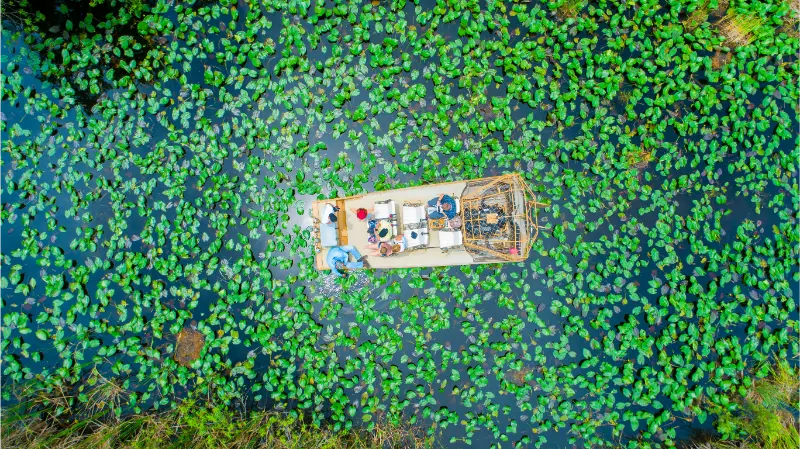
Short interpretive trails along the main park road can reveal different environments, but boardwalk and path conditions vary. Choose one that suits the group and carry water even on a brief outing. Watch for wildlife from a safe distance and never step off the walkway to photograph an alligator, bird or snake. A trail may be exposed to strong sunshine with limited shade, and mosquitoes can be intense depending on season. With young children, this may be the principal outdoor activity of the morning, followed by lunch and a rest. A patient nature visit often delivers more interesting observations than briskly checking off five locations.
Day one afternoon: the Anhinga Trail area
Consider a stop in the Royal Palm area for the Anhinga Trail, a well-known place to observe wetland wildlife. Sightings vary from day to day, and water levels or vegetation change what is visible. The boardwalk experience can be rewarding even when a large alligator is not present. Wear suitable shoes, keep hands and feet within the designated trail, and do not feed birds or fish. Staff may close or restrict parts of a trail for safety or maintenance; respect those signs. Cameras with zoom lenses are useful, but there is no reason to approach a nesting bird or wild animal.
A second nearby short walk may be possible if everyone is comfortable, but avoid turning an accessible wildlife outing into a forced hiking challenge. Someone who uses a wheelchair should check the current surface and whether accessible parking or restrooms meet their needs. If heat becomes oppressive, head back to Homestead earlier and take an indoor break. In the late afternoon, review tomorrow's forecast, since a long drive south toward Flamingo requires more preparation than a city museum visit. Keep snacks and water ready and refuel before entering the remote park road.
Day two morning: the road toward Flamingo
Set off early for Flamingo at the southern end of the main park road. This is a substantial trip through protected land, not a quick detour from the visitor center. Drive at safe speeds, watch for wildlife and stop only in approved locations. Plan one or two scenic halts that fit your interests, such as a pineland viewpoint or an accessible short trail. Do not assume every road pullout has toilets or shade. Phone reception can be limited, so download maps and know your return route before leaving. If you need specific medical supplies, carry them rather than expecting a pharmacy inside the park.
The scenery changes as the road approaches Florida Bay, and even travelers who do not hike may appreciate the scale of the landscape. Birdwatching opportunities depend on habitat and season. For families, a planned midmorning snack stop can prevent a long stretch in the car from becoming tiring. Older companions may prefer one quality viewpoint with seats rather than a succession of short walks. If severe storms or official road closures affect the route, postpone Flamingo instead of driving into a dangerous area. The distance is part of the experience, but it also deserves respect.
Day two afternoon: Flamingo and Florida Bay
In the Flamingo area, consult current visitor-center schedules and facility notices. The Guy Bradley Visitor Center and nearby marina area provide a gateway to Florida Bay, but tours, boat rentals and other amenities may have different operating hours. Do not assume that an online photograph of a boat trip guarantees a departure on your date. If you want a guided excursion, reserve through the approved operator and ask about age requirements, boarding steps, sun exposure, safety equipment and cancellation rules. A boat is an optional addition, not the only way to appreciate Flamingo.
Land-based visitors can look for safe public viewpoints and interpretive information about mangroves and estuarine life. Crocodiles and manatees may inhabit suitable waters, but sightings are never guaranteed. Keep a respectful distance, especially around marina edges, and prevent children from approaching wildlife. Carry enough drinking water and avoid lingering outside when lightning threatens. Allow ample time for the return to Homestead in daylight if possible, since the road is long and services are limited. The second day works best as one focused expedition, not as the beginning of another destination tour.
Day three: a separate Shark Valley visit or Redland countryside
Day three offers a choice. Dedicated wildlife watchers with a car may want to visit Shark Valley, but remember that it requires a different road approach along U.S. 41, not a shortcut from Flamingo. The 15-mile loop is generally explored by tram, bike or walking rather than by driving your private vehicle. Reserve a tram if that is your preferred option, and check parking conditions; the National Park Service warns of severe congestion and waiting at busy times. A visitor with limited mobility should inquire about accessible tram arrangements before purchasing tickets.
For a calmer last day, stay around Homestead's Redland countryside and choose a legal farm, garden or heritage stop with verified opening hours. Tropical agricultural landscapes can offer a contrast to the national park without another long road journey. Do not enter working farms without permission or assume all roadside produce stalls are open year-round. If you are flying from Miami that evening, this lower-mileage version may be more practical. The best day-three option depends on how much of the second day was spent in the car and how much energy remains.
Wildlife ethics and personal safety
Everglades wildlife is best viewed without interference. Alligators and crocodiles are powerful wild animals, and even relatively small individuals require space. Never feed them, crowd them for selfies or stand between wildlife and the water. Observe manatees and birds from designated areas; stay clear of nests and do not follow animals with drones where prohibited. Mosquitoes and biting insects may be intense, so carry repellent and clothing suited to the conditions. Bring sun protection and sufficient water. In remote settings, small planning mistakes can become more serious than in an urban attraction.
The park may experience heat, lightning, high water, wildfires, seasonal closures and tropical weather. Check National Park Service alerts immediately before entering and take rangers' instructions seriously. Do not depend solely on cellular service for directions or emergency information. If a trail is flooded or closed, choose another route rather than attempting to cross unknown water. Families with small children and travelers with medical or mobility needs should identify the location of accessible facilities and keep the daily travel distance realistic. Safety is part of making a wilderness visit enjoyable, not a reason to avoid the Everglades altogether.
Costs, seasons and the right amount of activity
Budget for the national park entrance, lodging, car use, fuel, meals and any optional guided excursion. Tour prices and reservation policies vary, so consult official sites before purchasing. The drier cooler season often provides more comfortable outdoor conditions, but it is also popular and can bring busy parking areas. Wet-season visits may be greener with different wildlife patterns, while heat, mosquitoes and thunderstorms can be demanding. Choose the season that fits your interests and tolerance for weather, remembering that no month guarantees sightings of a particular species.
For young children, one short boardwalk and an engaging visitor-center conversation can be plenty. Teens may enjoy a ranger program or wildlife photography. Adults who prefer nature interpretation can spend longer at a single habitat. Visitors with mobility limitations can focus on suitable paved areas and an accessible tram where available, rather than an unsuitable long trail. It is perfectly reasonable to divide the group for a short walk if someone prefers to remain at a shaded visitor area. A thoughtful pace gives everyone time to observe and understand the surroundings.
Final checklist before entering the park
Confirm the current National Park Service alerts, entrance information and hours for the visitor centers you plan to use. Verify any Flamingo or Shark Valley tour reservation, and remember that these are separate areas with different access routes. Fill the fuel tank, download maps, pack water, check medication needs and allow more driving time than an ordinary city excursion. If your hotel is outside Homestead, calculate the additional journey before setting an early departure. Never improvise a return ride from a remote location without a reliable arrangement.
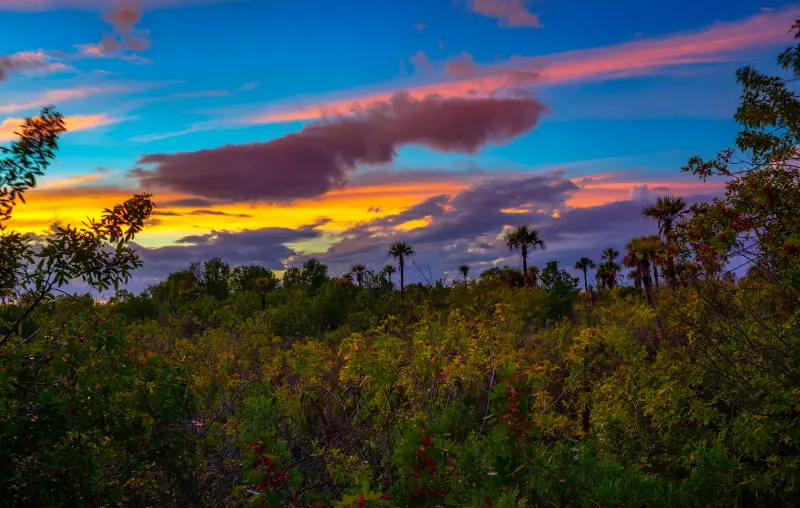
Three days from Homestead can introduce the Everglades through three complementary views: the park's interpretive trails, the long road to Florida Bay and either another wetland landscape or nearby agricultural country. You do not need a dramatic animal encounter for the visit to be worthwhile. Seeing subtle differences between pine forest, sawgrass and mangrove habitat often becomes the lasting memory. This itinerary makes room for those observations while respecting the distance, weather and wildlife that give the Everglades their extraordinary character.
Frequently asked questions
Can I drive between all Everglades park entrances?
No. The southern park road, Shark Valley and Gulf Coast entrances do not connect inside the park.
Is Flamingo easy to reach by rideshare?
No. The NPS warns that return on-demand transport may be difficult in remote areas.
Will I definitely see an alligator or manatee?
No. All wildlife sightings depend on conditions and animals must be observed from a safe distance.