
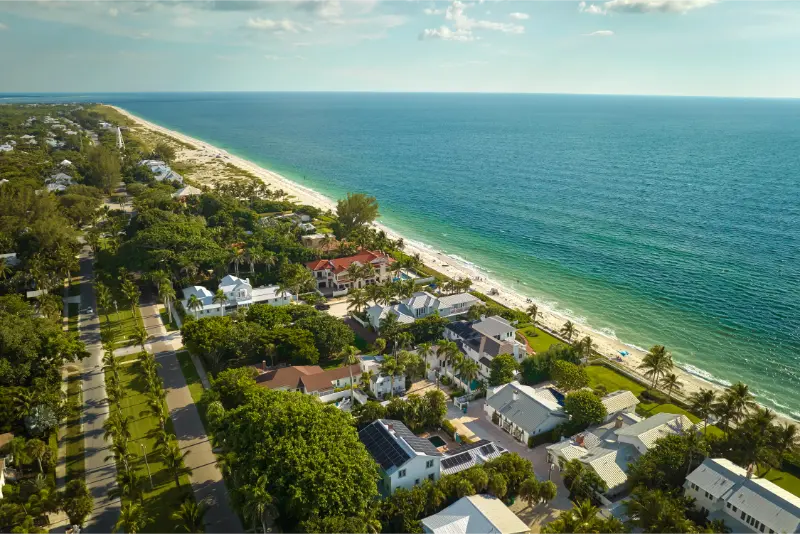
Boca Grande feels a little apart from Florida's larger resort coast. Visitors cross a causeway to reach Gasparilla Island, where an established village, historic buildings, Gulf beaches and a lighthouse landscape make a rewarding short stay. Three days is enough to appreciate the island without rushing between every beach entrance. This itinerary starts with the village, dedicates a full day to Gasparilla Island State Park and leaves time for wildlife observation and the quieter northern end. It is not a promise of inexpensive accommodation or completely deserted sand. The island's attractions are appealing partly because they operate on a smaller scale, which makes planning parking, meals and transportation particularly important.
Three-day summary
| Day | Main plan | Easier alternative |
|---|---|---|
| 1 | Boca Grande village and shoreline | Short historic village walk and lunch |
| 2 | Gasparilla Island State Park lighthouse | Museum grounds and a suitable public beach |
| 3 | Birding, cycling or a slow island morning | Café and a scenic authorized viewpoint |
Understand the island before booking a place to stay
Boca Grande is the main village on Gasparilla Island, connected to the mainland by a toll causeway. Lodging on the island can be costly or limited during popular periods, and a mainland base in Placida or nearby areas may make sense if price is the priority. The trade-off is crossing the causeway for most activities, paying applicable tolls and managing parking. For a three-day trip, compare a smaller room near the village with a more spacious inland property. If you plan to visit the same beach every morning, time and driving costs deserve as much consideration as the nightly rate.
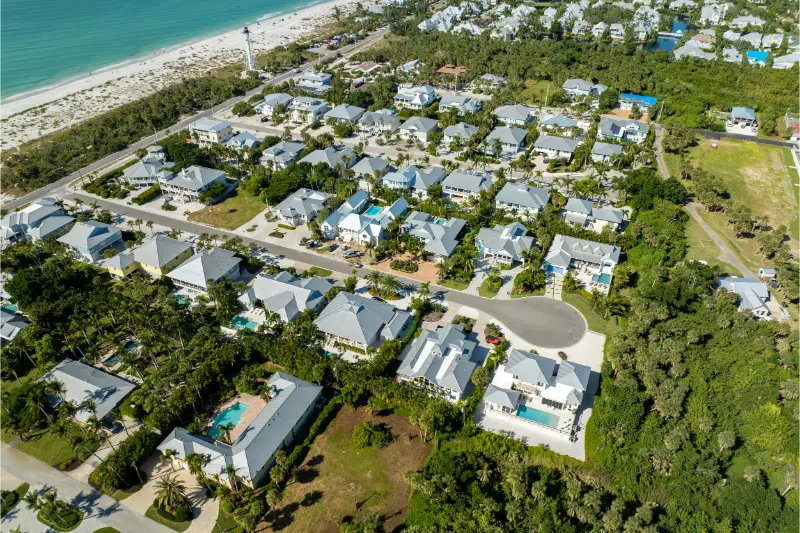
Check the actual location of every advertised 'waterfront' home. Boca Grande Pass has powerful currents and heavy boating activity, and a property on a bay or canal is not the same as one on a suitable Gulf beach. A rental may have steps, narrow paths or a dock that is unsuitable for small children. For visitors with mobility limitations, ask about doorway widths, parking surfaces, elevators if present and the route from accommodation to nearby amenities. Golf-cart rentals are common around the village, but they are not a universal substitute for accessible transportation or an exemption from local traffic rules.
Day one morning: explore the historic Boca Grande village
Begin with the village rather than driving immediately to the island's southern tip. A relaxed breakfast and walk around its central streets help you get oriented among older buildings, small shops, churches and local services. Boca Grande has a distinctive history involving fishing, transport and seasonal visitors; the village is more than an attractive backdrop for a bicycle photograph. Look for interpretive displays or local history resources, and allow yourself time to notice architectural details. Side streets may have fewer shops but can be more pleasant when the main corridor is busy.
This is a residential place, so respect private properties and avoid blocking narrow lanes while searching for photographs. Pedestrians, cyclists and golf carts share parts of the street network with cars. Families should keep children close at crossings and resist the temptation to treat a quiet-looking road as traffic-free. For older travelers, a shaded bench and one compact village loop may be more enjoyable than walking the whole island. If the weather is already humid, bring your main walk forward in the morning and reserve a long lunch break. Independent shops may have shorter or seasonal hours, especially outside peak travel periods.
Day one afternoon: an easy Gulf viewpoint
After lunch, select one legally accessible Gulf shoreline rather than parking at a string of entrances. Several beach approaches are associated with Gasparilla Island State Park and other public areas, but each has its own conditions and available facilities. Check the published park map and current guidance for parking, picnic areas and accessibility. The island's beaches are attractive for a quiet walk and viewing boats offshore, but current patterns can be hazardous. Do not assume that clear water or a calm-looking edge of the beach makes swimming safe near the pass.
If your group includes babies or people who prefer not to swim, bring a light picnic and focus on the horizon, seabirds and gentle shoreline exploration. Stay back from eroding dune edges and marked nesting zones. An afternoon beach stop can be shorter than you expect if wind, sun or storm clouds arrive. The sensible backup is a café or return to your accommodation, not another exposed stretch of sand. At dinner, try a village restaurant if one suits your budget, but check reservations and closing days instead of relying on the assumption that every venue serves late meals.
Day two: Port Boca Grande Lighthouse and state-park beaches
Make Gasparilla Island State Park the centerpiece of day two. At the southern end, the historic Port Boca Grande Lighthouse stands in a striking setting of sand, Gulf water and views toward the pass. The building houses a museum with seasonal opening patterns, so check the official hours before planning the day's sequence. The state park also has separate parking areas, and visitors should not assume one lot is best for every activity. The entrance fee and island causeway toll are separate expenses. As of October 2026, the park notes an updated electronic payment arrangement at its Dunes parking lot; check current methods before arriving.
The lighthouse area is particularly suitable for visitors who want history alongside a beach outing. Read the museum exhibits rather than visiting only for an exterior photograph: the site illustrates changes in marine navigation and life on a working coastline. The surrounding waters are dynamic, with strong currents and boating near Boca Grande Pass. Observe from a safe location, follow posted restrictions and keep children far from steep or unstable edges. If you want to swim, choose an officially suitable beach area with safe conditions rather than the channel. Wildlife is best observed quietly at a distance, not approached for a selfie.
Spend the rest of day two slowly, not driving constantly
After the lighthouse, either stay at your chosen state-park beach or return to the village. Switching between many similar access points wastes time and makes parking more stressful. A packed lunch can be convenient because food options at natural sites may be limited; keep perishable items cool and dispose of trash carefully. Beachcombing is enjoyable, but do not collect live shells or disturb nesting wildlife. The Gulf environment here is sensitive, and visitors should leave it in the condition they found it. Midday shade may be limited, so bring sun protection rather than assuming trees will shelter a beach picnic.
Family tipFor families, an afternoon rest can be the most useful part of the itinerary. Children who spent the morning in sun and sand may enjoy a pool or a quiet game at the rental more than another scheduled attraction. Adults interested in photography could return to an approved viewpoint when the light softens, but avoid arriving at isolated places without checking legal access and safe parking. Local sunset is a lovely time for a coastal view, though it should not become an excuse to cross dunes or enter closed areas. If lightning appears, go indoors immediately rather than waiting for rain.
Day three: nature, bicycling and the quieter island landscape
Spend the final morning considering the island's quieter side. A short bicycle outing, when road conditions and your group's abilities make it appropriate, can reveal streets and coastal vegetation missed from a car. Check where cycling is permitted, wear helmets and avoid carrying young children in unsuitable equipment. Golf carts have their own safety and age rules; a rental company should explain where its vehicles may travel. Drivers and cyclists should be especially alert around intersections, pedestrians and visitors unfamiliar with local directions. If movement on two wheels is not comfortable, choose a short village walk instead.
Birding and wildlife observation are excellent alternatives to a full beach day. Look for shorebirds, seabirds and other species from marked public areas without entering sensitive habitats. Keep a respectful distance from gopher tortoises and never feed wild animals. If you prefer history, revisit a museum or seek out local interpretive information, subject to opening hours. The island is small enough that the final day need not feel like a complicated expedition. Choose one memorable experience, then spend the afternoon preparing for your onward journey or enjoying the accommodation you paid for.
Visiting with children, seniors and mixed-age groups
A trip with a baby or toddler works best when the day's principal outing is short and followed by an indoor rest. Choose a parking area with restrooms and a manageable route to the sand. For school-age children, museum interpretation and spotting birds can be as satisfying as looking for shells. Teenagers may enjoy cycling or guided nature activities, provided equipment and supervision fit their experience. Older visitors should treat strong sun, uneven sand and the distance between parking and shoreline as real considerations. Ask park staff about available beach wheelchairs and whether advance arrangements are necessary.
A mixed-age group may not want the same pace. One person can enjoy a museum while another spends longer at a beach, then everyone reunites for lunch near the village. If someone uses a wheelchair, plan around actual paths and accessible restrooms; a listing that says 'beach access' rarely tells the whole story. The historic lighthouse environment includes different surfaces and facilities, so consult the park's accessibility information. Travelers who do not wish to swim still have ample reasons to visit: maritime history, scenic views, birds and a quieter rhythm than large resort communities.
Food, transport and the cost of an island holiday
Cost planning here starts with the causeway toll, lodging and parking arrangements, followed by meals and park admission. The state park currently lists a small per-vehicle fee, but rates and payment methods may change, so verify them before your trip. If staying inland, include each return journey to the island rather than assuming a single daily crossing. Carry a reusable water bottle and some snacks; small-town restaurant choices can be limited at particular hours. Compare menus and required service charges before booking a celebratory dinner, especially in peak season.
A car is the most practical way to reach the island from an airport or mainland hotel, although some visitors then prefer walking or cycling locally. Ride-share availability may be unpredictable, particularly at night. If you are staying without a car, confirm your full transfer and grocery plan rather than relying on a last-minute taxi. Accommodation advertisements can include high cleaning fees or strict minimum stays; examine the full checkout total and cancellation rules. The cheapest apparent room is not necessarily the lowest-cost experience if it creates repeated causeway travel.
Weather, safety and a final plan you can trust
Warm months bring strong sun and frequent thunderstorms; hurricane season can disrupt roads, beach access and accommodation plans. Cooler months are often pleasant for walking and birding but not every traveler will enjoy swimming. Always check official beach and state-park notices, current surf conditions, traffic advisories and museum hours. If a storm has recently affected the area, don't assume facilities have returned to normal because an older travel article says the beach is open. The lighthouse museum uses seasonal hours, and an arrival at the wrong time can cost an entire visit.
Choose a base, reserve just one major activity each day and leave space for the details you discover on the island. Save the park's official page and a map of authorized parking locations. Bring reef-conscious sun protection, drinking water, comfortable shoes, a waterproof bag and a flexible attitude to the weather. Three days on Gasparilla Island are best used to enjoy the relationship between its village, historic lighthouse and working coastal environment, rather than racing from one photo stop to the next.
Frequently asked questions
Is there a toll to reach Boca Grande?
Yes. The Gasparilla Island causeway has a separate toll from any state park fee; check the current bridge authority charges.
Can everyone climb the Boca Grande lighthouse?
The Port Boca Grande Lighthouse houses a museum; verify its current access arrangements and seasonal opening days on the state park site.
Is Boca Grande Pass a good place for casual swimming?
Strong currents and boating near the pass make it unsuitable to assume safe swimming; follow park guidance and choose appropriate designated areas.