
| Day | Main plan |
|---|---|
| Day 1 | Tampa Riverwalk and the city's waterfront |
| Day 2 | Ybor City and Tampa's Cuban heritage |
| Day 3 | St. Petersburg's art and waterfront |
| Day 4 | Clearwater Beach, with time to actually enjoy it |
| Day 5 | Dunedin and Honeymoon Island |
| Day 6 | St. Pete Beach and Pass-a-Grille |
| Day 7 | A flexible Tampa Bay farewell |
A week around Tampa Bay works best when you stop treating Tampa, St. Petersburg and Clearwater as one compact downtown. They sit around a large bay, and journeys that look short on a regional map can take considerable time in traffic. Yet the variety is exactly why the area rewards a full week: Cuban history in Ybor City, museums and waterfront spaces in St. Petersburg, the calmer streets of Dunedin, and broad Gulf beaches with different levels of activity. This seven-day route uses sensible clusters rather than a daily race across bridges. Families can shorten individual outings, culture lovers can stretch museum visits, and older visitors can choose waterfront benches instead of extensive walking.
First, decide whether you want a city or beach vacation
Downtown Tampa and the Water Street area are convenient for cultural stops, sports and the Riverwalk, while Ybor City offers more nightlife and heritage attractions but may not be the quietest sleep location. Downtown St. Petersburg is excellent for art museums, restaurants and pedestrian-friendly waterfront areas; its central waterfront is not the same thing as a Gulf beach. Clearwater Beach and St. Pete Beach place sand and sunsets nearer your room, but parking and driving to mainland attractions can be inconvenient. Dunedin suits people who like small-town restaurants and access to Honeymoon Island rather than a resort setting. Choose your first priority and consider two bases only if you genuinely want three or four beach nights after several city nights. Include hotel fees and possible parking charges before deciding that a slightly cheaper property is better value.
Day 1: Tampa Riverwalk and the city’s waterfront
Start on the Tampa Riverwalk with a manageable segment rather than trying to complete the full length in a single push. The Hillsborough River, parks and downtown skyline create an accessible introduction to the city. Families can choose an interactive attraction such as Glazer Children’s Museum if appropriate for their children’s ages, while history-minded adults may prefer the Tampa Bay History Center. Check individual opening days and ticket prices first. Keep lunch in the same district to avoid moving the car repeatedly. If it is very hot, take a shaded break or return to the room before an evening walk. Travelers using mobility aids should look up the exact entry routes for each venue and waterfront section rather than assuming all sections of a long promenade are identical. An evening meal around downtown is an easy finish, but do not book it so late that young children lose the next morning to exhaustion.
Day 2: Ybor City and Tampa’s Cuban heritage
Ybor City’s brick streets, historic buildings and Cuban food traditions deserve more than a quick photograph. Explore the central district slowly, beginning with a museum or heritage stop when available, and leave time for a café and a proper Cuban sandwich. Look for the neighborhood’s distinct history of cigar-making and immigration; it adds depth to the restaurants and shops. A ride on the TECO Line Streetcar can be enjoyable, but check its current route and timetable before treating it as guaranteed door-to-door transport. Families should choose daytime sightseeing rather than assuming every nightlife block is suitable late in the evening. Some historic pavements may be uneven for wheels and strollers, so plan a short route. The neighborhood can become busier during events; confirm parking and street closures. A half day may be enough for those who prefer a slower pace, leaving the afternoon for a waterfront café or a return to the hotel pool.
Day 3: St. Petersburg’s art and waterfront
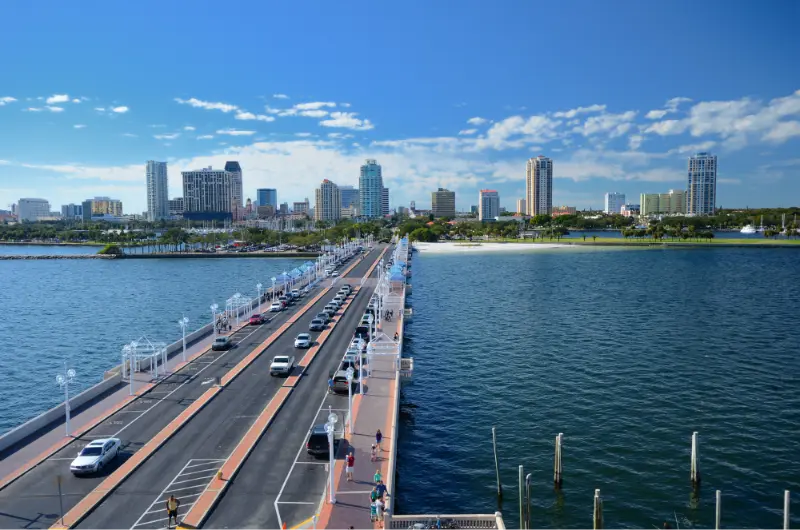
Move to downtown St. Petersburg and make art your central activity. The Dalí Museum is a strong choice for visitors who enjoy thought-provoking collections; the Museum of Fine Arts and other galleries offer different perspectives. Select one main museum rather than rushing through three. Afterwards, enjoy the waterfront around the St. Pete Pier, keeping an eye on sun exposure and distances along the promenade. The pier is a place to walk, sit and take in Tampa Bay; it is not a Gulf coast swimming beach. A family may prefer the outdoor spaces and lunch with a view, while adults can spend longer inside the museum. Check exhibition schedules, admission, pier events and any parking rules. If someone needs an accessible visit, identify a suitable drop-off and where the group can meet without crossing long sunny sections. Dining downtown can be expensive around the busiest blocks, so reviewing menus before arriving avoids an unwelcome surprise.

Day 4: Clearwater Beach, with time to actually enjoy it
Give the beach its own day. Arrive with a clear idea of parking or, better, stay within easy reach of the sand if this is your main vacation priority. Clearwater Beach is lively, with restaurants, visitor services and people drawn to Pier 60; it may not suit someone seeking total seclusion. Walk to a public beach access, check warning flags, and do not assume shallow-looking Gulf water is risk-free. Shade, drinking water and careful sun protection are especially important for younger children and older relatives. Visitors who do not swim can still enjoy the shore, a waterfront meal and the evening sky. If the group prefers a quieter setting, consider shortening the time in the most crowded section and planning the next day elsewhere. Sunset activities and performances can vary; enjoy the coastline without building an entire evening around an unconfirmed event. A calmer afternoon at the hotel can make this day feel like a vacation rather than a parking exercise.
Day 5: Dunedin and Honeymoon Island
Dunedin makes a pleasant change from Clearwater’s resort energy. Browse its downtown shops and cafés, then decide how much of the afternoon to devote to Honeymoon Island State Park. State park facilities, beaches, access and fees should be checked before departure, particularly after storms. The island’s natural shoreline may have shell fragments, changing surf conditions and fewer conveniences than a central resort beach. Carry suitable shoes, water and whatever shade your group needs. For people who prefer not to spend time on sand, the small-town streets and waterfront viewpoints still make the outing worthwhile. Cyclists can explore selected routes only after checking safe crossings and trail conditions. Avoid assuming an island excursion to Caladesi is available on every day or that boat schedules will withstand windy weather. A simple dinner in Dunedin after a short park visit keeps the return trip manageable.
Day 6: St. Pete Beach and Pass-a-Grille
Spend the day on the other side of the beach spectrum: St. Pete Beach offers a resort-oriented shore, while Pass-a-Grille has a smaller historic beach-town feeling. Visiting both gives travelers a chance to decide which setting they prefer, but there is no need to spend the entire day moving between them. Start with the place nearest your parking or accommodation and settle in. Families may choose calm beach time and a nearby meal; couples may enjoy an early evening stroll; people with limited stamina can do a short shoreline visit and sit somewhere comfortable. Public access, parking meters and any beach wheelchair arrangements differ by location. Confirm them directly rather than trusting a photo from an old blog post. Keep children away from jetties and strong water movement, and check local swim advisories. This can be the most restful day of the itinerary if you resist adding a long attraction after lunch.
A small but important distinction is the difference between the bayside views you see from downtown St. Petersburg and the Gulf-facing beaches farther west. Some visitors book a hotel beside Tampa Bay expecting to walk directly onto Gulf sand. Before reserving, examine the actual shoreline and a walking route from the entrance of the property. This matters even more when traveling with a stroller, a walker or a relative who cannot tolerate a long transfer in the sun. The nicest view from a hotel window is not always the most practical base for the day you want.
Day 7: A flexible Tampa Bay farewell
Keep the final day available for what your group liked most. Museum lovers can return to St. Petersburg for a collection they missed, and families may favor a second morning at their preferred beach. Another option is Safety Harbor for a quieter waterfront, a coffee stop and a short town walk. If you are departing through Tampa International Airport, prioritize a sensible return journey rather than trying to squeeze in a distant island trip. Airport traffic and bridge congestion should be treated as variables, not minor details. For an afternoon flight, a relaxed breakfast and early return of the rental car may be the smartest plan. Those staying longer can consider additional day trips, but seven days already offers a balanced impression of the region. Save at least a small part of the final afternoon for packing and checking travel updates so the trip ends smoothly.
Driving, bridges and parking
A rental car is useful for a trip with both city and island days, though it is less necessary for a stay almost entirely on one beach. Bridge routes between Tampa, St. Petersburg and Clearwater can be congested, especially around commuter periods and events. Do not plan two major attractions on opposite sides of the bay with a fixed time slot between them. Within downtown Tampa, the streetcar and selected waterfront pedestrian routes can reduce the need to drive. In downtown St. Petersburg, parking in one appropriate garage and walking a modest central loop often works better than moving between lots. Beaches require special attention: public spaces may fill early, meter rules change, and resort parking can have separate charges. If using taxis or rideshares, estimate return availability and child seat needs before heading to a less central coastal area.
What a week here might cost
The budget changes more between a beach resort and a city hotel than between many nearby attractions. Decide how many nights you need to be beside the Gulf. One or two beach days do not automatically justify paying beach premiums for seven nights, but a family seeking daily swims may value a beachfront base despite the price. Account for parking, hotel resort fees, taxes, sunshade rentals, meals and admission to major museums. A museum-focused day can be paired with an inexpensive picnic or a casual restaurant; a beach day may be inexpensive if you bring your own gear and food where permitted. Do not quote old ticket prices in your budget, because seasonal rates and special exhibits vary. If a waterfront restaurant is the only splurge your group truly wants, book it deliberately and keep other meals simple. A seven-day stay allows a balance rather than seven expensive outings.
Planning for children, older adults and limited mobility
Young children often do better with one activity and a familiar midday rest. Teenagers might take an interest in street art or museums while also wanting beach time. Older travelers can enjoy this week with shorter Riverwalk sections, a guided museum visit and scenic meals, provided transport is organized comfortably. Historic neighborhoods may have uneven surfaces and island sand entrances are not identical in accessibility. Confirm step-free routes and accessible restrooms with each venue. Beach wheelchairs, where offered, need location-specific confirmation rather than assumptions. In warm weather, a covered waterfront restaurant can be as rewarding as a long exposed walk. Build a shared plan that makes optional activities genuinely optional, including the ability for part of the group to return to the hotel. Treat lightning warnings and strong currents seriously, even if the sun returns between showers.
Seasons and sensible substitutions
Late fall through spring often provides more comfortable daytime walks, though winter cold fronts can make a beach swim less inviting. Summer means heat, afternoon storms, humidity and high demand for indoor breaks. The Atlantic hurricane season lasts June through November, and tropical systems may affect travel even without a direct landfall. Check official beach flags, Florida State Parks notices, ferry schedules and local event calendars shortly before each outing. When a storm disrupts a beach day, switch it with an art museum rather than driving through heavy rain to find another patch of sand. This region’s strength is variety: if one attraction is closed, another kind of experience is usually possible without making the week chaotic. A realistic Tampa Bay itinerary should balance city culture, Gulf shorelines and time to enjoy both.
Frequently asked questions
Should I stay in Tampa or on the Gulf beaches?
Choose Tampa for culture and city access, or a beach town if daily sand and swimming matter more. A split stay is only worthwhile if the added checkout fits your plans.
Can this week be completed without a car?
A car helps connect the beach towns and city districts. A concentrated city stay can use walking and selected transit with fewer excursions.
Is Clearwater Beach the same as Clearwater downtown?
No. Clearwater Beach is the barrier-island resort area, whereas downtown Clearwater is across the water and has different hotel and access arrangements.