
| Day | Main plan |
|---|---|
| Day 1 | Arrive, slow down and find the water |
| Day 2 | John Pennekamp Coral Reef State Park |
| Day 3 | The mangrove side of the Keys |
| Day 4 | Islamorada's history and outdoor views |
| Day 5 | A proper boat day, with a non-boating option |
| Day 6 | The shore, a nature stop and an unhurried meal |
| Day 7 | A flexible final morning before returning north |
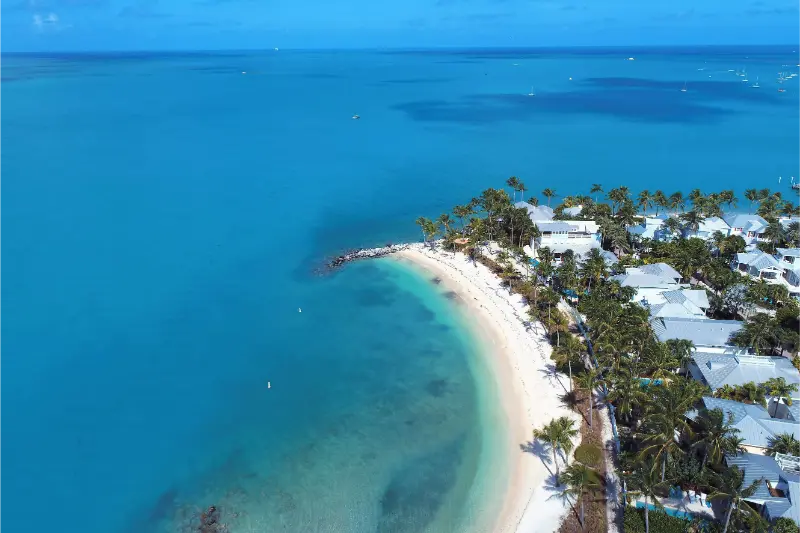
The Upper Keys offer a different kind of beach vacation from mainland Florida. Their appeal comes largely from reefs, mangroves, marinas, tidal water and wide horizons, rather than mile after mile of sandy shoreline. In a full week you can explore Key Largo and Islamorada without racing down the Overseas Highway to Key West and back. This itinerary gives equal importance to people who love snorkeling and those who would rather stay dry on a glass-bottom boat, walk a nature trail or watch the sunset. The most useful first decision is not which famous restaurant to visit: it is whether your group will be comfortable with a water-centered destination whose public beaches and boat operations have real limitations.
Key Largo or Islamorada: choosing the right base
Key Largo is practical for shorter trips from the mainland and for easy access to John Pennekamp Coral Reef State Park. Lodging includes hotels, waterfront resorts and rentals, but the word ‘waterfront’ often means a dock, lagoon or bay rather than a swimming beach. Islamorada is well suited to travelers who like sunset views, restaurants and fishing or marine excursions; its accommodations can be spread along several islands. Staying in one place for seven nights reduces luggage and check-in time. If you split the week, three nights in Key Largo and four in Islamorada is a logical direction for travelers arriving from Miami, but a single well-chosen base is simpler for children or older adults. Examine the precise shoreline, dock access, parking, pool and breakfast facilities before booking. A balcony above a canal may be beautiful without offering a safe place to swim.
Day 1: Arrive, slow down and find the water
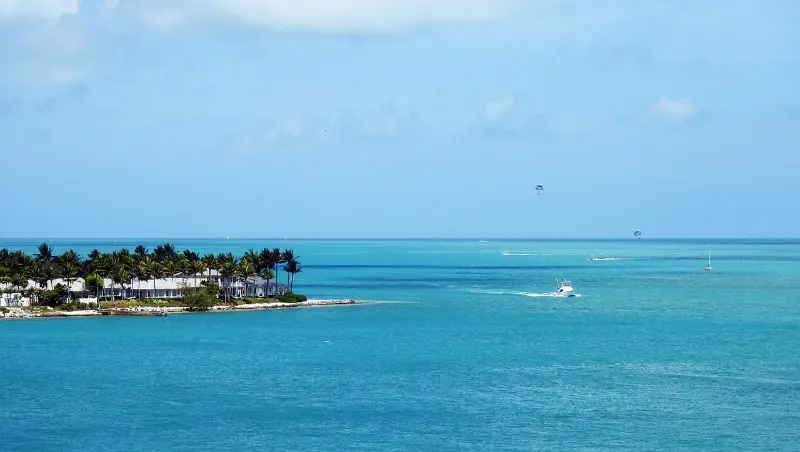
Drive south from mainland Florida with sufficient daylight to appreciate the change in landscape and find your accommodation without stress. The Overseas Highway is the primary road through the island chain, so a crash or storm may slow everyone. After checking in, explore only the immediate neighborhood. Walk along a marina or waterfront promenade where public access is allowed, then settle into a casual dinner. Do not attempt a long boat excursion on arrival day; weather and transport delays can consume any carefully planned slot. Families should use this afternoon to organize swim gear, life jackets and sun protection, while travelers who prefer slower vacations can simply enjoy a view over Florida Bay. Make a note of grocery stores, pharmacies and the nearest reliable meal options. The Keys feel relaxed when you stop treating them like a city with endless last-minute transport choices. An early night is worthwhile before tomorrow’s reef-focused outing.
Day 2: John Pennekamp Coral Reef State Park
John Pennekamp Coral Reef State Park is one of the Upper Keys’ signature experiences, but it is much more than a sign at the entrance. Choose between a reef snorkeling tour, glass-bottom boat or land-based visit according to actual comfort and swimming ability. Snorkel trips go into open marine conditions, where waves, currents and boarding ladders matter; a calm-looking departure dock cannot predict the sea offshore. Glass-bottom trips may suit non-swimmers, although motion sickness is still possible. The park also has limited land-based beach areas and trails, not an enormous stretch of oceanfront sand. Make a reservation for a specific excursion if recommended, and check wind forecasts and cancellation arrangements. The park publishes information on an adapted snorkeling vessel, but guests should confirm the suitability of the boat and boarding arrangements for their own needs. Keep the rest of the afternoon free: boat days often leave people pleasantly tired, especially children who are new to salt water.
Day 3: The mangrove side of the Keys
After a reef-oriented day, turn to the calmer-looking, but still dynamic, mangrove environment. An experienced guided kayak or small-boat eco-tour can reveal how tidal channels, seagrass and coastal wildlife connect. For beginners, confirm the route’s distance, paddling time, skill requirement and minimum participant age. Do not assume every shallow channel is safe or that wildlife will appear on demand. Travelers with limited upper-body strength or balance concerns may prefer a powered nature cruise instead of kayaking. Mangroves are fragile habitats, so follow guides’ instructions about where to land or approach wildlife. Back on shore, use the afternoon for a short museum, shopping or shaded restaurant visit. This is a good day to discuss why the Keys do not look like the postcard beaches of the Gulf Coast: the reef, shallow seagrass beds and mangrove margins are central to what makes these islands special. A well-planned week leaves room to learn rather than just swim.
Day 4: Islamorada’s history and outdoor views
Explore Islamorada at a slower, more local pace. Choose a cultural stop such as the History of Diving Museum if it appeals to your group, then move toward a waterfront lunch and sunset view. The islands have a layered history of fishing, diving, storms and the Overseas Railroad, and local museums offer context that casual passing traffic misses. The Hurricane Monument, on Upper Matecumbe Key, provides a solemn reminder of the devastating 1935 Labor Day hurricane; visit respectfully and avoid turning the memorial into a casual photo prop. Adults may enjoy independent galleries and restaurants, while families can choose a shorter indoor stop followed by a waterfront break. Some bayside viewpoints are beside busy roads: use designated parking and paths rather than stopping on highway shoulders. If weather improves in the evening, enjoy a sunset from a public or permitted location. Never assume a restaurant dock is open to people who are not customers.
Day 5: A proper boat day, with a non-boating option
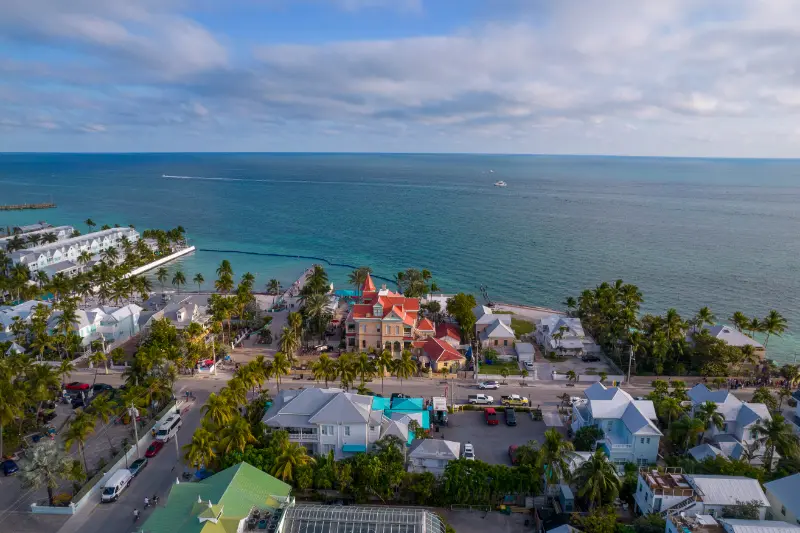
This is the day to book the activity that best matches your party, whether a private eco-cruise, a beginner-friendly fishing charter, an additional snorkeling trip or a glass-bottom outing. Compare the full price and what it covers: equipment, fuel surcharges, gratuity expectations, cancellation terms, and whether small children or guests with mobility needs can board comfortably. If the crew does not permit a particular activity for safety reasons, respect that decision. Fishing may require licensing arrangements; ask the operator what applies rather than assuming the charter always includes everything. A group that does not want a boat day can instead enjoy a pool morning, browse Islamorada’s shops and visit a small museum. This is not a wasted day: travel companions can value the same destination for different reasons. Marine conditions are a major scheduling variable, so consider swapping this with tomorrow if the forecast suggests a calmer day ahead.
Day 6: The shore, a nature stop and an unhurried meal
Keep one day intentionally close to the accommodation. If your property has a safe swimming pool, make use of it; for many families the pool is more convenient than searching for a large sandy beach in the Upper Keys. A short nature walk or birdwatching stop can add variety, but trails can be hot and buggy, and facilities may be limited. Bring drinking water, sun protection and sensible shoes. Visitors considering Lignumvitae Key or Indian Key should understand that these are offshore places with access dependent on boats, current park arrangements and weather, not attractions reached by a casual roadside walk. Check official state-park information before building the day around them. Spend the afternoon on a sheltered patio and choose dinner for its actual menu and location rather than an online ranking alone. This is a good opportunity for older travelers and younger children to enjoy a full day without strenuous touring.
Day 7: A flexible final morning before returning north
Leave the seventh day open for a favorite revisit or a low-commitment activity. An early waterfront breakfast and a short walk can be more enjoyable than a large tour that ends close to flight time. If returning toward Miami, allow margin for the Overseas Highway and mainland traffic. If you have a late departure, a short stop in Key Largo can break up the drive, but do not schedule an offshore boat tour on the same day as a tight airport connection. Check your accommodation’s checkout time, confirm any toll and rental-car arrangements, and keep travel documents accessible. With children, give everyone time to rinse and pack wet gear. Visitors who loved the marine life may already be thinking about a future trip to the Middle or Lower Keys; resisting the urge to cover all of them in seven days is precisely what makes this version comfortable. End with one last look at the water, not a rushed bridge crossing.
Roads, boats and what ‘beach access’ really means
The Overseas Highway is the backbone of the Upper Keys; for independent sightseeing, a car is usually the most practical option. Distances are not enormous but traffic, parking and drawbridges or incidents can reshape a day. Book an excursion near your accommodation when possible and avoid two departure times separated by a long drive. If you are not renting a car, choose lodging that offers a realistic range of dining and book transfers in advance; public transit and taxis are not a simple substitute for urban transit systems. Many ‘private beach’ accommodations have small sandy areas or shallow waterfront platforms rather than open-ocean strands. Ask about the quality of swimming access, safe entry, depth and whether non-guests are permitted. Beachgoers should also recognize that seaweed, water clarity and wind shift with conditions. A boat tour is never guaranteed to reach a specific reef site when marine weather is unsafe.
Budget and choosing the right experiences
Accommodation and boat trips usually dominate a week in the Upper Keys. Compare room prices together with taxes, any resort charges, parking, breakfast and access to amenities. A lodging option with a kitchenette can make a difference when restaurants are expensive or family members have different meal schedules. Avoid prepaying several marine tours before you understand cancellation policies: weather delays may force a choice between rescheduling and losing the activity. A glass-bottom boat ticket, kayaking tour and fishing charter provide different experiences, not three versions of the same outing. One major marine experience plus several free or low-cost land-based days may be enough. Grocery snacks and a cooler can help on driving days, provided you respect food storage and environmental regulations. Instead of inventing fixed daily dollar amounts, build a budget with quoted current prices for the exact travel dates.
Comfortable travel across ages and abilities
This route can include babies, children, teenagers and people in their eighties or older, but not every water activity suits everyone. A child who cannot swim should never be placed in an open-water snorkeling situation simply because it appears on a family itinerary. Ask operators about flotation, minimum ages, supervision and boarding limitations. Older travelers and people with mobility restrictions should check whether the vessel has stairs, steep gangways or a suitable restroom. Families with naps to protect may prefer one hotel and only morning excursions. Reef visits should respect marine life: do not touch coral, feed fish or approach manatees. Land-based days offer space for people to separate into smaller groups. Remember that wheelchair accessibility on a dock, boat and sandy shore involves three different questions. A scenic cruise and a quiet lunch can be as rewarding as an active day in the water.
Best seasons and marine-weather alternatives
The Keys can be pleasant throughout the year, but heat, wind, rain and tropical-weather threats affect the kind of day you can actually enjoy. The June–November hurricane season requires flexible bookings and awareness of official evacuation notices. Winter cold fronts may bring windy seas, making snorkeling unpleasant even when the sun shines. Late spring and summer heat demand careful hydration. Always follow marine warnings and operator guidance rather than insisting on the original schedule. Keep at least two land-based alternatives ready: a museum, café stop, short permitted walk or simply a restful day at your accommodation. The purpose of seven days here is to understand the Upper Keys’ marine landscape without forcing every visitor onto a boat every morning. Check the Florida State Parks and official Keys tourism websites close to departure for changes in opening and excursion arrangements.
Frequently asked questions
Are there long sandy beaches in the Upper Keys?
Not in the same way as some mainland Florida destinations. Many shorelines are mangroves, docks or small sandy areas, so check the property carefully.
Can non-swimmers enjoy John Pennekamp?
Yes. Land-based activities and weather-permitting glass-bottom boat tours may be more suitable than open-water snorkeling.
Do I need a car for seven days in Key Largo and Islamorada?
A car is usually the simplest way to link accommodations, museums, dining and excursion docks. Without one, arrange transfers before arrival.