
| Day | Main plan |
|---|---|
| Day 1 | Florida history in the capital |
| Day 2 | Alfred B. Maclay Gardens and nearby green space |
| Day 3 | Wakulla Springs and a quieter river day |
| Day 4 | St. Marks and the national wildlife refuge |
| Day 5 | Railroad history, local art and neighborhood life |
| Day 6 | The wider Big Bend—choose one direction |
| Day 7 | Mission San Luis or a favorite repeat |
Tallahassee offers a side of Florida that visitors focused exclusively on beaches and theme parks may never encounter. Forested hills, university life, state history, a historic downtown and the quieter coastal landscapes of the Big Bend sit within a varied day-trip region. A full week here is not about making a beach the main event. It is about understanding North Florida through museums, gardens, clear-water springs, rivers and protected wildlife habitats. Because the area is spread out and some coastal roads are remote, careful planning matters. This itinerary keeps Tallahassee as the primary base and uses several separate excursions, with practical alternatives for families, older visitors and anyone who wants to limit walking.
Where to stay and how much driving to expect
Downtown Tallahassee is practical for museums, Capitol-area sites and restaurants, while accommodations near Florida State University or other central corridors may be convenient for campus events. Check calendars for football games and university graduations, because hotel availability and traffic can change substantially. A property with parking, breakfast and easy road access is useful if you plan several natural-area days. Coastal lodging in the Big Bend is quieter and more limited; for a first full week, remaining in Tallahassee minimizes packing and gives you more choices for meals. Most of the places in this itinerary require a car. Do not rely on urban rideshare availability for a remote wildlife refuge or spring. If someone in your group needs step-free lodging and predictable dining, confirm those arrangements before prioritizing a picturesque but isolated cottage. In warmer months, a hotel with a pool and laundry facilities can be valuable after muddy trails or boat outings.
Day 1: Florida history in the capital
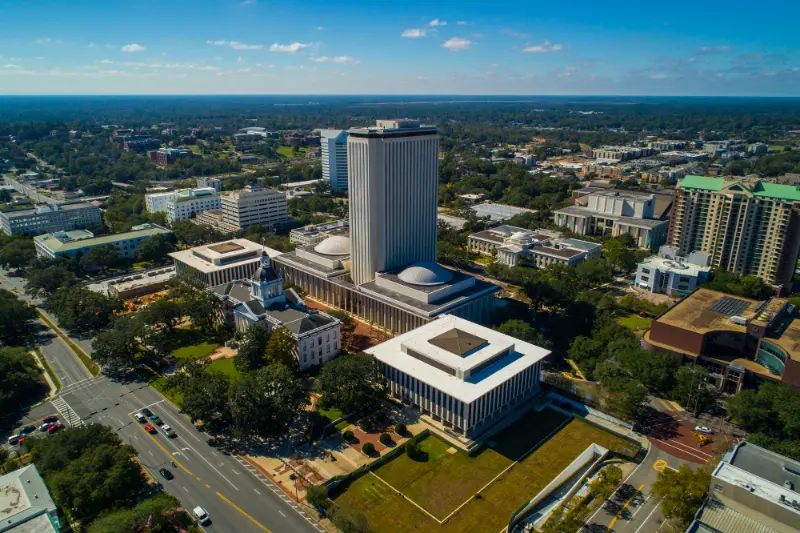
Begin around the Capitol and downtown area to understand Tallahassee’s role in the state. Choose an appropriate museum such as the Museum of Florida History, checking current opening status and exhibitions carefully before your visit. The historic Capitol building and nearby civic landmarks provide an overview of Florida’s political history, but access may be affected by events, security procedures or building work. Plan a small loop instead of walking several miles in summer heat. A leisurely lunch nearby gives time to talk about what you have seen. Families can make the day easier by selecting one child-friendly exhibit rather than a complete architectural tour. Older visitors may prefer a guided visit or one museum plus a shaded café. If an attraction is unavailable, use the afternoon for another central historic site or a downtown neighborhood walk. Keeping the first day local makes it easier to settle into the travel routine without a long drive.
Day 2: Alfred B. Maclay Gardens and nearby green space
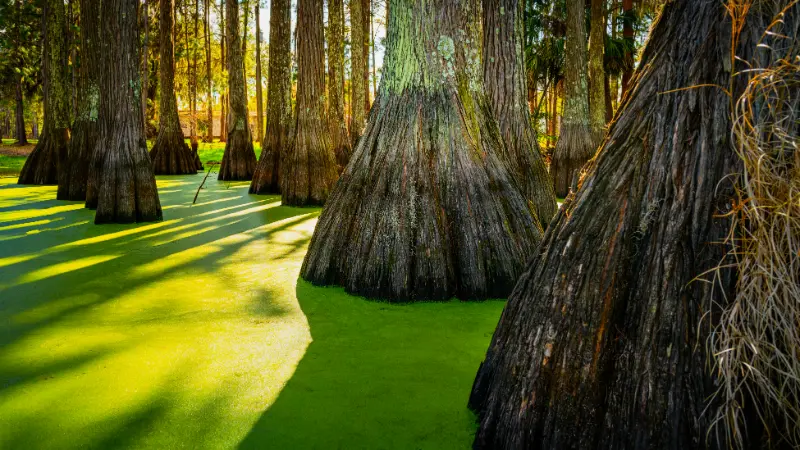
Alfred B. Maclay Gardens State Park is a good way to appreciate the region’s landscapes at a gentle pace. Garden displays vary strongly by season, and the famous camellia and azalea bloom periods should not be expected year-round. Check the state park’s current garden access, trail conditions and any special entrance procedures. Families may enjoy searching for different plants and watching birds; photographers might stay longer among landscaped areas when flowers are at their best. Older adults and visitors with limited mobility should identify accessible paths before committing to garden loops, because some natural areas may not suit wheels. Take water and insect protection, particularly when moving beyond the formal gardens. Instead of adding another distant park that afternoon, choose a quiet lunch and perhaps a short local walk. The changing seasons make this a different experience in January than in late summer, so adjust expectations accordingly and enjoy the place that exists on your date.
Day 3: Wakulla Springs and a quieter river day
Edward Ball Wakulla Springs State Park provides an opportunity to experience a large North Florida spring and river environment. The historic lodge is part of the setting, and guided riverboat tours are often a key attraction, although availability can depend on water conditions, weather and operational decisions. Confirm boarding requirements, tour schedules and admission directly with the park. Wildlife such as birds, turtles and manatees may be present, but no trip can guarantee a sighting. A child may enjoy the boat far more than an extended hike, while an older traveler might value comfortable seating and a scenic lunch. If swimming is allowed during your visit, follow current designated-area rules; natural waters are not a substitute for a supervised resort pool. Leave the afternoon free rather than trying to add a long drive to the Gulf. Wakulla is best approached as a central outing with enough time to appreciate river scenery and the history of the lodge.
Day 4: St. Marks and the national wildlife refuge
Drive toward St. Marks National Wildlife Refuge for a day focused on salt marshes, birds and quiet coastal landscapes. The refuge is not a conventional beach resort; its appeal is the opportunity to see a protected estuary and, when access is open, the well-known lighthouse area. Check whether the lighthouse road, visitor facilities and any tours are open for your selected date. Bring binoculars if you have them, and never stop unsafely on narrow refuge roads for wildlife photographs. Families can enjoy a few well-chosen viewing points rather than a long exposed walk. Older travelers may prefer driving sections with short stops and one accessible viewpoint. Mosquitoes, heat and sun can be demanding, even when the water looks peaceful. Leave enough daylight to return to Tallahassee and avoid exhausting the driver. A waterfront meal in an appropriate nearby town may be a lovely finish, but restaurant opening patterns are more limited than in major Florida tourist cities.
Day 5: Railroad history, local art and neighborhood life
After two natural-area days, return to Tallahassee for a slower cultural day. Explore the Railroad Square Art District if galleries and shops are operating, keeping in mind that tenant openings, redevelopment and event schedules can change. Choose a museum or university cultural venue that complements what you enjoyed earlier in the week. Families might appreciate an interactive exhibit or relaxed lunch, while art lovers can take more time talking to makers and viewing galleries. The point is not to photograph every mural; it is to understand that Tallahassee has a creative community beyond its government identity. In the evening, look for a live performance, theater event or casual restaurant rather than driving to another nature destination. Check venues’ accessible seating and parking if needed. A less physically demanding day gives everyone a chance to recover before the remaining excursions. It also provides a strong rainy-day swap if tomorrow’s outdoor plans need to move.
Day 6: The wider Big Bend—choose one direction
For a deeper regional day, select one destination rather than attempting to cover the entire Big Bend. The coastal villages around Panacea and the Ochlockonee Bay area appeal to people interested in estuaries, seafood and small working waterfronts. Another option is a forest or river stop closer to Tallahassee if the weather is too unpredictable for a long coastal drive. Check fishing piers, boat ramps and wildlife viewing access before leaving, because some areas may have restricted hours or hurricane-related changes. Children can learn about marsh ecosystems and the connection between rivers and Gulf fisheries without needing a commercial attraction. If you are interested in boating, choose a licensed operator and review weather, vessel access and cancellation terms. Carry food, water and a full fuel plan for less developed stretches. Travelers who cannot comfortably spend long hours in a car may simply make this a rest day in Tallahassee; that is a legitimate choice, not an incomplete itinerary.
Day 7: Mission San Luis or a favorite repeat
Finish with a site that puts the region’s history into a broader perspective. Mission San Luis offers a reconstructed mission setting related to Apalachee and Spanish colonial history; verify its current operating schedule, program availability and accessible routes. Approach Indigenous history respectfully and do not reduce complex cultures to entertainment. If the site is closed or does not suit your party, return to the garden, art district or museum you liked most. Avoid an isolated coastal excursion on the same day as a flight unless the timing is very forgiving. Tallahassee International Airport and highway routes require their own travel buffers, especially during university events or severe storms. A final morning spent quietly can help children and older adults finish the week comfortably. This is also a good moment to appreciate how different the Big Bend feels from Florida’s more intensively developed coast: less beach spectacle, more layered landscape and history.
Driving, public access and regional distances
For this itinerary a car is the practical default. Downtown transit will not reliably connect you to Wakulla Springs, St. Marks Refuge and scattered coastal stops within a tourism-friendly schedule. Treat long-looking ‘short’ distances with care: roads may be two-lane, wildlife can cross, services can be sparse and some natural areas have poor reception. Load offline maps but rely on official entrance directions rather than assuming every map pin is a visitor entrance. Keep fuel above an uncomfortable minimum before a remote day. Parking at museums, parks and university venues may have different rules, and event days can alter them. If you do not drive, consider a shorter Tallahassee-focused visit with prearranged guided excursions; it is safer than assuming a last-minute rideshare will return from a rural site. People who use mobility aids should confirm surfaces and accessible drop-off positions at each nature stop.
Budget, food and flexible reservations
A Tallahassee week can have fewer luxury-resort expenses than major beachfront destinations, but rental-car costs, fuel and state park admission still matter. Reserve lodging around large university events early or consider different dates if prices spike. Create a list of any paid museum, guided riverboat or boat tour and then add a reasonable food budget for both city and rural days. Picnics can work well in parks where permitted, but bring enough drinking water and do not leave food accessible to wildlife. A downtown lunch might be flexible; a boat tour should be checked for reservations and cancellation rules. Avoid building a schedule in which two paid nature excursions must occur on the same sunny afternoon. If rain prevents an outdoor activity, museum alternatives should be ready. For families, familiar breakfasts and a refrigerator can save money and energy. Spend your available budget on one meaningful guided experience rather than unnecessary daily attractions.
Traveling comfortably with different generations
Tallahassee’s mixture of city and nature is adaptable but includes some terrain and climate challenges. Children may enjoy a wildlife boat tour, historic structures or a garden scavenger hunt, but long lectures and drives can wear them out. Teenagers may prefer art districts, photography and a chance to select a restaurant. Older travelers can enjoy the same trip with shorter walks and more scenic drives. Confirm whether boats require steps, whether museums have elevators and whether state parks provide accessible routes. Walking near marshes can mean mud, insects and uneven ground; the best viewpoint for one person may be unsuitable for another. Protect everyone from heat, carry needed medications and build a daily indoor break. If the group separates, make sure no one is left at a site without practical transport. A Big Bend vacation should be flexible enough that a day with only two stops still feels successful.
Seasons, storms and wildlife respect
Spring can bring appealing blooms and pleasant weather; summer often brings humidity, insects and afternoon thunderstorms. Winter can offer comfortable walks, though a cold front may affect boat outings. The hurricane season from June through November is especially relevant for coastal visits and may alter refuge roads or launch sites after a storm. Check Florida State Parks, U.S. Fish and Wildlife Service and venue advisories directly as your trip approaches. Wildlife sightings depend on season, water level and luck; never pursue an animal for a better photograph. Use designated paths and obey refuge speed limits. Watch for lightning around lakes and open marshes, even when rain is falling elsewhere. Some museums or gardens may change hours for special events. The week is most enjoyable when its indoor and outdoor elements can trade places without losing its larger purpose: experiencing a less-visited, historically rich part of Florida.
Frequently asked questions
Is a car essential in the Big Bend?
For Wakulla Springs, St. Marks and scattered rural stops, a car is the most practical choice unless you have an organized tour.
Will I see manatees on the Wakulla Springs boat tour?
Wildlife sightings are never guaranteed. The official park notes that tours can show varied animals depending on season and conditions.
Is Tallahassee good for a family vacation?
Yes for children interested in gardens, history, wildlife and shorter nature visits, provided the daily driving is not excessive.