

Paisley is a small community on the southeastern edge of the Ocala National Forest, best known to outdoor travelers as the gateway to Clearwater Lake Recreation Area. The lake is compact, forested and developed enough for an easy first visit, with swimming, paddling, camping and a 1.3-mile nature trail. The area also connects to the 22-mile Paisley Woods Bicycle Trail, creating a more active option for mountain bikers. Paisley is not a nightlife destination; it is a place to wake up near the forest, spend most of the day outside and keep the evening simple.
Quick planning summary
- Best for: Campers, families, swimmers, paddlers, birders, mountain bikers, hikers and senior travelers who prefer a smaller developed lake to a large open-water boating destination.
- Best trip length: 2 nights for Clearwater Lake and a short trail day; 3 nights if mountain biking or a second Ocala National Forest outing is important.
- Getting around: A car is essential. Once at Clearwater Lake, many activities start from the same developed area, which reduces driving compared with more dispersed forest bases.
- Where to stay: Camp at Clearwater Lake for maximum immersion, or use Paisley, Altoona, Umatilla or Eustis for a more conventional overnight base.
Is this the right Florida stop for you?
Paisley works particularly well for families and first-time forest visitors because Clearwater Lake packs several activities into one manageable site. The lake is about 32 acres, the nature trail is short and interpretive, and the campground is shaded. Stronger cyclists can use the Paisley Woods trail, while everyone else can keep the day focused on swimming, paddling and walking. The site can reach capacity on weekends, so early arrival and a backup plan are important.
A practical first-visit rule: give each day one main experience and one secondary experience. In rural and forested Florida, two places that look close on a map can still involve slow roads, limited parking, launch logistics or a weather delay. A schedule with margin is usually more enjoyable than a plan that tries to prove its value by counting stops.
Best things to do
Start with the Clearwater Lake Nature Trail
The 1.3-mile loop is an excellent orientation walk because it passes several habitat types and includes places to stop. Do it early before swimming if the weather is cool, or later when everyone wants a break from the water. The short distance makes it approachable without becoming trivial.
Swim with a realistic plan for heat and sun
The developed swim beach is one of the simplest family activities in the area. Bring shade, drinking water and dry clothing. Children should take breaks even when the water feels comfortable, and adults should remember that hours near reflective water can create significant sun exposure.
Paddle the lake rather than chasing mileage
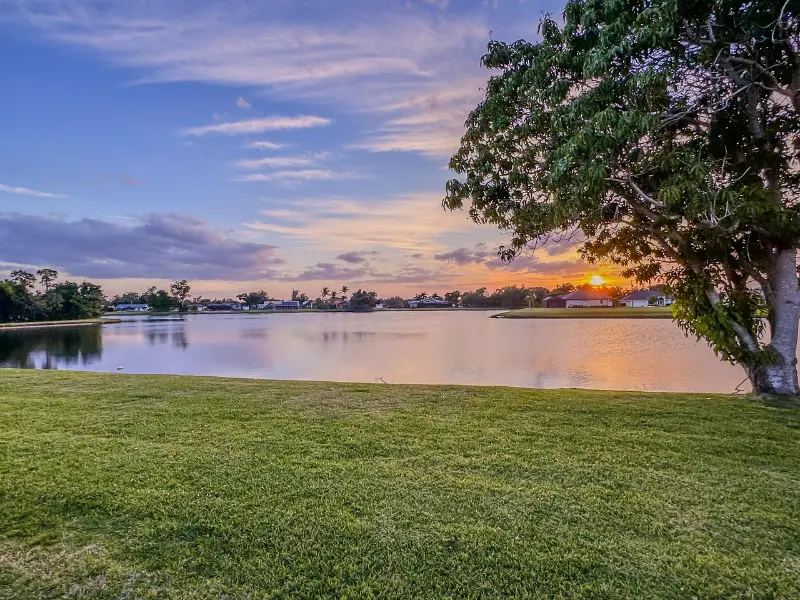
Clearwater Lake is compact enough that a canoe or kayak outing can be about observation instead of distance. Move slowly along the shoreline, watch birds and turn back before anyone becomes tired. This is a good setting for beginners who are comfortable with basic paddling and life-jacket use.
Ride the Paisley Woods Bicycle Trail only with suitable equipment
The 22-mile singletrack connection toward Alexander Springs is a real mountain-bike experience, not a casual paved family path. Check current trail conditions, carry water and basic repair supplies, and choose a shorter out-and-back if fitness or daylight is uncertain.
Use the campground as part of the experience
Clearwater Lake has a shaded campground that can turn a day trip into a slower forest stay. Campers should confirm site details, quiet hours and food-storage practices, then leave enough time to enjoy the campsite rather than treating it only as a place to sleep.
Bird from the benches instead of walking constantly
The nature trail includes places to pause, which can be more productive for birding than covering distance quickly. Early morning is best for both wildlife and temperature. Binoculars add more value here than another mile of hiking.
Keep a backup for capacity closures
Official information warns that recreation sites can fill on weekends. Identify another forest stop or a town-based alternative before departure so a full parking area does not turn into an hour of improvised driving.
Why Clearwater Lake makes Paisley especially easy for first-time forest visitors
Many Ocala National Forest experiences require decisions about long trails, river shuttles or scattered access points. Clearwater Lake is simpler: camping, swimming, paddling and a short nature trail all begin in one compact area.
That concentration is valuable for families and senior travelers because the group can split into different activity levels without separating across the county.
When the 22-mile bike trail is a good idea—and when it is not
The Paisley Woods Bicycle Trail is a strong reason for experienced mountain bikers to stay longer, but it should not be treated like a paved rail-trail. Terrain, heat, mechanical issues and navigation matter. Riders should choose a distance based on the return journey, not on the excitement of the first few miles.
If no one in the group is an experienced off-road cyclist, skip it without regret. The lake, nature trail and forest setting already make a complete visit, and a simpler day is often better for mixed-age travelers.
How to make the trip work for different travel styles
Families: choose one activity that is easy to stop at any time. A short swim, pier session or nature trail is usually more successful than committing the whole day to a long paddle or hike. Couples: use the quieter morning or late-afternoon hours for the main outdoor experience, then leave time for a relaxed meal. Solo travelers: share your route for remote outings and avoid turning isolation into unnecessary risk. Senior travelers: prioritize shade, restrooms, easy parking and shorter transfers over the maximum possible number of stops.
Where to stay: choose the base before the hotel
The Clearwater Lake campground is the most immersive option. Travelers who do not camp can use small nearby rentals or stay in Altoona, Umatilla or Eustis. Compare the comfort of a hotel with the drive to the recreation area. Families should check refrigeration and laundry needs, while senior travelers may prioritize step-free access and predictable bathroom facilities.
Compare lodging by the drive to the next morning’s priority, not only by nightly rate. Saving a little money can be a poor trade if it creates an hour of backtracking before a trail, lake or spring visit. Families often benefit from a refrigerator and laundry; couples may value atmosphere; senior travelers usually gain more from easy parking, step-free access and predictable check-in than from a long amenities list.
Getting there and getting around
A car is essential. Once at Clearwater Lake, many activities start from the same developed area, which reduces driving compared with more dispersed forest bases. Group each half-day by geography so you are not crossing the same county several times for short stops. Once you reach an activity area, park once when practical and walk rather than turning every stop into another car move.
Keep fuel above half a tank before remote outings and save key addresses or maps offline. Mobile coverage can weaken near forests, rivers and low-density county roads. Stay on public roads and do not follow a navigation app onto a rough shortcut simply because it appears faster. After heavy rain, an unpaved road that is normally easy can become a very different drive.
Families, teenagers, seniors and accessibility
Children can combine the short trail with swimming and a picnic. Teenagers may enjoy paddling or mountain biking if experienced. Senior travelers can walk only part of the nature trail and spend more time birding from benches or the lakeshore. Anyone with a specific accessibility requirement should verify current site conditions directly.
With children, a reliable rhythm is one active block, a real meal and one lower-effort stop. Teenagers often enjoy a trip more when they have a role such as navigation, photography or wildlife spotting. Senior travelers should protect the coolest hours for walking and use midday for lunch, a scenic drive or rest. When a specific accessible restroom, paved route or step-free entrance is essential, confirm it directly before travel.
Best time to visit
Fall through spring is ideal for walking and camping. Summer is attractive for swimming but requires early arrival and storm planning. Weekends can be busy enough for capacity limits, so weekday visits or early mornings are safer bets. After heavy rain, trail surfaces and forest roads may change quickly.
North-Central and Central Florida have more seasonal contrast than Miami or the Keys. Winter mornings can be genuinely cool, while summer humidity makes modest walks harder than the mileage suggests. Warm-season thunderstorms can build quickly. For forests, rivers, springs and lakes, recent rainfall, fire conditions, hunting seasons and temporary closures can matter as much as the general forecast.
What to do when weather changes the plan
Florida weather is part of the itinerary, not an interruption to it. If thunderstorms build, move off open water early. If heat becomes uncomfortable, shorten the trail instead of trying to “finish what you started.” A three-day stay is often better than a one-day dash because you can move the main outdoor activity to the next morning. Keep one lower-effort alternative ready: a scenic drive, a historical stop, a long lunch or simply an earlier return to the lodging.
A realistic 3-day itinerary
Day 1
Arrive near Paisley, check into the campground or lodging and take a short evening walk without committing to a long activity.
Day 2
Walk the nature trail early, swim or paddle around midday and reserve the late afternoon for rest.
Day 3
Experienced riders can sample the Paisley Woods Bicycle Trail; everyone else can choose another short forest stop before continuing toward Cassia or Altoona.
How to pace the trip so it still feels like a vacation
Protect some unscheduled time. A late lunch, wildlife sighting, thunderstorm or longer-than-expected trail should not break the itinerary. Avoid booking timed activities back to back unless the driving time is extremely predictable.
For a multigenerational group, choose one shared experience each day and allow optional activities around it. One person can take a longer trail while another uses a picnic area; one teenager can paddle farther while a grandparent enjoys the shoreline. A good Florida trip does not require every traveler to do every activity for the same amount of time.
Food and local flavor
Campers should bring simple food and enough water because a forest stay is easier when every meal does not require a drive. Day visitors can pack a picnic and eat after the main activity. Keep food secured and clean up thoroughly; leaving scraps around a wildlife-rich forest is bad practice and can create problems for animals and people.
Locally owned restaurants are useful not only for food but for slowing the day down and giving the trip a sense of place. Keep expectations realistic: service hours may be shorter than in a resort area, and the most memorable meal may be simple rather than fashionable. When the main activity is remote, confirm dinner options before you leave reliable mobile service.
Budget: where the money actually goes
These smaller inland destinations can cost less than Florida’s major resort corridors, but savings depend on how you travel. Public trails, state forests and scenic drives can be inexpensive, while private rentals, equipment hire, guided fishing, specialty camping or a last-minute hotel can become the largest cost. Reserve capacity-limited experiences first, then keep secondary stops flexible.
Moving hotels every night rarely saves enough to justify the lost time. Two or three nights in one well-positioned base can reduce fuel use, packing stress and evening driving. Bring reusable water bottles, sun protection, insect repellent and simple snacks so you are not forced into expensive or inconvenient purchases in remote areas.
Common mistakes to avoid
- Assuming the mountain-bike trail is a paved family route.
- Arriving at midday on a busy weekend without a backup.
- Forgetting sun protection because the lake is surrounded by trees.
- Overloading a small lake day with distant attractions.
- Leaving food unsecured at a campsite.
How to combine this stop with the rest of Florida
Paisley can follow Altoona. Altoona is centered on Alexander Springs; Paisley offers a smaller lake environment, a short nature trail and a stronger mountain-bike angle.
For longer road trips, alternate environments rather than repeating the same kind of day. A forest day followed by local history, a spring day followed by a lake, or a long outdoor morning followed by a quiet town usually creates more variety with less fatigue. When weather controls the main experience, staying at least two nights in one base gives you room to rearrange the schedule.
Practical packing and safety notes
Bring sun protection year-round, insect repellent for wooded and marshy areas, closed shoes for uneven trails and a light rain layer in the warm season. Around rivers, springs, lakes and boat ramps, surfaces can be slippery and water depth can change quickly. Wear a properly fitted life jacket when paddling or boating, observe wildlife from a respectful distance and never feed wild animals.
If thunder is approaching, leave open water and exposed areas early rather than waiting for rain to begin. For remote hikes or paddles, tell someone your route, download maps before losing service and note closing times. In state forests and wildlife management areas, check current hunting seasons and temporary closures before departure.
Official resources to check before you go
Hours, fees, trail access, launch operations, water conditions, prescribed burns, hunting seasons, storm repairs and seasonal rules can change. Check official or primary sources shortly before departure, especially when a forest, river, spring, lake or trail is the main reason for the trip.
Final thoughts
Paisley is most rewarding when you plan for what the place actually does well instead of forcing it to behave like a major resort. Choose one or two experiences that explain the landscape or history, leave room for weather and local rhythm, and keep driving proportional to the size of the destination. That approach works for families, couples, solo travelers and senior visitors and usually creates a more memorable Florida trip than a schedule built only around famous attractions.