
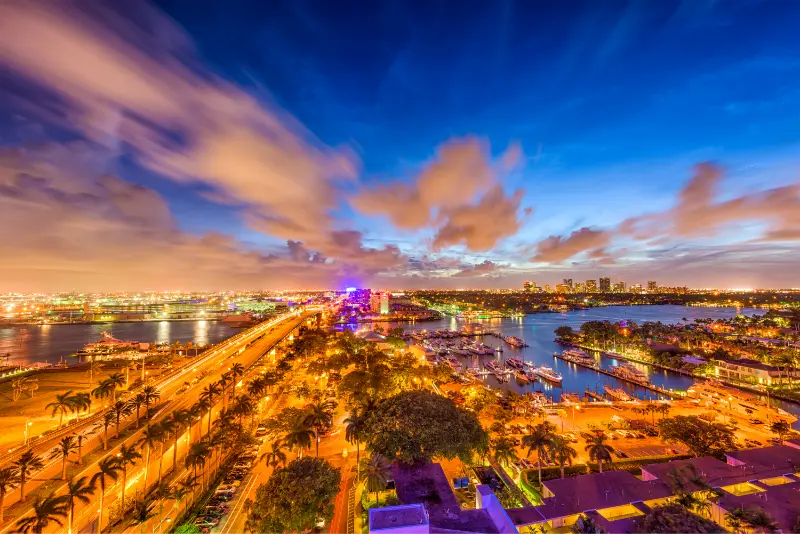
NSU Art Museum Fort Lauderdale is the kind of South Florida stop that becomes much more rewarding when you know what the experience actually involves before you arrive. In Broward County, short map distances can hide very different travel days: a historic estate may need a timed tour, a state park may depend on weather, and a wildlife attraction may have activity cutoffs well before closing time.
Decide whether NSU Art Museum Fort Lauderdale fits your trip, how much time to protect, what to prioritize and how to avoid turning a good attraction into a rushed checklist. The goal is a realistic visit for first-time travelers, families, teenagers, senior travelers and mixed-age groups.
Quick planning summary
- Best for: art lovers, couples, senior travelers, teenagers interested in visual culture and anyone looking for an indoor stop near Las Olas Boulevard.
- How much time: Allow about 1.5 to 3 hours, depending on the exhibitions and whether you join a public tour.
- Current cost: Current general admission is $16 for adults, $10 for seniors, $8 for military and $5 for college students. Children 12 and under and students ages 13–17 are currently free, along with several other eligible groups.
- Current hours: The museum is currently open Tuesday through Saturday 11 a.m.–5 p.m. and Sunday noon–5 p.m.; it is closed Monday. The first Thursday of each month currently has free admission and extended hours to 7 p.m.
- Important planning note: Backpacks and oversized bags are not allowed in the galleries. Exhibition schedules change, so check what is on view rather than assuming a specific show will continue through your travel date.
Why this place is worth including
NSU Art Museum is useful because it provides a serious cultural stop in the center of Fort Lauderdale without requiring a full museum day.
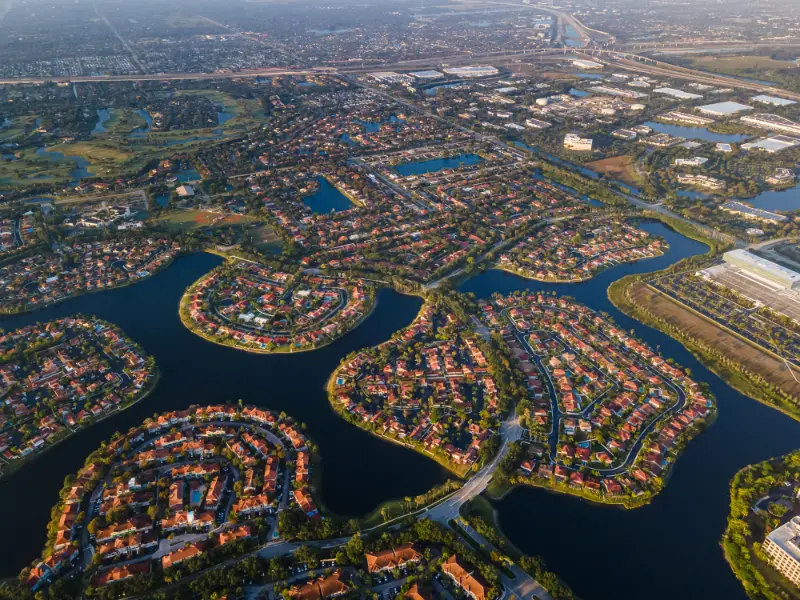
Its Las Olas location makes it easy to pair art with architecture, lunch and a walk, but the best experience still comes from giving the galleries enough time to breathe rather than treating the museum as a short shelter from the weather.
For travelers building a larger Florida itinerary, the strongest reason to include this stop is not simply that it is “nearby.” It should add a different story, landscape or activity level from what you did before. South Florida is more enjoyable when beach, wildlife, history, art and indoor attractions alternate rather than blur together.
What to do first
Start with the element that is least flexible: a timed tour, theater show, shuttle, tram, wildlife program or access point that can fill. Open-ended walking, photography and gardens can usually expand or contract around that fixed piece. This one decision prevents the common mistake of spending the first hour casually and discovering that the day’s most important experience is no longer available.
When you arrive, check posted notices before following an old plan. Construction, weather, animal care, water conditions and special events can alter routes even when the attraction itself remains open.
Best things to do and how to experience them
Choose two exhibitions to explore deeply
Read the current exhibition list before arriving and decide what interests you most. This prevents museum fatigue and gives you permission to skip rooms that do not match your interests.
Use the free first Thursday strategically
Free extended hours can be excellent value, but they may also attract more visitors. If quiet galleries matter more than price, a regular weekday may be better.
Download or use available interpretation
Audio or mobile interpretation can transform an unfamiliar artist from a quick glance into a memorable stop. Headphones are useful when the museum recommends a mobile guide.
Pair the museum with Las Olas rather than another museum
The strongest combination is usually museum plus neighborhood. Walk, eat and notice the urban context instead of stacking two indoor cultural institutions back to back.
How much time do you really need?
Allow about 1.5 to 3 hours, depending on the exhibitions and whether you join a public tour.
Do not use the minimum visit time as a target unless the rest of the day truly requires it. Add 20 to 30 minutes of buffer before the next reservation. Traffic around Fort Lauderdale, beach corridors, drawbridges, thunderstorms and event congestion can turn a short transfer into the most stressful part of the itinerary.
If your group includes young children, senior travelers or anyone sensitive to heat, plan by energy rather than by clock. A comfortable two-hour visit can be more memorable than four hours spent pushing through fatigue.
Best time of year
November through April generally brings lower humidity and more comfortable outdoor conditions in South Florida, but it is also peak visitor season. Hotels can cost more, traffic can be heavier and popular attractions may feel busier.
Summer has advantages—long daylight, lush vegetation and fewer winter visitors—but heat and thunderstorms should reshape the schedule. Put outdoor walking first, keep water available and use indoor attractions during the hottest or stormiest part of the afternoon.
Best time of day
For gardens, parks, wildlife and beaches, earlier is usually better. Temperatures are lower, light can be softer and parking is easier. For indoor museums, late morning through mid-afternoon is useful because it protects you from the strongest heat and leaves early or late daylight for waterfront time.
If the attraction has a last tour, last tram, last shuttle or separate closing time for one area, work backward from that cutoff. The published building closing time is not always the last moment when every experience is available.
Current practical information
Hours: The museum is currently open Tuesday through Saturday 11 a.m.–5 p.m. and Sunday noon–5 p.m.; it is closed Monday. The first Thursday of each month currently has free admission and extended hours to 7 p.m.
Admission: Current general admission is $16 for adults, $10 for seniors, $8 for military and $5 for college students. Children 12 and under and students ages 13–17 are currently free, along with several other eligible groups.
Important: Backpacks and oversized bags are not allowed in the galleries. Exhibition schedules change, so check what is on view rather than assuming a specific show will continue through your travel date.
Operating hours, prices, construction, programs and weather-related restrictions can change. If one specific feature is the reason for your visit, check the official page on the day you travel rather than relying on an old screenshot, map listing or social-media post.
Getting there and parking
Downtown Fort Lauderdale parking is the main logistical issue. Decide on a garage or approved parking option before arrival and avoid assuming you will find curbside parking beside the entrance.
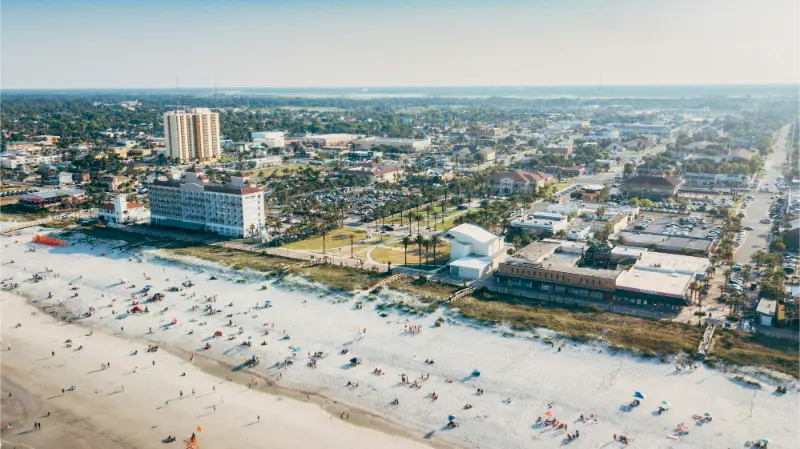
Save the exact official destination in your phone before leaving the hotel. Broward County has many facilities with similar beach, park, museum and nature-center names, and a generic map search can put you at the wrong entrance. Keep enough fuel or charge for detours and avoid assuming a coastal bridge crossing will always be quick.
Families with children
Families with young children should keep the visit short and choose visually strong rooms rather than expecting the museum to function like a children’s science center. Older children and art-minded teenagers are likely to get more value.
A useful family rhythm is one main activity, one food or movement break and one optional second activity. Children usually remember one strong animal encounter, room, view or hands-on moment better than six rushed stops.
Teenagers
Students ages 13–17 are currently admitted free, which makes this a low-risk cultural stop with teenagers. Let them choose one artwork or artist to discuss rather than requiring a room-by-room lecture.
Teenagers also respond well when they own one decision: the photo goal, lunch choice, route, exhibit or next stop. That small amount of independence often improves the day more than adding another attraction.
Senior travelers and multigenerational groups
The indoor environment, manageable visit length and central location make the museum a practical senior-travel choice. Seating availability can vary by gallery, so pace the visit and use public tour opportunities when helpful.
For multigenerational trips, agree on a meeting point if the group splits. One person may want the longer route while another prefers shade, a bench or an indoor exhibit. The best attraction is one that allows different intensity levels without forcing everyone to move at the same speed.
Accessibility and comfort
Major galleries are designed for public accessibility, but travelers with specific mobility or sensory requirements should contact the museum about current accommodations. The bag-size rule is worth checking before leaving the hotel.
Accessibility in Florida is not only about steps. Heat, sun exposure, sand, humidity, long distances between restrooms and boat or tram boarding can matter just as much. Ask about the exact experience you plan to use rather than assuming the entire property has one accessibility level.
Heat, rain and hurricane-season planning
South Florida weather can change quickly. A bright morning does not guarantee a dry afternoon, and thunder matters more than rainfall alone. Leave exposed beaches, towers, open water and long boardwalks when lightning approaches. Do not wait under a lone tree or assume a small shelter is safe from a storm.
During the Atlantic hurricane season, an attraction can reopen while individual trails, docks, pavilions or exhibits remain closed for repair. Read current notices if your trip follows a major storm, even when ordinary hours appear normal.
Budget and value
The museum can be inexpensive for families with teenagers because younger visitors may qualify for free admission. The first Thursday program is another strong value option if your schedule is flexible.
Think in terms of value per memorable experience rather than hours per dollar. A free beach or boardwalk can be the highlight of a trip, while a higher admission can be worthwhile when it delivers a distinct experience your group cannot get elsewhere.
Food, water and restroom strategy
Do not assume every park, historic site or nature center has a full café. Eat before a long outdoor segment if services are uncertain and carry water even when the map shows restaurants nearby. In heat, begin drinking before anyone feels thirsty.
Use restrooms when you see them, particularly before boat shuttles, long trails or beach time. Temporary restroom closures are common after construction or storms, so a posted closure can matter more than the map.
Photography tips
For outdoor sites, early light and patience are more useful than chasing a perfect angle. Around wildlife, never move closer if the animal changes behavior. In museums and historic houses, confirm flash and tripod rules before setting up. Keep pathways clear and avoid blocking other visitors for a photograph.
Where to stay
Fort Lauderdale is the most natural base for this visit, but Fort Lauderdale, Hollywood, Dania Beach and the wider Broward County hotel zone are close enough that you usually do not need to change hotels for a single attraction.
Choose accommodation based on the majority of your itinerary. Beachfront hotels are convenient for ocean time but can add cost and parking complexity. Inland hotels may be better for attractions spread across Broward County, especially when you have a rental car.
How to combine it with other Wonderful Florida guides
Useful already-published guides include Morikami Museum and Japanese Gardens, Cummer Museum of Art & Gardens, Lightner Museum. Use one as a next-day idea or as a second stop only when geography, weather and energy make the combination sensible.
A realistic three-day mini-itinerary
Day 1
Visit the museum late morning, then have lunch and walk Las Olas Boulevard at an unhurried pace.
Day 2
Switch to nature or beach time rather than repeating another gallery-heavy day.
Day 3
Add a historic house if you want culture with architecture and local history rather than another art collection.
Who may want to skip or shorten the visit
NSU Art Museum Fort Lauderdale will not be ideal for every traveler. If its main experience duplicates something you have already done several times on the trip, shorten the visit or choose a different category. South Florida has enough variety that there is little reason to repeat the same style of attraction simply because it is close.
Travelers with very limited time should protect the experiences that are most specific to their interests. A wildlife-focused family may skip an art museum; an architecture-focused couple may skip another wetland. Selective travel is usually better travel.
Common mistakes to avoid
- Bringing a backpack or oversized bag to the galleries
- Assuming Monday opening
- Going only for a temporary exhibition without checking dates
- Trying to see every artwork at the same pace
- Underestimating downtown parking time
- Scheduling the next reservation so tightly that one traffic delay ruins the day.
- Ignoring heat or lightning because the destination is already close.
Practical questions before you go
Do I need to reserve in advance?
Reserve whenever the experience depends on a guided tour, shuttle, tram, theater time, limited-capacity program or special event. Open trails and general museum admission may not require it, but the part you care about most might.
Is this a good rainy-day choice?
If most of the experience is indoors, it can be an excellent storm-day option. If the visit depends on gardens, wildlife, beach, boats or trails, light rain may be manageable but lightning is a reason to change plans. Keep one indoor backup in your itinerary.
Can I combine it with the beach?
Usually yes in Broward County, but use geography rather than ambition. A short beach walk can complement a museum; a full beach day plus a large attraction often leaves one half of the plan feeling rushed.
What should I bring?
For outdoor-heavy visits: water, sun protection, insect repellent where appropriate, a light rain layer and shoes suited to the actual surface. For museums and historic houses: a small bag that meets current policies, a light layer for air conditioning and headphones when mobile guides are offered.
How do I keep the day comfortable in summer?
Start earlier, reduce outdoor distance, add shade before anyone feels overheated and move an indoor attraction into the afternoon. Do not plan the same walking volume in August that you would choose on a cool January morning.
Official resource to check before you go
Final thoughts
NSU Art Museum Fort Lauderdale is most rewarding when you plan around what is distinctive about it rather than trying to use it as another box on a South Florida checklist. Confirm the current access details, protect enough time for the main experience and let your group’s energy decide whether you add anything afterward.
A strong Florida itinerary is built on contrast: one day may be a historic house and city walk, the next a mangrove trail or beach, and the next an indoor museum. That variety makes each stop easier to remember and gives you alternatives when weather changes.
How to decide whether this stop fits your itinerary
Choose NSU Art Museum Fort Lauderdale when its core experience matches something your group genuinely wants to do. Do not choose it only because a map app says it is fifteen or twenty minutes away. South Florida traffic and parking make “nearby” a poor reason by itself.
Use three questions. First, is the main experience different from yesterday? Second, does the least mobile or youngest traveler in the group have a comfortable way to participate? Third, is there a weather or access condition that could remove the feature you came for? If the answers work, the stop belongs in the itinerary.
When two attractions seem equally appealing, choose the one with the tighter operating window first. Museums and parks with long open hours are easier to move to another day than a limited tour, shuttle, animal program or seasonal event.
Driving distances and South Florida traffic
Broward County looks compact on a map, but local travel time changes dramatically with beach traffic, school dismissal, commuter peaks, bridge openings and major events. Avoid planning by mileage alone. A short route across a bridge or through downtown can take longer than a longer highway segment.
For a morning reservation, aim to arrive early enough that a parking search does not consume your check-in window. For flexible attractions, consider staying in the same geographic cluster for lunch and the next stop instead of crossing the county again.
What is actually worth prioritizing?
At NSU Art Museum Fort Lauderdale, prioritize the experience that cannot be replicated by a generic beach, mall or city walk. That may be a particular historic story, wildlife habitat, collection, tower, tour or landscape. Secondary amenities are useful, but they should not crowd out the reason the place exists.
If you have only one hour, choose one clear objective and leave when you have achieved it. If you have half a day, slow down and add interpretation, photography and a break. Extra time improves a visit only when it creates attention rather than more rushing.