Category: Alachua County Florida

  • Three Days in Gainesville and Micanopy: Prairie Wildlife, College-Town Culture and Old Florida

    Three Days in Gainesville and Micanopy: Prairie Wildlife, College-Town Culture and Old Florida

    Gainesville is best known as the home of the University of Florida, but a visit focused only on the campus misses the area's unusual natural landscapes and small historic communities. Just south of the city, Paynes Prairie offers a striking contrast with urban Florida, while Micanopy retains a quieter historic character. Three days allow time for art and neighborhood life, a carefully planned prairie visit and a smaller-town outing without long-distance road-trip pressure. There is an important 2026 planning detail: the Florida Museum of Natural History's public exhibition building remains closed in October for expansion, with reopening announced for November 23. This itinerary offers alternatives rather than sending visitors to an attraction that cannot yet be entered.

    Three-day summary

    DayMain planEasier alternative
    1Gainesville art and cultural venuesOpen museum or comfortable café
    2Paynes Prairie Preserve State ParkShort observation point with wildlife distance
    3Micanopy historic streets and shopsAccessible café or confirmed-open gallery

    Where to stay and how campus events affect the trip

    Central Gainesville can be convenient for cultural venues, restaurants and the university area, but accommodation costs and traffic may change considerably around home football games, graduation and other large events. A hotel beside a major road may offer easier parking and lower rates while requiring more driving between destinations. Travelers primarily interested in Paynes Prairie and Micanopy might prefer a southern Gainesville base; visitors who want evening restaurants may choose closer to downtown. When comparing options, consider actual travel routes, hotel parking fees and how easily the group can return for an afternoon rest.

    If your party includes someone using a wheelchair, ask about room access, bathrooms, parking and whether nearby walking routes have workable crossings. University districts may include busy roads, student foot traffic and event detours; a hotel described as 'five minutes from campus' may not be conveniently placed for your chosen museum or theater. Families with small children may value a refrigerator, predictable breakfast and quiet nights over nightlife proximity. Check whether a rental's assigned parking space is usable with your vehicle and whether luggage can be unloaded close to the entrance. A car is helpful for the prairie and Micanopy portions of this trip.

    Day one morning: campus atmosphere and selected cultural spaces

    Begin in Gainesville with a short neighborhood or campus-area walk, choosing one specific destination rather than wandering across the university in the heat. Public art, landscaped areas and the wider cultural scene can offer an introduction, though individual buildings have access rules and university schedules. Check official visitor guidance for parking and which spaces are open to the public. Students and staff are working or studying; respect classrooms, residence areas and other restricted facilities. A café visit followed by one museum or garden makes a calmer morning than an improvised campus tour that continues for miles.

    The Harn Museum of Art is a possible cultural anchor, subject to current opening hours and exhibits. A parent traveling with children can use selected artworks for simple conversations rather than trying to see every gallery. Visitors who tire easily should confirm seating and wheelchair routes in advance. Local events can be a wonderful addition if their schedules align, but do not assume there will be a performance or market on your particular dates. Choose lunch near the day's main cultural stop, then reconsider the afternoon based on weather. In humid months, stepping indoors at midday makes the rest of the vacation more enjoyable.

    Day one afternoon: understand the Florida Museum closure

    The Florida Museum of Natural History is a major reason some families visit Gainesville. However, its public exhibits, including the Butterfly Rainforest, have been temporarily closed during an expansion that began in March 2025. In September 2026, the museum announced a November 23, 2026 reopening date. Anyone traveling before that date should not plan to visit the closed building. Check its official updates for possible off-site programming or online activities instead. For travel after the stated reopening, confirm that the particular exhibit you want has actually resumed admission and whether timed tickets or separate fees apply.

    Build your afternoon around a venue that is confirmed open, such as another art space, a botanical stop or a comfortable café. That may sound less glamorous than the well-known butterfly exhibit, but it prevents frustration and wasted driving. Families can turn this into a lesson in checking primary sources rather than trusting an old itinerary. If the museum has reopened by the time you visit, decide which galleries matter most instead of rushing all of them. Gainesville has enough other attractions that a short vacation does not depend on one building, especially when nature excursions are still ahead.

    Day two morning: Paynes Prairie's unusual ecology

    Dedicate the second day to Paynes Prairie Preserve State Park south of Gainesville. Its open landscape and ecological history are unlike the beaches, springs and theme parks many visitors associate with Florida. Wild horses and bison occur within the preserve, although sightings are never guaranteed. The park also supports birds, reptiles and other wildlife. Choose a permitted trail or observation area based on today's conditions, and check the official website for any closures or access limitations. A paved regional trail or a shorter interpretive path may suit a different group from one planning a long hike across exposed prairie terrain.
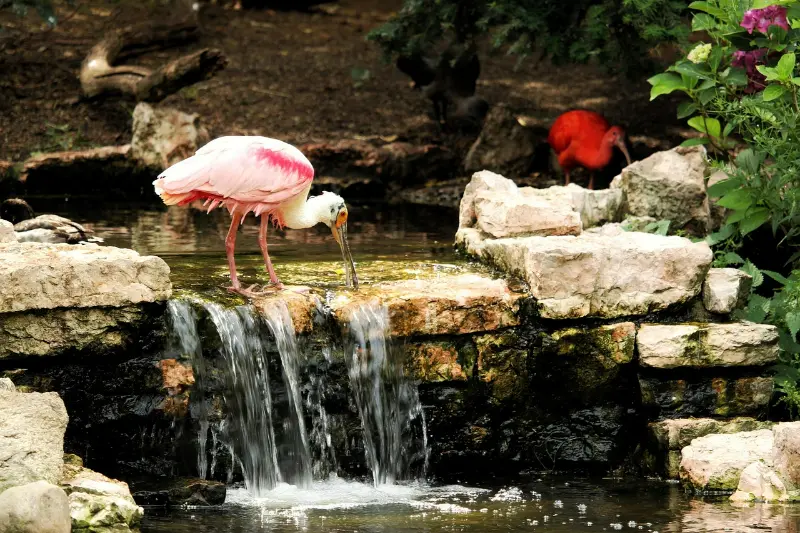
    Pink Flamingos at Florida Wildlife Pond

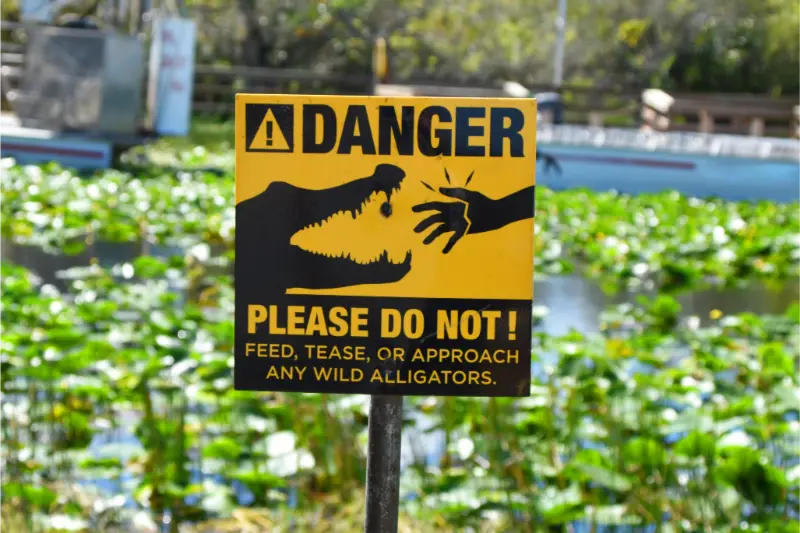
    Observe all animals from a safe distance, never feed them and do not block trails to approach wildlife. Alligators may be present near freshwater, and bison are large wild animals, not tame attractions. Binoculars are more useful than attempting to get closer for a photograph. The prairie can be very exposed to sun, with little shade in certain areas. Bring water and a hat, start early and plan a clear turnaround point. Visitors with limited mobility should consult park staff about actual trail surfaces and whether an observation point is reachable without stairs or sand. The landscape remains fascinating even when wildlife stays hidden.

    Day two afternoon: an observation point or a different trail

    After lunch, choose either a second short prairie viewpoint or a quiet break, not another strenuous hike by default. The park includes an observation tower and varied trails, but access, physical difficulty and current conditions should determine your choice. Travelers who prefer a gentle outing may enjoy one well-chosen scenic stop more than a loop that leaves them exhausted. If you bring children, explain why prairie grasses, wetlands and uplands support different species. Encourage them to look and listen rather than run toward animals. Keep food secured and pack out all trash.

    Thunderstorms can build quickly, particularly in warmer months. Do not remain on an exposed platform during thunder or lightning, and avoid flooding or muddy paths after heavy rain. For anyone with asthma or heat sensitivity, conditions on open prairie may be uncomfortable; consider a shorter outing or substitute an indoor activity. If you have already seen plenty of wildlife, return to Gainesville for a relaxed dinner instead of chasing a sighting somewhere else. A wildlife visit is successful when the environment is respected, not when a particular animal agrees to appear.

    Day three: Micanopy, antique shops and small-town history

    Micanopy makes a natural third-day destination. Its compact historic streets and independent stores provide a contrast with Gainesville's college-town bustle and the open prairie. Start with a café and a modest walk, leaving time to browse antique shops or learn about local history. Shop hours can be irregular, so check what is open on your chosen weekday. Do not expect every storefront to be an attraction; this is a living community where businesses serve residents as well as visitors. Admire older buildings without entering private gardens, porches or fenced property.

    For a family, an hour or two may be enough before lunch. Older adults might enjoy the chance to browse at their own pace, although old sidewalks and doorways can be uneven. If someone uses a wheelchair, contact individual businesses about accessibility rather than assuming a historic main street is uniformly step-free. A visit during a town festival may offer atmosphere but also higher traffic and difficult parking. If the shops do not appeal to your group, replace some of the time with a short natural-area visit in the same general region. The aim is to appreciate the contrast between Gainesville, Micanopy and the surrounding landscapes without overloading the final day.

    More nature or a slower last afternoon

    The Gainesville region offers additional springs, parks and trails, but three days do not require visiting them all. If a particular spring is on your wish list, check its separate rules about swimming, capacity, water quality and seasonality. Some natural sites are a drive from town and may reach capacity on busy days. Avoid deciding on a second nature stop solely because it appears nearby on a map. If you're departing in the afternoon, eat lunch in Micanopy or Gainesville and plan the drive to the airport with a realistic buffer. Roadworks and event traffic can affect routes.

    A slower afternoon may involve a short garden, a café or an indoor arts venue. That approach is especially sensible after the exposed walking of Paynes Prairie. Wildlife photographers may prefer revisiting a legally accessible viewpoint at a different time of day, but should still maintain distance from animals and stay off closed trails. Families can let children choose one final activity, turning a demanding schedule into a collaborative trip. If rain ruins a hiking plan, do not attempt to walk a flooded trail; water may conceal hazards and wildlife. There are enough alternatives that changing plans does not mean losing the day.

    Families, older travelers and cost-saving decisions

    With toddlers, one principal outing each day is a reasonable target. A compact art visit, a short wildlife viewpoint and a town walk can provide variety without long hours outdoors. School-age children may be fascinated by bison ecology or natural-history concepts, even if the main museum is closed. Teenagers may prefer photography, local food or choosing a contemporary cultural venue. For older visitors, prioritize benches, restroom access, shade and trail information. The university area and prairie have very different accessibility challenges, so one generic assessment will not cover the whole trip.

    Prepare a budget that includes hotel rates during university events, car rental or transport, meals, park fees and any museum tickets. Confirm Paynes Prairie's current entry price and whether passes apply. A grocery breakfast or picnic is useful for wildlife days, but carry food securely and do not feed animals. Independent restaurants around town may have different hours when students are away. Instead of spending on numerous tours, choose one guided or ticketed experience that truly interests the group. Much of the pleasure of Gainesville and Micanopy comes from learning about place and ecology rather than purchasing nonstop entertainment.

    Weather, wildlife safety and a reliable pre-trip checklist

    Central and North Florida can be hot, wet and stormy in summer, while cooler months are generally more comfortable for hiking. Trails may be muddy or temporarily closed after rain. Wild horses, bison, alligators and snakes require appropriate distance; pets should remain under control where they are permitted. Carry insect repellent, water, sun protection and shoes suitable for trail surfaces. Never rely on a cellular signal as your only source of navigation in a natural area. Leave open observation structures and fields when thunder is heard, and take any park staff warning seriously.
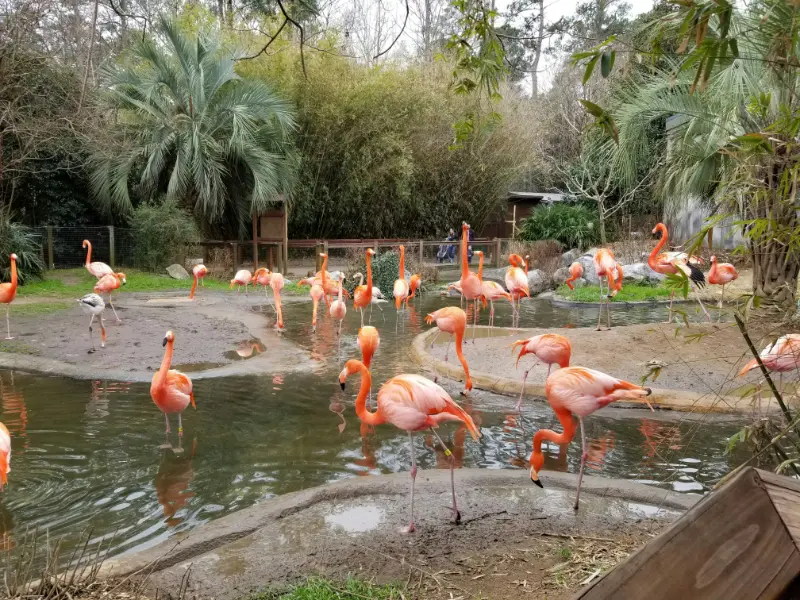
    Pink Flamingos Standing in Florida Wildlife Park

    Before traveling, verify the Florida Museum's reopening updates, Harn Museum hours, Paynes Prairie alerts and Micanopy business schedules. If you are visiting before November 23, 2026, plan on the natural-history exhibition building being closed. Reserve accommodation early for university event weekends and keep an alternative to outdoor activities. Three days here can provide a meaningful combination of cultural life, prairie wildlife and historical small-town character when the itinerary follows current reality rather than outdated attraction lists.

    Frequently asked questions

    Is the Florida Museum of Natural History open now?

    Its public exhibitions remain closed in October 2026; the museum has announced a November 23 reopening. Check official updates.

    Will I definitely see bison at Paynes Prairie?

    No. Wildlife sightings are unpredictable, and all animals must be viewed from safe distances.

    Do I need a car between Gainesville and Micanopy?

    A car is generally convenient for linking town venues, the state preserve and Micanopy without complicated transfers.
    Official information and useful resources

    Explore the area on an interactive map

  • Sweetwater Wetlands Park Guide: Alligators, Birding, Fees and Gainesville Tips

    Sweetwater Wetlands Park Guide: Alligators, Birding, Fees and Gainesville Tips

    Sweetwater Wetlands Park Guide is one of the stops that helps explain why Gainesville deserves its own place on a Florida itinerary. Sweetwater is unusual because it combines environmental infrastructure with wildlife viewing. The wetlands were built as part of water-quality treatment, yet the result is also a highly accessible birding and walking destination. For visitors who want to see alligators and wetland birds without committing to a remote park, it is one of Gainesville’s strongest choices.

    Explore this guide

    For a first visit, allow 1.5–3 hours. The attraction is best for birders, wildlife photographers, walkers, seniors who prefer broad paths and visitors seeking alligator habitat near town. The practical information below reflects the official visitor guidance available in October 2026; because conditions may change by 2028, always recheck prices, operating hours, closures and special-event rules shortly before travel.

    Quick planning summary

    • Location: 325 SW Williston Road, Gainesville, FL 32601
    • Current hours: 7 a.m. to sunset daily
    • Current admission: $5 per vehicle or $2 per pedestrian/bicyclist; bicycles must be parked outside the wetland trail system
    • How much time: 1.5–3 hours
    • Best for: birders, wildlife photographers, walkers, seniors who prefer broad paths and visitors seeking alligator habitat near town
    • A 125-acre constructed wetland that has become one of Gainesville’s best wildlife walks
    • Open 7 a.m. to sunset

    Why this place is worth adding to a Gainesville trip

    Sweetwater is unusual because it combines environmental infrastructure with wildlife viewing. The wetlands were built as part of water-quality treatment, yet the result is also a highly accessible birding and walking destination. For visitors who want to see alligators and wetland birds without committing to a remote park, it is one of Gainesville’s strongest choices.

    The key is to arrive with the right expectation. This is not an attraction to rush only because it appears on a list. Give yourself enough time to notice the details that make the place distinctive, then leave before fatigue turns a good stop into a chore.

    What to see and do

    • Boardwalks and broad walking loops
    • Alligator viewing from a safe trail environment
    • Wading birds, raptors and seasonal migrants
    • Wednesday bird walks in cooler months when scheduled
    • Sunrise and early-morning photography opportunities

    You do not need to complete every possible activity. Choose two or three priorities based on the weather and the ages in your group. That usually creates a better visit than trying to cover every trail, room or viewpoint.

    How much time should you allow?

    A realistic first visit is 1.5–3 hours. Shorter visits can work when this is the secondary stop of the day, but building in a little extra time helps with parking, restroom breaks, photography and weather delays.

    If you are traveling with children or older adults, think in activity blocks rather than total hours. A 45-minute walk followed by a seated break is often more successful than a continuous two-hour push.

    Best time of day and best season

    North Central Florida is easiest to explore from October through April, when humidity is lower and long walks are more comfortable. Spring adds flowers, active wildlife and pleasant evenings, while summer rewards early starts but requires serious respect for heat and thunderstorms. If your main attraction is outdoors, schedule it before lunch and keep an indoor museum or café option for the afternoon. Gainesville can be busy during University of Florida football weekends, graduation and major campus events, so hotel rates and traffic are not purely seasonal.

    Families, teenagers and older travelers

    School-age children who enjoy animals can do well here, especially with binoculars. Very young children need close supervision because the park is real wildlife habitat, not a zoo. A short loop and frequent observation stops are better than forcing a long walk in heat.

    Gainesville works unusually well for mixed-age trips because the city has high-quality attractions that do not require everyone to move at the same pace. Toddlers need shade, toilets and short activity blocks; school-age children usually do best with animals, fossils, water or hands-on interpretation; teenagers often appreciate photography, trails, college-town food and flexible time; older adults benefit from benches, climate-controlled museums and a plan that avoids the hottest part of the day. The best itinerary is usually one major stop plus one lighter stop, not three demanding attractions.

    Accessibility and mobility

    Sweetwater is one of the more mobility-friendly wildlife experiences around Gainesville, with accessible facilities and improved paved sections. Distances can still add up, and shade is limited in places, so choose a shorter route if stamina is a concern.

    If mobility is important to your group, call or check the official site before departure. Temporary construction, storms and maintenance can change which routes are open even when the attraction itself remains operating.

    Safety and practical cautions

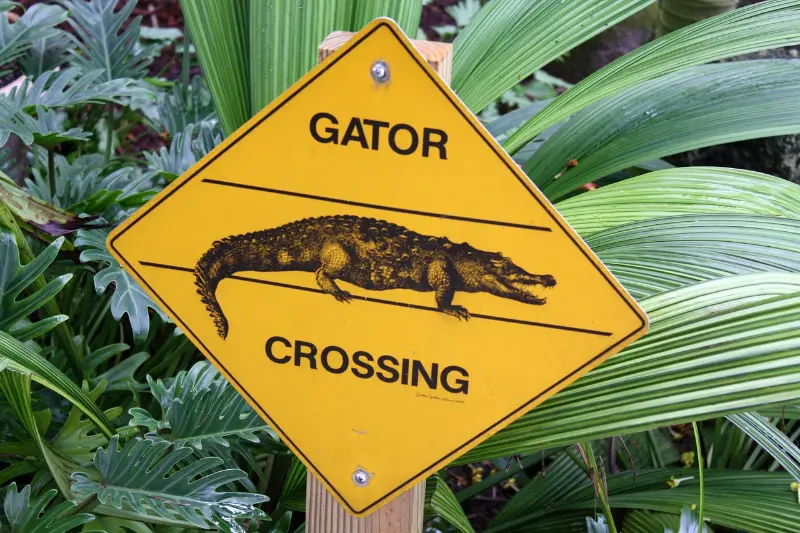
    Treat every water edge as alligator habitat. Stay on the trail, never feed wildlife and keep children close. There is little shade across parts of the wetland, so heat and lightning can become bigger risks than animals.

    Florida Alligator Warning Sign near Water

    Summer planning should assume heat, high humidity and a realistic chance of afternoon thunderstorms. Lightning can close splash pads, exposed trails and outdoor programs even when the rain itself is brief. In winter, cold fronts can make mornings much cooler than visitors expect from Florida. Check both temperature and radar, and pay attention to sunset because many parks close at sunset rather than at a fixed evening hour.

    Parking, driving and getting around

    Gainesville is easier with a car than many college towns because major nature sites and museums are spread across the metro area. Downtown and the UF Cultural Plaza have specific parking systems, while state parks and city nature centers usually have their own lots. Read signs rather than assuming one parking rule applies everywhere. During football weekends, allow more time than a map app suggests and avoid crossing the university core near kickoff or immediately after a game if you do not need to.

    Save the exact entrance in your navigation app. Large parks and university facilities can have multiple gates, service roads or parking lots, and simply searching the attraction name may not send you to the best visitor entrance.

    What to bring

    For outdoor stops, bring refillable water, sunscreen, insect repellent, a hat and closed shoes even if the forecast looks mild. A compact poncho is more useful than an umbrella on exposed trails. For museums, carry a light layer because air-conditioning can feel strong after being outside. Keep a small towel and spare shirt in the car if children may visit a splash pad or if a thunderstorm catches you between attractions.

    Food and breaks

    Do not plan every meal around the attraction itself. Some parks have no food service, while university museums may offer only snacks or vending. Gainesville has enough restaurants that leaving for lunch is usually easy, but doing so can cost valuable time if you intend to return to a paid attraction. For outdoor mornings, a cooler in the car and a planned restaurant afterward usually works better than carrying a full picnic on the trail.

    Florida Alligator Crossing Warning Sign

    How to fit it into a Gainesville itinerary

    A morning at Sweetwater pairs well with downtown Gainesville. If you enjoy wetlands on a broader Florida trip, the site also complements coastal nature areas covered earlier on Wonderful Florida.

    A good rule is to pair one mentally focused attraction with one physically active stop. Museum plus garden, wetland plus downtown, or trail plus relaxed meal usually feels balanced across a full day.

    Budget planning

    A Gainesville trip can be very good value. Several museums and city nature areas are free, and state-park entry is modest compared with major Florida attractions. Spend money where it changes the experience: a special exhibit, the Butterfly Rainforest, a guided program or a comfortable meal after a long outdoor morning. Families can keep costs low by combining one paid attraction with one free park or museum in the same day.

    Where to stay for this part of Gainesville

    For a short city-focused stay, downtown or the University of Florida area keeps museums, restaurants and evening activities close. Travelers focused on I-75 access, Kanapaha or road-trip logistics often prefer the southwest side of Gainesville. Nature-heavy itineraries can work from either area because Paynes Prairie, Sweetwater and Morningside sit in different directions. Choose by the first activity of the morning rather than by a generic ‘central’ label.

    Common mistakes to avoid

    • Common mistakes include scheduling a long outdoor trail for mid-afternoon in summer, assuming wildlife sightings are guaranteed, arriving at a university attraction without checking event traffic, and treating a free attraction as something that needs only 20 minutes
    • Another frequent error is building a schedule with no buffer for thunderstorms
    • Gainesville rewards flexible days: if rain interrupts a wetland walk, shift to a museum and return outdoors later.

    Official information to check before you go

    Before traveling, check the official visitor information for the latest operating hours, admission, closures, programs and weather-related changes. For a 2028 visit, current conditions matter more than any older printed schedule.

    Final thoughts

    The strongest Gainesville itineraries feel varied rather than crowded. Mix a museum with a wetland, a botanical garden with downtown, or a geological stop with an easy family park. That rhythm shows why North Central Florida deserves more than a fuel stop on the way between Orlando and Jacksonville.

    For Sweetwater Wetlands Park Guide, the best approach is simple: arrive with realistic timing, choose the parts that fit your group, and leave room in the day for Gainesville itself rather than turning the trip into a checklist.

  • Santa Fe College Teaching Zoo Guide: Admission, Hours, Animals and Gainesville Family Tips

    Santa Fe College Teaching Zoo Guide: Admission, Hours, Animals and Gainesville Family Tips

    The Santa Fe College Teaching Zoo is one of Gainesville’s best “right-sized” family attractions. It is not designed to compete with Florida’s largest zoos. Instead, visitors follow a compact wooded trail past native and exotic species while students in the Zoo Animal Technology program learn professional animal care. That educational role changes the tone of the visit: it feels more intimate, less commercial and easier to fit into half a day.

    Explore this guide

    For a first visit, allow 1.5–2.5 hours for most families. This guide reflects official visitor information checked in October 2026. Because the post is scheduled for 2028, recheck prices, opening hours, construction, water conditions, trail closures and special programs shortly before travel.

    Quick planning summary

    • Location: 3000 N.W. 83rd St., Gainesville, FL 32606 (follow campus signs/GPS for the Teaching Zoo parking area)
    • Current hours: 9 a.m.–3 p.m.; last entry 2:30 p.m.; open most days of the year with listed holiday closures
    • Current admission: Currently $10 adults 13–59, $6 children 4–12, $6 seniors 60+, free ages 3 and under; additional discounts apply
    • How much time: 1.5–2.5 hours for most families
    • Best for: families with children, animal lovers, grandparents with kids and travelers wanting a manageable Gainesville attraction

    Important current-status note

    October 2026 snapshot: Current published hours are 9 a.m.–3 p.m. with last entry at 2:30 p.m. The zoo is normally open seven days a week except listed holiday dates. The quarter-mile wooded trail is described as stroller and wheelchair accessible.

    That date matters. Conditions involving water quality, construction, wildlife facilities and park access can change long before a 2028 trip. Use the current-status note to understand what to verify, not as a prediction of what will still be true when you arrive.

    Why this place is worth your time

    The strongest reason to visit is manageability. Families with young children can see a meaningful collection without walking several miles, older adults can enjoy a shaded route, and animal-focused teenagers may appreciate learning that this is also a working training environment. It is especially useful on a Gainesville itinerary where a full state-park hike in the morning would make another large attraction unrealistic.

    The most useful way to judge this stop is not by how many attractions fit inside it, but by whether the experience adds something different to the rest of your Florida itinerary. In this part of the state, springs, forests, wildlife education and local history often deliver more memorable contrasts than another busy commercial attraction.

    What to see and do

    • Walk the wooded zoo trail: The main route is roughly a quarter mile, so you can slow down at the animals that interest your group rather than racing through a huge property.
    • Watch animal behavior: A smaller zoo rewards patience. Spend a few minutes at each habitat instead of treating every animal as a quick photo.
    • Look for educational interpretation: The teaching mission is part of the experience; use signs and staff interaction to understand care and conservation.
    • Attend a special event when dates align: Programs such as family events can change the pace and crowd level, so check the calendar before visiting.
    • Pair with another Gainesville stop: The zoo is compact enough to combine with a museum or park without exhausting children.

    You do not need to complete every option. Pick the two or three elements that match your group, weather and energy level. A focused visit almost always works better than trying to force every activity into one afternoon.

    How to plan the visit

    Arrive in the morning when temperatures are lower and animals may be more active. Because the final entry is before closing, do not save the zoo for the last hour of the afternoon. Two hours is usually comfortable. Families with toddlers may finish sooner; animal enthusiasts may want longer. Build in time to locate the correct Santa Fe College access road and parking area.

    Build a small buffer into the schedule for parking, restrooms, ticket or check-in procedures and weather. That buffer is particularly important with children and older travelers because the practical transitions often take longer than the attraction itself suggests.

    Families, teenagers and older travelers

    This is one of the easiest attractions in the cluster for ages 0–100+. Babies can stay in a stroller, preschoolers are not overwhelmed by long distances, school-age children get recognizable animals and a clear trail, and teenagers interested in biology can connect the exhibits with real animal-care careers. Grandparents can join without committing to a giant park. The biggest family challenge is heat, not scale.

    Good to knowA useful rule for mixed-age groups is to plan one demanding activity and one easy activity per day. Babies and toddlers need shade, restrooms and short blocks; school-age children benefit from a clear purpose; teenagers appreciate autonomy and photography; older adults usually enjoy the trip more when seating, heat and walking distance are considered before arrival.

    Accessibility and mobility

    The zoo describes its quarter-mile trail as stroller and wheelchair accessible. Outdoor conditions still matter: rain can make surfaces wet, and Florida heat can be tiring even on a short route. If a traveler needs a specific accommodation, contact the zoo before arrival rather than assuming every behind-the-scenes or special-event space has the same access.

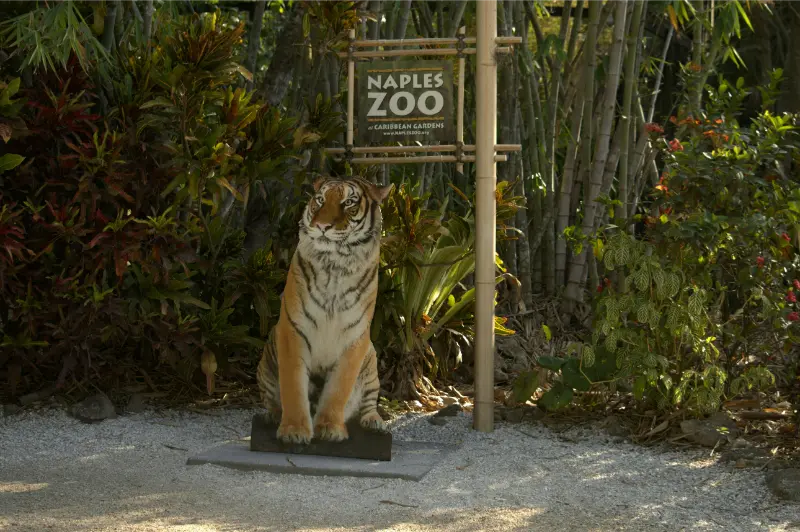
    Florida Zoo Tiger behind Enclosure

    Temporary maintenance can change accessibility even when the attraction remains open. If a wheelchair route, accessible restroom, service-animal arrangement or low-step entry is essential, verify that specific feature rather than relying only on a general “accessible” label.

    Best season and weather strategy

    Fall through spring is most comfortable for a leisurely trail walk. In summer, go close to opening, carry water and avoid turning the visit into a midday heat test. Rain showers may actually cool the air, but lightning changes outdoor safety. School-group schedules and special events can affect how quiet the zoo feels.

    North Central Florida can change quickly from comfortable morning air to hot, humid afternoons. Summer storms often build fast, and winter cold fronts can make mornings surprisingly cool. For outdoor activities, radar and lightning risk matter as much as the daily high temperature.

    Parking, driving and arrival logistics

    The zoo is on the Santa Fe College campus, so use the zoo-specific GPS destination and follow signs rather than parking at the first college building you see. Allow a few extra minutes if you have never visited the campus. The attraction works well for travelers staying near I-75 or the northwest side of Gainesville.

    Save the official address and the specific entrance you need before leaving Wi-Fi. Rural parks, college campuses and preserves can have multiple gates or map pins. Arriving at the wrong entrance is one of the easiest ways to lose the best hour of the day.

    Food, water and breaks

    Do not expect the visit to function like a theme park with extensive dining. Eat before or after, carry water and keep the zoo portion of the day focused on animals. Northwest Gainesville has enough restaurants that a late lunch is easy to build in after the visit.

    Carry more water than a short driving distance might suggest. Heat, cold spring water, walking and cycling can all mask fatigue until the group is already tired. A planned snack and a seated break often extend a family outing more effectively than adding another attraction.

    Safety and practical cautions

    Respect barriers and staff instructions; a teaching zoo is still a professional animal-care facility. Keep children from climbing rails, do not feed animals unless a program explicitly allows it, and treat service-animal rules seriously around sensitive species.

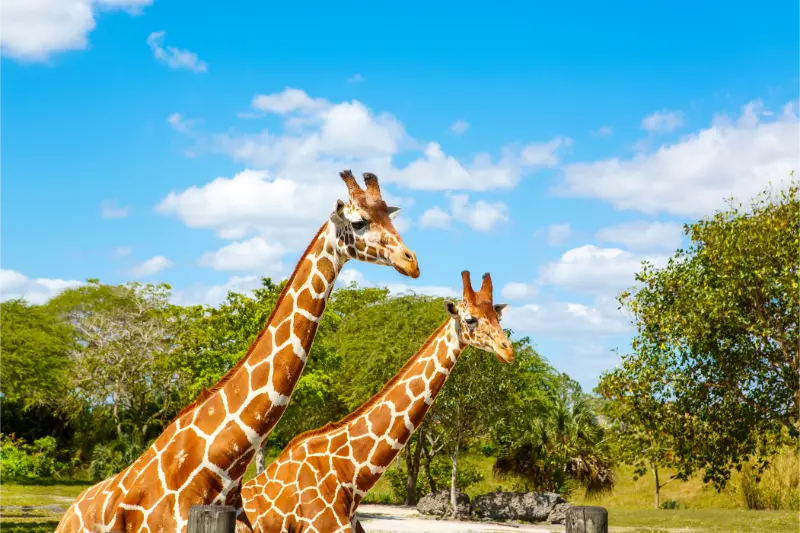
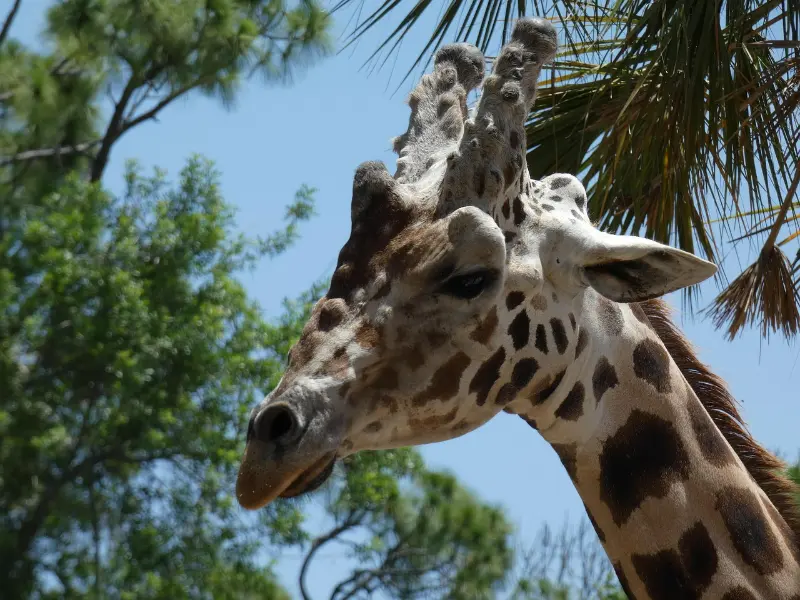
    Close Up of Giraffe in Florida Zoo

    Florida wildlife should always be observed at a respectful distance. Never feed wild animals, never enter water or trails that are posted closed, and never treat lightning as a minor inconvenience. When official staff close an area, build the day around what remains open instead of looking for a workaround.

    Common mistakes to avoid

    • assuming a smaller zoo is only for very young children
    • arriving close to the 2:30 p.m. last-entry time
    • using the main college address without checking the zoo parking directions
    • planning a long outdoor afternoon after already spending the hottest hours at the zoo
    • skipping the educational side of the visit and rushing only for photos

    How to combine it with other Gainesville experiences

    The zoo pairs especially well with Florida Museum of Natural History if your family is animal- and science-focused, or with Depot Park when younger children still need unstructured play after the trail.

    For a two- or three-day Gainesville stay, alternate outdoor and indoor experiences. That protects the itinerary from heat and thunderstorms while also making the trip feel more varied for different ages.

    Budget planning

    Current admission is moderate and notably lower than many major Florida animal attractions. Families with very young children benefit from free admission for ages three and under, while seniors and several other groups have discounts. Check current rates before travel because prices may have changed since the 2026 snapshot.

    Always compare the admission price with the true cost of the day: parking, rental equipment, fuel, meals and reservation fees can matter more than the gate price. Free attractions still deserve the same scheduling care as expensive ones.

    Who should prioritize this stop?

    Choose the Teaching Zoo when you want animals without a full-day commitment. It is particularly strong for multi-generational families and for travelers who value a quieter, educational experience over spectacle.

    If your group has very different interests, use this stop as the part of the day designed for the people who will enjoy it most, then balance it with a second activity chosen for the rest of the group. A complete Florida trip does not require every traveler to love every attraction equally.

    Official information to check before you go

    Before traveling, check the official visitor information for the latest opening hours, fees, construction or water-status notices, reservations, event calendars and weather-related changes. For a 2028 visit, the official update closest to your travel date should override older screenshots, blogs and social-media posts.

    Final thoughts

    Choose the Teaching Zoo when you want animals without a full-day commitment. It is particularly strong for multi-generational families and for travelers who value a quieter, educational experience over spectacle.

    North Central Florida is at its best when you leave room for conditions to shape the day. Springs, trails, wildlife facilities and small museums reward travelers who arrive informed but flexible, and that approach is usually more valuable than trying to force a perfect checklist.

  • Boulware Springs Nature Park Guide: Historic Waterworks, Trailhead, Current Renovation Plans and Gainesville Tips

    Boulware Springs Nature Park Guide: Historic Waterworks, Trailhead, Current Renovation Plans and Gainesville Tips

    Boulware Springs is easy to overlook if you search Gainesville only for major attractions, but the park connects three stories that matter to the city: natural springs, Gainesville’s early water system and the modern Gainesville–Hawthorne State Trail. The historic waterworks area once supplied the city, while today many visitors know the park primarily as a trailhead. It is not a full-day destination, but it can add meaningful local context to a bike ride or nature-focused morning.

    Explore this guide

    For a first visit, allow 45 minutes–2 hours on its own; longer if using it as a trailhead for the Gainesville–Hawthorne State Trail. This guide reflects official visitor information checked in October 2026. Because the post is scheduled for 2028, recheck prices, opening hours, construction, water conditions, trail closures and special programs shortly before travel.

    Quick planning summary

    • Location: 3300 S.E. 15th St., Gainesville, FL 32641
    • Current hours: City currently lists 7 a.m.–8 p.m. March 15–Sept. 30 and 7 a.m.–6 p.m. Oct. 1–March 14
    • Current admission: Free park access; verify any future changes connected with renovation work
    • How much time: 45 minutes–2 hours on its own; longer if using it as a trailhead for the Gainesville–Hawthorne State Trail
    • Best for: cyclists, walkers, local-history fans, birders and travelers looking for a quiet free Gainesville stop

    Important current-status note

    October 2026 snapshot: The City of Gainesville currently lists seasonal park hours and says the site is in an improvement/renovation planning process. The city’s 2026 project update says redesign is anticipated in fall 2026, with construction potentially beginning as early as fall 2027. Because this article is scheduled for May 2028, construction status must be checked before visiting.

    That date matters. Conditions involving water quality, construction, wildlife facilities and park access can change long before a 2028 trip. Use the current-status note to understand what to verify, not as a prediction of what will still be true when you arrive.

    Why this place is worth your time

    The park’s value is in connection rather than spectacle. You can see the spring environment, learn that the site was part of Gainesville’s water supply until the early twentieth century, then continue onto a long regional trail. For travelers who like small historic sites and infrastructure stories, that combination is more interesting than another generic picnic park.

    The most useful way to judge this stop is not by how many attractions fit inside it, but by whether the experience adds something different to the rest of your Florida itinerary. In this part of the state, springs, forests, wildlife education and local history often deliver more memorable contrasts than another busy commercial attraction.

    What to see and do

    • Historic waterworks area: Look at the preserved structures and imagine the site as essential city infrastructure rather than only a recreation space.
    • Spring and nature observation: The natural setting gives the historic story a strong sense of place.
    • Gainesville–Hawthorne State Trail access: Many visitors use Boulware as the starting point for a walk or bike ride.
    • Birding and short walks: A good low-pressure activity when you do not have time for a major preserve.
    • Picnic break: Useful before or after a ride, provided renovation work has not changed facility access.

    You do not need to complete every option. Pick the two or three elements that match your group, weather and energy level. A focused visit almost always works better than trying to force every activity into one afternoon.

    How to plan the visit

    Treat Boulware as a 45–90 minute stop unless you are continuing onto the state trail. Before a 2028 visit, check the city project page because renovation work may affect parking, structures, restrooms or trailhead access. If construction is active, use the stop only if the city says public access is practical; do not try to navigate around work zones.

    Build a small buffer into the schedule for parking, restrooms, ticket or check-in procedures and weather. That buffer is particularly important with children and older travelers because the practical transitions often take longer than the attraction itself suggests.

    Families, teenagers and older travelers

    For younger children, the park is better as a short nature/history stop than as a headline attraction. School-age children can connect the old waterworks with a simple lesson about where city water came from. Teenagers may enjoy it more if the stop is attached to cycling. Older adults can appreciate the history without a long visit, though construction could temporarily change accessible routes.

    Florida River Estuary Nature Reserve Aerial

    Good to knowA useful rule for mixed-age groups is to plan one demanding activity and one easy activity per day. Babies and toddlers need shade, restrooms and short blocks; school-age children benefit from a clear purpose; teenagers appreciate autonomy and photography; older adults usually enjoy the trip more when seating, heat and walking distance are considered before arrival.

    Accessibility and mobility

    The city lists accessible features at the park, but renovation is the variable that matters most for a future trip. A path that is accessible in 2026 may be rerouted during construction in 2028. Check current maps and call the city if a traveler needs guaranteed access to specific facilities.

    Temporary maintenance can change accessibility even when the attraction remains open. If a wheelchair route, accessible restroom, service-animal arrangement or low-step entry is essential, verify that specific feature rather than relying only on a general “accessible” label.

    Best season and weather strategy

    Cool months are ideal for walking and cycling, while summer visits are best early or late. The city currently uses seasonal closing hours, so a winter evening visit has less daylight and a much earlier gate time than midsummer. Mosquitoes and humidity can be significant around the spring environment.

    North Central Florida can change quickly from comfortable morning air to hot, humid afternoons. Summer storms often build fast, and winter cold fronts can make mornings surprisingly cool. For outdoor activities, radar and lightning risk matter as much as the daily high temperature.

    Parking, driving and arrival logistics

    Boulware is a trailhead as well as a park, so parking demand can increase on good cycling weekends. Save the exact lot and verify whether construction has shifted the entrance. If you plan a long ride, leave a time buffer to return well before the gate closes.

    Save the official address and the specific entrance you need before leaving Wi-Fi. Rural parks, college campuses and preserves can have multiple gates or map pins. Arriving at the wrong entrance is one of the easiest ways to lose the best hour of the day.

    Food, water and breaks

    Bring water even for a short stop if you are cycling. For a simple visit, food is unnecessary; downtown and South Main are close enough for a meal afterward. Picnicking makes more sense for families using the park as a base than for travelers stopping only to see the waterworks.

    Carry more water than a short driving distance might suggest. Heat, cold spring water, walking and cycling can all mask fatigue until the group is already tired. A planned snack and a seated break often extend a family outing more effectively than adding another attraction.

    Safety and practical cautions

    Do not enter closed construction areas or assume spring water is approved for swimming or drinking. On the state trail, switch from park-visitor mode to cyclist/pedestrian awareness: stay right, control children and plan for weather. Around historic structures, respect barriers and preservation needs.

    Florida wildlife should always be observed at a respectful distance. Never feed wild animals, never enter water or trails that are posted closed, and never treat lightning as a minor inconvenience. When official staff close an area, build the day around what remains open instead of looking for a workaround.

    Common mistakes to avoid

    • expecting a large swimming spring attraction
    • driving there in 2028 without checking renovation status
    • starting a long trail ride close to the seasonal gate-closing time
    • treating the historic structures as climbable playground equipment
    • planning the park as a half-day destination without using the connected trail

    How to combine it with other Gainesville experiences

    Boulware makes the most sense together with the Paynes Prairie area and the regional bike route. For a completely different finish, continue to Downtown Gainesville or Depot Park after the outdoor portion of the day.

    For a two- or three-day Gainesville stay, alternate outdoor and indoor experiences. That protects the itinerary from heat and thunderstorms while also making the trip feel more varied for different ages.

    Budget planning

    The park is currently free, which makes it an easy add-on. The only meaningful cost may be bicycle rental or transport if you are using the state trail. Free access is not a reason to skip status checks during renovation.

    Always compare the admission price with the true cost of the day: parking, rental equipment, fuel, meals and reservation fees can matter more than the gate price. Free attractions still deserve the same scheduling care as expensive ones.

    Who should prioritize this stop?

    Boulware Springs is a small but worthwhile piece of Gainesville for travelers who enjoy local history, cycling and quieter parks. Its future renovation status is the deciding factor for a 2028 visit, so check before you go.

    If your group has very different interests, use this stop as the part of the day designed for the people who will enjoy it most, then balance it with a second activity chosen for the rest of the group. A complete Florida trip does not require every traveler to love every attraction equally.

    Official information to check before you go

    Before traveling, check the official visitor information for the latest opening hours, fees, construction or water-status notices, reservations, event calendars and weather-related changes. For a 2028 visit, the official update closest to your travel date should override older screenshots, blogs and social-media posts.

    Final thoughts

    Boulware Springs is a small but worthwhile piece of Gainesville for travelers who enjoy local history, cycling and quieter parks. Its future renovation status is the deciding factor for a 2028 visit, so check before you go.

    North Central Florida is at its best when you leave room for conditions to shape the day. Springs, trails, wildlife facilities and small museums reward travelers who arrive informed but flexible, and that approach is usually more valuable than trying to force a perfect checklist.

  • Matheson History Museum Gainesville Guide: Free Admission, Hours, Local History and Downtown Tips

    Matheson History Museum Gainesville Guide: Free Admission, Hours, Local History and Downtown Tips

    The Matheson History Museum is where Gainesville starts to make more sense as a city rather than simply as the home of the University of Florida. The museum explores local and regional history through exhibitions, archives and historic structures in the east side of downtown. It is compact, free and easy to combine with a meal or walk, which makes it a valuable counterweight to larger attractions that demand half a day.

    Explore this guide

    For a first visit, allow 1–2 hours. This guide reflects official visitor information checked in October 2026. Because the post is scheduled for 2028, recheck prices, opening hours, construction, water conditions, trail closures and special programs shortly before travel.

    Quick planning summary

    • Location: 513 E. University Ave., Gainesville, FL 32601
    • Current hours: Currently Wednesday–Saturday, 11 a.m.–4 p.m.
    • Current admission: Free; donations encouraged
    • How much time: 1–2 hours
    • Best for: history lovers, adults, older children, senior travelers and anyone wanting context for Gainesville beyond the university

    Important current-status note

    October 2026 snapshot: The Matheson currently lists Wednesday–Saturday hours from 11 a.m. to 4 p.m. Admission to the museum and most programs is free, with donations welcomed. Current visitor information lists ADA ramps and accessible restrooms in the museum complex.

    That date matters. Conditions involving water quality, construction, wildlife facilities and park access can change long before a 2028 trip. Use the current-status note to understand what to verify, not as a prediction of what will still be true when you arrive.

    Why this place is worth your time

    A Gainesville trip can easily become dominated by campus museums, football references and outdoor nature. Matheson adds the civic story: neighborhoods, transportation, community life, architecture and the changing identity of Alachua County. Travelers who enjoy understanding why a place looks and feels the way it does will get more from the museum than visitors who only want a large collection of famous objects.

    The most useful way to judge this stop is not by how many attractions fit inside it, but by whether the experience adds something different to the rest of your Florida itinerary. In this part of the state, springs, forests, wildlife education and local history often deliver more memorable contrasts than another busy commercial attraction.

    What to see and do

    • Current exhibitions: Exhibits change, so read the current program before arrival and give yourself time for the subjects that connect with your trip.
    • Historic Matheson House context: The museum complex includes historic elements, although tours and access can change during rehabilitation projects.
    • Local maps and photographs: These are especially useful if you plan to explore downtown or older neighborhoods afterward.
    • Free guided or group tours: Current information says exhibition tours can be arranged free of charge; advance scheduling is better for groups.
    • Gift shop and local books: A good place to find Florida and Gainesville history titles rather than generic souvenirs.

    You do not need to complete every option. Pick the two or three elements that match your group, weather and energy level. A focused visit almost always works better than trying to force every activity into one afternoon.

    How to plan the visit

    Use the Matheson as a 60–90 minute anchor around lunch rather than as a full-day destination. Visit after a morning outdoors, then continue into downtown. Because opening days are limited, check the calendar before building a weekday itinerary. If a specific historic house or archive feature matters to you, confirm access because rehabilitation work can change what is open.

    Downtown Street with Construction Crane

    Build a small buffer into the schedule for parking, restrooms, ticket or check-in procedures and weather. That buffer is particularly important with children and older travelers because the practical transitions often take longer than the attraction itself suggests.

    Families, teenagers and older travelers

    This is better for school-age children who can engage with stories, old photographs and local history than for toddlers who need constant hands-on activity. Teenagers studying Florida history may appreciate the direct connection to place. Adults and seniors are likely to get the most from the museum because it rewards reading and conversation. For a multi-generational day, follow it with a park or food stop rather than asking children to do another text-heavy museum immediately.

    Good to knowA useful rule for mixed-age groups is to plan one demanding activity and one easy activity per day. Babies and toddlers need shade, restrooms and short blocks; school-age children benefit from a clear purpose; teenagers appreciate autonomy and photography; older adults usually enjoy the trip more when seating, heat and walking distance are considered before arrival.

    Accessibility and mobility

    Current visitor information lists an ADA-accessible ramp and restrooms for the museum and accessible features at the Historic Matheson House. The Tison Tool Barn is not currently ADA accessible and has limited public access. If a particular building matters, verify before arrival.

    Temporary maintenance can change accessibility even when the attraction remains open. If a wheelchair route, accessible restroom, service-animal arrangement or low-step entry is essential, verify that specific feature rather than relying only on a general “accessible” label.

    Best season and weather strategy

    This is a year-round attraction and a smart choice for hot, wet or cool weather. The more important limitation is its Wednesday–Saturday schedule. Downtown special events can increase parking demand, so a quiet Thursday morning feels different from a festival weekend.

    North Central Florida can change quickly from comfortable morning air to hot, humid afternoons. Summer storms often build fast, and winter cold fronts can make mornings surprisingly cool. For outdoor activities, radar and lightning risk matter as much as the daily high temperature.

    Florida Bayfront Skyscrapers at Night

    Parking, driving and arrival logistics

    The museum lists parking in its own lot, with additional evening/weekend options nearby. Read signs carefully because downtown and institutional parking rules can change by time and day. From the museum, downtown is close enough that it makes sense to park once if your mobility allows.

    Save the official address and the specific entrance you need before leaving Wi-Fi. Rural parks, college campuses and preserves can have multiple gates or map pins. Arriving at the wrong entrance is one of the easiest ways to lose the best hour of the day.

    Food, water and breaks

    The museum is not a food destination, which is an advantage: build lunch around downtown rather than settling for a museum café. A history visit followed by local food makes the day feel more connected to Gainesville itself.

    Carry more water than a short driving distance might suggest. Heat, cold spring water, walking and cycling can all mask fatigue until the group is already tired. A planned snack and a seated break often extend a family outing more effectively than adding another attraction.

    Safety and practical cautions

    The main considerations are ordinary historic-building care and downtown awareness. Do not assume every historic structure is open simply because the museum campus is open. During severe weather, verify operating status before driving.

    Florida wildlife should always be observed at a respectful distance. Never feed wild animals, never enter water or trails that are posted closed, and never treat lightning as a minor inconvenience. When official staff close an area, build the day around what remains open instead of looking for a workaround.

    Common mistakes to avoid

    • assuming the museum is open every day
    • planning it as a three-hour attraction when your group does not love local history
    • promising access to a historic building that may be under rehabilitation
    • driving away for lunch when downtown is already within easy reach
    • overlooking the museum because admission is free

    How to combine it with other Gainesville experiences

    The easiest combination is Downtown Gainesville, where you can continue on foot for food and murals. If you want a nature contrast, Sweetwater Wetlands Park or Morningside Nature Center can fill the other half of the day.

    For a two- or three-day Gainesville stay, alternate outdoor and indoor experiences. That protects the itinerary from heat and thunderstorms while also making the trip feel more varied for different ages.

    Budget planning

    Admission is currently free, so this is one of the best low-cost cultural stops in Gainesville. A donation is a reasonable way to support the museum if you found the visit useful. Your main spending will likely be food and parking elsewhere downtown.

    Always compare the admission price with the true cost of the day: parking, rental equipment, fuel, meals and reservation fees can matter more than the gate price. Free attractions still deserve the same scheduling care as expensive ones.

    Who should prioritize this stop?

    Matheson is not the biggest museum in Gainesville, but it is one of the best for understanding Gainesville. Add it when you want context, a slower hour and a cultural stop that does not strain the budget.

    If your group has very different interests, use this stop as the part of the day designed for the people who will enjoy it most, then balance it with a second activity chosen for the rest of the group. A complete Florida trip does not require every traveler to love every attraction equally.

    Official information to check before you go

    Before traveling, check the official visitor information for the latest opening hours, fees, construction or water-status notices, reservations, event calendars and weather-related changes. For a 2028 visit, the official update closest to your travel date should override older screenshots, blogs and social-media posts.

    Final thoughts

    Matheson is not the biggest museum in Gainesville, but it is one of the best for understanding Gainesville. Add it when you want context, a slower hour and a cultural stop that does not strain the budget.

    North Central Florida is at its best when you leave room for conditions to shape the day. Springs, trails, wildlife facilities and small museums reward travelers who arrive informed but flexible, and that approach is usually more valuable than trying to force a perfect checklist.

  • Downtown Gainesville Guide: Parking, Food, Murals, Events and Walking Tips

    Downtown Gainesville Guide: Parking, Food, Murals, Events and Walking Tips

    Downtown Gainesville Guide is one of the stops that helps explain why Gainesville deserves its own place on a Florida itinerary. Downtown Gainesville is useful because it adds everyday local life to a trip dominated by state parks and museums. The strongest experience comes from walking slowly, noticing historic storefronts and murals, stopping for coffee or food and checking what is happening at nearby venues. It feels more like a working college-city center than a packaged tourist district.

    Explore this guide

    For a first visit, allow 2–5 hours, or an evening. The attraction is best for food-focused travelers, couples, visitors attending events, architecture and mural fans, and anyone wanting a walkable break from nature attractions. The practical information below reflects the official visitor guidance available in October 2026; because conditions may change by 2028, always recheck prices, operating hours, closures and special-event rules shortly before travel.

    Quick planning summary

    • Location: Downtown Gainesville, centered around Main Street and University Avenue, Gainesville, FL
    • Current hours: Public streets and businesses operate on their own schedules; city parking enforcement is generally Monday–Friday 10 a.m.–8 p.m. unless posted otherwise
    • Current admission: City parking ranges from free peripheral options to low-cost metered spaces and garage rates; always check posted signage
    • How much time: 2–5 hours, or an evening
    • Best for: food-focused travelers, couples, visitors attending events, architecture and mural fans, and anyone wanting a walkable break from nature attractions
    • Compact enough for a self-guided walk but varied enough for an afternoon or evening
    • Parking is inexpensive by large-city standards but rules vary by zone

    Why this place is worth adding to a Gainesville trip

    Downtown Gainesville is useful because it adds everyday local life to a trip dominated by state parks and museums. The strongest experience comes from walking slowly, noticing historic storefronts and murals, stopping for coffee or food and checking what is happening at nearby venues. It feels more like a working college-city center than a packaged tourist district.

    The key is to arrive with the right expectation. This is not an attraction to rush only because it appears on a list. Give yourself enough time to notice the details that make the place distinctive, then leave before fatigue turns a good stop into a chore.

    What to see and do

    • Main Street and surrounding historic blocks
    • Public art and murals
    • Bo Diddley Plaza and event programming
    • Restaurants, breweries, coffee shops and late-night options
    • Easy connection to Depot Park and the Innovation District

    You do not need to complete every possible activity. Choose two or three priorities based on the weather and the ages in your group. That usually creates a better visit than trying to cover every trail, room or viewpoint.

    How much time should you allow?

    A realistic first visit is 2–5 hours, or an evening. Shorter visits can work when this is the secondary stop of the day, but building in a little extra time helps with parking, restroom breaks, photography and weather delays.

    If you are traveling with children or older adults, think in activity blocks rather than total hours. A 45-minute walk followed by a seated break is often more successful than a continuous two-hour push.

    Best time of day and best season

    North Central Florida is easiest to explore from October through April, when humidity is lower and long walks are more comfortable. Spring adds flowers, active wildlife and pleasant evenings, while summer rewards early starts but requires serious respect for heat and thunderstorms. If your main attraction is outdoors, schedule it before lunch and keep an indoor museum or café option for the afternoon. Gainesville can be busy during University of Florida football weekends, graduation and major campus events, so hotel rates and traffic are not purely seasonal.

    Families, teenagers and older travelers

    Families should visit earlier in the day or combine downtown with Depot Park. Children usually get more from a mural walk, snack stop and plaza than from an aimless restaurant crawl. Evening nightlife is better suited to adults and older teens.

    Gainesville works unusually well for mixed-age trips because the city has high-quality attractions that do not require everyone to move at the same pace. Toddlers need shade, toilets and short activity blocks; school-age children usually do best with animals, fossils, water or hands-on interpretation; teenagers often appreciate photography, trails, college-town food and flexible time; older adults benefit from benches, climate-controlled museums and a plan that avoids the hottest part of the day. The best itinerary is usually one major stop plus one lighter stop, not three demanding attractions.

    Accessibility and mobility

    Downtown sidewalks and city facilities make this more manageable than natural trails, but curb cuts, construction and older storefront entrances can vary block by block. Choose a central parking garage if minimizing walking uncertainty matters.

    If mobility is important to your group, call or check the official site before departure. Temporary construction, storms and maintenance can change which routes are open even when the attraction itself remains operating.

    Safety and practical cautions

    As in any active downtown, keep valuables out of sight in parked cars and use normal city awareness after dark. The bigger visitor mistake is parking without reading signs: enforcement hours, garage rules and event closures can differ by block.

    Florida City Center with Shopping Streets Aerial

    Summer planning should assume heat, high humidity and a realistic chance of afternoon thunderstorms. Lightning can close splash pads, exposed trails and outdoor programs even when the rain itself is brief. In winter, cold fronts can make mornings much cooler than visitors expect from Florida. Check both temperature and radar, and pay attention to sunset because many parks close at sunset rather than at a fixed evening hour.

    Parking, driving and getting around

    Gainesville is easier with a car than many college towns because major nature sites and museums are spread across the metro area. Downtown and the UF Cultural Plaza have specific parking systems, while state parks and city nature centers usually have their own lots. Read signs rather than assuming one parking rule applies everywhere. During football weekends, allow more time than a map app suggests and avoid crossing the university core near kickoff or immediately after a game if you do not need to.

    Save the exact entrance in your navigation app. Large parks and university facilities can have multiple gates, service roads or parking lots, and simply searching the attraction name may not send you to the best visitor entrance.

    What to bring

    For outdoor stops, bring refillable water, sunscreen, insect repellent, a hat and closed shoes even if the forecast looks mild. A compact poncho is more useful than an umbrella on exposed trails. For museums, carry a light layer because air-conditioning can feel strong after being outside. Keep a small towel and spare shirt in the car if children may visit a splash pad or if a thunderstorm catches you between attractions.

    Food and breaks

    Do not plan every meal around the attraction itself. Some parks have no food service, while university museums may offer only snacks or vending. Gainesville has enough restaurants that leaving for lunch is usually easy, but doing so can cost valuable time if you intend to return to a paid attraction. For outdoor mornings, a cooler in the car and a planned restaurant afterward usually works better than carrying a full picnic on the trail.

    Florida Festival Food Trucks and Visitors

    How to fit it into a Gainesville itinerary

    For families, combine downtown with Depot Park. For a different North Florida urban experience, compare it with Riverside, Avondale and Five Points in Jacksonville.

    A good rule is to pair one mentally focused attraction with one physically active stop. Museum plus garden, wetland plus downtown, or trail plus relaxed meal usually feels balanced across a full day.

    Budget planning

    A Gainesville trip can be very good value. Several museums and city nature areas are free, and state-park entry is modest compared with major Florida attractions. Spend money where it changes the experience: a special exhibit, the Butterfly Rainforest, a guided program or a comfortable meal after a long outdoor morning. Families can keep costs low by combining one paid attraction with one free park or museum in the same day.

    Where to stay for this part of Gainesville

    For a short city-focused stay, downtown or the University of Florida area keeps museums, restaurants and evening activities close. Travelers focused on I-75 access, Kanapaha or road-trip logistics often prefer the southwest side of Gainesville. Nature-heavy itineraries can work from either area because Paynes Prairie, Sweetwater and Morningside sit in different directions. Choose by the first activity of the morning rather than by a generic ‘central’ label.

    Common mistakes to avoid

    • Common mistakes include scheduling a long outdoor trail for mid-afternoon in summer, assuming wildlife sightings are guaranteed, arriving at a university attraction without checking event traffic, and treating a free attraction as something that needs only 20 minutes
    • Another frequent error is building a schedule with no buffer for thunderstorms
    • Gainesville rewards flexible days: if rain interrupts a wetland walk, shift to a museum and return outdoors later.

    Official information to check before you go

    Before traveling, check the official visitor information for the latest operating hours, admission, closures, programs and weather-related changes. For a 2028 visit, current conditions matter more than any older printed schedule.

    Final thoughts

    The strongest Gainesville itineraries feel varied rather than crowded. Mix a museum with a wetland, a botanical garden with downtown, or a geological stop with an easy family park. That rhythm shows why North Central Florida deserves more than a fuel stop on the way between Orlando and Jacksonville.

    For Downtown Gainesville Guide, the best approach is simple: arrive with realistic timing, choose the parts that fit your group, and leave room in the day for Gainesville itself rather than turning the trip into a checklist.