
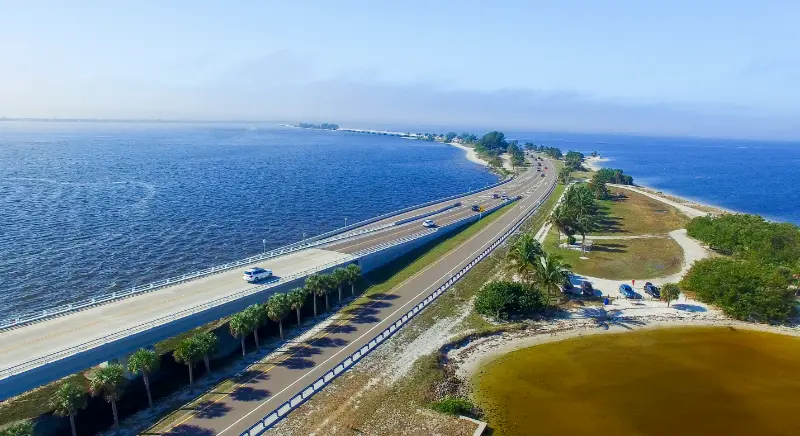
Sweetwater Wetlands Park Guide is one of the stops that helps explain why Gainesville deserves its own place on a Florida itinerary. Sweetwater is unusual because it combines environmental infrastructure with wildlife viewing. The wetlands were built as part of water-quality treatment, yet the result is also a highly accessible birding and walking destination. For visitors who want to see alligators and wetland birds without committing to a remote park, it is one of Gainesville’s strongest choices.
For a first visit, allow 1.5–3 hours. The attraction is best for birders, wildlife photographers, walkers, seniors who prefer broad paths and visitors seeking alligator habitat near town. The practical information below reflects the official visitor guidance available in October 2026; because conditions may change by 2028, always recheck prices, operating hours, closures and special-event rules shortly before travel.
Quick planning summary
- Location: 325 SW Williston Road, Gainesville, FL 32601
- Current hours: 7 a.m. to sunset daily
- Current admission: $5 per vehicle or $2 per pedestrian/bicyclist; bicycles must be parked outside the wetland trail system
- How much time: 1.5–3 hours
- Best for: birders, wildlife photographers, walkers, seniors who prefer broad paths and visitors seeking alligator habitat near town
- A 125-acre constructed wetland that has become one of Gainesville’s best wildlife walks
- Open 7 a.m. to sunset
Why this place is worth adding to a Gainesville trip
Sweetwater is unusual because it combines environmental infrastructure with wildlife viewing. The wetlands were built as part of water-quality treatment, yet the result is also a highly accessible birding and walking destination. For visitors who want to see alligators and wetland birds without committing to a remote park, it is one of Gainesville’s strongest choices.
The key is to arrive with the right expectation. This is not an attraction to rush only because it appears on a list. Give yourself enough time to notice the details that make the place distinctive, then leave before fatigue turns a good stop into a chore.
What to see and do
- Boardwalks and broad walking loops
- Alligator viewing from a safe trail environment
- Wading birds, raptors and seasonal migrants
- Wednesday bird walks in cooler months when scheduled
- Sunrise and early-morning photography opportunities
You do not need to complete every possible activity. Choose two or three priorities based on the weather and the ages in your group. That usually creates a better visit than trying to cover every trail, room or viewpoint.
How much time should you allow?
A realistic first visit is 1.5–3 hours. Shorter visits can work when this is the secondary stop of the day, but building in a little extra time helps with parking, restroom breaks, photography and weather delays.
If you are traveling with children or older adults, think in activity blocks rather than total hours. A 45-minute walk followed by a seated break is often more successful than a continuous two-hour push.
Best time of day and best season
North Central Florida is easiest to explore from October through April, when humidity is lower and long walks are more comfortable. Spring adds flowers, active wildlife and pleasant evenings, while summer rewards early starts but requires serious respect for heat and thunderstorms. If your main attraction is outdoors, schedule it before lunch and keep an indoor museum or café option for the afternoon. Gainesville can be busy during University of Florida football weekends, graduation and major campus events, so hotel rates and traffic are not purely seasonal.
Families, teenagers and older travelers
School-age children who enjoy animals can do well here, especially with binoculars. Very young children need close supervision because the park is real wildlife habitat, not a zoo. A short loop and frequent observation stops are better than forcing a long walk in heat.
Gainesville works unusually well for mixed-age trips because the city has high-quality attractions that do not require everyone to move at the same pace. Toddlers need shade, toilets and short activity blocks; school-age children usually do best with animals, fossils, water or hands-on interpretation; teenagers often appreciate photography, trails, college-town food and flexible time; older adults benefit from benches, climate-controlled museums and a plan that avoids the hottest part of the day. The best itinerary is usually one major stop plus one lighter stop, not three demanding attractions.
Accessibility and mobility
Sweetwater is one of the more mobility-friendly wildlife experiences around Gainesville, with accessible facilities and improved paved sections. Distances can still add up, and shade is limited in places, so choose a shorter route if stamina is a concern.
If mobility is important to your group, call or check the official site before departure. Temporary construction, storms and maintenance can change which routes are open even when the attraction itself remains operating.
Safety and practical cautions
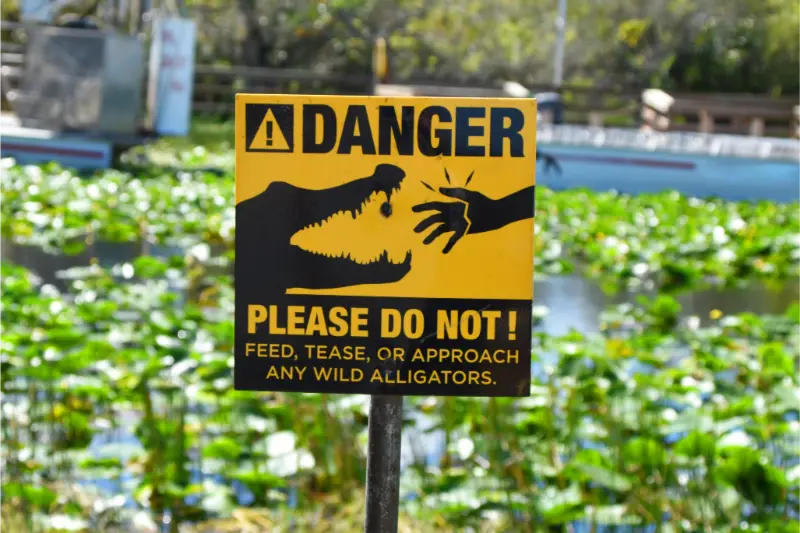
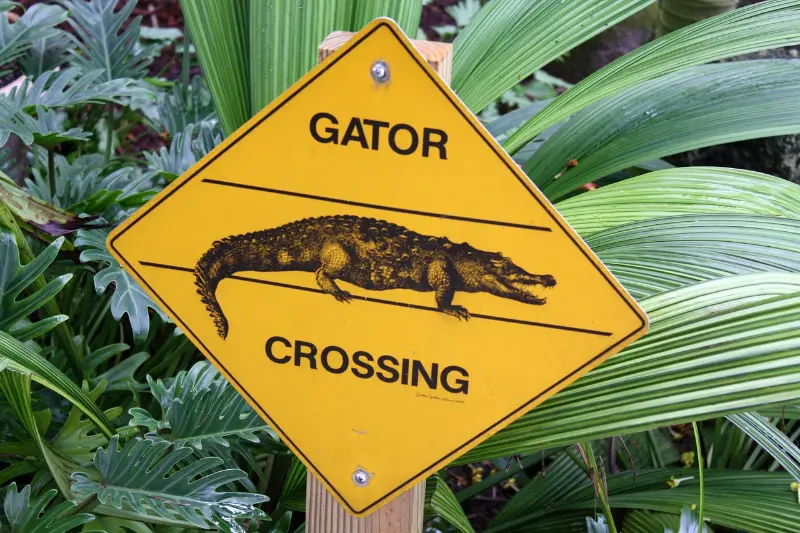
Treat every water edge as alligator habitat. Stay on the trail, never feed wildlife and keep children close. There is little shade across parts of the wetland, so heat and lightning can become bigger risks than animals.
Summer planning should assume heat, high humidity and a realistic chance of afternoon thunderstorms. Lightning can close splash pads, exposed trails and outdoor programs even when the rain itself is brief. In winter, cold fronts can make mornings much cooler than visitors expect from Florida. Check both temperature and radar, and pay attention to sunset because many parks close at sunset rather than at a fixed evening hour.
Parking, driving and getting around
Gainesville is easier with a car than many college towns because major nature sites and museums are spread across the metro area. Downtown and the UF Cultural Plaza have specific parking systems, while state parks and city nature centers usually have their own lots. Read signs rather than assuming one parking rule applies everywhere. During football weekends, allow more time than a map app suggests and avoid crossing the university core near kickoff or immediately after a game if you do not need to.
Save the exact entrance in your navigation app. Large parks and university facilities can have multiple gates, service roads or parking lots, and simply searching the attraction name may not send you to the best visitor entrance.
What to bring
For outdoor stops, bring refillable water, sunscreen, insect repellent, a hat and closed shoes even if the forecast looks mild. A compact poncho is more useful than an umbrella on exposed trails. For museums, carry a light layer because air-conditioning can feel strong after being outside. Keep a small towel and spare shirt in the car if children may visit a splash pad or if a thunderstorm catches you between attractions.
Food and breaks
Do not plan every meal around the attraction itself. Some parks have no food service, while university museums may offer only snacks or vending. Gainesville has enough restaurants that leaving for lunch is usually easy, but doing so can cost valuable time if you intend to return to a paid attraction. For outdoor mornings, a cooler in the car and a planned restaurant afterward usually works better than carrying a full picnic on the trail.
How to fit it into a Gainesville itinerary
A morning at Sweetwater pairs well with downtown Gainesville. If you enjoy wetlands on a broader Florida trip, the site also complements coastal nature areas covered earlier on Wonderful Florida.
A good rule is to pair one mentally focused attraction with one physically active stop. Museum plus garden, wetland plus downtown, or trail plus relaxed meal usually feels balanced across a full day.
Budget planning
A Gainesville trip can be very good value. Several museums and city nature areas are free, and state-park entry is modest compared with major Florida attractions. Spend money where it changes the experience: a special exhibit, the Butterfly Rainforest, a guided program or a comfortable meal after a long outdoor morning. Families can keep costs low by combining one paid attraction with one free park or museum in the same day.
Where to stay for this part of Gainesville
For a short city-focused stay, downtown or the University of Florida area keeps museums, restaurants and evening activities close. Travelers focused on I-75 access, Kanapaha or road-trip logistics often prefer the southwest side of Gainesville. Nature-heavy itineraries can work from either area because Paynes Prairie, Sweetwater and Morningside sit in different directions. Choose by the first activity of the morning rather than by a generic ‘central’ label.
Common mistakes to avoid
- Common mistakes include scheduling a long outdoor trail for mid-afternoon in summer, assuming wildlife sightings are guaranteed, arriving at a university attraction without checking event traffic, and treating a free attraction as something that needs only 20 minutes
- Another frequent error is building a schedule with no buffer for thunderstorms
- Gainesville rewards flexible days: if rain interrupts a wetland walk, shift to a museum and return outdoors later.
Official information to check before you go
Before traveling, check the official visitor information for the latest operating hours, admission, closures, programs and weather-related changes. For a 2028 visit, current conditions matter more than any older printed schedule.
Final thoughts
The strongest Gainesville itineraries feel varied rather than crowded. Mix a museum with a wetland, a botanical garden with downtown, or a geological stop with an easy family park. That rhythm shows why North Central Florida deserves more than a fuel stop on the way between Orlando and Jacksonville.
For Sweetwater Wetlands Park Guide, the best approach is simple: arrive with realistic timing, choose the parts that fit your group, and leave room in the day for Gainesville itself rather than turning the trip into a checklist.