
Category: Florida by Month

Month-by-month Florida travel planning guides.

  • Florida in November: Weather, Beaches, Crowds, Wildlife and Best Places to Visit

    Florida in November: Weather, Beaches, Crowds, Wildlife and Best Places to Visit

    November can be one of the most rewarding months to travel around Florida, but the best plan depends on region, trip style and exact dates. November is one of Florida’s most balanced travel months: humidity usually eases, storm frequency drops, northern and central areas feel more comfortable, and South Florida often enters a very pleasant outdoor season.

    Florida is long enough from north to south that a single weather forecast never tells the whole story. A traveler spending the week between Miami and the Keys can experience very different temperatures from someone exploring Tallahassee, Amelia Island or the Panhandle. The practical approach is to plan around regional weather, daylight, school calendars, wildlife seasons and the activities that matter most to you.

    The suggestions can be adapted for first-time and repeat visitors, including families with babies, school-age children and teenagers, couples, solo travelers, seniors and multigenerational groups. It focuses on decisions that remain useful even when exact forecasts or event schedules change.

    Florida in November: quick planning summary

    • Overall: November is one of Florida’s most balanced travel months: humidity usually eases, storm frequency drops, northern and central areas feel more comfortable, and South Florida often enters a very pleasant outdoor season.
    • Weather: North Florida can bring crisp mornings and occasional cool fronts, Central Florida is often warm by day with cooler evenings, and South Florida usually remains beach-friendly. Water temperatures and swimming comfort vary strongly by coast and latitude, so do not use one statewide temperature as your planning rule.
    • Crowds: The first half of the month can feel relatively calm in many places, while Thanksgiving week can create a sharp jump in hotel demand, theme-park attendance, airport traffic and rental-car prices.
    • Seasonal nature: Manatee viewing begins to become more reliable as colder weather pushes animals toward warm-water refuges, migratory bird activity becomes more noticeable, and outdoor wildlife trips are generally easier than during the hottest months.
    • Best strategy: reserve the fixed, high-demand parts of the trip first, then leave some daylight hours flexible for weather and energy levels.

    In this guide

    Is November a good time to visit Florida?

    For many travelers, yes. November is one of Florida’s most balanced travel months: humidity usually eases, storm frequency drops, northern and central areas feel more comfortable, and South Florida often enters a very pleasant outdoor season. The biggest advantage is that you can combine outdoor sightseeing with city, beach and attraction days without planning every hour around peak summer heat. The trade-off is that crowd levels can change quickly around school holidays and special events.

    If your main goal is theme parks, compare this month with the broader best time to visit Florida guide. If you prefer beaches, use the Florida beach vacation guide to choose a coast before you choose a hotel. Travelers building a statewide itinerary should also review the Florida road trip planning guide because Florida driving distances are easy to underestimate.

    Weather by region

    North Florida can bring crisp mornings and occasional cool fronts, Central Florida is often warm by day with cooler evenings, and South Florida usually remains beach-friendly. Water temperatures and swimming comfort vary strongly by coast and latitude, so do not use one statewide temperature as your planning rule.

    North Florida and the Panhandle

    Expect the largest day-to-day temperature swings. A warm afternoon can be followed by a much cooler morning after a front. This is excellent weather for historic districts, trails, forts, museums and long walks, but beach swimming is more weather-dependent than in South Florida.

    Central Florida

    Orlando, the Space Coast, Tampa Bay and nearby inland areas often offer comfortable sightseeing conditions. Early starts are still useful, but they are more about avoiding queues and traffic than escaping dangerous heat. Keep one light layer in your day bag for late evenings.

    South Florida and the Keys

    Miami, Fort Lauderdale, the Palm Beaches and the Keys are usually the warmest part of the state. Beach days remain realistic, but wind, surf, cold fronts and local water conditions can change the experience. Always check local beach flags rather than assuming a sunny forecast means ideal swimming.

    Beaches and swimming

    November can work very well for a beach vacation, especially farther south, but the water experience depends on coast and weather pattern. Gulf beaches can feel calmer on some days, while Atlantic beaches may offer more wave action. A cold front can change both air and water comfort quickly. Families should prioritize beaches with restrooms, shade options, easy parking and shorter walks from the car.

    For practical comparisons, see best Florida beaches for families and the statewide beach-vacation planning guide. Travelers with mobility needs should verify boardwalk gradients, beach-mat availability and beach-wheelchair procedures before arrival rather than relying on a generic accessibility label.

    Theme parks and major attractions

    November is often comfortable for long theme-park days because lower humidity can make walking easier. Crowd patterns, however, matter more than average weather. Holiday periods can bring long waits and higher hotel prices, while quieter midweek dates may feel completely different. Use the Florida theme park planning guide to decide how many park days your group can realistically handle.

    For young children, a midday break can still be valuable even in mild weather. Teenagers may prefer one or two late nights rather than an early start every day. Senior travelers often benefit from alternating high-mileage attraction days with scenic drives, gardens, museums or waterfront time.

    Wildlife and nature

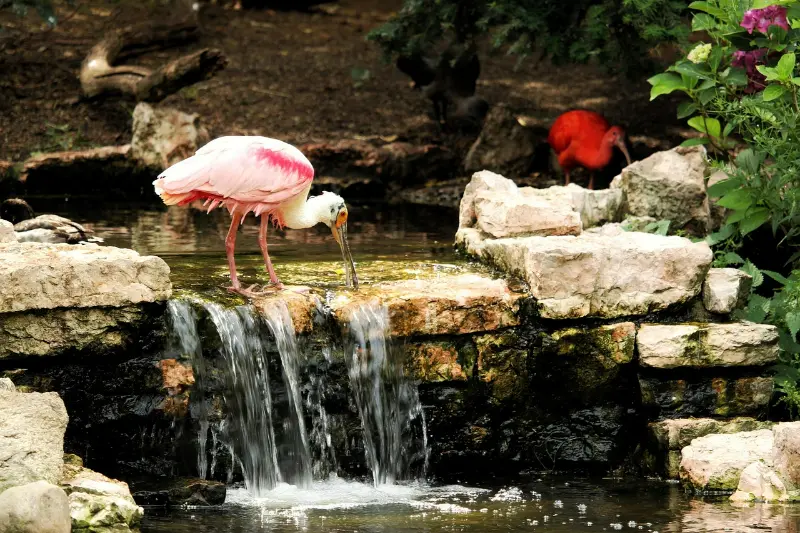
    Manatee viewing begins to become more reliable as colder weather pushes animals toward warm-water refuges, migratory bird activity becomes more noticeable, and outdoor wildlife trips are generally easier than during the hottest months.

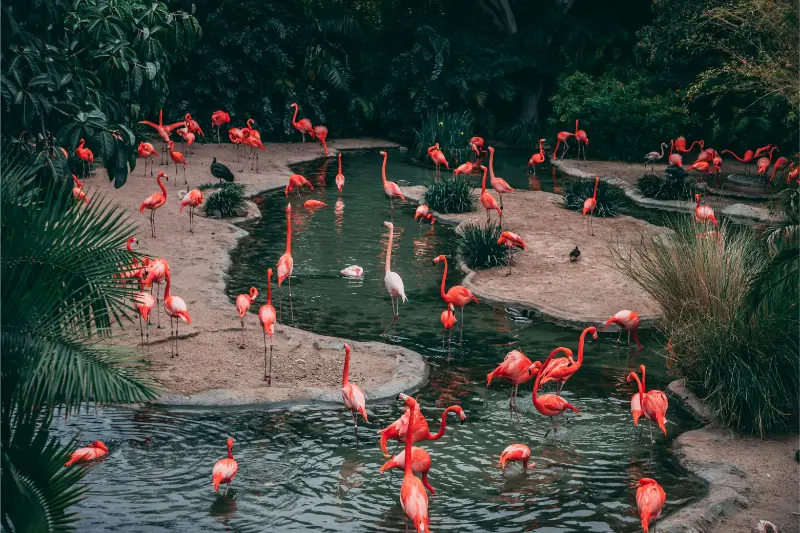
    Pink Flamingos at Florida Wildlife Pond

    The Florida wildlife guide is a useful companion for ethical viewing. Keep distance from animals, never feed wildlife, and follow local closures around nesting or sensitive habitat. Wildlife sightings are never guaranteed; treat them as a reason to choose the right habitat and season rather than as a scheduled attraction.

    Crowds, hotel prices and reservations

    The first half of the month can feel relatively calm in many places, while Thanksgiving week can create a sharp jump in hotel demand, theme-park attendance, airport traffic and rental-car prices.

    The most reliable way to control cost is to decide which nights must be in high-demand areas and which can be spent in a nearby secondary base. Flexible travelers can often save more by changing location or weekday than by chasing small coupon discounts. Compare cancellation terms as carefully as nightly rates, especially if your trip includes weather-sensitive activities.

    Events and seasonal atmosphere

    Food festivals, art events, holiday-light openings and Thanksgiving programming begin to appear around the state. Event dates change every year, so build the trip around destinations first and treat events as bonuses.

    For major holiday or festival evenings, confirm parking, road closures and ticket requirements on the organizer’s official site. Avoid building an entire trip around an event that has not yet published its final schedule. A good Florida itinerary should still work if one concert, parade or outdoor festival is moved or cancelled.

    Families, seniors and accessibility

    Families with babies and toddlers should protect nap time and avoid changing hotels every night. School-age children usually respond well to a mix of one headline attraction, one wildlife or beach experience and one low-pressure pool or playground block. Teenagers often enjoy giving them a choice between two activities rather than filling every hour.

    Senior and mobility-conscious travelers can use the Accessible Florida travel guide for broader planning. Ask hotels about room location, elevators, parking distance and bathroom configuration; ask attractions about rest areas, mobility-device rentals and companion policies. Accessibility varies by site, and a short phone call before travel can save substantial frustration.

    What to pack

    Pack light clothing for warm afternoons plus a light jacket or layer for mornings and evenings. Add sunscreen, refillable water bottle, compact rain protection, comfortable walking shoes and one warmer layer if you are visiting North Florida.

    A small day bag should hold water, medications you normally carry, sun protection, a phone battery pack and a layer that can be added or removed. For beach and boat days, add a dry bag or waterproof pouch. For wildlife mornings or evening events, insect repellent may still be useful even in cooler months.
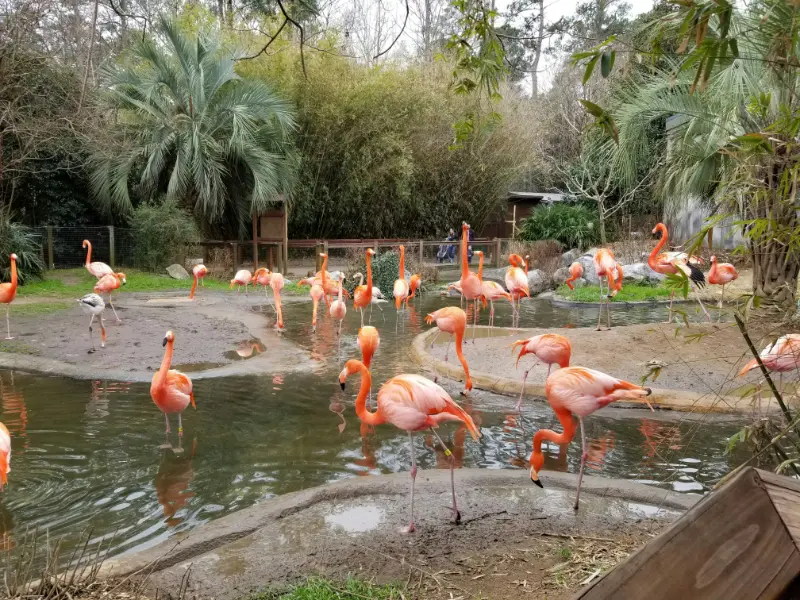
    Pink Flamingos Standing in Florida Wildlife Park

    A balanced 7-day Florida plan

    1. Day 1: arrive, settle in and keep the evening easy rather than starting with a long drive.
    2. Day 2: choose one major attraction or city highlight and finish early enough for a relaxed dinner.
    3. Day 3: plan a beach, spring, refuge or state-park day with a weather backup.
    4. Day 4: use a lower-intensity day for museums, neighborhoods, gardens or a scenic drive.
    5. Day 5: schedule the second major attraction, boat trip or wildlife experience.
    6. Day 6: take a day trip only if the driving time leaves enough daylight at the destination.
    7. Day 7: keep the final morning flexible and avoid a distant attraction before an afternoon flight.

    If you want to cover several regions in one trip, it is usually better to reduce the number of hotel changes than to add another destination. Florida rewards slower regional travel because driving, parking and check-in time can consume more of the day than expected.

    Seasonal weather note

    The Atlantic hurricane season officially runs through November 30. The climatological peak is earlier, but late-season systems remain possible, so flexible bookings and weather monitoring still matter.

    For current tropical climatology and official storm information, use the National Hurricane Center climatology page. Forecasts and warnings should always come from official sources close to your travel dates.

    Common mistakes to avoid

    • Planning the entire state from one weather forecast instead of checking each region.
    • Assuming every warm day is automatically a good swimming day without checking flags, wind and currents.
    • Ignoring school-holiday crowd spikes when comparing hotel prices.
    • Scheduling long driving days immediately after late attraction nights.
    • Packing only summer clothing and having no layer for a cold front or strong air-conditioning.

    Florida in November: FAQ

    Is November warm enough for the beach?

    Often yes in parts of the state, especially South Florida and the Keys, but comfort varies by front, wind, coast and personal tolerance. Check local conditions.

    Is November good for theme parks?

    Usually yes from a weather perspective. Crowd levels depend heavily on holidays, weekends and special events, so date choice still matters.

    Do I need a rental car?

    That depends on the itinerary. A single-city trip may work with trains, local transit and rideshare, while a multi-region itinerary is usually much easier with a car.

    How far in advance should I book?

    Book earlier for holiday weeks, beachfront rooms, popular campgrounds and special-ticket events. On quieter dates, flexible cancellation can be more valuable than booking the lowest non-refundable price.

  • Florida in December: Weather, Beaches, Crowds, Wildlife and Best Places to Visit

    Florida in December: Weather, Beaches, Crowds, Wildlife and Best Places to Visit

    December can be one of the most rewarding months to travel around Florida, but the best plan depends on region, trip style and exact dates. December combines holiday atmosphere, mild outdoor weather and some of Florida’s most comfortable sightseeing conditions, but it is also a month of very different crowd patterns depending on the week.

    Florida is long enough from north to south that a single weather forecast never tells the whole story. A traveler spending the week between Miami and the Keys can experience very different temperatures from someone exploring Tallahassee, Amelia Island or the Panhandle. The practical approach is to plan around regional weather, daylight, school calendars, wildlife seasons and the activities that matter most to you.

    The suggestions can be adapted for first-time and repeat visitors, including families with babies, school-age children and teenagers, couples, solo travelers, seniors and multigenerational groups. It focuses on decisions that remain useful even when exact forecasts or event schedules change.

    Florida in December: quick planning summary

    • Overall: December combines holiday atmosphere, mild outdoor weather and some of Florida’s most comfortable sightseeing conditions, but it is also a month of very different crowd patterns depending on the week.
    • Weather: North Florida may have genuinely chilly mornings, Central Florida often alternates between warm afternoons and cool fronts, and South Florida is usually milder and more consistently warm. Cold snaps can occur anywhere, so a layered wardrobe is more useful than packing only beach clothes.
    • Crowds: Early December can be surprisingly manageable in many destinations. The period from roughly the week before Christmas through New Year’s is one of the busiest holiday windows of the year for theme parks, major resorts, airports and popular beach areas.
    • Seasonal nature: December is an excellent month to build a trip around manatee viewing, birding, paddling and long nature walks. Cooler weather can make trails and wildlife refuges much more comfortable for children and older travelers.
    • Best strategy: reserve the fixed, high-demand parts of the trip first, then leave some daylight hours flexible for weather and energy levels.

    In this guide

    Is December a good time to visit Florida?

    For many travelers, yes. December combines holiday atmosphere, mild outdoor weather and some of Florida’s most comfortable sightseeing conditions, but it is also a month of very different crowd patterns depending on the week. The biggest advantage is that you can combine outdoor sightseeing with city, beach and attraction days without planning every hour around peak summer heat. The trade-off is that crowd levels can change quickly around school holidays and special events.

    If your main goal is theme parks, compare this month with the broader best time to visit Florida guide. If you prefer beaches, use the Florida beach vacation guide to choose a coast before you choose a hotel. Travelers building a statewide itinerary should also review the Florida road trip planning guide because Florida driving distances are easy to underestimate.

    Weather by region

    North Florida may have genuinely chilly mornings, Central Florida often alternates between warm afternoons and cool fronts, and South Florida is usually milder and more consistently warm. Cold snaps can occur anywhere, so a layered wardrobe is more useful than packing only beach clothes.

    North Florida and the Panhandle

    Expect the largest day-to-day temperature swings. A warm afternoon can be followed by a much cooler morning after a front. This is excellent weather for historic districts, trails, forts, museums and long walks, but beach swimming is more weather-dependent than in South Florida.

    Central Florida

    Orlando, the Space Coast, Tampa Bay and nearby inland areas often offer comfortable sightseeing conditions. Early starts are still useful, but they are more about avoiding queues and traffic than escaping dangerous heat. Keep one light layer in your day bag for late evenings.

    South Florida and the Keys

    Miami, Fort Lauderdale, the Palm Beaches and the Keys are usually the warmest part of the state. Beach days remain realistic, but wind, surf, cold fronts and local water conditions can change the experience. Always check local beach flags rather than assuming a sunny forecast means ideal swimming.

    Beaches and swimming

    December can work very well for a beach vacation, especially farther south, but the water experience depends on coast and weather pattern. Gulf beaches can feel calmer on some days, while Atlantic beaches may offer more wave action. A cold front can change both air and water comfort quickly. Families should prioritize beaches with restrooms, shade options, easy parking and shorter walks from the car.

    For practical comparisons, see best Florida beaches for families and the statewide beach-vacation planning guide. Travelers with mobility needs should verify boardwalk gradients, beach-mat availability and beach-wheelchair procedures before arrival rather than relying on a generic accessibility label.

    Theme parks and major attractions

    December is often comfortable for long theme-park days because lower humidity can make walking easier. Crowd patterns, however, matter more than average weather. Holiday periods can bring long waits and higher hotel prices, while quieter midweek dates may feel completely different. Use the Florida theme park planning guide to decide how many park days your group can realistically handle.

    For young children, a midday break can still be valuable even in mild weather. Teenagers may prefer one or two late nights rather than an early start every day. Senior travelers often benefit from alternating high-mileage attraction days with scenic drives, gardens, museums or waterfront time.

    Wildlife and nature

    December is an excellent month to build a trip around manatee viewing, birding, paddling and long nature walks. Cooler weather can make trails and wildlife refuges much more comfortable for children and older travelers.

    Pink Flamingos at Florida Wildlife Pond

    The Florida wildlife guide is a useful companion for ethical viewing. Keep distance from animals, never feed wildlife, and follow local closures around nesting or sensitive habitat. Wildlife sightings are never guaranteed; treat them as a reason to choose the right habitat and season rather than as a scheduled attraction.

    Crowds, hotel prices and reservations

    Early December can be surprisingly manageable in many destinations. The period from roughly the week before Christmas through New Year’s is one of the busiest holiday windows of the year for theme parks, major resorts, airports and popular beach areas.

    The most reliable way to control cost is to decide which nights must be in high-demand areas and which can be spent in a nearby secondary base. Flexible travelers can often save more by changing location or weekday than by chasing small coupon discounts. Compare cancellation terms as carefully as nightly rates, especially if your trip includes weather-sensitive activities.

    Events and seasonal atmosphere

    Holiday lights, boat parades, seasonal shows and decorated theme parks are major draws. Because dates, ticketing systems and capacity rules change, check official calendars before you commit to a specific evening.

    For major holiday or festival evenings, confirm parking, road closures and ticket requirements on the organizer’s official site. Avoid building an entire trip around an event that has not yet published its final schedule. A good Florida itinerary should still work if one concert, parade or outdoor festival is moved or cancelled.

    Families, seniors and accessibility

    Families with babies and toddlers should protect nap time and avoid changing hotels every night. School-age children usually respond well to a mix of one headline attraction, one wildlife or beach experience and one low-pressure pool or playground block. Teenagers often enjoy giving them a choice between two activities rather than filling every hour.

    Senior and mobility-conscious travelers can use the Accessible Florida travel guide for broader planning. Ask hotels about room location, elevators, parking distance and bathroom configuration; ask attractions about rest areas, mobility-device rentals and companion policies. Accessibility varies by site, and a short phone call before travel can save substantial frustration.

    What to pack

    Bring layers: shorts and T-shirts may still work by day in many regions, but evenings can require a sweater or jacket. Add sunscreen, walking shoes, a light rain layer and warmer clothing if your itinerary includes North Florida or pre-dawn wildlife outings.

    Pink Flamingos Standing in Florida Wildlife Park

    A small day bag should hold water, medications you normally carry, sun protection, a phone battery pack and a layer that can be added or removed. For beach and boat days, add a dry bag or waterproof pouch. For wildlife mornings or evening events, insect repellent may still be useful even in cooler months.

    A balanced 7-day Florida plan

    1. Day 1: arrive, settle in and keep the evening easy rather than starting with a long drive.
    2. Day 2: choose one major attraction or city highlight and finish early enough for a relaxed dinner.
    3. Day 3: plan a beach, spring, refuge or state-park day with a weather backup.
    4. Day 4: use a lower-intensity day for museums, neighborhoods, gardens or a scenic drive.
    5. Day 5: schedule the second major attraction, boat trip or wildlife experience.
    6. Day 6: take a day trip only if the driving time leaves enough daylight at the destination.
    7. Day 7: keep the final morning flexible and avoid a distant attraction before an afternoon flight.

    If you want to cover several regions in one trip, it is usually better to reduce the number of hotel changes than to add another destination. Florida rewards slower regional travel because driving, parking and check-in time can consume more of the day than expected.

    Seasonal weather note

    December is outside the official Atlantic hurricane season, which ends November 30, but travelers should still check forecasts because unusual weather is always possible. The bigger planning issue is usually holiday demand rather than tropical weather.

    For current tropical climatology and official storm information, use the National Hurricane Center climatology page. Forecasts and warnings should always come from official sources close to your travel dates.

    Common mistakes to avoid

    • Planning the entire state from one weather forecast instead of checking each region.
    • Assuming every warm day is automatically a good swimming day without checking flags, wind and currents.
    • Ignoring school-holiday crowd spikes when comparing hotel prices.
    • Scheduling long driving days immediately after late attraction nights.
    • Packing only summer clothing and having no layer for a cold front or strong air-conditioning.

    Florida in December: FAQ

    Is December warm enough for the beach?

    Often yes in parts of the state, especially South Florida and the Keys, but comfort varies by front, wind, coast and personal tolerance. Check local conditions.

    Is December good for theme parks?

    Usually yes from a weather perspective. Crowd levels depend heavily on holidays, weekends and special events, so date choice still matters.

    Do I need a rental car?

    That depends on the itinerary. A single-city trip may work with trains, local transit and rideshare, while a multi-region itinerary is usually much easier with a car.

    How far in advance should I book?

    Book earlier for holiday weeks, beachfront rooms, popular campgrounds and special-ticket events. On quieter dates, flexible cancellation can be more valuable than booking the lowest non-refundable price.

  • Florida in May: Weather, Beaches, Sea Turtles, Crowds and Best Places to Visit

    Florida in May: Weather, Beaches, Sea Turtles, Crowds and Best Places to Visit

    May can be an excellent time to visit Florida, but the right itinerary depends on where you are going. Florida stretches far enough north and south that a winter morning in the Panhandle can feel completely different from the same afternoon in Miami, while summer storms may affect Central Florida differently from the Keys. The most useful way to plan May is to match the month’s weather pattern, crowd level and seasonal wildlife to the type of trip you want.

    For most first-time visitors, May is a useful shoulder-season month when beach conditions feel summery but many schools are still in session for much of the month. That does not mean every day behaves the same way. A flexible schedule, realistic driving times and one indoor backup plan can make the difference between a relaxed vacation and a trip that feels like a fight against weather or crowds.

    Travelers include many age groups: babies and toddlers, school-age children, teenagers, couples, adults, senior travelers and multigenerational families. It focuses on practical decisions rather than trying to promise perfect weather. Always confirm current conditions, attraction hours, beach flags and event calendars shortly before each day.

    Florida in May: quick planning summary

    • Overall: a useful shoulder-season month when beach conditions feel summery but many schools are still in session for much of the month.
    • Weather strategy: plan by region, not by one statewide forecast.
    • Beach strategy: check wind, surf, rip currents and water conditions locally.
    • Wildlife: active sea turtle nesting and the transition toward summer is one of the month’s most useful seasonal themes.
    • Best rule: schedule one major outdoor priority early in the day and keep at least one flexible alternative.

    In this guide

    Is May a good time to visit Florida?

    Yes, for the right traveler. The mistake is asking whether May is “good” without defining the trip. A family focused on Walt Disney World, a couple planning Key West, a senior traveler interested in gardens and museums, and a beach-focused group staying in Destin need different weather and crowd conditions.

    Start by choosing the experience that matters most. If beaches are the priority, compare coasts and water conditions. If theme parks matter most, look at school calendars, operating hours and heat. If wildlife is the focus, seasonal behavior can be more important than air temperature. Then use the month as a planning filter rather than as a guarantee.

    I would also avoid changing hotels every night. Florida looks compact on a map but driving, toll roads, bridges, parking and urban traffic can consume more of the day than expected. In May, a two- or three-base itinerary is usually more enjoyable than trying to sample the whole state.

    Florida weather in May: North, Central and South

    North Florida and the Panhandle

    North Florida is warm in May and beach season feels established. Humidity rises, but mornings can still be very pleasant for trails, historic districts and outdoor attractions.

    Central Florida

    Central Florida becomes distinctly hotter. Theme parks are still manageable with early starts, indoor breaks and pool time, while afternoon storms become more relevant as the month progresses.

    South Florida and the Keys

    South Florida enters a warmer, wetter pattern. Beach and boating days are still excellent, but plans should allow for fast-changing afternoon weather.

    Forecasts should be checked locally a few days before travel and again each morning. A statewide weather app view can hide important differences between Orlando, Tampa, Miami, Key West, Jacksonville and Pensacola. Coastal wind, thunderstorms, cold fronts and marine conditions can alter the day even when the general forecast looks simple.

    Florida Keys Key West Coastal Neighborhood and Sea Aerial

    Beaches and swimming in May

    May is a strong beach month statewide. Gulf water is inviting, Atlantic surf can be energetic, and the Panhandle begins to feel fully summer-ready. Memorial Day weekend can be much busier than surrounding weeks.

    Choose the coast for the experience, not just the air temperature. Gulf destinations are often chosen for calmer-looking water and sunset orientation, while the Atlantic can offer more waves and surf culture. The Keys are a separate experience again, with reefs, shallow-water activities and island driving rather than endless broad sand on every shoreline.

    Beach safety stays important all year. Check local warning flags, rip-current information and lightning conditions. Do not assume a sunny sky means the ocean is safe, and do not let children play near the water unsupervised simply because the surf looks gentle.

    Theme parks and major attractions

    Florida’s major theme parks operate year-round, but May changes how you should structure the day. Crowd calendars are useful only as a broad reference because holidays, conventions, special events, new attractions and weather can reshape attendance.

    Family tipFor families, arrive with two priorities rather than a list of fifteen “must-do” attractions. Use indoor shows, meals and hotel breaks strategically. Senior visitors and anyone with limited stamina should build in seated rest before fatigue becomes a problem. Accessibility services differ by park and attraction, so review the official accessibility information before buying tickets.

    If your vacation combines parks with beaches, I generally prefer grouping the intense park days together and then moving to a coastal base. That gives everyone a psychological reset and makes the second half of the trip feel different instead of simply “more Florida.”

    Wildlife and nature in May

    Sea turtle nesting is active on many Florida beaches by May. Visitors should keep beaches dark and clear at night, never disturb marked nests and follow local conservation rules. Birding and paddling remain rewarding, though heat increasingly favors early starts.

    Florida wildlife should be viewed as wildlife, not as entertainment that needs to move closer for a photo. Keep distance from alligators, manatees, nesting birds, dolphins, sea turtles and other animals. Never feed wildlife, and follow posted closure areas on beaches and trails.

    For nature-focused travelers, mornings are usually the best investment. Light is softer for photography, animals may be more active, parking is easier and heat is lower. A two-hour early wildlife outing can be more satisfying than an all-day attempt to force sightings.

    Crowds, prices and booking patterns

    Early and mid-May can offer good value between spring-break season and the main summer school-holiday rush. Memorial Day weekend is the major exception, especially at beaches, campgrounds and theme parks.

    Florida pricing is hyper-local. A week that feels inexpensive in Orlando can be costly in Naples, Key West or a Panhandle beach town. Compare the final nightly rate including resort fees, parking and taxes, and include rental-car or rideshare costs in the same comparison.

    If your dates overlap a holiday, school break, major sporting event or local festival, reserve the hardest-to-replace element first. That is often lodging, but it could be a campground, special tour or attraction ticket. Keep the rest of the itinerary flexible.

    Best places to visit in Florida in May

    Panhandle beaches

    Warm water before peak summer crowds. Use this as a base only if it matches the style of trip you actually want; Florida is too large for a “best place” to be universal.

    Orlando

    Theme parks plus resort-pool time. Use this as a base only if it matches the style of trip you actually want; Florida is too large for a “best place” to be universal.

    Sanibel and Southwest Florida

    Beaches, wildlife and shelling. Use this as a base only if it matches the style of trip you actually want; Florida is too large for a “best place” to be universal.

    Space Coast

    Beaches, launches and wildlife. Use this as a base only if it matches the style of trip you actually want; Florida is too large for a “best place” to be universal.

    Florida Keys

    Water activities before peak summer humidity. Use this as a base only if it matches the style of trip you actually want; Florida is too large for a “best place” to be universal.

    These are not the only good choices. A strong Florida trip is more about matching the destination to your priorities than collecting famous names. A quieter town with easy parking and a good beach may outperform a headline destination for a multigenerational family, while a couple may prefer walkability and restaurants over a large resort.

    Families, teenagers, seniors and accessibility

    Families traveling before school lets out may find a calmer rhythm, while those visiting on Memorial Day should book early. Babies and toddlers need aggressive shade planning as temperatures rise. Seniors may prefer morning sightseeing and late-afternoon waterfront time.

    Babies and toddlers

    Build the day around sleep, shade and short transfers. A hotel near the main activity can be worth more than a cheaper room that forces two extra car journeys. Bring familiar snacks and keep one low-effort afternoon available.

    School-age children and teenagers

    Alternate passive and active experiences. A museum followed by a pool, a nature walk followed by a beach, or a historic district followed by an activity the teenager chooses usually works better than stacking similar attractions.

    Senior travelers

    Prioritize easy parking, elevators, shade, seating and convenient meals. Heat tolerance and walking capacity differ widely, so make it normal for part of the group to take a shorter route without feeling that they are “missing” the trip.

    Accessibility

    Accessibility varies by beach access, hotel, historic property, park and private attraction. Verify ramps, beach mats, wheelchairs, accessible parking, companion restrooms, sensory resources and elevator access directly with the specific venue.

    Storm and hurricane planning in May

    May is before the official Atlantic hurricane season begins on June 1, but tropical development can occasionally occur outside formal season dates. Flexible bookings remain sensible for any coastal trip.

    When tropical weather is relevant, use the National Hurricane Center and local emergency-management sources rather than social-media speculation. If officials issue evacuation guidance, treat it as a safety instruction, not as a travel inconvenience to work around.

    Even outside hurricane season, normal Florida weather can disrupt plans. The best itinerary includes an indoor museum, aquarium, shopping district or flexible meal that can absorb a rainy or windy half-day.

    What to pack for Florida in May

    Pack for summer: lightweight clothing, multiple swimwear options, sun protection, hydration gear and quick-drying footwear. Add a compact rain layer and a dry bag or waterproof pouch for electronics.

    • Comfortable walking shoes that are already broken in.
    • Sun protection: hat, sunglasses and sunscreen.
    • Refillable water bottle.
    • Swimwear and a lightweight cover-up.
    • A compact day bag that can handle changing weather.
    • Any prescription medication in carry-on luggage.
    • A charger or power bank for long park and road-trip days.

    Do not overpack “just in case” clothing. Most Florida destinations have easy access to pharmacies, grocery stores and laundry facilities. Prioritize items that affect comfort immediately: footwear, sun protection, medication and weather layers.

    A realistic 7-day Florida itinerary for May

    Days 1–2: Orlando or another Central Florida base

    Use one full day for a major attraction and one lighter day for a spring, garden, smaller park or resort break. This creates room to adjust if the first day is tiring.

    Day 3: Transfer with one meaningful stop

    Move toward the coast but avoid turning transfer day into a six-attraction checklist. Choose one town, nature area or museum on the route, have lunch, then arrive at the next hotel before evening.

    Days 4–5: Coastal stay

    Use one day for the beach and one for a contrasting activity such as wildlife, a boat tour, historic district or museum. Keep weather-dependent reservations on separate days when possible.

    Day 6: Flexible regional day trip

    Choose a nearby destination only if the group still has energy. Otherwise, stay local and enjoy the hotel, beach or town you already paid to visit.

    Day 7: Easy final morning

    Keep the last morning simple. Airport days become stressful when travelers add a distant attraction, underestimate traffic or need to refuel a rental car at the last minute.

    For a longer trip, use the same rhythm: alternate high-intensity days with lighter ones. That principle matters more than adding another destination name to the itinerary.

    Budget and booking strategy

    Separate the trip into lodging, transport, food and attractions. Then identify which category matters most to your group. A family may save by renting a suite with a kitchen, while a couple may prefer a central hotel that reduces driving and parking.

    Do not judge value only by the hotel’s nightly rate. Resort fees, parking, tolls, breakfast, beach equipment and commute time can change the real cost. For rental cars, compare airport and neighborhood locations and review toll arrangements before pickup.

    Weather-sensitive travelers should pay extra attention to cancellation terms. A slightly higher refundable rate can be a better value than a cheaper nonrefundable booking, particularly during months when tropical weather or holiday demand can create uncertainty.

    Events and seasonal experiences

    May mixes spring festivals, holiday-weekend events, outdoor concerts and the beginning of summer programming. Memorial Day changes both prices and traffic, so treat it as a separate high-demand period.

    Because event dates and operating calendars change, I would never build a future trip around an event mentioned in an old article without checking the organizer’s current site. Use event listings as inspiration, then confirm the exact year, date, ticket rules and parking plan.

    Common mistakes to avoid in May

    • Using one forecast for the whole state: Florida has major regional differences.
    • Planning every hour outdoors: weather, fatigue and heat can change the day.
    • Ignoring school calendars and holidays: they can transform crowds and prices.
    • Assuming warm air means safe swimming: check marine conditions locally.
    • Booking too many hotels: transfers consume more vacation time than expected.
    • Skipping accessibility research: individual beaches and historic sites vary.
    • Relying on old event dates: always confirm the current year.

    Official resources to check before your trip

    Frequently asked questions about Florida in May

    Is May a good month for a Florida vacation?

    Yes, if its weather and crowd pattern matches your priorities. A useful shoulder-season month when beach conditions feel summery but many schools are still in session for much of the month.

    Can you swim in Florida in May?

    Often yes, but comfort and safety vary by coast and region. South Florida is generally warmer in winter, while summer water is warm statewide. Always check local conditions.

    Is Florida crowded in May?

    Early and mid-May can offer good value between spring-break season and the main summer school-holiday rush. Memorial Day weekend is the major exception, especially at beaches, campgrounds and theme parks.

    What is the biggest planning issue in May?

    The biggest issue is matching the trip to the month instead of expecting every Florida destination to behave the same way. In May, pay particular attention to active sea turtle nesting and the transition toward summer.

    How many days should a first Florida trip be?

    Seven to ten days is a useful starting point for two or three bases. A shorter trip should focus on one region, while a two-week trip can connect multiple coasts without rushing.

    Final advice

    Florida in May works best when you choose a region first and activities second. Keep one day flexible, verify time-sensitive information close to travel, and design the itinerary for the slowest member of the group rather than the fastest. The goal is not to “finish” Florida; it is to enjoy the part of the state that fits this trip.