

Kayaking is one of the best ways to understand Florida’s natural landscape because many places make more sense from the water than from a road. Clear spring runs, cypress-lined rivers, mangrove tunnels and protected bays can all work for visitors, but they are not interchangeable. A calm-looking photograph does not reveal current, tide, boat traffic or wind. For a first paddle, I would choose a short route with an established outfitter, check same-day conditions and leave a generous safety margin.
Quick planning summary
- Florida paddling ranges from clear spring runs to mangrove tunnels, rivers, bays and coastal water.
- Beginners should choose protected water, short routes and a reputable outfitter rather than chasing the most dramatic scenery.
- Wind, current, tide, water level and thunderstorms can transform an easy route into a difficult one.
- A properly fitted personal flotation device is basic equipment, not an optional extra.
- Wildlife should be observed from respectful distance without feeding, chasing or blocking animals.
Spring runs are the easiest place to fall in love with paddling
Clear-water rivers connected to springs are popular because the scenery is distinctive and wildlife can be visible below the surface. Ichetucknee, Rainbow and Wekiva-area waterways are well known, but access systems and reservations can change. Spring water is cool year-round, and popular launches can reach capacity. Beginners should ask whether the trip is out-and-back, downstream with shuttle service or a loop, because that changes effort and timing more than the advertised mileage suggests.
Mangrove paddling is a different skill set
South Florida and the Keys offer mangrove creeks and tunnels where the water can be protected but navigation becomes more important. A guided trip can be valuable for first-time visitors because local operators understand tides, narrow passages and wildlife etiquette. Do not assume a short mangrove route is automatically easy; turning a long kayak in a tight tunnel, dealing with insects and reading a tide all require attention. Keep phones secured and use a dry bag for anything that cannot get wet.
Rivers and blackwater routes reward slower travelers
North and Central Florida have rivers with dark, tannin-stained water, white-sand banks, cypress trees and long undeveloped sections. They can feel more remote than a spring park even when the launch is close to a highway. Check water levels and current, carry more water than expected and know the take-out location before launching. Families should choose shorter segments with reliable shuttle logistics. A beautiful river day becomes stressful quickly if the group misses the intended exit point.
Coastal kayaking requires more respect for wind and tide
Bays, lagoons and coastal parks can offer dolphins, birds, seagrass and wide views, but open water is more exposed to wind. An easy outward paddle can become a difficult return if the wind changes. Tides can create current in passes and narrow channels. Beginners should stay in protected water and use local guidance. Coastal conditions also change after storms, so an itinerary written months earlier cannot replace a same-day decision at the launch.
Best approach for complete beginners
Book a two- or three-hour guided or outfitter-supported trip in calm water. Tell the operator honestly about swimming ability, fitness, age range and previous paddling. A sit-on-top kayak may feel intuitive for many vacationers, while canoes can work well for families with gear when conditions are calm. Learn how to hold the paddle, turn, stop and get back to shore before focusing on photos. The goal of the first trip is confidence and scenery, not distance.
Wildlife encounters should stay passive
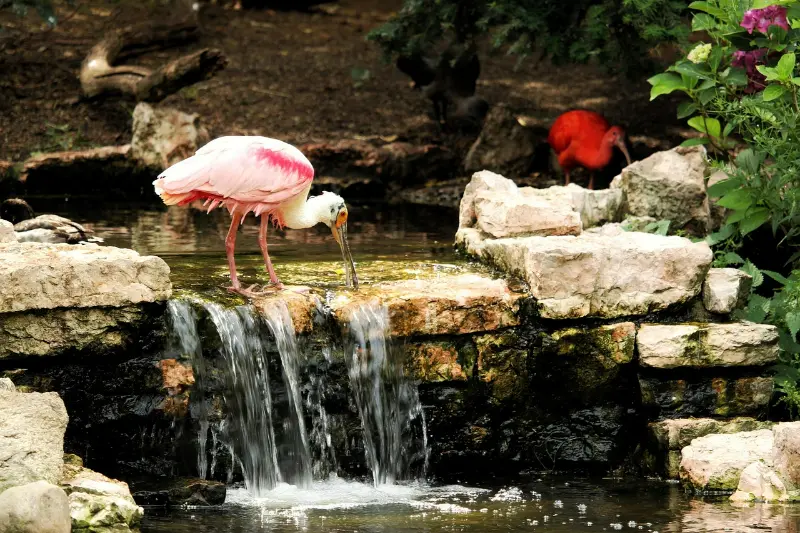
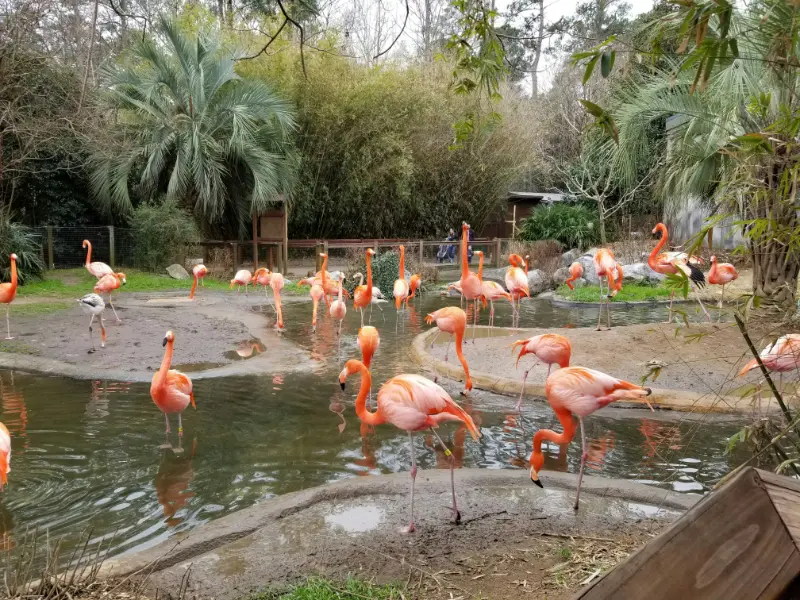
Manatees, dolphins, turtles, alligators and birds may be present depending on location. Do not paddle directly at an animal, surround it, feed it or block its route. Give alligators and nesting birds space and follow protected-area rules for manatees. Quiet observation usually produces a better experience anyway. Bring binoculars or a zoom lens instead of closing distance. If an animal changes direction because of the kayak, consider that a sign to create more space.
What to wear and bring
Use sun protection even on cloudy days because reflection from the water increases exposure. Quick-drying clothing, secure sandals or water shoes, a hat with retention and a refillable bottle are practical. Keep keys and medication in a dry bag attached to the boat. In cooler months or spring-fed water, think about immersion temperature rather than air temperature alone. Do not overload the kayak with beach gear; a compact setup is safer and easier to manage at launches.
Thunderstorms and heat should control the schedule
Summer paddling is often best early. Afternoon storms can build quickly, and open water is not a place to wait out lightning. Check the forecast before launching, watch the sky and follow outfitter instructions if conditions change. Heat is another risk because paddlers may not notice dehydration while sitting on water. Shorter morning routes are often better for children and older travelers than a longer midday excursion chosen only because it fits a reservation slot.
How paddling fits a Florida itinerary
Treat kayaking as the main activity for half a day rather than squeezing it between distant attractions. A spring paddle pairs naturally with a nearby small town or state park; a Keys mangrove trip can be combined with a relaxed lunch and sunset; a coastal paddle works well before an afternoon beach break. Leaving open time protects the trip if wind or storms delay the launch. One excellent paddle is more memorable than three rushed water activities in consecutive days.
Planning for families, seniors and accessibility
Children should use properly fitted life jackets and stay on routes matched to their age and swimming confidence. Senior travelers may prefer tandem boats or guided trips with stable launches. For accessibility, ask the outfitter specifically about dock height, adaptive paddling equipment, transfer assistance, accessible restrooms and whether a shoreline launch requires walking through sand or mud.
Build the day around the traveler with the lowest tolerance for heat, long walks, rough water or late nights. That does not mean the entire group must do the same thing. Split time can make a multigenerational Florida vacation much easier: one person can take a longer activity while another returns to the hotel, pool or a shaded attraction. The best itinerary is the one everyone can recover from, not the one that looks fullest on paper.
Budget, booking and timing
Rental pricing can look simple but may exclude shuttle service, park admission, dry bags or guided interpretation. Compare the complete package and cancellation policy. A guided trip costs more but may be better value for a one-time visitor in mangroves or unfamiliar tidal water. If weather is uncertain, avoid a rigid nonrefundable booking unless the operator has a clear safety cancellation process.
Florida prices can change sharply by school calendar, major event, holiday weekend and weather-sensitive season. Compare the total cost instead of the headline price, and keep the cancellation policy with the booking confirmation. When one experience is the main reason for the trip, reserve that item first and build flexible activities around it. A free afternoon is not wasted time; it is protection against traffic, weather, fatigue and the inevitable delay that appears on a real vacation.
Common mistakes to avoid
- Choosing a route by photos without checking current, tide or wind.
- Launching too late when thunderstorms are likely.
- Treating a PFD as optional.
- Following wildlife too closely for photographs.
- Underestimating shuttle and take-out logistics.
- Carrying phones and car keys without securing them.
Useful Wonderful Florida guides to combine with this article
Best natural springs in Florida, Best Florida state parks, Florida wildlife guide, Key Largo and Islamorada guide, Florida in summer.
Official resources to check before travel
Opening hours, reservation systems, prices, road conditions, access rules, wildlife protections and weather-related operations can change. If a specific feature is essential to the trip, confirm it with the operator or public agency shortly before travel rather than relying on an old screenshot or saved social post.
How to build a realistic day
Start with one anchor activity and place the most weather-sensitive part of the day where conditions are usually best. Leave at least one meal unscheduled when driving between regions, because traffic around beaches, bridges, theme parks and major cities can change quickly. Keep water, sun protection and a light layer in the car, and save the next address offline before leaving reliable mobile coverage. For families, a midday reset can preserve the evening; for older travelers, shorter activity blocks often produce a better trip than one long excursion. If something closes or weather changes, switch to the backup rather than spending an hour trying to rescue the original plan.
When comparing two options, choose the one with simpler logistics unless the harder option is genuinely the reason for the trip. Florida vacations often become expensive because visitors pay to solve preventable transportation and timing problems. A well-located hotel, an early reservation or one fewer destination can be more valuable than adding another ticketed attraction. Keep confirmation numbers together, photograph important parking or meeting-point instructions and verify the next morning’s first activity before going to bed. These small habits reduce friction without turning the vacation into a rigid schedule.
Final planning advice
The strongest Florida trips leave room for conditions and energy levels to change. Choose a clear priority for each day, keep one realistic alternative and avoid making every meal, transfer and attraction dependent on perfect timing. That approach works for first-time visitors, families, solo travelers and older travelers alike, and it makes it much easier to enjoy the part of Florida you actually came to see.