Category: Florida National Parks

  • One Week in South Miami-Dade: Everglades, Biscayne National Park and Tropical Farms

    One Week in South Miami-Dade: Everglades, Biscayne National Park and Tropical Farms

    South Miami-Dade is an excellent choice for travelers who want nature and local history without spending a week in the busiest parts of Miami Beach. Here the landscape shifts between tropical fruit-growing country, the wide wetlands of Everglades National Park, coastal mangroves and the waters of Biscayne Bay. Homestead and Florida City make practical bases, but neither is a conventional beach resort. A thoughtful seven-day itinerary helps visitors understand why two national parks so close on the map are entirely different experiences. It also leaves room for family-friendly gardens, history and a quiet meal rather than demanding an airboat excursion every morning. This trip is especially appealing for wildlife watchers, curious children and adults who value natural places more than nightlife.

    A base near Homestead or Florida City

    A hotel in Homestead or Florida City can reduce early-morning driving to the main southern entrance of the Everglades and to visitor services associated with Biscayne National Park. Accommodation is often designed around road travelers, so examine the actual room, pool, breakfast and noise conditions rather than expecting a walkable resort district. Some tropical farms and Redland attractions are spread across rural roads with few pedestrian routes. A car is strongly recommended for this itinerary unless you arrange guided transport and deliberately limit your destinations. Visitors planning a couple of nights in Miami Beach afterward may prefer splitting the wider vacation, but keep the South Dade portion in one base. Families should look for a refrigerator and convenient dining. Travelers with limited mobility may prioritize a ground-floor room or reliable elevator and short vehicle access to attractions. Do not book a property purely because it is labeled ‘near the Everglades’ without checking which park entrance it actually serves.

    Miami Retro Dade Neon Sign

    Day 1: Homestead, Redland and the geography of the area

    Begin with an easy day close to your accommodation. Explore Homestead’s central area and selected Redland farm-country stops that are open to visitors. Rural Miami-Dade is known for tropical agriculture, but farms are working properties, not universal public attractions. Check opening seasons and farmstand hours before driving, and do not enter private fields. A taste of locally grown tropical fruit, when in season, can be more meaningful than a long checklist of roadside photographs. Families can make the day educational by learning what grows in this subtropical climate; older visitors may appreciate a shaded lunch and a calm scenic route. Confirm that an attraction accepts visitors without a tour reservation. Afternoon storms or extreme heat are good reasons to shorten the drive. This first day provides context for why the area is more than a highway staging point for the national parks and lets everyone settle into the week’s rhythm.

    Day 2: The Everglades main entrance and Anhinga Trail

    Use the Homestead entrance to Everglades National Park for a day focused on the park’s southern ecosystems. Start at the Ernest F. Coe Visitor Center area when services are operating and ask about current trail access and ranger programs. The Anhinga Trail near Royal Palm is popular for viewing birds and freshwater wildlife from a designated walkway, but sightings are seasonal and never guaranteed. Keep a safe distance from alligators and never feed animals, even if they seem accustomed to people. Families should bring water, hats and insect repellent; younger children may enjoy a short loop far more than hours of exposed walking. Travelers with limited mobility should check the status of accessible surfaces and boardwalk repairs before arriving. This day should not include Shark Valley as an extra afternoon stop: it is a separate park entrance reached by road from another direction, not connected by an internal drive-through route. Allow time to appreciate the wide landscape without rushing to Flamingo immediately.

    Day 3: The road to Flamingo and coastal wetlands

    Return to Everglades National Park for a second, quite different day, following the main park road toward Flamingo if conditions and access permit. Stop at a small number of designated viewpoints or short trails; there is no need to walk each route simply because the map lists it. Pine rockland, freshwater marsh and coastal environments change along the way, making the drive itself part of the experience. At Flamingo, check the visitor facilities and guided boat or canoe trips available on your date. Crocodiles and manatees may be seen in the area, but keep a respectful distance and follow staff guidance. Boat activities are weather-dependent, and some routes may require mobility or balance that not every visitor has. Pack snacks and adequate fuel because services are limited inside the park. For a family with toddlers or anyone sensitive to heat, stop early and enjoy the scenic drive rather than insisting on reaching every last viewpoint. Return with ample daylight for the journey back.

    Day 4: Biscayne National Park from the mainland

    Biscayne National Park is predominantly water. The Dante Fascell Visitor Center at Convoy Point is an important starting place, but looking over the bay from the mainland is not the same as accessing the coral reefs or offshore islands. Choose a guided boat experience if it suits your group and availability; the park’s authorized programs include island visits, paddling and marine excursions. Reserve in advance when recommended and check weather, boarding, cancellation rules and the physical demands of each trip. A family with young children or a non-swimmer may prefer a sightseeing cruise over a snorkeling excursion. Visitors who stay on land can learn about the park at the visitor center and enjoy the shoreline scenery without pretending they have covered the entire national park. Water conditions may prevent a planned trip even on an otherwise sunny day. Keep the afternoon flexible for a meal or rest in Homestead, rather than booking another distant attraction after the boat returns.
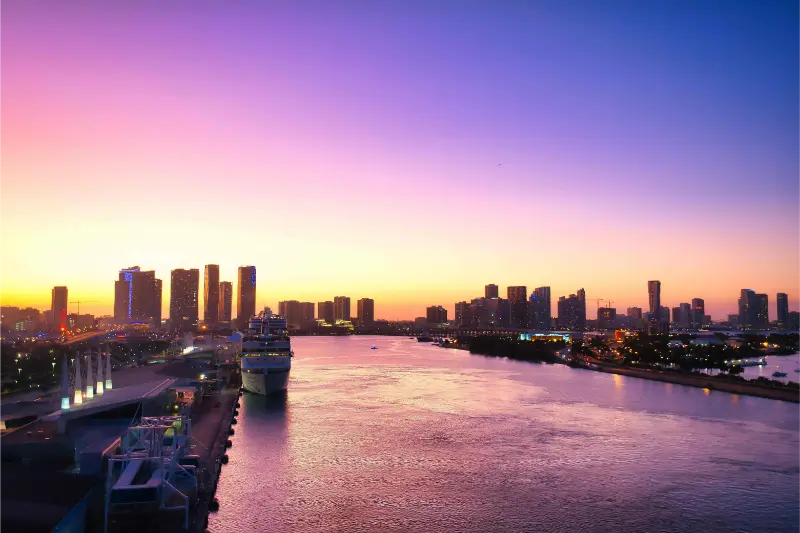
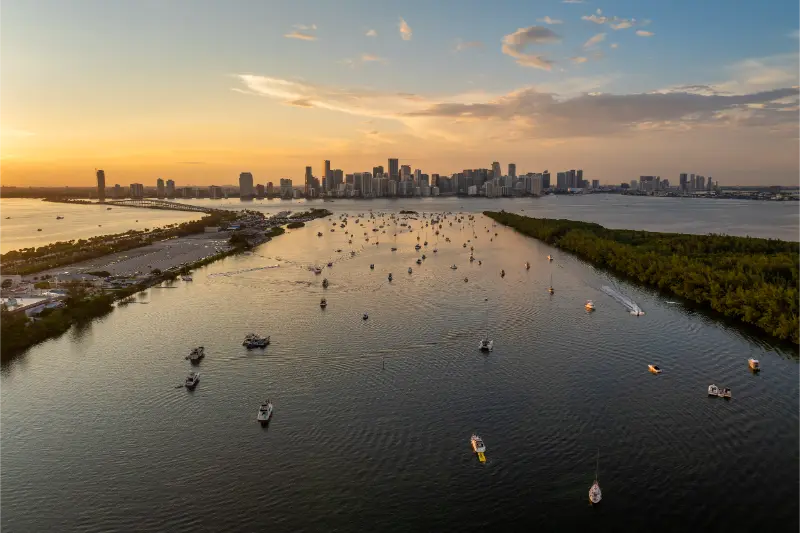
    Miami Skyline and Biscayne Bay at Sunset

    Day 5: Fruit & Spice Park and Tropical Redland

    Spend the fifth day exploring the agricultural identity of South Dade. Fruit & Spice Park has tropical plant collections and a landscape that helps explain the area’s growing conditions. Confirm visiting hours, tour arrangements and current entry rules before departure; garden experiences vary seasonally. Stop at one or two permitted farmstands or small businesses if they are open, and pay attention to what is actually in season. Do not assume every tropical fruit is available every month. Parents can involve children in comparing unfamiliar produce, while adults interested in gardening may spend longer learning about different trees. Avoid tasting unknown fruit picked directly from a plant; follow staff guidance and food safety advice. Summer heat and insects can make exposed walks tiring, so begin early and plan a shaded lunch. This day offers a valuable contrast to large national parks: it is about how local communities cultivate and live within the same subtropical environment.

    Day 6: Deering Estate or a slower coastal heritage day

    Head north toward the Deering Estate area for a cultural and natural stop that adds human history to the week’s landscape. The historic estate is associated with coastal habitats, architecture and South Florida heritage. Check current admissions, tours and access arrangements, because historic structures and outdoor trails can have different mobility requirements. A museum-focused visit can suit a family that needs respite from long drives, although some nature walks will still be hot and exposed. Visitors interested in birdwatching may prefer a designated public trail nearby when available. Choose a lunch stop on the return toward Homestead and avoid adding the crowded center of Miami to the same afternoon. For adults who have spent several days outdoors, this can be the week’s gentlest cultural interlude. If the property is closed for a private event or maintenance, substitute another public historic site or a calm Redland day rather than making an unsupported detour through private neighborhoods.

    Day 7: One last nature experience—or simply rest

    A final day in South Dade should remain flexible. Families may want to revisit a favorite trail at a cooler hour, while nature enthusiasts might book a specialized ranger program or a short wildlife outing if one is available and appropriate. If your trip includes a flight from Miami International Airport or Fort Lauderdale, do not plan a lengthy park excursion with uncertain return time. Spend the morning packing, enjoying breakfast and checking the current road or weather situation. A late flight may allow a stop at a nearby garden or museum, but the simplest ending is often best. Travelers who found the Everglades demanding can stay near the hotel pool. People who chose Biscayne for its water views can revisit Convoy Point without needing a second boat ticket. Leave the area with a clearer understanding of why its reefs, wetlands and farms require different methods of exploration and protection.

    The two national parks are not interchangeable

    This is the most important practical distinction in the itinerary. Everglades National Park’s southern road entrance gives access to freshwater and coastal habitats by road and trail, with separate opportunities for tours. Biscayne National Park is primarily marine, and much of its notable landscape lies offshore. A visitor cannot drive through Biscayne’s reefs or use an Everglades admission ticket as a boat reservation. Even within the Everglades, the Homestead entrance, Shark Valley and Gulf Coast visitor areas are reached separately from surrounding highways rather than through a connecting internal road system. Study official maps before choosing your daily route. Booking a nature tour outside the national park is not automatically the same as entering or learning about the protected park itself. When traveling with children, explain what they are seeing and why some areas are restricted. The distinction helps prevent wasted driving and improves conservation awareness.

    Vehicle planning, tours and food stops

    A rental car offers the greatest practical flexibility around Homestead and the Redland. Rural roads may have slow traffic, agricultural vehicles and few safe pedestrian routes. Use official visitor center addresses, not just a generic national park label in navigation. Fill the tank before the longer Everglades day and carry water and food; concessions and phone reception can be limited. If you do not drive, inquire about organized tours, but verify whether they visit official national park sites or only attractions marketed under the ‘Everglades’ name. A tour’s meeting point and included admission deserve attention. A flexible, simple meal routine helps families after hot park days. Supermarkets and casual restaurants near the lodging may be more convenient than searching for a waterfront dinner every night. If using rideshare, confirm pickup availability outside urban areas instead of assuming a vehicle will arrive on demand.

    Budget and reservations for a nature-first vacation

    Admission and tour costs vary by activity. Everglades National Park entrance fees, separate boat tours in Biscayne, garden admission and any guided excursion should appear as distinct lines in your budget. Do not assume the most expensive option offers the most suitable experience: a short boardwalk walk may be the week’s highlight for a young child. Book marine tours ahead when required, but review cancellation policies for wind, lightning and tropical-weather interruptions. A hotel with breakfast or a kitchenette can reduce food spending, especially when leaving early. Account for fuel, park parking where applicable, sun protection and accessible transport needs. Compare the total cost of staying in Homestead with a Miami Beach hotel plus long daily drives; cheaper rooms do not compensate for unreasonable travel. Families may benefit from one carefully chosen paid excursion and several self-guided days. Keep some money available for schedule changes rather than filling every day with nonrefundable tickets.

    Wildlife, heat and accessibility for all ages

    The Everglades and Biscayne Bay are remarkable environments but not controlled amusement parks. Alligators, crocodiles, venomous wildlife, mosquitoes, heat and water conditions require respect. Never approach or feed animals, and keep children close on trails and waterfronts. Check park notices on current boardwalk access, restrooms and trail conditions if anyone uses a wheelchair or walker. Boat access can be much more demanding than the mainland visitor center; ask specifically about gangways, steps, seating and restroom facilities. Infants and toddlers should have realistic nap and sun-protection routines. Older visitors may prefer short, early outings and air-conditioned breaks. For non-swimmers, a boat tour may still be possible if the operator’s conditions and vessel suit them, but no one should be pressured into entering open water. Make the trip inclusive by treating each excursion as an option with an equally worthwhile alternative rather than a compulsory achievement.

    Seasons, storms and the importance of checking conditions

    Winter and early spring can be more comfortable for walking and sometimes offer favorable wildlife-viewing conditions, while summer can be extremely hot, humid and buggy. Tropical storms and hurricanes are possible during the June–November season, and both parks may close or restrict access in unsafe weather. Boat operations in Biscayne are particularly sensitive to wind and lightning. Verify National Park Service notices, local marine forecasts and authorized operator schedules close to your visit. Agricultural attractions have their own seasonal calendars, so a winter fruit selection will differ from one in summer. If heavy rain appears, swap the outdoor day for a suitable indoor historical attraction or a rest day rather than driving on flooded roads. Seven days make this possible without losing the trip’s purpose. The reward is not seeing every species or reaching every island; it is learning how different parts of South Florida fit together.

    Frequently asked questions

    Are Everglades and Biscayne National Parks connected by road?

    No. Everglades has separate land entrances, while most of Biscayne National Park is water and reaching islands or reefs requires marine transport.

    Can I visit the Everglades without a car?

    Seasonal Homestead trolley options may help at the southern entrance, but do not substitute for the full road-based itinerary. Confirm routes and seasons.

    Can a non-swimmer enjoy Biscayne National Park?

    Yes. Mainland visitor facilities and suitable boat sightseeing trips can be worthwhile; verify marine conditions and boarding access before booking.
  • Florida National Parks Guide: Everglades, Biscayne, Dry Tortugas and More NPS Sites

    Florida National Parks Guide: Everglades, Biscayne, Dry Tortugas and More NPS Sites

    Florida’s national-park story is unusual because the three places officially designated as national parks are dramatically different from one another. Everglades is a vast subtropical wetland reached by road from several gateways. Biscayne is mostly water and makes the most sense from a boat. Dry Tortugas sits far offshore from Key West and requires a ferry, seaplane or private boat. Treating them as interchangeable “parks near Miami” is one of the easiest ways to plan the wrong day.

    Explore this guide

    I would build a Florida national-parks trip around access first and scenery second. Decide whether your group wants wildlife, snorkeling, history, paddling, easy boardwalks or remote-island adventure, then match the park to that priority. Families, older travelers and visitors with limited mobility can enjoy all three, but the logistics and comfort level are very different.

    Quick planning summary

    • The three national parks: Everglades, Biscayne and Dry Tortugas
    • Best for wildlife: Everglades, especially when temperatures and mosquitoes are more comfortable
    • Best for reefs and boating: Biscayne
    • Best remote experience: Dry Tortugas and Fort Jefferson
    • Important extra: Big Cypress is a National Preserve, not a national park, but it belongs in many South Florida itineraries
    • Planning rule: reserve boats, ferries and special tours before building the rest of the day around them

    How many national parks are in Florida?

    Florida has three sites with the formal National Park designation: Everglades National Park, Biscayne National Park and Dry Tortugas National Park. The National Park Service also manages other important Florida units, including Big Cypress National Preserve, Canaveral National Seashore, Gulf Islands National Seashore, Castillo de San Marcos National Monument, Fort Matanzas National Monument, Timucuan Ecological and Historic Preserve and several memorials and historic sites.

    That distinction matters when you search maps or passes. A traveler who says “I want to visit Florida’s national parks” may really be looking for the broader National Park Service system. I would not ignore the preserves, seashores and monuments simply because their official label is different; some are easier to reach and may fit families or road trips better than the three national parks.

    Everglades National Park: the wildlife and wetland giant

    Everglades National Park protects an enormous mosaic of sawgrass marsh, mangroves, pinelands, freshwater sloughs and Florida Bay. It is not one single entrance with one loop road. The Shark Valley area, the Homestead/Flamingo corridor and the Gulf Coast/Everglades City side create very different days, which is why I would choose the entrance before choosing individual trails.

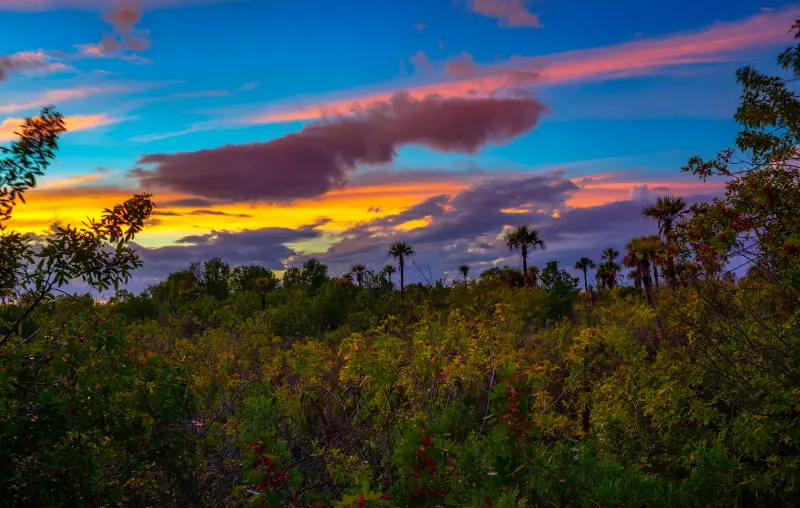
    Sunset over Everglades National Park Landscape

    Planning tipFor a first visit, an easy boardwalk, a scenic stop and one wildlife-focused activity is usually enough. Dry-season conditions tend to be more comfortable, while the wetter months bring heat, humidity, mosquitoes and frequent storms. Wildlife is never guaranteed, but alligators, wading birds and other species are part of the park’s appeal. Keep distance, never feed animals and do not treat a roadside wildlife encounter like a zoo exhibit.

    Biscayne National Park: a park that makes more sense from the water

    Biscayne protects islands, mangrove shorelines, seagrass and coral-reef environments within sight of the Miami region. Because most of the park is water, a land-only visit gives only a small sample. If Biscayne is a major reason for your trip, look at the official boat and paddling options before you book the rest of the day.

    Snorkeling and boating can be wonderful, but conditions matter. Wind, waves, visibility and thunderstorms can change what is practical. Families should check age and swimming requirements for each operator. Non-swimmers can still enjoy shore-based interpretation or certain boat outings, but the best experience depends on choosing an activity that matches the weakest swimmer and the least mobile person in the group.

    Dry Tortugas National Park: remote, beautiful and logistically demanding

    Dry Tortugas lies roughly 70 miles west of Key West and is accessible only by boat or seaplane. Fort Jefferson dominates Garden Key, while clear water, birdlife, snorkeling and the feeling of isolation make the journey memorable. The remoteness is also the main planning challenge: you cannot simply drive away when someone forgets medication, sun protection or a change of clothes.

    I would book transportation first, then organize the Key West stay around the confirmed day. Seas can be uncomfortable for motion-sensitive travelers, and weather can affect operations. Carry the essentials requested by your operator, bring reliable sun protection and understand what food, water and equipment are included. Camping is a separate level of preparation and should not be treated like an improvised extension of a day trip.

    Big Cypress and other NPS sites worth adding

    Big Cypress National Preserve sits beside the Everglades and is often part of the same South Florida road trip. Scenic drives, boardwalks and wildlife viewing can complement Everglades National Park without duplicating it. On the Atlantic side, Canaveral National Seashore adds long beaches and protected coastal habitat near the Space Coast. In St. Augustine, Castillo de San Marcos and Fort Matanzas connect a beach trip with centuries of history.

    North Florida and the Panhandle add still more NPS variety through Timucuan Ecological and Historic Preserve and Gulf Islands National Seashore. The useful approach is not collecting every NPS stamp. Choose sites that fit the route you already want to drive, then give the places with boat access, wildlife or major historical interpretation enough time to feel meaningful.

    How to combine the parks without exhausting the trip

    A realistic South Florida national-parks sequence might use Miami or Homestead for Biscayne and the eastern Everglades, then continue to the Keys and Key West before a Dry Tortugas day. Trying to do Everglades, Biscayne and Key West in one day creates more windshield time than park time. The distances look manageable on a map, but parking, boat check-in and traffic around Miami or the Keys add friction.

    Miami Biscayne Bay Yacht Harbor at Sunrise

    If your vacation is only a week, I would choose two of the three national parks unless the parks are the main purpose of the trip. A longer road trip can include all three plus Big Cypress. Keep at least one flexible half-day around boat-based plans so a weather change does not force you to sacrifice the entire route.

    Families, older travelers and accessibility

    Families should choose short boardwalks, ranger programs and boat trips that match children’s patience and swimming ability. Older travelers may prefer Shark Valley-style wildlife viewing, visitor-center areas and shorter walks rather than long humid hikes. Accessibility varies by site and activity, so review the NPS accessibility pages and contact boat operators directly when boarding assistance, mobility devices or accessible restrooms are essential.

    For multigenerational groups, I would build the day around a comfortable base and one shared priority, then let the group split for optional activities. Florida trips work better when everyone does not have to match the pace of the fastest walker or the most energetic teenager. Shade, seating, restrooms, short transfer times and an easy route back to the hotel often matter more than squeezing in one additional attraction.

    Budget and booking strategy

    National parks can be good-value days, but the expensive part is often transport rather than admission. Dry Tortugas transportation, guided Biscayne boat trips, airboat-style experiences outside park boundaries, lodging in the Keys and rental cars can dominate the budget. Reserve the scarce item first, then compare the rest of the trip around it instead of chasing a cheap hotel that creates hours of extra driving.

    Compare the total day rather than a single ticket or hotel price. Parking, tolls, resort fees, food, rentals, transport and cancellation rules can change which choice is actually cheaper. For weather-sensitive plans I prefer reservations that can be modified, even when the flexible option costs a little more.

    Best timing and seasonal planning

    For Everglades and much of South Florida, the drier and cooler part of the year is popular for a reason. Summer can still be rewarding, but heat, humidity, mosquitoes and storms change the pace. Biscayne and Dry Tortugas depend strongly on marine conditions. Shoulder periods can work well when you accept that one water-based day may need a backup plan.

    Florida is large enough that weather and crowd patterns differ by region. Check the local forecast and official operating calendar close to the visit, especially when the plan depends on water conditions, wildlife seasons, a ferry, a boat trip or an outdoor attraction.

    A practical way to use this guide

    Start with the part of Florida National Parks Guide that would make the trip feel worthwhile even if the rest of the day changed. Protect that priority first, then add flexible stops around it. This keeps a weather delay, tired child or longer-than-expected drive from turning the whole itinerary into a failure.

    I also separate fixed commitments from flexible choices. Timed tickets, ferries, cruises, special tours and hard-to-get reservations belong in the fixed group. Beaches, neighborhood walks, casual meals, parks and hotel-pool time can usually move. When conditions change, adjust the flexible pieces instead of forcing the original schedule.

    Common mistakes to avoid

    • Assuming all three national parks are easy drive-in parks.
    • Trying to visit more than one major park area in the same rushed day.
    • Booking a Key West hotel before confirming Dry Tortugas transportation when that is the trip priority.
    • Approaching wildlife too closely for a photograph.
    • Ignoring marine forecasts and operator rules for boat-based days.
    • Forgetting that Big Cypress and other NPS sites can be as rewarding as the three formal national parks.

    Useful Wonderful Florida guides

    Official resources to check before you go

    Hours, reservation systems, access rules, transportation schedules and weather-related closures can change. When a specific attraction, trail, ferry or service is essential to your trip, verify it on the official source shortly before travel.

    Frequently asked questions

    Can I visit Everglades and Biscayne in one day?

    You can technically touch both, but I would only do it when one visit is intentionally short. A full Biscayne boat outing plus a meaningful Everglades experience usually deserves separate days.

    Do I need a car for Florida’s national parks?

    A car is the easiest way to reach most Everglades and Biscayne access points. Dry Tortugas is different because the final journey is by ferry, seaplane or private boat from the Key West area.

    Which Florida national park is best with children?

    There is no single winner. Everglades is easiest for short wildlife walks, Biscayne is excellent for children who enjoy boats and water, and Dry Tortugas works well for families comfortable with a long transport day.

    Is Big Cypress part of Everglades National Park?

    No. Big Cypress National Preserve is a separate National Park Service unit, although the landscapes are connected and the two are often combined on the same South Florida trip.

    How many days do I need for all three national parks?

    I would allow at least four to five nights in South Florida and the Keys, and preferably more, because Biscayne and Dry Tortugas depend on boat logistics and the Everglades has several distinct access areas.

    Final thoughts

    Florida’s national parks reward travelers who plan around water, wildlife and distance rather than a checklist. Choose the park experience that matters most, secure the hard-to-get transportation, then leave enough breathing room to enjoy the landscape. The result feels far more like Florida than racing from sign to sign.

  • Everglades National Park Guide: Best Entrances, Wildlife, Trails and First-Time Planning

    Everglades National Park Guide: Best Entrances, Wildlife, Trails and First-Time Planning

    Everglades National Park is one of Florida’s most important landscapes and one of the easiest major attractions to misunderstand. It is not a single visitor center surrounded by a compact loop road. The park has separate major entrances and districts, and those entrances do not connect to each other by road inside the park. A day planned for Shark Valley is a different experience from a day driving from Homestead to Flamingo, while the Gulf Coast district near Everglades City is primarily a gateway to mangrove waterways and the Ten Thousand Islands.

    Explore this guide

    That geography is the first planning lesson. The second is seasonal: the dry season and wet season can feel like two different parks. Wildlife visibility, mosquitoes, heat, water levels and ranger programs change through the year. This guide helps first-time visitors choose the right entrance, understand the major experiences, plan realistic time and travel safely with children, senior travelers or mobility needs.

    Quick planning summary

    • Best for: Wildlife watchers, photographers, families, paddlers, road-trippers, birders and travelers who want to experience Florida beyond beaches and theme parks.
    • Ideal stay: One full day for one park district; 2–3 days to experience Shark Valley, the Homestead–Flamingo corridor and the Gulf Coast more fully.
    • Getting around: A car is the practical choice for most first-time visitors. Park entrances do not connect internally by road.
    • Best planning principle: Choose the entrance before choosing the itinerary. “Visiting the Everglades” is too broad until you know which district fits your route and interests.

    Choose the right Everglades entrance

    The Homestead entrance leads to the Ernest F. Coe Visitor Center, Royal Palm, the Anhinga Trail and the long road to Flamingo on Florida Bay. This is the strongest first choice for travelers staying in Homestead, Florida City or the southern Miami area who want short boardwalks, varied habitats and the possibility of continuing all the way to Flamingo. The road itself is part of the experience, with stops showing how the landscape changes from pinelands and sawgrass to mangroves and coastal environments.

    Shark Valley lies along the Tamiami Trail west of Miami and is known for its long paved loop, observation tower, tram tours, cycling and abundant wildlife viewing. The Gulf Coast entrance at Everglades City opens toward the Ten Thousand Islands and is more boat- and paddle-oriented. These areas are not connected by an internal road, so a visitor cannot simply drive from Shark Valley to Flamingo through the park. Planning each as a separate geographic day prevents hours of unnecessary backtracking.

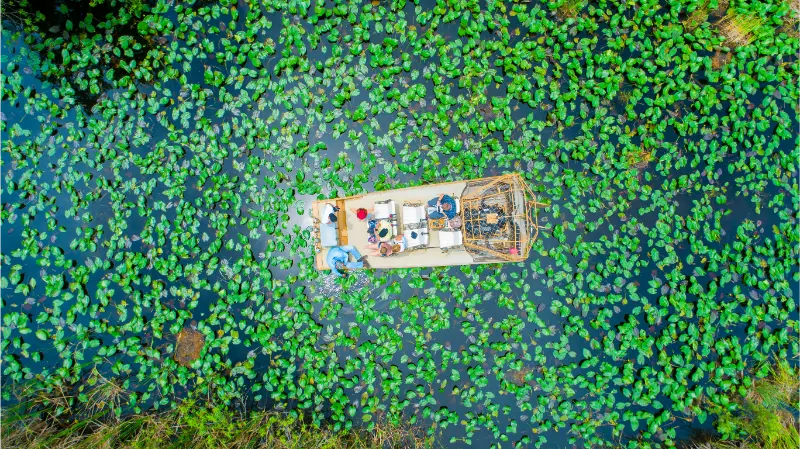
    Everglades National Park Aerial View of Boat in Green Water

    The Homestead to Flamingo route

    For a classic first day, enter near Homestead and begin with orientation at the visitor center. Royal Palm and the Anhinga Trail are among the most approachable places to see wetland wildlife from a boardwalk. Continue through pineland and prairie landscapes, stopping selectively rather than trying to walk every trail. The road eventually reaches Flamingo, where Florida Bay, marina activities and boat-oriented experiences create a completely different atmosphere from the sawgrass closer to the entrance.

    The distance to Flamingo is substantial enough that you should treat it as a real destination, not an extra stop added late in the afternoon. Fuel, food and mobile reception can be limited compared with Miami, so carry water and basic supplies. If your group includes young children or older adults, decide in advance whether the full drive is worthwhile or whether a shorter Royal Palm-focused day would be more comfortable.

    Shark Valley: wildlife and the famous loop

    Shark Valley is one of the easiest places for first-time visitors to understand the scale of the Everglades. The long paved loop can be experienced by tram, bicycle or on foot in shorter sections, with an observation tower providing broad views across the wetland. Wildlife often appears close to the route, but distance and behavior rules are essential. Alligators and other animals are wild; a photograph is never worth approaching, blocking or feeding them.

    The tram can be an excellent choice for families, senior travelers and visitors who want interpretation without cycling in heat. Cyclists need sun protection, water and realistic expectations about exposure. The loop is long, and South Florida conditions can make it more demanding than the flat terrain suggests. Reservations and operating procedures can change, so check current information before building a day around a specific departure.

    Gulf Coast and the Ten Thousand Islands

    The Everglades City side of the park is the gateway to a water-based landscape of mangroves, islands and estuaries. Boat tours and paddling reveal a part of the park that cannot be appreciated from a roadside overlook. This district pairs naturally with Everglades City, Chokoloskee and Big Cypress, making it a strong choice for travelers approaching from Naples or Florida’s Gulf Coast.

    Water activities require more planning than a short boardwalk. Weather, tides, wind, navigation and paddling skill all matter. First-time visitors should favor guided outings unless they have appropriate experience. Senior travelers and anyone with limited mobility should ask about dock access, boat boarding, shade and restroom availability. A shorter narrated boat trip can provide a meaningful Everglades experience without the physical demands of a long paddle.

    Dry season versus wet season

    The Everglades dry season generally runs through the cooler part of the year and is popular because temperatures are more comfortable, mosquitoes are often less intense and wildlife can concentrate around remaining water. The wet season brings higher heat, humidity, frequent thunderstorms and more insects, while water spreads across the landscape and changes how the ecosystem looks and functions. Neither season is “wrong,” but the visitor experience differs dramatically.

    Dry-season popularity means more visitors, while summer demands stronger heat and storm planning. Start early, carry more water than you think you need and use insect repellent appropriately. Lightning is a serious hazard in open landscapes. If thunder is nearby, return to a vehicle or substantial shelter rather than trying to finish a trail. Check park alerts because high water, storms, wildlife and maintenance can affect trails and facilities.

    Wildlife safety and responsible viewing

    Alligators, crocodiles, snakes, birds, manatees and many smaller species live in the greater Everglades ecosystem. The correct approach is observation from a respectful distance. Never feed wildlife, never place children closer for photographs and never step off designated routes to approach an animal. Feeding alligators changes their behavior and creates risk for both people and wildlife.

    Pets have significant restrictions on park trails, and their presence can create safety issues around wildlife. Check current rules before bringing one. Around water, assume that wildlife may be present even when you cannot see it. Swimming is not a normal recreational activity in the park. On boardwalks and viewing areas, follow posted instructions and give animals space to move rather than surrounding them.

    Families, seniors and accessibility

    Everglades National Park can work very well for multigenerational travel because many iconic experiences do not require long hikes. Boardwalks, scenic drives, visitor centers, tram tours and boat tours can create a full day. Families with young children should focus on short walks and wildlife observation rather than distance. Teenagers may enjoy cycling, paddling or photography when conditions are appropriate.

    The National Park Service provides accessibility information for facilities and programs, and the NPS app can be useful for current details. Conditions still vary by location, so confirm the exact trail, dock, restroom or tour that matters to your group. Senior travelers should protect the coolest morning hours for walking and use the middle of the day for driving, visitor centers or a meal. Benches and shade are not available everywhere.

    Where to stay for an Everglades trip

    Homestead and Florida City are practical for the main park road and for combining the Everglades with the Florida Keys. Miami works for Shark Valley and for visitors who want an urban base, but driving time becomes part of the day. Everglades City is the natural base for the Gulf Coast district and Ten Thousand Islands. Naples can also work, especially for travelers combining the park with southwest Florida beaches.

    Sunset over Everglades National Park Landscape

    A one-night transitional stay can be more efficient than returning to Miami after every outing. For example, travelers heading from Miami to the Keys can spend a night in Homestead after an Everglades day, then continue south the next morning. This reduces driving and turns the park into part of the route rather than a rushed detour.

    Fees, reservations and what to check before arrival

    Everglades National Park charges entrance fees, and separate charges may apply for tours, rentals or camping. Fee structures and pass rules can change, so use the official NPS page rather than relying on an old blog screenshot. The park is generally open daily, but visitor-center hours and services vary by district and season. Some tours or activities require reservations, particularly in popular periods.

    Download maps before leaving reliable service and save reservation confirmations offline. Do not depend on rideshare for remote locations such as Flamingo without a confirmed return plan. The park is large enough that small logistical mistakes can become major delays. A cooler with water and simple food, sun protection, insect repellent and a fully charged phone are basic equipment rather than optional extras.

    Common Everglades mistakes to avoid

    Most first-time problems come from misunderstanding scale, season or wildlife. A successful visit starts with one district, one realistic activity level and enough time to respond to heat or storms.

    • Assuming all park entrances connect internally.
    • Trying to combine Shark Valley and Flamingo in a short half-day.
    • Approaching alligators for photographs.
    • Arriving without water, sun protection or insect repellent.
    • Relying on mobile service or rideshare in remote areas.
    • Treating the wet season exactly like the dry season.

    Useful Wonderful Florida guides to read next

    Continue planning with Miami and Miami Beach, Florida Keys and Key West, Chokoloskee and Ochopee and Big Cypress.

    Official resources to check before you travel

    Opening hours, road conditions, park rules, transportation services, weather alerts and reservation requirements can change. Check the official source again shortly before the trip whenever a specific attraction, route or service is essential to your plans.

    Final thoughts

    The Everglades become much easier to appreciate when you stop thinking of the park as one attraction. Choose the district that fits your route, give wildlife space, respect the season and leave enough time for the landscape to feel large. Even a single well-planned day can reveal a side of Florida that beaches and theme parks cannot replace.