Category: Florida Nature Centers

  • Palm Beach County Gardens With Kids: Five Days of Tropical Plants and Wetlands

    Palm Beach County Gardens With Kids: Five Days of Tropical Plants and Wetlands

    Palm Beach County has enough gardens, tropical landscapes and wetland boardwalks to fill a rewarding five-day family vacation without requiring anyone to swim in the ocean or buy theme-park tickets. The appeal is variety: carefully designed botanical collections, Japanese garden traditions and South Florida wetlands where birds move through the reeds at their own pace. This itinerary is especially enjoyable for school-age children, adults interested in plants, grandparents and people who prefer mornings outdoors followed by cooler afternoons.

    It is not a race through every preserve in the county. Each day has a different focus and time to rest. A rental car is useful because West Palm Beach, Delray Beach and Boynton Beach are spread across a large area. Some gardens have extensive paths and limited shade, so families should match the route to children’s stamina and any mobility needs. Admission charges and exhibit hours change; use the official visitor pages when planning.

    Choose the right base for five nights

    Base Helpful for Main trade-off
    West Palm Beach City dining, Mounts Botanical Garden and cultural outings Driving south to Delray or Boynton
    Delray Beach Morikami and south-county gardens Farther from some West Palm stops
    Boynton Beach Wetlands and central position for several stops Less of a walkable city-center vacation
    Beachfront hotel Ocean view for a mixed beach-and-garden trip Higher costs and possible parking fees

    Choose a hotel close to the attractions you most want to visit, not simply the cheapest room labeled ‘Palm Beach.’ A resort on a barrier island can be attractive but may create repeated bridge crossings when your daily schedule is inland. Families often benefit from a kitchen or refrigerator, breakfast included and a pool with appropriate supervision. Older adults may value a quieter hotel with a good restaurant and easy parking.

    Day 1: Mounts Botanical Garden and a West Palm afternoon

    Start with Mounts Botanical Garden, a tropical collection in West Palm Beach where families can compare plants from very different environments. Children who are new to gardens may enjoy looking for unusual leaf shapes, colors, flowers and pond life rather than learning scientific names. Adults can take time reading interpretive displays and noticing how garden design creates different moods along the paths.

    Florida Tropical Beach Huts under Palm Trees

    The official visitor information lists days, fees, paths, parking and accessibility accommodations. The garden is generally closed on Mondays and certain holidays, so rearrange this itinerary if Day 1 falls on a closure day. Its outdoor paths are not equivalent to air-conditioned museum galleries; go in the morning, wear sun protection and carry water. A visit may last ninety minutes or much longer depending on interest and weather.

    Spend the afternoon at a nearby indoor cultural stop or simply exploring a comfortable West Palm neighborhood. This is a good time to learn the local streets, rest at the hotel and prepare for the longer garden excursion the next day. Avoid scheduling an additional distant nature center merely to fill hours.

    Day 2: Morikami Museum and Japanese Gardens

    The Morikami Museum and Japanese Gardens near Delray Beach is a very different experience. Its landscaped grounds and museum exhibitions introduce visitors to Japanese cultural traditions, garden design and related artistic ideas. The gardens are not replicas of one single historic site; they offer different spaces and design influences that reward careful observation. For children, it can be engaging to compare stones, water, bridges and planting arrangements with the tropical displays at Mounts.

    According to Morikami’s official visitor information, the museum and gardens are typically open Tuesday through Sunday, with Monday closures and holiday exceptions. Check current exhibitions, café operations, special events and paths before your visit. Adults who want an unrushed garden experience may prefer a weekday rather than a busy festival. Families should respect quiet spaces and rules about running or touching plants.

    The museum offers an indoor complement when it is too hot for long walks, but do not assume every outdoor section is equally easy for a wheelchair or stroller. Contact visitor services for details about slopes and available alternatives. Have lunch nearby and leave the afternoon open, especially if your family spent several hours outdoors.

    Day 3: Green Cay wetlands and the world beyond ornamental plants

    Green Cay Nature Center and Wetlands in Boynton Beach shifts the focus from cultivated gardens to a constructed wetland habitat. An elevated boardwalk gives visitors opportunities to observe wetland plants, wading birds and other wildlife without leaving designated routes. The county’s official Green Cay page explains that the boardwalk and exhibit building have different schedules. The boardwalk is generally accessible during daylight hours, while the indoor nature center operates on a more limited weekly timetable.
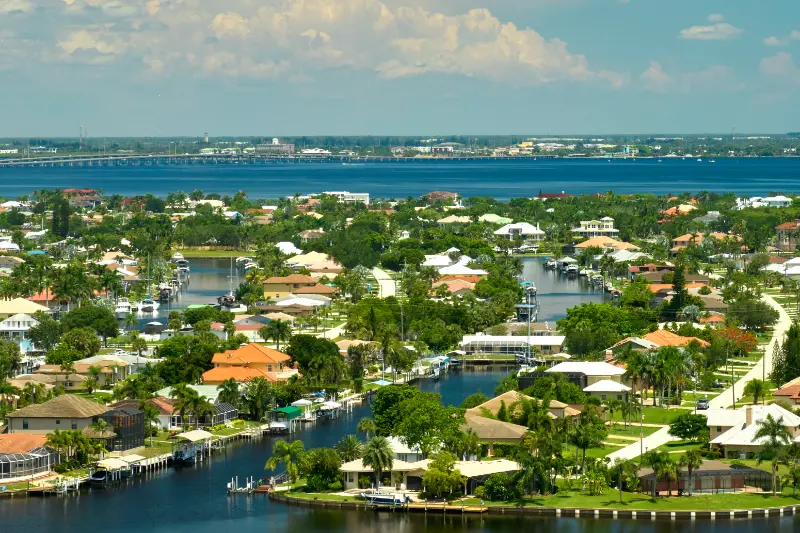
    Florida Coastal Residential Neighborhood Surrounded by Wetlands

    This distinction matters for families hoping to visit the indoor exhibits. A morning walk on a day when the nature center is closed can still be worthwhile, but it is a different activity. The boardwalk extends across a substantial area; nobody has to complete the whole distance. Choose a shorter segment, watch from designated viewpoints and turn around whenever children or older visitors need a break.

    Explain to young travelers why feeding an alligator, turtle or bird is harmful and potentially dangerous. Wildlife should remain wild. Walk quietly, keep to the path and do not lean over railings. On a sunny day, the exposed sections can become hot. A calm early walk followed by a shaded lunch is often better than arriving during the hottest part of the afternoon.

    Day 4: Daggerwing Nature Center or another modest wetland stop

    Daggerwing Nature Center, associated with Burt Aaronson South County Regional Park in Boca Raton, can provide a useful shorter outing. Its boardwalk and indoor exhibits have different opening arrangements, so consult the county before departing. It can be tempting to visit several nature centers in one day, but children often benefit more from a little time exploring one habitat and thinking about what they saw.

    Build this day around interpretation rather than mileage. Look for changes between open water, cypress and planted edges. Ask children to sketch a bird or record the color of a flower. If grandparents are present, let them choose a shaded rest point where the group can compare observations. Do not promise a sighting of a particular species or plan the entire day around alligators; wildlife presence is unpredictable.

    If rain makes the boardwalk unsuitable, replace the outdoor portion with a local museum, library event or another indoor family activity that is currently open. The goal is to stay curious about Florida, not to force the itinerary through bad weather.

    Day 5: return to a favorite landscape or add coastal contrast

    For the final morning, revisit whichever garden best suited your group. A second brief visit may allow photographers to focus on a different light and children to notice something missed the first time. Alternatively, a managed coastal park provides a contrast between inland wetlands and barrier-island habitats. John D. MacArthur Beach State Park in North Palm Beach has sensitive coastal ecosystems and public visitor facilities, but consult its current park notice because restroom or access facilities can be temporarily unavailable.

    A coast-oriented finale does not have to mean swimming. Enjoy the landscape, interpretive opportunities and views according to current weather and the abilities of your group. If someone is tired, choose a quiet lunch and return to the hotel early. If you have an afternoon flight, skip the additional park and allow a relaxed departure instead.

    Make gardens interesting for different ages

    For preschoolers, set tiny goals and allow tactile learning only where permitted: colors, shapes and counting flowers. A child should not pick plants, chase wildlife or enter ponds. School-age children can compare ecosystems or photograph three different leaf types. Teenagers may enjoy garden photography, habitat science, architecture or a conservation discussion. Adults can focus on botanical collections and cultural interpretation; grandparents might prefer a few shorter sections with regular benches.

    Plan quiet transitions between attractions. A busy child may need thirty minutes of playground time after a garden, while an older adult may prefer a café. Both are reasonable. Give every traveler one choice during the five days instead of requiring everyone to experience the destination in the same way.

    Weather, insects and wildlife etiquette

    Florida gardens can be enjoyable in many seasons, but summer sun and thunderstorms make morning visits particularly important. Rain can create slippery surfaces, and lightning requires moving to substantial indoor shelter rather than standing under a large tree. Bring water, sunscreen and suitable footwear. Insect repellent can be helpful near wetlands; follow the instructions appropriate for children and anyone with sensitivities.

    Never feed animals, collect plants or disturb nests. Some species can be dangerous when approached, including alligators in wetlands. A raised boardwalk offers a viewing opportunity, not permission to extend arms over a railing. Avoid bright lights around wildlife at dusk and respect posted restrictions on drones, pets and food.

    What will this trip cost?

    Calculate garden admission separately from hotels, meals and transport. At Mounts and Morikami, prices depend on age and eligibility, so a family with two preschoolers can have a different total from a group with two teenagers. Some county nature centers offer free or low-cost experiences, while special classes may require payment or registration. Verify current pricing at the time of booking; avoid using outdated screenshots or a general tourism discount claim.

    A basic five-day budget has accommodation, vehicle rental and parking, three or four paid tickets, meals, groceries and contingency money. A family membership might make sense if you plan repeated visits, but check whether reciprocal admission or guest privileges actually apply. One well-chosen paid garden and several county spaces can create a rewarding trip without a packed attraction budget.

    Accessibility and sensible walking distances

    Even paved gardens can include slopes, uneven transitions, sun exposure and long distances between benches. Ask each facility about the exact route your companion hopes to use, accessible restrooms, and whether a scooter or wheelchair is permitted. A stroller-friendly path is not necessarily an easy route for someone using a walker. At wetlands, choose the shorter loop and keep a weather-safe turnaround point in mind.

    People sensitive to heat may prefer gardens with indoor exhibit components or early hours. Someone with vision limitations may benefit from a companion reading interpretive signs or from available accessible materials. Contact staff ahead of time; this is much more reliable than assuming a garden’s general accessibility statement covers every individual need.

    Frequently asked questions

    Are these gardens suitable for children?

    Yes, many families can enjoy them with short visits, observation games and breaks. Check minimum ages for special programs and always supervise near water.

    Can we do the trip without a car?

    It is possible to simplify the itinerary and use taxis or rideshare, but the named gardens and preserves are spread across Palm Beach County. A rental car is generally the easier option.

    Must we walk the full Green Cay boardwalk?

    No. Choose a comfortable distance, stop at available viewpoints and turn around when needed. The indoor nature center and boardwalk have different hours.
  • Florida Freshwater Boat Tours for Non-Swimmers: Springs and Wildlife

    Florida Freshwater Boat Tours for Non-Swimmers: Springs and Wildlife

    Some of Florida’s most memorable nature experiences require neither swimming nor paddling. A narrated river cruise or glass-bottom boat can reveal spring water, cypress forests, fish, turtles, wading birds, and the changing landscape from a comfortable seat. These outings are especially valuable when a family includes a confident swimmer, a nervous non-swimmer, children, and older relatives who would rather watch than enter the water.

    This guide compares four distinctive freshwater experiences and shows how to choose among them. It is not one continuous road trip: Silver Springs, Wakulla Springs, Homosassa Springs, and the St. Johns River lie in different parts of the state. Use the comparison to add one worthwhile boat outing to the region you are already visiting rather than driving all day for an attraction with uncertain departures.

    Compare Florida’s freshwater boat experiences

    Place Main draw Booking question Key limitation
    Silver Springs, Ocala Glass-bottom view of spring system Which departure and boat suit your group? Visibility varies
    Wakulla Springs, south of Tallahassee Guided wildlife river cruise Are tickets available for your date? Weather affects departures
    Homosassa Springs Wildlife park with waterways Is the boat shuttle operating? Shuttle suspended under current low-water notice
    St. Johns River operators River scenery, birds and local history What route and boat are offered? Operators and services vary

    The difference between glass-bottom and wildlife cruises

    A glass-bottom boat is designed to reveal what lies below the surface. Sunlight and water clarity matter, and shallow aquatic vegetation can look extraordinary when conditions are favorable. A wildlife river cruise focuses more on the banks, trees, and birds, with animals coming and going freely. Neither boat type can guarantee wildlife or perfect water visibility. Choose based on what you most want to see, not on the promise of a particular photograph.

    Children who are fascinated by fish may enjoy a glass-bottom tour, while adults who like birdlife could prefer a guided nature cruise. A non-swimmer may feel comfortable on either if the vessel and conditions suit them. Someone prone to motion sickness should ask about boat motion, trip length, and cancellation policies. A river cruise usually feels different from an offshore sea excursion, but no vessel is completely motionless.

    Silver Springs: a classic view into clear water

    Silver Springs State Park near Ocala is famous for its historic glass-bottom boats. The park’s official experiences page describes 30-minute and longer tours, paved riverside paths, gardens, and boat reservations. This makes it a practical choice for travelers wanting one organized water-based attraction and a short land-based outing afterward.

    If you use a wheelchair, do not book any departure at random: the park states that a specific boat in the fleet is wheelchair accessible and offered on selected dates. Check available departures and boarding conditions. After the tour, take a short walk along the main-entrance paths if appropriate, or enjoy a seated view. Arrive early enough to use restrooms and collect any required tickets without hurrying a child or older relative.

    What you may see at Silver Springs

    Clear water may reveal fish, underwater vegetation, and the spring environment; birds and turtles can appear around the river. Wild sightings vary by season and day. The landscape is important even when no large animal appears. Explain to children that river ecology is not a theme-park show: the animals do not appear on command and should not be approached or fed.

    The park has separate areas and activities, so visitors should check which entrance matches their boat reservation. Do not assume that a general state-park admission covers all concession experiences. If a boat is sold out or severe weather interrupts service, a short garden or riverside visit may still be worthwhile. It is better to leave satisfied after a smaller visit than to force an expensive alternate tour at the last minute.

    Wakulla Springs: a narrated river wildlife experience

    South of Tallahassee, Edward Ball Wakulla Springs State Park offers a ranger-led river boat tour through a landscape of cypress trees and wetlands. The official historic tour description describes a trip of roughly 45 to 55 minutes and opportunities to observe wading birds, alligators, and sometimes manatees. These are wild animals, so do not base the value of the excursion on seeing any one species.

    Reservations matter. The park explains that tour tickets are offered by reservation and that thunderstorms or unsuitable weather can prevent operation. Wheelchair-accessible boats may be available by request; contact staff well ahead of the date. Allow time to enjoy the lodge and dining options if they match your plans. This is an especially attractive half-day addition to a Tallahassee holiday rather than a hurried diversion during a cross-state drive.

    Homosassa Springs: understand the present boat limitation

    Ellie Schiller Homosassa Springs Wildlife State Park offers a chance to learn about Florida wildlife, including rescued animals that cannot be released and seasonal opportunities to see wild manatees around the spring environment. However, the official park notice states that its shuttle boat service has been unavailable since February 4, 2026, due to low water. Do not plan a visit around a currently operating boat transfer unless the park confirms that service has resumed.

    Family Enjoying Florida Lake on Inflatable Boat

    This distinction is crucial because older tourism descriptions may still portray the boat as part of a standard visit. Ask how visitors are currently transferred between entrance facilities, which walking routes are open, and whether accessibility arrangements meet your needs. The wildlife experience can still be worthwhile even without the shuttle. It simply belongs in the category of wildlife park visits, not guaranteed active boat cruises.

    St. Johns River: choose the operator, not just the river

    The St. Johns is a long river, and boat experiences along it differ dramatically. Some operators focus on ecotours, others on scenic sightseeing or local history. Routes near the upper river wetlands feel different from the developed waterways near larger communities. There is no single departure point or universal ticket valid along the entire river. Search for a reputable operator close to your existing accommodation and investigate the specific itinerary.

    Ask where the boat departs, whether parking is included, how long the cruise lasts, and what happens in bad weather. Some routes require a car to reach remote docks. Families need child life-jacket information, while a wheelchair user should confirm dock slopes, boarding gaps, and restroom access. A calm-looking river can still have commercial traffic and changing weather. Let the captain handle navigation and remain seated where instructed.

    The best outing for babies and preschoolers

    For young children, the shortest practical departure with easy boarding is often ideal. Consider nap schedules and feeding needs before reserving a long excursion. Ask whether strollers may be brought aboard or must remain on land, whether shade is available, and whether a caregiver can move to an exit quickly if the child becomes upset. A tour operator’s age policy is more useful than a broad advertisement stating suitable for all ages.

    Children who are old enough to follow a ranger’s narrative may enjoy a wildlife checklist: cypress tree, heron, turtle, fish, and different leaf shapes. Treat it as a game, not a guarantee. If a baby cannot safely or comfortably be accommodated on a particular vessel, choose a waterfront path or visitor center instead. Families should never assume that a baby may be held on someone’s lap in place of required safety equipment.

    Travelers over 70, mobility needs, and accessible boats

    Age is not a barrier to enjoying river cruises, but specific needs matter. Before booking, ask about the exact number of steps, gangway slope, handrails, seating support, restroom availability, and distance from parking. Some attractions have accessible vessels only at selected times, while historic docks may not suit all wheelchairs. A clear telephone conversation with staff is more reliable than seeing a wheelchair symbol on a generic attraction listing.

    For a visitor with limited stamina, choose one main cruise and a nearby meal rather than building a multi-attraction day. Schedule the boat at a time when everyone is most comfortable and consider heat, humidity, and glare off the water. If a person needs a personal assistant or particular mobility equipment, discuss it before paying nonrefundable fares. A well-planned seated experience can be enjoyable for visitors at many ages and ability levels.

    Wildlife rules and conservation etiquette

    Do not feed birds, turtles, alligators, or manatees from a vessel. Never lean over railings to touch an animal, and keep hands inside if the captain directs you to do so. Wildlife approaches must be left to the animals, not engineered by visitors seeking a close-up photograph. Flash, noise, or sudden movements can disturb animals. If you spot an alligator, observe quietly from the boat rather than encouraging others to crowd one side.

    Explain to children why feeding wildlife creates problems for both animals and humans. Keep reusable bottles and wrappers secure so they do not blow into the river. The safest animal encounter is one where the visitor can appreciate the habitat without changing the animal’s behavior. Guides who talk about habitat, water quality, and conservation can add lasting value even on a day when sightings are modest.

    Timing and the cost of the outing

    Cost area What to check Why it matters
    Park admission Vehicle or individual entrance May be separate from boat fare
    Boat ticket Adult, child, senior categories Each operator sets prices
    Booking Reservation window and fees Popular departures sell out
    Parking Location and mobility drop-off Dock may be distant
    Food Whether onsite meals are available Easier than driving far afterward

    Avoid publishing a fixed statewide boat-tour price: each park and operator has its own fare structure. Look at current official pages immediately before reserving. Some tickets are weather dependent, and operators vary in how they handle changes. Morning may offer pleasant temperatures, but it does not guarantee clear skies or calm conditions. A visit that includes a good lunch and short nature stop may offer better value than buying a second cruise just because it is nearby.

    Combining boat trips with existing Florida itineraries

    Pair Silver Springs with an Ocala-area vacation or a drive through Central Florida. Pair Wakulla with Tallahassee and nearby historic attractions. Use Homosassa Springs as a wildlife park stop on a Nature Coast trip while treating any boat service as uncertain. Choose a St. Johns River operator according to the particular community where you are staying. These regional combinations reduce driving and leave more energy for the experience itself.

    Sunset over Florida Bay with Boat

    If you are planning an ambitious Florida road trip, limit the number of similar boat attractions. One excellent guided river outing can be more satisfying than several rushed and repetitive cruises. The same principle helps multigenerational groups: give each person an experience they can remember, with enough time afterward to talk about what they saw.

    How to plan when weather changes

    Have one indoor or land-based option near your chosen park. A museum, visitor center, garden, or comfortable café can make a canceled cruise day enjoyable. Watch for lightning and obey closures without trying to persuade staff to depart. If the forecast looks poor, ask whether your booking can be moved to another day. On a short vacation, avoid reserving a major prepaid boat excursion immediately before the flight home.

    A river tour is most rewarding when you arrive informed but without rigid expectations. Water levels, wildlife, visibility, boat accessibility, and schedules change. Choosing the right type of cruise—and checking the official details shortly before arrival—lets Florida’s natural landscape be the attraction rather than an avoidable logistical problem.

    Frequently asked questions

    Which Florida boat trip is best for someone who does not swim?

    Glass-bottom boat trips at Silver Springs and ranger-led river cruises at Wakulla can be excellent choices. Check vessel safety, boarding, and weather conditions for your group.

    Is the Homosassa Springs park boat running in October 2026?

    The official park notice says its boat shuttle is currently unavailable due to low water. Check directly for a service update before your visit.

    Do these river tours guarantee alligators or manatees?

    No. They visit natural habitats, and wildlife sightings vary. Choose a trip because the landscape and interpretation interest you, not for a guaranteed animal encounter.

  • Gainesville’s Wild Side: Four Days of Sinkholes, Wetlands and Shaded Gardens

    Gainesville’s Wild Side: Four Days of Sinkholes, Wetlands and Shaded Gardens

    Gainesville is often viewed as a university city, but its surroundings tell a more fascinating natural story. A deep limestone sinkhole, restored wetlands and quiet garden paths explain how water shapes North Central Florida. They also make an appealing short vacation for families, curious teenagers, solo visitors and older travelers who have already experienced the state's beaches. This four-day plan deliberately avoids packing every hour with attractions. It balances outdoor discoveries with practical alternatives for rain, heat and people who cannot handle steep stairs.

    Quick planning table

    DaySuggested plan
    OneGainesville arrival and limestone geography
    TwoDevil’s Millhopper and stair-free alternatives
    ThreeSweetwater Wetlands and optional mobility tour
    FourGardens or downtown culture

    Choose a base and understand the distances

    Staying in Gainesville gives you access to hotels, restaurants, supermarkets and medical services without requiring a remote cabin. The city's attractions are spread out enough that a rental car or reliable local transport arrangement is useful. Do not assume that a bus from your hotel reaches the entrance of every nature preserve. If you prefer not to drive, select accommodation after checking exact routes and weekend service. Rideshare availability may be good around the city center but less predictable after a remote park visit.

    A four-day stay works best with two major nature outings and one flexible day for gardens, galleries or a calmer downtown experience. September through spring often brings more comfortable daytime temperatures than midsummer, although humid conditions, mosquitoes and rain are possible year-round. Build outdoor activities around morning hours. A later hotel breakfast may sound restful, but at an exposed wetland the coolest and most active time for birds is often earlier.

    Day one: arrive and learn the story of Florida's limestone

    After settling into your accommodation, look at the region's topography and the relationship between sandy ground, underground limestone and freshwater. Much of Florida's landscape is shaped by water that dissolves carbonate rock, creating cavities, springs and occasionally sinkholes. This is not a reason to fear visiting Gainesville; it is an invitation to understand the geology beneath the roads and lawns. Children may enjoy drawing the route of rainwater from the surface into an underground system.

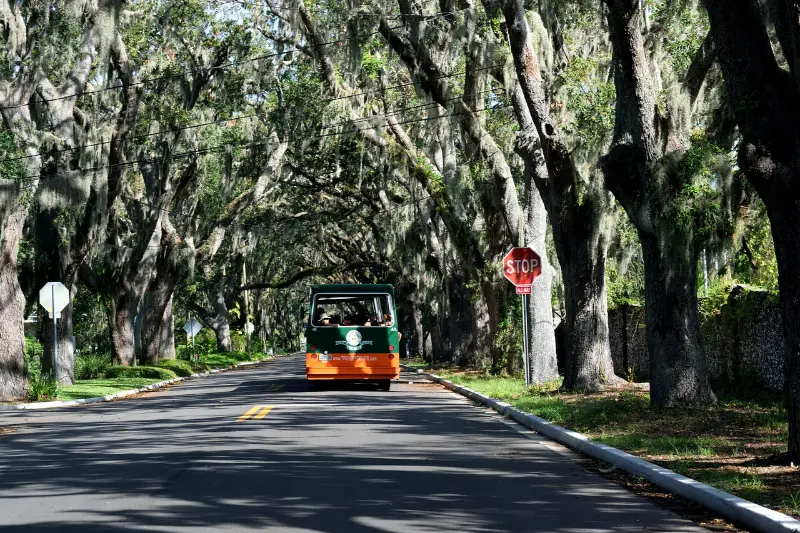
    Florida Shaded Street under Spanish Moss Trees

    Keep the first afternoon light. A short stroll in a public park, a bookstore or a downtown meal offers a gentle transition. If you arrive on a hot summer day, do not add a strenuous trail after a long flight. Use the evening to confirm park hours and decide whether the group will use the stairs at Devil's Millhopper the following day. Stairs, slippery conditions and elevation matter more than the length of a trail on a map.

    Day two: Devil's Millhopper Geological State Park

    Devil's Millhopper is an extraordinary bowl-shaped sinkhole northwest of central Gainesville, about 120 feet deep with exposed geological layers. Its lush walls and streams look unexpectedly different from the surrounding pine habitat. The park's boardwalk takes visitors down into the sink, while a separate nature trail provides an above-ground experience. Official sources describe the descending stair route and the accessible interpretive facilities, but do not confuse the presence of accessible restrooms with wheelchair access to the bottom of the sinkhole.

    Go early, pay the current state-park admission and ask staff about the boardwalk and trail status. The park has described the rim nature trail as an out-and-back route during a bridge closure; it should not be advertised as a guaranteed full loop. Walk only as far as appropriate for your group. In wet weather, stairs may feel demanding, and returning uphill is often harder than descending. If someone has trouble with steps, focus on the visitor exhibits, picnic facilities and viewpoints available without the full descent.

    Understanding what you see in the sinkhole

    Take time to look for the layers of rock exposed in the steep walls. The deeper layers can hold evidence of very different ancient environments, and fossils found at the site have helped scientists understand the region. Do not collect rocks, fossils, plants or artifacts from protected ground. The experience is about observation, not souvenir hunting. The vegetation changes with moisture, shade and temperature, and even listening to trickling water can make the place memorable.

    For children, compare the sinkhole's microclimate with the dry upper rim. Does the air feel different? Which plants appear where the walls remain shaded? Why might a frog prefer a damp area? Adults can enjoy these questions too. Photography should be secondary to moving safely on steps and boardwalks. Keep both hands available when needed and do not block other visitors during a narrow passage.

    Day three: Sweetwater Wetlands Park at a gentle pace

    Sweetwater Wetlands Park is a human-managed wetland restoration area south of Gainesville. It helps treat water while providing habitat for birds, butterflies and other wildlife. The city advertises miles of trails, boardwalks and viewing platforms, but you do not need to walk the full network to understand the project. Begin at the entrance area, read the interpretation and choose a manageable segment. The park's current website lists the public entry fee, seven-day opening schedule and mobility-tour information.

    This is a walking and mobility-device park, not a place to cycle through wildlife habitat or bring dogs for an ordinary stroll. The city prohibits bicycles on the interior paths and does not allow pets because of wildlife conflicts. Alligators may be present; stay on designated paths and give animals plenty of space. A short birdwatching session with binoculars can be more rewarding than a fast circuit, especially when a family member tires easily.

    Accessibility and the wetland tram option

    For visitors with limited mobility, Sweetwater's published mobility-tour program deserves investigation. The city has offered registered tours using a tram, with specific wheelchair and ramp restrictions. This is not an unconditional promise of an accessible tour for every wheelchair user: there are booking requirements and equipment limits. Contact the park before reserving a trip, describe the mobility device and ask whether the current program can accommodate its dimensions and combined weight.

    In other parts of the park, trail surfaces vary, including crushed gravel and a paved initial route. Bring appropriate footwear and check whether the accessible path reaches the particular viewing area you want. Families with strollers should also consider wheels and shade. The park is open to weather, and there are few reasons to remain outside during a thunderstorm. If lightning or heavy rain is forecast, replace the outing with a city-based museum, library or rest day.

    Day four: gardens, markets and an unhurried finish

    For the final morning, choose a garden or botanical experience that suits the season rather than another intense hike. Kanapaha Botanical Gardens is one option to research; its layout and plant collections offer a contrasting perspective on cultivated landscapes. Contact the venue for current days, ticket prices and route conditions before promising access for wheelchairs or strollers. Gardens may have paved paths in some areas and soft surfaces elsewhere. A short, carefully selected loop with seating can be enough.

    Alternatively, spend the day exploring local public art and downtown history. Gainesville is a living city, not just a cluster of attractions. If a family likes the farmers market or a casual cafe, allow time to enjoy it. Seasonal produce, campus activity and event schedules can change the atmosphere. Keep the final afternoon open for checkout, driving and the inevitable extra stop that comes with traveling with children.

    Where to eat without losing the day to logistics

    Pack a basic picnic or snacks for the nature outings, but plan larger meals back in Gainesville. Remote parks are not guaranteed to have food stands or vending machines. A refillable water bottle is essential; summer heat can make a short walk uncomfortable. Food trucks, cafes and restaurants in the city may offer plenty of choice, yet opening times and menu availability change. Check current options rather than trusting an old recommendation that a particular restaurant will be open on Sunday night.

    If someone has allergies, use the normal precautions for cross-contact and confirm ingredients with the venue directly. A shaded picnic can suit toddlers and grandparents, but do not feed birds or leave food scraps at the wetland. Storing snacks in closed bags also reduces the chance of attracting insects and wildlife.

    A budget that reflects the trip you are actually taking

    Gainesville's parks and gardens often cost much less than major resort attractions, but the overnight hotel and car can dominate the budget. Build a simple estimate: three nights of lodging, the actual vehicle expenses, admission to two or three destinations, meals and a contingency for rain. Florida State Parks lists specific car-based day-use fees at Devil's Millhopper; Sweetwater Wetlands uses a separate city admission system. These are not interchangeable passes.

    Do not make detailed price promises several months in advance. Verify the latest entrance fees and accepted payment methods on the official site, particularly if a venue requires an app or an exact-change payment machine. Traveling with several generations may make a single comfortable hotel room plus a suite more suitable than a cheaper room with insufficient beds. Budget for real comfort, not only the lowest advertised nightly rate.

    Comparing the three main landscapes

    Devil's Millhopper demonstrates how limestone geology and water can create an unusually deep, shaded landform. Sweetwater illustrates the restoration of a shallow, working wetland and the importance of water quality. A botanical garden highlights cultivated plants, design and local climate rather than a naturally occurring landform. Each offers a different way to understand Florida, which is why visiting all three can feel coherent rather than repetitive.

    If you have only one full day, choose the experience that best fits your abilities. The sinkhole is compelling for someone comfortable with stairs and interested in geology. Sweetwater suits patient wildlife watchers and photographers. A garden may appeal to travelers who prefer paths, benches and slower conversation. The goal is not to rank nature experiences as if they were amusement rides; it is to choose a landscape your group will enjoy.

    Weather, wildlife and common mistakes

    Afternoon thunderstorms can arrive quickly. At the first sound of thunder, leave exposed walkways and seek a safe enclosed shelter. A pavilion is not adequate lightning protection. Mosquitoes can be active near wetlands, while sun exposure is significant on open paths. Bring insect repellent, water, and a plan to finish or shorten the walk when needed. Wetlands also mean alligator habitat, so children must remain close to responsible adults.

    Do not rely on a map's mileage alone. The sinkhole stairway can be strenuous even when the overall visit is short; wetland gravel may be difficult for small stroller wheels; a garden path may have slopes that are not visible from promotional pictures. Verifying surfaces and facilities is more meaningful than saying an attraction is universally suitable for all ages.

    A thoughtful visit for different generations

    For a toddler, the best memories may come from seeing a turtle or hearing frogs for a few minutes. For a teenager, geology and water-treatment design can create material for photography or school interests. Adults may enjoy an early birdwatching visit, while an older traveler might appreciate a shaded bench and the absence of pressure to walk a long route. Let each person choose one priority experience, and plan at most two substantial activities a day.

    Solo travelers can use the same route, with a little more care about outdoor heat and letting someone know which trail they expect to use. For people who cannot walk far, contact the parks in advance to discuss the precise mobility support available. Gainesville rewards curiosity and a measured pace; the most useful itinerary is the one that adapts to the actual people taking it.

    Frequently asked questions

    Can I reach the bottom of Devil's Millhopper without stairs?

    The signature sinkhole descent uses a stairway. Visitors avoiding stairs should inquire about above-ground interpretation and facilities instead.

    Are dogs permitted at Sweetwater Wetlands Park?

    The city generally prohibits pets inside the park because of wildlife conflicts. Consult its official rules for the applicable exceptions.

    Is Gainesville worth visiting without a theme park?

    Yes, particularly if you enjoy geology, wetlands, birdwatching and garden experiences. It is best with a flexible schedule and a car or a verified transport plan.

    Official information

    Check Devil's Millhopper Geological State Park, the city's Sweetwater Wetlands Park page and Kanapaha Botanical Gardens for the most recent access and opening details.

  • Immokalee, Ave Maria and CREW: Four Days Inland From Naples

    Immokalee, Ave Maria and CREW: Four Days Inland From Naples

    Immokalee and Ave Maria offer a Southwest Florida itinerary that looks very different from the beaches and luxury shopping districts often associated with Naples. Travel inland and you encounter working farmland, communities with varied cultural histories, broad wetland landscapes, and places where the rhythm of the day is shaped by agriculture rather than tides. A four-day stay can combine the history of Immokalee, a look at the planned town of Ave Maria, and carefully chosen walks on public lands managed through the Corkscrew Regional Ecosystem Watershed, commonly called CREW. This is best approached as a learning trip, not as a scenic drive through someone else’s workplace.

    The region requires respect and preparation. Agricultural areas are active workplaces, and roads carry trucks as well as local traffic. Not every nature preserve has a paved path or even drinking water; some have primitive parking and seasonal flooding. You should not assume that you can enter farms, take photographs of workers, or stop on roadside shoulders without permission. With that understood, the trip becomes more meaningful. Families can learn where food comes from and spot wildlife from approved trails. Adults can explore a lesser-known side of Collier County. Older visitors can select the town and interpretive stops while leaving strenuous trails optional.

    WhenAreaMain ideaBefore you go
    Day 1ImmokaleeAgricultural and community historyConfirm museum hours
    Day 2Ave MariaPublic town center and architectureRespect church service access
    Day 3CREW trailsWildlife and wetlandsChoose trail by surface, not distance alone
    Day 4Inland Southwest FloridaShort return visit or extra nature stopCheck weather and water levels

    Where to stay, how to get around, and when to visit

    A hotel in the Naples or North Naples area gives a larger choice of restaurants and accommodations, but it introduces a daily drive into the countryside. Staying closer to Immokalee or Ave Maria may reduce driving, although hotel and dining choices should be checked carefully by date. Do not choose based only on the map pin; the experience of a quiet rural property is different from a location beside a major road. Verify late check-in arrangements, room access, breakfast, parking, and the distance to essential services before you pay. A rental car is strongly recommended; app-based rides cannot be counted on for reliable returns from remote trailheads.

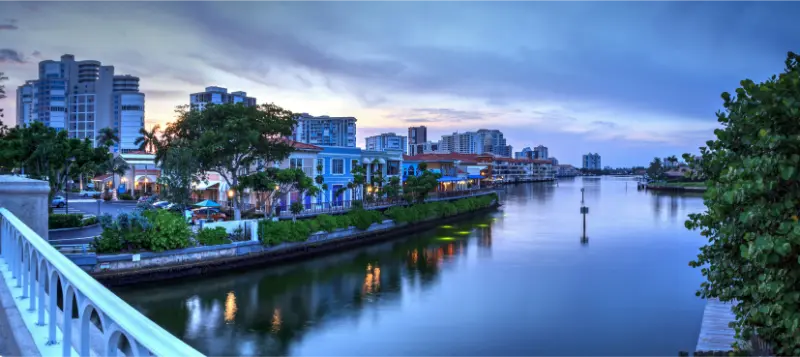
    Village Shops on Venetian Bay Naples Florida Waterfront

    The drier part of the year is generally more comfortable for exploring sandy tracks and wetlands, but dry conditions do not eliminate heat. Summer adds intense sun, mosquitoes, daily storm risk, and places where water covers parts of a trail. A trail’s official description may classify it as flat without promising a firm surface. Plan nature visits in the morning, carry more water than you expect to drink, and turn around early if the ground is slippery. Never enter floodwater to reach a lookout. The afternoon is better reserved for a town visit, lunch, or a comfortable indoor break.

    Day one: Understanding Immokalee

    Begin in Immokalee with history rather than attempting to fit in several far-flung nature stops. The community’s story includes cattle ranching, farming, migration, and many people whose labor supports Florida’s food supply. Look for museum or heritage interpretation open to visitors, including information about the Immokalee area and the region’s agricultural past. Check current admissions and opening days before traveling; exhibits and guided programs may be seasonal. This is not a place to treat working neighborhoods as an attraction. Public historical displays and approved cultural venues are the appropriate way to learn about community life.

    A thoughtful lunch is part of the day. Immokalee has a culturally diverse food scene, but menus, hours, and food safety needs should be confirmed directly. Support a local restaurant by ordering something you actually enjoy rather than searching for a staged version of an ‘authentic’ experience. If you have a child in the group, ask them to compare the landscape with the Florida they had imagined before arrival. Where do trucks go? What is grown locally? How do canals and weather affect daily life? Keep the questions open-ended, and do not photograph strangers or private workplaces without consent.

    Day two: Ave Maria at a different pace

    Ave Maria provides an interesting contrast to Immokalee because of its planned layout, town center, and prominent church architecture. Spend the morning exploring public areas on foot and paying attention to how the streets, shops, and civic spaces have been organized. It is a residential community, so be mindful of where visitors can park and enter. Respect worship services and private events; a religious building is not automatically a museum with unlimited hours. If you wish to see the interior of the church, check the parish’s visitor information and avoid interrupting active services.

    After a leisurely lunch, choose a small amount of independent shopping or a public walk instead of attempting a second long-distance attraction. Children may enjoy having a simple scavenger hunt based on architectural features and public landscaping. Older visitors can focus on a short, level section with benches rather than walking every street. Ave Maria is also a practical place to discuss what makes a town convenient for residents versus visitors: shade, sidewalks, groceries, recreation, and distance from larger hospitals or airports. That comparison helps travelers make better lodging decisions if they are considering a longer winter stay in Southwest Florida.

    Day three: Choose the right CREW trail, not the longest one

    The CREW landscape is one of the strongest reasons to venture inland. The CREW Trust publishes information on several separate trail systems, including the Marsh Trails, Cypress Dome Trails, Bird Rookery Swamp, and Flint Pen Strand. These are not interchangeable entrances to one easy boardwalk. Some routes involve grass, sand, water, and very limited facilities. Before departure, open the trail-specific map and advisory, not just a general search result. Note the trailhead’s actual address, the length of a manageable loop, surface conditions, and whether restrooms or drinking water are available. If you cannot walk confidently on uneven terrain, select a more developed alternative elsewhere.

    The Cypress Dome Trails, for example, have habitat transitions that include pine flatwoods, oak hammocks, wet prairie, and cypress domes. The CREW Trust describes them as largely flat grass and sand with seasonally wet areas, so ‘flat’ should not be confused with ‘wheelchair accessible.’ Bring a paper or offline map, closed shoes, sun protection, water, and insect repellent. Stay with the marked trail; do not approach alligators or step into the water to improve a photograph. Birdwatchers may enjoy moving slowly, but no wildlife sighting is guaranteed. If thunder develops, leave the trail rather than sheltering beneath a lone tree.

    Day four: A shorter nature morning and departure

    Use your final morning to explore another modest public area or revisit whichever part of the previous day worked best. There is no obligation to complete a full CREW loop if the heat, mosquitoes, or walking surfaces were difficult. A shorter birdwatching stop from a public trailhead can be more enjoyable than a long trek under uncomfortable conditions. Ask your group what they preferred: the agricultural history, the architecture of Ave Maria, or the wetland landscape. Tailor this last day accordingly, and allow time to pack and refuel before heading to the coast or an airport.

    If you want to add a major wildlife attraction near the region, distinguish public preserve trails from ticketed nature centers and privately operated tours. Confirm that the attraction fits your route and that its entry is appropriate for the ages and abilities in your party. Never assume a boat experience is included in ordinary park admission. On departure, avoid driving at dusk if you are uncomfortable with poorly lit rural roads. Traffic, heavy rain, and wildlife can complicate a route that appears simple on a map. Keep the final afternoon intentionally light.

    Food and farming without trespassing

    A visit to agricultural Southwest Florida often raises questions about produce, growers, and seasonal harvests. Farm stands, farmers markets, and public agricultural events can make those questions tangible, but their schedules are not standardized. Before planning a stop, verify whether retail sales are available to the public and whether the business is open that day. Never turn down a private farm road because an online photograph shows rows of vegetables. Keep vehicles clear of farm equipment and loading areas. When purchasing fresh produce, use a cooler and follow safe storage advice in warm weather.

    The region’s food culture reflects a wide range of communities. Be curious without treating residents as exhibits. A local meal may be the most memorable stop of the day, especially if everyone can sit somewhere cool after a morning outside. Families with allergies should ask about ingredients and preparation practices. Travelers avoiding certain foods can check menus in advance; do not assume that a restaurant’s regional label tells you what is safe to eat. For a picnic, bring your own supplies, pack out all trash, and never feed wildlife. Food left near a trail can attract animals and harm the environment.

    Accessibility and comfort across generations

    This itinerary can suit children and older adults if it is organized around the most comfortable participant. Town centers and designated public spaces offer easier options than primitive wetland trails, but surfaces and step-free access still require individual checking. A stroller with small wheels may struggle on sand, and a wheelchair user should not rely on a generic ‘easy hike’ label. Call the venue or consult its accessibility information for current details on parking, restrooms, entrance thresholds, and walking surfaces. If the chosen trail is not appropriate, enjoy the countryside from public viewpoints and focus on cultural stops instead.

    Traveling with small children means extra attention near canals and water. Alligators are part of Florida’s natural environment, and children and dogs should never be allowed to approach water edges unsupervised. Older travelers may prefer two hours out in the morning followed by a long meal and time at the hotel. Schedule medication, rest, and meals without apology. People sensitive to heat can visit in the coolest part of the day and choose air-conditioned activities after lunch. The goal is not to make everyone participate in identical activities; it is to share a trip where everyone can participate comfortably.

    A realistic budget for inland Southwest Florida

    You may avoid the premium cost of some beachfront resorts, but a car and longer drives are part of this trip. Compare accommodation totals after taxes and property fees; a cheaper room far from all three main stops may not save much. Free public trails reduce ticket expenses, yet you still need fuel, meals, and suitable outdoor gear. A paid museum or guided experience should be booked only after confirming the date and cancellation rules. If you are traveling with children, a cooler, snacks, and a shaded lunch stop may do more for the day’s comfort than adding another ticketed activity.

    Budget extra time as well as money. A remote preserve may have no place to buy water, and a town restaurant may close between lunch and dinner. Check schedules daily and keep backup supplies in the car. Avoid firm promises about the price of a seasonal farm event; different dates and operators charge differently. If an activity requires a special permit, obtain it through the proper agency and keep confirmation available. The strongest value of this itinerary is the chance to see contrasting communities and ecosystems within one area, not an unrealistic claim that everything inland is free.

    What to double-check before each day

    For Immokalee, confirm the museum or historical venue you intend to visit. For Ave Maria, check public building access and whether a community event changes parking. For a CREW trail, review current wetland conditions, trail maps, and the specific entrance. Search results sometimes confuse similarly named trailheads, and starting at the wrong parking area can turn a short walk into a much longer outing. Note that trail websites may describe hours or facilities differently from third-party travel blogs; the managing organization’s current guidance should take priority.

    Also check weather and hydration needs for everyone in the car. If heavy rain is forecast, a museum-and-cafe day is preferable to walking on flooded terrain. Carry an offline map, a fully charged phone, and an emergency contact. Tell someone where your party is hiking, and do not rely on cell reception for navigation. These precautions are simple rather than dramatic; the landscape is rewarding, but it is not an urban park with a coffee shop at every turn. Responsible planning gives you the confidence to enjoy it.

    Why this itinerary deserves a place on a Florida holiday

    The trip is especially valuable for someone whose previous Florida vacations have revolved around theme parks or Gulf beaches. Immokalee introduces living agricultural and community history. Ave Maria offers a contrasting example of a planned inland town. CREW provides a window into the wetlands that support the region’s ecology. Each stop helps explain Southwest Florida beyond its coastline. You do not need to invent personal encounters or claim that one day reveals every local tradition. Curiosity, preparation, and a respectful pace are enough to make four days meaningful.

    Frequently asked questions

    Are CREW trails suitable for strollers?

    Many routes use natural sand or grass and can become wet. Check the specific trail map and current conditions before taking a stroller.

    Can I enter farms around Immokalee?

    Only where a business specifically offers public access or a booked tour. Working agricultural land is private.

    Is Ave Maria a good stop for nonreligious visitors?

    Yes, for public town-center architecture and everyday amenities, provided visitors respect private property and active services.

    Useful official resources