
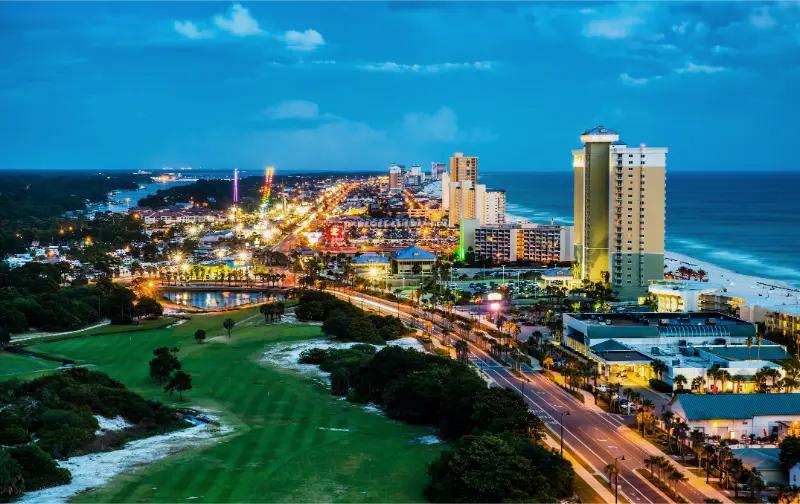
Category: Panama City Beach Florida

  • Panama City Beach with Teenagers: Beaches, Water Activities, Food, Shopping and Family Tips

    Panama City Beach with Teenagers: Beaches, Water Activities, Food, Shopping and Family Tips

    Panama City Beach can work very well with teenagers because the destination offers something between a pure resort vacation and a nonstop theme-park schedule. Teens can spend time in the Gulf, try water-based activities, walk Pier Park, photograph sunsets, explore nature and still have room for the unstructured hours that often matter most at this age. The challenge for parents is not finding things to do; it is avoiding an itinerary that feels designed for younger children. Give teenagers meaningful choices, clear safety boundaries and some control over the pace, and the same beach trip can work for the whole family.

    Explore this guide

    Quick planning summary

    • Best for: Families traveling with preteens and teenagers who want a vacation that feels active and social without turning every day into a scheduled attraction marathon.
    • Ideal trip length: 4–7 nights gives enough time for beach days, one or two paid experiences, nature and independent downtime.
    • Getting around: A car gives the most flexibility across Panama City Beach, state parks and Panama City, but a resort-focused stay near one activity cluster can reduce driving.
    • Safety priority: Check current beach warning flags before entering the Gulf and move indoors early when thunderstorms approach.

    How to use this guide

    Families traveling with preteens and teenagers who want a vacation that feels active and social without turning every day into a scheduled attraction marathon. The goal is not to create a schedule that looks impressive on paper. Panama City Beach is easiest when the most weather-dependent activity happens early, the middle of the day includes shade or indoor time, and the evening stays flexible. Travel time along Front Beach Road can be longer than the mileage suggests during busy periods, so group activities by area.

    Let teenagers help design the day

    Ask each teenager to choose one priority for the trip and one restaurant or evening plan. This small amount of ownership changes the tone of the vacation. A teen who selected a snorkeling outing or sunset stop is more likely to engage with the day than one who is simply following an adult schedule. Parents can still control cost, safety and transportation by offering a short list of acceptable options. For siblings with very different interests, alternate who gets first choice rather than forcing every activity to satisfy everyone equally.

    Use the Gulf for active time, not just sitting on the sand

    Teenagers who get bored with a conventional beach day may enjoy swimming when conditions are safe, paddle sports, a guided boat trip, fishing, snorkeling or simply walking farther along the shoreline with a camera. Match the activity to actual swimming ability and comfort in open water. Operators may have age, weight or participation rules, and weather can cancel excursions, so verify details before booking. The beach flag system still applies to confident swimmers; experience does not override current surf and rip-current hazards.

    Pier Park works best as flexible social time

    Pier Park can be more useful with teenagers than a tightly scheduled evening attraction. Give the family a meeting time, establish boundaries and allow older teens to browse shops or choose food within an agreed area if you are comfortable doing so. The adjacent Russell-Fields Pier area can add sunset or beach time without another long drive. During crowded periods, plan where everyone will meet if mobile service is slow or batteries are low. Independence works best when the logistics are decided before the group separates.
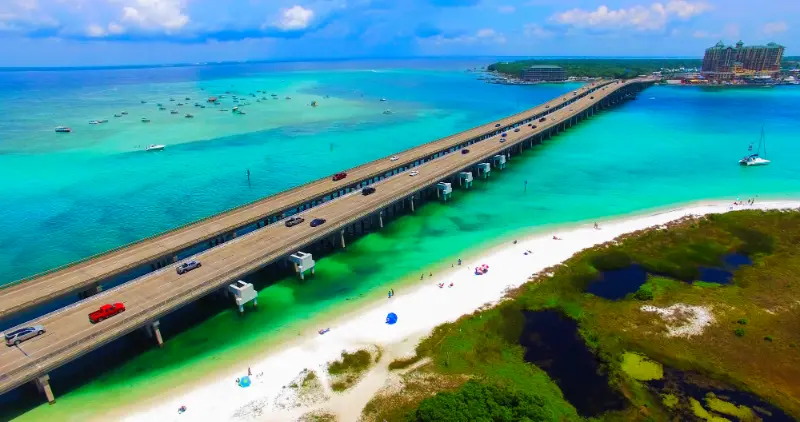
    Panama City Beach Florida Pier over Turquoise Sea

    Mix high-energy and low-energy days

    A water park, long boating day or several hours in the sun can drain teenagers as much as younger children, even when they do not admit it. Follow an active day with a later breakfast, a shorter beach session, shopping, a scenic drive or a relaxed pool afternoon. This pacing also controls spending because every day does not need a ticketed attraction. Leave some unscheduled time for music, phones, gaming, reading or simply doing nothing. Teenagers often remember the freedom of a vacation as much as the formal activities.

    Use nature without turning it into homework

    St. Andrews State Park, Shell Island and Conservation Park can add variety, but present them as experiences rather than educational assignments. Let teens photograph wildlife, map a trail, identify a sunset location or choose a short route. A nature stop can be especially effective early in the morning before the central resort strip becomes busier. Bring insect protection and water, and keep the route realistic for the heat. If the group is not enjoying a trail, turn around; finishing every planned mile is not the point.

    Plan food as part of the experience

    Teenagers often care about where and what they eat, so build at least a few meals around choice rather than convenience. A seafood meal, casual beach food, dessert stop or locally popular breakfast can become a trip highlight. If the family has a condo, mix restaurants with simple meals in the room so the budget can support one or two experiences that matter more. Avoid making everyone hungry while searching for the perfect restaurant at peak dinner time; choose the general area before leaving the beach.

    Families, age groups and different travel styles

    Younger teens usually need closer supervision around water, crowds and evening outings, while older teens may be ready for limited independence in a defined area. The family should agree on meeting points, phone charging, transportation and what happens if plans change. When younger siblings are also traveling, splitting the group for a few hours can be healthier than asking a teenager to spend every day at preschool-oriented attractions.

    For a mixed-age group, decide which activity everyone truly wants to share and let the rest of the day be modular. A vacation becomes easier when a toddler can nap, a teenager can choose an activity and an older traveler can skip a long exposed walk without the group treating those choices as problems.

    Where to stay

    The Pier Park area is convenient for teens who value walkable evening entertainment, while Grand Lagoon can be useful if boating and fishing are major priorities. The West End is quieter and can suit families who want more downtime. A condo with enough sleeping space, reliable Wi‑Fi and a pool may be more useful to teenagers than a hotel with formal common areas. Check exactly how far the room is from the beach and whether teens can safely reach the places you expect them to use independently.

    Compare the total accommodation cost rather than only the first nightly rate shown. Parking, resort fees, cleaning charges, taxes and cancellation rules can materially change the value. For families and longer stays, laundry and a kitchen may save time as well as money. For travelers with mobility needs, confirm the route from parking to room to beach or pool directly with the property.

    Beach safety: the rule that should shape every itinerary

    Panama City Beach uses a beach warning flag system. A green flag still means use caution; yellow indicates a medium hazard; red signals high hazard; purple warns of dangerous marine life; and double red means the water is closed to the public. Conditions can look calm from a balcony while currents remain dangerous. Check the current flag status before entering the Gulf and follow lifeguard and local-authority instructions.
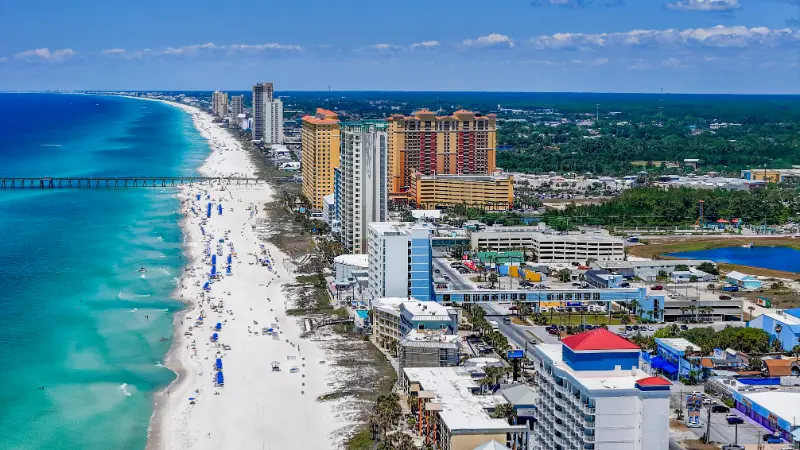
    Panama City Beach Skyline and Shoreline Aerial

    Rip currents are a major Gulf hazard. Swim near lifeguarded areas when possible, keep children within direct reach appropriate to their ability and do not use inflatable toys as safety devices. If lightning develops, leave the water and beach early and move to a safe indoor location. A trip can be rearranged; water and thunderstorm warnings should not be negotiated with an itinerary.

    Weather, heat and the best daily rhythm

    In warm months, an early outdoor block followed by lunch, indoor time or a hotel break usually works better than staying exposed through the hottest hours. Afternoon thunderstorms can be localized and fast-moving, so keep one indoor alternative available. In cooler months, mornings may require a light layer even when the afternoon is pleasant. Check the actual forecast shortly before travel instead of relying on long-term climate averages.

    Sun, humidity and saltwater add fatigue gradually. Drink water throughout the day, reapply sun protection and schedule recovery time after long beach or boat sessions. This matters for children, senior travelers and visitors arriving from cooler climates, but it also affects healthy adults who underestimate how much energy a full day outside requires.

    Driving, parking and getting around

    Panama City Beach is long rather than compact. Before leaving, enter the exact parking area or attraction—not only the destination name—into navigation. Group stops on the same side of town, and avoid driving from east to west and back again for minor errands. During busy seasons, add buffer time for Front Beach Road and popular access points. Never park on dunes, landscaped areas or private property because a map pin appears close to the beach.

    If you are flying into ECP and plan to explore state parks, Panama City, the West End or other Panhandle destinations, a rental car is usually the most flexible choice. Resort-focused travelers may be able to combine transfers or rideshare with walking, but compare the real cost against parking and rental fees before deciding.

    Food and budget planning

    Use geography to control both cost and stress. Eat near the activity you are already doing instead of driving across the city for every meal. A condo kitchen can make breakfast, snacks and one simple dinner inexpensive, leaving more budget for a boat trip or attraction that matters. Families should keep water and familiar snacks available, while travelers with dietary restrictions should identify a few reliable options before arriving.

    Ticket prices and operating schedules can change, so compare current official prices shortly before travel. Do not assume a multi-attraction day is automatically better value. One well-chosen paid experience plus free beach time, a park walk and sunset can create a stronger day than several rushed admissions.

    Common mistakes to avoid

    • Planning every hour without giving teenagers any choice
    • Treating all family attractions as equally suitable for teens
    • Ignoring open-water risk because a teenager is a strong pool swimmer
    • Booking multiple expensive activities on consecutive days
    • Assuming everyone wants to spend every meal and evening together
    • Leaving no flexibility for Gulf weather, traffic or a tired traveler.

    Useful Wonderful Florida guides to combine with this article

    Depending on your itinerary, continue with Panama City Beach with kids guide, Pier Park guide, Russell-Fields City Pier guide, Shell Island guide and Conservation Park guide.

    Official information to check before travel

    Opening hours, access conditions, beach flags, parking arrangements, attraction restrictions and transportation services can change. Use official or primary sources shortly before travel when a specific feature is essential to your day.

    Final planning advice

    Panama City Beach is easiest to enjoy when the beach is treated as part of the schedule rather than the entire schedule. Choose one anchor experience, leave room for weather and rest, and keep the final hours of the day simple. That approach works for families, couples, teenagers, senior travelers and visitors with accessibility needs because it gives the trip enough structure to be useful without turning a Florida vacation into a sequence of deadlines.
  • One Day in Panama City Beach: A Realistic First-Time Itinerary from Beach Morning to Sunset

    One Day in Panama City Beach: A Realistic First-Time Itinerary from Beach Morning to Sunset

    One day in Panama City Beach is enough to understand the destination if you resist the urge to do everything. The most efficient first visit combines one real beach session, one nature or attraction choice, a relaxed meal and a sunset or evening area that does not require crossing the resort strip several times. Start early, because the morning gives you cooler temperatures, easier parking and more flexibility if weather develops later. The itinerary below is intentionally modular: choose St. Andrews State Park for nature, a family attraction for indoor or high-energy time, or Pier Park for a lighter afternoon.

    Explore this guide

    Quick planning summary

    • Best for: First-time visitors, road-trippers and travelers staying in Panama City or elsewhere in the Panhandle who have only one full day for Panama City Beach.
    • Ideal trip length: One full day, ideally with an overnight nearby so you are not combining the itinerary with a long late-night drive.
    • Getting around: A car gives the most flexibility across Panama City Beach, state parks and Panama City, but a resort-focused stay near one activity cluster can reduce driving.
    • Safety priority: Check current beach warning flags before entering the Gulf and move indoors early when thunderstorms approach.

    How to use this guide

    First-time visitors, road-trippers and travelers staying in Panama City or elsewhere in the Panhandle who have only one full day for Panama City Beach. The goal is not to create a schedule that looks impressive on paper. Panama City Beach is easiest when the most weather-dependent activity happens early, the middle of the day includes shade or indoor time, and the evening stays flexible. Travel time along Front Beach Road can be longer than the mileage suggests during busy periods, so group activities by area.

    Panama City Beach Skyline and Shoreline Aerial

    7:30–10:00 a.m.: start on the beach

    Begin with the reason most travelers come: the Gulf. If your accommodation has easy beach access, use it and avoid an unnecessary drive. Day visitors can choose a public access or make St. Andrews State Park the morning anchor. Check the beach warning flags before entering the water, even when the surface looks calm. Keep the morning simple—walk, swim if conditions allow, take photos and enjoy the sand. Leaving before midday heat gives the rest of the day far more energy.

    10:30 a.m.–12:30 p.m.: choose nature or one attraction

    Planning tipFor a first visit, do not schedule two major attractions before lunch. Nature-focused travelers can continue at St. Andrews State Park or visit Conservation Park. Families may choose WonderWorks or another attraction that matches their children’s ages. If this is a romantic or adult trip, a slow drive through the quieter west side can be more satisfying than forcing a ticketed stop. Build in travel and parking time rather than treating map mileage as the only measure of distance.

    12:30–2:00 p.m.: take a real lunch break

    Lunch should reset the day. Choose a restaurant near your morning activity or near the place you plan to visit next; do not drive across the entire destination only for a highly rated meal. Hydrate, cool down and check the weather before committing to the afternoon. Families with toddlers may use this block for a nap at the hotel, while senior travelers can extend the meal and shorten the next activity. A one-day itinerary feels better when lunch is allowed to be part of the experience.

    2:00–5:00 p.m.: Pier Park or an indoor backup

    Pier Park is an easy afternoon choice because it offers shops, food, entertainment and proximity to Russell-Fields Pier. It also works if clouds or a brief shower make a second beach session less appealing. If the weather is very hot, use more indoor time and save the pier for later. Families who chose an indoor attraction in the morning may instead return to the beach for a shorter second session. The point is to avoid duplicating the same kind of activity all day.

    5:00–sunset: slow down instead of adding another attraction

    The final hours are best used for a pier walk, beach time, an early dinner or a sunset viewpoint close to where you already are. Russell-Fields Pier is convenient when you have spent the afternoon near Pier Park. If you are on the east side, staying closer to St. Andrews can reduce traffic. Sunset times change significantly through the year, so check the actual time and arrive early enough to park. Do not build the entire day around reaching a distant sunset spot at the last minute.

    After sunset: decide whether the day is finished

    If everyone still has energy, take a short walk, get dessert or have dinner. If the group is tired, end the day. One common vacation mistake is assuming that every open hour must be filled because you only have one day. A relaxed finish makes the day feel more coherent and reduces the chance of a late drive when children or the driver are exhausted. Travelers continuing to another town should know their route before dark.

    Families, age groups and different travel styles

    Families with toddlers should shorten the midday itinerary and protect nap time. Teenagers may prefer more Pier Park or water-activity time. Senior travelers can replace a long beach block with a pier, scenic drive or seated waterfront experience. The structure matters more than the exact stops: outdoor morning, one anchor activity, real lunch, flexible afternoon and easy sunset.

    For a mixed-age group, decide which activity everyone truly wants to share and let the rest of the day be modular. A vacation becomes easier when a toddler can nap, a teenager can choose an activity and an older traveler can skip a long exposed walk without the group treating those choices as problems.

    Where to stay

    For a one-night stay, convenience matters more than exploring every neighborhood. Choose lodging close to the half of Panama City Beach that contains your main morning activity. Staying near Pier Park simplifies the evening; staying closer to St. Andrews or Grand Lagoon helps with east-side nature and boating. Avoid changing hotels for such a short visit.

    Panama City Beach Florida Pier over Turquoise Sea

    Compare the total accommodation cost rather than only the first nightly rate shown. Parking, resort fees, cleaning charges, taxes and cancellation rules can materially change the value. For families and longer stays, laundry and a kitchen may save time as well as money. For travelers with mobility needs, confirm the route from parking to room to beach or pool directly with the property.

    Beach safety: the rule that should shape every itinerary

    Panama City Beach uses a beach warning flag system. A green flag still means use caution; yellow indicates a medium hazard; red signals high hazard; purple warns of dangerous marine life; and double red means the water is closed to the public. Conditions can look calm from a balcony while currents remain dangerous. Check the current flag status before entering the Gulf and follow lifeguard and local-authority instructions.

    Rip currents are a major Gulf hazard. Swim near lifeguarded areas when possible, keep children within direct reach appropriate to their ability and do not use inflatable toys as safety devices. If lightning develops, leave the water and beach early and move to a safe indoor location. A trip can be rearranged; water and thunderstorm warnings should not be negotiated with an itinerary.

    Weather, heat and the best daily rhythm

    In warm months, an early outdoor block followed by lunch, indoor time or a hotel break usually works better than staying exposed through the hottest hours. Afternoon thunderstorms can be localized and fast-moving, so keep one indoor alternative available. In cooler months, mornings may require a light layer even when the afternoon is pleasant. Check the actual forecast shortly before travel instead of relying on long-term climate averages.

    Sun, humidity and saltwater add fatigue gradually. Drink water throughout the day, reapply sun protection and schedule recovery time after long beach or boat sessions. This matters for children, senior travelers and visitors arriving from cooler climates, but it also affects healthy adults who underestimate how much energy a full day outside requires.

    Driving, parking and getting around

    Panama City Beach is long rather than compact. Before leaving, enter the exact parking area or attraction—not only the destination name—into navigation. Group stops on the same side of town, and avoid driving from east to west and back again for minor errands. During busy seasons, add buffer time for Front Beach Road and popular access points. Never park on dunes, landscaped areas or private property because a map pin appears close to the beach.

    If you are flying into ECP and plan to explore state parks, Panama City, the West End or other Panhandle destinations, a rental car is usually the most flexible choice. Resort-focused travelers may be able to combine transfers or rideshare with walking, but compare the real cost against parking and rental fees before deciding.

    Food and budget planning

    Use geography to control both cost and stress. Eat near the activity you are already doing instead of driving across the city for every meal. A condo kitchen can make breakfast, snacks and one simple dinner inexpensive, leaving more budget for a boat trip or attraction that matters. Families should keep water and familiar snacks available, while travelers with dietary restrictions should identify a few reliable options before arriving.

    Ticket prices and operating schedules can change, so compare current official prices shortly before travel. Do not assume a multi-attraction day is automatically better value. One well-chosen paid experience plus free beach time, a park walk and sunset can create a stronger day than several rushed admissions.

    Common mistakes to avoid

    • Trying to visit both Shell Island and several major attractions in one day
    • Crossing Panama City Beach back and forth for restaurants
    • Starting the beach at midday in summer
    • Ignoring traffic and parking time between short-looking distances
    • Adding a late activity when the driver is already tired
    • Leaving no flexibility for Gulf weather, traffic or a tired traveler.

    Useful Wonderful Florida guides to combine with this article

    Depending on your itinerary, continue with Panama City Beach travel guide, St. Andrews State Park guide, Conservation Park guide, Pier Park guide and Russell-Fields City Pier guide.

    Official information to check before travel

    Opening hours, access conditions, beach flags, parking arrangements, attraction restrictions and transportation services can change. Use official or primary sources shortly before travel when a specific feature is essential to your day.

    Final planning advice

    Panama City Beach is easiest to enjoy when the beach is treated as part of the schedule rather than the entire schedule. Choose one anchor experience, leave room for weather and rest, and keep the final hours of the day simple. That approach works for families, couples, teenagers, senior travelers and visitors with accessibility needs because it gives the trip enough structure to be useful without turning a Florida vacation into a sequence of deadlines.

  • 3 Days in Panama City Beach: Beach, Nature, Family Attractions and a Relaxed Weekend Itinerary

    3 Days in Panama City Beach: Beach, Nature, Family Attractions and a Relaxed Weekend Itinerary

    Three days in Panama City Beach gives you enough time to experience the Gulf, a natural side of Bay County and some of the destination’s family entertainment without trying to fit the entire region into one weekend. The most useful structure is to give each day a theme. Day one establishes the beach and your immediate neighborhood. Day two uses the best weather window for nature or a boat-based experience. Day three adds one attraction or a slower west-side outing. This format makes it easy to swap days when wind, rain or beach conditions change.

    Explore this guide

    Quick planning summary

    • Best for: First-time visitors who want a balanced long weekend without turning Panama City Beach into a race between attractions.
    • Ideal trip length: Three full days plus arrival and departure time if possible.
    • Getting around: A car gives the most flexibility across Panama City Beach, state parks and Panama City, but a resort-focused stay near one activity cluster can reduce driving.
    • Safety priority: Check current beach warning flags before entering the Gulf and move indoors early when thunderstorms approach.

    How to use this guide

    First-time visitors who want a balanced long weekend without turning Panama City Beach into a race between attractions. The goal is not to create a schedule that looks impressive on paper. Panama City Beach is easiest when the most weather-dependent activity happens early, the middle of the day includes shade or indoor time, and the evening stays flexible. Travel time along Front Beach Road can be longer than the mileage suggests during busy periods, so group activities by area.

    Panama City Beach Skyline and Shoreline Aerial

    Day 1 morning: settle into the Gulf Coast rhythm

    Start with the beach closest to your accommodation rather than driving immediately to a famous access point. Check the warning flags, walk the shoreline and learn how long it takes to move between your room, parking and sand. If you arrive early enough, keep the first beach session to a few hours so you still have energy for lunch and the evening. Families should use this time to test what children actually enjoy—waves, sand play, pool time or short walks—before planning the remaining days around assumptions.

    Day 1 afternoon and evening: Pier Park and the City Pier area

    After a real lunch and a break, use Pier Park as an easy first-day orientation. Browse, eat, let children or teenagers choose a small activity and walk toward Russell-Fields Pier for late-day views. This is intentionally not a major-ticket day. You have traveled, checked in and spent time outside; a flexible evening is enough. If your accommodation is far from Pier Park and everyone is tired, stay local and move this block to Day 3.

    Day 2: St. Andrews State Park and optional Shell Island

    Use the second morning for the area’s natural side. St. Andrews State Park can be a full experience by itself, while Shell Island can become the anchor for travelers who want a more undeveloped beach setting and are comfortable with the transport and weather logistics. Do not assume both must be done in one rushed sequence. Check current boat operations, park capacity and marine conditions. Bring water, sun protection and anything you need for a less-developed environment.

    Day 2 late afternoon: rest before dinner

    After several hours around open water and sun, take the pressure off the late afternoon. Return to the accommodation, shower, use the pool briefly or simply rest. This pause is especially important for children, senior travelers and anyone unaccustomed to Gulf Coast heat. Choose dinner on the same side of town as your hotel or next stop. A relaxed dinner can be a stronger memory than another attraction squeezed into the day because there is technically time.

    Day 3: choose one paid attraction or a quieter west-side day

    Families may use the final full day for Shipwreck Island, WonderWorks, ZooWorld or another attraction that suits the ages in the group. Nature-focused travelers can choose Conservation Park or Camp Helen instead. Couples may prefer a slow West End day with beach time and an early dinner. The key is to make one choice, not all of them. A three-day trip feels complete when the days are different from one another, not when every possible attraction has been checked off.

    Build a weather swap into the plan

    The order above is not sacred. If Day 2 has poor boating conditions but Day 3 is calm, swap them. Use an indoor attraction during thunderstorms and protect the clearest morning for the experience that depends most on weather. Check refund and rescheduling terms before booking water-based activities. This flexibility is one of the advantages of a three-day trip: one imperfect weather window does not have to ruin the vacation.

    Families, age groups and different travel styles

    With toddlers, shorten each morning block and return for naps. With teenagers, allow more choice around Day 3 and the evening at Pier Park. Senior travelers may prefer a pier, boardwalk or scenic drive instead of a long sand walk. Multigenerational groups can keep Day 2 as the shared anchor and split for different Day 3 activities.

    For a mixed-age group, decide which activity everyone truly wants to share and let the rest of the day be modular. A vacation becomes easier when a toddler can nap, a teenager can choose an activity and an older traveler can skip a long exposed walk without the group treating those choices as problems.

    Where to stay

    For three days, choose one base and stay there. Pier Park works well for easy evenings, the West End for a quieter beach trip, and Grand Lagoon for boating. A central property can reduce crossing time if the plan mixes east- and west-side activities. Compare total lodging cost, parking and beach route rather than moving hotels to save a small amount per night.

    Compare the total accommodation cost rather than only the first nightly rate shown. Parking, resort fees, cleaning charges, taxes and cancellation rules can materially change the value. For families and longer stays, laundry and a kitchen may save time as well as money. For travelers with mobility needs, confirm the route from parking to room to beach or pool directly with the property.

    Beach safety: the rule that should shape every itinerary

    Panama City Beach uses a beach warning flag system. A green flag still means use caution; yellow indicates a medium hazard; red signals high hazard; purple warns of dangerous marine life; and double red means the water is closed to the public. Conditions can look calm from a balcony while currents remain dangerous. Check the current flag status before entering the Gulf and follow lifeguard and local-authority instructions.

    Rip currents are a major Gulf hazard. Swim near lifeguarded areas when possible, keep children within direct reach appropriate to their ability and do not use inflatable toys as safety devices. If lightning develops, leave the water and beach early and move to a safe indoor location. A trip can be rearranged; water and thunderstorm warnings should not be negotiated with an itinerary.

    Weather, heat and the best daily rhythm

    In warm months, an early outdoor block followed by lunch, indoor time or a hotel break usually works better than staying exposed through the hottest hours. Afternoon thunderstorms can be localized and fast-moving, so keep one indoor alternative available. In cooler months, mornings may require a light layer even when the afternoon is pleasant. Check the actual forecast shortly before travel instead of relying on long-term climate averages.

    Sun, humidity and saltwater add fatigue gradually. Drink water throughout the day, reapply sun protection and schedule recovery time after long beach or boat sessions. This matters for children, senior travelers and visitors arriving from cooler climates, but it also affects healthy adults who underestimate how much energy a full day outside requires.

    Driving, parking and getting around

    Panama City Beach is long rather than compact. Before leaving, enter the exact parking area or attraction—not only the destination name—into navigation. Group stops on the same side of town, and avoid driving from east to west and back again for minor errands. During busy seasons, add buffer time for Front Beach Road and popular access points. Never park on dunes, landscaped areas or private property because a map pin appears close to the beach.

    If you are flying into ECP and plan to explore state parks, Panama City, the West End or other Panhandle destinations, a rental car is usually the most flexible choice. Resort-focused travelers may be able to combine transfers or rideshare with walking, but compare the real cost against parking and rental fees before deciding.

    Food and budget planning

    Use geography to control both cost and stress. Eat near the activity you are already doing instead of driving across the city for every meal. A condo kitchen can make breakfast, snacks and one simple dinner inexpensive, leaving more budget for a boat trip or attraction that matters. Families should keep water and familiar snacks available, while travelers with dietary restrictions should identify a few reliable options before arriving.

    Ticket prices and operating schedules can change, so compare current official prices shortly before travel. Do not assume a multi-attraction day is automatically better value. One well-chosen paid experience plus free beach time, a park walk and sunset can create a stronger day than several rushed admissions.

    Common mistakes to avoid

    • Booking a major ticketed attraction on all three days
    • Planning Shell Island without checking transport and weather
    • Skipping rest after a long sun-and-water day
    • Driving across town for every meal instead of grouping stops
    • Refusing to swap days when weather clearly favors a different order
    • Leaving no flexibility for Gulf weather, traffic or a tired traveler.

    Useful Wonderful Florida guides to combine with this article

    Depending on your itinerary, continue with one-day Panama City Beach itinerary, St. Andrews State Park guide, Shell Island guide, Pier Park guide and Shipwreck Island Waterpark guide.

    Panama City Beach Florida Pier over Turquoise Sea

    Official information to check before travel

    Opening hours, access conditions, beach flags, parking arrangements, attraction restrictions and transportation services can change. Use official or primary sources shortly before travel when a specific feature is essential to your day.

    Final planning advice

    Panama City Beach is easiest to enjoy when the beach is treated as part of the schedule rather than the entire schedule. Choose one anchor experience, leave room for weather and rest, and keep the final hours of the day simple. That approach works for families, couples, teenagers, senior travelers and visitors with accessibility needs because it gives the trip enough structure to be useful without turning a Florida vacation into a sequence of deadlines.

  • Best Time to Visit Panama City Beach: Weather, Crowds, Prices and Season-by-Season Tips

    Best Time to Visit Panama City Beach: Weather, Crowds, Prices and Season-by-Season Tips

    The best time to visit Panama City Beach depends on what you want the Gulf Coast to do for you. Families tied to school calendars often arrive in summer, when the destination is fully active but heat, humidity and thunderstorms shape the day. Spring can bring beautiful beach weather and busy periods. Fall often combines warm conditions with a slower rhythm, while winter can be excellent for walking, nature and lower-key trips even when the water is not the main attraction. Instead of choosing a month from a generic ‘best weather’ list, match the season to your tolerance for heat, crowds, water temperature and schedule changes.

    Explore this guide

    Quick planning summary

    • Best for: Travelers deciding when to book based on swimming, heat tolerance, school calendars, lower crowds, outdoor activity or budget.
    • Ideal trip length: This is a planning guide rather than a fixed itinerary; use it before booking flights and accommodation.
    • Getting around: A car gives the most flexibility across Panama City Beach, state parks and Panama City, but a resort-focused stay near one activity cluster can reduce driving.
    • Safety priority: Check current beach warning flags before entering the Gulf and move indoors early when thunderstorms approach.

    How to use this guide

    Travelers deciding when to book based on swimming, heat tolerance, school calendars, lower crowds, outdoor activity or budget. The goal is not to create a schedule that looks impressive on paper. Panama City Beach is easiest when the most weather-dependent activity happens early, the middle of the day includes shade or indoor time, and the evening stays flexible. Travel time along Front Beach Road can be longer than the mileage suggests during busy periods, so group activities by area.

    Panama City Beach Skyline and Shoreline Aerial

    Spring: strong beach weather with changing crowd levels

    Spring can be one of the most appealing times for sunshine, beach walks and outdoor attractions, but the experience changes significantly across the season. School breaks and events can create busy periods, while other weeks feel far calmer. Early spring mornings may still be cool, so pack layers rather than assuming every day will feel like midsummer. If swimming is essential, check recent Gulf conditions close to travel. Spring is especially good for travelers who want to spend long periods outdoors without the most intense summer heat.

    Summer: best for classic family beach energy

    Summer is the obvious choice for many families because school is out, water activities are in full swing and the destination operates at full vacation intensity. It is also hot and humid, with strong sun and regular thunderstorm potential. Plan the beach early, use midday for lunch or indoor attractions and return outdoors later. Book accommodation and major activities well ahead for popular weeks. Summer visitors should treat beach flags, lightning and hydration as core planning issues rather than small details.

    Fall: warm Gulf Coast days with more breathing room

    Fall can be excellent for travelers who are not restricted by school calendars. Early fall often retains summer-like warmth, while later weeks become increasingly comfortable for walking and outdoor exploration. Crowd patterns can soften after the busiest summer period, although special events and weekends still matter. The Atlantic hurricane season extends through fall, so flexible cancellation policies are particularly valuable. Do not interpret a quieter beach as permission to ignore water conditions; rip currents can occur at any time of year.

    Winter: best for walking, nature and a slower trip

    Winter is not the season to promise a tropical swimming vacation, but it can be very pleasant for visitors who want beaches without needing to spend hours in the water. Cool fronts can bring genuinely chilly mornings, while sunny afternoons may feel mild. The season suits long walks, parks, museums, shopping and road trips. Some seasonal businesses or water-focused activities may reduce schedules, so verify what matters before booking. Snowbirds and senior travelers may appreciate the easier outdoor temperatures.

    Hurricane season and flexible booking

    Tropical weather can affect the Florida Panhandle, and conditions may change even when a storm is not forecast far in advance. Use flexible hotel and activity policies whenever possible, especially during the Atlantic hurricane season. Monitor official weather and local emergency information rather than social media rumors. If evacuation orders or closures occur, follow local authorities. The goal is not to avoid half the year; it is to book in a way that gives you options if the forecast changes.

    The best month for your travel style

    Beach-focused families may prioritize late spring through summer. Couples seeking comfortable outdoor time may prefer spring or fall. Senior travelers and hikers may enjoy fall through spring. Budget travelers should compare real accommodation prices across several weeks rather than assuming one month is always cheapest. Event dates, school holidays and weekends can move prices more than the season label itself. The smartest approach is to pick two or three possible windows and compare weather expectations, cancellation flexibility and lodging cost together.

    Families, age groups and different travel styles

    Families with small children should give extra weight to heat and nap logistics. Teenagers may prefer summer energy and water activities. Senior travelers often find cooler months more comfortable for walking. Visitors with mobility or health considerations should consider how heat, humidity and storm disruptions affect their specific needs rather than following a generic seasonal ranking.

    For a mixed-age group, decide which activity everyone truly wants to share and let the rest of the day be modular. A vacation becomes easier when a toddler can nap, a teenager can choose an activity and an older traveler can skip a long exposed walk without the group treating those choices as problems.

    Where to stay

    Season can influence which area feels best. A quiet West End property may be ideal in summer if you want to retreat from crowds, while being near Pier Park can be useful in cooler or wetter periods when shopping and restaurants play a larger role. During event-heavy weeks, staying close to your main activity reduces traffic exposure. Always compare total accommodation price and cancellation terms for your actual dates.

    Compare the total accommodation cost rather than only the first nightly rate shown. Parking, resort fees, cleaning charges, taxes and cancellation rules can materially change the value. For families and longer stays, laundry and a kitchen may save time as well as money. For travelers with mobility needs, confirm the route from parking to room to beach or pool directly with the property.

    Beach safety: the rule that should shape every itinerary

    Panama City Beach uses a beach warning flag system. A green flag still means use caution; yellow indicates a medium hazard; red signals high hazard; purple warns of dangerous marine life; and double red means the water is closed to the public. Conditions can look calm from a balcony while currents remain dangerous. Check the current flag status before entering the Gulf and follow lifeguard and local-authority instructions.

    Panama City Beach Aerial View with Turquoise Sea

    Rip currents are a major Gulf hazard. Swim near lifeguarded areas when possible, keep children within direct reach appropriate to their ability and do not use inflatable toys as safety devices. If lightning develops, leave the water and beach early and move to a safe indoor location. A trip can be rearranged; water and thunderstorm warnings should not be negotiated with an itinerary.

    Weather, heat and the best daily rhythm

    In warm months, an early outdoor block followed by lunch, indoor time or a hotel break usually works better than staying exposed through the hottest hours. Afternoon thunderstorms can be localized and fast-moving, so keep one indoor alternative available. In cooler months, mornings may require a light layer even when the afternoon is pleasant. Check the actual forecast shortly before travel instead of relying on long-term climate averages.

    Sun, humidity and saltwater add fatigue gradually. Drink water throughout the day, reapply sun protection and schedule recovery time after long beach or boat sessions. This matters for children, senior travelers and visitors arriving from cooler climates, but it also affects healthy adults who underestimate how much energy a full day outside requires.

    Driving, parking and getting around

    Panama City Beach is long rather than compact. Before leaving, enter the exact parking area or attraction—not only the destination name—into navigation. Group stops on the same side of town, and avoid driving from east to west and back again for minor errands. During busy seasons, add buffer time for Front Beach Road and popular access points. Never park on dunes, landscaped areas or private property because a map pin appears close to the beach.

    If you are flying into ECP and plan to explore state parks, Panama City, the West End or other Panhandle destinations, a rental car is usually the most flexible choice. Resort-focused travelers may be able to combine transfers or rideshare with walking, but compare the real cost against parking and rental fees before deciding.

    Food and budget planning

    Use geography to control both cost and stress. Eat near the activity you are already doing instead of driving across the city for every meal. A condo kitchen can make breakfast, snacks and one simple dinner inexpensive, leaving more budget for a boat trip or attraction that matters. Families should keep water and familiar snacks available, while travelers with dietary restrictions should identify a few reliable options before arriving.

    Ticket prices and operating schedules can change, so compare current official prices shortly before travel. Do not assume a multi-attraction day is automatically better value. One well-chosen paid experience plus free beach time, a park walk and sunset can create a stronger day than several rushed admissions.

    Common mistakes to avoid

    • Assuming summer rain means every day will be a washout
    • Assuming winter guarantees warm swimming conditions
    • Booking a nonrefundable trip during storm-prone periods without understanding the risk
    • Ignoring school-break and event crowd patterns
    • Choosing a season without considering heat tolerance and the ages in your group
    • Leaving no flexibility for Gulf weather, traffic or a tired traveler.

    Useful Wonderful Florida guides to combine with this article

    Depending on your itinerary, continue with Panama City Beach travel guide, Panama City Beach with kids guide, where to stay in Panama City Beach, St. Andrews State Park guide and Pier Park guide.

    Official information to check before travel

    Opening hours, access conditions, beach flags, parking arrangements, attraction restrictions and transportation services can change. Use official or primary sources shortly before travel when a specific feature is essential to your day.

    Final planning advice

    Panama City Beach is easiest to enjoy when the beach is treated as part of the schedule rather than the entire schedule. Choose one anchor experience, leave room for weather and rest, and keep the final hours of the day simple. That approach works for families, couples, teenagers, senior travelers and visitors with accessibility needs because it gives the trip enough structure to be useful without turning a Florida vacation into a sequence of deadlines.

  • Panama City Beach for Couples: Beaches, Sunsets, Nature, Date Ideas and Where to Stay

    Panama City Beach for Couples: Beaches, Sunsets, Nature, Date Ideas and Where to Stay

    Panama City Beach can work very well for couples when the trip is not planned like a family-attraction checklist. The best version is usually simple: an early walk, a long breakfast, a few hours on the Gulf, one nature or water experience, a relaxed meal and sunset. Couples can also choose the atmosphere more precisely than a large group—quiet West End, walkable Pier Park, boating near Grand Lagoon or a condo where the balcony becomes part of the evening.

    Explore this guide

    Quick planning summary

    • Best for: Couples who want a beach escape with sunsets, nature, seafood and enough activity without needing a nightlife-heavy resort.
    • Ideal trip length: 3–4 nights for a romantic break; 5–7 nights if combining beach time with parks and Panhandle day trips.
    • Getting around: A car is useful for exploring, but a well-located stay can support several no-drive evenings.
    • Most important planning point: Choose the atmosphere first—quiet, walkable, active or nature-focused—then choose the hotel and itinerary.

    Pick the right base for your style as a couple

    The West End can suit couples who want quieter beach time and easy access toward Camp Helen and 30A. Pier Park is better for travelers who like to walk to dinner, shops and an evening stroll. Middle Beach keeps many classic attractions central, while Grand Lagoon is useful for boating and St. Andrews State Park. The best area is not universal; it depends on what you want to do after 5 p.m.

    Build the day around two good outdoor windows

    A relaxed couple’s day does not need six stops. Use early morning for the beach, a walk or coffee, then leave room for lunch and rest. Return outside later for a park, boat trip, pier or sunset. This rhythm is particularly good in summer, when midday heat can make a romantic itinerary feel like a test of endurance.

    Sunset is an activity, not just the end of the day

    Russell-Fields City Pier, M.B. Miller County Pier, the beach in front of your accommodation and St. Andrews State Park can all create a strong sunset moment depending on the day. Do not overcomplicate it. Choose a spot close to dinner or the hotel, arrive with enough time to walk, and let the evening remain open rather than racing to another reservation.

    Nature is the easiest way to make the trip feel different

    Conservation Park works for couples who enjoy walking or cycling, while St. Andrews State Park adds beaches, nature and the possibility of a Shell Island experience. These places create contrast with the resort strip and make a short trip feel broader without requiring a long road journey. Go early and keep the route realistic for the weather.

    Choose one water experience together

    Depending on comfort level and season, a boat trip, paddling experience, snorkeling day or Shell Island outing can become the shared highlight. Read cancellation and weather policies before booking. If one partner is less comfortable on boats or in open water, choose an activity that both people will enjoy rather than treating the most adventurous option as automatically more romantic.

    Dinner is easier when geography comes first

    Instead of driving across the entire beach for a highly rated restaurant every night, choose one destination meal and keep the others close to your day. A sunset dinner near Pier Park, seafood around Grand Lagoon or a casual meal after St. Andrews can all work. Reservations are useful for a special evening during busy periods, but leaving one night unplanned makes the trip feel less scheduled.

    Choose accommodation for the trip you are actually taking

    Panama City Beach stretches for miles, so the cheapest room is not automatically the best value. A property near Pier Park can reduce evening driving, the West End can feel calmer, Middle Beach keeps many attractions reasonably close, and the Grand Lagoon side can be convenient for boating and St. Andrews State Park. Compare the real route from the room to the beach, parking area, elevator, pool and restaurants rather than relying on the phrase “beachfront” alone.

    Panama City Beach Skyline and Shoreline Aerial

    For a couple, a balcony you will actually use, a comfortable bed, quiet at night and the ability to walk to dinner may be worth more than a large suite. Decide whether oceanfront matters enough to pay for it. If the trip is partly about privacy and rest, check reviews for elevator noise, pool noise and construction rather than focusing only on the view.

    Always compare the total accommodation price. Parking, resort fees, cleaning charges, taxes and cancellation conditions can change the ranking between a hotel and a condo. For longer stays, a kitchen and laundry may save both money and time. Travelers with mobility needs should confirm the complete accessible route directly with the property, including parking, entrances, elevators, bathrooms and access to any advertised beach or pool facilities.

    Driving, transit and realistic distances

    The destination is long rather than compact. Front Beach Road can make a short mileage look deceptively easy on a map, especially during busy periods, so group activities by area. A car remains the simplest option for travelers who want state parks, Panama City, grocery runs and day trips, but it is not the only possibility. Bayway provides public transportation in Bay County and also operates flexible services in defined zones; schedules, service areas and fares should be checked close to travel because they can change.

    If you plan to rely on walking, rideshare or transit, choose the accommodation first and then test every important trip from that exact address. A resort that works beautifully without a car for beach, dinner and Pier Park may be inconvenient for St. Andrews State Park or an early-morning boat departure. Likewise, renting a car for one or two targeted days can be more efficient than keeping one for an entire resort-focused stay when parking costs are high.

    Beach safety should shape the day, not interrupt it

    Panama City Beach uses a beach warning flag system, and the safest habit is to check the current flag before anyone enters the Gulf. Green still means use caution, yellow indicates a medium hazard, red indicates a high hazard, purple warns of dangerous marine life, and double red closes the water to the public. Water can look attractive from a balcony while currents remain strong, so visual impressions are not a substitute for the posted warning. When lifeguarded areas are available, they are the better choice for families, less-confident swimmers and anyone unfamiliar with Gulf conditions.

    Rip currents, lightning, heat and changing surf are the hazards most likely to alter an otherwise ordinary beach day. Keep children within the level of supervision their swimming ability requires, do not treat inflatables as lifesaving devices, and move indoors when thunderstorms approach rather than waiting for the rain to become heavy. A flexible itinerary makes this much easier: if the Gulf is unsafe, switch to a park, museum, shopping block or long meal and return only when conditions are appropriate.

    Food and budget planning without making the trip feel cheap

    Planning tipThe easiest way to control spending is to decide which experiences deserve money before arrival. Beach time, sunset, public parks and walking can fill large parts of the day, leaving room for one paid attraction, boat trip or special meal that actually matters to the group. A condo kitchen is useful for breakfast, cold drinks, snacks and simple lunches, while a hotel traveler can still save by keeping fruit, water and familiar snacks in the room.

    Avoid driving across the entire beach for every meal. Choose restaurants close to the activity you are already doing, and treat one destination meal as the exception rather than the daily rule. Families should compare children’s menus and waiting times, while couples and solo travelers may get better value from an early dinner or a casual seafood lunch followed by sunset. Prices and operating schedules change, so check current menus and ticket pages before building a day around a specific offer.

    Common couple-trip mistakes

    • Booking in the busiest family activity zone when you really want quiet.
    • Over-scheduling romantic dinners, tours and sunset stops until nothing feels relaxed.
    • Choosing every activity for one partner’s interests.
    • Driving long distances for small experiences that could be enjoyed near the hotel.
    • Ignoring beach flags because the day is built around a swim or boat plan.
    • Paying for a luxury room but spending no time there.

    Useful Wonderful Florida guides to combine with this article

    Continue planning with where to stay in Panama City Beach, Russell-Fields City Pier, St. Andrews State Park and Shell Island.

    Panama City Beach Florida Pier over Turquoise Sea

    Official information to check before travel

    Opening hours, parking arrangements, beach conditions, transportation services and local rules can change. If a specific feature is essential to the day, confirm it with the operator or public agency shortly before leaving your accommodation.

    Final planning advice

    For couples, Panama City Beach is strongest when you leave enough empty space to enjoy the setting. Pick the right neighborhood, choose one shared experience, keep sunset simple and let good weather decide the rest. A three-night trip can feel complete when it contains a few memorable moments instead of a long list of attractions.

    One more practical planning point

    A couple’s trip also benefits from one period of separate time. One person may want a long beach walk while the other reads at the pool, shops or rests. Meeting again for sunset can make the shared part of the day feel better than negotiating every hour. Travel together does not require identical energy or interests.

  • Where to Stay in Panama City Beach: Best Areas for Families, Beaches, Nightlife and Quiet Trips

    Where to Stay in Panama City Beach: Best Areas for Families, Beaches, Nightlife and Quiet Trips

    Where you stay in Panama City Beach can change the vacation more than the difference between two similar hotels. The destination stretches along the Gulf, and the West End, Pier Park area, Open Sands, Middle Beach and Grand Lagoon each create a different daily rhythm. A family that wants to walk to dinner may choose differently from a couple prioritizing quiet sunsets, while travelers booking boat excursions may save time by staying closer to Grand Lagoon. Instead of asking for the single ‘best’ neighborhood, match the base to the activity you expect to do most often.

    Explore this guide

    Quick planning summary

    • Best for: First-time visitors choosing between a quiet beach base, walkable evening entertainment, central attractions or easy access to boating.
    • Ideal trip length: Any trip length; choosing the right area matters even more on short stays because crossing the resort strip repeatedly wastes time.
    • Getting around: A car gives the most flexibility across Panama City Beach, state parks and Panama City, but a resort-focused stay near one activity cluster can reduce driving.
    • Safety priority: Check current beach warning flags before entering the Gulf and move indoors early when thunderstorms approach.

    How to use this guide

    First-time visitors choosing between a quiet beach base, walkable evening entertainment, central attractions or easy access to boating. The goal is not to create a schedule that looks impressive on paper. Panama City Beach is easiest when the most weather-dependent activity happens early, the middle of the day includes shade or indoor time, and the evening stays flexible. Travel time along Front Beach Road can be longer than the mileage suggests during busy periods, so group activities by area.

    West End: best for a quieter beach rhythm

    The West End is a strong choice for travelers who want a calmer atmosphere and easier access toward Camp Helen State Park and the Highway 30A side of the region. The destination tourism office describes it as a quieter stretch with fewer high-rise buildings. It can suit couples, families with young children and repeat visitors who do not need to be beside the largest entertainment hubs every evening. The trade-off is that you may drive farther for some central attractions and restaurants, so check the exact property location rather than assuming every West End address is equally convenient.

    Pier Park: best for easy evenings and first-time convenience

    Staying around Pier Park puts shopping, restaurants, entertainment and the Russell-Fields Pier close together. Families with older children and teenagers often appreciate having something to do after the beach without planning a major outing. It can also be practical for short stays because the evening plan is simple. The area is busier, and traffic or event crowds may matter, so visitors who want a very quiet beach experience should compare it with the West End. Check whether your property is genuinely walkable to Pier Park or merely marketed as being ‘near’ it.

    Open Sands: best for classic resort variety

    Open Sands combines resorts, restaurants and traditional beach-vacation attractions. It can suit travelers who want the familiar Panama City Beach mix without committing to one specific entertainment district. The advantage is choice; the challenge is that Front Beach Road traffic can make a short distance feel longer at popular times. Look closely at beach access, parking and whether restaurants are safely walkable from your property. For families, a building with a pool and easy food options can reduce the need to drive for every small part of the day.

    Panama City Beach Skyline and Shoreline Aerial

    Middle Beach: best for a central base

    Middle Beach places you near a broad cross-section of dining, resorts and beach access, making it a useful compromise for first-time visitors who plan to explore both east and west. Central location does not mean every trip will be traffic-free, but it can reduce the number of times you cross the full destination. This area works well for travelers who expect to spend most mornings on the beach and use the car for one planned outing later. Compare the room itself carefully because condo layouts and parking arrangements vary widely.

    Grand Lagoon and the East End: best for boating and water excursions

    Grand Lagoon is the logical base for travelers whose trip centers on fishing, dolphin cruises, boat rentals, Shell Island excursions or other water-based activities. Being closer to the departure point can make an early morning much easier, especially with children or fishing equipment. The area also has locally owned restaurants and a different feel from the central beachfront corridor. If direct Gulf-front lodging is your top priority, compare the exact property position, because a Grand Lagoon address does not automatically mean your room opens directly onto the beach.

    Hotel versus condo: decide by how you live on vacation

    A hotel can be easier for short stays, daily housekeeping and simple check-in, while a condo is often more practical for families who want a kitchen, laundry and separate sleeping areas. Condo fees, parking rules and cleaning charges can change the real nightly cost. Read the full price before booking. For a one- or two-night stop, a hotel may be simpler; for a week with children, the ability to prepare breakfast and wash beach clothes can be worth more than a polished lobby.

    Families, age groups and different travel styles

    Families with toddlers often benefit from the shortest possible route between room, beach and nap. Teenagers may prefer Pier Park access. Couples may choose the quieter West End or a property with a stronger sunset setting. Senior travelers and wheelchair users should prioritize verified parking, elevator and beach routes over neighborhood reputation alone. There is no universally best area because the practical needs are different.

    For a mixed-age group, decide which activity everyone truly wants to share and let the rest of the day be modular. A vacation becomes easier when a toddler can nap, a teenager can choose an activity and an older traveler can skip a long exposed walk without the group treating those choices as problems.

    Where to stay

    The official destination framework is useful: West End, Pier Park, Open Sands, Middle Beach and Grand Lagoon each function as recognizable planning zones. Start by marking your top two daily priorities, then choose the zone that minimizes those trips. Once the area is correct, compare individual properties by total price, cancellation terms, parking, beach route, pool, elevator, kitchen and sleeping layout.

    Compare the total accommodation cost rather than only the first nightly rate shown. Parking, resort fees, cleaning charges, taxes and cancellation rules can materially change the value. For families and longer stays, laundry and a kitchen may save time as well as money. For travelers with mobility needs, confirm the route from parking to room to beach or pool directly with the property.

    Beach safety: the rule that should shape every itinerary

    Panama City Beach uses a beach warning flag system. A green flag still means use caution; yellow indicates a medium hazard; red signals high hazard; purple warns of dangerous marine life; and double red means the water is closed to the public. Conditions can look calm from a balcony while currents remain dangerous. Check the current flag status before entering the Gulf and follow lifeguard and local-authority instructions.

    Rip currents are a major Gulf hazard. Swim near lifeguarded areas when possible, keep children within direct reach appropriate to their ability and do not use inflatable toys as safety devices. If lightning develops, leave the water and beach early and move to a safe indoor location. A trip can be rearranged; water and thunderstorm warnings should not be negotiated with an itinerary.

    Weather, heat and the best daily rhythm

    In warm months, an early outdoor block followed by lunch, indoor time or a hotel break usually works better than staying exposed through the hottest hours. Afternoon thunderstorms can be localized and fast-moving, so keep one indoor alternative available. In cooler months, mornings may require a light layer even when the afternoon is pleasant. Check the actual forecast shortly before travel instead of relying on long-term climate averages.

    Sun, humidity and saltwater add fatigue gradually. Drink water throughout the day, reapply sun protection and schedule recovery time after long beach or boat sessions. This matters for children, senior travelers and visitors arriving from cooler climates, but it also affects healthy adults who underestimate how much energy a full day outside requires.

    Driving, parking and getting around

    Panama City Beach is long rather than compact. Before leaving, enter the exact parking area or attraction—not only the destination name—into navigation. Group stops on the same side of town, and avoid driving from east to west and back again for minor errands. During busy seasons, add buffer time for Front Beach Road and popular access points. Never park on dunes, landscaped areas or private property because a map pin appears close to the beach.

    If you are flying into ECP and plan to explore state parks, Panama City, the West End or other Panhandle destinations, a rental car is usually the most flexible choice. Resort-focused travelers may be able to combine transfers or rideshare with walking, but compare the real cost against parking and rental fees before deciding.

    Food and budget planning

    Use geography to control both cost and stress. Eat near the activity you are already doing instead of driving across the city for every meal. A condo kitchen can make breakfast, snacks and one simple dinner inexpensive, leaving more budget for a boat trip or attraction that matters. Families should keep water and familiar snacks available, while travelers with dietary restrictions should identify a few reliable options before arriving.

    Ticket prices and operating schedules can change, so compare current official prices shortly before travel. Do not assume a multi-attraction day is automatically better value. One well-chosen paid experience plus free beach time, a park walk and sunset can create a stronger day than several rushed admissions.

    Common mistakes to avoid

    • Choosing only by nightly price without mapping daily drive times
    • Assuming “near Pier Park” means comfortably walkable
    • Booking a condo without checking cleaning, parking and resort fees
    • Ignoring elevator and parking logistics in a large beachfront building
    • Selecting a quiet area when the group actually wants nightlife every evening
    • Leaving no flexibility for Gulf weather, traffic or a tired traveler.

    Useful Wonderful Florida guides to combine with this article

    Depending on your itinerary, continue with Panama City Beach travel guide, Pier Park guide, Russell-Fields City Pier guide, Camp Helen State Park guide and Shell Island guide.

    Panama City Beach Florida Pier over Turquoise Sea

    Official information to check before travel

    Opening hours, access conditions, beach flags, parking arrangements, attraction restrictions and transportation services can change. Use official or primary sources shortly before travel when a specific feature is essential to your day.

    Final planning advice

    Panama City Beach is easiest to enjoy when the beach is treated as part of the schedule rather than the entire schedule. Choose one anchor experience, leave room for weather and rest, and keep the final hours of the day simple. That approach works for families, couples, teenagers, senior travelers and visitors with accessibility needs because it gives the trip enough structure to be useful without turning a Florida vacation into a sequence of deadlines.

  • Panama City Beach Florida Travel Guide: Best Things to Do, Beaches, Families and Planning Tips

    Panama City Beach Florida Travel Guide: Best Things to Do, Beaches, Families and Planning Tips

    Panama City Beach is one of Florida’s most recognizable Panhandle destinations, but a good trip is more than simply booking a condo and walking to the nearest patch of sand. The city stretches along a long Gulf shoreline, has very different personalities from the quiet west end to the busier central resort area, and sits close to state parks, undeveloped islands, family attractions and the bayside city of Panama City. The easiest way to enjoy it is to decide what kind of vacation you want before choosing where to stay.

    Explore this guide

    For a first visit, the goal is not to collect every possible stop. Build the day around the experience that matters most to your group, then use nearby beaches, food or short walks as supporting activities. That approach makes the trip more resilient when traffic, Gulf conditions or summer thunderstorms change the schedule.

    Quick planning summary

    • Best for: beaches, families, Gulf sunsets, boat trips, shopping and easy first-time Panhandle vacations
    • Local time: Central Time
    • Public beach access: nearly 100 access points across Bay County
    • Car: useful for state parks, Panama City and west-end attractions
    • Recommended stay: 3–5 nights for a first visit

    Important current-status note

    October 2026 information snapshot: this article is scheduled for 2028. Hours, prices, construction, beach access, shuttle schedules, wildlife rules, parking systems and local ordinances can change before publication. The practical details below are a verified 2026 planning baseline, not a promise that every condition will still apply in 2028. Recheck the linked official source shortly before travel.

    Current practical baseline

    Official visitor information currently lists nearly 100 public beach access points in Bay County, and the City operates paid public parking lots near the beach. The local beach-flag system is essential: double red means the water is closed to the public, while red and yellow indicate progressively lower but still meaningful hazards. The visitor center at 17001 Panama City Beach Parkway currently publishes daily 8 a.m.–5 p.m. Central Time hours.

    How Panama City Beach is laid out

    The resort corridor is long enough that “near the beach” does not automatically mean near everything else. The west end around Pier Park and the Lake Powell/Camp Helen side tends to feel different from the central Front Beach Road zone, while the Thomas Drive and Grand Lagoon side is convenient for St. Andrews State Park and many boat departures. Choose lodging around your highest-priority activities, not around a generic map pin.

    Panama City Beach Aerial View with Turquoise Sea

    Beach access and parking

    Bay County states that its beaches are public and maintains dozens of access points. Some have parking and accessible features; many are simple walkovers without large lots. The City currently operates paid public lots at 9941 Thomas Drive, 600 Henley Drive and 11209 Front Beach Road, with a 2026 baseline of $2 per hour, $12 per day and $84 per week. Recheck rates before 2028.

    Understand the beach flag system

    Rip currents are one of the most important trip-planning realities. Flags communicate water hazards, and double red closes the water to the public. Do not treat a red flag as a challenge or assume strong swimmers are exempt from risk. Check current conditions every beach day because yesterday’s calm surf says nothing about today.

    Best things to do beyond the sand

    A first trip can combine a state-park morning, a natural island outing, shopping and dining, a family attraction, and an afternoon in Panama City’s historic districts. This variety matters on rainy or windy days because it keeps the vacation from depending entirely on perfect Gulf conditions.

    Where to stay

    Beachfront condos are practical for families who want kitchens and easy sand access. The Pier Park area works well for shopping and evening walking. Thomas Drive is convenient for St. Andrews and Grand Lagoon excursions. Travelers who value quiet more than nightlife may prefer the west end. Compare total price, parking, resort fees, beach chair policies and walking distance rather than only the nightly rate.

    How long to stay

    Three nights can cover one major beach day, one nature or boat day and one mixed attraction day. Four or five nights create a much better margin for weather. A week makes sense for families who prefer slower mornings and do not want every day to involve driving.

    Spring break and high-impact periods

    Panama City Beach applies additional rules during designated high-impact periods. Current visitor guidance says alcohol is not permitted on sandy beaches during March and highlights extra safety measures during late-March/early-April dates. Travelers should verify the exact rules for their travel year rather than relying on older spring-break habits.

    Dog beach and active travelers

    The west side of the Russell-Fields City Pier currently has a designated dog-friendly beach where dogs must be leashed. The area also supports volleyball, pier walking, fishing, biking and long beach walks. Active travelers should still schedule around heat because humidity can make a moderate route feel much harder than the mileage suggests.

    Is Panama City Beach right for you?

    Choose PCB if you want a broad range of lodging, restaurants and activities with a famous Gulf beach always nearby. If your priority is solitude, low-rise development and a small-town feel, you may prefer Mexico Beach, Cape San Blas or the Forgotten Coast and use PCB as a shorter stop rather than the entire vacation.

    Panama City Beach Hotels by the Gulf Aerial

    Families, teenagers and senior travelers

    Families with young children usually enjoy the area most when the day alternates between movement and recovery: beach or trail first, then lunch or an indoor stop, then another short activity later. Teenagers may prefer snorkeling, wildlife, biking, shopping or interactive exhibits over a long sequence of passive sightseeing. Senior travelers often appreciate the broad choice of scenic drives, museums and waterfront stops, but midday heat and soft sand can make apparently short distances tiring. Keep the schedule flexible enough for different energy levels.

    Weather, water and seasonal planning

    Bay County has a long warm season, strong summer sun, frequent afternoon thunderstorms and a hurricane season that can affect beaches, roads and attraction hours even when the center of a storm is far away. Summer is excellent for warm-water trips but demands more shade, hydration and schedule flexibility. Spring and fall often provide a comfortable compromise for walking, wildlife viewing and beach time. Winter can be quiet and pleasant for museums and trails, but Gulf water and wind can feel cool. Check radar, marine conditions and official beach flags before committing to swimming, boating or a long exposed walk.

    Accessibility and multigenerational travel

    Accessibility changes dramatically between paved attractions, shopping districts, boardwalks, soft sand and natural trails. A destination described as “easy” may still involve heat, uneven surfaces or a long walk from parking. Travelers using a wheelchair, walker or stroller should verify the exact route and available accessible facilities rather than relying only on distance. Multigenerational groups generally do best by pairing one higher-effort activity with one lower-effort stop, then building in a shaded or air-conditioned break during the hottest part of the day.

    Budget and value

    Panama City Beach can be as inexpensive or as activity-heavy as you make it. Public beach access and several parks cost little or nothing, while boat trips, animal encounters, equipment rentals, dining and beachfront lodging can increase the daily total quickly. Compare the full cost of an experience rather than the headline price: parking, state-park admission, equipment, food, taxes and optional upgrades may matter. Families often save money by carrying water and snacks, grouping stops geographically and choosing one paid attraction per day rather than stacking several.

    What to bring

    • refillable water and extra drinks for hot outdoor days
    • broad-spectrum sunscreen, hat and sunglasses
    • insect repellent for marshes, trails and evenings
    • comfortable walking shoes plus sandals or water shoes when useful
    • a light rain layer during the warm season
    • small power bank for navigation and beach-condition alerts
    • dry bag or waterproof phone pouch for boat and beach days

    Common planning mistakes

    • assuming calm-looking Gulf water means there is no rip-current risk
    • underestimating traffic and parking time during peak weekends
    • planning every hour with no weather backup
    • assuming every beach access has restrooms, lifeguards or large parking areas
    • relying on old social-media prices instead of the current official source
    • forgetting that Central Time applies locally even when arriving from Eastern Time areas
    • packing too many distant stops into one day instead of grouping them geographically

    A better daily rhythm

    Put the most weather-sensitive activity first. Beach time, wildlife viewing, long walks and boat trips generally work best early, while museums, shopping, lunch and other indoor stops are useful during the hottest or stormiest part of the afternoon. Leave at least an hour unassigned. That margin absorbs traffic, a longer meal, changing surf, a thunderstorm or the simple decision to stay longer at a place your group genuinely enjoys.

    Parking and driving strategy

    Front Beach Road, Thomas Drive, Panama City Beach Parkway and the routes across St. Andrews Bay can become slow at busy times. Put the exact entrance or parking lot into navigation before leaving rather than searching by a broad destination name. The City of Panama City Beach currently operates paid public lots near the beach and also maintains multiple public accesses, while individual parks and attractions use their own systems. Never create an improvised parking space on dunes, grass or private property simply because a legal space is not immediately visible.

    Food, restrooms and practical breaks

    Facilities are easy to find around the resort strip and Pier Park but become less predictable on natural beaches, islands and longer trail systems. Families should use restrooms before a remote outing, carry snacks and keep drinking water in the car. Restaurants can be busy in summer and spring-break periods, so an early lunch or dinner often produces a calmer experience. For a boat or ferry day, never assume food and shade will be available at the destination unless the operator explicitly says so.

    Continue the Panhandle road trip

    If you are arriving from the east, the transition from Mexico Beach to Panama City Beach is an easy way to see how quickly the Panhandle changes from small-town shoreline to a larger resort destination. Travelers who want a quieter comparison can also review Cape San Blas before deciding how much time to spend in Bay County.

    Central Time reminder

    Panama City Beach and Panama City use Central Time. This matters for travelers arriving from Port St. Joe, Cape San Blas and much of Gulf County, which use Eastern Time. A relatively short drive can change the clock by one hour. Confirm the local time shown on ferry departures, attraction tickets, restaurant bookings and check-in instructions rather than relying on the time zone of the place you left that morning.

    Photography and responsible visiting

    Bay County offers easy sunset, wildlife, street-art and beach photography, but access rules still apply. Stay out of dunes and nesting zones, keep a respectful distance from wildlife and never block traffic or private property for a photograph. Drone rules can differ between state parks, city property and federal or private land; verify permission for the exact location instead of assuming open sky means unrestricted use.

    If the weather changes

    Have one indoor or low-exposure backup ready. A museum, Historic St. Andrews, Pier Park, a long lunch or a short shopping stop can replace a beach or trail session during lightning or strong wind. After tropical weather, official city, county, state-park and attraction updates should take priority over old reviews because access conditions can change quickly.

    Final planning advice

    Use the guide to decide whether the experience fits your group rather than treating every attraction as mandatory. Bay County works best when you choose one anchor experience, add one or two nearby stops and leave enough room for Gulf weather, traffic and spontaneous beach time. A relaxed day with one memorable activity usually creates a better vacation than racing between five separate attractions.

    Official information

    Check the official source shortly before travel for current hours, prices, closures, event schedules, parking rules and safety notices.