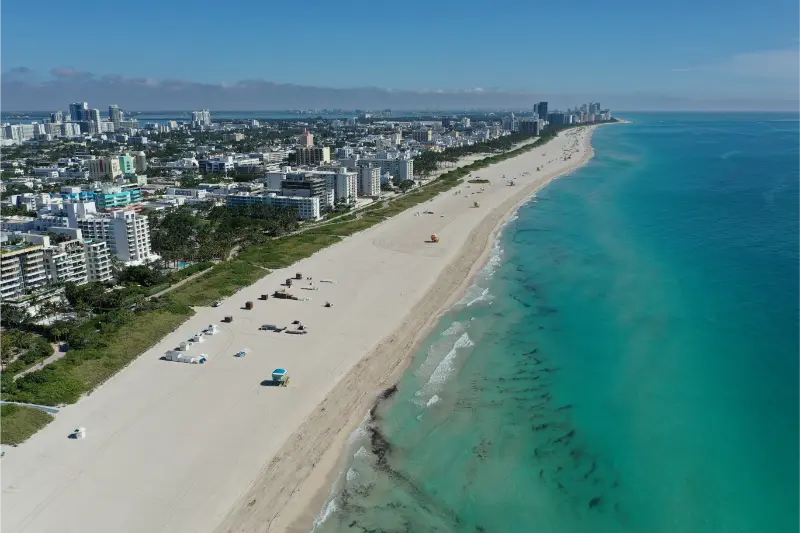
Category: Where to Stay in Florida

  • Where to Stay on Florida’s Space Coast: Cocoa Beach, Cape Canaveral, Titusville or Melbourne?

    Where to Stay on Florida’s Space Coast: Cocoa Beach, Cape Canaveral, Titusville or Melbourne?

    Florida's Space Coast combines Atlantic beaches, spaceflight history, wildlife and a busy cruise gateway. Its attractions look close on a regional map, yet a hotel in Titusville serves a very different trip from a beachfront room in Cocoa Beach or a quieter base around Melbourne. Most visitors arrive with one major priority: Kennedy Space Center, a Port Canaveral cruise, surfing or a relaxed coastal break. Choosing the base around that priority reduces unnecessary drives and leaves more time for the coastline. There is no universal “best hotel area” across Brevard County. This guide compares the practical advantages of its principal bases and explains what to ask before booking, particularly if your group includes children, older adults or someone who needs step-free access.

    Which area fits your trip?

    BaseBest forWatch for
    Cocoa BeachEveryday ocean accessCheck exact beach access and surf
    Cape CanaveralPort Canaveral cruisesTerminal transfer still required
    TitusvilleKennedy Space Center and wildlifeAtlantic beaches require travel
    Melbourne and beachesLocal culture and southern coastlineLonger journey to KSC

    Cocoa Beach: the simplest choice for a traditional Atlantic beach vacation

    Cocoa Beach appeals to travelers picturing an ocean walk before breakfast, surf lessons, casual dining and afternoons on the sand. Accommodation ranges from conventional hotels to condominium rentals, with different levels of beach proximity. The area near the Cocoa Beach Pier feels different from the stretches farther south, and neither is automatically within a pleasant walking distance of every rental. Check the actual beach entrance, road crossings and whether the property provides a safe route to the sand. The Atlantic surf can be energetic, so families with smaller children should watch flags and choose guarded areas when possible. A beachfront address is valuable if you expect to return to the room for naps or shelter during thunderstorms. For a cruise or Kennedy Space Center visit, Cocoa Beach can also work, but you will need to plan road transfers rather than assuming a coastal hotel has a free direct shuttle.

    Cape Canaveral: convenient for the cruise port and short stays

    Cape Canaveral is especially useful to travelers embarking at Port Canaveral or arriving for an overnight stay before boarding a ship. Some hotels advertise cruise packages, parking or shuttles, but the details differ substantially. A transfer to a terminal is not necessarily included with every room, and an airport shuttle may serve a completely different journey. Confirm the cruise terminal, pickup location, luggage policy and any additional passenger charge directly with the operator. If you have an extra day, nearby beach access or waterfront dining can make the stop more enjoyable than an airport-to-hotel-to-ship routine. A Cape Canaveral address is not synonymous with walking to the cruise terminal; port roads and security-controlled areas make that assumption impractical. For families, a hotel with an early breakfast and comfortable luggage storage may be more useful than one with a dramatic ocean view but unreliable transfers.

    SpaceX Hangar near Cape Canaveral Florida

    Titusville: a practical gateway for Kennedy Space Center and wildlife

    Titusville sits inland on the western side of the Indian River Lagoon, near routes toward Kennedy Space Center Visitor Complex and Merritt Island National Wildlife Refuge. It is a strong contender for travelers planning a full day at the visitor complex, sunrise birdwatching or a space-themed weekend. The accommodation offer is different from that of an oceanfront resort town, and you normally drive to reach Atlantic beach sand. That tradeoff can be worthwhile when early starts and avoiding unnecessary detours matter most. Some visitor attractions and refuge areas have changing launch-related or environmental access restrictions, so check official notices before making a tightly timed schedule. A hotel near Titusville's main roads may be convenient for an early departure but less atmospheric for an evening walk; compare the exact location and meal options. If your party wants beaches every day, staying in Cocoa Beach may be the more balanced choice.

    Melbourne and the beachside communities: culture and a less cruise-focused rhythm

    Melbourne and nearby communities such as Indialantic and Melbourne Beach can make an enjoyable base for travelers who want local restaurants, arts and the ocean without staying beside the busiest cruise-oriented corridors. Historic Downtown Melbourne offers a different experience from a hotel on the barrier island: one emphasizes dining and local streets, the other may place the surf closer. Do not treat “Melbourne” in a booking listing as proof of coastal access. A location near Melbourne Orlando International Airport, an inland shopping district or the Atlantic coast may involve very different daily journeys. Families with longer stays may appreciate grocery access, laundry facilities and quieter accommodation, while couples might prefer a small property near cafés. If Kennedy Space Center is the sole purpose of your visit, Melbourne can create a longer drive than necessary. For a mixed week, however, it offers a useful southern starting point.

    Merritt Island and Cocoa: do not confuse lagoon views with beach access

    Merritt Island and mainland Cocoa sit within the Space Coast's complex network of waterways and bridges. A property overlooking the Indian River or Banana River can be lovely, but a lagoon view is not the same as an Atlantic swimming beach. These addresses may suit people visiting family, exploring regional nature or looking for a larger vacation rental. Before booking, check which side of the water the property occupies, which bridge you would use to reach Cocoa Beach and how traffic might affect that journey. If you want boating or paddling, research an established operator and current water conditions rather than launching from an unfamiliar dock. Wildlife is part of the area's charm, and waterways deserve respectful distance from manatees and nesting birds. A mainland stay can provide more space for the money, but it may depend heavily on a car. Labeling a rental “near Cocoa Beach” does not turn an inland morning commute into a beach walk.

    Choosing a base for a Kennedy Space Center day

    Kennedy Space Center Visitor Complex is a substantial attraction, not a stop to squeeze between a morning beach swim and an early afternoon drive. Exhibits, bus-related experiences and special programs can take much of the day, and some activities operate on schedules or require extra planning. A Titusville or suitable Cape Canaveral hotel can simplify the start, while Cocoa Beach provides an appealing place to relax afterward. Before buying tickets, consult the attraction's official schedule, admissions information and accessibility details. Launch operations or special events may alter traffic and visiting plans; do not promise a rocket launch sighting during a particular hotel booking without verifying the current schedule. For young children, choose a manageable selection of exhibits and leave time for meals. If a guest needs mobility assistance, check available equipment and transport requirements. The strongest hotel decision here is often the one that makes this full day less exhausting.

    Where to sleep before or after a Port Canaveral cruise

    Cruise travelers benefit from separating three logistics: arrival airport, overnight hotel and actual embarkation terminal. Orlando International Airport is a common gateway but is inland, so the transfer to Port Canaveral is a real journey rather than a short airport shuttle. Some people choose an Orlando airport hotel after a late flight, then transfer on cruise morning; others prefer spending the night in Cape Canaveral or Cocoa Beach. The latter can reduce uncertainty on embarkation day, especially for families and older travelers, if terminal transfers are arranged in advance. Check the cruise line's boarding window, luggage rules and travel documents, and do not rely on a hotel receptionist to resolve a missing transfer reservation at the last minute. If you leave a car while cruising, compare authorized long-stay parking with the actual transfer cost. The cheapest room can be a false bargain after parking and shuttles.
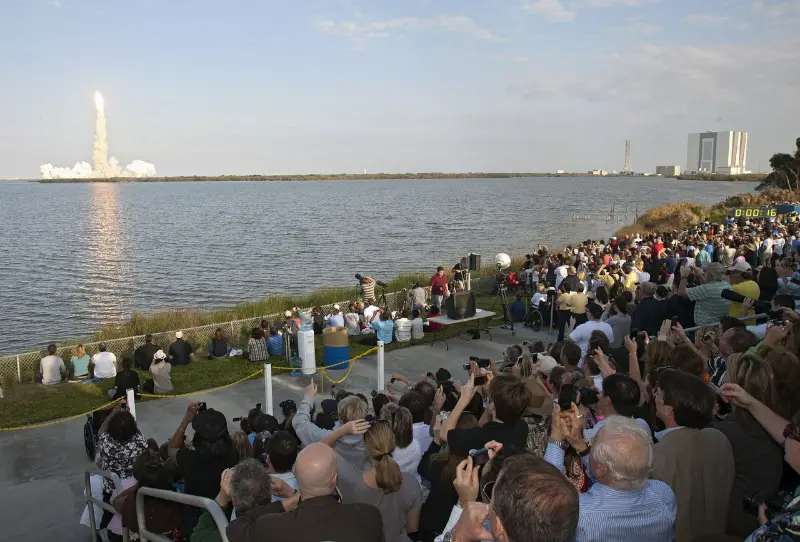
    Cape Canaveral Rocket Launch Viewing Crowd

    Beaches and wildlife: a good Space Coast stay includes both

    The Space Coast has more than one kind of outdoor experience. Cocoa Beach and nearby Atlantic shorelines are straightforward for a conventional sand day. Merritt Island National Wildlife Refuge invites a slower approach, with birdwatching and environmental interpretation rather than hotel beach facilities. The beaches of Canaveral National Seashore can be beautiful and less developed, but services, road access, fees and closures differ from city beaches. Do not assume lifeguards, bathrooms or food are available at every remote coastal entrance. Protected habitats and sea-turtle nesting rules must be respected, including limits on lighting after dark. When planning with children, choose one outdoor setting for a half day rather than moving repeatedly between a distant refuge and surf beach. Check weather radar for lightning and avoid kayaking or fishing during storms. Nature days are most successful when the accommodation allows you to return without another long drive.

    Can you enjoy this region without a rental car?

    A car-free visit is possible when the itinerary is deliberately narrow, such as a beachfront Cocoa Beach stay with planned transfers and walkable food options. It becomes more difficult if you expect to visit Kennedy Space Center, several wildlife areas, Port Canaveral and Melbourne on different days. Public transport does not eliminate every final-mile gap, and distances along the coast can be deceptive. Research any local bus service, rideshare availability and its limits at your intended time of day. Travelers who use a wheelchair or need a child seat should organize appropriate transport ahead of arrival. For cruise guests, a dedicated booked transfer is usually clearer than hoping the driver will recognize the right port terminal. A hotel that advertises “close to everything” may be close to several highways but not to sidewalks or restaurants. Check the actual walking route before deciding that a rental car is unnecessary.

    Families, seniors and mixed-interest groups

    Families with younger children may find Cocoa Beach convenient because it supports simple beach days and shorter returns to the room. Older children interested in engineering or astronomy may enjoy a Titusville-based trip with substantial time at Kennedy Space Center. Seniors who prefer quiet mornings and less traffic may value a Melbourne-area stay, provided restaurant and beach access needs are met. Mixed-interest groups can split a week into a few beach days and one carefully planned space attraction rather than expecting everyone to enjoy the same activity all day. Ask about pool supervision rules, elevators, roll-in showers, room configurations and whether balconies are safe for small children. Beach wheelchairs or access mats may be available at selected locations, but the specific site needs verification. A comfortable bed and an easy meal near the property often matter more than how many attractions appear within a 30-mile circle.

    Weather, launch schedules and the value of a flexible day

    Florida's Atlantic coast is warm and humid in summer, with intense sun and frequent thunderstorms. Conditions can also be windy or rough for swimming, even when a beach looks appealing. From June through November, tropical systems may affect travel, and refundable bookings are valuable for uncertain schedules. Spaceflight adds another variable: planned launches can be postponed, and viewing locations may have restrictions or additional traffic. Treat a launch as a possible bonus, not the single event on which an expensive vacation depends. Leave one flexible afternoon in a multi-day plan and keep museum, café or indoor alternatives. During sea-turtle nesting season, follow posted beach-lighting and nighttime behavior rules. Choose a property with useful indoor comforts rather than relying on perfect weather every day. For a longer stay, easy access to laundry and groceries can be as important as being close to an attraction.

    Three ready-to-adapt itineraries and the final room checklist

    For a two-night cruise stop, check in at Cape Canaveral, enjoy a relaxed coastal evening and use a prearranged transfer to the ship. For a family beach week, stay in Cocoa Beach and make Kennedy Space Center a separate full-day outing with an easier afternoon afterward. For a wildlife and space break, choose Titusville, allocate time to the visitor complex and the refuge, then add a single Atlantic beach day if conditions are good. Melbourne works best for visitors who want quieter regional exploration rather than a cruise-centered schedule. Before booking, confirm the exact road address, access to your actual destination, parking, breakfast, cruise or airport transfers, cancellation terms and any construction. Check whether “waterfront” means lagoon, river or ocean and how far the nearest public beach entrance really is. A carefully chosen Space Coast base gives your trip its rhythm before you buy the first attraction ticket.

    Frequently asked questions

    Where should I stay for Kennedy Space Center?

    Titusville, Cape Canaveral and Cocoa Beach can all work. Choose by the full itinerary and the visitor complex route, not just a straight-line map distance.

    Can I walk to Port Canaveral cruise terminals from a hotel?

    Do not assume so. Port roads and secure terminal zones require an appropriate transfer plan, even when a hotel appears very close.

    Is a lagoon-facing hotel an oceanfront hotel?

    No. The Indian River and Banana River lagoons are different bodies of water from Atlantic surf beaches. Check the shoreline on a map.
    Official sources and visitor information

  • Where to Stay in Sarasota: Downtown, Siesta Key, Lido Key or Longboat Key?

    Where to Stay in Sarasota: Downtown, Siesta Key, Lido Key or Longboat Key?

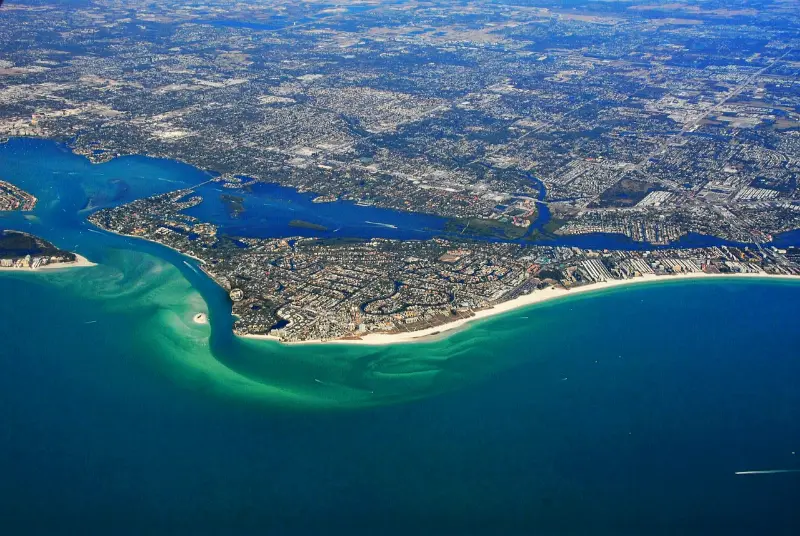
    Sarasota offers two vacations within the same destination: an arts-and-dining city beside the bay, and a collection of Gulf Coast islands where days revolve around sand, water and sunset. That variety is a gift for travelers, but it complicates the hotel search. Downtown Sarasota is not the same as Siesta Key, and a resort on Longboat Key may require a very different transport plan from an apartment near St. Armands Circle. Visitors sometimes choose a cheaper mainland hotel and then discover that reaching the beach involves repeated bridge traffic and parking searches. Others stay directly on the shore and spend more time than expected driving into the city for museums and evening performances. This guide compares the main areas, so you can select a place where ordinary vacation days feel easy rather than rushed.

    At a glance: compare the areas

    Where to stayBest forCheck before booking
    Downtown SarasotaArts and restaurantsBridge to Gulf beaches
    Siesta KeyBeach and casual villageTraffic and busy sand
    Lido Key / St. ArmandsBeach plus shoppingSome exposed walks
    Longboat KeyResort and quiet staysLonger errand journeys

    Downtown Sarasota: the strongest base for culture and restaurants

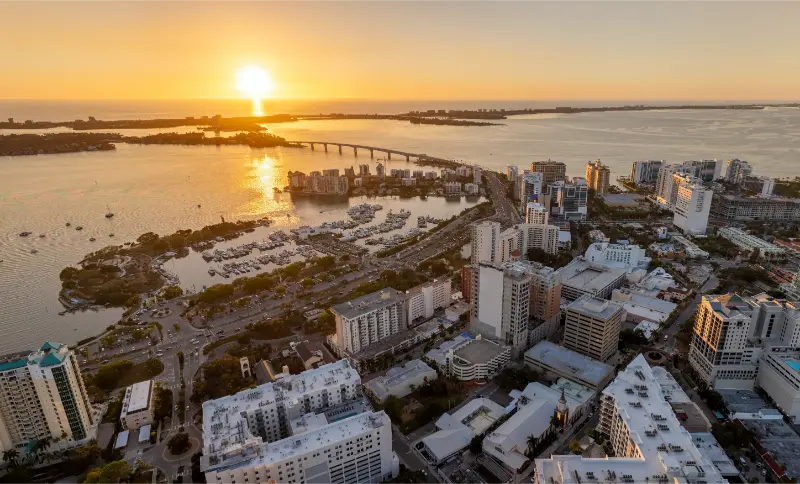
    Downtown Sarasota is an appealing choice when theater, restaurants, museums and bayfront walks are high priorities. It places you closer to cultural activities than most island resorts and provides opportunities to enjoy an evening without organizing a car transfer each time. The Bay, a growing waterfront public-space destination, and the surrounding arts scene reward a city-focused stay. Yet “downtown” can describe hotels on streets with very different pedestrian conditions, and some cultural venues are not all within a compact walking loop. Map the specific theater, gallery or restaurant you plan to visit before choosing a property. Families may appreciate a hotel with breakfast and a pool, while couples might prefer a smaller property near dining streets. If beach mornings are the main reason for traveling, recognize that downtown is on the mainland. Reaching Siesta or Lido involves a separate journey, and bridge congestion can change with the season.

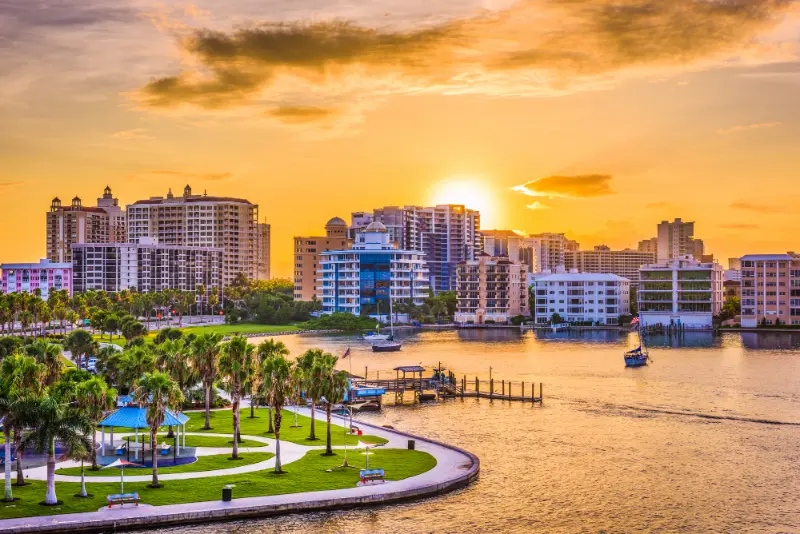
    Sarasota Florida Downtown Sunset Skyline Aerial

    Siesta Key: soft sand and a vacation centered on the beach

    Siesta Key attracts travelers dreaming of long beach days and a relaxed, casual atmosphere. Siesta Beach is particularly famous for its bright quartz sand, but the key has several distinct sections and access points. Staying near Siesta Village can simplify meals and evening strolls; a property farther south may offer a different setting and require more driving for restaurants or beach facilities. Confirm whether a vacation rental really has legal, convenient beach access and whether the route crosses a busy road. “Steps from the beach” is sometimes a marketing phrase rather than a measured pedestrian trip. Families benefit from a short return to the room for food and rest, while older visitors may prefer accommodation with shade, elevators and uncomplicated routes to the water. Parking at popular beaches can fill during busy periods, which makes walking distance to the access point especially valuable.

    Lido Key and St. Armands: beach time with nearby shopping and dining

    Lido Key provides an attractive middle ground for guests who want a Gulf beach and easy access to restaurants and shops around St. Armands Circle. The circle itself is a dining and shopping district, not a beachfront promenade, so check the walking route from the exact hotel before assuming both experiences happen at the same doorstep. A stay here can suit couples looking for a gentle daily rhythm: beach in the morning, rest during the hottest hours and dinner out in the evening. Families may enjoy the same simplicity if the property offers suitable rooms and easy access to supplies. Some routes are exposed to sun, and crossing larger roads can be demanding for strollers or mobility aids. If you plan to visit Siesta Key repeatedly, remember that it is a different island and not a short beach walk away. Choose Lido primarily because you like Lido and its surroundings.

    Longboat Key: room to slow down, with more planning for excursions

    Longboat Key generally appeals to travelers seeking an extended coastal stay or an accommodation-focused resort holiday. Some parts feel less concentrated than Siesta Village or St. Armands, and that can be a strength when the goal is rest. The island stretches for miles, however, so restaurants and services may not be near your particular property. A bicycle ride that looks simple on a map should be evaluated for road conditions, heat and the abilities of everyone traveling. Ask about beach access, on-site food, parking and the distance to groceries. A self-catering rental can work well for a longer trip, while a full-service resort may be easier for a short stay. The name Longboat Key does not guarantee a quiet room: individual hotels can host events or maintenance. If you expect daily evenings in downtown Sarasota, account for bridge travel rather than viewing the island as an extension of the city center.

    Venice, Nokomis and farther south: alternatives for a different pace

    Travelers with several days can look beyond the central Sarasota islands to Venice, Nokomis and other communities farther south. Venice has a distinct town-center atmosphere and beaches known for opportunities to search for shark teeth; Nokomis offers a different coastal rhythm. These areas may be appealing if you prefer smaller-town days or want to combine local shopping with the shore. They are not substitutes for a Sarasota downtown hotel when you have frequent theater reservations or a tight museum itinerary. Think in terms of where you will spend most evenings and how many times you would cross the region. Nature-minded visitors may value nearby parks and less hurried excursions. Families should check which beaches have the restrooms, shade and accessibility features they need. For a week-long vacation, a comfortable base slightly away from the busiest destination can be rewarding, as long as you accept the extra journeys to major sights.

    Beaches, bridges and parking: the logistics that matter

    Sarasota’s barrier islands are linked to the mainland by bridges, and traffic patterns can change sharply on busy beach days. This is why hotel distance in straight miles can be misleading. When evaluating a mainland rental, check the expected drive and the parking arrangements for the beach you plan to use. Public beach access, guest-only property access and private amenities should not be confused. Some accommodations are close to the water but lack practical foot access to sand. If a companion has mobility limitations, check accessible pathways, parking and beach mobility equipment with the beach authority or specific provider. Florida beaches are also natural environments: surf, currents, heat, lightning and coastal wildlife require attention. Do not enter the water during dangerous conditions or assume an apparently calm patch of sea is safe. Your accommodation should help you enjoy the beach safely, not pressure you to visit in poor weather.

    A Sarasota holiday without a rental car: choose a compact base

    Visitors who want to avoid driving should choose accommodation with several daily needs within easy reach. Downtown can be practical for a city-focused trip, while an appropriately located Siesta or Lido property can support a vacation largely spent by the beach. Trying to combine the city, multiple islands and distant nature attractions entirely through occasional rideshare is less predictable. Check current local transport routes and schedules rather than assuming an advertised trolley or shuttle serves every neighborhood. If you arrive by air, work backward from your exact airport to the property and confirm the transfer method. For families, add luggage and child-seat requirements to the calculation. For seniors, an easy walk to breakfast may be more significant than the number of attractions a hotel claims are “nearby.” Select a base that lets you enjoy ordinary mornings comfortably, and arrange only a few deliberate excursions beyond it.

    Parents and grandparents: planning a shared beach vacation

    A multigenerational group often benefits from accommodation where people can follow different rhythms. A beachfront suite or rental with a shaded sitting area allows one person to rest while others spend a little longer outdoors. But check stairs, bathrooms and bedroom arrangements before booking, especially if anyone uses a walking aid. A large house may have enough beds on paper while providing only one convenient ground-floor bedroom. In a hotel, ask about elevators, connecting rooms and whether pool access is step-free. For children, determine whether the closest beach has restrooms and a manageable route back to the room. Plan one shared activity a day and allow companions to opt out of demanding outings. Siesta Key or Longboat can work very well for this kind of trip, but the quality of the specific property matters more than the island’s reputation.

    Couples and independent travelers: what each area offers after sunset

    Downtown Sarasota makes sense for visitors who enjoy cultural events, restaurant reservations and a choice of indoor evening activities. Lido Key and St. Armands may suit couples who want a beach day followed by dinner nearby. Siesta Village offers a more casual holiday atmosphere, while Longboat often supports quieter time at the accommodation. None of these choices is automatically superior, and “romantic” is not a measurable hotel amenity. Ask what your evenings should look like. Would you rather walk to a play, take a short stroll from a beach hotel to dinner, or spend time on a balcony? Solo travelers should also consider the route home after dark and whether the hotel has a reliable desk for arrivals. A pleasant location is one where you can enjoy the hours after sunset without planning an elaborate return journey.

    Sarasota Florida Bayfront Sunset Skyline

    Three nights versus seven: when a split stay makes sense

    For a three-night Sarasota trip, choose one primary base. A downtown hotel can support one cultural day and one planned island beach day. A Siesta or Lido stay might emphasize relaxed beach mornings and one afternoon exploring Sarasota’s museums or waterfront. Moving hotels after a single night rarely helps; packing, checking out and finding parking consume time. For a seven-night holiday, you can consider four nights near the shore followed by two or three downtown if cultural outings are central to the trip. Yet many families will be happier remaining in one property with laundry, food storage and space to relax. Schedule outdoor activities around comfortable weather and preserve indoor backups during the rainy season. A good week does not need a different beach every day. Repeating the same beautiful place with less stress is often the better use of vacation time.

    Comparing the actual costs of an island stay

    Beachfront accommodation can carry higher rates, but a cheaper inland room may require fuel, beach parking, extra meals out and time spent in traffic. Compare the entire stay on the same dates and for the same number of guests. Look for parking fees, destination or resort charges, cleaning fees, deposits and cancellation restrictions. Ask whether beach chairs and umbrellas are included or rented separately. A kitchen may help a family manage breakfast, but only if it has the equipment you need. Some properties with lovely exterior photographs have limited indoor space for a rainy day. If you book for hurricane season, review flexible options and follow official alerts rather than expecting every storm to pass harmlessly. Prioritize amenities you will actually use; paying for activities that remain unused is not good value.

    The final decision: match the address to your preferred everyday moment

    Imagine the first full morning of your trip. If you want a relaxed breakfast before a theater, gallery or bayfront walk, Downtown Sarasota is a logical candidate. If you want to step toward the sand before the heat builds, start with Siesta Key or Lido Key listings. If your plan involves long hours at a resort with only occasional outings, explore Longboat Key. If you prefer a smaller town and are content to travel for major attractions, investigate Venice or Nokomis. Then check each chosen property’s location, practical access, price and recent reviews. A beautiful hotel that adds an hour of travel to every day is not a bargain. Sarasota is best enjoyed when the accommodation lets you spend time on the coast or in the city—rather than in traffic between them.

    Frequently asked questions

    Is Siesta Key within walking distance of Downtown Sarasota?

    No. Siesta Key is a barrier island with bridge access from the mainland. Plan an actual road journey rather than relying on a citywide distance estimate.

    Which base makes sense for museums and restaurants?

    Downtown Sarasota is the most natural starting point for a culture-led visit. A beach-side hotel is better when returning to the sand several times each day.

    Where is a quieter resort-style area?

    Some Longboat Key properties suit slow resort days, but check the exact building, resort amenities and distance to restaurants before assuming every address is quiet.

    Official resources for checking local details

  • Where to Stay in Pensacola: Downtown, Pensacola Beach or Perdido Key?

    Where to Stay in Pensacola: Downtown, Pensacola Beach or Perdido Key?

    Pensacola combines historic streets, excellent Gulf Coast beaches, aviation history and natural shoreline. But it is easy to book the wrong location if you treat every Pensacola hotel as a beach hotel. Downtown is on the mainland beside Pensacola Bay, Pensacola Beach sits on Santa Rosa Island, and Perdido Key is a separate barrier-island area to the west. The three can suit very different vacations. A family looking for uninterrupted sand time may prefer an island base, while a couple interested in restaurants and historic architecture may be happier in town. This guide looks beyond the room photographs to compare bridges, public access, transport, weather and the actual cost of staying where you want to spend your days.

    Which area fits your trip?

    BaseBest forWatch for
    Downtown PensacolaHistory, galleries and restaurantsNot a Gulf swimming beach
    Pensacola BeachSand-first resort holidaysBridge trips for city attractions
    Perdido KeyQuieter nature and condo staysFarther from downtown
    Suburban PensacolaRegional drives and one-night staysLess walkable holiday atmosphere

    Downtown Pensacola: historic streets and food rather than oceanfront sand

    Downtown is an appealing home base for visitors who enjoy walkable restaurant districts, galleries, historic architecture and a city atmosphere after dark. Palafox Street and the surrounding streets offer a sense of place that a generic roadside hotel rarely delivers. The Pensacola Museum of History and Historic Pensacola area can anchor a leisurely day, while waterfront spaces near Pensacola Bay give a scenic change of pace. The vital distinction is that Pensacola Bay is not the open Gulf beach you see in photographs of the region. Reaching Pensacola Beach requires a bridge journey. A central hotel can still be excellent for a short break that includes one or two beach outings, but it may frustrate travelers who expect to put their feet in white sand before breakfast. Check whether the property has paid parking, late-evening restaurant access and an elevator. For a quiet stay, review recent comments about nearby entertainment rather than assuming historic means silent.

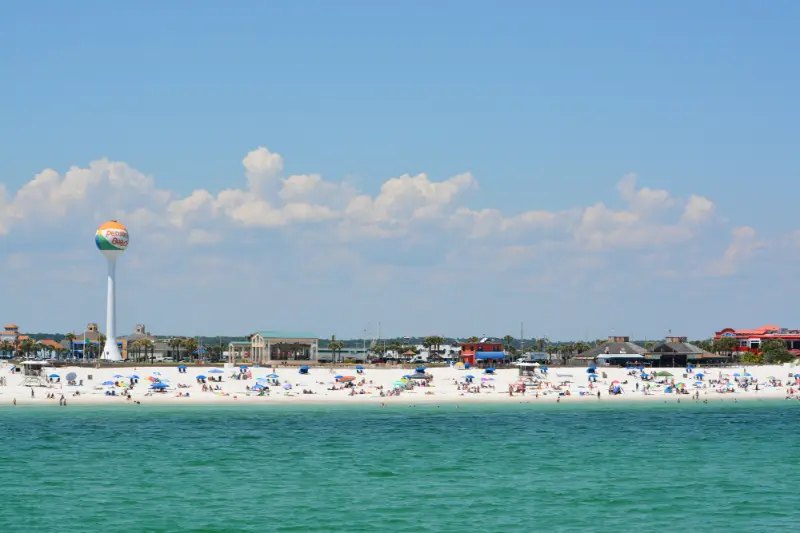
    Pensacola Beach Lifeguard Tower and Sand

    Pensacola Beach: a Gulf-focused vacation on Santa Rosa Island

    Pensacola Beach is the classic choice for travelers whose schedule revolves around white sand, water views and afternoons near the Gulf. Accommodation includes beachfront hotels and condominiums as well as properties set back from the water. The island setting can make a morning beach walk simple, though every accommodation has a different access arrangement. Verify whether the shortest route crosses a road, whether chairs and umbrellas cost extra, and how far you must carry supplies from the room. Restaurants and entertainment tend to cluster in particular stretches, while other sections are quieter. If a family expects to cook several meals, a kitchen and grocery plan matter more than a lavish lobby. Conditions in the Gulf can vary, including dangerous currents and marine advisories; look for flags and lifeguarded beaches where available. Island life saves daily mainland crossings, but it may increase accommodation cost and require deliberate trips for errands or major attractions.

    Perdido Key: a quieter alternative with nature nearby

    Perdido Key lies west of Pensacola, separated from the central city and Pensacola Beach by meaningful driving distances. It suits visitors who want a more subdued beach routine, a condominium stay or access to the natural coastline around Gulf Islands National Seashore and nearby state-park areas. This is not one continuous strip of hotels and cafés. Some rental buildings sit close to the Gulf, while others are farther inland and require driving or a designated beach access. Check exact parking, beach access and the rules of the property before booking. Families with older children may enjoy paddling or coastal nature outings if they are properly organized; travelers seeking nightlife may find the area's quieter character less convenient. A romantic week by the water can work beautifully here, but repeated trips downtown for dinner may turn into a chore. Decide whether you want to explore the whole region or settle into the western coast and stay mostly nearby.

    Choosing the right part of the coast for families

    For families with young children, daily simplicity usually matters more than an impressive list of nearby attractions. A Pensacola Beach property with a short authorized route to the sand and a room for naps lets the family return after an hour without wasting a drive. Perdido Key can be equally comfortable if a rental includes laundry, a kitchen and space to spread out, but verify that groceries and dinner options are manageable. Downtown Pensacola works better when museum visits, restaurants and a day or two at the coast are your actual priorities. Ask about pool barriers, balcony doors, child beds, parking and whether a room described as a suite has a real separate sleeping area. Older relatives may need more shade and a step-free beach approach, not merely a balcony with a Gulf view. The perfect family base is one where a tired child or grandparent can rest without ending everyone else's day.

    History, museums and a base for the National Naval Aviation Museum

    Pensacola's military and aviation heritage adds depth to a coastal holiday. The National Naval Aviation Museum at Naval Air Station Pensacola can be a highlight for aviation enthusiasts, yet installation access rules and visitor requirements must be verified in advance through official sources. Do not assume normal museum admission arrangements override identification or entry restrictions. A downtown or western Pensacola hotel may make sense if this attraction is central to your visit, depending on the authorized gate and your route. Families should resist combining a major museum day with several far-flung beach stops, particularly in hot weather. Look at the museum's current public access details, opening days and any special events before booking accommodation around it. Nearby historic sites and restaurants can make a rewarding second day if the museum visit takes longer than expected. Good planning respects both the attraction's importance and the practical rules of a working military installation.

    Gulf Islands National Seashore: beautiful but not a full-service resort

    The protected beaches around Pensacola and Perdido Key are an important reason to visit. Gulf Islands National Seashore includes stretches where the setting feels more natural and services can be limited compared with a commercial beachfront hotel. Before going, check the National Park Service's current access, road, parking, fee and closure information for the specific area. Do not assume you will find food, lifeguards, rental chairs or phone coverage at every remote entrance. Bring water, sun protection and a responsible way to carry away trash. Stay off protected dunes and follow posted wildlife restrictions, especially around nesting birds or turtles. If your party needs accessible facilities, research the particular access point rather than relying on a general statement about the national seashore. A beach morning here can be memorable, but it is not interchangeable with a resort pool day. Choose accommodation according to how often you want this quieter environment.

    Driving, bridge crossings and the limits of going car-free

    Pensacola's geography makes transportation central to accommodation decisions. A downtown hotel may allow easy walking for dinner and nearby cultural attractions, but reaching the Gulf requires a separate journey. Island guests may enjoy short local outings yet need a car or arranged transfer for museums and major grocery trips. Buses and seasonal local services can help some itineraries, but verify current routes and schedules before relying on them. For visitors without a car, the simplest option is usually choosing a small walking radius and organizing an airport transfer in advance. With children, account for proper restraints in any road vehicle. If you plan to drive, compare hotel parking and any applicable beach or park access fees. Check traffic during holiday weekends, events and peak beach departure hours. An address that looks central on a straight-line map may sit across a bridge from everything on your daily list.

    Beaches, water conditions and weather-aware planning

    The northern Gulf Coast is known for pale sand and striking water colors, but those qualities do not guarantee safe swimming. Rip currents, changing weather and marine-life conditions can affect a beach day. Consult local lifeguard warnings, flags, beach water-quality information and National Weather Service forecasts. Parents should keep children under close supervision even where the surf appears gentle. Lightning can develop quickly in warmer months; when thunder is audible, move to a substantial building or enclosed vehicle rather than waiting beneath a beach shelter. Winter and shoulder-season beach visits may be excellent for walks while water temperatures feel too cool for some swimmers. From June through November, hurricane season makes cancellation flexibility and attention to evacuation guidance essential. A comfortable vacation includes alternatives for a day when the Gulf is not inviting. Choosing a hotel with appealing indoor space can make bad-weather hours much easier.

    Which area is better for couples, seniors and solo travelers?

    Couples who enjoy historic architecture and independent restaurants may appreciate a downtown hotel and plan the beach as a separate excursion. Couples whose ideal evening is a sunset over the Gulf should compare Pensacola Beach and Perdido Key directly. Solo travelers may value a central property with reliable dining and simple arrival arrangements rather than an isolated rental. Seniors should pay special attention to stairs, room access, the distance between parking and water, and whether regular meals require a drive. For travelers using mobility aids, request the specific bathroom setup and the route to outdoor facilities; the general word “accessible” is not enough. A slightly smaller room with a reliable elevator and a nearby café may be a better choice than a scenic third-floor rental with difficult access. Match the destination to the actual people traveling, not to the most photogenic stretch of coastline.

    Budgeting honestly for beach and mainland lodging

    Compare the full cost of identical stays rather than nightly rates alone. A downtown hotel may cost less but require daily driving and parking at the beach. A condominium on Perdido Key may offer space and cooking facilities but add cleaning charges and deposits. A Pensacola Beach resort may include higher room prices and mandatory fees while saving valuable time if you spend most days by the Gulf. Check whether beach equipment, breakfast, parking, internet access and pool use are included. Families should calculate grocery costs against restaurant meals, not assume a kitchen automatically saves money. On popular dates, island rentals may have minimum-stay rules; shorter city stays can be more flexible. Do not forget cancellation and weather policies if you are visiting during the tropical season. A cheaper base only improves the trip if it does not make your intended activities inconvenient or unexpectedly costly.

    Four days around Pensacola without constant backtracking

    For a beach-first four-day visit, stay on Pensacola Beach and spend the arrival afternoon on a local walk. Devote a second day to the Gulf shoreline with a shaded midday break, use another day for the National Seashore if access and weather permit, and take one deliberate trip downtown for historic sights and dinner. If you prefer Perdido Key, focus on its western coastal setting and make the aviation museum or downtown a selected excursion rather than a daily obligation. Downtown guests can plan two city-based days with one beach day and one flexible day for a museum or nature outing. Traveling with small children or people who tire easily? Reduce the number of stops and leave the final afternoon unplanned. Once you choose an island, make use of the beach proximity you paid for rather than recreating a long road trip each morning.

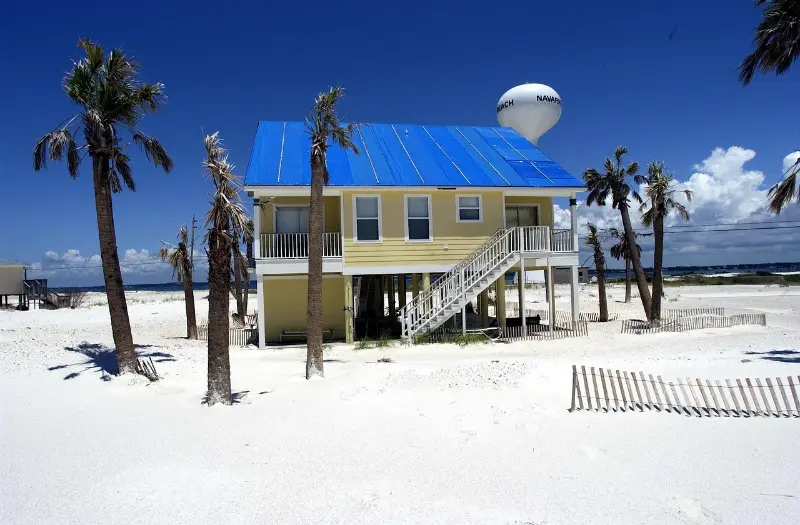
    Pensacola Beach Florida White Sand and Coastal Houses

    Final questions before you reserve a Pensacola room

    Confirm whether your property is in downtown Pensacola, Pensacola Beach, Perdido Key or a suburban part of the wider region. Mark the actual public beach access and calculate the walk, including any road crossing. Ask about parking, resort or cleaning fees, elevators, beach equipment, laundry and late check-in. Check museum access rules if military history is important to your trip, and current park conditions if protected shoreline is the main attraction. Review beach advisories and weather closer to departure, not months in advance. Save the booking terms, exact address and arrival instructions offline. If you need a step-free room or quiet sleeping area, request written details rather than relying on a tick box. Pensacola rewards visitors who understand its three different settings: the historic city, the lively beach island and the quieter western coast.

    Frequently asked questions

    Is Downtown Pensacola on the same beach as Pensacola Beach?

    No. Downtown is on the mainland near Pensacola Bay. Pensacola Beach occupies Santa Rosa Island and normally requires a bridge journey.

    Where should I stay for Gulf Islands National Seashore?

    Choose which national-seashore access you intend to use. Both the Pensacola Beach and Perdido Key areas connect to different stretches, with distinct facilities and rules.

    Can all visitors enter the Naval Aviation Museum?

    Do not assume entry is automatic. Verify current Naval Air Station security, identification and visitor-access requirements directly before visiting.

    Official sources and visitor information

  • Where to Stay in Florida: Best Regions for Beaches, Theme Parks, Families, Couples and Road Trips

    Where to Stay in Florida: Best Regions for Beaches, Theme Parks, Families, Couples and Road Trips

    Choosing where to stay in Florida is really two decisions: which region belongs in your itinerary, and which neighborhood or property works inside that region. A hotel can be excellent and still be wrong for the trip if it creates two hours of driving every day. Florida’s size makes this more important than in a compact city destination. I would choose the activities first, draw a realistic daily radius around them, then compare hotels, resorts, condos and vacation rentals within that area.

    Explore this guide

    Quick planning summary

    • Choose a region before choosing a hotel; Florida is too large to use one base for the whole state.
    • Orlando is best for theme-park-heavy trips, while Miami, Tampa Bay, Southwest Florida, the Keys and the Panhandle serve different goals.
    • Beachfront is not automatically convenient if parking, elevators, fees or the route to attractions is difficult.
    • Road trips usually work better with two- to four-night bases than with a new hotel every night.
    • Compare total cost and accessibility, not only room rate or map distance.

    Orlando for theme parks and structured family trips

    Orlando is the obvious base when Walt Disney World, Universal Orlando or other major attractions dominate the vacation. The important choice is whether to stay on-site, near one resort area or in a broader vacation-rental zone. On-site convenience may reduce transport friction, while off-site lodging can provide kitchens and more space. Do not compare room rate alone. Parking, resort fees, rental car, shuttle reliability and the time spent crossing Orlando all affect the real value.

    Miami and Miami Beach for city plus beach

    Miami works for travelers who want food, neighborhoods, nightlife, culture and access to South Florida, while Miami Beach prioritizes sand and a resort feel. Staying in South Beach is not automatically best for families or drivers; quieter sections and mainland neighborhoods may fit better. Parking can be expensive, and a car may be unnecessary for part of the stay. Choose the exact neighborhood around evening plans, beach access and airport transfer rather than using ‘Miami’ as one hotel zone.

    Tampa Bay and St. Pete-Clearwater for a mixed trip

    Tampa Bay lets travelers combine a city, theme attractions, museums, sports and Gulf beaches, but the bay is large. A hotel in downtown Tampa is not a beach hotel, and Clearwater Beach is not a convenient base for every Tampa attraction. Split stays can make sense for longer vacations. Couples may enjoy St. Petersburg’s walkability and culture, families may prioritize beach access, while travelers attending an event should stay near the event instead of commuting across bridges.

    Southwest Florida for relaxed beach travel

    Naples, Fort Myers-area beaches, Sanibel, Captiva and Marco Island suit travelers who want a slower coastal vacation with wildlife, shelling, boating and easy evenings. The region works well for couples, families and seniors, but properties differ greatly in direct beach access and post-storm condition. Verify what is open and what facilities a hotel or rental currently offers. A condo can be useful for longer stays, but cleaning fees and minimum nights must be included in the comparison.

    Florida Keys for a road trip, not one generic base

    The Keys stretch much farther than first-time visitors expect. Key Largo is practical for reef trips and access from Miami, Islamorada has fishing and resort appeal, Marathon works well for the Middle Keys, and Key West is a destination in its own right. Staying in Key Largo and repeatedly driving to Key West is not an efficient vacation. Choose one or two island bases according to activities and accept that the Overseas Highway is part of the trip rather than a fast freeway.

    Panhandle for white-sand beach vacations

    Destin, Fort Walton Beach, South Walton, Panama City Beach, Pensacola Beach and other Panhandle destinations offer very different atmospheres despite sharing Gulf scenery. Choose by beach access, condo style, nightlife, family attractions and airport route. A beachfront tower may provide views but involve elevator waits and large parking structures. A smaller property may be calmer but have fewer amenities. The best value depends on how much time you actually plan to spend at the property.

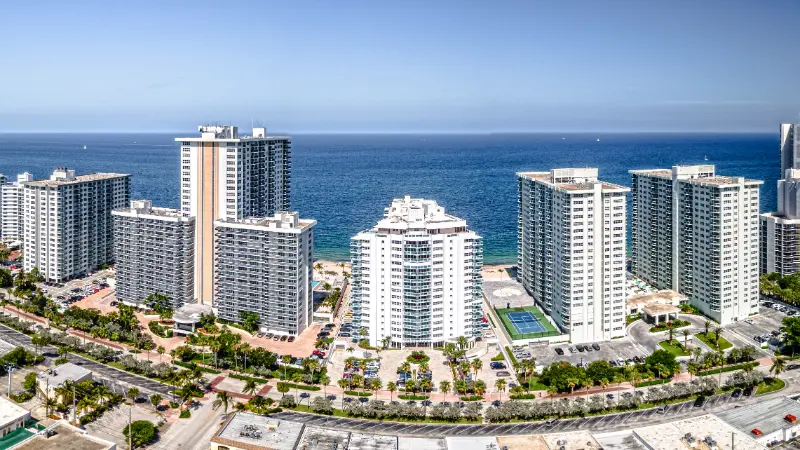
    Florida Beachfront Condominiums Aerial View

    Northeast Florida for history plus coast

    St. Augustine, Ponte Vedra, Jacksonville beaches and Amelia Island work well for travelers who prefer history, walkable districts and Atlantic beaches over theme parks. Staying inside or near a historic district can reduce driving but may complicate parking. Beach accommodations are better for travelers who want slow mornings by the ocean. A split between St. Augustine and Amelia Island can create two distinct experiences without the long transfers of a statewide road trip.

    Hotels, condos and vacation rentals each solve different problems

    Hotels simplify housekeeping and short stays, resorts add amenities, condos help with kitchens and laundry, and vacation rentals can provide space for larger families. None is automatically cheaper. Compare taxes, parking, resort fees, cleaning fees, deposits and cancellation rules. For a three-night stay, a hotel may beat a rental after fees; for a two-week family trip, a kitchen and laundry can create real savings. Choose for the trip length and daily routine rather than by property type ideology.

    Road trips should use bases, not a different bed every night

    Changing hotels consumes check-out time, luggage management, parking and mental energy. A Florida road trip often works better with two to four nights in each base. Orlando, Miami, Keys, Gulf Coast and Northeast Florida can each support multiple day trips. If the route requires five consecutive one-night stops, reduce the number of regions. Families and older travelers benefit the most from fewer moves, but almost every traveler enjoys a free morning without repacking.

    Planning for families, seniors and accessibility

    Families should prioritize sleeping layout, refrigerator space, laundry, pool rules and the route from room to car or beach. Senior travelers may care more about elevators, walk-in showers, quiet rooms and short distances than about a fashionable neighborhood. For accessibility, contact the property directly about room features, accessible parking, pool lifts, beach routes and whether all advertised amenities are accessible—not just the lobby.

    Build the day around the traveler with the lowest tolerance for heat, long walks, rough water or late nights. That does not mean the entire group must do the same thing. Split time can make a multigenerational Florida vacation much easier: one person can take a longer activity while another returns to the hotel, pool or a shaded attraction. The best itinerary is the one everyone can recover from, not the one that looks fullest on paper.

    Budget, booking and timing

    Use total-trip math. A cheaper hotel can become expensive after daily parking and a rental car, while a higher room rate near attractions may reduce transport costs. Compare refundable rates with prepaid savings, especially during hurricane season. If using a vacation rental, add cleaning and platform fees before comparing it with a hotel. For road trips, staying one extra night in a well-located base often costs less than adding another transfer day and rental-car mileage.

    Florida prices can change sharply by school calendar, major event, holiday weekend and weather-sensitive season. Compare the total cost instead of the headline price, and keep the cancellation policy with the booking confirmation. When one experience is the main reason for the trip, reserve that item first and build flexible activities around it. A free afternoon is not wasted time; it is protection against traffic, weather, fatigue and the inevitable delay that appears on a real vacation.

    Common mistakes to avoid

    • Choosing a hotel before deciding the trip region.
    • Using one base for destinations that are several hours apart.
    • Comparing room rates without parking, cleaning or resort fees.
    • Assuming beachfront always means easy beach access.
    • Booking a vacation rental for a short stay without checking total fees.
    • Changing hotels every night on a family road trip.

    Useful Wonderful Florida guides to combine with this article

    Florida travel guide for first-time visitors, Best places to visit in Florida, Florida on a budget, Florida airports guide, Getting around Florida.

    Official resources to check before travel

    Opening hours, reservation systems, prices, road conditions, access rules, wildlife protections and weather-related operations can change. If a specific feature is essential to the trip, confirm it with the operator or public agency shortly before travel rather than relying on an old screenshot or saved social post.

    How to build a realistic day

    Start with one anchor activity and place the most weather-sensitive part of the day where conditions are usually best. Leave at least one meal unscheduled when driving between regions, because traffic around beaches, bridges, theme parks and major cities can change quickly. Keep water, sun protection and a light layer in the car, and save the next address offline before leaving reliable mobile coverage. For families, a midday reset can preserve the evening; for older travelers, shorter activity blocks often produce a better trip than one long excursion. If something closes or weather changes, switch to the backup rather than spending an hour trying to rescue the original plan.

    When comparing two options, choose the one with simpler logistics unless the harder option is genuinely the reason for the trip. Florida vacations often become expensive because visitors pay to solve preventable transportation and timing problems. A well-located hotel, an early reservation or one fewer destination can be more valuable than adding another ticketed attraction. Keep confirmation numbers together, photograph important parking or meeting-point instructions and verify the next morning’s first activity before going to bed. These small habits reduce friction without turning the vacation into a rigid schedule.

    Final planning advice

    The strongest Florida trips leave room for conditions and energy levels to change. Choose a clear priority for each day, keep one realistic alternative and avoid making every meal, transfer and attraction dependent on perfect timing. That approach works for first-time visitors, families, solo travelers and older travelers alike, and it makes it much easier to enjoy the part of Florida you actually came to see.

  • Where to Stay in Florida on Your First Trip: Orlando, Miami, Tampa Bay, Fort Lauderdale, Naples or Jacksonville?

    Where to Stay in Florida on Your First Trip: Orlando, Miami, Tampa Bay, Fort Lauderdale, Naples or Jacksonville?

    A first Florida vacation becomes easier when you choose a base for the activities you actually want, not for a famous place name. Florida stretches for hundreds of miles. A hotel near Walt Disney World is not a sensible base for daily Miami beach visits, and a beautiful Naples resort will not make Kennedy Space Center an easy morning outing. The best starting point is a short list of nonnegotiable experiences, followed by a realistic look at airports, driving, lodging costs and daily energy. Use this comparison to choose one region for a short trip or two well-connected regions for a longer one. It is written for people traveling with children, couples, solo visitors and older guests, including anyone who wants to avoid excessive walking or long drives.

    On this page

    Start with activities, not a hotel deal

    Write down three experiences that would make the trip worthwhile. For a young family, those might be a theme park, a hotel pool and a protected nature walk. For a couple, they could be interesting restaurants, a coastal neighborhood and one museum. For grandparents traveling with children, easy transfers, elevators and nearby places to rest may matter more than a glamorous beachfront address. Rank each experience as essential, optional or not important. A discounted room in the wrong location can create an expensive daily commute and leave little energy for attractions.

    Then look at the nights available. With four nights, choose one metropolitan area and perhaps a nearby beach. With seven nights, one base still works if your priorities are clustered; otherwise split the stay once. With ten to fourteen nights, two or three bases can be manageable, but treat every hotel change as a half-day activity once packing, checkout, driving and check-in are included. The goal is not to collect as many Florida cities as possible. It is to spend time enjoying the places you came to see.

    Orlando: theme parks, resort pools and easy family infrastructure

    Orlando is the practical choice when Disney, Universal or LEGOLAND are central to the holiday. It also offers gardens, museums, shopping districts and access to Central Florida springs. However, the metropolitan area is spread out. The tourist corridors of International Drive, Lake Buena Vista and Kissimmee are not the same place, and the hotel advertised as ‘near Orlando’ might require a substantial drive to your actual park. Compare door-to-door travel, parking and any promised shuttle against the locations you plan to visit. Ask whether the shuttle needs reservations or runs only at selected times.

    The best Orlando lodging depends on how many park days you plan. A park-area resort may justify its higher price through convenience for families taking midday breaks. An apartment with a kitchen can help on longer stays, but cleaning fees and transportation can offset savings. Travelers who do not want roller coasters should not assume Orlando is unsuitable: botanical gardens, smaller attractions, Winter Park and the nearby Space Coast provide a different pace. Summer afternoons are hot and prone to storms; schedule flexible downtime rather than promising a full-day outdoor marathon.

    Miami: culture, beaches and an urban vacation

    Choose Miami when you want museums, food shaped by Caribbean and Latin American communities, lively neighborhoods and access to South Florida. Miami Beach is a separate city connected by bridges, so a hotel in downtown Miami and one near South Beach offer very different day-to-day experiences. A beachfront stay works when sand and ocean walks are your priority. Downtown or Brickell may suit visitors who favor city sights and certain transit connections. Neighborhood character, noise levels and building accessibility vary widely even within a small area.

    If you are renting a car, check the full parking charge before reserving the room. Parking can be expensive in dense neighborhoods, and traffic can make short distances surprisingly slow. Visitors who prefer not to drive may find selected areas practical with a combination of walking, transit and rideshare, but Miami is not universally walkable. Plan indoor breaks during hot weather, and treat a trip to the Everglades as a separate planned excursion with transport back to the city. Do not assume a rideshare will be easy to summon from a remote park entrance.

    Tampa Bay and St. Petersburg: a flexible city-and-coast mix

    Tampa Bay is not one beachfront strip. Tampa brings urban museums, Ybor City and Busch Gardens; St. Petersburg has a walkable downtown waterfront, art museums and neighborhoods worth exploring; Clearwater and nearby barrier islands offer beach vacations. The bridges and causeways make some cross-bay trips longer than they look on a map. A family that expects daily sand time should consider staying closer to the coast. Travelers seeking restaurants and museums may prefer central Tampa or downtown St. Petersburg.

    This region is an especially useful compromise for groups who disagree about spending every day at a theme park. One person can prioritize a museum, another can choose a waterfront park, and an entire group can reserve a beach day when weather cooperates. Look at the exact parking arrangement at waterfront lodging and whether a beachfront property’s advertised pool is heated in cooler months. A hotel in the Tampa airport area may be convenient for one-night arrivals but less attractive for a week of sightseeing without a car.

    Fort Lauderdale: waterways, beaches and cruise connections

    Fort Lauderdale can be a strong choice for an Atlantic beach stay with restaurants, canals and connections to South Florida. It is useful for some cruise travelers and for visitors who want access to both Fort Lauderdale and nearby communities without sleeping in Miami. Decide whether you want a beachfront room, a quieter inland neighborhood or a hotel selected primarily for cruise-port transfer logistics. These are three different kinds of trip, and they create different transport needs.

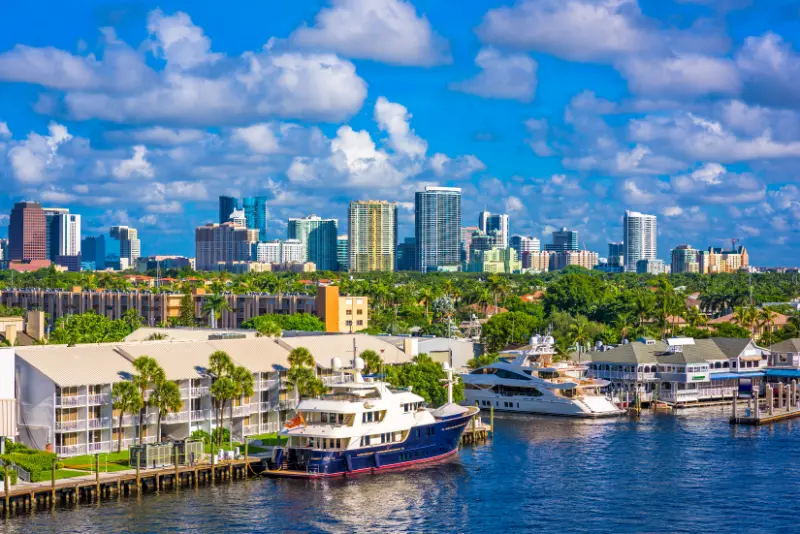
    Fort Lauderdale City Skyline at Sunset

    The walk from a beach hotel to restaurants may be comfortable in mild weather but exhausting at midday in summer. When comparing accommodation, check for crossings, elevators, pool access, accessible bathrooms and realistic distances to dining rather than relying on the label ‘beach area.’ If you expect to visit Miami more than Fort Lauderdale, compare train and car connections before committing to the cheaper room. Rail tickets, station transfers and rideshare costs can add up; a convenient nightly rate is only one part of the total cost.

    Naples and Southwest Florida: slower coastal days

    Naples suits people who picture calm mornings, coastal sunsets, botanical gardens and unhurried meals. It can work for adults who prefer a quieter environment or families looking for a pool-centered resort stay rather than multiple daily attractions. The greater Southwest Florida area includes Fort Myers, Sanibel, Sarasota and other destinations, but these communities are not interchangeable. Many enjoyable nature sites and beaches require driving, and some accommodations have very different parking or access arrangements.

    For beach plans, verify current access and facilities, especially where storm recovery work or seasonal conditions affect parking. For travelers with limited stamina, check the distance from the room to the beach and whether a beach wheelchair or firm access route is available where needed. Nature preserves are rewarding but not always shaded or level. Naples is not the best overnight base for multiple Orlando theme-park days; pick the region because you actually want Southwest Florida’s slower rhythm.

    Jacksonville and Northeast Florida: history, broad beaches and less theme-park focus

    Jacksonville, Amelia Island and St. Augustine provide another kind of first Florida vacation: historic districts, Atlantic beaches, riverfronts and protected coastal landscapes. Jacksonville itself is geographically large, so the word ‘Jacksonville’ on a hotel listing does not tell you whether you are by the beach, downtown or far inland. St. Augustine is a separate historic city with its own parking and walkability challenges. Consider staying near the attraction cluster you intend to explore, then make an intentional day trip rather than commuting casually across the region.

    Northeast Florida can have cooler winter weather than Miami or Naples, making it appealing for sightseeing but less reliable for a warm-water swimming holiday. The historic streets of St. Augustine contain uneven surfaces in places; travelers with walkers, strollers or mobility limitations should research accessible entrances and sensible parking locations. This region makes an excellent alternative for visitors who value history and nature above all-day pool time, provided their expectations match the season.

    Match the airport to your real destination

    A cheap flight can become expensive if it lands several hours from your hotel. Orlando International is usually the logical entry point for many Central Florida trips, Miami International for Miami, Fort Lauderdale-Hollywood for much of Broward County, Tampa International for Tampa Bay and Southwest Florida International for Fort Myers-area stays. Jacksonville International suits many Northeast Florida itineraries. Other airports may be useful depending on airline and exact destination. Do not compare airfare before adding baggage charges, rental-car days, fuel, tolls and the additional travel time from an alternative airport.

    Fort Lauderdale Florida Oceanfront Skyline and Bay

    International passengers should allow for immigration, baggage collection and possible lines at the car-rental counter. Arriving after a long flight is a poor moment to begin a demanding highway drive, particularly with children or when you are tired. The best first-night hotel may be a simple property close to the airport or near your first activity. For a two-region holiday, consider flying into one airport and out of another, but check one-way car rental fees before assuming an open-jaw itinerary saves money.

    Compare accommodation by total cost, not advertised nightly price

    Create a small spreadsheet with the same columns for every hotel: room total including taxes, resort or destination fees, parking, breakfasts, kitchen availability, expected transport, cancellation deadline and any deposit. A vacation rental needs a similar calculation with cleaning, service charges, access rules and security deposits included. Some hotels promote complimentary shuttles but operate limited schedules. Others charge separately for parking even when the property is outside the urban core.

    Families might save money with a room that has a refrigerator and laundry access. Couples with only two nights may value a central room over a large rental requiring check-in arrangements. Travelers with accessibility needs should contact the property about the exact bathroom layout, bed height, lift access and distance to transport before making a nonrefundable reservation. A property labeled ‘accessible’ does not necessarily provide every feature a specific guest requires.

    Plan for driving times and Florida weather

    Travel times on a map are estimates, not promises. Orlando to Tampa might fit a day trip, while Orlando to Miami is a major intercity journey. Roadworks, beach traffic, special events, school vacations and storms can increase the time substantially. Build your day around one main attraction and nearby secondary stops rather than jumping between distant neighborhoods. If your party includes small children, consider the need for car seats, snacks, bathrooms and shaded stops. Travelers who do not drive should choose accommodation where the essential experiences can actually be reached by the transport they intend to use.

    Florida weather changes by region and month. Northern Florida can be chilly in winter; summer is hot, humid and stormy in many areas; the Atlantic hurricane season runs from June through November. A southern destination offers better odds of warm winter weather, but warm weather and calm ocean swimming are not identical. Check the National Weather Service for forecasts and warnings shortly before each outdoor outing rather than relying on a promotional climate chart.

    Three sample plans for different travelers

    For a four-night family trip built around one or two theme parks, stay in the Orlando area, reserve nonpark time for the pool and keep a weather-adjustable museum or garden option. Do not change hotels. For a seven-night beach-and-culture trip, consider three or four nights in Miami and three or four in Fort Lauderdale, or stay in just one city if transfers feel unnecessary. For a ten-night slower trip, five nights around St. Petersburg and five around Sarasota or Southwest Florida can provide coastal variety without extreme driving.

    Fort Lauderdale Downtown Waterway and Highways Aerial

    None of these outlines is a guarantee that particular attractions will be open. Confirm operating calendars, booking requirements, access rules and any temporary closures. When traveling with older relatives or someone who needs frequent rest, shorten the sightseeing list before shortening the time spent at meals, sleep and safe transfers. A smaller schedule often creates more memorable time together than a long itinerary that nobody can comfortably finish.

    Final decision checklist

    Before paying, answer five questions in ordinary language. What are the three experiences we most want? How long can everyone comfortably travel on an ordinary day? Can we reach food, essentials and at least one attraction without a lengthy drive? Does the accommodation’s total cost still fit after transport and fees? What will we do if a full afternoon is lost to storms, fatigue or a delayed flight? A region that answers those questions clearly is a better choice than one selected because a search engine calls it Florida’s ‘best destination.’

    Quick comparison

    OptionGood forCheck before you go
    OrlandoTheme parks and resortsCheck park-to-hotel journey
    MiamiUrban culture and Atlantic beachesAllow for parking and traffic
    Tampa BayArt, museums and Gulf accessChoose a side of the bay
    Fort LauderdaleBeaches and waterwaysReview beach and cruise distances
    NaplesSlow coastal staysExpect to drive between sites
    Jacksonville areaHistory and wide beachesNorthern winters can be cooler

    Frequently asked questions

    Which Florida city is best for a first-time family vacation?

    Orlando is often convenient if theme parks matter, but beach-first families may prefer Tampa Bay, Fort Lauderdale or another coastal base. The children’s ages and tolerance for long days matter more than a universal ranking.

    Can I stay in Miami and visit Disney World for the day?

    That is not a sensible regular day trip. Travel between Miami and Orlando is a substantial journey. Stay in the Orlando region for a park-focused portion of the vacation.

    Where should I stay without renting a car?

    Choose a specific walkable neighborhood rather than a large city name. Verify transit, accessible routes and airport transfers before reserving; no Florida metropolitan area is convenient everywhere without a vehicle.

    What is the safest way to compare deals?

    Calculate the full charge including taxes and fees, then add local transport and the effect of longer journeys on your time. Read cancellation policies before paying.

    Official sources

    Official sources and planning details reviewed in October 2026. Confirm current admission rules, accessibility, opening hours and conditions before visiting.