Category: Where to Stay in Florida

  • Where to Stay in Lakeland and Winter Haven: LEGOLAND, Lakes, Gardens and Central Florida Bases

    Where to Stay in Lakeland and Winter Haven: LEGOLAND, Lakes, Gardens and Central Florida Bases

    Lakeland and Winter Haven offer an alternative to sleeping inside Orlando's busiest resort corridor. In this part of Polk County, you can plan a family trip around LEGOLAND Florida Resort, enjoy gardens and lakes, explore Frank Lloyd Wright architecture or stop for a few days between Tampa and Orlando. The mistake is assuming that every hotel in the region offers the same access to each attraction. Lakeland is a separate city from Winter Haven, and an attractive room near the interstate may be inconvenient for a very early theme-park start. This guide explains which base suits different ages, interests and budgets, with practical attention to driving, weather, family facilities and the important distinction between a park hotel and a wider regional stay.

    Which area fits your trip?

    BaseBest forWatch for
    Winter HavenLEGOLAND and the Chain of LakesNot all hotels are next to the park
    Downtown LakelandCafés, architecture and museumsDriving to LEGOLAND needed
    I-4 corridorTampa-Orlando road tripsTraffic can add travel time
    LEGOLAND resort hotelsThemed family staysCompare package and ticket inclusions

    Winter Haven: choose it when LEGOLAND is the main reason for visiting

    Winter Haven is the clearest choice for families building a holiday around LEGOLAND Florida Resort or the nearby Peppa Pig Theme Park. Sleeping in or near Winter Haven can shorten the start of a park day and make an afternoon break more realistic than driving from a distant Orlando base. The exact property still matters: a hotel somewhere in Winter Haven is not necessarily within walking distance of the parks. Some resort accommodation includes specific experiences or amenities that off-site hotels do not, but inclusions, tickets and operating schedules must be checked for the dates you travel. Families with preschoolers should prioritize room layout, breakfast, laundry and access to rest rather than scheduling two parks and an evening show all on one day. Winter Haven also has a distinct life away from the gates, including restaurants and lakeside scenery. Choosing this area can make the vacation feel less like a commuter trip to the theme park.

    Lakeland downtown: lakes, cafés and an easy city rhythm

    Downtown Lakeland suits travelers who want a recognizable small-city center with cafés, restaurants, historic buildings and an evening stroll. Lake Mirror and the surrounding area can make a pleasant local outing rather than another car journey after a busy day. This base is especially appealing to couples, older visitors or families planning museums and gardens along with occasional regional excursions. However, downtown Lakeland is not near LEGOLAND in the sense of a short walk, and traveling to Winter Haven involves a proper drive. A lake-view room or hotel close to downtown may deliver attractive scenery without being close to all the county's major attractions. Check whether the property has parking, how late nearby restaurants operate and whether events affect road access. If you are attending a performance or a local celebration, being downtown can be a genuine advantage. If the only attraction on your list is LEGOLAND, compare Winter Haven first.

    Near Interstate 4: a practical road-trip base, not a resort substitute

    Properties along the Interstate 4 corridor and major roads around Lakeland can suit visitors driving between Tampa and Orlando, attending business events or planning to explore the wider region by car. They may offer practical facilities such as familiar room layouts, easier parking and access to food or fuel. But the map can be misleading: being halfway between major cities does not make every attraction a short or reliable journey in traffic. If you expect to drive to the Tampa Bay coast one day and Orlando theme parks the next, calculate those specific routes and allow time for congestion. Families whose primary interest is LEGOLAND should check how far the inland hotel sits from its gates. A stopover hotel can be excellent for a night or two, especially after a late arrival, yet a week-long holiday there may require constant travel. Value comes from matching the hotel to your actual driving schedule.

    Florida Resort with Pool and Palm Trees Aerial

    LEGOLAND-area resorts versus an independent family hotel

    An on-site or associated LEGOLAND stay can appeal to families who want themed rooms and the feeling that the park is part of the entire trip. This is especially attractive when children are enthusiastic about LEGO or when returning to the room during a long day is important. However, theme-park packages differ, and room rates may not include every admission ticket, parking arrangement or activity. Read the current official offers carefully and compare the full cost with an independent hotel in Winter Haven. An off-site suite with a kitchen can be more comfortable for a longer stay or a family managing food allergies, even if it lacks immersive theming. Some children love an elaborately decorated room; others sleep better in a calmer environment. Do not equate the most expensive package with the best fit. Choose based on park-day logistics, sleeping arrangements and how much of the vacation you intend to spend inside the accommodation.

    Lakeland's cultural highlights and the importance of location

    Lakeland offers more than a convenient highway junction. Florida Southern College is known for its Frank Lloyd Wright architecture, while museums, public spaces and local history create worthwhile activities for a slower visit. Bonnet Springs Park and the Florida Children's Museum can suit families who want a break from commercial theme parks, though current opening arrangements and individual activity fees should be checked. A downtown or appropriately positioned city hotel may make these outings more straightforward than staying deep in the Winter Haven resort zone. Be realistic about walking distances between venues, particularly in summer heat, and look at parking availability around each site. Some architectural experiences may require booked tours or have restrictions; do not assume every campus building is open for casual entry. For visitors interested in culture, two relaxed Lakeland days can be as enjoyable as a rushed drive across multiple Central Florida counties.

    Winter Haven's Chain of Lakes: nature and water activities between park days

    Winter Haven's lakes distinguish it from a typical theme-park hotel district. Lakeside restaurants, boat excursions, paddling and scenic places to sit can give a multiday visit an appealing rhythm. But not every lake is suitable for swimming or open to unrestricted boating, and private waterfront access is not the same as public recreation access. Book water activities with established operators, review weather and safety rules and keep a respectful distance from wildlife. Families should check life-jacket requirements and age limits before paying for an excursion. Some accommodations advertise lake views, but a room overlooking water may be far from a public path or restaurant. For a relaxing itinerary, pair a morning park or museum session with a modest lakeside afternoon rather than trying to cover several water activities in one day. A lake-focused holiday benefits from slower pacing and attention to changing weather.

    Bok Tower Gardens and Lake Wales: allow a separate outing

    Bok Tower Gardens in Lake Wales is a well-known regional highlight, with landscaped grounds, a carillon tower and quiet outdoor spaces. It is not in downtown Lakeland or at the LEGOLAND entrance, so plan a proper half-day or longer trip rather than treating it as something you can squeeze into a spare hour. If gardens and photography are a major priority, check the weather and events calendar before departure. Paths, garden areas and accessibility features can differ, so visitors with mobility needs should consult the official garden information for their preferred route. Families may enjoy the outdoor setting, but children need breaks from sun and walking. A Winter Haven base may work well for combining a park day with a separate gardens day, while Lakeland can be a good starting point for a wider cultural itinerary. Avoid scheduling long driving legs in opposite directions simply because the attractions are listed under “Central Florida.”

    A wildlife day around Circle B Bar Reserve requires care

    Circle B Bar Reserve near Lakeland is known for birdwatching and the possibility of seeing alligators in a natural wetland setting. It is not a zoo, and wildlife encounters should never be treated as guaranteed or approached for a photograph. Trails can be exposed, muddy or temporarily closed due to wildlife conditions, flooding or maintenance; check current Polk County information before visiting. Stay on marked paths, respect closures and give alligators plenty of space. Families with small children should select a short walk with easy turnaround points, and people who need accessible surfaces should verify the conditions of the specific route. A sunrise nature outing can be appealing for birdwatchers, but not everyone wants an early start on holiday. Choose accommodation that makes returning for breakfast or a rest comfortable, and bring water and mosquito protection. These wetlands reward patience more than a crowded attraction-style schedule.

    Is this a good base for Orlando and Tampa too?

    Lakeland and Winter Haven sit in the corridor between Tampa and Orlando, which makes them tempting for travelers hoping to visit both cities from one hotel. That arrangement can work when your plan includes a few selected trips, especially with a rental car. But Interstate 4 traffic can be unpredictable, and the distance from your particular hotel to Disney, Universal, Tampa attractions or Gulf beaches still matters. A week spent commuting to Orlando parks may be more tiring than paying to stay near those parks. Similarly, a trip centered on Clearwater Beach may be better based on the coast. The Polk County alternative works best when Polk County itself is part of the vacation: LEGOLAND, gardens, wildlife, lakes and local dining. Use a map to compare realistic return journeys, not a statement that the region is “conveniently between” two cities. An efficient vacation is not defined by geographical midpoint alone.

    Families with small children and mixed-age groups

    Families planning LEGOLAND should look carefully at the children's ages, interests and tolerance for queues, walking and heat. Some attractions have height or participation restrictions, and operating details can change. Themed resort accommodation may suit children who want the fun to continue after park closing; a quieter off-site suite may be better for toddlers who need a regular bedtime. Grandparents might enjoy a gardens outing or a relaxed lakeside meal more than several consecutive park days. For guests with limited mobility, ask about step-free rooms, bathrooms and transfer distances between parking and entrance. Check whether the accommodation has a lift and where the nearest restaurant is, especially if not everyone wants to drive in the evening. A split-interest group benefits from a hotel with comfortable shared areas where someone can rest while others spend a few hours exploring. Build the schedule around the person who needs the most breaks.

    Seasons, rain and how to protect a theme-park day

    Central Florida summers can be very hot and humid, with thunderstorms that interrupt outdoor activities. Even in cooler months, a long park day benefits from water, shaded breaks and a willingness to stop before everyone is exhausted. Check attraction opening calendars because park hours and individual experiences can vary. Outdoor gardens and reserves may have different conditions after heavy rain, while some trails can close temporarily. Hurricane season runs June through November, affecting inland areas as well as the coast, so review flexible booking terms and official forecasts. For an early spring or winter visit, carry a light layer for cooler mornings rather than assuming constant tropical heat. If you are traveling during school vacations, expect a different atmosphere from a quiet midweek term-time stay. A hotel with a comfortable pool or indoor space can save a day when the weather does not cooperate with your intended outdoor plans.

    Suggested three- and five-day plans, plus booking checks

    For three days centered on LEGOLAND, stay in Winter Haven, use one full day for the main resort, reserve another for a lighter attraction or lakeside outing and leave the final morning flexible. For five days with a wider regional focus, consider two Lakeland days for architecture, museums and Circle B Bar Reserve, one Winter Haven theme-park day, one Bok Tower Gardens outing and one deliberately unplanned rest day. Do not treat these as mandatory checklists; families with a toddler may be happiest with half days, while adult travelers can focus more heavily on gardens and local history. Before paying, confirm the hotel's exact location, driving time to your primary venue, parking, family bedding, kitchen facilities and cancellation terms. For on-site park hotels, clarify ticket packages and perks directly. Check attraction calendars, accessibility information and current nature-trail closures. The best Lakeland or Winter Haven base makes the planned days easy and leaves room for pleasant surprises between them.

    Frequently asked questions

    Is LEGOLAND Florida in Lakeland?

    No. LEGOLAND Florida Resort is in Winter Haven. Lakeland is a separate city within Polk County, so a hotel there involves a road journey to the park.

    Can I use one hotel for both Orlando and Tampa attractions?

    You can, but Interstate 4 traffic and the exact hotel location matter. If most days are in one city, staying closer to those attractions may reduce driving.

    Is a theme-park resort hotel always worth the price?

    Not necessarily. Compare total ticket inclusions, transport, sleeping arrangements and room facilities with independent nearby accommodation.


    Official sources and visitor information

  • Where to Stay in Winter Park and Maitland: Park Avenue, Lakes and a Quieter Orlando Visit

    Where to Stay in Winter Park and Maitland: Park Avenue, Lakes and a Quieter Orlando Visit

    Winter Park and Maitland offer a different kind of Central Florida visit from a resort near Orlando's theme parks. Here the focus can be tree-lined streets, museums, lakes, independent restaurants and a calmer evening routine. A room close to Park Avenue lets visitors enjoy Winter Park's pedestrian center, while a hotel near Maitland's commercial corridors can make better sense for business travel or car-based outings. These communities are attractive for couples, older visitors and families who want urban comforts without spending every day at an amusement park. Choosing the exact neighborhood still matters more than the town printed in a booking listing.

    Which area should you choose?

    AreaBest forConsider before booking
    Park Avenue / Central ParkRestaurants, culture and walkingBoutique-building steps and parking
    Winter Park lake districtScenic setting and local cultureNo automatic public lake access
    Maitland business hotelsRegional trips and conventional amenitiesOften car-oriented
    Rail-adjacent lodgingSelect weekday connectionsSunRail service and last mile matter

    Park Avenue and Central Park: the classic Winter Park base

    Park Avenue is Winter Park's recognizable pedestrian heart, with shops, cafés and Central Park creating an easy route for a leisurely morning. Accommodation within comfortable walking distance is appealing for a weekend focused on dining, local galleries and exploring at an unhurried pace. The ability to have breakfast on foot, return to the room for a rest and go out again in the evening can be particularly valuable to visitors who do not want to drive after dark. The area's historic atmosphere is part of the attraction, but it may also come with older building layouts.

    Before choosing a boutique inn or apartment, investigate steps, elevators, bathroom configuration and overnight parking. A charming upper-floor room is not automatically suitable for travelers with limited mobility. Events and restaurant activity can increase street noise, so request a room away from busy frontage if quiet sleep is important. For families, a refrigerator and a practical sleeping arrangement may matter more than ornate furnishings. The central neighborhood is often worth considering even without a lake view because it makes everyday outings so much simpler.

    Maitland Florida Aerial View of Lake and Park

    Lakes, Rollins College and scenic boat experiences

    Winter Park's lakes and canals create a striking setting, and the Scenic Boat Tour is one of the area's distinctive attractions. Travelers visiting Rollins College or combining campus activities with sightseeing may appreciate lodging close to the college and Park Avenue. Yet lakefront property descriptions need careful interpretation. Water views do not guarantee a boat dock, swimming permission or public walking route along the shoreline. Much of the lakefront is residential, and visitors should respect private access and posted signs.

    If a boat tour is central to your visit, check official operating details, weather policies and boarding arrangements in advance. A tranquil lake cruise can be a pleasant option for travelers who prefer seated sightseeing, but boat accessibility varies and should not be assumed. Build enough flexibility into the day for lunch or a museum visit if weather interrupts a water-based plan. For photography, early light and the shaded streets are rewarding without needing any special equipment or private property access.

    Maitland: a practical alternative for a different kind of stay

    Maitland lies immediately north of Winter Park and includes residential areas, businesses and commercial lodging convenient for appointments or car-based sightseeing. It is worth considering when Park Avenue hotels are expensive, unavailable or poorly suited to your group's practical needs. A modern business hotel may offer predictable lifts, workspaces and parking arrangements, features that can outweigh a more atmospheric but awkward room. Maitland also has arts and local heritage interests of its own, making it more than merely an overflow location for Winter Park.

    The trade-off is that many hotels are not within a short walk of Winter Park's central restaurants or tourist sights. Check the routes and likely travel times, especially if you plan to head into central Orlando at commuting hours. A hotel advertisement that says “near Winter Park” may reflect a convenient drive rather than pedestrian access. If you intend to use public transport, select the property around a specific station or stop and confirm the final leg. A wide road without continuous sidewalks can change a seemingly easy walking plan.

    SunRail access and what a station can actually provide

    SunRail serves Winter Park and Maitland as part of the Central Florida commuter network, creating an option for some regional day trips without driving. Winter Park's station sits close to Park Avenue, which makes it more useful to visitors than a remote station surrounded by parking lots. Maitland's station may be convenient for certain hotels and appointments, but the walking route depends on the property. Crucially, SunRail primarily operates on weekdays, so do not build a weekend sightseeing itinerary around trains without checking the current official timetable and holiday arrangements.

    A rail pass is not a substitute for airport transport or an effortless route to every theme park. Decide exactly where you want to go, how long the trip takes and how you will travel from the destination station to the attraction. If you are visiting with a stroller or wheelchair, inspect station accessibility and the connecting sidewalks. For a late dinner, check the final return train rather than assuming service continues into the night. A car-free Winter Park weekend can be comfortable when most activities are central, but broad Orlando exploration calls for more deliberate planning.

    Winter Park as an alternative to staying near Disney

    Travelers who primarily want Walt Disney World or Universal Orlando are usually better served by accommodation selected around those parks. Winter Park is not part of the main theme park hotel corridor, and daily travel through the metropolitan area can add time and expense. It is a more logical base for visitors whose interests include local culture, dining and central or northern Orlando. If your holiday has one theme park day but several museum and neighborhood days, however, Winter Park may be a refreshing and worthwhile choice.

    For a mixed trip, compare the total cost of a car or rideshares with the savings, if any, of staying outside a resort district. A Winter Park hotel may provide a better dining environment or a quieter room, but it does not automatically include park shuttles or theme park benefits. Read each park's current transportation and early-entry rules independently. Families with young children should plan for the possibility of a return to the hotel at midday; a long transfer can make that less realistic.

    Families and slower-paced multigenerational travel

    Winter Park works especially well when a family's interests extend beyond thrill rides. A morning in Central Park, a carefully chosen museum and lunch within walking distance can fill a satisfying day without wearing everyone out. Parents of toddlers may appreciate a central hotel where the room is nearby for naps. School-age children may enjoy lakeside views, arts activities and exploring distinctive local streets. Check the suitability and age requirements of individual museums and tours rather than assuming every attraction is designed for all children.

    For seniors, focus on the walking route's shade, benches and accessible crossings, along with a reliable elevator and comfortable bathroom. In the hotter months, a half-day outdoors followed by indoor rest is sensible. A multigenerational party may benefit from nearby but separate hotel rooms rather than a single vacation apartment with awkward stairs. If you expect to prepare meals, a short drive to supermarkets can be useful, but a park-centered short stay may be simpler with walkable cafés and no extensive food planning.

    Museums, arts and weather-proof alternatives

    Winter Park is known for cultural attractions as well as its lakes. A museum visit can rescue a day interrupted by rain or provide an indoor focus during summer heat. Check each institution's current admission policies, special exhibitions and opening days before committing to a schedule. Smaller venues can have limited hours or require advance arrangements. A high-quality day here is often built around one or two choices rather than trying to fit every gallery, garden and boat tour into the same afternoon.

    Buenaventura Lakes Orlando Florida Suburban Community Aerial

    Maitland also offers cultural interests and local parks, making it worth exploring instead of using it only as a place to sleep. If your group has varied interests, consider one morning together and an optional afternoon activity for those who want more walking. Older relatives may prefer a comfortable café break while younger travelers see another exhibition. Choose lodging that makes reconnecting easy rather than stretching the itinerary across Orlando without enough time to enjoy anything.

    Parking, arrival routes and neighborhood convenience

    Travelers arriving by car should check whether overnight parking is included, metered or subject to special event restrictions. Central Winter Park's compact character is a benefit on foot but can complicate parking during busy periods. Arriving midafternoon gives time to find the hotel entrance and understand its parking instructions before dinner. In Maitland, larger hotels may be straightforward for drivers but less satisfying for travelers wanting to stroll to attractions after checking in.

    Airport choice also affects the first day. Orlando International Airport and Orlando Sanford International Airport are distinct facilities, with different routes to these communities. Do not book a transfer based on the word “Orlando” alone; confirm the actual airport code and terminal. After a late arrival, ask whether reception is staffed and whether the restaurant or food options will still be available. A calm first evening sets a better tone than a rush to make a museum reservation immediately after a flight.

    Costs, accessibility and booking details worth checking

    A Park Avenue-adjacent room may cost more for its location, yet it can save transport costs for dining and local sightseeing. A Maitland hotel may provide more conventional amenities or a better rate, but calculate parking and transfers before deciding. For two rooms or a long stay, compare taxes, deposits, resort charges if any, breakfast and cancellation terms. Avoid treating a lake view as proof of public water access; establish exactly what the property includes. A condominium with a lakefront walkway may have resident-only restrictions.

    For accessible accommodation, request specific information about entrances, doorways, roll-in showers, hearing-accessible features or mobility equipment as needed. Many booking websites use broad filters that conceal important differences. If an essential feature cannot be confirmed in writing, look for another property. During the summer and hurricane season, flexible reservations and reliable communication are worth considering. A good booking combines convenience, realistic expectations and the option to adapt to weather or changed travel plans.

    A three-day itinerary rooted in the neighborhood

    Spend the arrival afternoon around Park Avenue and Central Park, with a relaxed dinner nearby. On the second morning, choose a scenic boat experience or a museum according to weather and interests; leave the afternoon open for a second cultural stop or rest. On the third day, explore Maitland or another nearby neighborhood before departure. This slower itinerary can be adapted for families with schoolchildren, couples who enjoy restaurants and visitors who tire after long walks.

    If you are staying in Maitland, reverse the order and let a Winter Park outing be your main excursion. Avoid the temptation to add multiple theme parks and distant beaches to a short weekend. Winter Park and Maitland reward attention to small moments: a shaded walk, a quiet museum room, a pleasant meal and an easy return to comfortable accommodation. Select a base that supports those moments rather than one whose marketing simply lists every attraction in the wider Orlando region.
    Frequently asked questions

    Is Winter Park a good base for daily Disney visits?

    It is generally better for cultural and northern Orlando outings; daily theme park transfers can be lengthy.

    Can I use SunRail on weekends?

    SunRail normally runs Monday through Friday. Always consult the official schedule for your travel dates.

    Is Park Avenue near cultural attractions?

    Yes, the area has restaurants, shops, and access to local galleries and lake-oriented experiences, though exact distances vary.

    Official visitor resources

  • Where to Stay in Fort Lauderdale: Beach, Las Olas, Hollywood or Lauderdale-by-the-Sea?

    Where to Stay in Fort Lauderdale: Beach, Las Olas, Hollywood or Lauderdale-by-the-Sea?

    Greater Fort Lauderdale stretches much farther than the strip of hotels facing the ocean. Inland canals, the restaurants of Las Olas, the broad shoreline at Fort Lauderdale Beach, the small-town feel of Lauderdale-by-the-Sea and Hollywood’s lively Broadwalk all offer different kinds of vacation. Some visitors arrive for a few days before a cruise; others want an entire week of sand, restaurants and short excursions. Because these communities sit along a long Atlantic corridor, a hotel can have “Fort Lauderdale” in its description yet be inconvenient for the places you hope to see. The best place to stay depends on the balance between a walkable beach, an evening dining scene, access to Port Everglades and whether you expect to rent a car. Use this area-by-area comparison to decide before paying for the wrong base.

    At a glance: compare the areas

    Where to stayBest forCheck before booking
    Fort Lauderdale BeachOceanfront resort daysPaid parking and crowds
    Las Olas / DowntownDining and waterwaysNot directly on the sand
    Lauderdale-by-the-SeaLow-rise beach villageLonger inland transfers
    Hollywood BeachBroadwalk and familiesBusy weekends

    Fort Lauderdale Beach: best for a traditional oceanfront vacation

    Staying along the Fort Lauderdale beachfront offers the easiest rhythm for travelers who want sand and sea at the center of their days. Oceanfront accommodation clusters near the beach promenade, with cafés, restaurants and views that reward an early morning walk. That convenience often comes with busier streets, parking charges and a premium for direct ocean views. Ask whether “ocean view” means an unobstructed frontal view or a partial side view between buildings. Some properties advertised as beachfront are across the coastal road rather than directly on the sand; review the exact crossing. Travelers with small children may value quick trips back to the room for naps, while older visitors may appreciate a hotel with seating and shade nearby. A beachfront base is less convenient when your priority is inland shopping or museums every day, so consider how often you truly intend to visit the beach.

    Fort Lauderdale Beach Florida Marina at Sunset

    Las Olas and downtown: dining, canals and more of a city atmosphere

    The Las Olas Boulevard area is well suited to visitors who want restaurants, galleries and an evening stroll as much as time by the ocean. Canal-side settings and the nearby New River give Fort Lauderdale an atmosphere distinct from Miami. A central hotel allows a relaxed afternoon around shops, a boat excursion or a museum without building the whole day around beach parking. Yet Las Olas Boulevard stretches across different sections, and the nearest hotel is not necessarily a short walk from the beach. Check the precise address and whether the route includes long exposed stretches in summer heat. A downtown base is attractive for couples or solo travelers using rideshare, but families should look closely at room layouts and pool arrangements. If your plans include a show or restaurant reservation, allow extra travel time during local events rather than assuming the center will be easy to cross.

    Lauderdale-by-the-Sea: compact village days with a beach focus

    Lauderdale-by-the-Sea, north of the central beachfront, has a distinctive low-rise feel, with a compact center around Anglin’s Square and access to the ocean. It suits visitors who enjoy walking between breakfast, a beach day and a casual dinner without needing a long itinerary. The area is known for offshore reef and snorkeling opportunities, but ocean conditions change and recreational water activities require suitable experience and official local guidance. Do not promise a beginner that a particular day will be safe for swimming simply because snorkeling appears in a brochure. Accommodation often has a smaller-scale feeling than some high-rise resorts, although room standards vary considerably. If you hope to visit Miami or take repeated excursions inland, remember that a quieter village base may increase travel time. For a slower coastal stay, that trade-off can be more than worthwhile.

    Hollywood Beach: a Broadwalk vacation with easy family routines

    Hollywood Beach is particularly appealing to families, walkers and travelers who like an informal beachfront scene. The Hollywood Beach Broadwalk runs alongside the sand, with places to eat and opportunities to stroll or cycle in appropriate sections. A hotel close to the Broadwalk can make an easy vacation day: breakfast nearby, a short beach visit, rest in the afternoon and another walk after the heat fades. Be precise about your location, though. “Hollywood, Florida” includes inland neighborhoods a considerable distance from Hollywood Beach. Check the hotel on a map and confirm whether beach access is direct, crossed by a road or requires a drive. Weekend crowds and festivals can bring energy along the promenade, so ask about noise if early bedtimes matter. Visitors who want a wider restaurant selection or a substantial city itinerary may prefer downtown Fort Lauderdale and use Hollywood for a day trip.

    Pompano Beach and Deerfield Beach: good alternatives farther north

    Pompano Beach offers a renovated oceanfront district and pier-area attractions that can make a satisfying vacation base without staying in central Fort Lauderdale. Farther north, Deerfield Beach has another recognizable beach-town center and a pier setting. Both deserve consideration when hotels on Fort Lauderdale Beach are expensive or you prefer a different coastal atmosphere. However, they are not interchangeable with downtown Fort Lauderdale for evening plans. If you intend to visit Las Olas repeatedly, the journey can become tiring, particularly during rush hour. For a dedicated seaside week, look for a property within easy walking distance of the precise beach access you intend to use. A room one block from the water may be preferable to a cheaper inland listing that forces you to drive and pay for parking every time you want to swim. Review current water conditions, beach rules and lifeguard information before entering the ocean.

    Dania Beach and the airport: useful for flights and cruises

    Hotels near Fort Lauderdale-Hollywood International Airport can be convenient for an arrival night, an early flight or some Port Everglades itineraries. Their appeal is practicality rather than the feeling of waking beside the Atlantic. Dania Beach itself offers coastal recreation and its own attractions, but an airport-area hotel should not be assumed to have a pleasant pedestrian route to the beach. Some properties advertise shuttle services that operate only during limited hours or require advance booking. Check whether the service goes to the airport, cruise terminal or both; those are separate destinations. If your ship boards tomorrow, arrive with enough margin for delayed flights and arrange port transport in advance. Travelers with children or mobility equipment should confirm vehicle suitability. A well-planned overnight stay can remove stress before a cruise, while an inconvenient location can create two extra transfers at the very moment everyone is tired.

    Hotels on the Intracoastal: beautiful views do not always mean beach access

    Fort Lauderdale’s canals and the Intracoastal Waterway are central to its identity, and waterfront properties can offer lovely boat views. But being beside water is not the same as being on the Atlantic beachfront. Some accommodations overlook a marina or canal and require a drive or transfer to reach a safe, public ocean access point. Check whether the property has a private dock, pool or simply a view, and do not assume boat facilities are available to every guest. For families, water near balconies and outdoor spaces makes supervision especially important. For visitors with walking limitations, measure the actual route from the room to restaurants and transport. A scenic marina hotel may be ideal for a couple interested in boating and quiet dinners, while guests wanting daily sand between their toes may be happier nearer the coast. Book for the activity you will do most often.

    Getting around: when a car helps and when it becomes a burden

    A short stay focused on the beach, Las Olas and one organized boat trip may work comfortably with walking and occasional rideshare. A week exploring Pompano, Hollywood, museums and nature areas usually benefits from more deliberate transport planning. Parking at beach hotels is not always included, and valet charges can alter the budget significantly. The region also has rail links serving inland transport corridors, but stations generally are not directly on the sand. Water-taxi routes can be enjoyable sightseeing experiences along navigable waterways; they are not universal replacements for road transport. Check current stops, fares and schedules before relying on them. If an airline or cruise arrival leaves you with substantial luggage, choose a direct transfer rather than dragging bags between attractions. Travelers who need wheelchair-accessible transfers should prearrange them instead of assuming standard rideshare vehicles will fit.

    Fort Lauderdale for families, couples and older travelers

    Families staying several nights may get more value from a kitchenette, laundry and an easy beach return than from an expensive restaurant inside the hotel. Hollywood Beach or a quieter section of Fort Lauderdale Beach could suit this routine. Couples planning romantic dinners and canal views may enjoy Las Olas or a waterside hotel. Older visitors might favor a compact beach district, a hotel with reliable elevators and comfortable seating, and a manageable route to food. Accessibility varies by specific property and beach access, not only by town. Ask detailed questions about step-free access, accessible bathrooms, pool lifts when needed and how far it is to the actual shoreline. A resort can advertise accessibility yet still require a long outdoor walk to a preferred activity. Think through the needs of the least mobile person before paying for a nonrefundable room.

    Fort Lauderdale Beach Pedestrian Promenade

    A relaxed three-night itinerary from one base

    A Fort Lauderdale Beach hotel allows you to spend day one settling in and walking the promenade, with a gentle dinner near the property. On day two, explore Las Olas and perhaps enjoy a canal-oriented boat trip, leaving the afternoon flexible. Day three could be a dedicated beach day or an outing to Lauderdale-by-the-Sea, Pompano or Hollywood, depending on what your group enjoys most. If your base is downtown instead, reverse the emphasis: make cultural attractions and dining the main experience, with a deliberate trip to the ocean. Families may prefer to limit each day to one booked attraction, while visitors on a longer stay can introduce a day trip to a wildlife area. Avoid trying to see every beach community in one day. It turns a holiday of ocean views into an exhausting sequence of parking searches and road journeys.

    How to compare hotel costs honestly

    Price the entire booking rather than comparing banner rates. A beachfront resort may add parking, destination fees, beach-chair rentals and breakfast, while a small guesthouse may include some of those services but lack a staffed overnight desk. Taxes and fees must be checked at the final booking stage. If traveling with more than two people, review whether a king room is actually suitable for the whole group and whether rollaway beds are available. Some vacation rentals introduce cleaning charges and occupancy rules. For a cruise overnight, compare what a hotel shuttle costs against the convenience of a direct taxi or prebooked transfer. For an extended beach stay, a kitchen and washer may offset part of a higher nightly price. Do not assume a hotel is the best value simply because it is branded “airport” or “beach.”

    Final checks before choosing your coastal neighborhood

    Confirm the property's exact city and street rather than relying on the broad phrase “Fort Lauderdale area.” Locate the nearest public beach access, a reliable restaurant and the transport route to the airport or cruise terminal. Check cancellation rules, storm-season flexibility and any restrictions on resort facilities. Travelers interested in snorkeling should read current marine and weather advisories; swimming conditions cannot be guaranteed in advance. For a family, look at pool barriers and whether the room has space for everyone to sleep properly. For anyone with limited mobility, request photographs or dimensions of key access points. The right lodging choice is the one that lets you enjoy the simple moments you came for, whether that means stepping onto the beach at sunrise or strolling along Las Olas after dinner.

    Frequently asked questions

    Should I stay near the airport before a cruise?

    An airport-area hotel can work well for an overnight stay, but check whether transfers serve the airport, Port Everglades or both and book the appropriate service.

    Is Las Olas on the beach?

    Las Olas is associated with both a downtown dining corridor and routes toward the shore. A hotel described as near Las Olas is not necessarily oceanfront; verify its address.

    What is a convenient family beach base?

    Hollywood Beach and appropriately located hotels on Fort Lauderdale Beach can support a simple beach routine. Check your exact property’s access, quietness and room facilities.

    Official resources for checking local details

  • Where to Stay in Clermont and Winter Garden: Lakes, Historic Downtowns and a Break from Orlando Resorts

    Where to Stay in Clermont and Winter Garden: Lakes, Historic Downtowns and a Break from Orlando Resorts

    Clermont and Winter Garden sit west of Orlando, yet they offer very different settings from the city's theme park hotel corridors. Clermont is known for rolling hills and lake scenery uncommon in much of peninsular Florida; Winter Garden has a compact historic center with restaurants, cultural venues and access to the West Orange Trail. Both can appeal to visitors who want a quieter Central Florida trip, outdoor recreation or a relaxed stop before moving on. They are not interchangeable substitutes for a Disney hotel, however. The exact address, driving route and expectations for evenings matter far more than a listing's claim to be “close to Orlando.”

    Which area should you choose?

    AreaBest forConsider before booking
    Historic Winter GardenDining and West Orange TrailEvent traffic and central parking
    Clermont lakefrontLake views and outdoor recreationSome hilly routes
    Clermont commercial corridorsCar access and practical hotelsNot next to the lakefront
    Outer suburban rentalsSpace for familiesCheck theme-park driving times

    Historic Winter Garden for a walkable dining base

    Downtown Winter Garden is especially appealing for travelers who enjoy a real small-city center. Plant Street has restaurants, shops and a pleasant public environment, and the historic district makes it easy to combine browsing, lunch and a leisurely walk. A lodging option truly close to the core can be excellent for couples or multigenerational visitors who value an evening out without additional driving. But not every hotel with “Winter Garden” in its address is beside Plant Street; some are in newer residential and commercial districts.

    Orlando Historic Street with Shops and Palm Trees

    When you compare properties, trace the walking route to the restaurants you intend to use. Look for sidewalks, crossings and whether the route remains comfortable after dark. A hotel farther away may have more standard amenities and easier parking, but it will not deliver the same car-light atmosphere. During festivals and market days, central streets can become busy. Ask the accommodation about parking access or noise if your dates overlap an event, and remember that a charming upper-floor apartment may lack an elevator.

    Clermont's Lake Minneola and waterfront recreation

    Clermont's lakefront environment gives it an appealing identity beyond being west of Orlando. Lake Minneola and surrounding trails can anchor a day of walking, cycling and sitting outdoors. Properties near the lake may suit visitors who like to start the morning with fresh air before heading to a café or taking a short drive into town. A lake view, however, should not be interpreted as permission to launch a boat, swim anywhere or use a private dock. Confirm specific activity rules and facility access with the relevant operator or city authority.

    Clermont's hills are part of the scenery but also matter to visitors with limited mobility. A route that looks short on a map may include slopes that are uncomfortable in heat or challenging with a heavy stroller. Choose accommodation near the activity you will use repeatedly and inspect the route before booking. Families who plan to cycle should identify appropriate trail sections and rental availability rather than assuming a standard bicycle is suitable for every rider. An early outing followed by shade and lunch often works better than a long midday walk.

    South Clermont and the highway-oriented hotel areas

    Some Clermont lodging is oriented toward road travel and regional shopping rather than a lakefront getaway. These properties can be practical for visitors who will drive most days, particularly when they offer parking, breakfast and larger rooms. The price may be attractive compared with high-demand resort areas. The cost is that evenings can require a car, and the surrounding roads may not feel pedestrian-friendly. Do not book a standard hotel after reading about Clermont's picturesque waterfront without checking whether the building is near it.

    If this is a base for day trips, inspect the actual route to the intended attractions at realistic times. Traffic around western Orlando and connecting roads can vary, and “thirty minutes from Disney” in marketing may reflect an ideal journey rather than peak-hour experience. A road-accessible room is useful when the group plans nature outings and varied stops; it may be less pleasant for visitors hoping to spend most evenings on foot. A kitchenette or access to a supermarket can add genuine value during longer stays.

    West Orange Trail as a reason to choose Winter Garden

    The West Orange Trail connects to historic Winter Garden and is an attraction in its own right for cyclists and walkers. Staying close to the trail can make an active vacation easier: you can start early, return for lunch and avoid repeatedly loading bicycles into a car. The trail crosses multiple environments and shared public areas, so plan your segment, respect users traveling at different speeds and check conditions or temporary closures before setting out. A listing with the word “trail” is not proof of safe, direct access from its entrance.

    Families with younger children should choose a distance that suits the least experienced rider, taking account of the heat and possible busy crossings. Visitors with mobility needs may enjoy a paved section but should still investigate gradients, restroom locations and available parking. For people who do not cycle, downtown Winter Garden can offer a complete short break based on walking, food and heritage. The value of staying near the trail lies in how often you will use it, not in how long the route appears on a regional map.

    Lake Louisa State Park and natural outings around Clermont

    Lake Louisa State Park and other natural attractions broaden Clermont's appeal. A morning in a state park can provide a contrast to busy Orlando tourist districts, with trails, lake scenery and opportunities to observe wildlife from an appropriate distance. Before visiting, consult Florida State Parks for the current fees, reservation requirements, park conditions and available activities. Not every park facility or outdoor program is suitable for every visitor, and access can change after heavy rain or maintenance.

    A nature-centered holiday favors flexible pacing. Bring water, insect protection and a plan for shade; wildlife is usually best observed quietly rather than chased. If a member of your party has limited mobility, select a route or activity with verified surface and accessibility information. For children, a short trail followed by a picnic can be more enjoyable than a long hike. A Clermont hotel is useful for these activities if it makes morning departures easy and gives everyone a comfortable place to rest afterward.

    Theme parks from the western Orlando area: do the route test

    Clermont and Winter Garden are sometimes presented as inexpensive alternatives to Orlando theme park accommodation. They can work for travelers visiting the parks occasionally, but daily distances vary substantially by property. Walt Disney World has several different park entrances and parking areas; Universal Orlando lies in another part of the metropolitan region. An apparently cheap hotel may create costly, tiring drives on multiple park days. Check the route to each planned park, not simply the nearest resort boundary.
    Orlando Church Square and Historic Facades

    If the trip is three Disney days and two quiet days, a well-located western base may suit a family that enjoys having a car and returning to a peaceful apartment. If the entire week is devoted to early-entry park visits, staying nearer the attraction may be easier. Compare fuel, tolls, rental charges, parking and realistic travel time. Verify any hotel shuttle in writing, including pickup points and return services. A shuttle advertised as “available” can be too infrequent for children who need to leave before evening.

    Families, couples and comfortable stays for older visitors

    Family tipFor families with young children, a pool, separate sleeping space and breakfast facilities can make a quiet Clermont or Winter Garden holiday more comfortable. A property near downtown Winter Garden adds the possibility of short evening walks and varied meals. Clermont can work well for active older children who enjoy cycling and lakeside recreation. In both places, a rental home needs close scrutiny: steps, pool access, bathroom layout and the ability to reach groceries without a long drive all affect daily life.

    Couples who enjoy restaurants and local atmosphere may prefer historic Winter Garden. Those seeking time outdoors and a more spacious base may lean toward Clermont. For seniors, prioritize walking surfaces, resting places and a property with predictable access. Even a short trail or downtown walk can be demanding at midday in the summer. Travel across generations is easier when everyone agrees on a slower schedule and the lodging provides enough quiet space for different bedtimes.

    Transportation, parking and why a car is usually useful

    Although a visitor can enjoy downtown Winter Garden on foot, moving between these towns, nearby parks and major Orlando attractions generally requires transport. Public services may not connect the exact lodging and destination conveniently, especially in the evening. Check current regional transit information if you plan to avoid renting a car. Do not assume that bicycle trails replace road travel for grocery shopping, airport transfers or visiting a state park with children and luggage.

    Parking is another practical consideration. Central areas can be busy during markets and events, while suburban hotels may include spaces but charge other fees. Confirm whether a vacation rental allows the number of vehicles in your group and whether street parking is restricted. For electric vehicles, check charger availability and any overnight access limitations. A vehicle makes a quieter base workable, but repeated long drives should still be counted as part of the vacation's cost and effort.

    Weather, timing and a flexible three-day plan

    In warmer months, begin outdoor activities early. A first day in downtown Winter Garden can include a modest stroll, lunch and time browsing; the second can be for Clermont's lakefront or a carefully selected trail; the third can revolve around a state park or local attraction before departure. This leaves room for afternoon storms and avoids stacking active days back to back. In cooler months, longer midday walks may be comfortable, but strong sun and sudden weather changes still deserve attention.

    If you visit during the Atlantic hurricane season, read flexible booking terms and know where to obtain official local alerts. A lakeside property may be affected by heavy rain or access changes even without a named storm. For families, the easiest backup plan is sometimes simply a comfortable hotel with a pool and space to play indoors. Do not schedule every hour around weather-dependent reservations. These communities are most enjoyable when there is enough time to stop, look around and appreciate the different landscape west of Orlando.

    Prices, accommodation types and the final booking decision

    A central Winter Garden lodging option may command a premium for walkability, while Clermont's broader selection might deliver more space or parking. Compare final prices for the same dates and party size, including taxes, cleaning fees, resort charges and vehicle costs. A private vacation home may be sensible for a week but poor value for two nights after fixed cleaning charges. A hotel room with breakfast might save morning time even if it lacks a kitchen. Choose a property with the amenities you will actually use rather than a long list of impressive but irrelevant features.

    Before paying, ask for the precise address, sleeping arrangement, cancellation rules and confirmation of essential accessibility features. Check recent reviews for noise, building maintenance and reliability of entry instructions. The most useful distinction is simple: choose Winter Garden for its historic, walkable center and trail connection; choose Clermont for lakes, green space and a car-based outdoor vacation. Both can be rewarding alternatives to resort-heavy Orlando, provided the hotel is selected for the holiday you truly intend to have.

    Frequently asked questions

    Is Winter Garden downtown the same as the theme park hotel area?

    No. It is a distinct historic community west of Orlando, with its own dining and cultural attractions.

    Can a Clermont hotel be a Disney base?

    It can for some car-based itineraries, but travel time depends heavily on the exact property and road conditions.

    Can you walk the West Orange Trail from downtown Winter Garden?

    The trail runs through the historic district, although your actual lodging may be farther away.

    Official visitor resources

  • Where to Stay in Key West: Old Town, Historic Seaport, New Town or Stock Island?

    Where to Stay in Key West: Old Town, Historic Seaport, New Town or Stock Island?

    Key West is compact on a map, but the location of your hotel can still shape almost every day of the vacation. In Old Town, historic lanes connect guesthouses, cafés and attractions that make walking a pleasure. Near the Historic Seaport, boat trips and waterfront restaurants create a lively setting. New Town has larger roads and many practical hotels, while nearby Stock Island offers a marina-centered atmosphere of its own. None of these zones automatically provides a sandy beach on the doorstep, and an address called “Key West” can be farther from Duval Street than photographs imply. Whether you are arriving by air, driving the Overseas Highway or stopping before a boat excursion, choosing a sensible base matters more than a generic star rating. This guide focuses on the everyday experience of sleeping in different parts of the island.

    At a glance: compare the areas

    Where to stayBest forCheck before booking
    Old TownHistoric walking visitsOlder buildings and noise
    Historic SeaportBoat trips and harbor mealsBusy waterfront
    New TownHotel facilities and road accessTransfer to Old Town
    Stock IslandMarina-focused staysNot central Key West

    Old Town: best for exploring Key West mostly on foot

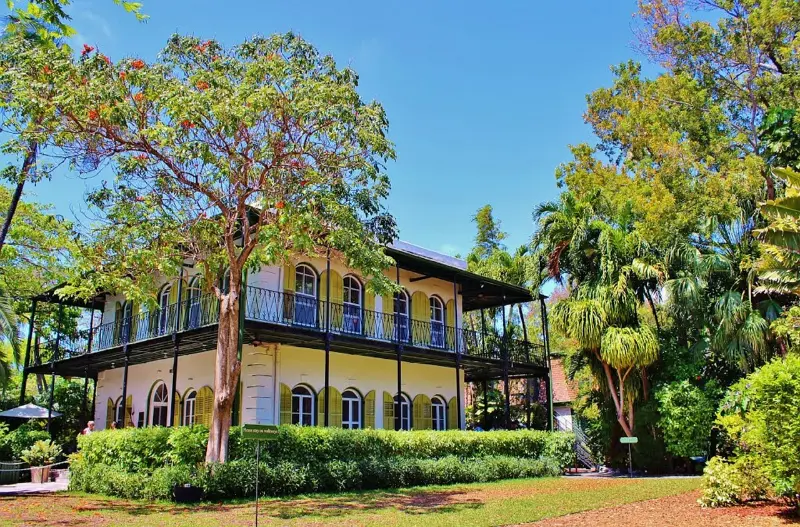
    Old Town is often the strongest choice for a first visit because many well-known attractions, restaurants and historic streets are concentrated in this part of the island. Around Duval Street and the surrounding lanes, you can see colorful houses, stop for coffee and wander without needing to begin every outing in a car. Historic inns and guesthouses are part of the appeal, but their facilities vary. A charming old building may have stairs, small bathrooms or limited parking, so check practical requirements before booking. Duval Street itself can be lively late into the evening; a room a few blocks away may offer a quieter return. Visitors interested in the Ernest Hemingway Home and Museum or the Southernmost Point will appreciate the location, though not every landmark is a two-minute walk. For people who enjoy slow urban exploring, Old Town can deliver more of the Key West feeling than an isolated resort with a larger pool.

    Key West Old Town Colorful Wooden Houses Aerial

    Historic Seaport: perfect for boats, waterfront meals and early departures

    The Historic Seaport district is attractive if your itinerary includes sailing, fishing or a boat excursion leaving from the harbor. Staying nearby can simplify an early departure and make it easy to enjoy a waterfront dinner afterward. But confirm the precise departure dock, because different trips use different marinas and an address near the water does not guarantee a short walk to every operator. Around the harbor, restaurants and activity create a busy, scenic atmosphere. Some guests love the energy; others may prefer an inn on a quieter street with less evening noise. If you plan the Dry Tortugas, check the current ferry or seaplane departure process and meet-up location directly with your operator. Do not assume that every excursion runs in rough weather, or that a reservation is refundable in every circumstance. Travelers prone to motion sickness should consider trip length and conditions when arranging offshore activities.

    The quieter edges of Old Town: a different experience from Duval Street

    Old Town is not one uniform nightlife district. A hotel on a busy commercial stretch feels different from a garden guesthouse on a residential side street, even when both are described with the same neighborhood name. For a couple seeking quiet mornings, research the immediate block, not just walking distance to Mallory Square. Some guesthouses may have mature landscaping and smaller pools that make afternoon breaks enjoyable. Others are set close to bars, delivery routes or event venues. Check recent reviews for noise at the time of year you plan to visit. If you have a stroller or mobility aid, examine entrances and sidewalks carefully: historic architecture can involve stairs or narrow doorways, and not every older inn can provide the accessible layout you need. Request specific written confirmation. A short taxi journey from a calmer property can be preferable to losing sleep in the center of the action.

    New Town: practical hotels, larger rooms and easier road connections

    New Town covers much of the island’s eastern side and includes accommodation that can be practical for road travelers, airport arrivals and visitors who prefer contemporary hotel facilities. Rooms may be larger or arranged in bigger hotel complexes, though that depends on the property. The main drawback is distance from the historic walking core. A hotel can advertise proximity to Key West attractions while still requiring bus, taxi, rideshare or bicycle travel to reach Old Town. Compare those trips with savings on the nightly rate and parking. Ask whether any shuttle is included, where it stops and whether its operating hours cover dinner returns. A family staying several nights may appreciate a pool and predictable breakfast, while a couple wanting to wander Duval Street every evening may find the repeated journey frustrating. Make the choice using the experiences you plan to repeat, not an assumption that the island is so small that location never matters.

    Stock Island: a marina-oriented alternative with a different atmosphere

    Stock Island lies immediately east of Key West and offers a more working-waterfront, marina-centered environment. It can appeal to travelers interested in boating or accommodation away from the busiest historic streets. Some properties feature attractive water views and dining, but Stock Island should not be treated as a walkable extension of central Old Town. Crossing into Key West for museums, festivals or dinner needs a clear transport plan. A rental car may be useful for the wider Keys, yet parking it in central Key West can be inconvenient. Check the hotel’s shuttle claims and the actual distance to departure points before booking a tour. If you want to spend much of the holiday relaxing by a resort pool and taking a boat trip, Stock Island can make sense. If you picture stepping straight into Old Town every morning, pay close attention to the transfer time and potential cost before accepting a lower room rate.

    Key West beaches: why “island hotel” does not equal beachfront resort

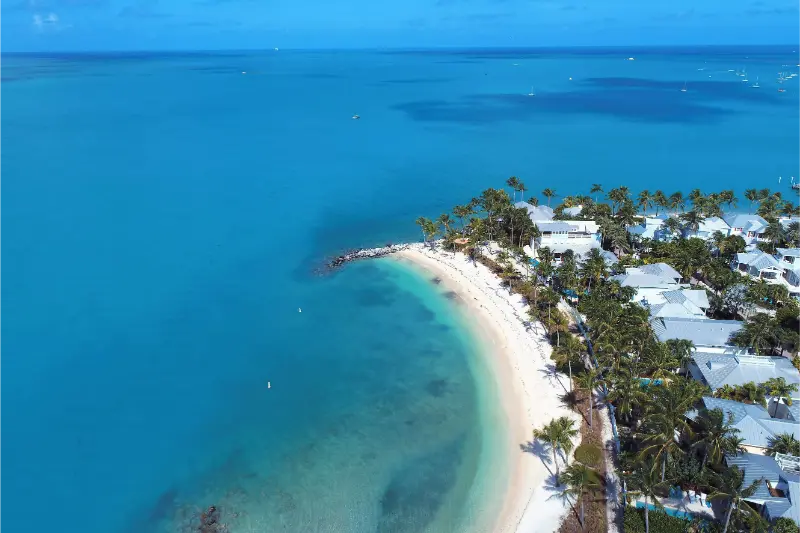
    It is easy to imagine every Key West property fronting a broad tropical beach. The reality is that the island’s coastline includes harbors, rocky sections, seawalls and specific public beach areas. Smathers Beach, Higgs Beach and Fort Zachary Taylor Historic State Park are among the places visitors consider, but their atmosphere, access rules and facilities differ. A hotel near Duval Street may be well placed for sightseeing but not particularly close to the beach you prefer. Review current beach conditions, opening times, parking and any fees. Do not rely on a photograph taken many years ago to judge how a beach will look during your stay. If swimming is the main reason for your vacation, you may want to compare the wider Florida Keys or another Florida coast instead of assuming Key West has the same resort-beach experience as Siesta Key or Clearwater Beach.

    Key West Historic Wooden House among Trees

    Do you need a car? Often not for a central Key West stay

    For a first visit centered on Old Town, walking can cover many attractions, and occasional taxis or local transport may be enough. Renting a car simply because you are in Florida can create an expensive parking problem. If your hotel charges overnight parking and you rarely leave the historic district, compare that total with direct airport transfers and a couple of rides. Bicycles are popular but require attention to traffic rules, sun exposure and the confidence of everyone traveling. Families with very young children or travelers with mobility needs should not assume a bicycle or long walk is the right solution. If you plan day trips to other Keys, a car becomes more useful, but perhaps renting it for part of the stay is sensible. Confirm return policies and availability before choosing that strategy. The best transport arrangement is usually the one that removes unnecessary driving from a short island holiday.

    Key West with children and older family members

    Key West can suit families and multigenerational groups, but it is important to plan beyond nightlife and sunset photos. Consider lodging near manageable daytime attractions, with suitable bedding, shade, air-conditioning and a quiet room. A pool is helpful only when supervision and access are appropriate for every person. Historic inns sometimes restrict children or have layouts unsuitable for strollers and wheelchairs; verify the property's actual policies. Older travelers may enjoy shorter walks, shaded stops, seated boat tours or museums, but should check how much standing an excursion requires. The summer heat can turn a pleasant route into a tiring one. A central hotel can let people return for an afternoon break while others keep exploring. Avoid forcing every companion to join late dinners or busy sunset gatherings. A calmer schedule often makes the island memorable for a wider range of ages.

    How to choose between charm and dependable amenities

    A small Old Town guesthouse may provide a distinctive setting, beautiful garden and a sense of local history. A larger New Town hotel might offer a more predictable elevator, staffed desk and bigger pool. Neither is automatically better. For travelers with allergies, mobility needs or young children, the room’s real layout is more important than appearance. Request current photographs if the booking site does not show the exact category. Ask about elevators, steps, bathroom arrangements and the distance from the entrance to the room. If you intend to cook, check whether the room has a genuine kitchen rather than only a minibar. For anyone arriving after midnight, understand how late check-in works and whether staff will be present. Compare additional fees, minimum-night requirements and cancellation conditions. Key West accommodation can be in high demand during holidays and festivals, so early research is often useful.

    Two-night and four-night itinerary ideas from the same base

    For two nights in Old Town, leave the arrival afternoon open for settling in and a gentle neighborhood walk. On the full day, choose one or two paid attractions, make time for lunch and enjoy the harbor or an evening gathering when it suits the group. Do not add an offshore excursion and a long list of museums on the same day. Over four nights, you can include a beach morning, more historic sites, a guided boating experience or a simple day with no reservations. From Stock Island or New Town, build in transport and recovery time rather than copying an Old Town walking itinerary word for word. If driving to Key West from Miami, remember that road delays and stops along U.S. 1 can make the journey much longer than you imagined. The first evening should be restful, not scheduled to the minute.

    Weather, boating and the practical realities of an island trip

    Key West’s weather influences everything from boat excursions to midday walking. Summer conditions can be hot and humid, with thunderstorms that make water activities unsafe. Tropical systems can affect travel during hurricane season, and ferry or seaplane services may change because of conditions. Choose flexible booking terms when appropriate, especially for expensive boat excursions or nonrefundable accommodation. On the beach or at a marina, follow official lightning guidance and avoid staying outdoors when thunder is audible. Sunscreen, water and shaded rest breaks are everyday necessities, but weather preparation is more than a packing list. Check the National Weather Service and the operator’s own updates before activities. For trips involving offshore water, discuss suitability with the tour provider if anyone has particular medical or mobility needs. A safe indoor alternative is worth keeping ready.
    A final Key West hotel checklist

    Before paying, mark the hotel, Duval Street, your chosen attractions and any boat dock on a map. Check whether you can comfortably cover the distances on foot at your travel pace. Confirm overnight parking or the hotel shuttle, exact room type, breakfast, extra charges and arrival rules. Ask about noise if choosing accommodation close to nightlife. For a beach trip, verify the actual ocean access rather than relying on island marketing photographs. Request accessibility details in writing when important. If you want to explore the wider Florida Keys, consider a short split stay rather than repeatedly driving the Overseas Highway. Most importantly, choose a neighborhood that matches the kind of day you want: historic streets and cafés, an active harbor, a resort pool or a quieter marina. Key West is much easier to enjoy when those expectations are clear.

    Frequently asked questions

    Is Key West easy to visit without a car?

    Old Town is particularly suitable for walking-based visits. A hotel in New Town or Stock Island may require additional buses, taxis or hotel shuttle trips.

    Are all Key West hotels close to a beach?

    No. The coastline includes harbors and rocky sections, and the main public beaches are at specific locations. Check the actual route from the property.

    Should I book an Old Town hotel on Duval Street?

    That suits travelers who value nightlife and activity. Visitors seeking better sleep may prefer quieter nearby streets, verified through recent property-specific reviews.

    Official resources for checking local details

  • Where to Stay in Gainesville: Downtown, University of Florida or the Interstate Hotel Areas?

    Where to Stay in Gainesville: Downtown, University of Florida or the Interstate Hotel Areas?

    Gainesville makes an engaging north-central Florida stop for visitors interested in museums, gardens, football, college-town dining and nearby springs. But choosing a hotel here requires a different approach from booking a beach destination. Gainesville's downtown, University of Florida campus and western interstate hotel areas each serve different schedules. A downtown room can be pleasant for an evening stroll, a campus-adjacent hotel may suit an early event, and a property near Interstate 75 can simplify driving to natural attractions. The best area changes with the reason for your visit. This guide compares the practical tradeoffs for families, couples, older travelers and road-trippers who want a comfortable base rather than spending every day in traffic or searching for parking.

    Which area fits your trip?

    BaseBest forWatch for
    Downtown GainesvilleRestaurants, arts and eveningsEvent-night noise can vary
    UF and campus areaUniversity visits and museumsHigh demand on game weekends
    Archer Road / I-75Driving, family hotels and parkingMany areas are car-centered
    MidtownLively university atmosphereNot ideal for early quiet nights

    Downtown Gainesville: restaurants, arts and a walkable evening

    Downtown is a good choice for travelers who want to step outside for coffee, independent restaurants, cultural events and a city atmosphere that feels different from a roadside hotel strip. Streets around the historic central district can suit a weekend exploring local food and galleries, with public spaces and evening entertainment. Not every downtown address is equally quiet, and a room near a music venue may be unsuitable for someone needing an early night. If you are visiting for a major event at the university, do not assume downtown parking will remain easy simply because the hotel is only a short map distance from campus. Look at pedestrian routes, event shuttles if available and garage rules. For a short stay without a car, downtown can be practical when most meals and activities remain nearby. For visits to springs or distant state parks, it becomes a starting point for deliberate car journeys rather than a fully walkable vacation.

    The University of Florida area: useful for campus-focused trips

    Hotels near the University of Florida can be ideal for campus tours, visiting students, conferences or events at venues such as the Stephen C. O'Connell Center. This area also works for visitors interested in the Florida Museum of Natural History and the Harn Museum of Art, both associated with the campus's wider cultural setting. However, a “UF area” hotel can be on a busy arterial road rather than next to the campus entrance you need. Identify the exact building or venue and work backward to the room location, particularly if someone in the group cannot walk far. Football weekends and graduation periods can bring heavy demand, minimum stays and traffic restrictions. Before booking around an event, check the university's latest parking and visitor information. A campus-based hotel is useful when your timetable revolves around the university, but may be unnecessarily expensive if you simply want a quiet spring-country road trip.

    University of Florida Football Stadium Aerial

    Archer Road and the Interstate 75 corridor: convenience for drivers

    Western Gainesville, including the Archer Road and Interstate 75 areas, has many familiar hotel types, shopping centers and easy access to major road links. This can be a sensible choice for families driving from Orlando or Tampa, visitors who need reliable parking and travelers planning to explore several natural sites outside town. Hotels may have more predictable parking and breakfast arrangements than some central properties, but each listing requires checking. The downside is that the immediate surroundings often favor driving over walking. A restaurant that appears close may still require crossing wide roads or navigating disconnected sidewalks, which is frustrating with a stroller or mobility aid. If your schedule involves long days at springs, highway convenience could outweigh a picturesque setting; if you want to explore downtown each evening, repeated car trips are less appealing. A quiet room, practical laundry and a grocery store may be the decisive advantages for a week-long family stay.

    Midtown and nearby streets: lively, but not a fit for everyone

    The parts of Gainesville near the university's eastern edge have a strong student presence, with food, music and late-night activity. Visitors who enjoy a lively college-town atmosphere may find the location convenient for campus events and casual dining. On the other hand, nightlife noise, busy crossings and changing parking availability make hotel selection particularly important. Do not rely solely on a property's distance from the university; a hotel facing a busy entertainment corridor could be a poor match for a quiet family trip. Look at recent reviews for nighttime noise and room insulation, and ask whether onsite parking is guaranteed. Students and alumni returning for events may enjoy being near familiar landmarks, while older travelers attending morning programs may prefer a quieter campus-adjacent or western location. Gainesville's compact-looking core still has several distinct rhythms, so a few blocks can make a meaningful difference to the sleeping experience.

    Choosing a base for springs and north-central Florida nature outings

    Gainesville is often used as a gateway to springs, parks and wildlife around Alachua County and beyond. Places such as Ichetucknee Springs State Park, Gilchrist Blue Springs State Park or Payne's Prairie Preserve State Park appeal to different visitors and are not all an easy stroll from any Gainesville hotel. In particular, spring visits require checking state-park access rules, capacity, reservation requirements where applicable and whether activities such as tubing or swimming are open on the chosen day. If nature is the main focus, a western or road-access-friendly hotel may shorten some journeys, but calculate each route separately rather than assuming the nearest interstate exit serves every destination. For wildlife, observe animals from a distance, watch for alligators near water and bring mosquito protection. A travel day built around one park, a picnic and a relaxed dinner is usually better than trying to visit several springs before sunset.

    Florida State University Red Brick Building

    Museums, gardens and low-stress cultural days

    One strength of staying in Gainesville is the range of cultural activities that can fill a day when swimming or hiking is not appealing. The Florida Museum of Natural History and Harn Museum of Art are natural choices for visitors interested in science, art and indoor exploration; check current exhibitions, fees and opening days directly. Kanapaha Botanical Gardens offers a different kind of outing, with gardens and pathways rather than indoor galleries. A family with young children may enjoy combining a museum visit with lunch and then returning to the hotel for rest, while a couple can make a slower day of galleries and dinner downtown. Keep accessibility in mind: a museum's entrance may be straightforward, but garden paths and outdoor conditions require separate assessment. For rainy afternoons, museums can be good alternatives if they are actually open, though lightning warnings still make unnecessary driving unwise. Your hotel location should support the activities you value most, not just the biggest event in town.

    A road-tripper's Gainesville: one night or a longer stay?

    Gainesville sits on a useful inland route through north-central Florida and can serve as a convenient overnight stop between larger destinations. For a single night, easy highway access, a reliable check-in desk and breakfast may matter more than a central restaurant neighborhood. For two or three nights, choosing an area where you can enjoy one day without a major drive often improves the experience. Downtown works well for leisurely meals and cultural visits, whereas a western hotel can make a nature-focused itinerary straightforward. If you plan to continue north toward the Suwannee region or south toward Ocala, check the actual departure route rather than picking the cheapest room on the opposite side of town. A late arrival after a long drive calls for a comfortable overnight break, not an ambitious excursion added to the itinerary. For families, room configuration and the ability to obtain an easy evening meal often decide whether the stop feels restful.

    Football weekends, graduations and other high-demand periods

    Gainesville's accommodation market changes with the university calendar. Major football weekends, commencement events, orientation periods and popular local festivals can fill rooms or create unusually high rates. Some hotels may impose minimum stays, restrictions on cancellations or parking requirements. Always check the actual event calendar and the venue you are attending before concluding that a hotel is inexplicably expensive. Traffic management can also change normal road routes, and walking distances may be longer than they appear when parking is restricted. If you are coming for a football game, give yourself substantial arrival time and use official university visitor information. If you are not attending an event, you may prefer a different weekend or an accommodation outside the busiest central area. For travelers with limited mobility, ask about accessible drop-off and event-specific transport rather than relying on normal weekday procedures.

    Getting around without a car: what really works?

    A compact trip centered on downtown and parts of the university area may be manageable with walking, local buses or arranged rides, depending on your accommodation and current service. Gainesville's Regional Transit System serves the city, but route patterns and frequencies should be checked for the exact dates, especially on weekends and university breaks. Visitors who want to reach remote springs, reserves and smaller towns will usually need a car or an organized excursion. Do not assume rideshare availability at a rural park entrance, particularly for the return journey. For a traveler using a wheelchair, confirm the accessibility of the bus stop and the route from stop to hotel, not only whether a vehicle is accessible. Children may tire quickly walking in summer heat between campus buildings, so plan shade and regular breaks. Choosing a base near the venues you will actually visit is the simplest way to reduce logistical strain.

    Florida State University Fountain and Brick Buildings

    Families, seniors and guests who need step-free routes

    Gainesville suits multigenerational travel when everyone can enjoy a mix of indoor museums and shorter outdoor activities. Families may prefer a larger room, refrigerator and breakfast near the western corridor, particularly if spring outings fill the days. Visitors attending campus programs can save energy with a hotel close to the right entrance, but should verify safe crossings and elevators. Older travelers may value a quiet central location with nearby restaurants and a dependable check-in desk. If a guest uses a mobility device, contact the property about shower arrangements, room entrance widths and the accessible route from parking. For parks and gardens, inspect current trail descriptions; natural surfaces can be difficult even where a location is described as family-friendly. Travelers with small children should also plan for heat, occasional storms and the need to leave a nature activity early. The most helpful hotel amenity may be the ability to pause and restart the day easily.

    Seasons and outdoor comfort in inland Florida

    Gainesville's inland location produces a different travel experience from breezy Atlantic beach towns. Summer days can be hot and humid, with thunderstorms affecting hiking, cycling and outdoor events. Spring and autumn can feel particularly inviting for gardens and museums paired with short nature outings, though popular weekends bring visitors for campus events. Winter weather varies more than in far south Florida, so pack layers for cool mornings and do not assume every spring day is comfortable for swimming. Hurricane season runs from June through November, and inland regions can still experience severe rain or wind. Check park access after heavy weather because trails may be flooded or temporarily closed. When comparing properties, reliable air conditioning and covered parking or entrances can be useful summer comforts. A trip itinerary should account for daylight, local conditions and your group's tolerance for walking outdoors.

    A three-day Gainesville stay built around one home base

    For a culture-oriented weekend, stay downtown or close to campus, spend the first afternoon exploring local streets, visit one or two museums the following day and reserve a relaxed third day for a garden or nearby nature stop. A spring-focused trip works better from a practical driving base: choose one substantial outdoor destination per day and return before everyone is exhausted. If you are attending a university event, treat that event as the fixed part of the itinerary and fit meals or museums around it rather than planning ambitious extra drives. For senior travelers, shorter outings and a familiar dining choice near the hotel may be the most pleasant arrangement. Families can alternate an active morning with an indoor afternoon. The goal is to see Gainesville as a place with its own character rather than only a hotel stop on the road to a larger Florida attraction.

    Before you book: identify the real reason for the trip

    Write down your three highest-priority destinations, including any precise university building, then compare travel from downtown, campus and the western hotels. Check whether the property offers parking, whether it charges separately, and whether arriving during an event changes the policy. Verify breakfast, laundry, elevators, accessible bathroom features and nearby meals. For any spring outing, check current park access, rules and entry conditions before paying for nonrefundable activities. Read recent reviews for noise and roadworks. If a hotel says it is “close to UF,” measure the route to your actual venue, especially if you plan to walk. If a listing promises “near the springs,” check which spring and how long the trip truly takes. Gainesville rewards travelers who choose a base for their real schedule and then leave enough time for the museums, gardens and relaxed local meals that make the town interesting.

    Frequently asked questions

    Where should I stay for a University of Florida event?

    Choose the precise university venue first. A hotel labeled near UF may still require a long walk, and event-day parking arrangements may change.

    Is Gainesville a beach destination?

    No. Gainesville is inland in north-central Florida. It is a base for campus attractions, museums, gardens and nature trips rather than an oceanfront vacation.

    Are Florida springs close enough for a day trip?

    Several springs and parks can be visited by car from the region, but distances and access rules differ. Check the exact park and any reservations or capacity restrictions.

    Official sources and visitor information

  • Where to Stay in Jacksonville: Downtown, Riverside, San Marco or the Beaches?

    Where to Stay in Jacksonville: Downtown, Riverside, San Marco or the Beaches?

    Jacksonville covers a large area, and that is why choosing a hotel here deserves more thought than simply typing the city name into a booking site. Downtown offers riverfront attractions, venues and business hotels. Riverside, Avondale and San Marco have recognizable neighborhood identities built around food and historic streets. To the east, Jacksonville Beach, Neptune Beach and Atlantic Beach form coastal communities where sunrise walks and casual dinners can fill several days. The beaches are not beside the Downtown riverfront, and an airport-area hotel is not automatically a convenient base for ocean outings. This guide compares the areas that work for different vacation styles, with special attention to distances, public access, family travel and the value of having a car. The aim is to choose one comfortable base instead of spending half the holiday crossing a very large city.

    At a glance: compare the areas

    Where to stayBest forCheck before booking
    Downtown JacksonvilleEvents and city attractionsNot near ocean
    Riverside / AvondaleHistoric streets and foodDriving to beach
    San MarcoDining and neighborhood feelCity-focused base
    Jacksonville BeachesSand and coastal eveningsDrive to downtown venues

    Downtown Jacksonville: concerts, riverfront and urban attractions

    Downtown Jacksonville makes sense for visitors attending an event, exploring museums or wanting a central base for business and city activities. The St. Johns River is a defining feature, and the Downtown area includes venues and public spaces on both banks. A hotel near the river can offer attractive views, but it will not place you within an easy stroll of Atlantic beaches. Ask whether your specific property is convenient for the museum, event hall or restaurant you actually plan to visit; the district is large enough for routes to vary. Event schedules can change traffic and hotel pricing, and some streets may be quieter outside business hours. If traveling with children, check food options and whether the route to your preferred attraction is manageable on foot. For a beach-focused family week, Downtown is usually a less obvious choice than the coastal communities, despite its central-sounding name.

    Jacksonville Downtown Riverfront at Night

    Riverside and Avondale: historic streets and a food-oriented stay

    Riverside and Avondale offer a different Jacksonville from the Downtown office towers: older houses, tree-lined streets, restaurants, cafés and neighborhood landmarks. Five Points is a recognizable area for an afternoon of dining and browsing, while the Cummer Museum of Art & Gardens draws visitors interested in culture and riverside scenery. Accommodation choices can be smaller or more scattered than in the major hotel districts, so confirm the exact street and amenities. A rental in a historic house can be atmospheric but may have stairs, narrow entrances or limited parking. A couple wanting restaurants and neighborhood walks might enjoy this area, whereas a family spending every day on the oceanfront may prefer to sleep farther east. The district is better understood as a place to explore on its own terms, not a convenient pedestrian route from Downtown to the beach. Plan transport for excursions beyond the immediate neighborhood.

    San Marco: a compact dining district south of the river

    San Marco is appealing to guests looking for a local neighborhood atmosphere with restaurants and shops around San Marco Square. It can work for a shorter city visit or an extended stay that includes cultural and dining experiences. However, the name covers more than one block, and a property advertised as San Marco may not sit within comfortable walking distance of the square. Check the exact route before assuming that evening meals will not require a car. For a couple who enjoys quiet mornings and local dining, a well-positioned room may be more satisfying than a large hotel beside a major road. Families should verify sleeping arrangements and whether groceries and rest breaks will be easy. If your itinerary consists mainly of coastal activities, the eastward journey becomes an important cost of choosing San Marco. Think of it as a neighborhood destination, not simply a cheap alternative to the beaches.

    Jacksonville Beach: surfing, restaurants and a lively coastal center

    Jacksonville Beach is a strong choice when you want the Atlantic Ocean to shape your days. The pier area and surrounding streets offer dining and visitor services, and a hotel near the shore can support early walks, beach afternoons and casual evening meals. The atmosphere can become busy during events or weekends, so check noise and parking reviews for your travel dates. “Jacksonville Beach” listings range from genuine oceanfront properties to inland addresses, and a short driving distance does not guarantee easy public parking. Verify the nearest beach entrance, crosswalk and the hotel’s parking arrangements. Travelers who want to swim should follow current lifeguard and ocean-safety guidance; Atlantic surf conditions can change. For families, a suite with breakfast and a simple route to the sand may be more useful than elaborate city attractions. If museums and Downtown restaurants are your main interests, a beachfront stay will add repeated inland journeys.

    Jacksonville Florida Downtown Buildings and River

    Neptune Beach and Atlantic Beach: smaller-town coastal routines

    Neptune Beach and Atlantic Beach sit north of Jacksonville Beach and offer a somewhat different feel, particularly around Beaches Town Center, the walkable commercial area near the ocean at the boundary between the two communities. Visitors can enjoy independent restaurants, shops and beach time without needing a packed schedule. A property close to this center may appeal to couples or guests who want an uncomplicated coastal weekend. But both beach cities extend beyond that compact dining area, and not every rental is within a practical walk of it. Check whether your accommodation includes parking and how you will access the shoreline. Nearby Kathryn Abbey Hanna Park offers nature-oriented recreation, though admission rules and facilities should be verified for your dates. For travelers with mobility limitations, request details of actual beach-access paths and accommodations. Quiet, walkable beach time is possible here, but it depends on the specific address and season.

    Mayport, Hanna Park and the northeastern coastal fringe

    The area around Mayport and Hanna Park may interest visitors who enjoy fishing heritage, parks, boating and natural coastal scenery more than conventional hotel districts. It is not generally the first place to search for a car-free city break, because attractions and services are more spread out. If you are traveling with a vehicle and want time in nature, this part of Jacksonville can make a pleasant addition to a beach vacation. Check park access, opening times and any permit or admission requirements before making plans. If you are booking a rental near the water, distinguish riverfront, Intracoastal and oceanfront positions: they are different settings and do not offer the same swimming opportunities. Families can enjoy trails or a simple picnic where facilities are suitable, while older visitors may prefer scenic drives and short, accessible stops. Do not assume every waterfront property has safe boating or beach access.

    Southside and the Town Center area: practical for shopping and wider driving

    Jacksonville’s Southside, including the broader area around St. Johns Town Center, can be useful for visitors who want shopping, modern hotels and access to regional roads. It might also suit a longer visit involving friends, appointments or a mixture of destinations across the city. However, a shopping district is not the same as a beach town, and many journeys are more comfortable by car. A hotel here may offer a larger room or attractive rate compared with beachfront properties, but you should add the cost of fuel, parking and repeated drives before deciding it is better value. Check whether restaurants can be reached safely on foot; large roads and parking areas can make short map distances misleading. For a couple planning a beach-focused weekend, Southside may create unnecessary logistics. For a road trip with varied inland stops, the convenience can outweigh the lack of coastal atmosphere. Choose it for transport needs, not a generic claim of being central.

    Arriving at Jacksonville International Airport and planning transport

    Jacksonville International Airport lies north of much of the city, and the transfer to a beach hotel is not the same as the transfer to Downtown. Before booking an arrival-night hotel, check its actual distance from your next day’s destination. An airport hotel can be a relief after a late flight, but moving hotels the following morning may waste time if you are not exhausted. For longer stays, a rental car often simplifies journeys between coastal and inland areas, but overnight parking must be included in the budget. Car-free travelers can still enjoy a carefully chosen Downtown or beach-based trip, provided they build activities around the immediate area and check current public-transport services. Standard rideshare vehicles may not meet every accessibility or child-seat requirement, so arrange suitable transfers when needed. Save the address and check-in details offline. A smooth arrival gives you a much better start than an unexpectedly long drive across the city after midnight.

    Families, couples and senior travelers: choosing for real routines

    Families who expect to spend most days on the beach may appreciate a property near Jacksonville Beach or the Beaches Town Center, where food and sand can be reached with fewer transfers. A couple interested in art, food and historic neighborhoods might prefer Riverside or San Marco. Senior travelers may value a Downtown hotel for a particular event or a quiet coastal property with elevators and comfortable seating. There is no age at which visitors must follow a separate kind of itinerary; what matters is walking distance, energy level and the practical facilities of the room. Check whether children have their own suitable beds, whether a pool is safely supervised and whether a beach access point meets mobility needs. An accommodation with a kitchen or laundry can improve a week-long stay, but only if those features are real and available to guests. The right location should support the least flexible person in the group without reducing everybody else’s enjoyment.

    A three-day Jacksonville itinerary based on the city

    From a Downtown, Riverside or San Marco base, spend the first day exploring the immediate neighborhood rather than rushing to the Atlantic. Day two could combine the Cummer Museum or another cultural attraction with a meal in Riverside or San Marco; choose only what genuinely interests your companions. Set aside day three for a dedicated beach trip, perhaps starting early at Jacksonville Beach and exploring Beaches Town Center later. The two coastal stops are related but not necessarily a single easy walking route, so map the journey. If weather is poor, replace beach time with an indoor museum or relaxed restaurant visit. This plan gives the city enough attention to feel different from a generic beach destination. It also prevents repeated trips east and west, which can become tiring in a region where distances are greater than the hotel description suggests.

    A three-day Jacksonville beach itinerary with little driving

    If you sleep near Jacksonville Beach, Neptune Beach or Atlantic Beach, let the ocean be the main event. On arrival, locate the closest public access, learn where to eat and keep the evening simple. Spend the next morning enjoying the beach under safe conditions, then rest during the hotter part of the afternoon. Day two or three can include Beaches Town Center, a local park or a short nature outing near Hanna Park, depending on the group’s interests. Save Downtown museums for one deliberate day if you want a city experience; do not commute inland after every beach morning. Families can adapt the schedule around naps and meals. Travelers who enjoy walking can linger over a long breakfast and a coastal stroll without checking their watches. The point of staying at the beach is that a full day can feel complete without driving to another neighborhood.

    Hotel costs, accessibility and your final location check

    Before booking, compare the full price with taxes, parking, breakfast, destination fees and rental cleaning charges. A beachfront room may cost more but eliminate daily beach parking; a modern inland hotel may provide better value for a driving-focused trip. Read recent reviews for room noise, air-conditioning and construction. Ask for precise accessibility details when needed, including step-free entrances, elevator routes and bathrooms. Verify the nearest beach crossing, not just the nearest stretch of coastline, and check current swimming advisories. If your visit overlaps hurricane season, understand cancellation rules and follow official forecasts. Finally, locate your three most important activities on one map. If they cluster near the St. Johns River, a city base is logical. If they cluster around sand and surf, head east to the Beaches. Jacksonville becomes a far more relaxed destination when your hotel is selected for that geography.

    Frequently asked questions

    Can I walk from Downtown Jacksonville to the beaches?

    No. Jacksonville’s Atlantic beach communities are well east of the riverfront urban core. Choose a coastal hotel if beach time dominates your vacation.

    Which Jacksonville beach community is good for strolling to dinner?

    A property close to Beaches Town Center, near the boundary of Neptune and Atlantic Beaches, can offer a convenient dining-and-ocean routine.

    Do I need a rental car for a Jacksonville trip?

    Often it helps because the region covers a large area, but a carefully chosen Downtown or beach-based short trip can work with fewer journeys and planned transfers.

    Official resources for checking local details

  • Where to Stay in Naples and Marco Island: Beaches, Downtown and Quiet Gulf Coast Bases

    Where to Stay in Naples and Marco Island: Beaches, Downtown and Quiet Gulf Coast Bases

    Southwest Florida rewards travelers who like beaches, waterfront views, gardens and meals that unfold at an unhurried pace. But the choice between Old Naples, North Naples, Vanderbilt Beach and Marco Island changes the shape of a vacation. Naples has cultural venues, restaurants and distinct neighborhoods stretching inland and along the coast. Marco Island offers a more self-contained island atmosphere with sandy Gulf beaches, resorts and access to boating excursions. Hotels advertised under “Naples” may be a surprisingly long drive from the specific beach or downtown street you want to visit. Here is how to choose a sensible base, including what to know about parking, beach access, seasonal demand and outings to the Everglades region.

    At a glance: compare the areas

    Where to stayBest forCheck before booking
    Old NaplesDining and town strollsLimited beachfront rooms
    Naples Gulf beachesBeach-centered resortsHigher beach premiums
    North NaplesLong stays and road accessCar often useful
    Marco IslandIsland resorts and boatingFarther from Old Naples

    Old Naples: for restaurants, strolling and a compact coastal routine

    Old Naples is a natural starting point for travelers who want downtown streets, independent shops and dining near the Gulf. Fifth Avenue South and Third Street South provide recognizable centers for a relaxed afternoon, but they are not the same street and the walk between every attraction and the shoreline should be checked carefully. Staying nearby can suit couples and visitors who enjoy an evening without driving. Depending on the property, you may be able to alternate breakfast, a little shopping and beach time with comfortable breaks. Nevertheless, a listing that says “close to downtown” may place you beyond easy walking distance in strong afternoon heat. Check its exact location and whether there are sidewalks along your intended route. Beach parking and public access rules vary, so a hotel that genuinely simplifies beach visits can be worth more than a discounted room far inland. If you plan to leave the car parked, confirm overnight parking fees.

    Naples beachfront lodging: what “Gulf view” is really buying

    A room overlooking the Gulf can be wonderful for watching the changing light and returning indoors when the sun becomes intense. Beachfront resorts often appeal to families with young children and travelers who want a large part of the vacation to take place at the hotel. However, direct beach access, public access, private guest amenities and water views are different things. Ask whether the hotel fronts the sand, whether beach chairs are included and whether there are stairs or long paths between the room and the shore. Storms and coastal conditions can affect beaches or facilities; check any announced restrictions at the time of travel. A partial Gulf view may not justify a large premium if you will be exploring every day. For a hotel-focused vacation, by contrast, a pleasant pool area, shaded seating and an uncomplicated return to the room may be money well spent.

    North Naples and Vanderbilt Beach: space and practical day trips

    North Naples may suit travelers wanting a wider range of hotel types, shopping and access to roads leading toward other attractions. Vanderbilt Beach and nearby coastal neighborhoods allow for beach-centered plans, while inland properties can be convenient for a longer stay with a car. This is not one small town center where everything can be reached on foot. A hotel near a shopping complex may be useful for supplies but still require a drive to the coast. Map your favorite beach access and the route to Naples Botanical Garden or other planned outings before booking. The value of a spacious suite or apartment rises with the number of family members, especially if everyone wants time indoors during the hottest hours. But check the entire bill for parking, kitchen equipment and cleaning charges. If you are staying several days, selecting a comfortable base for everyday errands can matter as much as choosing a beautiful beach.

    Marco Island: a resort-and-island holiday rather than a Naples city break

    Marco Island suits visitors who want Gulf beaches, a more island-focused setting and opportunities for boating or guided nature excursions. Some properties are close to the shoreline while others sit along inland roads or waterways; “Marco Island address” does not guarantee a direct beach access. Public beach entry and parking are specific issues that deserve checking before booking a rental. A resort with convenient beach access can simplify family days, whereas a property farther inland may involve repeated transfers and limited parking choices. Marco Island is not an effortless walk from downtown Naples, so plan journeys between the two rather than assuming you will casually pop over for dinner each evening. The island can be a comfortable base for a slow vacation with children or older relatives, particularly when accommodation has suitable space and indoor alternatives. It is less ideal if most of your planned experiences are concentrated in Naples itself.

    Tigertail Beach Marco Island with Kayaks

    Comparing the beaches without relying on perfect photographs

    Southwest Florida beaches change with seasons, weather, tides and coastal management work. A white-sand photograph cannot confirm that a particular access point will have ample parking or that all facilities are operating during your stay. Decide whether your group prioritizes a long walk on the sand, an accessible pathway, lifeguard information, restroom availability or an easy return to a pool. Beaches around Naples and Marco Island offer different surroundings, but you should verify local conditions from the responsible authorities. If someone has mobility difficulties, request details of beach wheelchairs or mats at the specific access point rather than trusting a general accessibility label. Children need close supervision near water, regardless of whether the sea looks calm. Treat the beach as an experience you plan carefully, not a service guaranteed by your room reservation.

    Everglades trips: why your accommodation base matters

    Naples and Marco Island are both gateways to a different side of Southwest Florida: the wetlands, waterways and wildlife-rich landscapes farther east and south. Visitors considering an airboat excursion, a guided Ten Thousand Islands outing or a visit toward Everglades City should plan these as specific trips rather than assuming that “near the Everglades” means next door. Some excursions depart early, require reservations or involve weather-dependent boat conditions. Confirm the departure dock and the operator’s safety practices before choosing a tour. If wildlife is the main purpose of a vacation, it may be better to divide nights between the coast and an inland location instead of making repeated long drives. For a single nature day, a Naples or Marco base can work well. Leave time afterward for rest; humid outdoor conditions can be demanding even when the activity is mostly seated on a boat.

    Families with young children: where everyday comfort matters most

    For parents, the perfect beach view is not always the most useful amenity. A kitchen or kitchenette, washer, separate sleeping space and shaded pool seating can improve a week more than a dramatic balcony. In Old Naples, restaurants and short walks can be convenient, while a Marco resort may offer the appeal of keeping activities close to the room. Verify actual sleeping capacity, pool fencing and the presence of child-safe balcony doors before arrival. If you intend to prepare food, ask what the kitchen contains; the word “suite” does not guarantee a full stove or dining table. Check whether the closest supermarket is reasonably accessible and whether grocery delivery can enter the property. Children’s activity schedules vary by hotel and season, so do not book on the assumption that a listed kids’ club will operate on your dates. Allow quiet hours for naps and recovery from the heat.

    Couples and travelers who prefer quieter days

    Couples interested in restaurant evenings and short downtown walks may appreciate Old Naples, particularly if they enjoy browsing shops or galleries between meals. Guests who want to spend long afternoons near the water might choose a beachfront resort instead. Marco Island can be appealing when the idea of the holiday is largely to remain in one coastal setting and take the occasional boating excursion. Quiet, however, is a property-level quality, not a guarantee attached to a neighborhood name. Ask for a room away from elevators, service entrances, event spaces or pool music when peace matters. Check the restaurant and entertainment options that will actually be open during your season. Off-peak dates may bring calmer surroundings, but they can also coincide with maintenance or reduced hours. A smaller hotel with personal service can be excellent, provided its accessibility and arrival arrangements match your needs.

    Marco Island Florida Waterfront at Sunset

    Visiting without a rental car: possible, but choose carefully

    A short, mostly resort-based trip can work without a car if airport transfers, food and activities are arranged around the accommodation. A downtown Naples location may also reduce the need to drive to dinner. But wider Southwest Florida is spread out, and relying entirely on rideshare can become expensive or inconvenient for early boat departures and nature excursions. Marco Island is particularly important to evaluate this way: a map may show restaurants nearby, yet the actual pedestrian route could include exposed roads or distances that are uncomfortable in the heat. Compare the price of a rental car, parking and fuel with several realistic transfers before deciding. Travelers who need accessible transport should verify availability and booking requirements well in advance. If a family requires child seats, confirm how each transfer will meet those needs. The simplest holiday often uses fewer journeys rather than trying to improvise transport every morning.

    Seasonality, storms and realistic expectations for winter sunshine

    Southwest Florida attracts many winter visitors, which can change lodging availability and demand for popular restaurants. Spring holidays and major local events may also affect prices. Summer can bring hotter, wetter conditions, and the Atlantic hurricane season requires greater attention to travel insurance, cancellation policies and official forecasts. No month guarantees calm water, warm swimming conditions or a particular wildlife sighting. Before choosing dates, decide whether your priority is comfortable outdoor walking, swimming, a quieter hotel or lower accommodation costs. Then compare actual listings for your week rather than relying on broad seasonal averages. For visits during storm season, select bookings with transparent change rules and follow official emergency guidance if conditions deteriorate. A flexible schedule is not a lack of planning; it helps you enjoy what the coast is offering rather than forcing a rigid itinerary through unsuitable weather.

    Three or five nights: avoid driving across the region every day

    For three nights, choose either Naples or Marco Island as the main base and make the other an optional excursion. A Naples-centered break might include an easy arrival day, one substantial beach day and an afternoon around downtown restaurants or gardens. A Marco-centered stay might focus on a beach morning, a booked boat experience and time to enjoy resort facilities. For five nights, introduce a dedicated nature outing and a slower day between two more active excursions. If you want both the downtown Naples atmosphere and a Marco Island resort experience, splitting a longer stay can make sense, but pack-up days consume time. For a multigenerational group, it may be better to remain in one comfortable property with flexible activities. Travel plans should allow everyone to enjoy the visit without constant alarms and complicated transfers.

    What to confirm before reserving a room or rental

    Check the property’s precise address and the actual route to the beach, including whether the access point is public, hotel-controlled or subject to particular rules. Verify the full price with taxes, parking, resort fees and cleaning charges, and read the cancellation policy. Ask whether pools, beaches or amenities are affected by current repairs. Confirm step-free routes and accessible bathrooms when required, as well as arrival assistance and elevator arrangements. Compare a couple of room types rather than relying on promotional photos. Save a backup indoor activity for thunderstorms and review forecasts near your trip. Above all, match the accommodation to your preferred daily rhythm: leisurely downtown meals, a week by the water or wildlife outings across the region. That choice will shape your enjoyment more reliably than a long list of hotel amenities.

    Frequently asked questions

    Is Marco Island part of downtown Naples?

    No. Marco Island is a separate coastal island destination south of Naples. Driving between them needs time and should not be treated as a casual walk.

    Where should I stay to visit the Everglades?

    Choose based on your exact tour departure point. Naples and Marco Island can both support planned nature outings, but some excursions require an early drive.

    Do all Naples hotels include beach access?

    No. Hotels, rentals and waterfront properties may have different arrangements. Confirm the specific public or property-controlled beach access before booking.

    Official resources for checking local details

  • Where to Stay in the Florida Keys: Key Largo, Islamorada, Marathon or the Lower Keys?

    Where to Stay in the Florida Keys: Key Largo, Islamorada, Marathon or the Lower Keys?

    The Florida Keys look like a single string of islands, but sleeping at the northern end of the chain creates a different holiday from staying near Seven Mile Bridge or at the far western end in Key West. Key Largo is an appealing first stop from mainland Florida, Islamorada has a strong fishing and waterfront-resort identity, Marathon makes a practical central base, and the Lower Keys offer a quieter natural setting before the urban energy of Key West. Accommodation varies from simple inns and rental homes to full-service resorts, often with higher costs than first-time visitors expect. The most common planning mistake is booking the cheapest available room and assuming every attraction is only a short drive away. In the Keys, U.S. 1 is the essential road connection, and changing your plans can mean adding considerable driving. Here is how to match the island to the vacation.

    At a glance: compare the areas

    Where to stayBest forCheck before booking
    Key LargoReef trips and Miami accessNot a beach-town center
    IslamoradaFishing and resortsSpread-out amenities
    MarathonCentral family baseDriving for some outings
    Lower KeysWildlife and quietFewer convenient services

    Key Largo: closest to the mainland and suited to reef-focused trips

    Key Largo is a logical choice for travelers driving from Miami or the wider South Florida area, especially on a short trip. It gives you access to the Upper Keys without committing to the much longer drive to Key West. John Pennekamp Coral Reef State Park and reef-related boat excursions are major reasons to stay, though availability and conditions depend on weather, bookings and the specific operator. The accommodation landscape includes waterfront properties, smaller inns and rental options, but a place beside a canal may not provide a sandy swimming beach. Ask precisely what “water access” means: a dock, boat launch, pool, tiny private waterfront area and broad public beach are very different amenities. For a weekend devoted to snorkeling or diving, Key Largo may be ideal. For visitors wanting nightly strolls among historic streets and bars, the experience is not the same as central Key West.

    Sunset Key Island near Key West Florida

    Islamorada: fishing heritage, waterfront dining and a resort feel

    Islamorada appeals to couples and groups who want a laid-back, water-oriented vacation with restaurants, charter fishing and time on a boat or at a resort. The community spreads across several islands, so check the precise mile marker and location of your accommodation. Two properties described as “Islamorada” can have very different access to groceries and dining. The water may look dazzling from a balcony, but shorelines can be rocky, mangrove-fringed or designed around boats rather than ordinary beach swimming. If fishing is important, verify the charter departure point, licensing arrangements and what equipment is supplied. Wildlife and marine life should be observed responsibly, with operators following current protections. A traveler content to spend hours at the same resort may find Islamorada restful; someone planning repeated Key West nights out should think twice about using it as a distant sleeping base. Choose it for Islamorada’s own character, not only its position along the road.

    Marathon: a practical middle-Keys base for families and explorers

    Marathon occupies a useful part of the island chain for travelers interested in more than one region. It is a reasonable base for exploring nearby bridges, visiting local attractions and taking organized boat trips, while remaining closer to the Upper Keys than Key West itself. Sombrero Beach is a notable local beach, but check current access, facilities and beach conditions rather than assuming every coastal rental is within walking distance. Families may find useful accommodation with kitchens and multiple bedrooms, which can make a week-long vacation more manageable. The trade-off is that Marathon is not a compact historic town where visitors can walk to all activities from most hotels. A car is often convenient, particularly when traveling with children or equipment. If the goal is a no-car holiday full of restaurants and museums, a central Key West stay usually provides an easier match. For a relaxed boating and nature-focused week, Marathon is worth serious consideration.

    The Lower Keys: space, wildlife and quieter days

    The Lower Keys, including Big Pine Key and neighboring islands, suit travelers who value wildlife, paddling, scenic roads and a slower atmosphere. This part of the chain has protected habitats and distinctive natural landscapes, and accommodation may be more scattered than in Key West. That means tranquility can come with longer journeys to restaurants and services. Some areas have sensitive wildlife, including Key deer habitat; drive attentively, respect speed limits and never feed wildlife. For visitors who prefer a resort with several on-site dining choices, the Lower Keys require careful property selection. A self-catering stay may be comfortable, but check kitchen facilities and the distance to supplies before booking. If someone in the group needs regular medical services or specialized mobility support, investigate practical access ahead of time. Choose the Lower Keys because you want their quiet outdoor character, not merely because an online listing looks inexpensive compared with Key West.

    Key West: a walkable historic destination, not just another beach island

    Key West sits at the end of the Overseas Highway and has the most recognizable urban visitor atmosphere in the island chain. Old Town’s historic streets, museums, cafés and harbor activity allow many visitors to spend several days without a rental car. That experience is different from staying in Key Largo for reef excursions or Marathon for a central road base. Accommodation in Old Town can be expensive or compact, while hotels farther east may require transport. If you spend the whole week in Key West, day trips to the Upper Keys involve substantial backtracking. Conversely, a hotel in Islamorada or Marathon can make an evening out in Key West into a long return drive. A sensible plan often divides a longer Keys trip into two bases—one in the Upper or Middle Keys, one in Key West. For a short weekend, however, hotel changes can waste time. Decide whether the historic town experience is a main attraction before choosing your island.

    Key West Historic Wooden House among Trees

    The Overseas Highway and the time cost of changing islands

    The Overseas Highway is beautiful, but it is still a real road with local traffic, bridge approaches and occasional delays. Map the route between specific properties and departure docks, not just the distance between town names. A boat excursion early in the morning can be stressful if you are sleeping several islands away. Driving after a long snorkeling day can also be tiring, especially after sunset or in heavy rain. If you intend to spend time at multiple stops, plan them in geographical order rather than alternating northbound and southbound trips. An excellent seven-day plan may use one Upper Keys base and one Key West base, with the transfer day devoted to leisurely stops near Marathon and Seven Mile Bridge. Do not schedule an expensive offshore excursion immediately after a long drive unless the timing is realistic. The view from the road is part of the experience, and rushing diminishes it.

    Beaches in the Keys: set expectations before paying for waterfront lodging

    Not every Keys island has broad natural sandy beaches, and many accommodations advertise waterfront access that is intended for boats rather than swimming. Parts of the shoreline are rocky or mangrove-lined. If easy beach access is crucial, identify the specific beach you hope to use, such as Sombrero Beach in Marathon or Bahia Honda State Park in the Lower Keys, and check current conditions with the responsible authority. Some beaches have parking or park admission fees; others may have limited facilities. A pool can be particularly valuable for families who enjoy the water but do not want to schedule every swim around a boat excursion. For travelers with mobility limitations, ask about pathways, accessible restrooms and equipment rather than assuming a beachfront label guarantees step-free access. A Keys holiday is often at its best when it embraces boating, wildlife and coastal scenery without demanding that every shoreline resemble a Gulf Coast resort beach.

    Snorkeling, diving and fishing: choose your base by departure point

    Marine activities are a strong reason to visit the Keys, but they are not equally convenient from every lodging area. Some reef trips depart from Key Largo, others from Islamorada, Marathon or Key West, and boat travel time varies. Start by choosing the activity, a reputable operator and the actual departure location. Then consider whether you want that experience once or repeatedly. Snorkeling requires attention to swimming ability, sea conditions and operator requirements; not everyone should enter open water on a particular day. Divers should select services suited to their training and follow established safety guidance. Fishing charters may provide equipment and guidance, but ask about licenses, catch policies, weather cancellations and what the price includes. A resort with an attractive dock photograph is not necessarily affiliated with the excursion you want. The most practical accommodation shortens the journeys you will make most frequently.

    Families, seniors and travelers who prefer an easy pace

    The Keys can work for people across generations when expectations are realistic. With toddlers, a kitchen, safe outdoor spaces and the ability to return to a room after a morning activity may matter more than a packed sightseeing schedule. Older travelers may enjoy a seated boat trip, wildlife viewing from accessible platforms or waterfront dining, but should verify boarding steps and restroom arrangements. Family groups need to check balcony safety, pool barriers, sleeping layouts and the actual distance from parking to rooms. For a quieter stay, Islamorada or a suitable Marathon property may be easier than a lively Old Town address, while visitors without a car may favor centrally located Key West. Mobility needs differ substantially, so ask providers for precise access details rather than accepting the blanket label “senior-friendly.” A well-paced vacation might alternate a booked excursion with a largely free day of scenery and meals.

    What does a realistic Keys accommodation budget include?

    Nightly prices are only the beginning. Factor in taxes, cleaning or resort charges, parking, breakfast, groceries, fuel and boating activities. A rental house with several bedrooms can be a good choice for a larger group, but it may have a cleaning fee, minimum stay and property rules. A resort with a pool, dining and water views can simplify daily life but may carry substantial additional charges. Compare complete totals for the same dates and guest count. Boat trips are often a major part of the budget, so research those before committing to a room that leaves little money for activities. Popular winter and holiday periods can be competitive, though prices and availability change widely by property. Read cancellation terms carefully during storm season and avoid assuming that travel insurance covers every weather-related disruption. Having some flexibility in your dates is often more useful than chasing a single advertised deal.

    A sensible five- or seven-day route through the island chain

    For five days, choose one main base unless a specific Key West stay is essential. A Key Largo or Islamorada hotel supports reef activities and nearby exploring; Marathon can be convenient when you want a little of several regions. For seven days, consider spending three or four nights in the Upper or Middle Keys, then two or three nights in Key West. Use the moving day for roadside stops rather than packing it with a timed tour. The reverse pattern also works if flights or accommodation availability favor it. Keep one weather-flexible day because boat excursions may be delayed or canceled. A traveler flying in and out of different airports should check the real transfer distances and one-way rental-car terms. The point of splitting accommodation is to reduce repeated driving, not to experience the inconvenience of packing every morning.

    Your island-by-island booking checklist

    Before selecting a property, write down the primary activity for each full day. Then mark the hotel, departure docks, beach access points, groceries and dinner options on a map. Confirm whether the accommodation actually offers a swimmable beach, merely a shoreline view or a marina. Review driving time along U.S. 1, especially for early departures. Ask about parking, accessible rooms, outdoor safety, kitchen facilities and changes during severe weather. Check the operator’s cancellation terms separately from the hotel’s. For international travelers, verify U.S. entry requirements from official sources and do not assume a lodging booking establishes permission to enter. Finally, choose the island whose everyday atmosphere fits your group. The Keys are most rewarding when the journey feels leisurely and the accommodation keeps the activities you care about within comfortable reach.

    Frequently asked questions

    Which Florida Key is easiest to reach from Miami?

    Key Largo is the first main island area reached from mainland South Florida. It works particularly well for a short Upper Keys trip.

    Where is a practical family base for a week?

    Marathon can work well because of its central position and accommodation choices, especially if boating and selected beach days are priorities.

    Should I book just one hotel for all of the Keys?

    For a short stay, one hotel reduces packing. A longer trip combining the Upper Keys and Key West can benefit from two bases to avoid repeated long drives.

    Official resources for checking local details

  • Where to Stay in Fort Myers: River District, Fort Myers Beach or Cape Coral?

    Where to Stay in Fort Myers: River District, Fort Myers Beach or Cape Coral?

    Fort Myers is a useful gateway to southwest Florida, but choosing a place to sleep here is more complicated than finding a hotel with “Fort Myers” in its name. The historic River District sits beside the Caloosahatchee River, Fort Myers Beach occupies Estero Island on the Gulf, and Cape Coral spreads across a large canal-filled city on the other side of the river. They offer different vacations and are not interchangeable when you are tired, traveling with children or hoping to reach the sand every morning. This guide helps you compare the true travel pattern behind each base, including beach access, day trips, airport transfers and the costs that may not appear in the first hotel search.

    Which area fits your trip?

    BaseBest forWatch for
    Fort Myers River DistrictRestaurants, history and city eveningsNot an ocean beach
    Fort Myers BeachGulf sand and easy beach routinesVerify construction and beach access
    Cape CoralPrivate homes, pools and longer staysA car is usually essential
    Airport / I-75 hotelsEarly flights and regional drivingLonger beach journeys

    The River District: a city break rather than a beach stay

    Downtown Fort Myers, usually called the River District, is the natural choice if your evenings revolve around restaurants, galleries, live music or a stroll near the waterfront. Its advantage is concentration: a carefully chosen central hotel can put several places to eat within an easy outing, and the Edison and Ford Winter Estates are a straightforward nearby excursion rather than a major expedition. The area suits a two-night city stop, business travelers extending a visit, or couples who enjoy historical streets more than a resort schedule. It does not give you a Gulf beach outside your door. A river-facing balcony overlooks an inland waterway, not a white-sand shoreline, and driving to Estero Island involves bridges and coastal traffic. Check the exact hotel block, not just the downtown label; nearby roads, special events and parking rules can affect an evening walk. If beaches dominate the itinerary, the River District works better as an outing than as an everyday starting point.

    Fort Myers Beach: stay near the Gulf, but verify today's conditions

    Fort Myers Beach runs along Estero Island, with restaurants, beach access points and different lodging clusters along Estero Boulevard. The northern end near Times Square can appeal to visitors who want activity within reach, while other stretches feel more residential and encourage longer afternoons on the sand. Here, choosing the actual building matters enormously. The community has been rebuilding following Hurricane Ian, and the availability of accommodations, public facilities, restaurants and beach access may change. Confirm that the precise property and amenities have reopened, that nearby construction is disclosed and that your preferred beach access is usable during your dates. Do not infer from an old photograph that a surrounding block looks unchanged. Beaches can also have seasonal water-quality advisories, so check local official notices rather than assuming swimming is always suitable. For families with small children, ask about pool availability, elevators, shade, laundry and the walk between accommodation and beach—not only whether the listing says “ocean view.”

    Fort Myers Beach Pier Florida Wide Shoreline

    Cape Coral: space, canal views and a car-centered holiday

    Cape Coral can make sense for a family or group that wants a house, multiple bedrooms, a kitchen and room to spend a relaxed morning without leaving the property. Its canal setting is distinctive, and some rentals offer private docks or pools. But Cape Coral is extensive; a “Cape Coral” address can be far from a restaurant district, grocery store or bridge crossing. A canal behind the house is not a public Gulf swimming beach, and having a dock does not mean every visitor can safely use boats or watercraft. Check pool heating charges, child-safety barriers, parking restrictions and whether the rental operator permits the occupancy you need. Crossing into Fort Myers or traveling to Sanibel may require more road time than maps initially suggest, especially around bridge approaches. If you plan to explore widely, a central mainland location can work; if your dream is to walk straight onto a broad sandy beach, it is the wrong substitute. Compare the full daily routine, not square footage alone.

    Near the airport: useful for an early departure, less rewarding for a full week

    Southwest Florida International Airport, often called RSW, is southeast of Fort Myers rather than beside the Gulf beaches. Airport-area and Interstate 75 hotels can simplify a late arrival, a very early flight or a one-night stop between longer stays. Many provide predictable amenities such as lifts, breakfasts, larger parking areas and nearby chain restaurants; each feature still needs checking. For a beach vacation, though, the cheaper nightly rate can disappear once you add a rental car, petrol, parking and repeated drives. Look especially carefully at the time between the hotel and your chosen beach entrance, not a straight-line distance. A family arriving after dark might reasonably choose one airport night and then move to their coastal base the following morning. A traveler who will spend days visiting clients or attractions along the interstate may prefer the opposite arrangement. There is no universally cheapest area after transport is counted.

    What about Sanibel and Captiva as alternative home bases?

    Sanibel and Captiva are islands west of Fort Myers, reached via the Sanibel Causeway and connecting roads. They have a quieter, nature-focused reputation, shelling beaches and access to J.N. “Ding” Darling National Wildlife Refuge, but they are not simply beach neighborhoods of downtown Fort Myers. Island accommodation is often chosen by travelers who intend to remain on the islands for much of the stay. Those planning frequent trips to inland attractions may find the bridge and causeway journey repetitive. Check the current operating status of specific island businesses and public facilities, especially where rebuilding or habitat restoration affects visitor services. Distinguish the island fee or toll arrangements from hotel parking; both belong in your budget. If birdwatching, sunsets and unrushed beach hours are the priority, compare Sanibel lodging directly with Fort Myers Beach instead of assuming the nearest major city will deliver the same atmosphere.

    Getting to the beaches without spending the holiday in traffic

    Beach time is one of the main reasons people choose this region, so calculate the travel in practical stages: leaving the hotel, crossing bridges, finding parking, reaching a public access and returning after sunset. On peak dates, the short final approach can feel longer than the highway leg. Staying near Estero Boulevard helps if you want daily walks on the sand. For a few occasional beach outings from the mainland, leave early, carry drinking water and establish a backup beach or an indoor plan if parking or weather becomes difficult. Bowman's Beach on Sanibel, Lovers Key State Park and the various Fort Myers Beach public access areas are different destinations with different facilities and rules; do not rely on one vague pin marked “beach.” Check state-park capacity and any beach advisory before setting off. Pack for sudden storms as carefully as for sunshine, particularly when children need a predictable afternoon rest.

    Three different day-trip styles from Fort Myers

    For history, pair the Edison and Ford Winter Estates with time in the River District; putting them on the same day minimizes unnecessary zigzags. For a natural-coast day, reserve enough time for Lovers Key State Park and its walking or beach opportunities, checking current services and accessibility before departure. For island wildlife, focus on a Sanibel visit with a suitable refuge stop rather than trying to fit two distant coastal communities into one rushed afternoon. A traveler seeking boat excursions should check the departure marina, weather policy and return time before deciding where to stay, because a boat advertised as departing “Fort Myers” may actually leave from a neighboring community. Everyone benefits from treating travel days as full days rather than layering three attractions across waterways and bridges. Good itineraries here follow the geography of the river, islands and interstate, not a list of the most popular attractions sorted by star rating.

    Fort Myers Beach Florida Long Wooden Fishing Pier

    Families, seniors and travelers who need predictable rest breaks

    Families often find a kitchen, washing machine and sleeping area separate from the living room more useful than a grand lobby. River District hotels can offer easy evening meals, while beachfront accommodations reduce the need to load a car for every sandy hour. Large Cape Coral homes can give different generations private space, but check staircases, slippery pool surfaces and whether older relatives can reach shops without driving. For travelers with mobility limitations, ask accommodation providers specific questions about entrance thresholds, roll-in showers, door widths, lifts and the path to outdoor amenities. The phrase “accessible beach” does not guarantee a continuous step-free route to the water. Book activities that allow flexible attendance, plan shaded breaks and avoid scheduling a long drive straight after a physically demanding excursion. In southwest Florida, a comfortable holiday is often built around one main activity per day and enough time to enjoy where you are staying.

    When the season changes the best address

    Winter and early spring tend to attract visitors looking for milder weather and outdoor dining, bringing demand for coastal accommodation. Summer brings humid heat, dramatic afternoon storms and often more emphasis on pools and indoor breaks. From June through November, tropical weather can disrupt travel plans; location and flexibility both matter, but no address removes storm risk. Summer swimmers should consult local water-quality and red-tide notices when relevant. If your visit coincides with a large local event, compare cancellation terms and parking availability, because rates can move even when the broader region does not seem crowded. For an autumn getaway, consider whether a prepaid coastal rental offers enough flexibility for weather changes. A longer stay can be more comfortable with laundry, a reliable shaded outdoor area and nearby groceries than with an impractically ambitious list of daily excursions.

    How to compare the actual price of the different areas

    Put the total cost of accommodation beside a realistic transport estimate. A River District hotel may charge for parking; an Estero Island property may include additional lodging or amenity charges; a Cape Coral home can require cleaning fees, deposits and pool-heating costs. None of these is inherently bad, but they make headline prices poor comparisons. If you fly into RSW and stay on the beach, a rental car may be unnecessary for some days but useful for regional outings. If you stay in a suburban rental, assume everyday driving unless you have checked the exact walking routes. Compare cancellation rules, taxes, breakfast, beach equipment, laundry and whether the advertised beds are full adult beds or pull-out sofas. For groups, calculate the final price per person only after confirming permitted occupancy. If you need two cars, include the cost and space required to park both.

    A sensible four-night stay built around your chosen base

    For a beach-first trip, settle into Fort Myers Beach and give the first afternoon to an easy local walk rather than immediately driving to Sanibel. Dedicate one day to the island or refuge, another to Lovers Key or a boat outing, and leave one day mostly free for rest or weather changes. From a River District hotel, spend the first day downtown, then choose two purposeful regional excursions rather than crossing the same bridges every day. A Cape Coral stay works best when the house itself is part of the holiday: alternate pool or meal-at-home time with selected outings. The schedule should suit whoever travels slowest. With a toddler, that may mean mornings on the beach and lunch indoors. For an older adult, the defining feature may be comfortable seating and short walks. Regional variety is enjoyable when it does not become a daily transportation problem.

    Final checks before booking Fort Myers accommodation

    Start with the exact map pin and at least two destinations you will genuinely visit. Search the route at likely travel times, not only under ideal conditions, and verify parking at both ends. For waterfront listings, establish whether the view is of a river, canal, bay or Gulf beach. Ask directly about construction, current pool or beach access, noise and any facility still being restored. Confirm the check-in arrangements, hurricane-season cancellation terms, step-free access and parking charges in writing. Use recent property reviews to understand the actual building; older photographs cannot capture every change. For day trips, consult official state-park and refuge pages before departure. The right Fort Myers base is the one that makes your ordinary morning feel simple, whether that means stepping onto the sand, walking to breakfast downtown or sharing a slow meal by a rental-house pool.

    Frequently asked questions

    Is Fort Myers Beach the same as downtown Fort Myers?

    No. Downtown Fort Myers is an inland riverfront district, while Fort Myers Beach is on Estero Island beside the Gulf. Getting between them involves road travel and bridge approaches.

    Does a Cape Coral canal home have a swimming beach?

    Not necessarily. Canals are not public Gulf swimming beaches, and private docks come with separate safety considerations. Research public beach access before choosing a rental.

    Should I stay near RSW airport for a beach vacation?

    Airport hotels can be practical for one night or a driving-based itinerary. For repeated beach visits, compare the full cost of transport and parking with a coastal room.

    Official sources and visitor information