Category: Where to Stay in Florida

  • Where to Stay in Vero Beach and Sebastian: Oceanfront, Downtown or the Indian River Lagoon?

    Where to Stay in Vero Beach and Sebastian: Oceanfront, Downtown or the Indian River Lagoon?

    Vero Beach and Sebastian share a stretch of Florida's Treasure Coast, but staying in one does not feel quite like staying in the other. Vero offers a polished oceanfront district, a separate mainland downtown and cultural attractions; Sebastian has a working-waterfront character, quieter neighborhood stays and convenient approaches to the Indian River Lagoon. Neither place is simply a smaller version of Miami. The right hotel or rental depends on whether you want mornings beside the Atlantic, days exploring wildlife and museums, or an easy road-trip base. This guide compares the real trade-offs, including bridges, driving, beach access, family needs and the details worth checking before paying a deposit.

    Which base fits your trip?

    Where to stayBest forWatch for
    Vero Beach oceanfrontBeach-first couples and familiesCheck dune crossover and surf
    Downtown Vero BeachGalleries, restaurants and mainland convenienceDrive to Atlantic beach
    Sebastian waterfrontLagoon views, boating and relaxed eveningsNot a Gulf or Atlantic beach
    Inland / I-95 corridorRegional road trips and quick arrivalsLess coastal atmosphere

    Oceanfront Vero Beach: the easiest choice for a beach-first vacation

    Vero's barrier island is the place to begin when you picture an early walk on Atlantic sand, a swim followed by a shower in your room and dinner without a long return drive. Look closely at the area around Ocean Drive and the main beach district: a hotel marketed as Vero Beach may instead be miles inland near the interstate. Oceanfront rooms may command a premium, but the convenience can justify it for a short stay, particularly with toddlers or relatives who need frequent breaks. Ask whether your room faces the ocean or a parking lot, whether the beach path has steps and whether chairs, umbrellas and parking incur separate charges. A beachfront address also does not guarantee calm water. The Atlantic can have shorebreak, rip currents and rough surf. Choose guarded areas when available, follow posted flags and arrange other activities for days when the ocean is uninviting. For a peaceful holiday, assess noise from pool areas and outdoor dining as carefully as views.

    Mainland downtown Vero Beach: restaurants, galleries and everyday convenience

    Historic downtown Vero Beach sits inland from the main oceanfront area. It can make a satisfying base for visitors who enjoy local cafés, shops, arts events and a less resort-focused rhythm. Restaurants along the town's central streets, nearby grocery choices and straightforward access to inland roads can be valuable on a weeklong visit. Yet a downtown lodging address should never be read as a promise of walking to the surf. Beach outings involve crossing toward the barrier island; the time depends on the actual property, bridge traffic and destination. This location works particularly well for travelers who want to split their days between the coast, the Vero Beach Museum of Art, McKee Botanical Garden and short drives farther north or south. Compare parking and room accessibility with waterfront alternatives. A comfortable mainland hotel with breakfast, a refrigerator and reliable parking can outperform an expensive resort if most of your plans happen away from the sand.
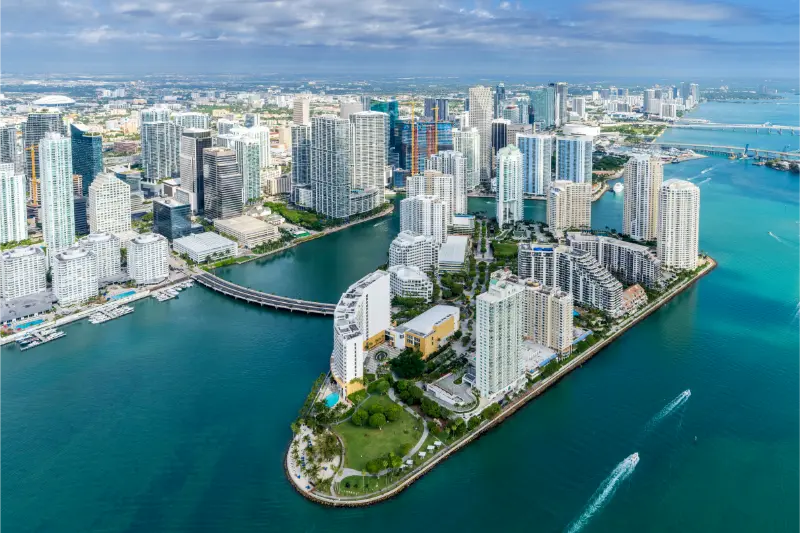
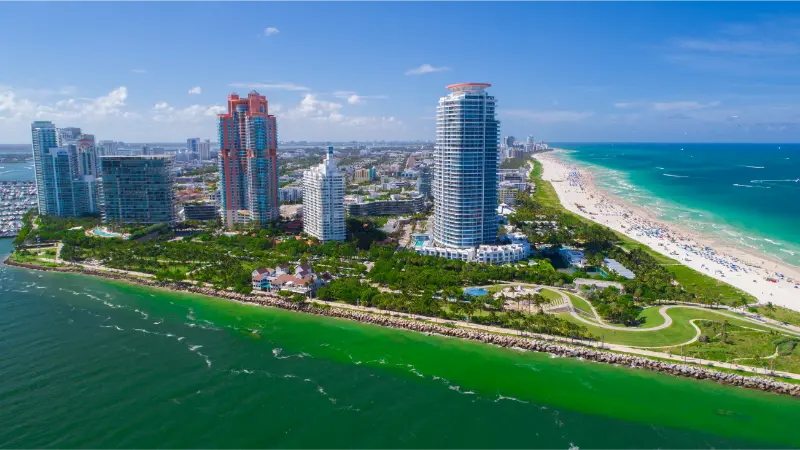
    Miami River and Downtown High Rises

    Sebastian: a small-town base for lagoon views and nature

    Sebastian appeals to people whose ideal day begins with a waterside breakfast, a look at the boats and time outdoors rather than a busy resort scene. The Indian River Lagoon shapes local life, with fishing, birdwatching and boating opportunities close to town. A lagoon-facing room may be delightful, especially for sunset colors, but it is not the same thing as an Atlantic beach property. To reach oceanfront sand, plan a separate trip to appropriate public access points, such as Sebastian Inlet State Park or other beaches along the barrier island. Accommodation here tends to reward travelers who are happy to drive and explore rather than insist on a walkable beachfront holiday. Check whether a rental has genuine water access, whether a dock is private and whether swimming from it is appropriate. Choose Sebastian for its relaxed setting and outdoor possibilities, not because its map label sits close to the coast.

    The difference between a river view and a swimmable ocean beach

    One of the easiest booking mistakes on the Treasure Coast is to compare photographs of water without identifying the shoreline. The Indian River Lagoon is an estuarine system with channels, islands, wildlife and boating activity. The Atlantic beaches on the barrier island are open-ocean shorelines with waves and their own safety issues. A balcony overlooking the lagoon can be wonderful for watching birds and boats, while still requiring a car to reach an ocean swimming area. Conversely, an oceanfront condo can feel isolated from ordinary errands or inland nature spots. Open a map for every shortlisted property and trace the route to the exact beach entrance you expect to use. Look for parking, restrooms, boardwalks, accessible beach options and posted closures. For families, the easiest beach may be the one with a manageable walk and facilities, not simply the prettiest photograph in an accommodation listing.

    Choosing a base for McKee Botanical Garden, museums and riverside outings

    The coast is only part of the attraction here. McKee Botanical Garden makes an appealing change of pace for visitors who like planted landscapes and shaded paths, while the Vero Beach Museum of Art adds an indoor cultural option. The Environmental Learning Center explores the lagoon environment through educational programming and nature experiences. In Sebastian, an afternoon near the waterfront can pair with a planned visit to Sebastian Inlet State Park when access and weather allow. These places are not collected along one pedestrian street; a car or planned transport is usually the practical way to link them. Parents can choose one major stop per half day rather than piling multiple venues into a hot afternoon. Travelers with limited mobility should verify each attraction's current route conditions and available accommodations, not assume that outdoor scenery automatically means level, barrier-free paths. A mainland room may reduce total driving if culture and nature take priority over daily beach time.
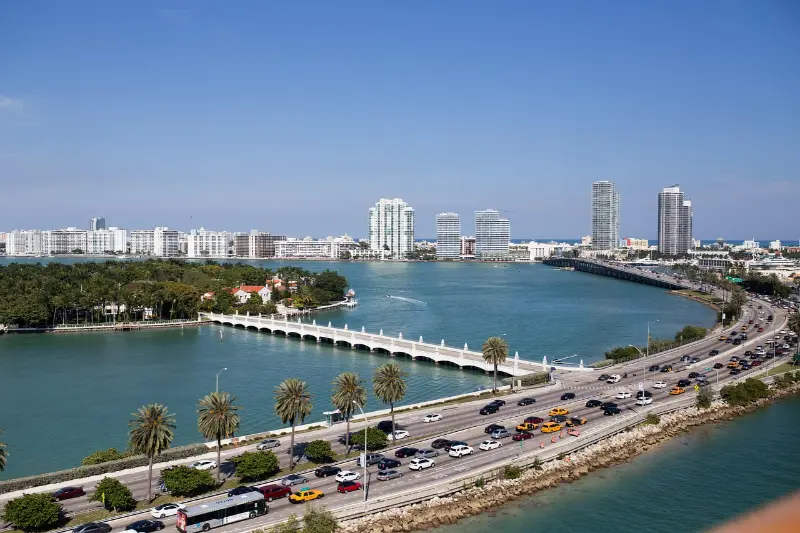
    Miami River Bridges and Skyline

    Family vacations: choose the room layout before the view

    A family with a baby may prize a separate sleeping space, refrigerator and elevator more than a sweeping ocean panorama. A toddler's beach morning often lasts less time than adults expect; an oceanfront base makes returning for naps simple, provided the access path is short and safe. In Sebastian, a vacation home with cooking facilities and laundry can be an excellent fit for older children who enjoy excursions, but check pool fencing, balcony doors and stairs. Teenagers may welcome paddling, boat outings or beach time, yet many activities require reservations, appropriate supervision and weather flexibility. Never assume a rental advertised as family-friendly includes child equipment. Request the exact bed configuration and ask whether quiet bedrooms are separated from living areas. For multigenerational groups, agree in advance how much driving everyone finds comfortable. A hotel with a restaurant on site can ease evenings when some people want to turn in early and others want another hour outside.

    A gentler stay for older travelers and visitors who walk less

    There is no single correct neighborhood for a senior traveler: some value ocean views while others prefer easy parking near restaurants. The important details are physical rather than promotional. Ask whether entry is step-free from the actual parking space, what kind of shower is in the assigned room and how far breakfast or the beach is from the elevator. A property may advertise accessibility but still have a steep approach to its sandy beach. Many visitors enjoy shoreline scenery without entering the ocean; shaded benches, waterfront restaurants and scenic drives can make that a rich vacation. In Sebastian, a lagoon-view restaurant or short waterfront walk may suit a quieter pace. In Vero, an accessible museum or garden visit can offer a pleasant afternoon away from wind and surf. Confirm mobility equipment policies and exact room arrangements directly, and keep one flexible day in the itinerary rather than booking activities every morning and afternoon.

    Getting here and the practical realities of driving

    Vero Beach and Sebastian are linked by coastal and inland roads, but the destination name alone tells you little about trip duration. Interstate-oriented hotels may serve road travelers well while sitting a considerable drive from beaches. If you fly into a major Florida airport, calculate the full journey to the hotel, including the last miles off the highway and any bridge approach, rather than relying on a rough city-to-city estimate. For most travelers wanting both towns, natural areas and several beaches, a car is the easiest option. Without one, book a property with groceries and restaurants close by and make transfer arrangements before landing. Rideshare availability and pricing can be less predictable outside large urban centers, particularly after an evening event. Check parking for overnight guests and any limits on trailers or oversized vehicles. Slow travel works best here when you settle into a coherent area instead of crossing the whole region repeatedly.

    Timing your visit: summer storms, winter breezes and wildlife seasons

    Beach conditions change throughout the year. In summer, warm weather can be accompanied by afternoon thunderstorms, heat and mosquitoes around wetlands; plan nature walks early and save indoor activities for hotter hours. Winter can bring inviting sunshine for walking, but Atlantic swimming may feel cool and windy. Sea turtles nest on parts of Florida's Atlantic shoreline during the warmer months, bringing important rules about lights, dunes and nighttime disturbance. Observe wildlife only from a respectful distance and never interfere with nesting sites. Hurricane season runs from June through November, which makes flexible lodging policies and attention to official alerts important. Rather than choosing a month on temperature alone, decide whether your priorities are swimming, birdwatching, cultural events or simply unwinding. Beach access and park services may change after storms, so verify conditions close to travel rather than trusting old property photographs or dated reviews.

    Cost comparison: when an inland hotel actually saves money

    A budget-friendly rate is useful only after you add parking, breakfast, transport and the number of daily beach trips. An inland hotel with a substantial room and complimentary parking may be economical for a sightseeing vacation. It can become less appealing if two adults drive back and forth to the shore every day, pay for beach parking and buy every meal out. Oceanfront rooms may avoid some transport costs while adding resort or equipment fees. Sebastian vacation rentals can offer kitchens and laundry, but cleaning charges and minimum stays may alter the total. Compare a consistent number of nights and check cancellation terms, taxes, deposits and any seasonal restrictions. Families should also consider time: one effortless return for a child's nap may be worth more than a modest nightly saving. Keep a small allowance for weather-related changes, especially when paying in advance for boat activities.

    Four days without turning the trip into a driving marathon

    For a classic Vero Beach break, spend the arrival afternoon getting familiar with the hotel and nearest beach path. On day two, enjoy a morning at the ocean, retreat from the strongest midday sun and add a leisurely restaurant or museum visit. Day three can focus on McKee Botanical Garden or an environmental learning experience, with a short sunset walk if energy permits. Use day four for Sebastian and a carefully timed stop at the inlet before heading home. If you stay in Sebastian, reverse the emphasis: devote more time to the lagoon waterfront and make the Atlantic an intentional excursion rather than a daily obligation. Families may prefer just one activity each day, while enthusiastic birdwatchers might schedule a quiet dawn outing. Do not attempt to cover every park, museum and restaurant in four days. A smaller plan leaves room for the slow coastal feeling that makes this part of Florida appealing.

    The questions to settle before clicking book

    Start with the actual property address, not the broad destination label. Is it on the ocean, on the lagoon or inland near an interstate exit? Can you reach a usable public beach entrance without a long walk or additional drive? Are the beds, kitchen facilities, air conditioning and parking right for your party? Ask whether any renovation, beach-access closure or construction affects the stay, and confirm that photos show the current property. For travelers using mobility aids, obtain written details of the room and route to shared facilities. If wildlife or boating is the highlight, check operator schedules and safety information directly. Save maps and arrival instructions offline before departure. With those practical questions answered, Vero Beach and Sebastian offer different but equally rewarding coastal vacations: one can be gently resort-oriented, the other shaped by lagoons, boats and a relaxed small-town pace.

    Frequently asked questions

    Can I walk to the ocean from downtown Vero Beach?

    Usually not. The main downtown area is inland; check the bridge route and exact public Atlantic beach access.

    Does a Sebastian lagoon-view rental have a swimming beach?

    A lagoon view is not an Atlantic beach. Verify the specific shoreline and public coastal access before reserving.

    What location works best for a family with young children?

    An oceanfront property with a safe nearby beach approach can simplify naps and meals. A spacious mainland suite may suit families planning more day trips.

    Official visitor resources

  • Where to Stay in Fort Pierce and Port St. Lucie: Beaches, Downtown or a Road-Trip Base?

    Where to Stay in Fort Pierce and Port St. Lucie: Beaches, Downtown or a Road-Trip Base?

    Fort Pierce and Port St. Lucie sit close together on the Treasure Coast, yet they answer different holiday needs. Fort Pierce has a compact waterfront downtown and access to Atlantic beaches across the water, while much of Port St. Lucie is suburban and convenient for golf, family visits, baseball and regional drives. Hutchinson Island adds beachfront stays, but its name covers a long coastal strip rather than one resort. Choosing a hotel purely by distance on a booking website can lead to a surprise: a room that looks close to the beach may actually be across an inlet or inland. Here is how to choose a base that matches your daily plans, travel party and budget.

    Which base fits your trip?

    Where to stayBest forWatch for
    Fort Pierce downtownWaterfront dining, history and local flavorThe Atlantic beach is across the bridge
    Hutchinson IslandBeach routines and oceanfront staysVerify exact location and access
    Port St. LucieGolf, sports, parking and family visitsOften inland from beaches
    Interstate hotelsRegional routes and short staysDriving needed for coastal days

    Historic downtown Fort Pierce: a working waterfront rather than a beach resort

    Downtown Fort Pierce has the most immediately recognizable town-center atmosphere in this part of St. Lucie County. Its waterfront, market activity, restaurants and historic buildings make it appealing for a relaxed city-and-coast stay. A centrally located hotel may let you walk to dinner and look out over boats, but this is not the same thing as stepping directly onto the Atlantic surf. Barrier-island beaches are reached by bridge, and evening transport deserves thought if you do not have a car. Fort Pierce's character may appeal to couples, solo travelers and visitors who enjoy a genuine town rather than a single enclosed resort. Request room details if you're sensitive to noise near restaurants or weekend activities. Verify the location of parking and whether a late check-in is straightforward. A downtown base often works best when the coast is one component of a varied itinerary that includes local history and riverfront time.

    Florida Bridge and Downtown Towers

    Hutchinson Island: prioritize the beach, then check the exact stretch

    Hutchinson Island stretches along the Treasure Coast, and property locations can differ considerably even within the same broad search result. Some accommodation sits close to public Atlantic beaches; other listings require a drive to the entrance or have more complicated parking and private-access arrangements. In St. Lucie County, check whether your hotel or rental is near Fort Pierce Inlet State Park, a municipal beach access or another site suitable for the group. Oceanfront does not tell you whether the water is safe to swim in on a given day. Atlantic surf, inlets and changing currents require caution. Families should ask about guarded sections, bathroom availability and the actual distance from the room to the sand. An island apartment with a kitchen may be worthwhile for a seven-night beach vacation, while a mainland hotel may be more practical for visitors who plan numerous regional outings. Map the exact address before comparing prices.

    Port St. Lucie: practical for space, parking and local activities

    Port St. Lucie is a substantial inland city, not a traditional walkable beach town. Many accommodations suit visitors attending a sports event, visiting family or using the city as a base for day trips. The PGA Village area can appeal to golf travelers, while other hotel clusters near major roads may offer easy parking and standard room facilities. Families coming for spring-training baseball should verify the venue and game schedule before settling on accommodation. Do not assume that the phrase Port St. Lucie means a hotel is close to an ocean beach or lively waterfront; many useful properties are surrounded by ordinary shopping plazas and residential streets. For a road trip, that convenience can be a strength. For a romantic beach weekend, it may mean too much time in the car. Compare driving to your intended activity rather than choosing by the city name alone, and check breakfast hours if you need an early departure.

    Picking the right beach access for swimming, walking or fishing

    A beautiful stretch of sand is not automatically suited to every activity. Families with younger children often need a guarded area with facilities and a simple return route to their accommodation. Couples may prefer quiet morning walks, while anglers may be drawn to designated fishing locations near an inlet. Fort Pierce Inlet State Park provides a different coastal experience from a busy municipal beach; entry arrangements, protected habitats and rules should be checked before visiting. If anyone uses a beach wheelchair or has difficulty climbing over dunes, research a specific accessible access point and verify whether equipment is available on the intended date. Never plan swimming near an inlet merely because the water looks calm from the shore. Consult flags, local notices and weather information. Where no lifeguard is present, make a conservative decision about entering the water, especially with children.

    Attractions beyond sand: marine science, history and baseball

    A St. Lucie vacation can combine coastal scenery with an unexpectedly varied program. The Manatee Observation and Education Center in the Fort Pierce area is one possible educational stop when current public access and programming permit. Nearby museums and historic locations can add context to the waterfront, while Port St. Lucie's sports venues can anchor a different kind of trip. For children, mixing a short indoor experience with beach time may work better than planning a full day of exposed sun. For adults who enjoy boating, a responsible, licensed excursion can reveal the estuary landscape, but consider seasickness, shade and physical boarding requirements. Check the operator's route and departure point carefully; a tour advertised for the Treasure Coast may leave a meaningful drive from your hotel. Reserve only the experiences that genuinely fit your interests, and leave a flexible period for weather changes or simple relaxation.

    Families and multigenerational groups: avoid the wrong kind of space

    A two-bedroom rental is not automatically comfortable for three generations. Ask about bedroom privacy, bathroom layout, bed heights, steps and whether everyone can reach shared spaces safely. A Hutchinson Island condo may offer spectacular light and a washing machine, but parking, elevators, beach paths and balcony safety are just as important. A Port St. Lucie suite may be less photogenic yet offer predictable beds, groceries nearby and a pool that suits younger swimmers. Fort Pierce downtown can appeal to grandparents who enjoy waterfront dining, provided sidewalks and room access are workable. For babies, separate nap space and the ability to refrigerate food can take priority over a long list of attractions. Teenagers might enjoy beach time and occasional activities but may find an isolated rental frustrating without transport. The right location lets different ages share some experiences and rest independently without every change of plan requiring a major drive.

    Waterfront Resort Buildings in Florida

    Mobility, quiet and comfortable pacing

    Travelers who use wheelchairs, walkers or canes should request concrete property information rather than relying on an accessibility symbol. Ask for a step-free entry route, shower configuration, elevator location and the distance to dining or transport. A beachfront property may have an accessible guestroom but an unmanageable sandy approach. Inland properties can have easier parking but require a car for nearly everything. If a person needs midday rest, a hotel near the day's main activity may make a decisive difference. Consider shade and seating at waterfront stops, especially in summer. Some beaches have boardwalks but not necessarily continuous access onto the sand. Verify individual sites and current conditions before travel. A gentle Treasure Coast holiday might include an early scenic outing, a long lunch and an easy evening near the hotel; its success need not depend on covering a dozen attractions.

    Driving, bridges and the illusion of a short straight-line distance

    The St. Lucie shoreline involves waterways, bridge crossings and roads that do not always follow the shortest line between two map pins. If the hotel is inland, note both the journey to the bridge and the journey onward to the chosen parking lot. For a seven-day beach vacation, even a modest repeated drive can add considerable time. A car is generally useful for mixing Fort Pierce, Port St. Lucie and coastal parks. Without a car, pick a compact location with accessible restaurants and arrange transfers in advance rather than assuming a ride can always be booked late in the evening. If driving from a Florida airport, plan for traffic and stops after a long flight. Families need appropriate child restraints, and any vehicle carrying mobility aids may require extra space. An early start can be helpful for beach parking, while late-afternoon bridge congestion is worth factoring into return plans.

    Weather, ocean hazards and seasonal considerations

    This Atlantic-facing region has warm periods ideal for long days outdoors, but heat and thunderstorms can make the midday hours tiring. Plan shaded breaks and indoor alternatives from the start. Rip currents may develop even on sunny days, and conditions near an inlet warrant particular care. The summer and fall tropical season also calls for flexible cancellation terms and attention to official forecasts. Cooler months can be attractive for strolling, fishing and outdoor dining, though water conditions are not guaranteed to suit every swimmer. During sea turtle nesting season, respect lighting restrictions, marked nests and any closures. Birdwatchers and wildlife enthusiasts should give animals space and follow park guidance. Rather than booking one intense schedule, choose a base that still feels pleasant on a day when the beach is windy or boating is canceled. That is especially important for travelers with young children or older family members.

    Comparing all-in costs, not just the advertised nightly rate

    An island rental can look expensive compared with a hotel near an interstate exit, but it may save daily transport time if you expect to visit the same beach repeatedly. Conversely, a low-cost mainland room with breakfast may be the smarter choice for baseball games, golf or a multi-stop drive. Add rental cleaning fees, parking, taxes, possible resort charges, grocery costs and transportation. Ask what the property means by beachfront, waterfront or beach access; the words carry different practical implications. Check whether beach equipment is included, and whether an advertised pool is shared, heated or subject to closures. A longer stay may favor a kitchen and laundry, while a two-night trip may be easier in a conventional hotel. Keep cancellation flexibility in the equation if the trip overlaps periods with heightened tropical-weather risk or event-related demand.

    A simple three-day plan from either base

    For a Fort Pierce-centered trip, use the first afternoon for the downtown waterfront and dinner, then give the second morning to a properly planned island beach visit. Keep the hottest part of the day free and choose an indoor educational or cultural stop if the weather turns. On the third day, consider an inlet-side nature outing, a short guided activity or a relaxed breakfast before departure. If you stay in Port St. Lucie for a baseball game or golf, place that fixed event first and fit the beach around it rather than squeezing two long outings into one day. A family with small children could replace an entire afternoon of sightseeing with pool time. Older travelers might prefer one shoreline walk and a comfortable lunch. The goal is not to collect stops but to make the geography work for you, with fewer unnecessary returns along the same roads.

    Final booking checklist for the Treasure Coast

    Before paying, identify whether the property is in central Fort Pierce, on Hutchinson Island or inland in Port St. Lucie. Locate the actual beach entrance, bridge and intended attractions. Confirm bedding, bathroom arrangements, parking, cancellation terms, extra fees and late check-in. If a property markets itself as oceanfront, ask for the precise room or unit position and beach route. If sports or fishing determines your trip, confirm dates and departures at the source rather than relying on a third-party summary. For guests requiring accessible facilities, request photographs or written specifications of the assigned room and relevant common areas. Save the directions and contact details offline. These checks make it easier to enjoy whichever version of St. Lucie you choose: an unhurried waterfront town, an Atlantic beach retreat or a practical base for exploring more of the region.

    Frequently asked questions

    Is downtown Fort Pierce on the Atlantic beach?

    No. Downtown faces the inland waterfront, and ocean beaches are reached across the water on the barrier island.

    Is Port St. Lucie a walkable beach town?

    Much of it is suburban and inland. A car is practical for most beach and sightseeing itineraries.

    Is every Hutchinson Island rental directly on sand?

    No. Verify the exact property address and the route to an authorized beach entrance.

    Official visitor resources

  • Where to Stay in Cedar Key and Chiefland: Island Charm or a Practical Nature Coast Base?

    Where to Stay in Cedar Key and Chiefland: Island Charm or a Practical Nature Coast Base?

    Cedar Key and Chiefland belong to a quieter part of Florida that attracts visitors for fishing, coastal scenery, birdwatching and freshwater springs rather than giant resorts. Yet they offer very different overnight experiences. Cedar Key is a small island community on the Gulf with a distinctive waterfront and a limited selection of places to stay. Chiefland is an inland service center with practical roads, shopping and access toward Manatee Springs and nearby nature areas. A traveler hoping to watch the tide from a porch will make a different choice from someone planning several days of driving between springs and state parks. The best accommodation depends on what your mornings will actually look like.

    Which area should you choose?

    AreaBest forConsider before booking
    Central Cedar KeyWaterfront dining and small-town strollingLimited conventional hotel services
    Quieter Cedar Key rentalsSlow island nights and coastal viewsStairs, docks and longer walks
    Chiefland hotelsSpring-day trips and grocery accessNot on the Gulf island
    Nature Coast countrysideCabins and road-trip sceneryRural arrival and supply logistics

    Cedar Key's small waterfront accommodations

    Cedar Key appeals to travelers who want a compact island atmosphere, seafood restaurants and views across shallow coastal waters. Lodging may include small inns, guest rooms and vacation apartments rather than the large, standardized resorts familiar from major Gulf beach destinations. A place near the central waterfront can make dinner and an evening stroll convenient, especially if you intend to leave the car parked for most of a weekend.

    Remember that waterfront here does not mean a long white-sand swimming beach outside the door. Cedar Key is shaped by tidal flats, marshes, working waterfront spaces and small public recreational areas. Ask whether the lodging overlooks open water, a harbor, a street or another building. The tide dramatically changes the view, and a balcony that looks across exposed flats at low tide may still be beautiful for nature lovers. It is simply a different holiday from a typical beach resort.

    For a short stay, pay attention to restaurant opening days, parking and the property's check-in process. Small establishments may offer a more personal atmosphere but fewer round-the-clock services than a big hotel.

    Historic center versus more secluded island streets

    The central island area is usually the logical choice for people who plan to walk to meals and explore the local waterfront. Staying farther from that center can mean quieter evenings and pleasant views, but the roads are narrow in places and street lighting may be limited. A vacation listing that says “walking distance” should be evaluated for the actual person making the walk. Summer humidity, sudden rain and uneven surfaces can turn an easy-seeming stroll into a tiring outing.

    Before booking, examine whether the unit is upstairs, whether stairs are steep and where the vehicle can remain overnight. Some older buildings have charming porches but are not suitable for guests who need a step-free entrance. Waterfront accommodations may also have docks, raised decks or open edges requiring extra supervision for children. A picturesque setting should never distract from checking railings, locks and emergency access.

    Visitors seeking silence should ask whether the property faces a restaurant, a boat ramp or a busy gathering point. Cedar Key is peaceful compared with major resorts, but specific blocks can still be active early in the morning when fishing trips depart.

    Chiefland for drivers exploring the wider Nature Coast

    Chiefland has a practical appeal that is easy to overlook. It is well positioned for travelers who want conventional hotel access, groceries and roads toward Manatee Springs State Park, Fanning Springs and the surrounding Nature Coast. It is not an island destination and does not replicate the atmosphere of Cedar Key. But it can make sense for families planning several separate outdoor outings or for visitors who prefer a straightforward roadside hotel after a long drive.

    Florida River Estuary Nature Reserve Aerial

    A Chiefland base may reduce the need to return to Cedar Key every evening from inland attractions. Before choosing it, plot the actual routes to the parks and towns on your itinerary. Florida distances should be judged by driving roads, not straight lines across forest or wetland. A hotel near the main road can be practical but may not have a pleasant evening walking environment; check where dinner and breakfast will come from.

    For travelers arriving late, the predictability of reception, parking and nearby food can be especially useful. It is worth giving up a waterfront balcony when logistical ease is what the trip requires.

    Springs, parks and the importance of current access rules

    Many visitors use this region to explore freshwater springs and protected lands. Manatee Springs State Park offers a famous spring setting and access to natural habitats; nearby sites have different rules for swimming, paddling, wildlife viewing and camping. Conditions and access can change because of river levels, seasonal wildlife protections, maintenance or capacity limits. Read the official park page shortly before visiting rather than assuming every spring is open for the activity described in an older article.

    A lodging location should support your chosen activity. Someone planning early-morning photography may want a short drive to a trailhead, while a family swimming at a spring needs easy access to towels, dry clothing and a quiet lunch break. A traveler bringing a kayak should confirm legitimate launch points, parking and whether shuttle services are required. The existence of water near a property does not imply that the owner permits launching or swimming.

    In hot weather, plan around the most comfortable hours outdoors. Even with cool spring water, the banks and parking areas can be intensely warm during summer.

    What Cedar Key offers when you are not on the water

    A quiet Cedar Key visit can center on walking, art galleries, small museums and watching birds from public shoreline areas. For many couples or senior travelers, this is enough to make two nights feel refreshing. The town's appeal lies in noticing the changing light and pace rather than collecting major attractions. Choose a lodging location close to the activities that will fill your day, and avoid overplanning an island weekend with lengthy inland excursions.

    Birdwatchers should bring binoculars and use designated observation points rather than approaching nesting or resting wildlife. Tidal conditions affect which birds are easy to see and which areas are accessible. Boat excursions, when available, need weather flexibility and attention to departure arrangements. Ask operators whether the vessel offers shade, a restroom and safe boarding for anyone with mobility limitations.

    If it rains, the smaller scale of the destination matters. Confirm a couple of indoor dining or museum alternatives but accept that some establishments may keep restricted seasonal hours.

    Families, multigenerational groups and safety at the waterfront

    Traveling with children to Cedar Key can be rewarding when expectations are realistic. This is a place for observing coastal wildlife, learning about working waterfronts and enjoying a small-town meal, rather than a guaranteed day on broad swimming sands. A room with a refrigerator and space for wet shoes makes outdoor excursions easier. Younger children need close supervision on piers, docks and near tidal water, even when the surface appears calm.

    For a multigenerational group, compare a spacious island rental with two simpler Chiefland hotel rooms. The rental may offer shared living space and coastal atmosphere but require stairs or a more complicated check-in. The hotel may provide an elevator, predictable bathrooms and services, while making the evening less scenic. Ask detailed questions about bedding, steps and bathrooms before deciding that one option is automatically more comfortable.

    Plan at least one low-effort day. An early nature outing followed by lunch and rest can be more enjoyable than driving between several parks without a pause.

    Storm season and rural travel planning

    The Gulf coast can be affected by tropical weather, heavy rain and temporary road or facility closures. A storm can change both the appearance and practical operation of a small island destination. Check current county and city notices before departure, especially after severe weather. Do not rely on archived photographs as proof that a pier, dock, business or beach access is currently available.

    Ask the accommodation provider how cancellations and evacuations are handled. A prepaid reservation may have a policy that is stricter than a guest expects. Consider whether your travel insurance covers the risks relevant to the trip, and do not drive into flooded roads or ignore official evacuation guidance. Keep fuel, phone charge and an alternative mainland route in mind if travel occurs during a potentially unsettled period.

    For visitors arriving after dark, follow main routes and take special care on unfamiliar rural roads. A short island approach should not be rushed, particularly in rain or when visibility is poor.

    Hotels, guesthouses and vacation rentals: comparing total value

    Small-town accommodations vary in how they charge for cleaning, additional people and parking. Compare the final total for the same dates, including taxes and any required charges. A room that costs more per night but puts restaurants on foot can be economical for a weekend on Cedar Key. A simple Chiefland hotel may be better value when most days involve driving to springs and parks.

    For longer stays, inquire about laundry, kitchen equipment, heating and air-conditioning, Wi-Fi and grocery access. Vacation rentals should have clear written instructions for arrival and an identifiable local contact. Do not send payment to an unrelated account based on a message claiming that the booking platform has changed the procedure. Save cancellation terms and request clarification of ambiguous “waterfront” or “beach access” descriptions.

    If bringing a boat or trailer, verify whether there is suitable legal parking. A property with one regular car space may be unable to accommodate your vehicle combination.

    A three-day island-and-springs plan

    Spend the first afternoon settling into Cedar Key, walking the waterfront and having dinner nearby. On day two, choose between a full island day with wildlife observation and local galleries or an inland spring excursion. Trying both may be possible in some seasons, but it removes the relaxed pace that makes this region special. On the third day, consider an inland park stop on the road out, especially if you are traveling toward Chiefland anyway.

    Travelers based in Chiefland can reverse the balance: spend the first day exploring a spring or nearby trail, reserve a second day for Cedar Key and leave another half-day flexible for weather. Families with toddlers should limit changes of location and include a proper midday rest. Older travelers may prefer a pleasant waterfront lunch over a long, exposed trail on a hot afternoon.

    Keep one alternative activity in mind when a park reaches capacity or a boat trip is canceled. A good itinerary bends without becoming a disappointment.

    Which base should you book?

    Choose Cedar Key when the essential experience is a small Gulf island, waterfront dining and the pleasure of staying somewhere with a distinct sense of place. Choose Chiefland when roadside convenience, supermarkets and trips to multiple inland nature sites are more important. A split stay can work for a longer Nature Coast journey, but moving hotels is rarely worthwhile on a short weekend.

    Before confirming, ask about exact location, parking, steps, waterfront type, included fees, check-in, nearby dining and severe-weather policies. If accessibility is important, obtain specific room measurements and photographs rather than relying on a single icon. The right decision preserves time for the region's simple pleasures: water, birds, local food and an unhurried morning.

    Frequently asked questions

    Is Cedar Key a wide-sand beach destination?

    No. It is better known for tidal coastal scenery, a working waterfront and small-island atmosphere.

    Is Chiefland a useful spring-trip base?

    Yes. It offers practical services and access toward Manatee Springs State Park and other inland nature destinations.

    What should visitors check during storm season?

    Current local road and facility notices, accommodation cancellation rules and official emergency guidance.

    Official visitor resources

  • Where to Stay in Venice and Englewood, Florida: Historic Downtown, Manasota Key or Gulf Beaches?

    Where to Stay in Venice and Englewood, Florida: Historic Downtown, Manasota Key or Gulf Beaches?

    A Gulf Coast rental described as being in the Venice–Englewood area might be near a walkable historic shopping district, a barrier-island beach, a quiet mainland neighborhood or a highway several miles from the water. For vacation planning, these are not interchangeable settings. Venice is appealing for an easy mix of downtown cafés and beaches, while Englewood and Manasota Key favor visitors who want a more relaxed coastal base with nature nearby. The best choice depends on how much driving your party enjoys, whether sand or dining is the priority, and what you need from the room when everyone is tired after the sun.

    Which area should you choose?

    AreaBest forConsider before booking
    Historic VeniceDining and town-center strollingBeach not immediately outside
    Venice Beach vicinityFrequent Gulf beach sessionsCheck actual access and room location
    Englewood mainlandRoomy stays and local servicesDrive or bridge to Gulf shore
    Manasota KeyQuiet barrier-island beach tripsSpecific access rights and limited services

    Historic downtown Venice for an easy morning and evening routine

    Venice's historic downtown, centered on streets such as Venice Avenue, is a pleasant base for travelers who like independent restaurants, small shops and a neighborhood stroll after dinner. Accommodation in or near the core suits couples and seniors who do not want every outing to end with a long drive back through suburban roads. Venice Beach lies beyond the downtown blocks, so map the exact walking route rather than assuming the whole city center touches the Gulf. A hotel can be convenient for both dining and the coast without being directly on the sand.

    Florida Historic Wooden House and American Flag

    In a walkable district, the most valuable features may be things listings rarely emphasize: the ability to buy a simple breakfast, a shaded bench, a flat route to dinner and a familiar street pattern for returning after sunset. Check whether parking is included and whether special downtown events could affect traffic or noise. A ground-floor rental may look comfortable but lack an accessible bathroom, while an upstairs apartment may have no elevator. Choose the building, not just the neighborhood's reputation.

    Venice Beach and the island-side experience

    Staying closer to Venice Beach reduces the effort of bringing chairs, towels and bags to the Gulf. It works well for short family beach sessions and travelers who enjoy early walks along the shore. The public beach has facilities that can make a day easier, but check current conditions, parking and accessibility services with Sarasota County before relying on a specific amenity. The area is not a single continuous resort strip; some accommodations are near the coastline but require a drive or more walking than expected.

    If swimming is a main goal, remember that calm-looking Gulf water can still present changing conditions. Beach flags, weather and lifeguard advice should guide your plans. Families with children may value an apartment refrigerator and a place for wet items over a small decorative balcony. Review whether an ocean-facing room has road noise and whether the actual entrance is close to a public crossover. In the evening, a beach-side base can be peaceful, but restaurant choices within a short stroll may be more limited than downtown.

    South Venice, Caspersen and practical mainland options

    South Venice and residential areas toward Caspersen Beach often appeal to longer-stay visitors seeking kitchens, extra bedrooms and ordinary neighborhood services. Some properties make useful road-trip bases for Venice, Nokomis, Englewood and surrounding towns. They can also be further from beach access than their photos imply. A listing's reference to Caspersen Beach does not mean private sand or a shortcut through protected dunes; plan to use official entrances and check parking arrangements.

    Family tipFor families, a practical mainland home can be ideal if everyone travels by car and expects to spend afternoons at the pool or cooking at home. For travelers who want to walk to dinner every night, it may feel isolating. Ask for the exact driving time to your preferred beach at a realistic departure hour, and confirm whether nearby grocery and pharmacy options are convenient. If you intend to collect fossilized shark teeth, learn the responsible collecting rules, distinguish naturally washed-up fossils from living creatures and respect any protected areas.

    Englewood mainland: relaxed local life beside Lemon Bay

    Englewood has a quieter small-town rhythm than many large Gulf resorts. Its mainland areas connect local restaurants, shops and roads leading toward Manasota Key. The bay side offers attractive sunsets and boating scenery, but bayfront is not synonymous with the open Gulf. Some lodging faces inland canals or Lemon Bay and requires a bridge crossing for swimming beaches. That distinction is important for families who imagine stepping from a rental terrace directly onto broad sandy shore.

    A mainland base can be cost-effective when the holiday combines beaches, nature walks and outings around southern Sarasota and Charlotte counties. It is also sensible for travelers who value a familiar supermarket and more spacious accommodation. However, compare the extra fuel, parking and time involved in driving to the coast. If you prefer a slow vacation with just one planned outing a day, the convenience of a larger kitchen and shaded patio may outweigh the inability to hear waves from the bedroom.

    Manasota Key and the case for staying close to the Gulf

    Manasota Key is the stronger choice when beach access is your daily priority. Its barrier-island character attracts visitors hoping for Gulf sunsets, a slower pace and a holiday centered on natural surroundings. The island is not all lined with public facilities, and some rentals have very specific beach-access arrangements. Ask whether the property is Gulf-front, bayside or across a road, and whether an authorized path to sand is included. A “waterfront” description alone is insufficient.

    Roads on a barrier island can be narrow and busier than expected on high-demand days. A rental that looks two blocks from the water may have a long route to a legal access point. Before booking, check how you will bring a stroller or mobility aid to the beach. Travelers with limited walking tolerance should ask for photos of the access path, any stairs and the distance from parking. For those who like quiet evenings, investigate restaurant and grocery distances; an isolated island cottage requires more advance planning than an urban hotel.

    Which base fits families, couples and multigenerational groups?

    Young families often do best with a short route between their room and whichever beach they will use repeatedly. Early outdoor sessions are easier when a child can return for a nap without an elaborate car transfer. Venice near the public beach or a carefully located Manasota Key rental may therefore be worth more than an inland bargain. Families who prefer multiple attractions and home cooking might find a Venice or Englewood mainland property more flexible. In either case, verify pool barriers and sleeping arrangements rather than relying only on the listed number of beds.

    Couples choosing a weekend of dining and coastal walks may prefer historic Venice, while couples seeking long quiet afternoons can favor Manasota Key. Older visitors may prioritize flat walking routes, reliable elevators and convenient services. For three generations traveling together, consider a spacious ground-floor unit with separate bedrooms, a comfortable shared area and enough bathrooms. Everyone should understand the property's steps, parking capacity and access to medical or grocery services before paying.

    Transportation, parking and the limits of car-free travel

    A vehicle is useful for comparing Venice and Englewood, especially when traveling with beach equipment or moving between mainland and barrier-island stops. Some downtown Venice itineraries are manageable on foot, but the moment you add several beaches and evening restaurant trips in different towns, transport needs increase. Check the actual service area and schedule of any local bus, trolley or seasonal shuttle. A route listed online may not be suitable at the times your party wants to return after dinner.

    Parking rules can differ between Sarasota County facilities and beaches over the county line, and busy holidays can change the availability of spaces. Visit the appropriate local authority's site shortly before travel rather than relying on old fee figures. If your accommodation has only one parking space, a multigenerational group arriving in two vehicles needs another plan. Anyone using a wheelchair should confirm a continuous accessible route between parking, beach facilities and the chosen lodging; the availability of a beach wheelchair at one beach does not imply identical service everywhere.

    Seasons, storms and a sensible daily pace

    Winter and early spring can bring strong demand to Florida's Gulf Coast, particularly among extended-stay visitors. Summer brings heat, humidity and the possibility of afternoon thunderstorms. The Atlantic hurricane season also affects the Gulf Coast, so read your booking's weather cancellation policy carefully and have a reliable way to receive local alerts. Avoid fixed claims that September is always quiet or that the water will always be safe for swimming; conditions depend on actual weather, marine advisories and local circumstances.

    Build the day around a morning beach visit, lunch and time indoors or in shade. This approach works for toddlers, travelers over 80 and anyone who finds prolonged heat tiring. On days when swimming is not suitable, Venice's historic center, a nature-oriented excursion or a restaurant overlooking the water can still make the visit enjoyable. If you are planning wildlife photography or shorebird watching, maintain respectful distances and stay outside marked nesting areas. The shoreline is a shared habitat, not simply an extension of your rental patio.

    Comparing an apartment, a resort room and a vacation house

    A coastal property with a high nightly price may still be good value when it eliminates repeated parking trips. A mainland house can be more economical for six people who eat some meals in and need laundry facilities. Work through the full price including taxes, cleaning, resort charges, parking, pet fees and any required minimum stay. Also consider the cost of groceries and whether the kitchen contains actual cookware or only decorative appliances. A promising “family suite” can become an expensive compromise if the only dining option is a tiny table.

    For rentals, confirm who manages the property, when entry instructions will arrive and what happens if the air-conditioning fails. Florida humidity makes cooling and ventilation important to comfort. Review screened outdoor areas for mosquitoes and remember that waterfront yards may not be safely fenced for young children. If you need a roll-in shower, ground-floor access or quiet sleeping space, request current photographs and written confirmation. These specifics are more trustworthy than general phrases such as “perfect for all ages.”

    A four-day Venice and Englewood itinerary from one base

    Begin with your lodging neighborhood: a downtown Venice walk or a sunset near your chosen Gulf access. Spend day two around Venice Beach, balancing early outdoor time with a relaxed meal. On the third day, drive toward Englewood and Manasota Key, choose one beach rather than rushing between several, and leave time to enjoy a local restaurant. Day four can be for a nature stop, a gentle morning in the historic district or simply a final few hours beside the water before departure.

    This is deliberately not a race to collect beaches. Moving between two coastal towns involves bridges, parking choices and occasional congestion; leaving flexibility makes the trip more enjoyable. If your principal interest is swimming every morning, base yourself nearest the beach you will actually use. If you want meals out, shopping and varied excursions, prioritize a walkable or road-accessible mainland location. The right Venice–Englewood stay lets you enjoy the Gulf Coast without turning every ordinary activity into a logistical task.

    Frequently asked questions

    Can I walk to the beach from downtown Venice?

    Some routes are walkable, but the exact distance depends on the property and your mobility; verify it before booking.

    Is Englewood mainland the same as Manasota Key?

    No. Mainland Englewood has services around Lemon Bay, while Manasota Key is the coastal barrier island.

    Do Gulf-facing rentals automatically include beach access?

    No. Confirm lawful access, crossings, parking, and any property-specific rules.

    Official visitor resources

  • Where to Stay in Boca Raton and Delray Beach: Oceanfront Hotels, Downtowns and Family Bases

    Where to Stay in Boca Raton and Delray Beach: Oceanfront Hotels, Downtowns and Family Bases

    Boca Raton and Delray Beach sit close together in southern Palm Beach County, yet the experience of staying in each can differ substantially. Delray's Atlantic Avenue draws visitors toward restaurants, galleries and evening strolls, while Boca offers a wider spread of neighborhoods, shopping districts, coastal parks and hotels. Both have access to Atlantic beaches, but the beach is not automatically walkable from the place that appears most central in an online search. For a family trip, a couples' getaway or a week with older relatives, the choice affects driving, parking, meals and how easily you can return for a rest. This guide translates the place names on hotel listings into real vacation decisions.

    Which area fits your trip?

    BaseBest forWatch for
    Downtown Delray BeachRestaurants and evening walksSome streets can be noisy
    Delray Beach oceanfrontShort routes to Atlantic beachesBeach lodging can cost more
    Downtown Boca RatonShopping, dining and cultureBeaches may require a drive
    Inland Boca / I-95Parking and regional road accessNot a walk-to-the-sand stay

    Central Delray Beach: choose it for evenings on Atlantic Avenue

    Downtown Delray Beach suits people who want to walk out for dinner and decide between several restaurants without booking a car for every journey. Atlantic Avenue is the best-known corridor, stretching from the town center toward the ocean, with a changing mix of shops and nightlife. However, “near Atlantic Avenue” covers a long distance. A hotel close to the inland dining core is not the same as an accommodation close to Atlantic Dunes Park or the municipal beach access. Mark the entrance you want on a map before paying for a room advertised as beach-adjacent. Downtown can be especially appealing for couples and adult groups who like an active evening. It may be less restful for people who need an early bedtime if their windows face a lively venue. Look for current reviews mentioning street noise, restaurant queues and parking, and request a quieter room if this matters to your group.

    Delray's beachfront: spend less time moving and more time by the water

    A property close to the Atlantic can simplify life for travelers who want two short beach visits every day instead of one long outing. You can return for lunch, let children nap or avoid the strongest midday sunshine. Beach hotels and small properties have different access routes, amenities and cancellation rules, so do not assume every beachfront listing includes equipment or a pool. Check whether the entrance is reached by crossing a road, whether beach chairs cost extra and how far the closest shaded seating is from the room. Public beaches have rules and changing conditions, including rip-current warnings. Families should locate guarded sections where available and treat rough surf seriously. The Atlantic side can be breezier and waveier than some Gulf settings, so “beautiful water” is not a promise of gentle swimming. Staying by the coast makes the day easier, but it does not replace checking current flags and weather.

    South Beach Miami Oceanfront Hotels and Turquoise Water

    Downtown Boca Raton: restaurants and urban conveniences

    Central Boca Raton is useful for travelers who want dining, shopping, cultural venues and a well-organized home base rather than an exclusively beach-focused resort. Mizner Park is a recognizable reference point for shops and restaurants, and nearby downtown areas are suited to shorter outings. Yet Boca's hotels are scattered, and a hotel described as “Boca Raton downtown” may not put the beach or Mizner Park within a comfortable walk. In summer humidity, that distinction is significant. Map the property's entrance and street-crossing route, especially for travelers pushing strollers or using mobility aids. Downtown Boca may work for business trips extended into a vacation or a couple planning a blend of beach and city days. Check whether the chosen hotel offers self-parking and whether it has an in-house restaurant open when you expect to eat. Convenience often lies in a few reliable amenities rather than an impressive number of attractions nearby.

    Boca's coastal area: beach access is the critical detail

    Boca Raton's oceanfront includes public beach parks and stretches with a different feel from its commercial inland districts. Red Reef Park and South Beach Park are useful reference points when researching a coastal stay, though their parking, facilities and opening arrangements must be checked for the dates you visit. A lodging advertisement may say “near the ocean” when the actual safe public access requires driving or a longer walk. Do not cross private-property boundaries or use an informal dune track. For travelers keen on swimming or snorkeling, daily wave and marine conditions are more important than hotel marketing. The possibility of seeing fish does not guarantee safe conditions or clear water. Beachfront or close-to-beach lodging may save the time and cost of daily parking, especially on a family holiday, but compare the total room price and the specific route from hotel to sand before deciding.

    Inland Boca and the I-95 corridor: when a cheaper base works

    Hotels near major roads can provide larger rooms, breakfast, parking and access to shopping at a lower rate than oceanfront properties, though actual value depends on the travel dates. This can be a sensible choice when you have a car and plan to visit friends, attend sports events or explore several parts of the county. It is less attractive when the entire holiday revolves around sunrise beach walks. Factor in the cost and inconvenience of repeating a daily drive to the shore. A hotel near an interstate may also face road noise, so ask about room location and read recent reviews. For a family, a suite with a refrigerator and free parking might outweigh the beach distance; for a couple on a short weekend, proximity to downtown restaurants may be worth paying for. The right comparison is never one nightly rate against another without the transport plan attached.

    Boca or Delray: which is better without a rental car?

    Delray's central Atlantic Avenue area has an advantage for a restaurant-focused, compact stay, particularly if the accommodation sits within a realistic walk of the places you want to use. Boca can be convenient in selected downtown pockets, but its attractions, beaches and hotels are more spread out than one lively shopping corridor. Neither city should be treated as wholly car-free without reviewing the precise property and routes. Rail and local transportation help with some regional trips, but an airport connection or station-to-hotel transfer may require a separate service. Check public transport schedules for evenings and weekends rather than assuming weekday frequency. If driving is not possible, choose a base near several essential services, including groceries or breakfast. For visitors who tire easily or use a wheelchair, a short reliable route with safe crossings is more valuable than a nominally central point five blocks from everything.

    Beaches, parks and nature outings beyond the hotel

    The nearby coastline offers more than an umbrella-and-towel day. In Boca, coastal parks can pair with short wildlife observation or simply a quiet shaded break away from the sun. Around Delray, beach walks and downtown galleries make a comfortable combination when you avoid the hottest midday period. If you want a nature-focused excursion, check visitor details for the Wakodahatchee Wetlands boardwalk west of Delray or nearby public conservation areas; amenities and wildlife are not identical at every site. Birdwatching is often rewarding without requiring a long hike, which can suit multigenerational groups. Never approach alligators or feed wildlife, and remember that a wetland boardwalk may be exposed to sun. A one-day itinerary with one beach and one nature stop is usually more enjoyable than several repeated crossings between inland and coastal areas.

    Getting here from airports and nearby cities

    Boca and Delray can be reached via several South Florida airports, but none should be judged only by its place on a regional map. Palm Beach International Airport is north of both cities; Fort Lauderdale-Hollywood International Airport lies to the south. Miami International may make sense for particular flights, yet the onward transfer can be less convenient. Compare actual flight arrival time, luggage, rental-car cost and journey to the hotel. For rail travelers, establish whether the station you intend to use is served by the chosen train operator and how you will cover the final miles. The nearest major station is not necessarily within walking distance of your reservation. Anyone traveling with child seats, multiple suitcases or limited mobility should organize that last step in advance. An extra ten minutes of research before paying can prevent a long and expensive arrival evening.

    Families, couples and senior travelers have different priorities

    Families with young children may value a property with breakfast, a laundry room, a shallow or supervised pool and easy parking. A central Delray hotel can give everyone a pleasant walk to food, but rooms facing nightlife might disturb naps. Couples may prefer a small beach-adjacent property or the active restaurant scene around Atlantic Avenue. Visitors with older relatives often appreciate an elevator, accessible shower, seating in shaded public spaces and a reliable dinner option nearby. Do not rely on a vague accessibility icon when booking: ask for the bathroom configuration and the route from parking to the room. A coastal hotel can be convenient if you spend time on the sand, but a long boardwalk or beach staircase can undermine the benefit for someone with reduced mobility. Choose a schedule with pauses rather than treating every afternoon as an excursion opportunity.

    Weather and seasonal crowd patterns

    In cooler months, south Florida's outdoor dining and beach walks become particularly appealing, and rooms can be in demand during holiday and event periods. Summer brings more heat and frequent thunderstorms; that is a reason to value pools, indoor attractions and covered areas rather than simply searching for the lowest coastal rate. Hurricane season runs from June through November, and travelers should review weather advisories and booking flexibility. Atlantic beach conditions can change quickly, with strong currents even under sunny skies. Look for lifeguard information and current local warnings before entering the water. If your trip includes an outdoor festival, concert or sporting event, check the exact dates and nearby traffic arrangements. Longer stays benefit from a kitchen or laundry and space to avoid the midday heat. The season should influence your room selection as much as your sightseeing list.

    Two sample trips: a relaxing weekend or a working week

    For a weekend in Delray, spend arrival day around Atlantic Avenue, dedicate the next morning to the beach and choose a simple nature or gallery stop for the afternoon. On your final day, enjoy breakfast nearby and avoid booking an activity that risks making you late for the airport. For a week based in Boca, alternate coastal mornings with shopping, parks, a museum and time at the hotel, making longer journeys only on selected days. If a parent needs to work remotely, verify actual internet performance and a quiet workspace instead of assuming “free Wi-Fi” means reliable video calls. For older travelers, place restaurants and essential shops near the hotel before selecting optional attractions. Most vacations become easier when the accommodation supports an enjoyable ordinary day, not only the single day with the most sightseeing.

    Before booking: a straightforward comparison checklist

    Compare a Delray downtown room, a coastal property and a Boca hotel using the same dates and occupancy. Add taxes, parking, mandatory fees, breakfast, any beach-equipment charges and expected rideshare or driving costs. Identify the exact public beach access, not a vague coastline. Confirm the sleeping arrangements, stair or elevator access and whether rooms are quiet at night. Read recent photographs and guest comments carefully, looking for construction, pool closures or parking restrictions. For rentals, verify minimum-stay rules and the full cleaning charge. Save two nearby meal options and your airport transfer arrangements before departure. If a property name includes “Delray Beach” or “Boca Raton,” that is only the beginning of location research, never proof that it suits your holiday. A few concrete checks make the difference between a beautiful address and a comfortable base.

    Frequently asked questions

    Is Atlantic Avenue right on the beach?

    The avenue runs toward the coast, but it stretches a long way inland. Check the hotel address and walking route to the public ocean entrance.

    Is Delray better than Boca without a car?

    A hotel near central Atlantic Avenue can be convenient for restaurants and local outings. Both cities have dispersed attractions, so judge individual property locations and transit.

    Can I swim at any Boca Raton coastal park?

    Swimming suitability depends on posted site rules, beach flags and daily marine conditions. Choose guarded areas when possible and check official notices.

    Official sources and visitor information

  • Where to Stay in Sanford and Lake Mary: Historic Riverfront, Airport Access or a Calm Central Florida Base?

    Where to Stay in Sanford and Lake Mary: Historic Riverfront, Airport Access or a Calm Central Florida Base?

    Sanford and Lake Mary are close enough to share a trip, but they suit different kinds of visitors. Historic Sanford, on Lake Monroe and the St. Johns River, offers restaurants, older streets and a walkable riverfront atmosphere. Lake Mary has suburban conveniences, business hotels and routes useful for regional driving. Travelers also look here because of Orlando Sanford International Airport and Central Florida rail connections. The choice is not simply between two town names: a hotel near the airport, a room beside Sanford's First Street and a Lake Mary property by a major road can create very different experiences.

    Which area should you choose?

    AreaBest forConsider before booking
    Historic SanfordRiverWalk and restaurantsEvent parking and older buildings
    Lake MaryPractical hotels and road accessOften suburban and car-oriented
    SFB airport vicinityEarly flights and late arrivalsNot a riverfront holiday setting
    Rail-related propertiesSelected weekday tripsStations not always downtown

    Historic Sanford for riverfront atmosphere

    Downtown Sanford is the choice for visitors who want an actual neighborhood outside the hotel door. The older streets around First Street lead to restaurants, shops and cultural venues, while the RiverWalk offers views toward Lake Monroe. Staying close to this area can make an easy two-night break feel like a proper vacation rather than a stop beside a highway. Couples may enjoy dinner and an evening walk; families can organize a slower morning without driving to the first activity of the day. Check individual event dates because festivals and concerts can change street activity significantly.

    Historic accommodation has charm but also practical limitations. Ask whether bedrooms are reached by stairs, if parking is reserved and how late restaurants remain open on your dates. A property with a river view might still be several blocks from the main restaurant district. Check the actual pedestrian route after dark and whether the entrance is easy to find. Visitors who need minimal walking may be happier with a modern room near the core than with a picturesque inn that requires negotiating steps and uneven paving.

    Lake Monroe and the RiverWalk as everyday advantages

    One of Sanford's strongest selling points is the ability to build a day around the water without planning a boat excursion. A morning walk along the RiverWalk, a shaded pause and lunch nearby can be enough for seniors, families with young children or travelers recovering from a long flight. The riverfront is for views and recreation rather than an ocean-beach experience. Lake Monroe is not a substitute for the Atlantic shoreline, and waterfront accommodation does not mean unrestricted swimming or boat access.

    Florida Sunset over Calm Lake

    If you plan boating or other water activities, consult the operator for launch locations, conditions and accessibility. Waterfront walks can be exposed to heat, and afternoon storms may arrive quickly during warm months. Choose the time of day that suits your group, bring water and identify indoor alternatives. The RiverWalk's usefulness also depends on your room's precise location. A hotel marketed as being in Sanford can still require a drive before you reach the promenade, so do not rely on the city name as a measure of walkability.

    Lake Mary for conventional hotels and everyday conveniences

    Lake Mary is appealing for travelers who need dependable hotel services, access to shops and a location that works for driving around Seminole County. This includes people visiting friends, attending meetings or using the area as a base for a few Central Florida excursions. The atmosphere is more suburban than historic Sanford, and a large part of the accommodation supply is designed with drivers in mind. If your ideal evening is a quiet hotel room after a day of outings, that may be an advantage rather than a drawback.

    Check whether the property is actually close to the small downtown area or located beside a major commercial road. Both types of location may advertise “Lake Mary,” yet only one might support an easy walk to independent restaurants. Business-focused hotels sometimes have weekday breakfast and service patterns that differ on weekends. Verify parking, pool hours and whether a connecting room or accessible suite can be guaranteed. For longer stays, laundry and a usable kitchen area may matter more than a spa or decorative lobby.

    Orlando Sanford International Airport: choose the correct airport

    Sanford's airport is Orlando Sanford International Airport, not Orlando International Airport. The two are different facilities, and mixing them up can create serious transfer problems. If your ticket uses SFB, review the drive and the hotel's shuttle policy for SFB specifically. A property that advertises “Orlando airport transportation” might actually mean another airport or a chargeable transfer arranged through a third party. Ask for pickup instructions, service hours and fees before confirming the booking.

    An airport-focused hotel is practical for a late landing, an early departure or a short transit stop. It may not be pleasant for travelers who expect to walk to Sanford's riverfront each morning. A hotel closer to historic downtown can provide a more satisfying holiday atmosphere but require extra planning for an early flight. For an overnight connection with children, prioritize staffed check-in, nearby food and a reliable transfer. For four days exploring the St. Johns River region, choose a base where the sights matter more than terminal proximity.

    United Airlines Jet on Airport Runway

    SunRail and the difference between a station and downtown

    SunRail provides commuter rail service through Sanford and Lake Mary, with connections to Winter Park and central Orlando among other destinations. It can add useful flexibility to a weekday trip. However, Sanford's SunRail station lies outside the historic downtown core, so arriving by train does not mean you can simply step onto First Street. Check the current trolley or connecting service, including how late it operates. Lake Mary's station is also not at every hotel marketed as being in the city.

    SunRail normally runs on weekdays rather than weekends, and schedules can differ on holidays. A rail-based vacation therefore needs a realistic timetable, not only a station symbol on a map. Look up the last return service and how you will travel from the platform to the hotel. For wheelchair users or visitors with a stroller, confirm step-free station features and the accessibility of the connecting route. If the itinerary requires frequent evening outings or remote nature attractions, having a car may still be the most practical choice.

    Nature outings and the St. Johns River corridor

    Sanford is a useful base for exploring the St. Johns River environment and nearby parks. An outing to a wildlife area or a short boat excursion can complement historic streets and dining. But nature sites are not always grouped within one compact pedestrian district, and many require a vehicle. Match the lodging to the actual excursions you plan: a river-oriented break is different from a week of shopping and business meetings. Avoid vague claims that every nearby lake or reserve permits paddling, fishing or swimming without checking its posted rules.

    Family tipFor families, a morning nature outing is often more comfortable before the strongest heat. Keep a rain alternative in mind and consider mosquitoes near waterways, particularly at dawn and dusk. Visitors who enjoy bird photography should maintain distance from nesting sites and respect restricted areas. A gentle, guided activity can suit travelers who prefer not to walk far, provided boarding access and seating are confirmed. The area's appeal lies in observing a different side of Florida, not in chasing as many animals or boat tours as possible.

    Families, couples and senior travelers

    A downtown Sanford base is often attractive for couples and older visitors who value restaurants within walking distance. For toddlers, proximity to a park and easy access to the room may make midday rest possible. In Lake Mary, families who drive to several activities may prefer a larger suite, predictable parking and an indoor space for rainy afternoons. With teenagers, consider whether the accommodation offers enough separate sleeping and lounging room. The right base depends on the group's energy and daily routine, not merely its age profile.

    Mobility requirements should be assessed at property level. Older historic buildings can have narrow passages or stairs; modern hotels can have long corridors and distant parking. Ask for bathroom details, entrance gradients and elevator availability. If visiting with a service animal, understand the applicable accommodation policies and any separate pet rules for ordinary pets. During warm weather, a short walk can feel much longer after midday. Build shaded breaks into the schedule rather than making the whole party follow the pace of the most energetic member.

    Day trips to Orlando or the Atlantic coast

    Sanford and Lake Mary can both serve as bases for regional travel, including outings toward Orlando or the Atlantic beaches. They are not, however, beach towns. If you plan to visit the ocean every morning, choose a coastal property instead of relying on optimistic travel estimates. Similarly, visitors expecting five consecutive days at Walt Disney World may find these northern locations inconvenient compared with accommodation closer to the parks. They work best when Sanford, Lake Mary or the surrounding region is itself part of the trip.

    For a mixed itinerary, group attractions geographically. A day in Winter Park and central Orlando is logical from this area; an outing to a Space Coast beach deserves its own time and travel plan. Avoid combining a lengthy theme park visit with a demanding drive late at night if children or older relatives are tired. A single accommodation can work for several destinations, but it should not become a source of daily stress simply because it appeared to be centrally located on a statewide map.

    Hotel costs, parking and the value of being able to walk

    Compare the final cost of a historic downtown room with a standard hotel in Lake Mary or near Sanford's airport. A downtown premium may save money on evening rideshares or parking when you intend to eat out daily. A road-accessible hotel could be better value when most activities require a car. Include taxes, breakfast, parking, pet charges and any extra-person fees. If you will arrive in two vehicles, confirm whether the reservation includes two parking spaces. A “free parking” description can have restrictions or limited capacity.

    For a short stay, a hotel with staffed reception may be simpler than an apartment rental with a cleaning fee and minimum stay. For a week, laundry and kitchen access might justify a different arrangement. Ask about noise near entertainment streets or highways and read recent maintenance feedback. If a property looks very inexpensive, check why: it may be distant from your interests or lack services you expect. Flexible cancellation can be valuable when flight changes or tropical weather are possible.

    A three-day Sanford and Lake Mary itinerary

    Spend day one exploring historic Sanford and the waterfront, including an unhurried meal around First Street. On day two, plan one nature or river-oriented outing in the morning and a relaxed afternoon. On day three, visit Lake Mary's compact center or another nearby destination depending on your arrival route and departure schedule. This plan leaves room for weather changes and can be adapted for children who nap or seniors who prefer fewer long walks. If the trip is strictly an airport stop, keep expectations simpler and choose convenience over sightseeing ambition.

    Before booking, decide which part of this itinerary matters most. Historic Sanford favors atmosphere and walkable evenings. Lake Mary favors straightforward regional access and familiar accommodation styles. Airport-area hotels solve an entirely different problem. Once you have chosen the right purpose, check the exact address, train or shuttle service, room accessibility and total price. Those details turn a vague Central Florida location into a comfortable base for your particular journey.

    Frequently asked questions

    Is Orlando Sanford airport the same as Orlando International?

    No. SFB and MCO are separate airports with different routes and transfer arrangements.

    Is Sanford SunRail station in historic downtown?

    No. It is outside downtown; check current trolley and other connecting transport.

    Which location is best for a relaxed weekend?

    Historic Sanford is appealing for walking and dining, while Lake Mary often suits car-based trips and conventional hotels.

    Official visitor resources

  • Where to Stay in Treasure Island and Madeira Beach: Wide Sand, John’s Pass and Gulf Coast Condos

    Where to Stay in Treasure Island and Madeira Beach: Wide Sand, John’s Pass and Gulf Coast Condos

    Treasure Island and Madeira Beach are neighbors on the Gulf-facing barrier islands west of St. Petersburg. Both promise sand and sunsets, but they suit different kinds of vacations. Treasure Island is known for wide stretches of beach and a mix of smaller hotels and rentals. Madeira Beach has a more concentrated activity center around John’s Pass, with shops, restaurants and boat trips. That distinction helps travelers decide where to sleep, particularly if they have young children, want to avoid driving every day or need quiet evenings. The advertised city name matters less than the specific section of shoreline and what is reachable from the hotel door.

    Which area should you choose?

    AreaBest forConsider before booking
    Central Treasure IslandWide-beach vacations and hotelsLong sand crossing in some sections
    Sunset BeachCalmer residential breaksLimited casual dining nearby
    Madeira by John's PassRestaurants, cruises and short staysBusy traffic and potential evening noise
    Northern Madeira BeachQuieter condos and Gulf outingsCheck location and beach access

    Central Treasure Island for a wide-beach vacation

    Treasure Island's broad municipal beach is attractive for families who want room for sandcastles and a relaxed daily routine. Hotels and apartments near the central beachfront make it easy to spend the first part of the morning outdoors, retreat during the midday heat and come back for the changing light in the evening. The sand can be unusually wide in some sections, however, so “right on the beach” does not always mean a short walk from the building to the waterline.

    This matters for visitors with small children, heavy beach equipment or limited walking stamina. Inspect recent photographs showing the complete sand crossing rather than a cropped view from a balcony. If a member of the group uses a wheelchair or walker, ask about boardwalks, beach mats and any available assistance at the particular access rather than assuming that an accessible hotel provides accessible access to the sea.

    Restaurants and lodging are distributed along Gulf Boulevard. A room may be easy for a car-free beach day but a longer walk from dinner than the booking page suggests. For a holiday centered on local restaurants, study actual pedestrian routes with realistic summer temperatures in mind.

    Sunset Beach and the quieter end of Treasure Island

    At Treasure Island's southern end, Sunset Beach has a different atmosphere from the main municipal beach. Visitors drawn to a residential-feeling setting and attractive evening skies may prefer accommodation in this area. Houses and smaller rentals can be appealing, but parking, rental minimum stays and access arrangements differ from large hotels. The quietest listing is not necessarily the most practical one for travelers wanting breakfast out every morning.

    Beach rules and local access can vary between sections of a barrier island. If an advertisement promises a private path, ask whether it is part of the rented property or a shared easement. Look at nighttime lighting and the location of the assigned parking space. A walk that appears short at noon can feel much longer in heavy rain or when carrying groceries after dark.

    For a couple staying several nights, Sunset Beach may offer the kind of uncomplicated evenings that make a coastal vacation memorable. A family that values an on-site swimming pool, front desk and easy dining may find central Treasure Island more convenient. Both choices deserve attention to the actual building rather than a general neighborhood reputation.

    Madeira Beach close to John's Pass Village

    John's Pass Village and Boardwalk gives Madeira Beach an energetic center, with waterfront dining, souvenir shops and excursion operators. Staying within comfortable walking distance works well for travelers who want to book a dolphin cruise or fishing trip without driving to the dock. The area also appeals to teenagers who enjoy having several casual places to explore with adults nearby. Arriving early for a scheduled boat departure is much less stressful when the pier is close to your lodging.

    Florida Canal and Waterfront Condos

    The same convenience can bring noise, traffic and busier parking conditions. A room near entertainment venues may be lively late in the evening. Ask about the unit’s position within the building, soundproofing and whether a balcony overlooks a busy road. Some “John's Pass area” properties are not across from the beach, even if water is visible on the map; check whether they face the harbor, a canal or the Gulf.

    If the boat trip is a single afternoon rather than the focus of the entire stay, there is little reason to pay a premium solely for proximity to the boardwalk. You can visit the area from a quieter base after checking parking or transit details.

    Madeira Beach farther from the boardwalk

    North of the busiest commercial district, Madeira Beach offers a different mix of accommodations. Some apartment buildings and small hotels face the Gulf; others stand across Gulf Boulevard or along the Intracoastal waterways. This can work especially well for families who plan multiple beach days, cook some meals and treat John’s Pass as an occasional outing rather than daily entertainment.

    Archibald Memorial Beach Park is an established public access point with facilities, and it is useful as a reference when evaluating nearby listings. But the park is not a substitute for confirming private-property access or paid parking arrangements. A unit with direct beachfront steps may be wonderful for a frequent swimmer; a well-maintained place across the road may be better for a longer stay if it has an elevator, laundry and a protected parking space.

    Watch for the distinction between “bayfront” and “beachfront.” The Intracoastal side can be attractive for watching boats and evening light, but it is not the open Gulf shore. Ask for the full address and building floor before deciding whether a listing delivers the experience you imagine.

    Hotels or condominiums: which works better?

    A hotel can simplify a two- or three-night break with a staffed check-in, luggage storage, housekeeping and a predictable process for late arrivals. A condominium may offer better value for a week when separate bedrooms, a refrigerator and laundry reduce the work of a family vacation. The difference is not simply price; it is how much responsibility the traveler wants to take for keys, trash, cleaning, parking permits and property rules.

    When a rental advertises a swimming pool, find out whether the guest has access to it and whether the pool is heated during the chosen season. Ask about quiet hours, extra visitors, occupancy limits and any separate amenity fees. A sofa bed should not be counted as a comfortable adult bed without checking its size. For families with toddlers, inspect balcony doors, pool gates and the route from the front door to the street.

    Hotels can also levy compulsory resort or parking charges. Compare the complete bill for identical dates instead of ranking nightly prices on a search results screen. A cheaper condo with a substantial cleaning charge might cost more for a weekend than a hotel with breakfast.

    Choosing a base for families and older travelers

    A family with a preschooler often benefits from being able to return to the room quickly for lunch, naps and shade. Central Treasure Island has the advantage of expansive sand; Madeira Beach near John’s Pass offers more non-beach entertainment on foot. Neither is automatically best. Ask children what activities they genuinely want: a pool and beach toys might be enough, while older children may enjoy an organized boating excursion or watching fishing boats return.

    For grandparents or travelers with limited stamina, the distance between accommodation and waterline deserves particular attention. On a wide beach, crossing sand may be the day's most demanding activity. Look for paved approaches and check current accessibility arrangements with the local tourism authority or municipality. A comfortable balcony overlooking the Gulf can also make a restful vacation when not everyone wishes to spend hours on the beach.

    Choose predictable meal options and easy restroom access. Traveling together does not mean the entire group must follow one timetable; a nearby apartment lets someone rest while others enjoy a short evening walk.

    Getting around: beach trolley, roads and parking

    The barrier-island corridor is served by the Suncoast Beach Trolley, which can be useful for selected outings. However, a published route does not guarantee a convenient stop at the property or a late-night return. Look up the latest timetable, fare information, mobility provisions and stop locations for the intended day. Beach traffic increases around weekends, special events and busy holiday periods, making a short drive less predictable than it appears.

    If arriving with a car, confirm whether the reservation includes assigned parking and how many vehicles are allowed. Public beach parking may be metered or time-limited, and occupancy can be high during peak periods. A rental car is more useful for airport transfers and regional excursions than for driving between two beaches every afternoon. Travelers staying near John's Pass may be able to walk to boat operators and restaurants instead.

    For an airport arrival, plan the last-mile transfer and a reliable check-in method. Beachfront condos do not always have a staffed desk; a late flight can complicate access if the host expects an in-person handoff.

    Swimming, weather and a responsible beach routine

    The Gulf often looks gentle in promotional photographs, but weather and surf conditions change. Watch local warning flags and heed lightning alerts. Avoid swimming near boat channels or jetties and remain alert to fishing activity. Beach nourishment, repairs and storm recovery can also temporarily change a familiar access point or parking lot; current municipal notices are more useful than last year's photos.

    Plan longer outings earlier in hot weather and carry water, sun protection and footwear for the pavement. Young children should be supervised closely near water regardless of how shallow it appears. Turtle-nesting rules may restrict beach lighting and nighttime activities at certain times of year. Turn off unnecessary beachfront lights, avoid disturbing marked nests and leave wildlife undisturbed.

    A rainy afternoon does not have to spoil the vacation. Instead of forcing an exposed beach day, use the time for a local meal, a sheltered waterfront view or rest at the accommodation. Allowing for these breaks is often the difference between a relaxing trip and an exhausting schedule.

    An easy three-day plan that fits either town

    Arrive, settle in and walk only as far as the nearest beach access on the first day. Buy breakfast supplies and have an unhurried dinner. On day two, enjoy the Gulf in the morning, return for a rest, then choose a sunset walk. Families can repeat the same enjoyable beach rather than packing up to see a different one each day; variety is optional, not required.

    Use day three for John's Pass if you are based in Treasure Island, or for a broad Treasure Island beach walk if you are based in Madeira. A cruise or fishing trip requires advance attention to boarding, weather cancellation and accessibility arrangements. Visitors who prefer less activity can spend the same day visiting a nearby café and taking photographs on the shoreline. The program should bend around energy levels, not the other way around.

    For a longer stay, add one day in St. Petersburg or another nearby coastal community, preferably leaving an unscheduled day between more ambitious outings. This makes weather disruptions easier to absorb.

    What a realistic accommodation budget must include

    Work from three actual listings that cover the same dates and number of people. Total their taxes, resort charges, cleaning fees, parking, pet fees if relevant and the cost of reaching the beach. Then consider the time saved by walking. A beach hotel with an apparently higher nightly rate may become competitive when it avoids a daily car trip; an apartment farther from John's Pass may suit a family that values self-catering and does not plan many excursions.

    If you expect to use a boat operator, check whether you need to pay for separate marina parking. If you bring more than one vehicle, make sure the reservation permits both. Nonrefundable rates deserve caution during storm season, particularly if flight interruptions would leave you paying for unused nights. Read cancellation conditions carefully, including separate policies for vacation-rental management companies.

    Avoid payment arrangements that bypass the booking platform without a documented reason. Save the listing description and fee breakdown so you can check them against the final confirmation. An attractive advertised total is not useful unless it includes everything required for the stay.

    Final booking decisions: choose the vacation you will actually take

    Choose central Treasure Island when wide sand and an uncomplicated hotel-style beach day are the priorities. Consider Sunset Beach for a calmer residential setting if your group's dining and parking needs are straightforward. Pick a place near John's Pass in Madeira Beach when walking to boat excursions and restaurants matters most. Look farther north in Madeira for a quieter condo base while keeping the boardwalk within reach for occasional outings.

    Before booking, ask the host or hotel about the real view, legal beach access, floor and elevator, overnight parking, pool access, mandatory charges and late arrival. Check current local information for storm-related changes and accessible beach facilities. A successful Gulf Coast vacation depends less on finding the flashiest room than on choosing a location where the daily routine feels easy.

    Frequently asked questions

    Which beach town is better for boating excursions?

    Madeira Beach near John’s Pass is convenient for several excursion operators. Confirm the dock used by the actual operator before booking.

    Does Treasure Island have a very wide beach?

    Several parts have particularly broad sand, which can mean a longer trip from a beachfront room to the waterline.

    Are the towns easy to explore without a car?

    Selected coastal trips may be possible using local transit, but check current trolley hours and the precise stop near the hotel.

    Official visitor resources

  • Where to Stay on Anna Maria Island and in Bradenton: Island Villages or Mainland Convenience?

    Where to Stay on Anna Maria Island and in Bradenton: Island Villages or Mainland Convenience?

    Anna Maria Island has the kind of Gulf Coast scenery that makes travelers imagine leaving their shoes at the door and spending a week between beach walks and casual meals. Yet the island contains three distinct communities, and nearby Bradenton on the mainland offers a different, often more practical style of stay. Anna Maria, Holmes Beach and Bradenton Beach sit along the same barrier island, but the best address depends on whether you want quiet mornings, convenient restaurants, a rental house or a flexible driving base. This guide explains those differences and the real tradeoffs in beach access, parking, island transport and total holiday costs. It is written for visitors planning relaxed trips rather than trying to do every attraction in the region.

    Which area fits your trip?

    BaseBest forWatch for
    Anna MariaQuiet northern village and coastLimited parking at some access points
    Holmes BeachPractical middle-island stayWalkability varies by address
    Bradenton BeachRestaurants and southern island beachActivity and noise near busy blocks
    Mainland BradentonErrands, museums and road accessA bridge drive to Gulf sand

    Anna Maria at the north end: slower days and village streets

    The city of Anna Maria occupies the island's northern end and appeals to visitors who value a quieter setting, residential character and access to beautiful shoreline. Pine Avenue is a useful local reference for shops and casual stops, but not every vacation house is within a comfortable walk of the village core or of a public beach entry. Bean Point, near the northern tip, is popular for scenery and walks, yet it is not a full-service, lifeguarded resort beach. Currents around passes and inlets can be hazardous, so visitors should not assume attractive water is suitable for swimming. Parking is limited in some areas, and beach access must follow marked public paths. Families can enjoy a rental with a kitchen and space to relax, but should check pool barriers, stairs and the distance to groceries. A northern-end stay works best when you are happy to spend plenty of time locally rather than driving off the island every afternoon.

    Holmes Beach: a practical middle-island base

    Holmes Beach lies in the central portion of Anna Maria Island and can be an excellent compromise for travelers looking for both beach access and everyday services. Depending on the address, stores, restaurants and local stops may be easier to reach than from some quieter residential streets farther north. That does not make the entire town walkable in summer heat. A listing described as “Holmes Beach” may be a short stroll from the Gulf or require a road journey to a suitable beach access. Check exactly where the building sits and whether it includes parking, a shaded outdoor area and a place to rinse beach gear. For families with children, a kitchenette and laundry can reduce reliance on restaurants and repeated shopping trips. Couples might prefer a smaller property near evening dining. In either case, confirm island transport arrangements if you hope to leave the car parked. The right Holmes Beach accommodation balances routine convenience with the atmosphere of a coastal holiday.

    Bradenton Beach: lively southern island access

    Bradenton Beach sits at the southern end of the island and offers a blend of Gulf shoreline, local dining and an active waterfront atmosphere around Bridge Street. It suits travelers who like taking an evening stroll after a beach day rather than preparing every meal at home. Some properties provide good access to the Gulf, but others look toward the bay side of the island; both can be attractive, just not equivalent for a beach-first vacation. Verify whether your preferred public beach crossing is close and whether the property includes parking. In a busier section, read recent reviews for street noise and the practical effect of nearby restaurants. For families with young children, consider whether a late-night dining district outside the window fits bedtime. Travelers without a rental car may find an appropriate central address particularly useful, provided the airport transfer and groceries are planned. This part of the island rewards selecting the street, not simply the town name.

    Mainland Bradenton: more flexibility for excursions and errands

    Bradenton on the mainland offers a different holiday proposition: access to the Riverwalk, museums, supermarkets and regional roads without paying for an island location. It can be a sensible choice when your itinerary includes attractions on both sides of Manatee County or when you need a larger, more economical room for an extended stay. The big drawback for beach lovers is the bridge journey. From mainland Bradenton, you normally drive or arrange transport to reach Anna Maria Island's Gulf beaches, and peak beach traffic can significantly change the outing. A riverside or bayfront view in Bradenton is not the same as a Gulf-front swimming beach. Families who want only two beach days and several cultural or nature activities may do well here. A couple dreaming of sunrise sand walks every day probably will not. Compare mainland savings with car hire, fuel, parking and time spent crossing the water.

    Longboat Key versus Anna Maria Island: a different coastal style

    Longboat Key stretches south of Anna Maria Island and offers another barrier-island accommodation style, often more oriented toward condominium or resort stays. It can be attractive for visitors looking for a calmer, more residential coastal setting, but it is a long island and access to restaurants and mainland attractions varies by address. Do not assume staying on Longboat Key gives you the same casual village environment as Pine Avenue or Bridge Street. Nor should you assume every property has a public beach path immediately nearby. Some stretches have limited access points and parking, so verify the legal route to the sand. Longboat may suit couples prioritizing resort facilities or repeat visitors seeking a particular quiet stretch, while Anna Maria Island's three towns often appeal to those who want small local centers. Decide by where you intend to spend your evenings and how often you will need to cross a bridge.

    Anna Maria Island Florida Barrier Island Beach Aerial

    Beaches, public access and the limits of parking

    The island's white sand is a central attraction, but the practical beach experience depends on access. Public beaches such as Manatee Public Beach and Coquina Beach have different facilities and parking arrangements from smaller neighborhood crossings. Parking can fill on busy days, and it is never appropriate to use private property or block residential driveways. Beach access points may require walking across sand for a considerable distance before reaching the water. If you are traveling with a stroller, wheelchair or someone who tires easily, investigate the exact facilities at the chosen entry rather than assuming one beach is like another. Coastal water can have changing currents or advisories, particularly near passes, so check warning information and swim at guarded beaches when possible. Respect dunes and marked paths. For a simple family vacation, a property with a genuinely short walk to suitable access can be worth more than a bigger house farther inland.

    Getting around the island without driving every hour

    Anna Maria Island has local transport options, including the island trolley, which can be useful for visitors whose itinerary stays within the area it serves. Routes and schedules can change, so verify the current service with the responsible authority before relying on a specific stop or departure. Walking and cycling can also work for carefully chosen accommodation, but heat, showers, crossing points and traffic make distances feel longer than map measurements. If you arrive without a car, confirm your transfer from the airport and how you will transport luggage and groceries to the rental. A group with toddlers or an older adult might prefer being close to restaurants and a convenient trolley stop rather than planning daily long walks. Even with a car, consider leaving it parked for local outings where an appropriate transport option exists. The aim is to avoid spending a relaxing island week searching for another parking space each morning.

    Arrival airports and why bridge traffic matters

    Sarasota Bradenton International Airport can be convenient for some island visitors, while Tampa International Airport or other gateways may offer different flight options. The nearest airport on a map is not always the best flight, especially if connections or arrival times are awkward. Calculate the whole journey, including baggage, car rental or transfer, bridge traffic and check-in arrangements. A late arrival calls for a property with clear instructions and a realistic plan for dinner. Mainland Bradenton may be simpler after a long travel day, but island-based visitors often prefer not to move hotels for a short stay. If you have a rental car, check how many spaces are allocated to your unit; vacation houses sometimes offer less parking than their bedroom count suggests. During holiday weeks and weekend beach rushes, patience and an early start are valuable. Choose the route and arrival hour deliberately rather than assuming every Gulf Coast island is a quick highway exit.

    Coquina Beach Bradenton Florida Aerial

    Families, seniors and travelers seeking accessible beach days

    A multigenerational rental can work wonderfully on Anna Maria Island when bedrooms, bathrooms, kitchen and living spaces genuinely suit the group. But old-style coastal homes may have exterior stairs, elevated entrances or limited bathrooms. Ask about step-free access and sleeping arrangements before committing. For seniors, proximity to a dependable café, shaded seating and an easy beach entrance often beats a larger home far from services. Young children benefit from a safe pool arrangement, adequate room for naps and a way to wash sand off without creating chaos in the living room. Travelers who use wheelchairs should investigate the property entrance and beach access separately; a house with a ramp may still be far from suitable beach facilities. If the party has mixed interests, choose an area where someone can stay at the accommodation comfortably while others take the trolley or walk for lunch.

    Weather, beach advisories and the importance of flexibility

    Summer brings humid heat and storms, so plan the day around morning and evening outdoor periods rather than expecting continuous midday beach activity. Winter can feel comfortable for strolling and outdoor meals, even if the Gulf is too cool for some swimmers. Hurricane season runs June through November, and island reservations deserve careful attention to evacuation instructions and cancellation policies. Coastal rebuilding or infrastructure work can affect individual beaches or amenities; check official local notices, particularly if recent storms have impacted the coast. Water-quality advisories can change, so consult current information before swimming. For a week-long stay, it is sensible to have one alternate activity on the mainland and a few indoor comforts at your rental. Avoid locking yourself into nonrefundable excursions on every day. The appeal of Anna Maria Island is being able to adjust your pace when the weather changes.

    A sensible four-day holiday without crossing the bridges repeatedly

    If staying on Anna Maria Island, give the arrival afternoon to unpacking and finding your nearest marked beach access. Spend the next day enjoying that shoreline at an easy pace, with lunch and a break near the accommodation. On day three, explore another island community—perhaps Pine Avenue or Bridge Street—using an appropriate local transport option rather than driving to several distant attractions. Keep day four flexible for a second beach, a nature outing or simply time by the pool. Mainland Bradenton guests can spend one day along the Riverwalk and cultural stops, then plan a dedicated island beach day rather than driving over and back for an hour at a time. Families with very young children might shorten every outing. Couples could add a sunset dinner; seniors may prefer a quieter early meal. A relaxed island itinerary should have plenty of space between the memorable moments.

    A booking checklist tailored to Anna Maria Island

    Verify which community your accommodation is in: Anna Maria, Holmes Beach, Bradenton Beach, Longboat Key or mainland Bradenton. These names are not interchangeable. Check the actual walk to the legal beach crossing and whether the nearest public beach has facilities you need. Confirm taxes, cleaning charges, parking allocation, minimum-stay rules, kitchen equipment, laundry and pool safety. For vacation homes, ask about stairs, exterior lighting and who to contact after hours. Review current local regulations governing rentals and any construction nearby. If a listing says “water view,” establish whether that means the Gulf, a bay, canal or distant glimpse. Arrange arrival transfer and groceries before the trip if traveling without a car. The best island base is one that lets you spend less time managing logistics and more time enjoying the stretch of coast you came to see.

    Frequently asked questions

    Are Anna Maria and Bradenton Beach the same town?

    No. Anna Maria, Holmes Beach and Bradenton Beach are three communities on Anna Maria Island. Mainland Bradenton is separate across the water.

    Can visitors use an island trolley?

    The island has local trolley service, but routes, stops and schedules should be checked with the operator. Choose accommodation around current service, not an old timetable.

    Is Bean Point a full-service swimming beach?

    Bean Point is known for scenery rather than resort facilities. Currents near passes can be dangerous, and parking or public access can be limited. Follow posted advice.

    Official sources and visitor information

  • Where to Stay in Kissimmee, Celebration and Davenport: Vacation Homes, Resorts and Theme Park Routes

    Where to Stay in Kissimmee, Celebration and Davenport: Vacation Homes, Resorts and Theme Park Routes

    An Orlando-area rental can look perfect in photographs and still add an exhausting drive to each theme park morning. Kissimmee, Celebration and Davenport offer different combinations of homes, hotels, resorts and everyday conveniences, but a booking label alone will not tell you whether the front gate of your chosen park is near. These communities serve family groups, couples, extended stays and travelers with different budgets. To choose well, start with the parks you intend to visit, the actual property address and how your group expects to spend evenings away from the attractions.

    Which area should you choose?

    AreaBest forConsider before booking
    Kissimmee visitor districtsResorts and vacation-home varietyLarge distances across area
    Celebration coreTown-center dining and walksNot every listing is central
    Davenport communitiesLarger vacation houses and poolsLonger drives to some parks
    Highway-area hotelsShort stays and straightforward serviceAdditional parking and transfer costs

    Kissimmee is a large area, not one theme park neighborhood

    Kissimmee is widely associated with family vacations and vacation homes, but it covers a broad range of residential and visitor districts. Some accommodation clusters are convenient for Walt Disney World, while others are farther south or east and better suited to a car-based holiday with additional local outings. A listing that simply says “Kissimmee” is not enough to estimate the daily drive. Put the complete address into a route planner and compare travel to the precise parking entrance, not a generic theme park pin.

    The area is particularly useful for groups wanting more bedrooms, kitchens, laundry and shared living space. Those advantages are meaningful for children who nap, grandparents who prefer slower mornings and friends who like to cook together. A big rental is less appealing when it has no shaded pool seating, an awkward staircase or a check-in procedure that requires a late-night detour. Confirm whether the advertised property is part of a managed resort community, an independent home or a conventional hotel.

    Kissimmee Florida Epcot Night Fireworks View

    Celebration for a walkable town atmosphere

    Celebration offers a different experience from a sprawling vacation-home subdivision. Its attractive town center and lakeside pedestrian setting appeal to visitors who want a relaxed breakfast, a short stroll or dinner away from crowded attraction districts. It can feel especially refreshing on a rest day between major parks. A lodging address near the center can be a comfortable choice for couples, families who like to wander after dinner and travelers who want some local atmosphere alongside Disney-focused activities.

    Not every property with “Celebration” in its marketing is within comfortable walking distance of the town center. Check the route from the exact entrance to the restaurants you expect to use. A hotel on a larger road may be more vehicle-oriented than a small property overlooking a pedestrian area. If you plan to spend every morning at a theme park, compare travel time with nearby accommodations rather than assuming the appealing neighborhood makes the commute effortless. Walking convenience within Celebration and driving convenience to park entrances are separate considerations.

    Davenport and the question of distance

    Davenport and surrounding Polk County communities attract visitors looking for spacious vacation houses, sometimes with private pools and game rooms. They can work very well for families planning a relaxed week, with a mixture of attraction days, grocery shopping and time at the house. The challenge is that some properties described as Orlando-area homes sit far enough from the parks for the daily drive to become tiring, particularly during school holidays. A low rental price may lose its appeal when the group spends long periods in traffic each day.

    Check the entrance roads and likely departure time, not simply the straight-line distance to the nearest edge of the Walt Disney World property. I-4 and major local roads can have congestion. For older travelers or toddlers, an extra hour in the car changes the whole rhythm of a day. Davenport becomes a stronger proposition when you plan fewer park visits, appreciate a private home and regard the pool or patio as a real part of the vacation rather than a place you will barely see.

    Resort community versus independent rental home

    A resort community may offer shared pools, splash areas, fitness facilities and a gated entrance. These can be excellent features when several generations travel together. However, amenity rights vary by rental and owner. Do not assume that booking any unit within a named community gives unrestricted use of every water park, restaurant or clubhouse. Ask the manager to confirm in writing what passes are included, whether extra fees apply and how far the property's entrance is from the shared facilities.

    An independent house can provide privacy and a calmer environment but may require guests to handle rubbish, supplies and basic maintenance questions through a remote host. Check pool heating charges, barbecue rules, property capacity and the safety arrangements for children near the pool. A house with six bedrooms is not necessarily right for six adults with reduced mobility if several bedrooms are upstairs. Floor plans, bathroom photographs and clear terms are more useful than a gallery of themed children's rooms.

    Disney, Universal and mixed-park travel are different decisions

    For a primarily Disney vacation, assess the address against the Disney parks and your likely start time. Universal Orlando is in a different part of the metropolitan area, so staying west or south of Disney may lengthen Universal days considerably. Travelers dividing their week between Disney, Universal and other attractions should not assume that one Kissimmee address is “near everything.” Compare two or three realistic departure routes and make the total driving burden visible before booking.

    Kissimmee Florida Residential Neighborhood Aerial

    A family with three Disney days and one Universal day might sensibly optimize for Disney, then accept one longer journey. A couple splitting time equally may prefer a different base or even a change of hotel. Theme park parking, hotel shuttles and early-entry policies have specific eligibility rules; confirm them directly with the relevant operator rather than trusting a general description of “free transportation.” A shuttle that runs only once in the morning can be a poor fit for children who need midday breaks.

    Hotels along major corridors: predictability has value

    Standard hotels remain a good option for short stays, small families and travelers who do not want the responsibility of a vacation rental. Staffed reception, daily services and predictable room layouts can simplify late flights or early departures. Some suites have cooking facilities, laundry or a pool, making them a useful middle ground between a home and a resort. Their drawback can be limited sleeping space and daily parking or resort fees that change the true total cost.

    Read the room description carefully: “sleeps five” can mean two beds plus an uncomfortable sofa bed, and a kitchenette may contain little more than a microwave. If you need a crib, accessible bathroom or connecting rooms, make the request directly to the hotel and understand what is guaranteed. Families who intend to eat lunch at their accommodation should check grocery access and whether the refrigerator is big enough. A slightly smaller property with a good breakfast routine can beat a vast resort requiring long walks to every facility.

    Choosing a home for toddlers, teens and grandparents

    Toddler-focused planning means safe pool arrangements, room for a stroller, a washing machine and an easy route back after a tiring attraction day. Households with teenagers may value separate bedrooms and time to use the pool after dinner. Multigenerational groups need a more detailed conversation: are there ground-floor sleeping rooms, suitable showers, a quiet space for early bedtimes and enough seating for everyone to eat together? The largest pool photograph tells you nothing about whether a grandparent can comfortably enter the home.

    If a family member uses a wheelchair, check thresholds, internal door widths, bath and shower configuration, and whether the driveway connects to the entrance without steps. Many vacation homes are spacious but not designed for independent access. For travelers who dislike noise, ask about neighboring construction and late-night gatherings. If the holiday includes several young children, a fenced private pool or verified safety alarm is a crucial booking detail, not an optional extra.

    Road access, tolls and using a car realistically

    The flexibility of Kissimmee and Davenport usually assumes you have access to a car. Factor tolls, theme park parking, hotel parking and rental insurance into the daily cost. One car may be enough for a small family, but a party of ten cannot necessarily fit into one standard vehicle with luggage and car seats. Review the pickup rules for rental vehicles and any additional driver charge. Long highway trips after a full day walking in hot weather can be especially tiring for the driver.

    If you prefer not to rent a car, choose a property with genuinely useful transport arrangements and verify service directly. Check how often a hotel shuttle operates, which park it serves, where it drops guests and what happens if the group wants to return early. Rideshare trips can provide flexibility, but surge pricing and child-seat requirements need consideration. A rental home in a gated community can also have complicated pickup procedures; ask whether drivers can access the exact address without trouble.

    Rest days and life beyond the theme park gates

    A vacation that includes a full week of attractions is often more enjoyable with a day without tickets. In Kissimmee you might choose a gentle nature-oriented outing, a slow breakfast or simply a morning at the accommodation. Celebration supports an easy change of scene, with walking and dining as the activity rather than a rush to the next queue. Davenport properties with pools make it possible to build a proper rest day around meals at home. Which is best depends on your group's energy, not on a universal recommendation.

    For visitors over 70 or families with small children, these low-pressure days can be essential. Schedule supermarket shopping separately from a late park return instead of arriving to an empty refrigerator at midnight. During summer, plan outdoor time early and keep indoor alternatives for storms. If anyone needs medications that must remain cool, verify reliable refrigeration and access to a pharmacy. A vacation home's comfort becomes valuable only when the itinerary leaves time to use it.

    Weather, cancellations and total booking cost

    Compare final payable amounts, not headline nightly rates. A vacation rental may add cleaning, platform, pool-heating and security charges; a hotel may add parking or destination fees. Spread fixed charges over the number of nights and divide the overall cost by actual usable beds rather than advertised occupancy. For a weekend, a hotel often competes strongly because rental cleaning costs are concentrated over very few nights. For a week with several people, a home with cooking and laundry can offer real value.

    Florida weather should also shape the booking decision. Afternoon thunderstorms can alter outdoor plans, while tropical storms and hurricanes can disrupt travel during part of the year. Read the cancellation and rebooking conditions and understand when a refund is and is not available. Book through traceable channels and be cautious about last-minute requests for direct payment. Ask for contact information for urgent property problems, especially if arriving after office hours. If the host cannot explain access arrangements clearly, look for a more reliable choice.

    A booking checklist for a manageable park vacation

    Write down your top three priorities before searching. They might be short Disney drives, a ground-floor bedroom, a safe pool, a walkable dinner area or the lowest all-in cost. Reject listings that fail those tests even if their photos are spectacular. For the finalists, map travel to each park at realistic times, check grocery and pharmacy access, read recent maintenance reviews and request a clear inventory of included amenities. Keep a record of the terms attached to the exact property rather than relying on general community advertising.

    For a first Florida theme park holiday, Kissimmee can offer outstanding flexibility, Celebration can add a pleasant neighborhood feel, and Davenport can make sense for travelers who value home space over proximity. The choice becomes much easier when you stop comparing town names and start comparing the specific day you will experience: morning travel, afternoon breaks, evening meals and an easy place to sleep. A suitable base is the one that supports that rhythm for every person in the group.

    Frequently asked questions

    Is a Davenport rental always near Disney World?

    No. Check the exact road address and travel time to each planned Disney parking entrance.

    Can a vacation-home guest use every resort-community pool?

    Not necessarily. Amenity passes and access depend on the individual booking and community rules.

    Should we stay closer to Disney or Universal?

    Choose based on the number of days at each resort and realistic routes; the two resort areas are in different locations.

    Official visitor resources

  • Where to Stay in Pompano Beach and Deerfield Beach: Pier Districts, Quiet Streets and Easy Atlantic Days

    Where to Stay in Pompano Beach and Deerfield Beach: Pier Districts, Quiet Streets and Easy Atlantic Days

    Pompano Beach and Deerfield Beach sit along the same stretch of the South Florida coast, yet the hotel experience can change significantly from one neighborhood to another. A stay close to Pompano's Fisher Family Pier offers a concentrated dining and beachfront district. Deerfield's pier area delivers its own walkable beach routine. Inland properties may provide easier access to Interstate 95, more conventional parking and a different price structure. The right place depends on whether you want to spend most mornings beside the Atlantic or use your room as a base for day trips across Broward and southern Palm Beach counties.

    Which area should you choose?

    AreaBest forConsider before booking
    Pompano pier districtBeach and dining on footPaid parking and visitor activity
    Quiet Pompano coastal blocksLonger, calmer beach staysWalk to dining may be longer
    Deerfield pier districtCompact Atlantic beach breakEvent and weekend activity
    Inland/I-95 hotel areasRoad trips and practical parkingDrive needed for ocean access

    Pompano Beach around the Fisher Family Pier

    The recently developed beachfront district around Pompano Beach's fishing pier combines a public promenade, restaurants and accessible pedestrian routes in a relatively compact area. Lodging near this zone is convenient for visitors who want to walk out after breakfast, see the water and return to an air-conditioned room without organizing a car journey. A family with small children may find that simplicity especially valuable. Couples can build an easy evening around dinner and a stroll rather than choosing a designated driver.

    Do not assume that every hotel using “Pompano Beach” in its name is on this strip. Some are across bridges or several major road crossings away. Look at both the map and the last portion of the walking route. An ocean-view room may face the water but require a lift, a long corridor or steps to reach public sand. Check the building's access arrangements, hours for pool facilities and what is actually included with beach chairs or umbrellas.

    Quieter Pompano streets and the barrier-island trade-off

    Moving away from the busiest pier block can bring a calmer residential atmosphere, especially in condominium and smaller lodging areas. This is attractive for longer stays, remote workers and travelers who prefer to prepare breakfast before walking to the ocean. The trade-off is that restaurants and grocery stores may no longer be a five-minute stroll away. A balcony overlooking a canal can be lovely, but a canal-facing property is not automatically an Atlantic beach property. Verify the route to a lawful public beach access point.

    In this part of Florida, waterways, bridges and one-way streets can turn a short-looking distance into a surprisingly indirect route. If your group includes a wheelchair user, confirm the complete journey from the building entrance to the beach and whether there is a suitable crossing. Families should ask about elevator availability and pool fencing. Travelers with a rental car should clarify parking assignment, visitor permits and overnight vehicle rules, particularly at residential condo buildings.

    Deerfield Beach pier district and walkable evenings

    Deerfield Beach's oceanfront around the International Fishing Pier has its own beach town character, with places to eat, a promenade atmosphere and a waterfront focal point. It appeals to travelers who want a smaller-feeling base while keeping access to the broader Fort Lauderdale–Boca Raton corridor. If the plan is mostly beach, a lodging address close to the pier district can spare you the routine of finding a parking space each morning. For an early riser, even a short walk to see the morning light can become one of the best parts of the trip.

    Deerfield Beach Florida Oceanfront Fishing Pier

    Beach safety and conditions change daily, so use posted signs and lifeguard advice rather than assuming calm water. The pier itself can have rules or temporary work affecting access; check its current status if fishing or walking onto it is essential. On busy weekends, the compact visitor area can feel lively, which may be exactly what some people want and too noisy for others. Look at the hotel's position relative to restaurants and traffic, not just its distance from the ocean.

    Inland Pompano, Deerfield and the I-95 corridor

    There are good reasons to stay inland. Travelers attending family events, meetings or activities spread across Broward County may benefit more from road access and practical parking than from sand outside the door. Hotels near large arterial roads often have predictable layouts, breakfast options and more straightforward vehicle access. Their apparent lower nightly price can also make sense for a longer itinerary that includes Fort Lauderdale, Boca Raton or western nature parks. The crucial question is whether you genuinely intend to drive most days.

    An inland room can become frustrating when your real goal is sunrise at the beach and a late-afternoon swim. Add daily bridge or highway travel, beach parking and the time spent getting everyone into the car. Conversely, paying a coastal premium to leave for inland attractions every morning may be wasteful. A realistic schedule is a better guide than a ranking of neighborhood prestige. Use live mapping with typical departure times, and remember that weekday commuting and weekend beach traffic have different patterns.

    Choosing between these beaches for different trips

    For a two-night escape centered on ocean walks and meals out, choose the best located pier district you can afford. For a week with two beach days and four outings across South Florida, a well-equipped inland suite or apartment could be the more flexible base. Pompano often suits travelers seeking a promenade with a developed dining area, while Deerfield can feel more compact and community oriented. These are broad impressions, not promises of crowd levels; events, weather and season can change the experience considerably.

    If you are splitting a trip between South Florida and another region, consider how the hotel fits the arrival and departure routes. The coastal addresses are usually more rewarding once settled, while an inland property may simplify an early departure north or south. Avoid booking solely because an online search calls a place “near Fort Lauderdale.” That label covers a large area. Check the exact town, street and route to the activities you care about.

    Families, strollers and group accommodation

    Families with small children benefit from a predictable beach routine: breakfast, an early visit to the sand, return for lunch and a quiet afternoon. Being genuinely close to a safe beach entrance matters more than having a hotel advertisement filled with family photos. Ask for a refrigerator, useful kitchenette, laundry access and the availability of a crib if needed. Check whether the room has enough floor space for sleeping arrangements; two double beds and a travel crib can quickly make a nominally spacious room impractical.

    With older children, a pool and proximity to casual restaurants may make a bigger difference. Teens can enjoy the pier districts, though families should set meeting points and boundaries in busy public areas. Multigenerational groups should inspect lift access, shower setup and distances to the sand. A two-bedroom condominium may offer privacy and a shared living space, but only if its stairs, parking rules and check-in process work for the whole group. Never treat a listed sleeping capacity as proof of accessible or comfortable sleeping conditions.

    A comfortable South Florida trip for senior visitors

    Senior travelers often value a hotel that makes ordinary moments easy: a shaded place to sit, a short route to breakfast, a dependable elevator and a bathroom that feels safe to use. Both Pompano and Deerfield can support a pleasant low-pressure holiday, especially when the day's main outing is a morning walk rather than a long excursion. Choose a location with benches and easy dining access, and check whether the property has a sheltered pickup point for taxis or rideshares.

    Beach access is worth assessing separately from the hotel. A paved promenade may be accessible while the sand remains difficult, and beach wheelchair services differ by location and operation. For those who use mobility aids, confirm arrangements directly with the appropriate beach authority. Humidity, sun exposure and afternoon storms affect pacing throughout the year. Building a rest period into the day is usually more enjoyable than trying to meet an aggressive sightseeing target.

    Deerfield Beach Florida Seafront Promenade

    Cars, parking and public transportation

    The Pompano Beach pier area has structured parking and paid parking rules; charges and enforcement arrangements should be checked on the city's official visitor website before arrival. An accommodation that provides a designated space may save money and hassle, but determine whether it allows reentry without an additional charge. At vacation rentals, ask if a second vehicle can be accommodated. For electric cars, never assume that a listing's nearby charger belongs to the building or is available overnight.

    A car-free plan can work in a compact beachfront district, with occasional arranged transfers. It is more complicated if you expect to visit inland parks, museums or neighboring towns every day. Map the route from your actual hotel, not from the center of Pompano Beach, and compare transfer expenses with rental, fuel, parking and insurance costs. Travelers requiring step-free public transport should confirm the accessibility and service frequency of the precise route and stop. Staying near a bus route is not the same as having a convenient vacation route.

    Weather, swimming and beach access responsibilities

    Atlantic-facing beaches have surf, currents and changing conditions even on sunny days. Check beach flags, swim near lifeguards where available and keep close supervision of children. Rain and thunderstorms can interrupt an afternoon plan quickly. Morning time outdoors followed by lunch or an indoor attraction often gives families and older visitors a more pleasant rhythm than attempting an uninterrupted midday beach session. Carry water and sun protection, and seek shade before anyone becomes overtired.

    Respect posted dune-protection rules and use official beach crossings. If you want to visit nearby natural spaces, check entrance fees, parking hours and activity restrictions before setting out. Public access does not mean that every condominium walkway can be used by visitors. For travelers who do not swim, the pier, coastal paths and ocean-view dining can still make an appealing holiday. There is no requirement to spend hours in deep water to enjoy this stretch of Florida.

    Comparing the complete price of hotel, condo and rental

    A coastal hotel may have a higher headline rate but save money on beach parking or local transport. A spacious inland rental may win on kitchen facilities but add driving time, fuel and a car rental. Prepare a small comparison using the final payable price for the same dates and party size. Include taxes, resort or destination charges, parking, cleaning fees, deposits and any charge for extra guests. If breakfast is included, check whether it is useful for everyone rather than assuming it eliminates all food costs.

    For condominiums, investigate registration procedures, amenity access and quiet-hour rules. For hotels, inquire about construction work, room configuration and refunds if a promised service is unavailable. Do not pay outside a booking platform without solid verification of the accommodation and legitimate payment instructions. During Florida's hurricane season, review cancellation terms and the property's emergency communication process. The most economical choice is the one that remains practical when ordinary vacation expenses are added.

    A relaxed four-day base for two coastal towns

    Use the first day for arrival and your chosen neighborhood, with an easy dinner near the hotel. Dedicate the next morning to the beach closest to your accommodation; after an afternoon rest, enjoy the pier district. On the third day, visit the other town's waterfront, allowing for parking and time to explore rather than expecting both places to feel interchangeable. Reserve the fourth morning for one small local activity or a last ocean walk before checkout. This provides variety without spending every day in a car.

    If weather makes a beach day unattractive, substitute an indoor meal, local cultural stop or a planned drive elsewhere in Broward or Palm Beach counties. The ability to switch plans is part of successful coastal travel. Whatever base you choose, judge a booking by the quality of the day it allows: waking near the water, accessing necessities, resting comfortably and returning safely in the evening. That is more useful than an abstract claim that one town is the “best” for every traveler.

    Frequently asked questions

    Are Pompano and Deerfield Beach adjacent?

    They are neighboring coastal destinations, but the most useful hotel location depends on which pier and beach you want to visit.

    Does a Pompano Beach hotel guarantee beach access on foot?

    No. Confirm the actual street address, bridge crossings and approved public beach entrance.

    Are inland hotels better value?

    Sometimes, especially for road-trip travelers. Include driving time and daily beach parking before comparing final costs.

    Official visitor resources