
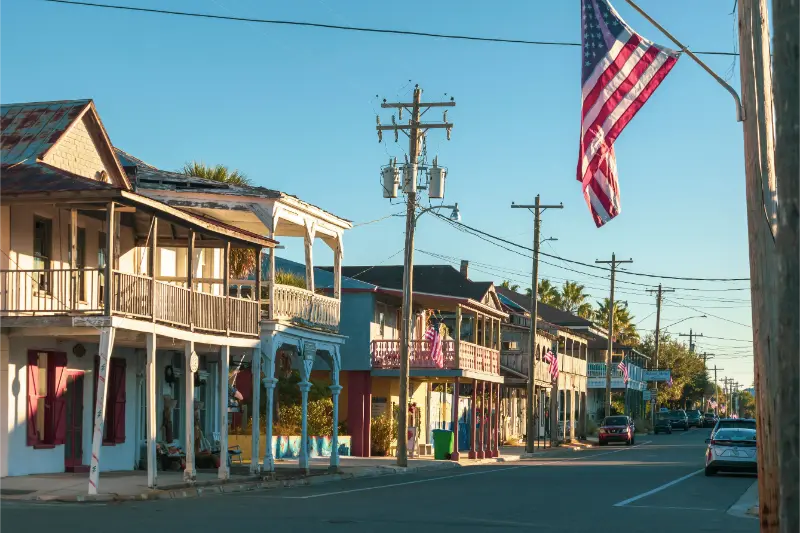
One day in Cedar Key can be excellent if you resist the urge to turn a small island city into a checklist. The most satisfying first visit combines one history stop, one long waterfront block, a relaxed meal and either nature or sunset. Trying to squeeze in two museums, Shell Mound, a kayak trip, Lower Suwannee refuge roads and a late dinner creates far more driving than the town’s relaxed character deserves.
This itinerary assumes you have a car, arrive in the morning and are not booking a long offshore excursion. If paddling or fishing is the main purpose of the trip, make that the anchor and remove one or two land stops.
Quick planning summary
- 9:00–10:30 a.m.: Cedar Key Museum State Park if open, otherwise a downtown walk
- 10:45 a.m.–12:15 p.m.: Historical Society Museum or marina/Dock Street
- 12:30–2:00 p.m.: seafood lunch and slow waterfront break
- 2:15–4:30 p.m.: choose Shell Mound, Cedar Key Scrub or a short boat/kayak activity
- Late afternoon: return to town, browse shops, rest and position for sunset
- Best for: first-time visitors who want a realistic overview without an overnight stay
Important current-status note
October 2026 information snapshot: this article is scheduled for 2028, so hours, fees, storm recovery, trail conditions, ferry or boat access, museum schedules and wildlife closures should be checked again shortly before travel. Cedar Key and the lower Suwannee coast are low-lying, tide-driven places where weather and restoration work can change practical access faster than in a large city destination.
9:00–10:30 a.m. — start with context
If it is Friday through Sunday and the current schedule remains similar, begin at Cedar Key Museum State Park. The museum gives you enough context to recognize the railroad, fishing and natural-history themes you will see later. If the museum is closed, start in the historic core and move this history block to the Historical Society Museum if its schedule works.
10:45 a.m.–12:15 p.m. — downtown and local history
Walk Second Street, marina areas and Dock Street at a slow pace. If the Cedar Key Historical Society Museum is open and your group enjoys history, spend about an hour inside. If you are traveling with toddlers or museum-resistant teenagers, skip it and give them more waterfront time.
12:30–2:00 p.m. — make lunch part of the trip
A Cedar Key day should include enough time for a local meal. Seafood and clams are part of the destination, not merely fuel between attractions. If your group has dietary needs, look at menus in advance because a small island town may offer fewer same-block alternatives than a city district.

2:15–4:30 p.m. — choose one nature experience
Option A: Shell Mound
Choose Shell Mound for archaeology, short walking and coastal refuge scenery. This is the best all-around choice when you have a car and want a memorable landscape without a long hike.
Option B: Cedar Key Scrub
Choose Cedar Key Scrub State Reserve for hiking, biking and rare scrub habitat. It is better in cooler weather and for groups comfortable on sandy natural trails.
Option C: short water experience
Choose a local boat or kayak outing if conditions are calm and you have booked an appropriate trip. Do not improvise an island crossing late in the afternoon if you do not know the tide or wind.
5:00 p.m. onward — return for sunset
Return to Cedar Key with enough time to park, use the restroom, get a drink and choose a sunset viewpoint. A good sunset does not need an elaborate plan; the value comes from not being in the car when the light changes.
One day with young children
Use only one museum, eat earlier and choose either a short nature walk or waterfront play rather than a long remote refuge drive. Children generally remember boats, pelicans, ice cream and the sunset more clearly than a perfectly complete itinerary.
One day for senior travelers
Start with a museum, spend longer at lunch and replace a sandy trail with a scenic drive or refuge stop that requires less walking. Bring a folding cane or trekking pole if uneven surfaces are a concern, and verify accessible restrooms before leaving town.
Bad-weather backup
If thunderstorms or strong wind remove the nature block, spend more time in the museums, cafés and shops, then drive only if radar improves. Do not substitute a risky paddle simply because you traveled a long distance to Cedar Key.
What to skip on a one-day trip
- trying to visit both Manatee Springs and Fanning Springs
- a long refuge drive plus a separate island kayak trip
- two full museums if your group is not genuinely interested in history
- driving off-island for lunch and back again
- a late-afternoon remote trail that risks missing sunset or returning after dark
Official planning sources
Before departure, check the City of Cedar Key, Cedar Key Chamber, relevant Florida State Parks pages and U.S. Fish & Wildlife Service refuge notices.
Planning the visit for different ages
This part of Florida can work very well for mixed-age groups, but the best activity is not always the most adventurous one. Babies and toddlers usually need shade, predictable restrooms and short outdoor blocks; school-age children often enjoy wildlife spotting and simple museum stories; teenagers tend to appreciate paddling, photography and less structured time; older travelers often prefer scenic drives, boardwalks, museums and short trails. Build the day around the least flexible traveler and let everyone else add optional activities around that core plan.
Weather, tides and the best season
Late fall through spring usually brings the most comfortable temperatures for walking, birding and exploring historic sites. Summer is hot, humid and storm-prone, with mosquitoes and no-see-ums often more noticeable near marshes. Tropical weather can affect Cedar Key and the Nature Coast from summer into fall. On any coastal day, check radar, tide, wind and local alerts before committing to a long paddle or remote trail, and carry more drinking water than you think you will need.
Tides matter here in a way they do not on many inland Florida trips. A shoreline, creek or launch that looks easy at high water can become muddy, shallow or difficult at low tide. If your day includes paddling, fishing or island access, look at a local tide table and ask the outfitter or refuge staff how the tide changes the route. For land-only sightseeing, tides are less critical but still shape wildlife viewing and the look of the marsh.
Accessibility and low-effort alternatives
Accessibility varies sharply from paved museum grounds to natural-surface refuge roads and sandy trails. Before traveling with a wheelchair, walker or stroller, check the official accessibility notes for the specific site rather than assuming a short trail will be smooth. A useful low-effort backup in this region is to combine a museum, a scenic waterfront drive and a meal instead of forcing a trail when heat, mobility or weather makes it a poor choice.
What to bring
- Refillable water bottles and a small cooler for remote sites
- Sun protection, hat and sunglasses even in winter
- Insect repellent for marsh and forest stops
- Closed shoes for shell, sand and uneven trail surfaces
- A lightweight rain layer in warm months
- Binoculars for birds and dolphins
- A paper or downloaded map when cell coverage may be weak
- Dry bag or waterproof pouch if the day includes boats or kayaks
How to combine it with nearby places
If one day feels too compressed, turn this into a two-night stay using the full Cedar Key travel guide. If continuing south, Crystal River is the logical next major Nature Coast cluster; if continuing inland, Ocala works well as the next base.
Common planning mistakes
- trying to schedule too many remote sites in one day
- assuming every natural area has food, shade and full-service restrooms
- ignoring tide, heat or storm conditions because the route looks short
- arriving late at a site with limited museum days or early closing
- treating wildlife sightings as guaranteed
- forgetting that storm recovery can change access for months or years
Final planning advice
The best trips on this stretch of the Nature Coast are intentionally unhurried. Choose one anchor activity, add one nearby secondary stop, and leave room for weather, wildlife, a longer lunch or an unexpectedly good sunset. That rhythm is more realistic than building the day like an Orlando attraction schedule, and it fits the character of Cedar Key and the lower Suwannee coast much better.
Decision guide: is this stop right for your trip?
Choose this stop when it matches the purpose of the day rather than because it appears on a “must-see” list. Cedar Key and Levy County reward selective planning. History-focused travelers should prioritize museums and archaeological sites; wildlife travelers should spend more time in refuges; families often do best with one educational stop plus outdoor time; active travelers can build the day around paddling or longer trails. If the attraction duplicates something your group has already done elsewhere in Florida, use the time for a slower meal, sunset or a different habitat instead.
Budget also includes time, fuel and comfort. A free refuge can cost more in planning effort than a small paid museum because you need water, navigation and a longer drive. Conversely, a low admission fee does not make a museum worthwhile if you arrive fifteen minutes before closing. Compare the total experience—not just ticket price—when deciding what deserves a place in a short itinerary.
A practical pre-trip checklist
- Confirm the official opening status on the morning of the visit.
- Check radar, heat index, wind and tide when the day includes exposed coast or water.
- Download directions before leaving the town center.
- Carry water and snacks when heading into refuge or state-reserve areas.
- Tell someone your route if paddling or hiking away from developed areas.
- Keep one flexible alternative that does not depend on the same weather condition.
This simple checklist is especially useful for multigenerational trips. It turns the day from a sequence of optimistic assumptions into a plan that can absorb closures, heat, fatigue or weather without feeling ruined.