
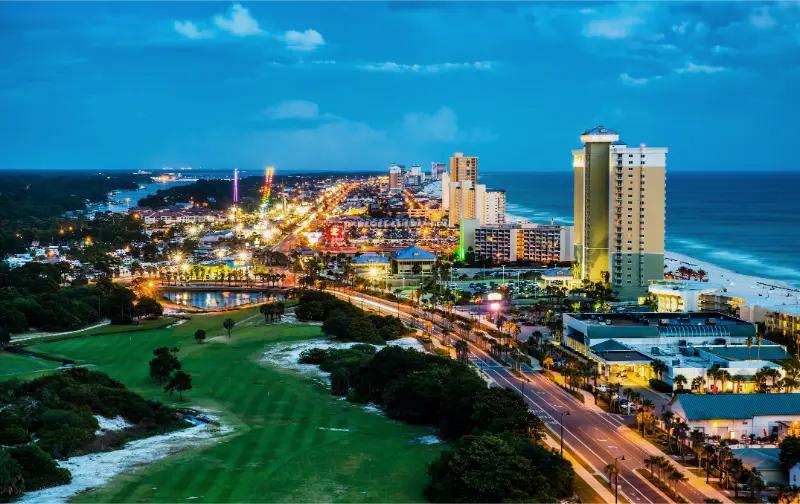
Where you stay in Panama City Beach can change the vacation more than the difference between two similar hotels. The destination stretches along the Gulf, and the West End, Pier Park area, Open Sands, Middle Beach and Grand Lagoon each create a different daily rhythm. A family that wants to walk to dinner may choose differently from a couple prioritizing quiet sunsets, while travelers booking boat excursions may save time by staying closer to Grand Lagoon. Instead of asking for the single ‘best’ neighborhood, match the base to the activity you expect to do most often.
Quick planning summary
- Best for: First-time visitors choosing between a quiet beach base, walkable evening entertainment, central attractions or easy access to boating.
- Ideal trip length: Any trip length; choosing the right area matters even more on short stays because crossing the resort strip repeatedly wastes time.
- Getting around: A car gives the most flexibility across Panama City Beach, state parks and Panama City, but a resort-focused stay near one activity cluster can reduce driving.
- Safety priority: Check current beach warning flags before entering the Gulf and move indoors early when thunderstorms approach.
How to use this guide
First-time visitors choosing between a quiet beach base, walkable evening entertainment, central attractions or easy access to boating. The goal is not to create a schedule that looks impressive on paper. Panama City Beach is easiest when the most weather-dependent activity happens early, the middle of the day includes shade or indoor time, and the evening stays flexible. Travel time along Front Beach Road can be longer than the mileage suggests during busy periods, so group activities by area.
West End: best for a quieter beach rhythm
The West End is a strong choice for travelers who want a calmer atmosphere and easier access toward Camp Helen State Park and the Highway 30A side of the region. The destination tourism office describes it as a quieter stretch with fewer high-rise buildings. It can suit couples, families with young children and repeat visitors who do not need to be beside the largest entertainment hubs every evening. The trade-off is that you may drive farther for some central attractions and restaurants, so check the exact property location rather than assuming every West End address is equally convenient.
Pier Park: best for easy evenings and first-time convenience
Staying around Pier Park puts shopping, restaurants, entertainment and the Russell-Fields Pier close together. Families with older children and teenagers often appreciate having something to do after the beach without planning a major outing. It can also be practical for short stays because the evening plan is simple. The area is busier, and traffic or event crowds may matter, so visitors who want a very quiet beach experience should compare it with the West End. Check whether your property is genuinely walkable to Pier Park or merely marketed as being ‘near’ it.
Open Sands: best for classic resort variety
Open Sands combines resorts, restaurants and traditional beach-vacation attractions. It can suit travelers who want the familiar Panama City Beach mix without committing to one specific entertainment district. The advantage is choice; the challenge is that Front Beach Road traffic can make a short distance feel longer at popular times. Look closely at beach access, parking and whether restaurants are safely walkable from your property. For families, a building with a pool and easy food options can reduce the need to drive for every small part of the day.
Middle Beach: best for a central base
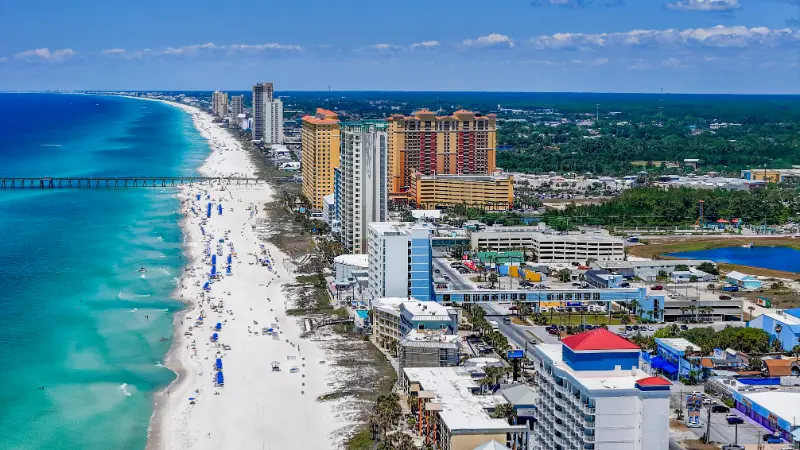
Middle Beach places you near a broad cross-section of dining, resorts and beach access, making it a useful compromise for first-time visitors who plan to explore both east and west. Central location does not mean every trip will be traffic-free, but it can reduce the number of times you cross the full destination. This area works well for travelers who expect to spend most mornings on the beach and use the car for one planned outing later. Compare the room itself carefully because condo layouts and parking arrangements vary widely.
Grand Lagoon and the East End: best for boating and water excursions
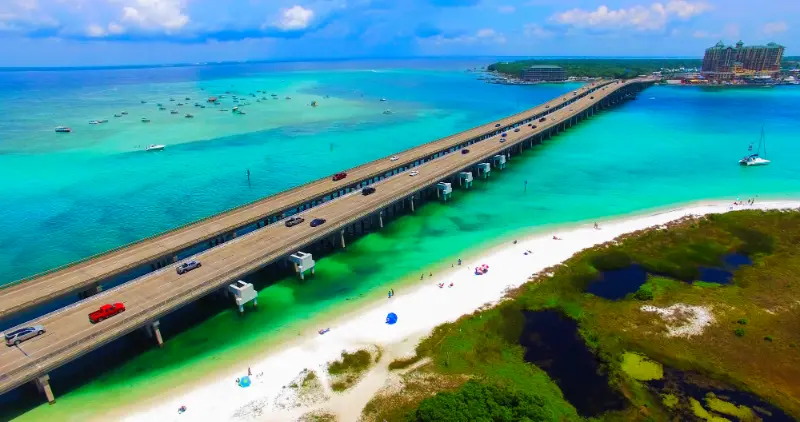
Grand Lagoon is the logical base for travelers whose trip centers on fishing, dolphin cruises, boat rentals, Shell Island excursions or other water-based activities. Being closer to the departure point can make an early morning much easier, especially with children or fishing equipment. The area also has locally owned restaurants and a different feel from the central beachfront corridor. If direct Gulf-front lodging is your top priority, compare the exact property position, because a Grand Lagoon address does not automatically mean your room opens directly onto the beach.
Hotel versus condo: decide by how you live on vacation
A hotel can be easier for short stays, daily housekeeping and simple check-in, while a condo is often more practical for families who want a kitchen, laundry and separate sleeping areas. Condo fees, parking rules and cleaning charges can change the real nightly cost. Read the full price before booking. For a one- or two-night stop, a hotel may be simpler; for a week with children, the ability to prepare breakfast and wash beach clothes can be worth more than a polished lobby.
Families, age groups and different travel styles
Families with toddlers often benefit from the shortest possible route between room, beach and nap. Teenagers may prefer Pier Park access. Couples may choose the quieter West End or a property with a stronger sunset setting. Senior travelers and wheelchair users should prioritize verified parking, elevator and beach routes over neighborhood reputation alone. There is no universally best area because the practical needs are different.
For a mixed-age group, decide which activity everyone truly wants to share and let the rest of the day be modular. A vacation becomes easier when a toddler can nap, a teenager can choose an activity and an older traveler can skip a long exposed walk without the group treating those choices as problems.
Where to stay
The official destination framework is useful: West End, Pier Park, Open Sands, Middle Beach and Grand Lagoon each function as recognizable planning zones. Start by marking your top two daily priorities, then choose the zone that minimizes those trips. Once the area is correct, compare individual properties by total price, cancellation terms, parking, beach route, pool, elevator, kitchen and sleeping layout.
Compare the total accommodation cost rather than only the first nightly rate shown. Parking, resort fees, cleaning charges, taxes and cancellation rules can materially change the value. For families and longer stays, laundry and a kitchen may save time as well as money. For travelers with mobility needs, confirm the route from parking to room to beach or pool directly with the property.
Beach safety: the rule that should shape every itinerary
Panama City Beach uses a beach warning flag system. A green flag still means use caution; yellow indicates a medium hazard; red signals high hazard; purple warns of dangerous marine life; and double red means the water is closed to the public. Conditions can look calm from a balcony while currents remain dangerous. Check the current flag status before entering the Gulf and follow lifeguard and local-authority instructions.
Rip currents are a major Gulf hazard. Swim near lifeguarded areas when possible, keep children within direct reach appropriate to their ability and do not use inflatable toys as safety devices. If lightning develops, leave the water and beach early and move to a safe indoor location. A trip can be rearranged; water and thunderstorm warnings should not be negotiated with an itinerary.
Weather, heat and the best daily rhythm
In warm months, an early outdoor block followed by lunch, indoor time or a hotel break usually works better than staying exposed through the hottest hours. Afternoon thunderstorms can be localized and fast-moving, so keep one indoor alternative available. In cooler months, mornings may require a light layer even when the afternoon is pleasant. Check the actual forecast shortly before travel instead of relying on long-term climate averages.
Sun, humidity and saltwater add fatigue gradually. Drink water throughout the day, reapply sun protection and schedule recovery time after long beach or boat sessions. This matters for children, senior travelers and visitors arriving from cooler climates, but it also affects healthy adults who underestimate how much energy a full day outside requires.
Driving, parking and getting around
Panama City Beach is long rather than compact. Before leaving, enter the exact parking area or attraction—not only the destination name—into navigation. Group stops on the same side of town, and avoid driving from east to west and back again for minor errands. During busy seasons, add buffer time for Front Beach Road and popular access points. Never park on dunes, landscaped areas or private property because a map pin appears close to the beach.
If you are flying into ECP and plan to explore state parks, Panama City, the West End or other Panhandle destinations, a rental car is usually the most flexible choice. Resort-focused travelers may be able to combine transfers or rideshare with walking, but compare the real cost against parking and rental fees before deciding.
Food and budget planning
Use geography to control both cost and stress. Eat near the activity you are already doing instead of driving across the city for every meal. A condo kitchen can make breakfast, snacks and one simple dinner inexpensive, leaving more budget for a boat trip or attraction that matters. Families should keep water and familiar snacks available, while travelers with dietary restrictions should identify a few reliable options before arriving.
Ticket prices and operating schedules can change, so compare current official prices shortly before travel. Do not assume a multi-attraction day is automatically better value. One well-chosen paid experience plus free beach time, a park walk and sunset can create a stronger day than several rushed admissions.
Common mistakes to avoid
- Choosing only by nightly price without mapping daily drive times
- Assuming “near Pier Park” means comfortably walkable
- Booking a condo without checking cleaning, parking and resort fees
- Ignoring elevator and parking logistics in a large beachfront building
- Selecting a quiet area when the group actually wants nightlife every evening
- Leaving no flexibility for Gulf weather, traffic or a tired traveler.
Useful Wonderful Florida guides to combine with this article
Depending on your itinerary, continue with Panama City Beach travel guide, Pier Park guide, Russell-Fields City Pier guide, Camp Helen State Park guide and Shell Island guide.
Official information to check before travel
- Panama City Beach regions overview
- Visit Panama City Beach
- City of Panama City Beach beach flag information
Opening hours, access conditions, beach flags, parking arrangements, attraction restrictions and transportation services can change. Use official or primary sources shortly before travel when a specific feature is essential to your day.
Final planning advice
Panama City Beach is easiest to enjoy when the beach is treated as part of the schedule rather than the entire schedule. Choose one anchor experience, leave room for weather and rest, and keep the final hours of the day simple. That approach works for families, couples, teenagers, senior travelers and visitors with accessibility needs because it gives the trip enough structure to be useful without turning a Florida vacation into a sequence of deadlines.