
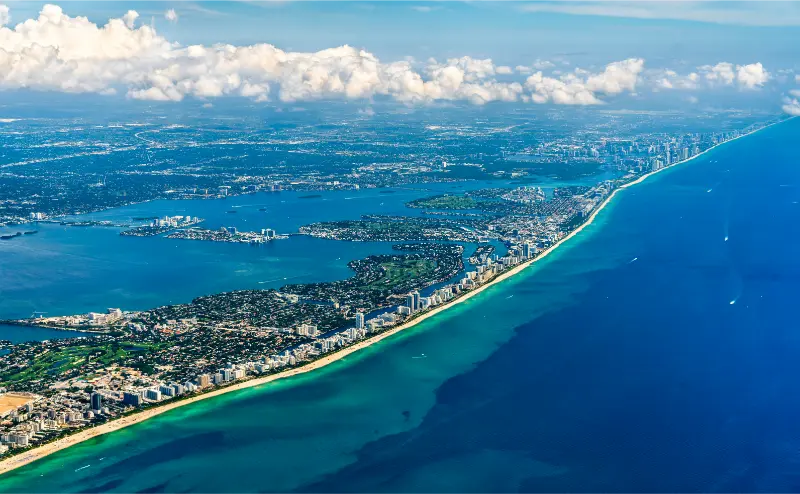
Florida’s Atlantic coast is ideal for a road trip because the scenery and culture change repeatedly without leaving the eastern side of the state. A north-to-south route can begin around St. Augustine, follow sections of A1A through beach towns, pause for space history on the Space Coast, slow down on the Treasure Coast and Palm Beaches, then finish in Fort Lauderdale and Miami. The mistake is trying to stay directly on A1A every mile; the road trip is better when scenic stretches alternate with efficient highways.
I would allow at least a week for the full route and longer if beach time matters. The official A1A Scenic & Historic Coastal Byway alone covers a notable northeast section connecting beaches, nature and St. Augustine history. Farther south, separate coastal byways and beach roads create additional scenic segments. Families, couples and senior travelers can all use the route, but the pace should match how often the group wants to unpack.
Quick planning summary
- Best northern anchor: St. Augustine.
- Best science/history stop: Kennedy Space Center and the Space Coast.
- Best slower middle section: Vero Beach, Fort Pierce and the Treasure Coast.
- Best urban finish: Fort Lauderdale and Miami.
- Best driving rule: use scenic A1A selectively and faster roads when you need to cover distance.
In this guide
- Quick planning summary
- St. Augustine and the historic A1A beginning
- Flagler Beach, Ormond and Daytona
- Space Coast: rockets, wildlife and Cocoa Beach
- Treasure Coast for a slower middle chapter
- Palm Beaches and Boca Raton
- Fort Lauderdale and Miami finish
- How much of A1A should you actually drive?
- Families, seniors and accessibility
- Best time to go
- Budget and booking
- How to build a realistic day
- Common mistakes to avoid
- Related Wonderful Florida guides
- Official resources to check
- Final advice
St. Augustine and the historic A1A beginning
St. Augustine gives the road trip a strong narrative start instead of beginning with a generic highway day. Spend time in the historic district, then use coastal A1A toward Anastasia Island, Matanzas and Flagler Beach. The state’s A1A Scenic & Historic Coastal Byway connects historic and natural sites in this northeast corridor. Give St. Augustine at least one full day before moving south.
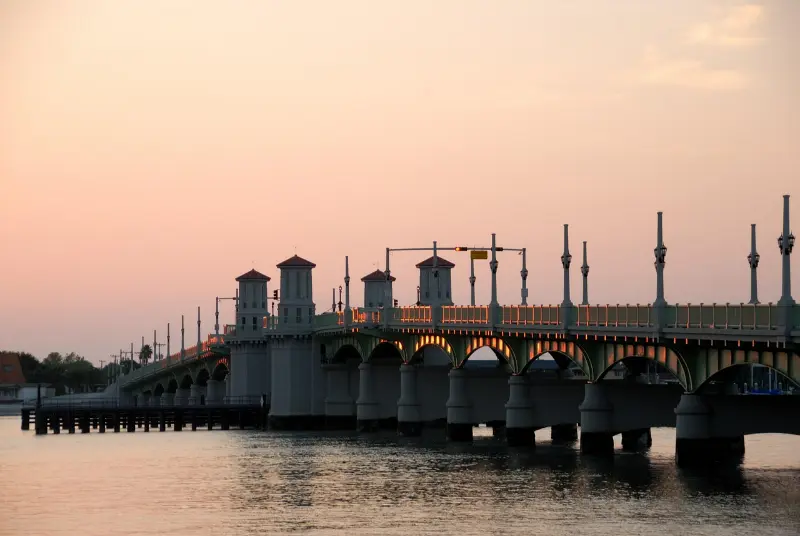
For an Atlantic Coast road trip, I would make this part of the trip deliberately rather than treating it as a box to tick. Think about parking or station access, shade, restrooms, meal timing and how much walking the group will actually enjoy. Historic-center parking and beach access can be busy on weekends and holidays. A flexible backup nearby is useful because Florida weather, traffic and local access can change the shape of a day even when the main destination stays open.
Flagler Beach, Ormond and Daytona
This stretch mixes classic Florida beach towns with motorsports history and scenic coastal roads. Flagler Beach feels lower-rise than many resort areas, Ormond has scenic loop options, and Daytona offers the speedway plus a broad beach. Choose one overnight based on whether you want quiet coastal character or more attractions.
For an Atlantic Coast road trip, I would make this part of the trip deliberately rather than treating it as a box to tick. Think about parking or station access, shade, restrooms, meal timing and how much walking the group will actually enjoy. Beach driving and vehicle rules vary by location and conditions. A flexible backup nearby is useful because Florida weather, traffic and local access can change the shape of a day even when the main destination stays open.
Space Coast: rockets, wildlife and Cocoa Beach
The Space Coast is one of the most distinctive parts of the Atlantic route. Kennedy Space Center, Merritt Island National Wildlife Refuge, Titusville, Cape Canaveral and Cocoa Beach can justify two nights. A launch is exciting but should never be the only reason for the stop. Separate the visitor-complex day from a full wildlife or beach day when possible.
For an Atlantic Coast road trip, I would make this part of the trip deliberately rather than treating it as a box to tick. Think about parking or station access, shade, restrooms, meal timing and how much walking the group will actually enjoy. Launch schedules, refuge access and NASA operations can change. A flexible backup nearby is useful because Florida weather, traffic and local access can change the shape of a day even when the main destination stays open.
Treasure Coast for a slower middle chapter
Vero Beach, Sebastian, Fort Pierce and nearby barrier islands provide a useful pause between the major tourist centers. This area is strong for beaches, marine history, wildlife, smaller museums and a calmer evening atmosphere. It is where the road trip can breathe. Stay close to the water or a walkable downtown depending on the type of evening you prefer.
For an Atlantic Coast road trip, I would make this part of the trip deliberately rather than treating it as a box to tick. Think about parking or station access, shade, restrooms, meal timing and how much walking the group will actually enjoy. Sea turtle nesting rules and beach-lighting restrictions deserve attention in season. A flexible backup nearby is useful because Florida weather, traffic and local access can change the shape of a day even when the main destination stays open.
Palm Beaches and Boca Raton
The Palm Beaches add manicured neighborhoods, museums, gardens and Atlantic shoreline to the route. West Palm Beach and Palm Beach can be combined through a downtown-waterfront day, while Jupiter adds lighthouse and inlet scenery farther north. Boca Raton works as another polished stop before Broward County. Use one base for the area rather than switching hotels between adjacent cities.
For an Atlantic Coast road trip, I would make this part of the trip deliberately rather than treating it as a box to tick. Think about parking or station access, shade, restrooms, meal timing and how much walking the group will actually enjoy. Bridge openings and coastal traffic can affect travel times. A flexible backup nearby is useful because Florida weather, traffic and local access can change the shape of a day even when the main destination stays open.
Fort Lauderdale and Miami finish
Fort Lauderdale’s waterways and Las Olas create a different urban feel from Miami, making both worth including if time permits. A final two or three nights can split between Fort Lauderdale and Miami or use one base with a targeted day trip. South Beach, Little Havana, Coconut Grove and downtown should be grouped rather than crossed repeatedly. Return the rental car early if the final Miami days are mostly urban and parking is expensive.
For an Atlantic Coast road trip, I would make this part of the trip deliberately rather than treating it as a box to tick. Think about parking or station access, shade, restrooms, meal timing and how much walking the group will actually enjoy. Leave major traffic margin for the departure airport. A flexible backup nearby is useful because Florida weather, traffic and local access can change the shape of a day even when the main destination stays open.
How much of A1A should you actually drive?
A1A is part of the experience, but not every segment is equally scenic or efficient. Use designated scenic byways, oceanfront stretches and town approaches when they add value, then switch to faster routes for long transfers. This balance prevents a beautiful route from becoming an exhausting crawl. Download maps and note bridge or causeway constraints before leaving each base.
For an Atlantic Coast road trip, I would make this part of the trip deliberately rather than treating it as a box to tick. Think about parking or station access, shade, restrooms, meal timing and how much walking the group will actually enjoy. Do not stop on unsafe shoulders just for an ocean photograph. A flexible backup nearby is useful because Florida weather, traffic and local access can change the shape of a day even when the main destination stays open.
Families, seniors and accessibility
Families should choose beach access with restrooms and lifeguards when possible and avoid excessive hotel changes. Teenagers often enjoy the Space Coast and Daytona contrast, while grandparents may prefer St. Augustine, Vero Beach and Palm Beach at a slower pace. For multigenerational groups, the most effective plan is usually to identify one shared highlight and then allow different energy levels around it. Young children need shade, food and predictable breaks; teenagers often value one activity that feels independent or active; senior travelers may prefer shorter walking loops, seated tours or a hotel closer to the evening activity.
Accessibility varies by beach access, historic district, transit stop, park and accommodation. Verify step-free routes, beach mats, wheelchairs, elevators and accessible restrooms directly when they are essential. Florida State Parks, for example, has an Access for All program, but amenities differ by park. A destination can be broadly accessible while one boardwalk, dune crossing or temporary route is not.

Best time to go
Winter and spring offer comfortable road-trip weather, while summer adds heat, thunderstorms and hurricane-season considerations. Sea turtle nesting season changes nighttime beach behavior on parts of the Atlantic coast. Florida is large enough that North Florida, Central Florida, South Florida and the Keys can feel like different seasons on the same week. Winter fronts, summer thunderstorms, hurricane-season uncertainty, spring-break demand and holiday weekends can all change a trip.
Instead of choosing a month only from average temperature, match the season to your priority: swimming, wildlife, theme parks, road-tripping, festivals or comfortable walking. Check the forecast, surf or marine conditions and any park or event calendar again shortly before travel.
Budget and booking
Coastal hotels can be expensive, especially on weekends, so compare mainland or downtown bases with direct beach properties. Compare the total cost rather than the headline room or fare. Resort fees, parking, tolls, rental-car charges, beach equipment, attraction tickets and meals can change the real daily budget substantially.
Book the experiences that would genuinely disappoint you to miss, but keep ordinary beach, neighborhood and nature time flexible. A refundable room or cancellable activity can be worth more than a small prepaid discount during storm season or around major holiday periods. Keep confirmation emails and cancellation terms accessible offline.
How to build a realistic day
Drive scenic sections in daylight and make the overnight town itself part of the day. I usually plan one anchor experience, one optional secondary stop and a meal area rather than a chain of reservations. That creates room for traffic, parking, weather, a tired child, a longer museum visit or an unexpectedly good beach.
Start outdoor days earlier when heat or crowds matter, and avoid putting the longest drive after the most physically demanding activity. If the group is staying several nights, deliberately schedule one lighter half-day. Florida vacations improve when there is enough space to enjoy a place rather than only reach it.
Common mistakes to avoid
- Trying to drive A1A every mile regardless of traffic or scenery.
- Scheduling a rocket launch as if the time cannot change.
- Changing hotels in every adjacent beach town.
- Ignoring beach safety because the water looks calm.
- Planning Miami airport travel with no traffic margin.
Related Wonderful Florida guides
Florida Gulf Coast vs Atlantic Coast, Best beach towns in Florida, Florida beach safety guide, Where to stay in Florida, Best time to visit Florida.
Official resources to check
Schedules, prices, access rules, road conditions, event dates, transit service and weather-related operations can change. If a detail is essential to the trip, confirm it with the responsible public agency, destination or operator shortly before travel.
Final advice
The Atlantic Coast road trip is strongest when it alternates famous places with quieter shoreline. Let St. Augustine, the Space Coast, the Treasure Coast and South Florida each have their own chapter, and use scenic A1A where it genuinely improves the journey.