
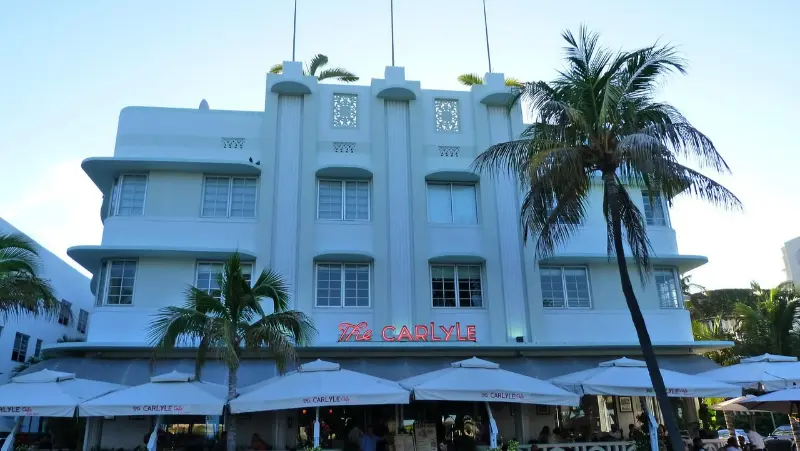
Punta Gorda and Port Charlotte make sense for travelers who prefer a calmer Southwest Florida base built around Charlotte Harbor rather than a dense resort strip. Punta Gorda brings the walkable historic core, waterfront parks and Fishermen’s Village; Port Charlotte adds practical lodging, shopping and access to the wider region. Together they work especially well for boating, fishing, cycling, nature and relaxed multigenerational trips.
For a first visit, I would plan Punta Gorda and Port Charlotte around two questions: what do you want to do before lunch, and where do you want to be after dinner? Those choices determine whether a central hotel, a beach-side base or a more practical inland property will save the most time. The destination is easier when you protect mornings for the priority experience, use the hottest part of the day for lunch or an indoor stop, and leave enough flexibility for Florida weather.
Quick planning summary
- Fishermen’s Village — A waterfront complex for shops, dining, marina activity and harbor views.
- Punta Gorda Harborwalk — The waterfront walking and cycling network helps connect parks, marinas and downtown.
- Peace River — The river is central to local kayaking, fishing and fossil-hunting culture.
- Peace River Botanical & Sculpture Gardens — A landscaped cultural stop that gives the trip an indoor-outdoor balance and works well for visitors who want something quieter than a full beach day.
- Best pacing: one major activity plus one flexible neighborhood, park or beach stop each day.
- Who it suits: couples, families, senior travelers and multigenerational groups who prefer a balanced Florida itinerary.
- Transport: a car is usually helpful even when one district is walkable.
In this guide
- Why visit
- Where to stay
- Best things to do
- Nature and outdoor time
- Getting there and around
- Best time to visit
- Families, teens, seniors and accessibility
- 3-day itinerary
- Food and evenings
- Budget and booking
- Day trips
- Mistakes to avoid
- Related guides
- Official resources
- FAQ
Why visit Punta Gorda and Port Charlotte?
Punta Gorda and Port Charlotte make sense for travelers who prefer a calmer Southwest Florida base built around Charlotte Harbor rather than a dense resort strip. Punta Gorda brings the walkable historic core, waterfront parks and Fishermen’s Village; Port Charlotte adds practical lodging, shopping and access to the wider region. Together they work especially well for boating, fishing, cycling, nature and relaxed multigenerational trips.
The strongest reason to stay rather than rush through is the ability to experience different parts of the day. Morning light, lunchtime heat and the evening waterfront or downtown atmosphere can completely change a place. An overnight also lets you choose the best weather window for a beach, boat, trail or wildlife activity instead of forcing it into one fixed hour.
I would not use Punta Gorda and Port Charlotte as a base for a long drive every day. It works better when at least half the trip is genuinely local. Pick two or three regional excursions, keep the rest close to the hotel, and allow enough unstructured time for a park, café, sunset or local event you did not know about before arrival.
Where to stay
Historic Punta Gorda
Best for waterfront walks, local restaurants and a more atmospheric evening. You can park the car and spend part of the day on foot.
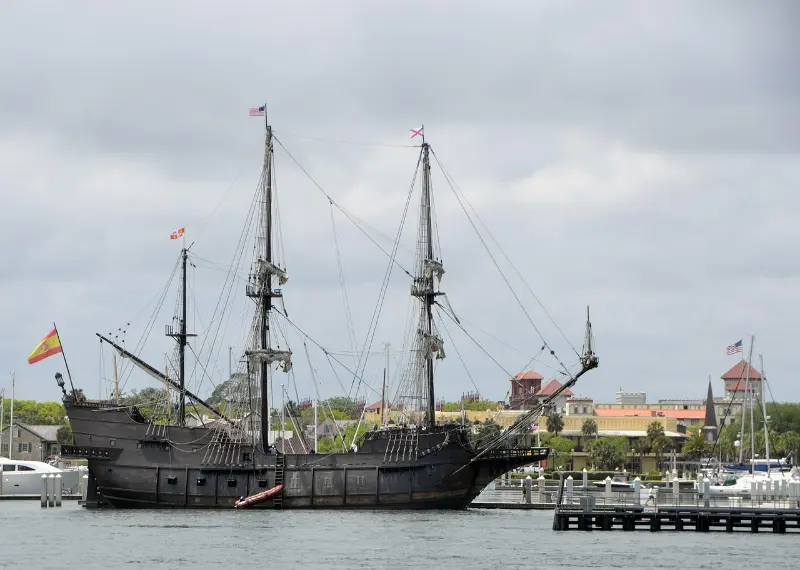
Charlotte Harbor and Fishermen’s Village area
Useful for travelers who want marina views, boat departures and easy access to waterfront dining.
Port Charlotte
Often the practical choice for larger hotels, highway access and road-trip value, especially if you plan to explore several directions rather than stay downtown every day.
Before booking, compare the total trip cost. A centrally located room can cost more per night but save parking, fuel and rideshare. A larger room farther out can be better for a family if it includes a kitchen, laundry and free parking. Senior travelers should check walking distance, elevator access and bathroom layout; families should look beyond the advertised occupancy and consider whether everyone can actually sleep comfortably for several nights.
Best things to do
Fishermen’s Village
A waterfront complex for shops, dining, marina activity and harbor views. It is easy to combine with an evening walk and sunset without turning the day into a long drive.
Punta Gorda Harborwalk
The waterfront walking and cycling network helps connect parks, marinas and downtown. It is one of the best ways to understand how the city relates to Charlotte Harbor.
Peace River
The river is central to local kayaking, fishing and fossil-hunting culture. Guided experiences are useful if you are unfamiliar with tides, wildlife or access points.
Peace River Botanical & Sculpture Gardens
A landscaped cultural stop that gives the trip an indoor-outdoor balance and works well for visitors who want something quieter than a full beach day.
Charlotte Harbor Environmental Center and preserves
The wider harbor region rewards birding, short trails and interpretation of mangrove and estuary ecosystems.
Historic downtown Punta Gorda
Murals, local restaurants and compact streets make this the best part of the area for an unstructured afternoon or evening.
Nature, beaches and outdoor time
Charlotte Harbor is the main attraction even when you never step onto a boat. Mangroves, tidal rivers and bird habitat shape the landscape. If you book fishing, paddling or a wildlife cruise, keep a weather backup because wind can change harbor conditions quickly.
Outdoor planning in Florida works best by temperature rather than by a rigid clock. Put the longest walk, bike ride, paddle or beach session early, then use lunch and an indoor attraction for the hottest hours. Later afternoon can be excellent again, but summer storms may arrive quickly. If swimming is part of the day, check flags, lifeguard coverage and local conditions instead of assuming calm-looking water is safe.
Wildlife encounters should stay observational. Do not feed birds, dolphins, manatees, alligators or other animals, and never block an animal’s movement for a photograph. When nesting areas, rookeries or protected habitats have seasonal restrictions, treat those rules as part of the experience rather than an inconvenience.
Getting there and around
A car is the easiest way to connect Punta Gorda, Port Charlotte and outlying beaches. Punta Gorda Airport can be convenient for some routes, while Southwest Florida International Airport offers broader service. Distances look short on a map, but bridges and beach traffic can change drive times.
For rental cars, add parking and tolls to the budget before pickup. If you plan a partly car-free stay, verify the exact hotel address and not just the neighborhood name. A one-mile walk on a map can feel very different in midday humidity, across a wide arterial road or with a stroller. Airport choice should be based on nonstop flights and total transfer time, not only straight-line distance.
Best time to visit
For most travelers, late fall through spring gives the easiest combination of comfortable outdoor weather and lower humidity, although winter can also bring higher accommodation prices and busier weekends. Summer is workable if you start outside early, take a real midday break and expect afternoon thunderstorms. Shoulder-season travel can offer better value, but tropical systems and heat should stay in the planning conversation.
Event weekends can change both prices and traffic, especially in smaller towns where one festival fills much of the hotel inventory. If a specific event is the reason for the trip, book early. If it is not, checking the calendar before choosing dates can help you avoid paying festival-weekend rates for an ordinary getaway.
Families, teenagers, seniors and accessibility
Family tipFor families with babies or toddlers, reduce transitions: one major attraction plus pool, park or beach time is enough for a good day. Teenagers usually respond better when the plan includes something active or independent such as paddling, cycling, shopping or a waterfront district. Senior travelers benefit from the same pacing—shorter outdoor blocks, dependable seating and a hotel close to dinner. If accessibility is essential, confirm ramps, beach mats, accessible restrooms, boat boarding and parking directly with the operator or local authority before arrival.
Multigenerational trips do not need to keep everyone together every hour. One shared morning anchor, followed by optional afternoon choices, often works better than forcing the youngest child and oldest adult through the same pace. Regrouping for dinner can turn a difficult schedule into an easy one.
A practical 3-day itinerary
Day 1: learn the center
Arrive, check in and explore the main downtown or waterfront district. Choose one short attraction and an easy dinner within a few minutes of the hotel. Avoid expensive prepaid activities on arrival day because flight delays, rental-car lines and traffic can turn them into stress.
Day 2: signature outdoor experience
Use the morning for the destination’s strongest beach, preserve, boat, trail or cultural activity. Take a real lunch break, then choose one secondary attraction from the list above. Finish with a sunset or neighborhood dinner rather than adding another long drive.
Day 3: culture, nature or a selective day trip
Choose the experience you skipped on day two or make one regional excursion. If the weather is poor, switch to a museum, shopping district or indoor family attraction. Keep the final evening simple so departure does not become a rushed ending to the trip.
Food and evening planning
Look for seafood, casual waterfront restaurants and independent downtown dining. Punta Gorda is the better choice for a walkable dinner; Port Charlotte is more spread out and usually easier for parking and quick family meals.
For families, breakfast in the room and one planned restaurant meal can make the day easier. For couples, a walkable dinner district is often worth paying slightly more for the hotel. In winter and during special events, reserve only the meals that really matter; too many fixed bookings can make outdoor days feel rushed.
Budget and booking strategy
The largest costs are usually lodging, transport and paid experiences. Compare the full stay, not only the room rate: parking, resort or destination fees, breakfast, beach equipment and rideshare can change the real price. Free parks and beaches still create parking and food costs, while one well-chosen paid attraction can deliver several hours of useful family time. Keep at least one flexible day so poor weather does not force you to waste a prepaid outdoor booking.
A useful budget test is to compare three lodging scenarios: the central hotel, the resort or beach property, and a larger room or rental farther out. Add parking, breakfast, local transport and the amount of driving each requires. The cheapest nightly rate is not always the cheapest trip.
Best day trips and regional combinations
Boca Grande, Englewood, Venice and Fort Myers are all possible day trips. I would pick one coastal direction rather than combining several beaches in the same day.
Avoid stacking substantial drives on consecutive days. If you take a long day trip, make the following morning local. Florida roads can be easy when traffic is light and exhausting when crashes, storms, bridge delays or weekend beach traffic intervene.
Common mistakes to avoid
- Booking the cheapest hotel without checking the actual daily driving pattern.
- Trying to combine a full beach day, a major attraction and a long-distance day trip in one schedule.
- Ignoring afternoon heat or thunderstorms when planning outdoor time.
- Assuming every beach access or park has the same parking, lifeguards and restroom facilities.
- Building every evening around a fixed reservation when boat tours, traffic or weather can run late.
- For multigenerational groups, keeping everyone together all day instead of planning one shared anchor and optional split time.
Related Wonderful Florida guides
- Southwest Florida Travel Guide: Naples, Fort Myers, Sanibel, Captiva, Marco Island and the Gulf Coast
- Florida Boating Guide for Visitors: Rentals, Charters, Safety, Best Regions and Family Planning
- Florida Fishing Guide for Visitors: Freshwater, Saltwater, Charters, Licenses and Family Tips
- Florida Gulf Coast Road Trip: Pensacola to Naples with Beaches, Springs and Coastal Towns
- Best Beach Towns in Florida: Gulf, Atlantic, Keys, Families and Old Florida Charm
Official resources
Hours, admission prices, beach access, parking systems, ferry schedules, construction and storm-recovery conditions can change. If a specific attraction or service is essential to your trip, confirm it with the official source shortly before travel.
Frequently asked questions
How many days do you need in Punta Gorda and Port Charlotte?
Two full days is enough for a focused introduction, while three or four nights gives you room for the signature outdoor experience, the main cultural district and one nearby excursion without rushing. Stay longer if the hotel, beach or boating itself is a major part of the vacation.
Do you need a car?
For most visitors, yes. One central district may be walkable, but beaches, preserves, airports and day trips are easier with a car. A partly car-free trip can work when you deliberately choose a central hotel and limit regional excursions.
Is Punta Gorda and Port Charlotte good for families?
Yes, especially when you keep days simple. One destination-specific attraction plus beach, park or pool time is usually more successful than filling every hour. Check age, height and boarding requirements before paying for water activities.
Is it suitable for senior travelers?
Usually yes. Choose lodging close to dinner, schedule outdoor sightseeing in the cooler morning and verify accessibility details when they are essential. Boat steps, soft sand and long boardwalks can matter more than an attraction’s general “accessible” label.
What is the biggest planning mistake?
Trying to use the destination as a launch point for a long drive every day. Protect enough local time to enjoy the place you actually booked, and treat day trips as optional additions rather than the whole vacation.
Final advice
Punta Gorda and Port Charlotte is most rewarding when you let its strongest experiences set the pace. Choose the right base, protect the morning for what matters most, leave room for Florida weather and build the itinerary around the people traveling with you. A thoughtful three-night stay usually feels richer than a longer checklist with too much driving.