
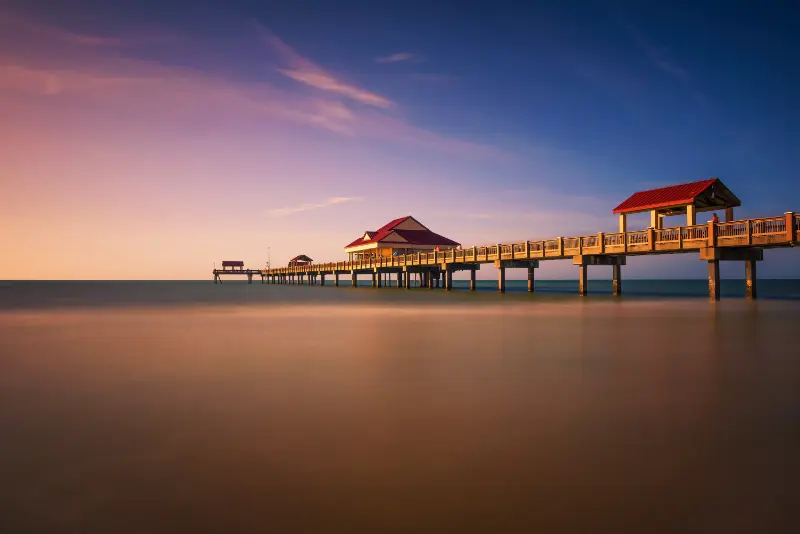
Clearwater Beach is one of Florida’s easiest Gulf Coast destinations to understand: soft sand, calm-looking water, a compact resort strip and a strong sunset culture all sit within a relatively small area. The simplicity is part of the appeal, but the trip is better when you choose the right end of the beach for your travel style.
Families often appreciate the walkability and shallow-looking shoreline, couples like the sunsets and waterfront restaurants, while older travelers can build a low-driving vacation if they select a hotel close to the places they will actually use.
The key is to avoid confusing “easy” with “effortless.” Parking, bridge traffic, busy weekends and summer storms still shape the day. A good Clearwater Beach plan uses early mornings, one main activity at a time and a hotel location that reduces unnecessary car trips.
Quick planning summary
- Recommended stay: 3–4 nights for a beach-centered stay, longer if you want St. Petersburg and island day trips.
- Best first stop: Pier 60 and the central beachfront for orientation.
- Best for: families, couples, first-time Gulf Coast visitors and travelers who want a walkable beach base.
- Transport: walk locally when possible; use a car, trolley or rideshare for the wider St. Pete-Clearwater area.
- Planning rule: stay near your priority beach zone and avoid moving the car for every meal.
In this guide
- Why visit
- Where to stay
- Best things to do
- Nature and outdoor time
- Getting there and around
- Best time to visit
- Families, teens, seniors and accessibility
- 3-day itinerary
- Food and evenings
- Budget and booking
- Day trips
- Mistakes to avoid
- Related guides
- Official resources
- FAQ
Why visit Clearwater Beach?
Clearwater Beach combines a classic resort-beach atmosphere with enough restaurants, rentals and entertainment to support a trip without constant driving. That is one reason it works well for short vacations.
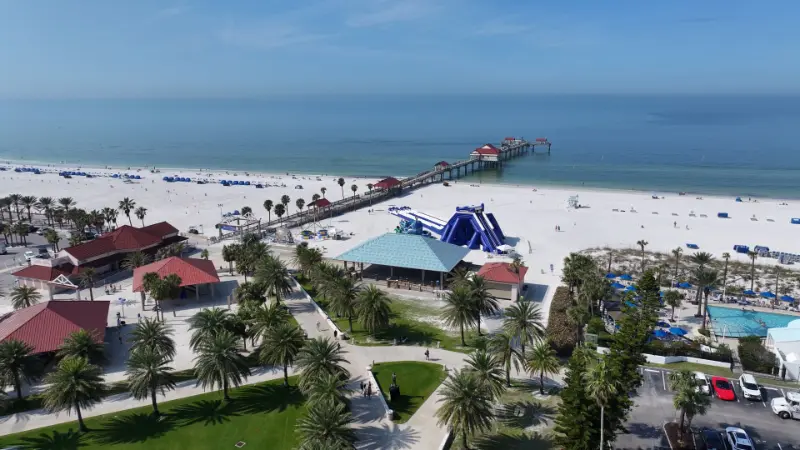
The area around Pier 60 is lively and convenient, while the beach becomes calmer as you move away from the busiest center. South toward Sand Key, the atmosphere changes again, giving you a useful range of choices within a short distance.

The destination also makes a strong base for a broader Pinellas County trip. St. Petersburg, Dunedin, Honeymoon Island and other Gulf communities are close enough to add variety without changing hotels every night.
A Clearwater Beach vacation does not need an aggressive sightseeing list. Its strength is the combination of beach time, sunset, one or two water activities and easy access to nearby coastal towns.
Where to stay
Near Pier 60
Best for first-time visitors who want restaurants, activity and a central position. Expect the liveliest atmosphere and potentially more noise.
North Clearwater Beach
A good compromise for travelers who want a quieter feel while staying within walking distance of much of the central strip.
South end and Sand Key area
Useful for a calmer base, resort-style stays and travelers who are comfortable using a car or trolley for some meals and activities.
Look beyond “beachfront.” Compare room-to-sand distance, elevator access, parking, breakfast, pool shade and whether you can walk safely to dinner after dark.
For multigenerational trips, a central hotel can reduce daily logistics dramatically. The savings in time and energy may be worth more than a cheaper property farther inland.
Best things to do
Pier 60
Use the pier area for views, fishing atmosphere and the well-known sunset scene. It is an easy first stop but not the only part of the beach worth seeing.
A full beach morning
Give the beach a real block of time instead of squeezing it between attractions. Early hours are usually easier for families, photography and long walks.
Sand Key Park
A useful change of pace just south of Clearwater Beach, with a more spacious park setting and a different feel from the main resort strip.
Clearwater Marine Aquarium
A strong indoor or mixed-weather option, especially for families interested in marine-life rescue and rehabilitation.
Dolphin, sailing or sunset cruises
Choose one water-based experience rather than stacking several. Conditions and departure points vary, so confirm the specific operator and weather policy.
If you are staying only three nights, one cruise, one beach day and one broader-area day are usually enough. Too many reservations can make a simple beach trip feel like a checklist.
Sunset is a daily anchor here. Plan dinner around it rather than discovering at the last minute that your reservation conflicts with the best light of the day.
Nature and outdoor time
The Gulf is the center of the outdoor experience, but conditions still require respect. Calm-looking water can change, and thunderstorms can develop quickly in warm months.
Northward, Dunedin and the barrier islands add trails, parks and quieter beach settings. Southward, Sand Key and the St. Pete Beach corridor offer more options for coastal exploration.
Birding, dolphin watching and paddling can all fit a slower itinerary. Choose experiences that match the least mobile or least confident traveler in the group rather than the most adventurous person.
Getting there and around
Tampa International Airport is the main gateway for many travelers, with St. Pete-Clearwater International Airport useful for some routes. Ground time varies with bridge traffic and arrival hour.
Once settled near the central beach, walking can handle many meals and short outings. For St. Petersburg, Dunedin and other regional stops, a car or rideshare is more practical.
Parking can be one of the most frustrating parts of a busy beach day. If your hotel includes parking, think carefully before moving the car just to save a short walk.
Local trolley and transit options can help on selected routes. Check current service rather than assuming a seasonal schedule will match your travel dates.
Best time to visit
Winter and spring are popular because temperatures are comfortable and many visitors are escaping colder climates. That popularity can push up rates.
Late spring can offer warm beach weather before the deepest summer humidity, though no period is guaranteed.
Summer brings heat, humidity and frequent afternoon storms. Start beach time early, hydrate and use the hotel or an indoor attraction during the hottest hours.
Fall can be quieter, but tropical-weather risk remains part of planning. Flexible reservations are valuable during hurricane season.
Families, teens, seniors and accessibility
Families benefit from the compact layout, especially when lodging is close to the sand. Build in pool or room breaks rather than trying to keep small children outdoors through midday heat.
Teenagers may prefer paddle sports, cruises and a more independent walkable environment, while younger children often need simpler beach-and-pool days.
Senior travelers should prioritize elevators, shade, short walking routes and a hotel with food nearby. A beautiful beachfront property can still be inconvenient if the route from room to sand is long or complicated.
For accessibility, confirm beach access mats, wheelchairs, parking and restroom conditions at the specific access point you plan to use. Do not rely only on broad destination claims.
A practical 3-day itinerary
Day 1: Pier 60 and sunset
Check in, walk the central beach, learn the layout and keep the evening for sunset and a nearby dinner.
Day 2: Beach and water experience
Use the morning for the beach, rest midday and choose a dolphin, sailing or sunset cruise later in the day.
Day 3: Sand Key and a nearby town
Spend time at Sand Key, then add Dunedin, St. Petersburg or another nearby stop depending on your interests and energy.
With an extra day, protect it as an unstructured beach or pool day. That is often more valuable than adding a fourth distant attraction.
Food and evenings
Seafood and casual Gulf Coast dining dominate the vacation mood, but the broader St. Pete-Clearwater area adds a much wider restaurant scene if you want variety.
Families can reduce waits by eating earlier than the main dinner rush. Couples may prefer one sunset-view meal and more casual choices on other nights.
If you have a kitchenette, use it for breakfast and simple snacks rather than trying to cook every meal. The point is to remove friction, not recreate home routines.
Budget and booking
The beach itself can keep daily entertainment costs low. Cruises, aquarium tickets and resort parking are the main extras to decide on in advance.
Compare resort fees, parking and umbrella or cabana costs when evaluating hotels. The nightly rate rarely tells the full story.
If the trip is built around one premium hotel, balance it with free beach mornings and low-cost local exploration instead of buying an attraction every day.
Easy day trips and extensions
Dunedin and Honeymoon Island
A good combination of small-town atmosphere and nature.
St. Petersburg
Add museums, waterfront parks, murals and a more urban evening.
Tarpon Springs
Useful for Greek heritage, the Sponge Docks and a different Gulf Coast experience.
Fort De Soto area
A nature-focused option for beaches, trails and historic interest, subject to current access conditions.
Mistakes to avoid
- Planning every hour: Leave room for weather, traffic, meals and an activity that takes longer than expected.
- Choosing lodging only by nightly price: A cheaper room can cost more overall when parking, resort fees and long daily drives are added.
- Underestimating Florida weather: Heat, humidity, thunderstorms and strong sun can change the best order for the day.
- Ignoring beach and water conditions: Flags, currents, wind and storms deserve the same attention as attraction opening times.
- Skipping a backup plan: An indoor museum, shaded district or flexible restaurant plan can rescue a day when outdoor conditions change.
At Clearwater Beach, moving the car too often is a surprisingly common way to waste vacation time. Once you have a good parking position, use your feet or local transport when practical.
Related Wonderful Florida guides
- St. Petersburg and Clearwater travel guide
- Best Florida beaches for families
- Florida Gulf Coast road trip
- Florida beach vacation guide
- Florida with kids
These guides help you compare Clearwater Beach with other Gulf Coast bases and decide how much of the wider Tampa Bay region to include.
Official resources
For opening hours, closures, launch schedules, beach conditions, event calendars and other details that can change, use Visit St. Pete-Clearwater’s Clearwater Beach information. Check again shortly before travel, especially for weather-dependent activities, park access, parking and major events.
Frequently asked questions
How many days are enough for Clearwater Beach?
Three nights work for a focused beach break; four or five are better if you also want St. Petersburg, Dunedin or island parks.
Is Clearwater Beach walkable?
The central beach area is walkable for many visitors, especially if your hotel is near Pier 60. Regional exploration still benefits from a car or rideshare.
Is Clearwater Beach good for families?
Yes. The combination of sand, relatively compact services and family-oriented activities makes it one of the easier Gulf Coast bases.
Should I stay in Clearwater Beach or St. Petersburg?
Choose Clearwater Beach for a sand-first vacation and St. Petersburg for museums, neighborhoods and a more urban waterfront. Many travelers combine both.
Do I need to reserve beach activities in advance?
Reserve only the experiences that matter most, especially during busy periods. Keep ordinary beach time flexible so weather can guide the day.
Clearwater Beach is most rewarding when you use its compact layout to simplify the vacation. Stay in the right zone, protect morning beach time, enjoy sunset and use only a few regional outings to add variety.