

Gulfport is a strong choice when you want a colorful small waterfront city with an independent arts scene, locally owned businesses and a community-first atmosphere. It is not a destination that requires a packed checklist to feel worthwhile. The better approach is to identify the one or two experiences that matter most to your group, choose a convenient base, and leave enough open time to enjoy the local pace.
For a first visit, I would plan around 2–3 nights. That gives you enough time to understand the area without turning the trip into a sequence of parking lots and short photo stops. Gulfport is especially well suited to couples, art lovers, LGBTQ+ travelers, slow-travel visitors and anyone who prefers local character over resort polish.
This guide focuses on practical trip design: where to stay, what deserves priority, how much driving to expect, how to adapt the trip for children or older travelers, and how to connect Gulfport with the rest of Tampa Bay. Hours, admission policies, road conditions and event schedules can change, so always confirm time-sensitive details on official sites before the day of your visit.
Quick planning summary
- Recommended stay: 2–3 nights for a balanced first visit.
- Best for: couples, art lovers, LGBTQ+ travelers, slow-travel visitors and anyone who prefers local character over resort polish.
- Main strength: a colorful small waterfront city with an independent arts scene, locally owned businesses and a community-first atmosphere.
- Transport: a car is usually the easiest way to combine the destination with surrounding attractions, even when the central district itself is walkable.
- Best planning rule: organize each day by area instead of zig-zagging across the region.
In this guide
- Why visit
- Where to stay
- Best things to do
- Nature and outdoor time
- Getting there and around
- Best time to visit
- Families, teens, seniors and accessibility
- 3-day itinerary
- Food and evenings
- Budget and booking
- Day trips
- Mistakes to avoid
- Related Wonderful Florida guides
- Official resources
- FAQ
Why visit Gulfport?
Gulfport works because it gives a Florida trip a different rhythm from the state’s biggest resort corridors. You can still build full sightseeing days, but you do not need to. The destination rewards slower mornings, one substantial activity, a relaxed lunch and enough time for the setting itself.
That makes it particularly useful in a longer Florida itinerary. After several intense theme-park, city or driving days, a stop in Gulfport can reset the pace without feeling like a “nothing day.” The experience is still specific to Tampa Bay, but the pressure to maximize every hour is lower.
It is also a good place for travelers with different energy levels. A teenager can choose a more active experience, younger children can focus on parks or simple outdoor time, and grandparents can stay involved through scenic stops, short walks, museums, waterfront areas or meals that do not require a major physical commitment.
My preferred way to approach the destination is to identify one anchor experience for each day, then add secondary stops only if the group still has time and energy. That simple rule prevents the most common Florida planning problem: trying to force too much into a hot, spread-out destination.
Where to stay in Gulfport
The best area is not automatically the most luxurious one. For most visitors, convenience matters more than a small difference in room quality. Look at parking fees, breakfast, pool hours, room size, elevator access, cancellation policy and the real door-to-door drive to your priority attractions.

Waterfront Arts District
Best for: best for walking to restaurants, galleries, events and the bayfront. Before booking, compare the exact route to the places you expect to visit most often. A hotel that looks close on a regional map can still create repeated driving, parking or bridge time.
Beach Boulevard area
Best for: useful for the most compact village experience and evening activity. Before booking, compare the exact route to the places you expect to visit most often. A hotel that looks close on a regional map can still create repeated driving, parking or bridge time.
Residential Gulfport / nearby St. Petersburg
Best for: good when you want more lodging choice while keeping Gulfport as a daily neighborhood stop. Before booking, compare the exact route to the places you expect to visit most often. A hotel that looks close on a regional map can still create repeated driving, parking or bridge time.
Family tipFor families, a refrigerator, laundry access and a pool can be more valuable than an elaborate lobby. Couples may prefer walkability and evening atmosphere. Senior travelers should check elevator availability, shower design, the distance from parking to the room and whether restaurants are reachable without crossing wide roads.
If you are using a vacation rental, compare the full price after cleaning and service fees, read parking and occupancy rules carefully, and confirm whether beach equipment, bicycles or other advertised extras are actually included.
Best things to do in Gulfport
1. Waterfront Arts District
The heart of Gulfport is its small, colorful business district, where local restaurants, galleries and community spaces create an experience that feels very different from larger Tampa Bay cities. Give this stop enough time to enjoy it without immediately rushing to the next item. For mixed-age groups, it is usually better to shorten the list and leave room for breaks than to plan a full day of tightly timed stops.
2. Gulfport Beach and waterfront
The bayfront beach is better thought of as a relaxed community waterfront than a substitute for the Gulf barrier-island beaches. Give this stop enough time to enjoy it without immediately rushing to the next item. For mixed-age groups, it is usually better to shorten the list and leave room for breaks than to plan a full day of tightly timed stops.
3. Clam Bayou Nature Park
A useful nature counterpoint to the arts district, with mangrove habitat, birding and paddling opportunities in the broader preserve area. Give this stop enough time to enjoy it without immediately rushing to the next item. For mixed-age groups, it is usually better to shorten the list and leave room for breaks than to plan a full day of tightly timed stops.
4. Local markets and art events
Gulfport’s identity is closely tied to markets, art walks and community events. Schedules change, so use the city’s current calendar instead of planning around an old list. Give this stop enough time to enjoy it without immediately rushing to the next item. For mixed-age groups, it is usually better to shorten the list and leave room for breaks than to plan a full day of tightly timed stops.
5. Nearby St. Petersburg culture
Gulfport is close enough to downtown St. Petersburg to combine small-town evenings with major museums and waterfront attractions. Give this stop enough time to enjoy it without immediately rushing to the next item. For mixed-age groups, it is usually better to shorten the list and leave room for breaks than to plan a full day of tightly timed stops.
Nature and outdoor time
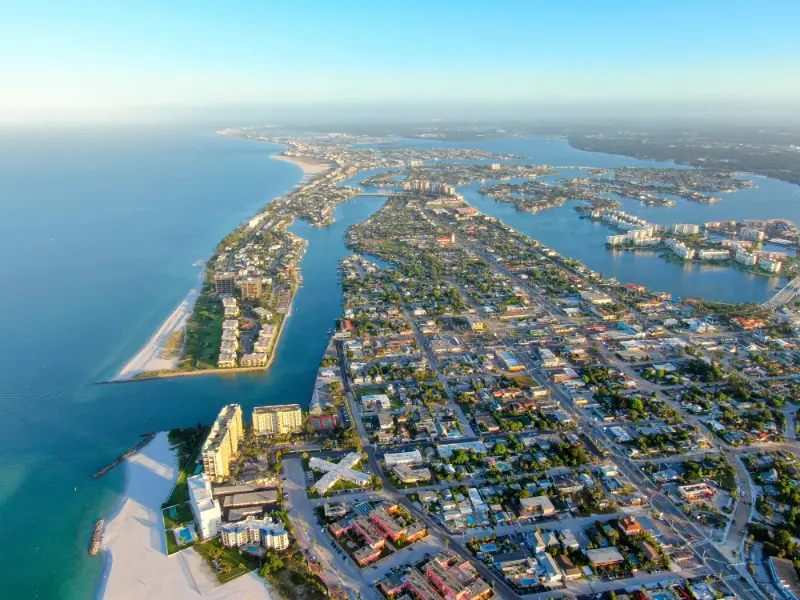
The best outdoor strategy is to mix bayfront walking and Clam Bayou with a separate beach day at St. Pete Beach or another barrier-island community.
Florida weather changes how an outdoor day feels. In warm months, the same trail or beach that is comfortable at 8:00 a.m. can feel completely different at 1:00 p.m. Use shade, water, sun protection and realistic walking distances, and check radar rather than assuming a forecast icon means an entire day will be lost.
If wildlife is part of the experience, treat observation distance as part of the attraction rather than an inconvenience. Do not feed animals, block nesting areas or approach wildlife for a photograph. For beaches and waterways, follow posted flags, closures and local safety advice.
Getting there and around
Having a car makes beach and St. Petersburg day trips easier. Within the arts district, walking is the better choice once you have parked.
When planning a Florida road trip, think in terms of actual travel time rather than map distance. Bridges, beach traffic, event crowds and parking searches can add significant time. Build at least one buffer period into each day, especially if you have a timed tour or reservation.
For air travel, compare the total trip from the airport to your hotel rather than the flight price alone. A cheaper airport can lose its advantage once rental-car rates, tolls and a longer drive are included. If anyone in the group uses a mobility aid, confirm vehicle size before pickup.
Best time to visit
Winter and spring are ideal for walking, markets and outdoor dining. Summer works with a slower pace, shade and flexibility around afternoon rain.
Florida’s peak travel periods can also include school holidays, major events and winter escapes from colder states. If your dates are fixed, book the hardest-to-replace item first: a special hotel, event ticket, campground or vacation rental. Flexible travelers can often find better value by avoiding Friday and Saturday arrivals.
During hurricane season, keep reservations and insurance terms clear. A tropical system does not mean every Florida trip will be disrupted, but refundable or changeable bookings are valuable when uncertainty increases.
Families, teenagers, seniors and accessibility
With babies and toddlers
Keep the first day simple. Choose one outdoor stop, return to the room for a nap or pool break, and avoid scheduling a long dinner after a full afternoon in the sun. Shade and access to restrooms matter more than adding another attraction.
With school-age children
Alternate “look and learn” attractions with something active. A museum followed by a park, a historic district followed by swimming, or a nature center followed by ice cream usually works better than three educational stops in a row.
With teenagers
Give teenagers a role in choosing one activity, restaurant or photo stop. Destinations feel more engaging when they have some control over the day rather than simply following an adult itinerary.
For seniors and multigenerational groups
Plan shorter walking loops, more seated breaks and easy meal access. Avoid treating every group member as if they have the same heat tolerance. One traveler can do a longer walk while another enjoys a shaded viewpoint, museum or cafe.
Accessibility
Accessible facilities can vary between beaches, historic buildings, parks and private attractions. Check current accessibility pages directly, especially for beach mats, wheelchairs, ramps, elevators, companion restrooms, sensory resources and accessible parking. Historic properties may have unavoidable stairs even when part of the visit is accessible.
A practical 3-day Gulfport itinerary
Day 1: orientation and local character
Start with the most walkable central area and give yourself time to understand the street layout, parking and restaurant options. Choose one signature attraction for late morning or early afternoon, then keep the evening close to the hotel. The first day should establish the rhythm of the trip rather than exhaust the group.
Day 2: the major experience
Use the second day for the attraction or outdoor area you would be most disappointed to miss. Start early if parking or heat could become an issue. After lunch, choose a flexible secondary activity that can be shortened if weather or energy levels change.
Day 3: nature, beach or regional extension
Finish with a contrasting experience: if the first two days were history and dining, choose nature; if they were beach-focused, add culture or a nearby town. Keep the final afternoon light if you are driving onward, because Florida traffic often makes late-day transfers more tiring than expected.
If you have a fourth day, use it for a larger regional day trip rather than adding more small local stops. That gives the trip a clearer structure and reduces repeated packing and hotel changes.
Food and evenings
Locally owned restaurants are one of Gulfport’s strengths. Rather than driving elsewhere for every meal, leave at least one evening entirely within the waterfront district.

For families, an early dinner often solves several problems at once: shorter waits, easier parking and a calmer bedtime. For couples, sunset or a post-dinner walk can be more memorable than adding another paid attraction.
Do not build the entire trip around famous restaurants seen on social media. Keep one or two priority meals, then leave space for a cafe, bakery, seafood counter or casual local place you discover while walking.
Budget and booking strategy
Separate your budget into lodging, transport, food and paid attractions. Beach and park time may be inexpensive, but parking, rental-car costs and resort fees can change the total quickly. Always compare the final hotel price, not only the advertised nightly rate.
For a value-focused trip, spend on location rather than on constant upgrades. A slightly more expensive room in the right area can save fuel, parking and time. Use free outdoor attractions to balance one or two paid experiences that genuinely matter to the group.
Book time-sensitive attractions through official sellers whenever possible. If the schedule is uncertain, prioritize flexible tickets or refundable reservations. For outdoor plans, avoid paying for multiple weather-dependent activities on consecutive afternoons.
Best day trips from Gulfport
Downtown St. Petersburg, St. Pete Beach, Fort De Soto, Dunedin and Tampa all fit easily into a Gulfport-based trip.
Keep a day trip to one main destination. A two-hour drive followed by four separate attractions and another long return is rarely a good use of vacation time. Choose one anchor experience and one meal stop, then treat anything else as optional.
If you are moving hotels after the day trip, pack the car once in the morning and avoid returning to the old base. That turns a transfer day into a useful sightseeing day without adding another long drive.
Mistakes to avoid
- Booking by map distance only: bridges, parking and traffic matter as much as mileage.
- Overloading the hottest hours: schedule outdoor priorities early and keep midday flexible.
- Ignoring event calendars: festivals, races, holidays and school breaks can change prices and parking.
- Assuming every beach, park or historic site has the same accessibility: verify individual facilities.
- Planning every meal in advance: reserve only the truly important ones and leave room for discovery.
- Forgetting weather flexibility: one indoor backup activity can rescue a stormy afternoon.
Related Wonderful Florida guides
- St. Petersburg and Clearwater Travel Guide
- Central West Florida Travel Guide
- Best Day Trips from Tampa
- Florida Arts and Culture Guide
- Florida Beach Vacation Guide
Official resources
Use official sources for current hours, closures, event schedules, access rules and safety information before you travel:
Frequently asked questions
How many days do you need in Gulfport?
2–3 nights is a good first-trip target. A shorter stay works if you focus on one neighborhood or attraction, while a longer stay makes sense if you want several regional day trips.
Do you need a car in Gulfport?
For most visitors, yes. Some central areas can be explored on foot, but a car makes it much easier to connect parks, beaches, nature areas and neighboring towns.
Is Gulfport good for families?
Yes, especially when the itinerary is paced around the age of the youngest traveler. The strongest family days usually combine one structured attraction with simple outdoor time and a pool or rest break.
Is Gulfport suitable for senior travelers?
Yes. Choose lodging with easy parking and elevators, prioritize shaded or seated attractions, and keep midday heat exposure under control. Confirm accessibility directly for historic buildings and outdoor sites.
What should first-time visitors avoid?
Avoid trying to turn the destination into a checklist. The trip is better when you choose a convenient base, group activities geographically and leave enough time to enjoy the setting instead of driving constantly.
Travel information can change. Always verify current hours, admission, road conditions, weather alerts, beach flags and accessibility details on official websites before departure.