
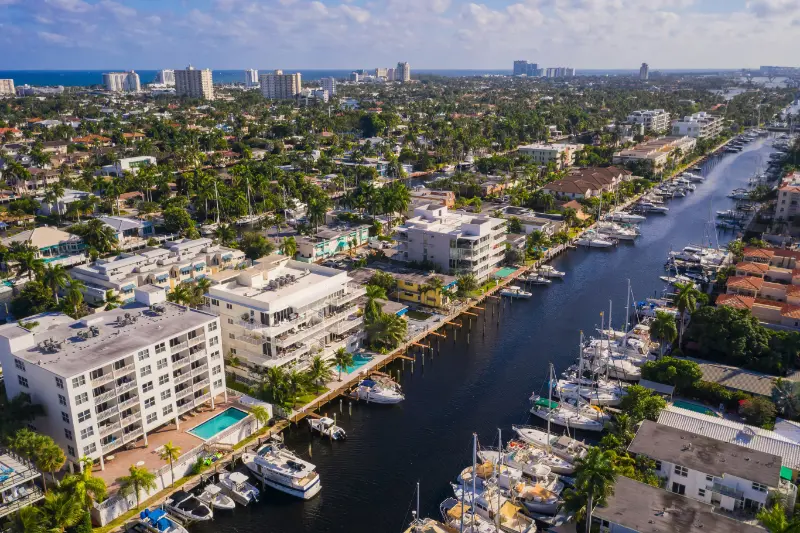
Fort Lauderdale is often reduced to a cruise departure port or a less crowded version of Miami. That misses what makes the city rewarding in its own right: canals and the New River, a walkable Las Olas dining district, preserved homes, Atlantic beaches and an urban state park unexpectedly close to the towers. Three days give you enough time to use the waterways as part of your sightseeing instead of driving from parking garage to parking garage. They also give the trip variety for families, couples, solo visitors and travelers who favor slower outings.
For this itinerary, make downtown or the beach your overnight base and plan just one significant paid attraction per day. The Water Taxi can be enjoyable transportation, but its route and timetable must match your actual stops; it is not a substitute for every local journey. A car is helpful for some extensions, though not essential if you stay centrally and use organized transfers. Most importantly, leave room for a shaded midday break and remember that Fort Lauderdale’s coastal geography turns short-looking trips into bridge crossings and traffic delays.
Three-day route and sensible starting points
| Day | Area | Main plan | Easy substitute |
|---|---|---|---|
| 1 | Las Olas and New River | Riverwalk, museums, canal cruise | Waterfront cafés and short water ride |
| 2 | Beach and Birch State Park | Atlantic shoreline, native coastal habitat | Park scenic loop and museum |
| 3 | Bonnet House and nearby districts | Historic estate, local art and flexible afternoon | One attraction followed by a relaxed lunch |
Select the Water Taxi ride around its latest official schedule rather than treating the departure times here as a promise. If you are staying after a cruise or before one, make the embarkation day a transfer-only day and shift your attractions to the remaining full days.
Day 1: Las Olas Boulevard, the Riverwalk and a ride on the water
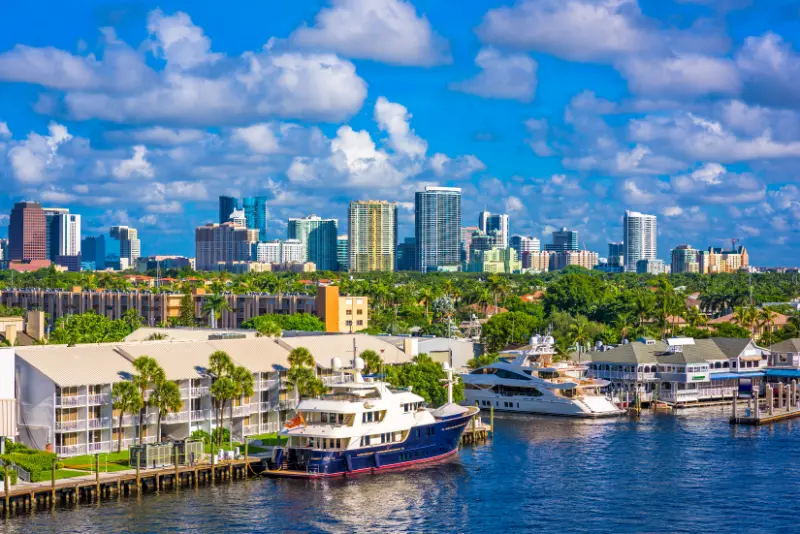
Begin along Las Olas Boulevard, where shops, galleries and cafés give the city a neighborhood feel distinct from the beachfront strip. A morning stroll toward the New River leads naturally to Riverwalk Fort Lauderdale, an appealing place to orient yourself with views of bridges, passing vessels and downtown buildings. Choose an indoor stop according to interests: history-focused travelers might favor the Historic Stranahan House Museum, while a family with children may find the Museum of Discovery and Science more engaging. Check opening schedules and tour requirements before arriving, since historic-house experiences may not work as spontaneous walk-ins.
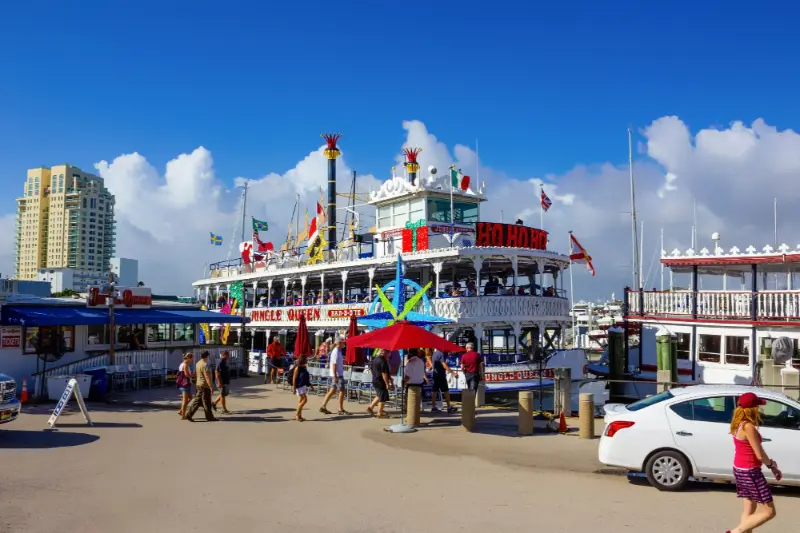
Make the afternoon the water portion of your day. Greater Fort Lauderdale’s Water Taxi operates a sightseeing-oriented hop-on, hop-off service, and the visitor bureau explains the current routing and ticket options. A boat can make the area’s canals and Intracoastal Waterway understandable in a way a street map does not. However, do not assume every restaurant or attraction is beside a stop, or that the last service will match your dinner reservation. Verify boarding access, ticket rules and the latest sailing time before using it as a return journey.
For dinner, choose downtown or Las Olas rather than driving unnecessarily to another beach town. If your group includes a child who becomes tired early, use a short scenic ride rather than the entire network. An older traveler may enjoy seated water views more than hours of shopping; someone uncomfortable on moving vessels can visit riverside parks instead. This flexibility lets everyone appreciate the water-centered identity of Fort Lauderdale without forcing one activity onto the whole group.
Day 2: Fort Lauderdale Beach and Hugh Taylor Birch State Park
Visit the beachfront in the morning, when the light is softer and parking may be less competitive. Choose an access point based on restrooms, transit, lifeguard availability where provided and the route between sidewalk and sand. The promenade is excellent for views, but the Atlantic is not a supervised swimming pool: check weather, posted beach warnings and rip-current guidance. In warm weather, a shorter beach visit followed by lunch in air conditioning may be far more enjoyable than staying through a thunderstorm-prone afternoon.
Spend the afternoon in Hugh Taylor Birch State Park. Florida State Parks describes it as a barrier-island green space between the ocean and Intracoastal Waterway, with walking, picnicking, wildlife viewing and paddling opportunities. It is a practical change of pace after the exposed beach. Not every amenity will necessarily be operating: the official park page has carried construction notices about restrooms, pavilions and a floating dock, so check current alerts instead of building a plan around a particular facility. Trails and a scenic loop can be adapted to how much walking feels comfortable.
For families, watch for native wildlife from respectful distances, take a shaded snack break and decide beforehand whether children are going to the beach or doing a nature walk, not an exhausting combination of both. For photographers, the mix of urban skyline and coastal forest creates a different backdrop from Las Olas. For visitors who prefer minimal walking, ask park staff about current accessible amenities and use a shorter route. An evening by the ocean is optional; a restful hotel dinner can be the wiser choice after a day in coastal heat.
Day 3: Bonnet House and a neighborhood you actually enjoy
The Bonnet House Museum & Gardens is one of the city’s strongest cultural experiences. Its estate history, art collections and gardens help explain the development of this coastline before modern hotels arrived. Verify tour hours, ticket formats and which grounds are included. Historic properties can have uneven approaches or restrictions in certain rooms, so check access with the operator. Put the visit in the morning or at another comfortably timed hour rather than squeezing it between a checkout deadline and the airport.
Afterward, deliberately choose one neighborhood. Downtown art and cafés are an easy continuation if you stayed near Las Olas. A beachside lunch is convenient if your accommodation is by the ocean. Travelers interested in a larger regional excursion could consider nearby Hollywood’s Broadwalk, but doing so changes the journey and may be better on a fourth day. Do not promise yourself Pompano, Hollywood and Lauderdale-by-the-Sea on a single ‘free afternoon’: bridges, parking and beach gear make that far less relaxing than it sounds.
If you want a sunset water experience, consult the Water Taxi’s route and schedule or book a clearly defined cruise; the two are not interchangeable. Families may prefer an early restaurant reservation, while nightlife visitors can investigate Las Olas after dark. Have a clear ride home arranged if consuming alcohol. A successful final day means ending with enough energy to enjoy dinner and depart the next morning, not collecting the maximum possible number of attraction photos.
Where to stay: Las Olas, beach or near the airport
Downtown and Las Olas are strong bases for restaurants, the Riverwalk and transit-oriented sightseeing. They work particularly well for a visitor without a car, provided the hotel is truly within comfortable walking distance of planned stops. Hotels on or near Fort Lauderdale Beach prioritize sea views and quick shoreline access, although parking, resort charges and beach service fees can add significantly to advertised room rates. Check which side of A1A the property sits on and whether reaching the beach involves an ordinary crossing or additional infrastructure.
Airport and Port Everglades-area hotels can be economical for cruise transfers or early departures, but may leave you relying on rideshares for every sightseeing trip. For a family, a suite with a kitchenette may matter more than an ocean-facing balcony. For a wheelchair user, confirm room turning space, shower layout, accessible arrival route and actual transportation pickup point directly rather than interpreting a generic ‘accessible’ symbol as sufficient. If arriving late at night, choose convenience and comfort over an elaborate first-evening plan.
Transportation: airport, bridges, Water Taxi and parking
Fort Lauderdale-Hollywood International Airport is close to the city but traffic varies with cruise schedules and road conditions. Port Everglades is a working cruise harbor, not a neighborhood to explore without planning. If embarking, follow the cruise line’s terminal instructions and leave abundant transfer time. If using Brightline or another rail service as part of a wider South Florida vacation, check the current station location and transfer route to your hotel; do not assume the train delivers you directly to the beach.
A rental car becomes more attractive for excursions beyond the center, but compare total parking charges against rideshares or arranged shuttles. Bridges over waterways can create delays, especially in high season. On your phone, save your hotel’s exact entrance and the parking garage address, not just the street name. If using a boat ride, ask the operator about step-free boarding, wheelchair space, service animals and whether high winds can change operations. Flexible transportation is the most effective way to avoid turning a water-focused vacation into a string of costly transfers.
Budget planning and worthwhile tradeoffs
Do not buy every museum and tour in advance. Pick one headline paid experience—the Water Taxi, Bonnet House or a museum—and keep one free or inexpensive waterfront walk each day. If traveling with teenagers, let them help select an activity and a food stop so that time in a museum has a purpose. Watch for hotel parking, local taxes, mandatory resort fees, cancellation policies and beach-equipment rentals. These costs can exceed the admission to a small museum, especially for three nights.
Fort Lauderdale is often busy around holidays, boat-related events and cruise departures. Budget-conscious visitors can compare downtown and nearby areas rather than assuming a more distant highway hotel is automatically cheaper after daily transport. A centrally located stay may reduce the need for a car. Food planning is another lever: a substantial late breakfast or lunch with a simple evening meal can be easier with children, while adults may prefer a special dinner and a modest breakfast. Match spending to what you genuinely value rather than following every recommendation simultaneously.
Different ages, accessibility and sensory comfort
With babies, a beach stroller is rarely a substitute for appropriate sand access; choose a hotel with a comfortable indoor rest area and bring sun protection suited to the child. Elementary-age children often enjoy the science museum and short boat rides. Teenagers can choose between photography at the shoreline, waterways and art-focused stops. Travelers over sixty or eighty can focus on seated tours, museums and short promenades if they wish; age alone should not determine activities, but actual mobility and heat tolerance should.
Humidity and direct sunlight make some routes more demanding than mileage suggests. Ask venues about accessible restrooms and lifts, and confirm that a boat operator can accommodate the person’s equipment rather than making assumptions. For a traveler who finds crowds or loud sound difficult, the park can provide a calmer middle day; choose quieter morning hours and carry hearing protection as needed. Anyone with breathing or heat-related concerns should keep a reliable indoor alternative and prioritize medical advice for personal limitations.
When to go and how to handle bad weather
Cooler, drier months often make walking more comfortable, but they can also bring higher demand and hotel prices. Summer weather is hotter and humid, with thunderstorms frequently changing outdoor plans. Tropical systems are a separate risk during hurricane season, and travel insurance terms must be read before booking. Do not assume that a storm will pass quickly or that every boat service operates through lightning. Check National Weather Service alerts and official attraction notices each day.
A useful order swap is simple: put the museum or Bonnet House in the wettest period, move beach time to the next suitable morning and use indoor meals as natural breaks. Because the three main areas are fairly close, the itinerary tolerates changes without abandoning the whole vacation. If traveling immediately before a cruise, avoid a weather-sensitive offshore excursion on the last free day; flight, port and boarding commitments matter more than chasing another photograph.
Frequently asked questions
Is Fort Lauderdale worth visiting if I already know Miami?
Yes. Its New River and Intracoastal setting, historic houses and beach-adjacent state park create a different experience. The cities are close enough to combine, but Fort Lauderdale merits several days of its own.
Can we do this itinerary without renting a car?
Yes if you stay centrally, select sites carefully and use Water Taxi, taxis or rideshares. Verify the exact last-mile routes, and do not assume a beach hotel is walkable to downtown.
Is the Water Taxi practical transportation or just sightseeing?
It can serve both purposes when its operating stops and timetable match the trip. Treat it as a scenic transit experience first, with a backup plan for late departures or service changes.
Which stop is best on a rainy day?
A museum, historic-house tour when operating, or an indoor lunch is generally more weather-resilient than the beach or park. Check for storm-related closures rather than assuming indoor sites always remain open.
How many days should I allow before a cruise?
Two or three nights are useful if you want real sightseeing; one night before departure is mainly a buffer for travel disruption. Always prioritize arrival at your assigned cruise terminal on time.