
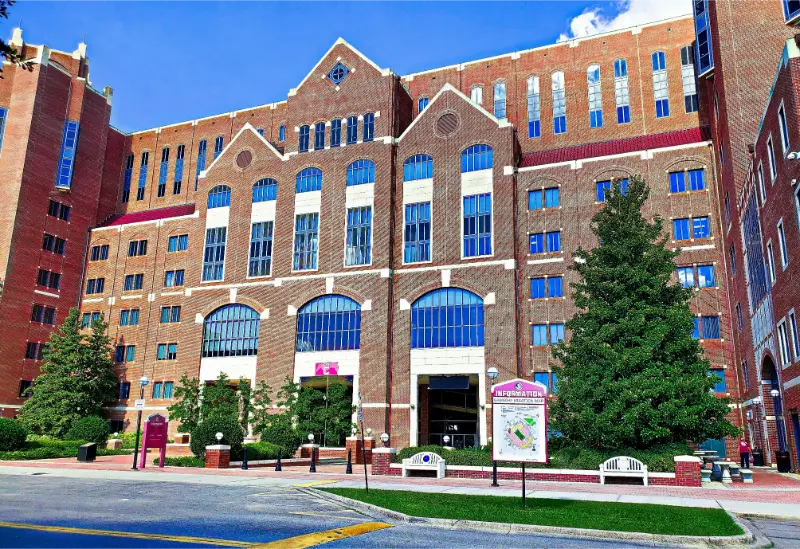
Tallahassee is unlike the Florida of beach advertisements. Its hills, canopy roads, government buildings, university culture and surrounding freshwater landscapes give it a strong local identity. For travelers crossing North Florida, it can be a fuel-and-lunch stop; for curious visitors, three days reveal why it deserves its own place on an itinerary. You can explore the state capital, learn about the region’s layered history, spend time in a park and make a nature-focused outing to Wakulla Springs when conditions allow. This plan favors a measured pace that works for families and older companions as well as solo travelers.
Make downtown Tallahassee your primary base and use a car for the nature day. Many central sights are relatively close, but hilly streets and Florida heat can make walks less comfortable than a map suggests. State museums, historic sites and park services can change hours or close during construction or storms. In October 2026, Wakulla Springs State Park has posted weather-related operating notices affecting overnight lodging, with status changing as conditions develop. Check the current official alert immediately before setting out; the itinerary provides a city alternative if the park or boat tours cannot operate.
A balanced three-day route
| Day | Area | Main experience | Backup plan |
|---|---|---|---|
| 1 | Capitol district | Historic Capitol, state history and downtown | One indoor museum and lunch |
| 2 | Tallahassee parks and heritage | Cascades Park, Mission San Luis or Tallahassee Museum | Arts and cafés close to hotel |
| 3 | Wakulla County | Wakulla Springs and river interpretation | St. Marks or extra Tallahassee cultural day |
Do not schedule the boat tour for the same afternoon as a fixed departure flight. Changes in weather or park operations deserve a flexible day, not a missed flight.
Day 1: Understand the capital before sightseeing elsewhere
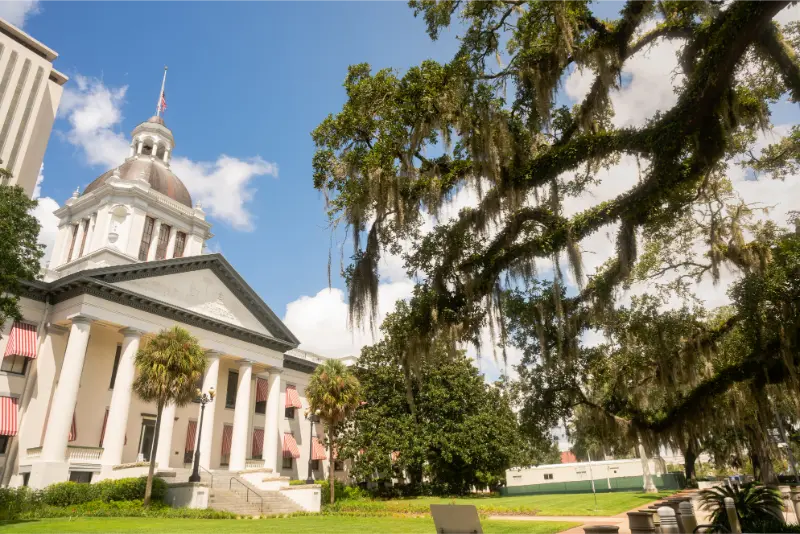
Start around Florida’s Capitol complex. The Historic Capitol Museum offers context for state government and historic public life; compare its schedule with any access arrangements for the newer Capitol if you want views or public areas. Security procedures and opening times may vary, so check official visitor instructions before bringing a large bag or building the day around a specific entrance. A visit is most rewarding if you explore an exhibition or historical period that genuinely interests you, rather than treating the building as a quick photo stop.
The Museum of Florida History can deepen the story, but check its current visitor status and gallery availability rather than relying on a listing from an earlier year. A capital city attracts government visitors and school groups, and crowds may change throughout the week. An indoor museum is useful in heat or rain, while a shorter outdoor circuit around monuments and public spaces can suit people with more limited walking stamina. Families can make the outing interactive by looking at how old and new public buildings differ in architecture and purpose.
After lunch, choose an easy downtown café and perhaps a nearby local gallery. Do not attempt to add Wakulla Springs this afternoon merely because it looks close on the map. That experience is much better with an early start and freedom from evening commitments. A slow dinner gives you time to evaluate tomorrow’s forecast and look for any public events at Cascades Park. In a city known for university and government schedules, event nights can make restaurants and parking unexpectedly busy.
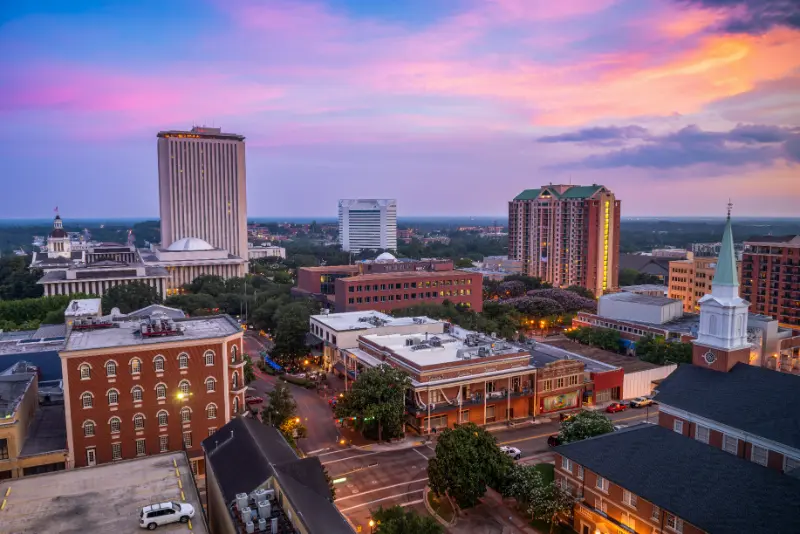
Day 2: Cascades Park and the region's deeper history
Begin at Cascades Park for an outdoor stroll. This central green space shows another side of Tallahassee, with landscaped areas, paths and opportunities to pause. Choose a short circuit suitable for your group rather than trying to cover the entire park. Summer mornings are generally more comfortable than afternoons, when shade and hydration become essential. Children can enjoy open space before an indoor museum; older visitors might appreciate a bench-based walk that includes frequent places to sit.
For the afternoon, consider Mission San Luis, which interprets a seventeenth-century Spanish mission and the Apalachee community, or Tallahassee Museum, where natural habitats, regional history and outdoor exhibits are central. These are different attractions and should not be reduced to interchangeable photo stops. Mission San Luis is a cultural-history choice; Tallahassee Museum suits visitors particularly interested in ecology and hands-on local interpretation. Confirm operating days, admissions, any ongoing exhibits and the length of walking routes before choosing. Outdoor trails may become difficult in heat or after heavy rain.
If you are traveling with elementary-age children, explain the indigenous history respectfully and accurately rather than describing it as a costume display. Teenagers may respond well to questions about land, colonialism and the development of modern Florida. Travelers who want a quieter, art-oriented day can favor local galleries and the gardens around a cultural institution instead. Do not feel obliged to combine both major museums: one thoughtful visit and one shaded outdoor stop make a more humane day.
Day 3: Wakulla Springs when the park is operating
Edward Ball Wakulla Springs State Park is one of the region’s most remarkable natural destinations, with deep spring waters, a historic lodge and cypress-bordered river habitat. The popular ranger-led river boat tour can show birds, alligators and sometimes manatees, although wildlife observations are never guaranteed. Florida State Parks describes tours that typically last under an hour, subject to conditions, and requires reservations for the boat program. Check accessibility arrangements in advance if your party uses a wheelchair; the park lists accessible boat options by request.
Weather is especially important here. Official state-park information in October 2026 has included storm-related closures or restricted overnight accommodations. It would be irresponsible to promise the lodge or boat operation on a particular date. Call or check the state-park website before leaving Tallahassee and make sure your reservation remains valid. Thunderstorms and other safety conditions can stop tours. If the park is open only for day use, adjust the itinerary to what staff confirms rather than assuming that a historical description reflects today’s operating status.
If access is limited, choose an alternative Tallahassee cultural visit or a carefully planned St. Marks-area stop, using current refuge and historic-site rules. Do not drive to remote wetlands on flooded roads or bypass closure barriers. When you do visit Wakulla, follow all wildlife guidance, avoid approaching alligators and keep small children supervised near water. A seated boat ride may be the perfect centerpiece for a multigenerational trip, whereas keen hikers can choose a signed trail if conditions and stamina permit.
Where to stay and how to choose a practical base
Downtown Tallahassee provides the simplest access to the Capitol district and restaurants. Hotels near the universities can be convenient at quieter times, but university sports weekends and major events often increase demand. A highway hotel may reduce the nightly rate but require more driving for every evening meal. Compare parking and breakfast costs as well as room prices. A couple seeking a city break may value walkable dining; a family with small children may prioritize a suite, laundry and easy vehicle access.
If Wakulla is the principal reason for the trip, a rural overnight may seem appealing, but check storm impacts and actual lodging operations first. The official park pages have issued weather-related restrictions, so do not prepay for an affected property without confirmation. Older travelers and wheelchair users should ask hotels directly about elevator access, door clearances and bathroom layouts. Historic-looking accommodations may involve stairs, and booking-site accessibility filters do not replace a direct conversation about equipment requirements.
Getting around and the real length of the day
Walking the Capitol area is possible for many visitors, but Tallahassee’s terrain is hillier than much of coastal Florida. Choose garage or surface parking close to the day’s starting point and use brief vehicle transfers when needed. Public transit may work for selected city journeys; the full three-day plan, especially Wakulla, is easiest with a rental car. Arrange a driver if you do not wish to drive. For a traveler who uses a powered mobility device, confirm accessible transit or vehicle arrangements well in advance.
The drive to Wakulla passes through a different landscape from downtown. Leave time for slower rural roads and for locating the correct park entrance. Do not plan with only the advertised travel time from a mapping app. Heavy rain can cause delays or closures; keep a conservative margin before your reservation. If your party prefers not to drive at dusk, begin the nature day early and finish with dinner back in Tallahassee. A reasonable transport plan is the strongest form of safety preparation.
Spending priorities and low-cost discoveries
Tallahassee can be attractive for travelers who want cultural experiences without a daily theme-park admission. Many public areas are inexpensive to enjoy, but ticketed museums, historic sites and boat tours have separate policies. Check the official fee page for every stop and choose one priority paid experience each day. A river boat tour may be the most memorable expense for nature lovers, while a museum may matter more to a history enthusiast. Both choices are sensible; you do not need to do everything.
Meals near the Capitol and universities cover a range of budgets. An early lunch can reduce waiting and make the afternoon more relaxed. If traveling with children, schedule snacks and a proper sit-down break rather than buying whatever is available after everyone becomes tired. Parking, hotel-event rates and fuel should be included in the overall budget. A low advertised accommodation price on the edge of town can be offset by three days of repeated driving.
Families, older visitors and accessible alternatives
Tallahassee works for a broad age range precisely because history and nature can be experienced in different ways. A young child may enjoy Cascades Park and a short museum visit more than hours of state-government interpretation. School-age children can learn about the relationship between the Apalachee people, Spanish colonial institutions and today’s Florida. Teenagers may appreciate a mix of environmental science and modern civic history. Adults in their seventies, eighties or beyond can choose seated boat interpretation and one central museum without tackling strenuous trails.
Check every site’s current wheelchair access, restroom arrangements and distances between parking and entrance. A boat advertised as accessible may require advance notice and specific equipment preparation. Travelers with hearing or vision needs should ask about captions, assistive interpretation or alternative formats. For those sensitive to crowds, weekday mornings often offer a calmer experience than event weekends. What makes a trip inclusive is not identical physical activity, but meaningful options and adequate time for everyone.
Weather, storms and why the backup day matters
The capital’s inland location does not eliminate tropical-weather risk. Florida’s hurricane season can affect roads, trees, accommodations and protected areas far from the immediate coastline. During warmer months, lightning and heavy rain require a conservative approach to outdoor activities. Follow the National Weather Service, local emergency messages and the official park operator. Never assume a green map pin means an attraction has reopened after a storm.
For this trip, the safest arrangement is to keep two city days relatively flexible and book Wakulla only after confirming the park’s current operations. If a nature day is cancelled, a visit to another operating history museum and a leisurely local meal remain worthwhile. This is not a failure of the itinerary; it is how a sensible Florida trip adapts to real conditions.
Frequently asked questions
Can Tallahassee be visited as a day trip?
You can see the Capitol district in one day, but three days allow the city’s parks and a separate nature excursion. The wider region’s appeal is easily missed during a short highway stop.
Is Wakulla Springs currently fully open?
Official notices in October 2026 have reported storm-related changes, including overnight accommodation restrictions. Check the latest park status and your boat reservation directly before traveling.
Do we need to reserve a Wakulla river boat tour?
The state park publishes a reservation system for river boat tours. Book through the official channel and reconfirm operations during severe weather or storms.
Is this trip suitable for visitors who cannot hike?
Yes. Focus on indoor historic attractions, shorter park visits and a suitable boat tour where available. Verify site-specific access rather than assuming all paths are barrier-free.
When should we avoid university crowds?
Check Florida State and Florida A&M event calendars, especially sports weekends and graduations, before selecting hotel dates. Prices and traffic can change significantly.