
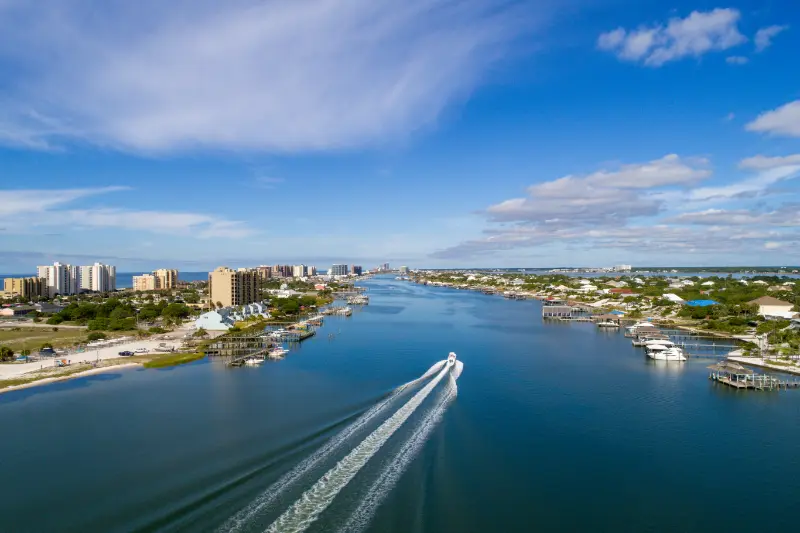
Pensacola deserves more time than a quick stop on a Florida Panhandle drive. Its walkable historic downtown, strong maritime and military connections, long protected Gulf shorelines and nearby Perdido Key make it an appealing four-day destination. It also has a practical advantage for mixed groups: art and history lovers can enjoy a museum day while others favor a beach, and everyone can meet for a relaxed evening meal. The route works best with a car, but downtown Pensacola itself can be explored without one for short periods.
Some of the region’s most famous attractions require advance homework. The National Naval Aviation Museum is on an active military base, and visitors who are not U.S. citizens face particular escort and identification rules; do not assume any international tourist can simply drive through the gate. Beaches within Gulf Islands National Seashore have separate park entrance rules and facilities. This itinerary provides alternatives so that a family with young children, an international visitor or someone with limited mobility does not lose an entire day because an attraction turns out to be inaccessible.
Four days with one main activity per day
| Day | Area | Main theme | Flexible alternative |
|---|---|---|---|
| 1 | Historic Pensacola | Downtown heritage and waterfront | Museum and shaded lunch |
| 2 | Pensacola Beach/Fort Pickens | Fort, protected beach and dunes | Short boardwalk and one fort area |
| 3 | Naval aviation or local culture | Museum if security access is possible | Downtown museum or coastal park |
| 4 | Perdido Key | Johnson Beach and a quiet final day | Beach overlook and early departure |
The itinerary does not require all four days of swimming. Even in cooler weather, the shoreline, forts and downtown give it plenty of interest.
Day 1: Historic Pensacola and a slow waterfront evening
Start with a walk around downtown Pensacola, where surviving historic buildings, museums, restaurants and public spaces reveal an older Gulf Coast city rather than a single-purpose beach resort. Choose an interpretive visit from the Historic Pensacola complex or another cultural venue whose current tours and ticket rules suit your interests. The area’s history includes Indigenous communities, European colonial powers, maritime trade and military activity; it deserves a more thoughtful approach than a quick row of photographs.
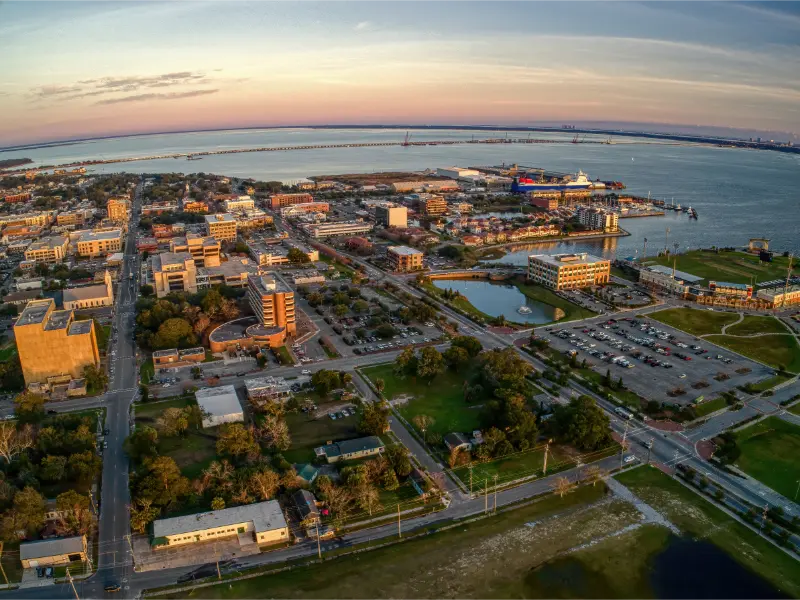
Make the morning manageable. Parents with children can choose one museum and a short outdoor stop, while history enthusiasts might prefer a longer guided tour. The downtown streets are good for café breaks, but summer heat and occasional event closures can make walking less pleasant. Check which buildings are open that day instead of assuming a historic district ticket grants instant access to every site. An afternoon in a gallery or along the waterfront can be a relaxed addition without a second lengthy drive.
For dinner, remain downtown if you are sleeping nearby. There is little benefit to driving to the beach just to return after dark on your first night. If your group has a member who uses a wheelchair, check the access arrangements at individual historic properties; old buildings may have uneven paving or stair-only rooms. A slow evening also gives you time to confirm the Gulf Islands National Seashore status for tomorrow, particularly if weather conditions have changed.
Day 2: Fort Pickens and the protected Gulf shore
Cross toward Pensacola Beach and allow most of the day for the Fort Pickens area of Gulf Islands National Seashore. The National Park Service maintains historic fortifications, beaches, walking opportunities and designated visitor facilities. Review the park’s operating hours and entrance fee before leaving: the entrance station, fort gate and specific facilities may follow different schedules. Do not rely on an old social-media post about being able to arrive whenever you wish. Pick one historic area and one suitable beach access rather than attempting every battery and shoreline stop.
The fort’s history helps explain the strategic role of the Gulf Coast, while the beaches show why barrier islands deserve protection. Keep off fragile dunes and use authorized boardwalks. The NPS identifies Langdon Beach as having an accessible swimming area with facilities, though actual service availability and summer lifeguard coverage must be confirmed. Gulf surf can look gentle yet develop dangerous rip currents. Learn local flag meanings and do not enter the water during lightning or unsafe surf conditions.
For a family, a picnic and one fort walk may fill the day. Adults interested in history can spend longer with interpretive panels and the NPS app; others may prefer seated beach views. If someone cannot navigate sandy paths or fort steps, identify a suitable accessible beach or visitor area before traveling, rather than making decisions in the parking lot. Finish with an early seafood dinner, allowing generous time for the drive back to town.
Day 3: Naval aviation, with an important international-visitor warning
The National Naval Aviation Museum is outstanding for visitors interested in aircraft, engineering and military history. Its exhibits include historic naval aircraft and related material, and admission is generally free, but the museum is inside Naval Air Station Pensacola. Security access is not the same as buying a museum ticket. The museum’s official guidance states that adults who are U.S. citizens must present appropriate REAL ID-compliant identification or a passport and use the designated West Gate during public access hours.
For foreign nationals, the requirements are more restrictive. The official museum FAQ says that non-U.S. visitors generally need a U.S.-citizen escort who is driving the same vehicle and must meet specified documentation and security procedures. Some international tourists will not be eligible, and a valid foreign passport alone may not grant access. Do not make this attraction the sole reason for a non-U.S. family’s visit without reading the current museum security FAQ and confirming eligibility directly. Security policies can change, and staff may deny entry even after a long drive.
If you cannot access the base—or if the group does not enjoy aircraft—use this day for Pensacola art, a local science museum, or another historic downtown visit. An aviation fan can spend several hours at the museum, while an accompanying child may benefit from shorter sessions and a lunch break. Check current clear-bag restrictions and any simulator or theater pricing. A genuinely useful plan never pretends that a federal installation is an ordinary public shopping mall.
Day 4: Perdido Key and Johnson Beach at a relaxed pace
Drive west toward Perdido Key and the Johnson Beach area of Gulf Islands National Seashore. The National Park Service describes beach accesses, picnic facilities, an accessible boardwalk nature trail and a protected barrier-island setting. Entrance fees and capacity restrictions may apply, especially during busy months. The park’s rules forbid casual roadside parking in restricted areas and limit vehicle access. Identify the correct entrance and parking area ahead of time rather than pulling onto shoulders when lots look full.
This is a day for a walk, views, wildlife observation and a short beach session if conditions permit. Some protected areas have no lifeguards outside specific seasons, and high surf or rip currents can make swimming inappropriate. Stay on approved paths, leave nesting birds undisturbed and do not bring pets onto beaches where rules prohibit them. If your group likes kayaking, research permitted launch areas and tidal conditions with an authorized operator; do not add a spontaneous open-water trip after a long day in the sun.
A short, scenic final day is especially useful if you have a flight or onward drive. Pack before going out, bring fresh water and return early enough to handle fuel and luggage. If weather is poor, revisit a missed downtown attraction. There is no need to force the beach into a stormy afternoon just because the itinerary labels it ‘day four.’ Pensacola’s variety makes it easy to switch activities when safety takes priority.
Where to stay: downtown, Pensacola Beach or Perdido Key
Downtown is a convenient base for culture, restaurants and a relaxed evening on foot. Beachfront hotels provide ocean or Gulf views and immediate shoreline access but can cost more after parking, resort charges and other fees. Perdido Key may suit visitors who favor a quieter final leg, though it places them farther from downtown attractions. Compare total driving for the activities you care about, not only the hotel nightly rate. A four-day visitor with an interest in history may be happier staying downtown than moving hotels twice.

Families should check sleeping arrangements, kitchen access, laundry and pool facilities. Travelers with disabilities need precise answers about bathroom setup and routes to shore. Historic inns may be charming but have stairs; modern resorts can also have complicated beach access. A hotel claiming to be near the Naval Air Station does not solve foreign-visitor security restrictions. Book the room that works for your actual needs and spend your time on experiences, not avoidable logistical problems.
Driving, parking and timing the coast
The easiest route is to separate downtown, Pensacola Beach/Fort Pickens and Perdido Key into their own days. Causeways and beach roads can slow during holidays, and NPS areas have specific entrance and closing times. If you are staying downtown without a car, you can still enjoy day one and arranged museum activities, but the full coastal circuit requires a rental or other planned transport. Verify rental-company rules for tolls and insurance, and never use a beach shoulder as an improvised parking spot.
If you are planning the Naval Aviation Museum, confirm security access before driving to the base. Passengers and vehicles may be searched. Do not carry prohibited items and do not assume a general map will direct you to the authorized public gate. A visitor who is not a U.S. citizen should arrange a different itinerary unless all current official requirements can be met. This is a major difference from many tourist museums and should be explained clearly to every member of the party.
Money decisions and what to reserve
The National Naval Aviation Museum is generally free to enter if you satisfy security rules, but special experiences may cost extra. Gulf Islands National Seashore charges entrance fees in selected areas; official federal passes may be relevant. Historic-district museums and tours each have their own pricing. Choose one or two paid attractions that matter rather than buying tours for every day. A family might prioritize Fort Pickens and a historic-district visit, keeping the rest of the budget for lodging and meals.
Accommodation and transport often outweigh admission fees on this trip. Compare beachside and downtown rates over the entire stay, especially during school vacations. Check cancellation terms in hurricane season and avoid paying for a boat or outdoor activity when the forecast is uncertain. If traveling on a tighter budget, choose a comfortable inland hotel, pack picnic supplies and use a free waterfront walk for an evening outing. Spending less is compatible with a rewarding Gulf Coast vacation.
All ages, accessibility and weather comfort
Young children need a short, predictable rhythm: one attraction, lunch, rest and optional beach time. School-age children can link aircraft exhibits with naval history and coastal fortifications; teenagers may enjoy engineering or photography. Older adults can focus on seated interpretive stops and shorter historic walks. Visitors with limited mobility should ask about fort steps, beach-wheelchair access and the exact distance from parking to facilities. A general ADA listing does not guarantee every historic battery or dune crossing is suitable.
Summer brings intense sun, humidity and storms; cooler months are often more comfortable for history walks, though the Gulf may be too chilly for some swimmers. The region is exposed to tropical-weather risks during hurricane season. Follow the National Weather Service and the National Park Service’s local alerts, and do not enter water under unsafe surf warnings. If storms disrupt a beach day, the city provides meaningful indoor alternatives. A flexible itinerary is the safest and often the happiest option.
Frequently asked questions
Can a European tourist visit the National Naval Aviation Museum?
Not necessarily. Because it sits on an active Navy base, non-U.S. citizens face escort and documentation requirements that many vacationers cannot meet. Read the official museum security FAQ before making plans.
Is Fort Pickens separate from downtown Pensacola?
Yes. It lies in a national seashore area reached by road across the bay and barrier island. Budget for driving, entrance requirements and a substantial visit.
Are the beaches free?
Beach and public-park access policies vary. NPS units such as Fort Pickens and Perdido Key’s Johnson Beach area can require admission; parking and concessions may have additional charges.
Is Pensacola a good destination without swimming?
Absolutely. Maritime history, museums, historic downtown streets and coastal overlooks make a varied trip even in cooler weather or when surf conditions are unsuitable.
Should we stay downtown or near the sand?
Choose downtown for culture and restaurants, beachside for a shoreline-oriented break. For four days, select one main base to avoid unnecessary packing and repeated transfers.