
A Gulf Coast vacation does not have to revolve around entering the ocean. Some travelers cannot swim, dislike strong sun, use mobility aids, travel with infants or simply prefer shorelines as places to walk, photograph, listen and rest. Florida’s western coast offers piers, waterfront parks, art museums, historic neighborhoods, wildlife interpretation and boat excursions that can be enjoyed without treating swimming as the centerpiece. This six-day itinerary focuses on St. Petersburg, Dunedin, Sarasota and the Anna Maria Island area. It makes space for quiet mornings, air-conditioned afternoons and weather changes. Beaches are dynamic natural places rather than guaranteed flat, accessible sidewalks; choose particular entrances based on the needs of the people traveling.
A beach vacation can be built around views rather than water sports
Travel photography often suggests that a successful holiday requires snorkeling, paddleboarding or lounging for hours on bare sand. In reality, many visitors find their favorite memories in a shaded picnic area, on a ferry, at a museum or watching shorebirds from a boardwalk. Define success in terms of your group’s comfort. If someone has a fear of water, do not pressure them to board a boat or get their feet wet for a photograph. If a relative uses a wheelchair, verify the approach from parking to any accessible mat or pier; not all beachfronts offer the same infrastructure. If babies are present, think about shade, bottles, naps and safe stroller routes. The Gulf can look calm but still present currents, storms, lightning and hazardous heat. Staying out of the water removes some risks, not all.
Day 1: St. Petersburg waterfront without the beach rush
Begin on the downtown St. Petersburg waterfront, where museums, parks and public promenades provide choices beyond the shoreline. Choose one cultural anchor such as an art museum, then spend part of the afternoon at a waterfront green space. The advantage of this first day is flexibility: visitors can enjoy water views without having to negotiate deep sand. Ask the chosen museum about timed tickets, accessible restrooms and any stroller restrictions. A toddler may prefer the park and a brief gallery, while a teenager might enjoy a focused collection or photography assignment. Adults who have difficulty standing can prioritize a museum with seating and an early dinner. Avoid scheduling a boat tour immediately after landing at Tampa International Airport; delays and traffic can disrupt the entire plan. A first afternoon spent settling in is rarely wasted.
Day 2: Dunedin and the causeway landscape
Head toward Dunedin for waterfront streets, local cafés and opportunities to observe a coastline shaped by bays, islands and tidal flats. Honeymoon Island State Park and nearby Caladesi Island are popular choices, but access and services need careful checking. Caladesi is an offshore destination with particular boat and ferry arrangements; it is not a simple drive-up beach. Its marina had partial dock access and service limitations reported in late September 2026, so anyone proposing a boat visit should consult the park’s current notice and the ferry operator. For a non-swimmer’s day, remaining on the mainland may be more comfortable: enjoy a shaded walk, harbor views and a relaxed meal. A boat ride is optional, not necessary. Visitors prone to motion sickness should also consider wind, waves and the feasibility of returning before a storm.
Day 3: accessible coastal viewpoints and protected habitat
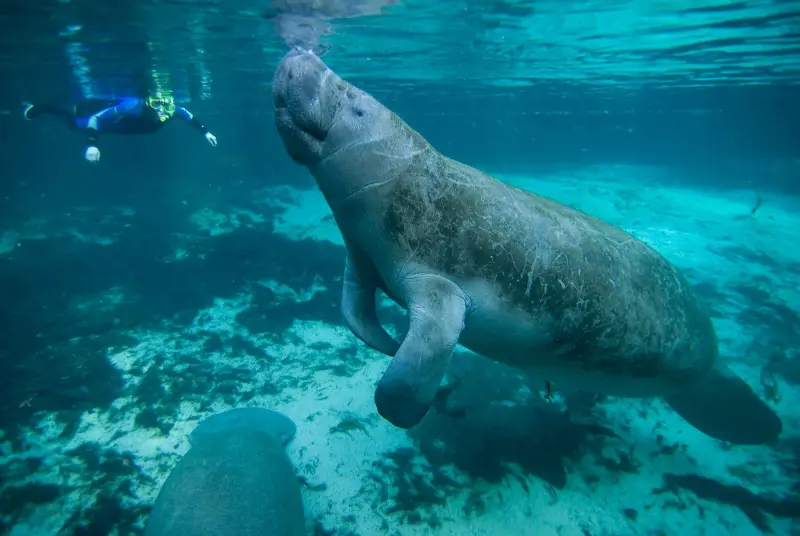
Dedicate the third day to observing coastal nature rather than chasing a remote beach. Gulf-side parks may offer boardwalks, interpretive signs and overlooks where mangroves, wading birds or tidal channels can be seen from established paths. Select one place with verified parking and facilities rather than creating a marathon of distant state-park entrances. Binoculars can make a quiet hour rewarding even without a rare sighting. Keep children away from boat ramps and unguarded water edges, where the absence of waves can create a false sense of safety. Do not feed birds, touch sea turtle nests or cross closed dune fences for a better photo. Afternoon thunderstorms are common in warm months: have a library, museum or hotel rest period ready. If a trail is flooded or closed, treat the closure as the end of that option.
Day 4: Sarasota art, gardens and bayfront evenings
Sarasota provides a natural second base for the itinerary, pairing cultural institutions with a beautiful bayfront setting. Choose a museum or historic property that suits your group and devote enough time to it; large art complexes can require more walking than visitors expect. A shaded garden visit may be enjoyable in a mild season, but the heat and humidity can still affect older travelers and small children. Plan one major indoor stop, lunch with seating, and an unhurried look at Sarasota Bay. Watch the light change in late afternoon rather than trying to reach a crowded beach at the same time as everyone else. Confirm whether a waterfront route is continuous and step-free before relying on it with a stroller or wheelchair. A waterfront bench can be as worthwhile as a full admission ticket when the setting is comfortable.
Day 5: Anna Maria Island at an easy pace
Anna Maria Island offers low-rise coastal neighborhoods and Gulf views, yet parking and road congestion can be difficult at peak times. Go early or choose a non-peak period. Rather than planning to sunbathe for six hours, identify one shoreline access, a meal location and one short walk along public streets. Check parking restrictions carefully; residential driveways and local business lots are not overflow beach parking. Some access points involve deep sand, and an apparently close beach may not suit a visitor who cannot walk far. Look for current information about beach wheelchairs or mats if needed, but confirm availability instead of assuming every access has them. A non-swimming day can revolve around a walk, reading with a view and observing changes in the tide. Leave enough time to drive off the island before a late-day traffic bottleneck.
Day 6: slow morning and an optional heritage stop
Reserve the final day for a short historical or nature stop near your departure route. The Cortez fishing village area, for example, offers a way to think about working waterfronts rather than treating every coastal building as a resort. Museum schedules and access vary, so plan one specific open institution or simply enjoy an appropriate public viewpoint. Do not trespass on docks or photograph workers at close range without permission. If you have an early flight, skip the detour and have breakfast near your hotel. Several consecutive coastal days can be stimulating for young children and tiring for older adults; the final morning should feel intentionally light. Pack enough time for fuel, returning a rental car and airport security. A successful vacation is not measured by how many last-minute stops fit before check-out.
Choose the right beach access for your group
Not all Florida beaches have the same parking, restroom, ramp or wheelchair facilities. Even a location described as accessible may have an abrupt transition from a paved path to soft sand. Call the responsible city or park and ask about the specific entrance you intend to use. A beach wheelchair may require advance booking, an attendant, or pickup from a particular station. Visitors with low vision may prefer a maintained promenade with railings and clear wayfinding. Parents with strollers should identify shaded areas and changing facilities. Anyone who cannot handle sun exposure should plan an indoor escape within a short distance. The best choice might be a waterfront park overlooking the Gulf rather than a traditional beach. That still counts as enjoying the coast.
A six-day no-swimming itinerary
| Day | Area | Main experience |
|---|---|---|
| 1 | Downtown St. Petersburg | Waterfront parks and art |
| 2 | Dunedin | Harbor and optional offshore excursion |
| 3 | Gulf coastal nature stop | Boardwalk or protected viewpoint |
| 4 | Sarasota | Museum and bayfront evening |
| 5 | Anna Maria Island | Short beach visit and neighborhood lunch |
| 6 | Sarasota / Cortez / departure | Working waterfront or relaxed breakfast |
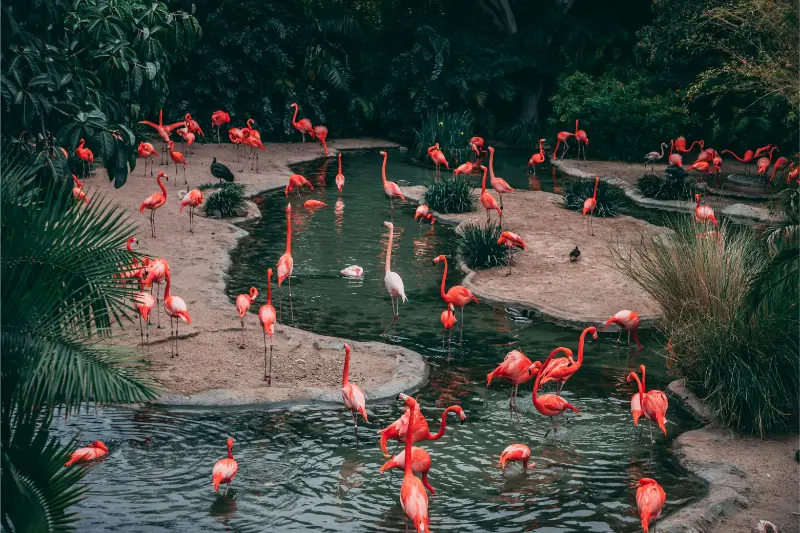
Wildlife and shore ecology without entering the water
Birds, dune plants, tidal flats and mangroves make the shoreline interesting even to visitors who never step into the surf. Use binoculars or a phone’s zoom rather than approaching resting birds or turtles. Never pick up a hatchling or touch an animal for an attractive picture. Shorebirds may nest in areas that look like empty sand; posted rope lines protect nests that are easy to overlook. Tides and storm surge alter waterfront access, including docks, ramps and paths. A quiet observation platform in the morning may offer more wildlife than a busy popular beach in midday. Explain to children that conservation sometimes means staying back and accepting that an animal remains distant. The experience becomes richer when they can identify habitats and behaviors instead of collecting souvenirs from protected areas.
Heat, lightning and the best season for shore walks
Florida’s coast has mild periods that favor walking and intense humid periods that make even short routes demanding. No month guarantees sunshine every day, and hurricane-season travel needs a flexible cancellation plan. Lightning is dangerous on open sand, piers and boats even when the center of a storm appears far away. If thunder is audible, follow local guidance and seek substantial indoor shelter. Sunscreen, a hat and water are essential for non-swimmers too, because reflected light and wind can hide the effects of sun exposure. A stroller shade alone is not a climate-control solution for a baby in extreme heat. Older visitors and travelers taking medications that affect heat tolerance should schedule breaks. The itinerary’s short coastal sessions are a feature, not a compromise.
Budget lodging and transport realistically
Splitting the stay between St. Petersburg or Clearwater and Sarasota or Bradenton reduces repeated long drives. Compare the complete cost of each property, including parking and resort fees, rather than advertised room rates alone. A car is the simplest option for connecting these towns; public transportation can work for selected local trips but not every nature stop. Parking charges at beaches and state parks can add up quickly. A waterfront restaurant may offer the same relaxing view as a paid sightseeing cruise at a lower cost. Set an attraction allowance and prioritize only those cultural venues that matter to your group. If nobody wants to board a boat, do not include the price of one in your budget. The most valuable feature of this itinerary is freedom to enjoy the coast without expensive water activities.
Accessible alternatives and group decisions
A multigenerational party can divide briefly when interests differ: one person visits a museum, another rests in a café, and everyone meets for a waterfront meal. Establish a clear meeting place and realistic pickup times rather than improvising in crowded parking lots. When someone has mobility limitations, ask what routes they prefer, not only whether they can complete the hardest stop. People who use wheelchairs or walkers may prefer a paved promenade over a very scenic but sandy access point. For travelers with sensory sensitivities, avoid the noisiest piers and festivals at peak hours. Families with infants should keep one reliable nap period each day. The approach respects everyone from toddlers to older grandparents without pretending that all ages enjoy identical activities.
Official websites and current coastal notices
Check Florida State Parks, the Caladesi Island State Park notice, and Visit St. Pete-Clearwater for public attractions, access and destination updates. For specific public-beach facilities, the responsible city or county page is more authoritative than an old travel article. Confirm museum hours, ferry operations and weather each morning. This route is proof that water views, culture, coastal history and wildlife can make a full vacation without a single swim—and that making space for comfort creates better memories than forcing everyone into the same beach routine.
Frequently asked questions
Is a Gulf Coast trip worthwhile if I never go swimming?
Absolutely. Cultural venues, waterfront walks, protected habitat and relaxing coastal scenery can fill the vacation without water sports.
Is Caladesi Island easy to reach by car?
No. It is an offshore destination, with boat-related access and changing facilities. A mainland Dunedin day is a practical alternative.
Are Florida's beaches all wheelchair-accessible?
Accessibility varies by beach and specific access point. Confirm parking, mats, ramps and any beach-chair program directly with the operator.
What if a thunderstorm arrives during a beach walk?
Leave exposed shorelines, piers and open water and seek substantial indoor shelter. Do not wait outside for a photo of the storm.
Do I need to stay at an oceanfront hotel?
No. A hotel in a convenient town center may offer better access to restaurants, museums and transport, often with more predictable costs.