
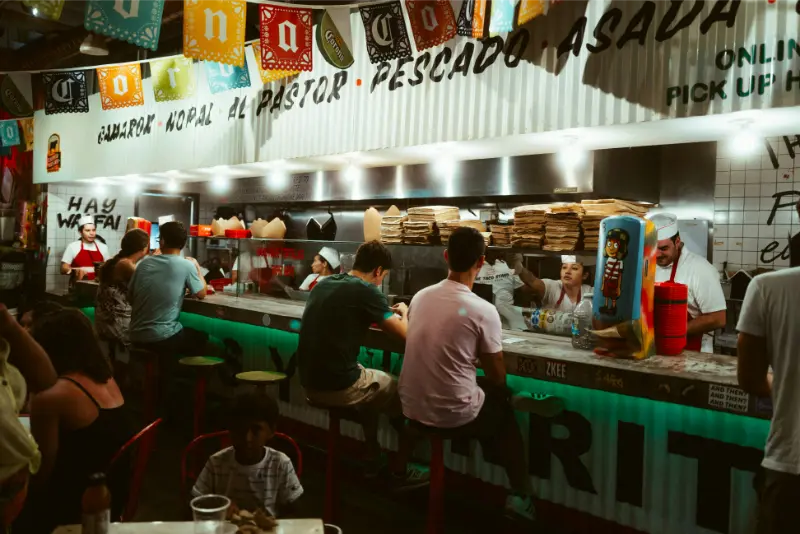
A farmers market can reveal more about a Florida destination than a crowded souvenir shop. Produce tables, bakeries, seafood stalls, plants and local crafts show how agriculture, migration and everyday food choices shape regional life. But not every market is held daily, and not every item sold at a market was grown just outside town. This seven-day route links Tampa Bay, Sarasota, Central Florida and Miami, combining food shopping with neighborhood walks and manageable sightseeing. For example, start on a Tuesday near St. Petersburg and reach Winter Park on Saturday; a Saturday morning market in St. Petersburg would require reversing or extending the trip. It is aimed at visitors who want to taste and learn rather than book seven expensive restaurant dinners. Check calendars closely: a famous Saturday market cannot be moved to Tuesday simply because it fits a travel itinerary. Adapt the sequence to match your arrival day and prioritize a few genuine markets.
What counts as a farmers market in Florida?
Markets vary widely. Some focus on fresh produce from regional farms, while others include prepared meals, breads, coffee, crafts or resale goods. A visitor should never assume that every tomato on a stall was grown locally or that every prepared-food vendor uses ingredients from one farm. Ask growers where products come from, what is in season and whether they use specific agricultural practices; sellers may have helpful answers but should not be expected to offer a long interview during a busy morning. When you see a sign saying local, ask what geographic area it means. A fresh citrus product, tropical fruit or herb may tell you something about the growing region, but availability changes with weather and harvest cycles. Use markets as places to buy food and learn, not as automatic certificates of sustainability.
Day 1: St. Petersburg and a true market morning
Start in St. Petersburg, using an operating Saturday Morning Market only if your actual dates align; on the Tuesday-start sample route, explore food shops and the waterfront instead. These events can attract substantial crowds, so arrive early, wear comfortable shoes and bring reusable shopping bags. Check its official calendar, venue and seasonal arrangements: some Florida outdoor markets operate only during part of the year or move temporarily for special events. Buy a simple breakfast, browse the stalls and leave time to explore the waterfront or an indoor museum. With children, let each choose one unfamiliar fruit or vegetable to learn about, subject to allergies and food safety. Older travelers may appreciate an early visit before the busiest period. Do not buy more perishable food than you can store safely in your lodging. If the market is closed, use the day for a local food shop and a neighborhood walk instead of inventing a substitute event.
Day 2: Tampa food traditions and public markets
Cross Tampa Bay for a day exploring how immigrant communities and working waterfronts influenced local eating traditions. Historic Ybor City is useful context for cigar-worker cultures, Cuban and Spanish influences and the evolution of restaurants and bakeries. This is not a claim that every establishment in Ybor City preserves an unchanged family recipe. Choose one public food market or reputable bakery with confirmed hours, then spend time at a history museum or public exhibit. If you want to compare Cuban sandwiches, remember that food identities often involve local debate and variation; enjoy the differences rather than appointing one restaurant as the sole authentic authority. Travelers with celiac disease or other allergies should clarify ingredients and preparation independently of cultural descriptions. Set an indoor stop for the afternoon, when heat or thunderstorms can make outdoor food wandering unpleasant.
Day 3: Sarasota or Bradenton and the Gulf-side harvest economy
Continue south toward Sarasota or Bradenton, choosing one current market or food-focused public event and combining it with a relaxed coastal afternoon. In this region, fishing, farming and tourism coexist, but seafood availability and farm produce change through the year. A fish labeled local should invite a specific question about its source; different species have different harvesting regulations and sustainability concerns. A market vendor may sell prepared seafood meals without operating a fishing business. If visiting a waterfront village, stay in public areas and avoid photographing workers on active docks without permission. This day also works well for families who want a break from long walking routes: buy picnic ingredients and eat at a designated park table. Use a cooler for perishable products, particularly when temperatures are high, and do not leave seafood in a parked car.
Day 4: a relaxed travel day toward Central Florida
The drive from the Gulf Coast toward Orlando offers an opportunity to reflect on agriculture rather than adding a market in every town. Florida’s food economy includes cattle, citrus, vegetables, nurseries and many other products, and farms are active workplaces rather than roadside attractions. If you find a legitimate, publicly advertised produce stand, stop during its operating hours. Do not pull into private farm gates or walk among crops in search of a photograph. Choose a museum, public garden or short park visit as the day’s anchor and keep the afternoon free for checking in to new lodging. Travelers interested in U-pick experiences should verify crop availability, whether picking is open and whether a reservation is required. A social-media post from last season is not evidence that a field is available today.
Day 5: Winter Park's Saturday market as a Central Florida highlight
Winter Park offers an especially convenient market-and-town combination when your schedule includes Saturday morning. The city’s official Saturday Farmers’ Market normally operates at Central Park’s West Meadow in the morning, but it sometimes relocates for major festivals; in March 2026 it temporarily moved to Seven Oaks Park for a one-day event. Always check the current city notice rather than driving to a habitual location on autopilot. Market visits can be paired with a walk around Park Avenue, an art museum or a shaded garden. The timing makes this trip flexible rather than strictly consecutive: if you began in St. Petersburg on Saturday, you may choose one of these markets on a later week, reverse the itinerary, or swap the Central Florida stop for a weekday attraction. A good article should not pretend that two weekly Saturday events can automatically happen on different consecutive days.
Day 6: travel south with a neighborhood food stop
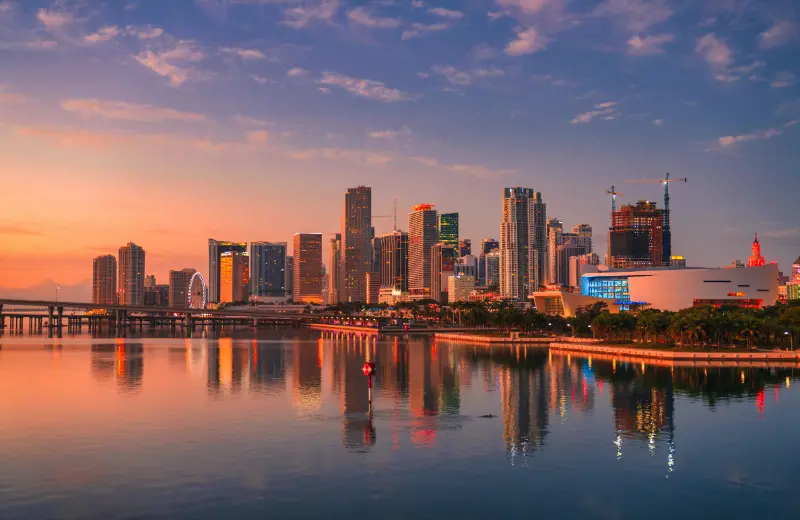
Head toward South Florida, leaving a large travel buffer for traffic and rest. Choose a confirmed public market, bakery or local food shop near your actual overnight base instead of detouring across the entire Miami metropolitan area for a picture of a famous dish. Miami’s food traditions reflect Cuban, Haitian, Bahamian, Jewish, Latin American and many other histories, which should not be lumped together as a single tropical cuisine. If visiting a neighborhood market, learn from the vendors and read labels while respecting busy working spaces. An indoor museum can provide context about migration and trade. Visitors traveling with children can turn the day into a simple comparison of bread, fruits, spices or cooking tools seen in different regions, while adults might make notes about seasonality and prices.
Day 7: Miami food culture and an easy departure
Use the last day for a modest neighborhood visit, breakfast from a reputable local business and one final stop if flight timing permits. Remember that food markets can be crowded and may not have ample seating or restrooms. Families with babies will need shade, water, feeding arrangements and time away from noise. Visitors with mobility limitations should check whether a market’s aisles and approach paths are paved and whether accessible parking is available. Do not take fresh produce on an international flight without checking customs and agricultural rules; even interstate transport of certain plants or pests can be restricted. A good final purchase might be a shelf-stable, clearly labeled product, but airline security and destination import rules still apply. Finish early enough to handle rental-car return and airport check-in without rushing.
An itinerary built around calendars, not wishful thinking
| Day | Region | Recommended focus |
|---|---|---|
| 1 | St. Petersburg | Neighborhood food shops; market only if scheduled |
| 2 | Tampa | Food traditions and historic Ybor City |
| 3 | Sarasota / Bradenton | Gulf-region produce or seafood |
| 4 | Central Florida transfer | Public farm stand or cultural stop |
| 5 | Winter Park | Saturday Farmers’ Market if dates align |
| 6 | South Florida | Local shop and neighborhood history |
| 7 | Miami | Easy market or breakfast and departure |
Local food, certified claims and honest labels
Market descriptions can mix legally defined claims, voluntary standards and casual advertising language. Organic certification has specific rules, while words such as artisanal, homemade or farm fresh may mean different things in different contexts. If a claim is important to you, ask for the producer’s explanation and look for appropriate certification rather than taking a handwritten sign as definitive proof. A prepared-food stall may require a different type of license from a grower’s produce table. Travelers with allergies should ask about ingredients and cross-contact, especially for sauces, baked goods and shared fryers. A market seller may not be able to guarantee that a food is safe for every allergy; choosing not to eat a questionable item is a reasonable decision. Cultural curiosity should never override medical dietary precautions.
Seasonality and Florida's growing regions
Florida’s harvest calendar is not identical to that of colder U.S. states. Some crops are associated with winter and spring production, while others are more abundant in warm months. Weather, freezes, storms, disease and individual farm decisions can shift availability. Citrus is a famous symbol, but do not promise grove picking or oranges at every stall year-round. Ask a vendor which products are currently in season and where they were grown. That conversation can be more informative than a generic best-fruits list. Travelers hoping to cook in a vacation rental should check that it has safe storage, proper refrigeration and necessary utensils. A hotel room with only a small minibar is not the same as a kitchen. For multigenerational travel, plan meals around everyone’s actual dietary needs and preferences rather than novelty alone.
Shopping etiquette and how to avoid waste
Bring a reusable bag, small denomination payment options and a way to keep delicate produce from being crushed. Some vendors accept cards while others have minimum purchases or connectivity problems, so ask before ordering. Respect posted no-touch signs and let sellers handle loose items when requested. If sampling is offered, take only what you intend to try and dispose of waste properly. Prepared foods need prompt refrigeration or immediate eating in Florida heat; do not buy a full cooler of seafood before a day of sightseeing unless you can maintain food-safe temperatures. Visitors should avoid bargaining aggressively with small producers over posted prices. A market is a business for sellers and a source of food for residents, not a performance staged exclusively for tourists.
Transport, accommodation and realistic costs
This itinerary spans several regions, so a rental car is generally more practical than relying on taxis for every move. Staying two or three nights near Tampa Bay and the remainder closer to Orlando or Miami reduces repeated check-ins, though the exact split depends on which market days you target. Compare lodging with parking and kitchen facilities against the cost of eating every meal out. Food markets are not guaranteed to be cheaper than supermarkets, especially for artisanal prepared food, but they can offer distinctive local experiences. Plan a daily spending limit for breakfast, snacks, produce and one main meal; leave room for admission to cultural attractions. Do not book a distant hotel solely because a market looks nearby on a small map. Miami and Tampa traffic often turn apparent short drives into long ones.

Families, older travelers and accessible layouts
Open-air markets may have uneven surfaces, narrow aisles, limited seating or loud live music. Arriving soon after opening can help visitors who prefer more space. A stroller may be difficult in tightly packed vendor rows, so use the widest routes and avoid blocking stalls. Older travelers might value a nearby café and accessible restroom more than visiting every table. People with low vision should ask companions to describe labels or choose vendors willing to read ingredients aloud; do not assume all signs are available digitally. Those with hearing difficulties may find quiet edges useful for conversations. For visitors with service animals, consider crowding and hot pavement. A market visit should be short enough that everyone can still enjoy the rest of the day.
Sources and market checks before you go
Confirm the City of Winter Park Saturday Farmers' Market for operating hours and possible relocations, consult the Florida Department of Agriculture and Consumer Services for agriculture and food guidance, and use Visit Florida to identify further regional destinations before checking each market operator’s actual current calendar. Do not treat a tourism roundup as proof that any individual stall will be present. A wonderful food trip combines a few genuine market experiences with gardens, museums, neighborhood walks and time to cook or enjoy what you bought. Florida’s food story becomes much richer when you learn where ingredients come from and who brings them to the table.
Frequently asked questions
Are Florida farmers markets held every day?
No. Many operate on one or two set days, and hours or locations can change for festivals and weather. Check the actual operator calendar.
Does every item at a farmers market come from a local farm?
Not necessarily. Markets may include prepared-food sellers, crafts and products sourced from elsewhere. Ask vendors about origin.
Can I visit St. Petersburg and Winter Park Saturday markets in one week?
Only if the trip timing includes the relevant Saturdays or the schedule is adjusted. They are not automatically available on different consecutive days.
Is a farmers market suitable for children and older adults?
Usually yes if you choose quieter hours, plan shade and seating, and do not require a long walk in crowded aisles.
Can I take Florida fruit home on an airplane?
Check airline, destination customs and agricultural restrictions before carrying produce, particularly on international flights. Never assume it is permitted.