

Sarasota is one of Florida’s more approachable destinations for travelers who want a beach vacation without driving every day. Downtown restaurants and cultural attractions are relatively close together, and local transit connects the city with Lido Key and parts of Siesta Key. The important qualification is that Sarasota County is much larger than its compact downtown. A hotel miles from the right route can turn an easy itinerary into a collection of expensive transfers. This five-day plan stays based in downtown Sarasota, uses the Bay Runner trolley for Lido Key and treats other beaches as carefully planned optional trips.
The route works well for a solo visitor, a couple who prefers not to rent a car, and active older travelers who can walk short distances comfortably. Families with small children can use it too, but must consider car seats for any taxi or rideshare journey. Someone using a wheelchair should check the boarding and hotel access details for each leg; an attraction appearing near a transit stop on a map does not guarantee a safe, step-free connection.
Where to stay and how the route fits together
| Area | Reason to choose it | Transport consideration |
|---|---|---|
| Downtown Sarasota | Restaurants, cultural sites and several Bay Runner stops | Check walking distance to the actual stop |
| St. Armands Circle | Shopping and dining on Lido Key | Beach trolley corridor but higher lodging costs |
| Lido Beach | More time by the water | Some properties are not immediately beside a trolley stop |
| Siesta Key | Beach-centered vacation | Verify the 77 Islander’s current route and connections |
For the exact five days below, a downtown hotel near Main Street is usually the most flexible base. You can enjoy a short evening stroll without transport and board the free Bay Runner trolley toward St. Armands Circle or Lido Beach. Booking a cheap room far inland may erase those advantages. Check the route map before paying a deposit, measure the walk from the hotel entrance to the correct stop and ask whether the room is quiet enough for your preferred sleep schedule.
Day 1: arrive and learn the neighborhood
Sarasota Bradenton International Airport is the obvious arrival point when flight options and fares make sense. Public transit to downtown has changed in recent years: older travel articles refer to services that have been retired or reconfigured. Confirm the current Breeze routes serving the airport, their days of operation and how fares are paid before arrival. If traveling with luggage, mobility equipment or children needing car seats, a prearranged appropriate transfer may be worth the extra expense.
After hotel check-in, walk one or two downtown blocks and have an early dinner. Locate a pharmacy, grocery store and your closest Bay Runner stop. Take a short look at Sarasota Bay from a public waterfront location if energy permits. Do not fill the evening with a long sightseeing walk after a flight. Sarasota’s pleasant streets still become hot and humid, and a person unused to the climate may need a longer break than expected.
Day 2: downtown art and a waterfront afternoon
Spend the second morning on cultural attractions within a manageable travel radius. Sarasota has galleries, theater venues and museums, but the precise location and opening hours of each differ. Choose one indoor anchor activity rather than assuming that every institution is within a five-minute stroll. A museum visit can suit visitors of different ages, while a short waterfront walk and a shaded cafe can make the day less tiring for people who cannot remain on their feet for long.
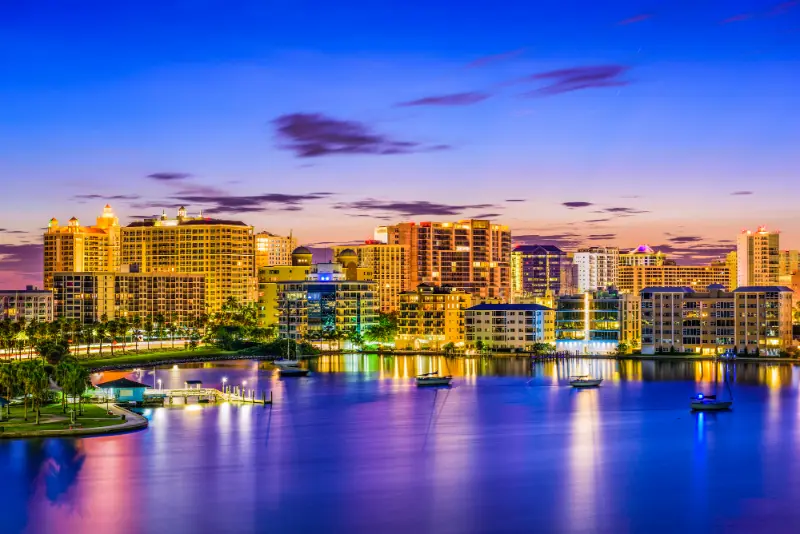
Book a museum ticket only after checking the current exhibition and day of closure. If the museum requires a separate bus or rideshare trip, group nearby activities together instead of returning to the hotel multiple times. Lunch is an opportunity to rest in air conditioning and recharge a phone. Keep the afternoon flexible: Sarasota’s public waterfront areas can be pleasant for people-watching, but thunderstorms or unusual heat make an indoor alternative more sensible.
Day 3: ride Bay Runner to St. Armands Circle and Lido Beach
The City of Sarasota describes Bay Runner as a complimentary trolley connecting downtown with St. Armands Circle and Lido Key. The route lets you enjoy a beach day without arranging parking. Start from a downtown stop convenient to your hotel and verify the latest timetable, because frequency and exact service hours can change. The trolley is open-air, which can be delightful in mild weather but less comfortable during rain or strong heat. Bring water and plan a safe return if thunderstorms develop.
At St. Armands Circle, choose a restaurant or a short walk before proceeding toward Lido Beach. Some shops and dining areas have varying access from sidewalks, so check entrances if mobility is a concern. For the beach, use a recognized public access point with facilities suitable for your party. Read the posted water-safety guidance and do not assume lifeguard coverage at every access. A leisurely lunch or early return downtown is preferable to spending extra hours in the sun solely to get value out of a free trolley trip.
Day 4: choose Siesta Key or a garden instead of attempting both
Siesta Key is another appealing beach option, but transit arrangements deserve careful checking. Sarasota County’s Breeze service includes the 77 Siesta Islander, while its route structure and downtown connections have changed. Do not use an old guide that assumes the trolley operates along a previous route; confirm today’s map and the separate connection needed from your downtown base. For a couple, an occasional rideshare can simplify the transfer, while families should plan how legally required child restraints will be provided.
If you are not interested in another beach, use day four for a local garden or museum day. Marie Selby Botanical Gardens is one possible focus, but check admission, the relevant garden campus, accessibility and the distance from the transit stop. Outdoor gardens involve sun, walking and changing surfaces, so allow plenty of time and select a shorter route if necessary. One memorable garden is better than two hurried trips across town.
Day 5: checkout and a straightforward airport transfer
Keep departure morning close to the hotel. Have breakfast, return any rented mobility or beach equipment and confirm the route to the airport. If leaving after normal checkout time, ask whether luggage storage is offered and whether you can still access the restrooms. Do not assume that a trolley designed for sightseeing will also be a convenient airport shuttle. Use the current Breeze route or a suitable transfer option and leave time for check-in, traffic and any additional airport security needs.
The final day can include a brief bayfront walk or a coffee stop if the schedule allows. Avoid booking an attraction on the other side of town because a delayed bus could make the entire day stressful. This is especially important when returning from a beach visit with wet clothing or when a family is carrying several pieces of luggage. A car-free holiday works because you spend less time managing vehicles, not because you replace every drive with a difficult series of transfers.
Understanding Breeze buses, trolleys and payment
Sarasota County’s transit system distinguishes standard buses and touring routes. The Bay Runner is advertised as a free route linking downtown Sarasota and Lido Key; other standard services may charge a fare and use separate ticket or electronic payment arrangements. In 2026, Breeze introduced mobile ticketing options for standard routes. Never assume that a ticketing policy for one route applies to every trolley. Check the exact current method before boarding and have a backup plan if your phone battery fails.
For every outward journey, save the return stop and last practical service. The stop across the road may serve the opposite direction but might not be directly reachable from the same crossing. Use marked crossings rather than taking a shortcut through traffic. With a stroller, verify whether it must be folded and whether luggage is permitted. With a wheelchair, ask the operator about boarding, securement and whether the closest stops have accessible approaches.
Why Siesta Key needs separate planning
Visitors sometimes treat Siesta Key and Lido Key as if they were stops on one continuous short beach shuttle. In reality they are different barrier islands with different access routes and transport arrangements. If your hotel is downtown, Lido Key is the simpler outing on the Bay Runner corridor. Siesta Key can still be rewarding, but check the 77 route and any transfer carefully. The distance from a trolley stop to the specific part of Siesta Beach you want may be a significant walk in the heat.
For a family, the best beach is often the one with restrooms, shade and a convenient return route rather than the beach that tops a ranking. People with limited mobility may prefer a different access point, and adults who are not confident swimmers can enjoy the sand and public amenities without entering the water. Build the trip around comfort and safety instead of the number of famous beach names you can visit in one day.
What a car-free Sarasota vacation really costs
You save rental charges, fuel, tolls and hotel parking, but your budget still needs airport transfers, occasional rideshare trips and possibly additional transport to a more distant attraction. Compare a central downtown hotel with a cheaper property far from the transit corridor. The full daily cost may favor the more expensive room if you can walk to dinner and use the trolley for beach days. Solo travelers often benefit most from direct routes, while larger families need to compare the cost and practicality of suitable paid transfers.
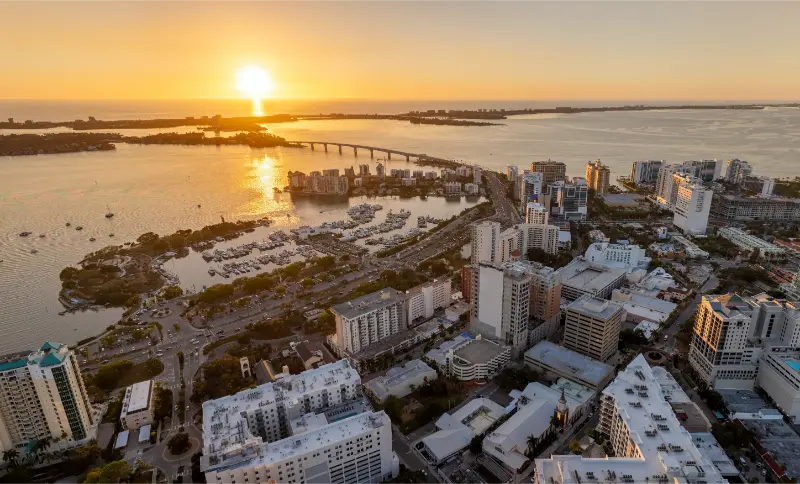
Write the expected travel method beside every activity before booking. If three attractions require separate long rideshare journeys, remove one or choose a closer alternative. Advance reservations for popular museums or garden exhibits can reduce wasted travel, but nonrefundable tickets create a problem if a thunderstorm or illness changes the day. Keep one unbooked afternoon. Most of Sarasota’s charm is in combining a relaxed meal with a cultural stop or waterfront view, not racing to every destination.
A trip for older travelers and visitors with disabilities
Age alone does not determine how much walking someone can do. One older visitor may enjoy miles of city streets, while another needs frequent seating and elevator access. Confirm the actual hotel entrance, bathroom, bed configuration and distance to the trolley stop. For museums and gardens, ask about accessible routes, shaded seating and whether a visitor can leave and re-enter on the same ticket. In a high-heat period, a shorter day with a midday rest can be much safer and more enjoyable.
If a party includes a person using a wheelchair, check trolley boarding and vehicle access directly with Breeze. Public routes may be accessible overall while an individual stop has a complicated crossing or construction work. For travelers with limited vision, save the stop names and directions in an accessible format before departure. For hearing-impaired visitors, check whether digital service alerts can be read on a phone. A practical itinerary is one you can adapt to actual needs, not a promise that every transfer will be effortless.
What to do when a beach day becomes a storm day
Summer showers and thunderstorms can change afternoon plans rapidly. If lightning is in the area, leave exposed beaches and open-air stops for appropriate shelter rather than waiting beneath a small umbrella. Swap a beach day with an indoor museum visit, a restaurant experience or a restful afternoon at your hotel. Keep the return schedule and real-time service alerts available, because severe weather and street closures can affect trolley operations.
During hurricane season, travelers should follow local authorities and choose flexible booking conditions. A no-car vacation can become especially complicated if evacuation or major service disruption occurs, so ask the hotel about its emergency arrangements. A low-cost fare is not useful if the planned service has been suspended. This does not mean avoiding Sarasota; it means treating weather and transport information as part of the trip rather than as a last-minute afterthought.
Official links to check before traveling
The City of Sarasota Bay Runner page describes the downtown–Lido corridor. The Sarasota County Breeze routes provide current route and payment information. The official Sarasota tourism transport overview offers a useful starting point for airport and trolley planning. Always verify the operator’s latest information for your date, because airport routes and island services have changed since earlier online articles were published.
Keep copies of your hotel’s address, the nearest stops and airport transfer options. Download offline maps for the central districts and note a suitable taxi or rideshare alternative in case an outing runs late. With a sensible base and just a few well-chosen activities, a Sarasota car-free week can feel like a relaxed coastal vacation rather than a transportation exercise.
Frequently asked questions
Can you stay in Sarasota for five days without renting a car?
Yes, especially from a downtown hotel near Bay Runner stops. Plan airport and any more distant attraction transfers separately, rather than assuming every destination is served by one trolley.
Is the Bay Runner trolley free?
The City of Sarasota describes the Bay Runner as complimentary service. Check the operator’s current details for stops, times and any future changes before traveling.
Can you reach Siesta Key directly from downtown on the same trolley?
Do not assume so. Siesta Key is served by different transit arrangements, and routes have changed. Review the current Breeze 77 Islander map and plan any connecting journey explicitly.
Leave a Reply