
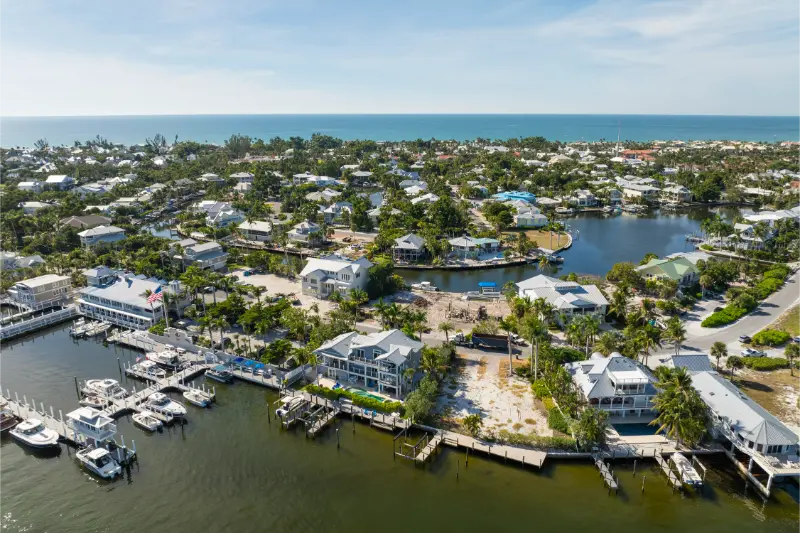
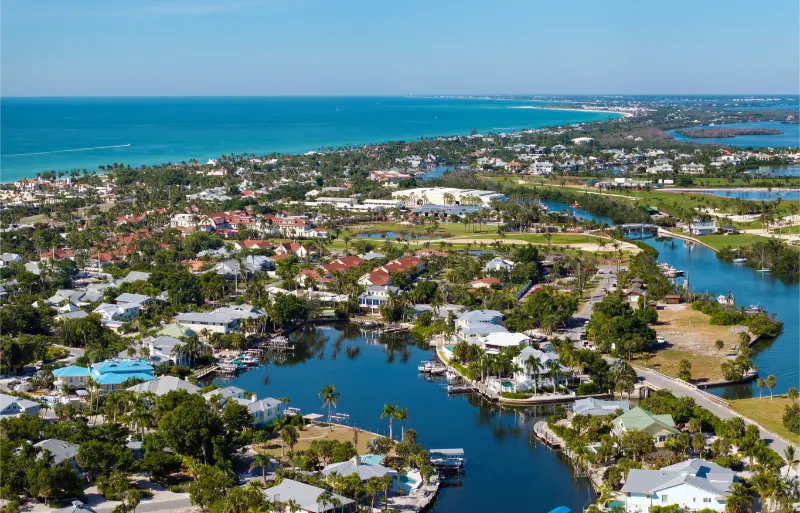
Charlotte Harbor is an appealing choice for travelers who like working waterfronts, historic towns, wide estuary views and calmer evenings than the largest beach resorts offer. A four-day trip can combine Punta Gorda, the harbor communities, Placida and Boca Grande without booking a cruise or renting a boat. It suits couples, families with children who enjoy history and shoreline stops, and older travelers who prefer moderate activity. The important distinction is that the region includes both mainland communities and barrier islands: crossing a bridge is not the same as driving a continuous beachfront road.
Choose one accommodation base near Punta Gorda or Port Charlotte, or split the stay if you particularly want an island atmosphere. Check current hurricane-recovery works before relying on a particular waterfront boardwalk, fishing pier or playground. Facilities have been undergoing repairs following several storms, so an attractive old travel photograph is not evidence that every amenity is open today.
Four-day coastal itinerary
| Day | Base / area | Focus | Gentle alternative |
|---|---|---|---|
| 1 | Punta Gorda | Downtown and harbor setting | Short waterfront stop |
| 2 | Charlotte Harbor | Historical interpretation and parks | Scenic drive and café |
| 3 | Placida / Boca Grande | Island history and lighthouse | Museum-focused visit |
| 4 | Punta Gorda / departure | Local shopping and rest | Early checkout |
The route is intentionally compact. You do not need to reach every beach or island in Charlotte County. Keep morning activities limited, especially when traveling with young children or companions who need regular seating. A car remains the simplest transport; private shuttles and rideshares should not be assumed available across every rural barrier-island route.
Day 1: Punta Gorda as a walkable orientation stop
Punta Gorda has a historic waterfront character that rewards a relaxed arrival day. Begin in the downtown area, where you can appreciate the buildings, find a café and learn the basic geography of the harbor. Rather than rushing to the nearest beach, notice the mixture of public waterfront, working marinas and residential neighborhoods. Public paths can be enjoyable, but specific segments may change because of construction or storm recovery. Check local signs and do not cross barriers to reach a familiar photograph location.
Families can enjoy a short scavenger hunt for architecture, boats and native birds, while older visitors can choose a café with outdoor views. If it is very hot, limit the exposed walking and save an indoor activity for later. One advantage of this destination is the ability to have a satisfying first day without purchasing a major attraction ticket. The key is to keep the itinerary grounded in actual accessible public space.
Day 2: Charlotte Harbor and the importance of current park notices
Drive around selected mainland harbor areas, choosing one public park or interpretive site whose current amenities are confirmed. Bayshore Live Oak Park is described by Charlotte County as a harborfront park with historical information and recreational facilities. However, the county also lists ongoing disaster-recovery projects affecting features such as sidewalks, piers, seawalls and other amenities. Check the county recovery update before treating the entire waterfront as open.
This is an important lesson for visitors planning a leisurely holiday: a park can be open while individual facilities are unavailable. A traveler using a wheelchair may be especially affected if the intended route includes damaged or closed surfaces. Telephone the park department if that determines whether you can visit comfortably. Have an alternative lunch or short scenic drive ready, and do not send children toward fenced repair areas.
Enjoying an estuary without taking a boat
Charlotte Harbor is an estuarine environment, where freshwater and seawater mix, creating habitat for fish, birds and other wildlife. Shore-based observation can be fascinating when you choose an official public access point. Binoculars, a field guide and patience are more useful than trying to approach animals. Watch for pelicans, wading birds and changes in the water’s appearance, while accepting that sightings depend on weather, tide and season.
Never enter marsh vegetation or private shoreline to take a photograph. Avoid feeding birds and do not leave fishing line, food wrappers or bait packaging behind. Visitors with small children should choose an established area with toilets and seating. A waterfront lunch can feel like a complete holiday experience when the environment is treated as something to observe rather than conquer.
Day 3: The drive to Boca Grande and Gasparilla Island
Boca Grande on Gasparilla Island is a distinct destination, reached over a toll causeway. Plan for bridge charges as well as any park admission or parking fees. Start early enough to enjoy the island before midday heat, but do not assume that all the streets are public sightseeing routes. Respect residential areas and use designated parking. Beach access and soft sand may limit what people with mobility aids can do, so build the morning around a museum and a manageable paved walk when appropriate.
Gasparilla Island State Park protects portions of the southern island. Its Port Boca Grande Lighthouse is especially interesting because it connects maritime navigation with local history. The building houses a museum interpreting the island, including its Indigenous history, phosphate shipping and fishing heritage. It is a more substantial cultural stop than simply taking a photograph of the lighthouse from outside.
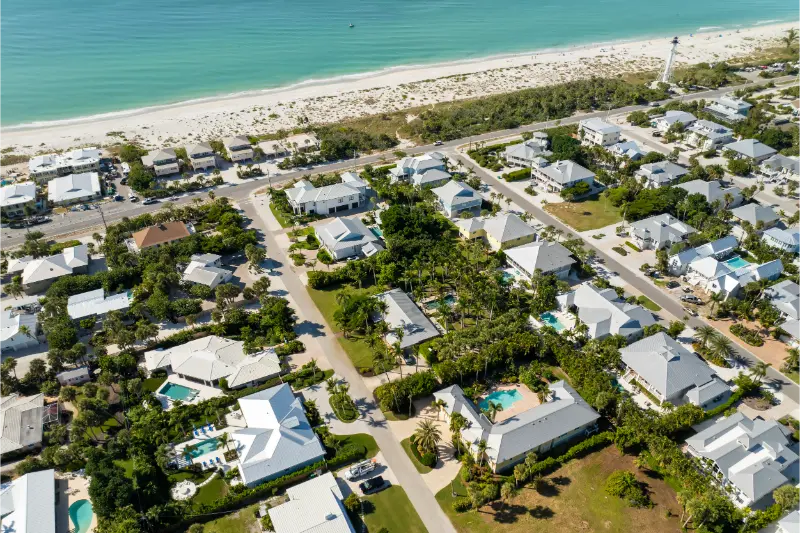
Port Boca Grande Lighthouse: check seasonal museum hours
The Gasparilla Island State Park hours page distinguishes the state-park opening day from the lighthouse museum’s seasonal schedule. Museum hours vary between warmer and cooler parts of the year, and holidays may alter access. There is also a separate toll to reach the island. Check the museum’s current visitor information before driving out specifically for the displays.
Inside, look for exhibits about how the harbor supported commercial shipping and why a lighthouse was needed here. Children may respond to the connection between ships, local fossils and history; adults may enjoy learning how the shoreline and port activities changed. Follow museum rules for photographs and touching exhibits. Do not promise visitors that they can climb the lighthouse: the historic structure is a museum, and access rules should be taken from its operator.
Boca Grande as more than an expensive beach address
The village is often associated with a refined island atmosphere, but a worthwhile visit need not revolve around luxury shopping or high-end dining. A comfortable lunch, a short look at historic streets and the lighthouse area can fill the day. Keep parking restrictions in mind and resist the urge to drive a golf cart on a public road without checking legal rules. If you rent a bike, ask about helmets, traffic, the route’s exposure to sun and any local cycling restrictions.
Travelers hoping for shelling or beach photography should choose a permitted access point and observe wave conditions. The Boca Grande Pass area is known for currents, fishing activity and boat traffic; it is not a place to improvise swimming because the beach looks quiet. Families may prefer observing the water from dry land. Leave plenty of time for the return bridge crossing and avoid driving when exhausted.
Day 4: A low-pressure last morning
Use the final morning to return to a favorite café, buy local products from an operating shop or enjoy one brief public view of the harbor. Do not add a distant island excursion before your flight. Storm-related construction can alter travel times, and busy bridge corridors are not always predictable. A short waterfront outing is enough to close a trip focused on the region’s history and landscapes.
If you have a full extra day, consider exploring another mainland community only after checking current attractions. Placida and the Cape Haze area can provide different views of the harbor and barrier islands, but many island destinations need a boat. Do not promise that a ferry or water taxi serves a particular island without verifying the operator’s current schedule and boarding location.
Where to stay and what to compare
Punta Gorda offers a useful town base with restaurants and access to major roads. Port Charlotte has a range of practical accommodation and shopping services. Boca Grande can be attractive for a special island stay but may involve higher prices and fewer everyday conveniences. Compare the total price, including resort charges, parking, cleaning fees and bridge tolls. Travelers needing medical facilities or accessible accommodation should prioritize confirmed services over a remote scenic address.
For multigenerational groups, a hotel with a lift, breakfast and a quiet room can be more valuable than a waterfront view. Young children benefit from a refrigerator and room to sleep early. If a vacation rental includes stairs to a raised entrance, verify whether everyone can manage them. Hurricane recovery can affect both the surrounding neighborhood and a property’s amenities, so ask directly about anything essential before paying.
Best season and weather expectations
Winter and spring can be pleasant for walking and outdoor dining but are also popular for visitors escaping colder climates. Summer is hotter and more humid with frequent thunderstorms. Autumn may bring variable weather, and Atlantic hurricane season is a consideration through November. Do not rely on old promotional claims that one month is always calm or dry. Check the forecast and local storm information before each activity.
In hot weather, place outdoor stops in the morning and schedule an indoor lunch or rest. Bring sunscreen, drinking water and insect repellent. Anyone sensitive to heat should keep activities shorter and avoid exposed midday walks. A coastal wind can make a warm day feel cooler without reducing ultraviolet exposure. Carry a light rain layer but leave an exposed pier or beach if lightning approaches.
Budget, safety and visitor etiquette
Plan for hotel costs, car rental, fuel, meals, the Gasparilla causeway toll and park fees. Museum admission can differ from state-park vehicle entry. Check the current charges directly; avoid presenting a single guaranteed total because peak-season hotel rates vary substantially. This route is usually less expensive than a theme-park-centered holiday when visitors choose simple activities, but upscale island restaurants can change that quickly.
Observe wildlife without feeding it, use marked public access points and never enter restoration sites or private waterfront property. Swimming should be limited to appropriate locations and conditions, with active supervision for children. Keep away from strong currents and fishing areas. A respectful visitor leaves a working coastal community just as pleasant for residents after leaving as it was on arrival.
Four-day planning checklist
Reserve a convenient base, identify parking for your key stops and check the county’s storm-recovery notices. Confirm lighthouse museum hours, the bridge toll and any special event affecting Boca Grande. Keep a backup for weather and construction. Pack enough water and plan predictable meal stops for children and older companions. If a facility is closed, do not force the itinerary: a scenic drive and relaxed meal are often a better choice than searching for an unsafe alternate access point.
Charlotte Harbor is ideal for a vacation built around landscapes, everyday history and slower coastal pleasures. Its most interesting experiences are found through careful planning rather than the assumption that every waterfront attraction is operating exactly as it did before a storm.
Frequently asked questions
Can we visit Boca Grande without a boat?
Yes. Gasparilla Island is reached by road over a toll causeway. Some nearby barrier islands require a boat, but this itinerary does not depend on them.
Is every harbor boardwalk currently open?
No. Charlotte County has ongoing recovery projects at some waterfront parks. Check the specific facility and the county’s latest project notices.
Can we climb the Port Boca Grande Lighthouse?
Do not assume tower climbing is available. The lighthouse operates as a historical museum, and visitors should follow the current operator’s access rules.
Is this a good trip for older travelers?
Yes, especially with a carefully selected hotel and short walks. Confirm park paths, museum access and restroom facilities for each companion’s needs.