

A city break can be enjoyable even when you cannot comfortably walk several miles a day. Jacksonville, in Northeast Florida, has museums, river views, beach communities and historic neighborhoods, but it is geographically spread out. The key is not to label the entire city “walkable.” It is to choose one practical hotel, drive or arrange transport between selected stops, and design outings where the most interesting parts are close to the entrance.
This four-day itinerary is written for people who prefer limited walking, including older travelers, visitors recovering their stamina and families traveling with someone who has mobility limitations. It is not a claim that every attraction is wheelchair accessible. Wheelchairs, walkers and other mobility equipment involve individual requirements that should be confirmed directly with each venue. The itinerary makes those questions part of the plan instead of an afterthought.
Start with a hotel that removes unnecessary effort
Jacksonville’s downtown, Riverside area, Southbank and beach communities offer different experiences. A hotel downtown may simplify riverfront meals and some museums, but the beaches require a drive. Staying by Jacksonville Beach may be pleasant for ocean views but can add travel time to cultural stops. Compare the distance from the hotel entrance to the parking or rideshare drop-off, not only the distance from the hotel to an attraction pin.
Before booking, ask whether the property has a step-free route from parking to room, elevators that reach every guest floor, and a bathroom configuration appropriate for the travelers. For someone with limited stamina, an elevator may be more helpful than a beautifully described rooftop amenity. If using a wheelchair, request specific doorway, roll-in shower, transfer space and bed details in writing. An “accessible room” label without measurements is not enough.
Look for simple meals nearby and a place to sit outdoors without climbing stairs. Jacksonville can be hot and humid, with thunderstorms disrupting long outdoor visits. Staying somewhere that feels comfortable during a rest period is part of the vacation, not merely an overnight necessity.
Day one: a single riverfront neighborhood and a calm evening
After arrival, keep the program light. Jacksonville’s St. Johns River creates attractive viewpoints in the downtown area, but walking routes differ between the Northbank and Southbank and may be affected by construction or special events. Check the city’s current waterfront information and choose one short section that is open and comfortable. You do not need to walk an entire riverwalk to enjoy the view.
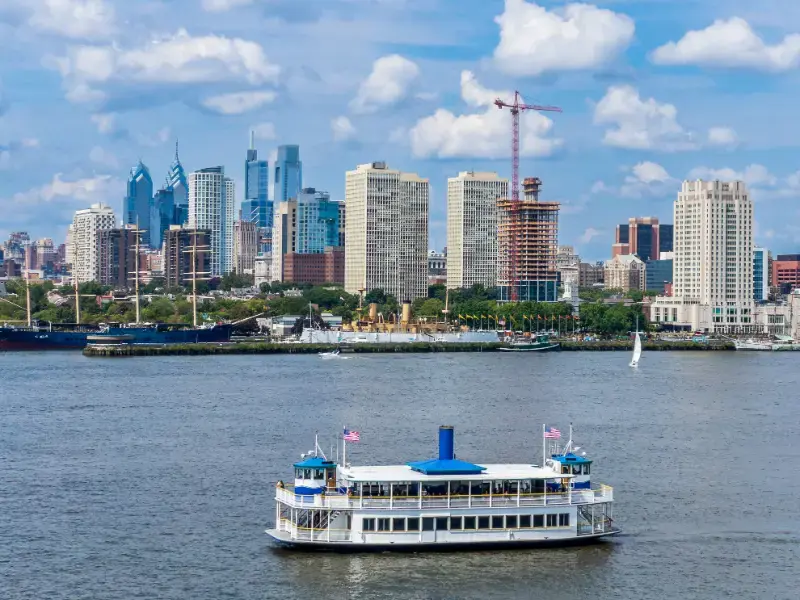
If you arrive by car, choose parking near your intended stop instead of using a distant bargain lot. If a family member uses mobility equipment, confirm whether accessible parking and curb cuts connect to the actual entrance. For some visitors, taking photographs near a waterfront seating area and having an early dinner is the ideal first-day activity. It also leaves time to identify a pharmacy or grocery store if something was forgotten.
Don’t make your first night an experiment with several rideshare pickups. Keep the evening near the hotel and allow time to rest. The next morning‘s museum visit will be more enjoyable when no one feels they have to recover from arrival day.
Day two: the Cummer Museum of Art & Gardens
The Cummer Museum in Riverside is an excellent cultural focus for a day that doesn’t need a long walking itinerary. The collection, riverfront gardens and indoor facilities let travelers decide how much they want to see. The official visitor page lists current admission, operating hours, parking information and accommodations. Important for visitors in late 2026: the museum introduced self-paid parking in its lots from September 1, so do not rely on older articles describing it as universally free.
Choose your main interest before arrival. Someone who enjoys painting can prioritize a few galleries; another person might prefer part of the garden or a museum café break. Outdoor garden access can change with storms or evening closing times. If you are using a walker or chair, look at the accessibility information and request assistance with the route between the entrance, galleries, restrooms and gardens. The fact that a museum is accessible does not mean everyone will want to cover the entire site.
After the visit, plan an easy lunch nearby and return to your accommodation. Resist the temptation to add a long walk through another neighborhood simply because it appears close on the map. Jacksonville neighborhoods can have wide roads and variable shade, which changes the experience for people who tire easily.
Day three: a beach viewpoint without requiring a beach hike
The beaches east of Jacksonville are worth considering even for visitors who do not want to swim or walk across soft sand. Jacksonville Beach, Neptune Beach and Atlantic Beach are neighboring coastal communities with different streets and public access arrangements. Choose a small section where your hotel or parking location makes an ocean view practical. Public parking can fill during busy periods, and accessible routes vary by specific access point.
Call the local beach authority or consult its current accessibility information if your group needs a beach mat, beach wheelchair or specific accessible restroom. Do not assume that a beach wheelchair can be reserved without advance notice, or that it is suitable for independent use. Ocean surf and weather still require caution, even when you only plan to sit near the shoreline. If a visitor prefers to remain on a paved public area, arrange the outing around that rather than treating the sand as an obligation.
A comfortable day may consist of breakfast, a short oceanfront stop, a seafood or café lunch, and rest. If the group wants more, choose a second nearby coastal point that does not require a long transfer. Avoid committing to beach driving or strenuous boardwalks without checking the exact location and conditions.
Day four: easy nature from the car or a short public park visit
For the last day, choose between a green area close to the city and a quieter scenic drive northeast toward the Atlantic coast. The Jacksonville Arboretum & Botanical Gardens, for example, provides natural landscapes but may have trails that are uneven or longer than they appear on a visitor map. Check the organization’s current route descriptions before deciding it is appropriate for your group. If a very short paved outing is the priority, another urban park or waterfront viewpoint may work better.
Alternatively, drive toward the Timucuan area and enjoy the scenery from permitted roads and planned short stops. Historic and natural sites can involve bridges, sand, steps or unpaved surfaces, so an online map is not proof of access. If visiting a National Park Service unit, use its official accessibility information to check services and current facility status. The drive itself can be enjoyable, but it should never substitute for an accessible restroom plan.
The last day can also be a simple return to a favorite spot. With limited walking, a repeat visit at the right time of day may be more comfortable than a new destination that requires uncertain transfers. Allow enough time for airport travel or the onward journey.
How to plan for a walker, wheelchair or limited stamina
The most useful questions are specific. Is the parking area level? How far is it from the drop-off to the first place to sit? Are the restrooms on the same level as the exhibits? Does the outdoor part have a firm surface or loose gravel? Can a museum lend a wheelchair, and can one be reserved? Is an accessible taxi or van available at the time you need it? Different travelers will have different priorities.
For someone who can walk short distances but cannot stand in queues, a lightweight seat where allowed, planned café breaks and avoiding peak hours may help. For a wheelchair user, door clearance, slope and transportation can be decisive. For people with chronic pain or fatigue, do not fill each day with stops that require repeated transfers in and out of a vehicle. A single excellent attraction is often enough.
If you rely on rideshare, do not assume a standard vehicle will accommodate a powered wheelchair or other equipment. Confirm actual accessible transport availability ahead of time and have a backup plan. Medical or mobility needs should be discussed with the relevant professional rather than inferred from travel advice.
Jacksonville’s size: why geography matters
Jacksonville is spread across a large area, so staying “in Jacksonville” does not mean two attractions are necessarily close. Downtown, the beaches, the airport and parks to the northeast can require separate drives. When planning the day, examine the actual journey during the expected travel period, and account for bridges, traffic and parking. Florida’s official FL511 service can be useful before a highway journey.
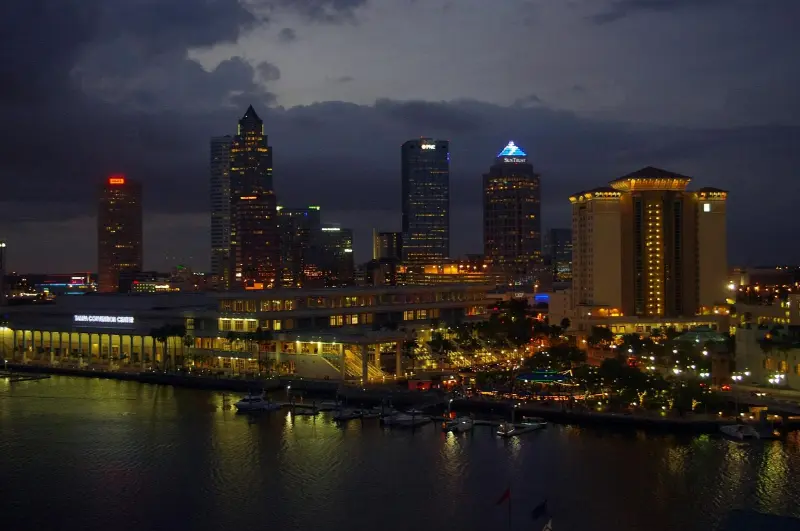
Keep each day to one geographic cluster. Combine the Cummer with Riverside lunch, not an afternoon beach trip if the group is tired. Pair a beach view with lunch in the same beach community, not a faraway historic fort. Arrange a northern nature drive with only a few confirmed stops. This simple rule reduces the physical toll of getting in and out of the car several times.
A map also helps identify a hospital, urgent care or pharmacy if your travel party needs regular medical supplies. There is no need to fill the itinerary with health concerns, but knowing where everyday services are located can make a trip more relaxing.
When to visit and what to avoid
Spring and fall can offer comfortable outdoor conditions, although weather always varies. Summer brings higher heat and humidity with the possibility of afternoon storms. Winter may be pleasant for cultural and nature outings but is not guaranteed to deliver warm ocean swimming weather. For any season, check the National Weather Service rather than assuming a monthly average is today’s reality.
Avoid long outdoor waits during severe heat, and never remain at an exposed waterfront or beach when lightning threatens. Bring water, a hat, sun protection and a light layer for strongly air-conditioned interiors. For visitors who need regular seating or accessible toilets, choose venues where facilities are confirmed instead of hoping to find them on arrival.
Special events can change parking and museum schedules. Consult the official pages a day or two in advance. Jacksonville rewards careful choices; it is not a city where you need to see everything to understand its combination of river, ocean and neighborhoods.
Four-day plan at a glance
| Day | Main outing | Short alternative |
|---|---|---|
| 1 | One downtown river viewpoint | Early dinner near hotel |
| 2 | Cummer Museum of Art & Gardens | Galleries only, skip outdoor grounds |
| 3 | Jacksonville Beaches oceanfront | Paved view and café instead of sand |
| 4 | Brief urban nature visit or Timucuan-area scenic drive | Repeat favorite nearby waterfront |
Allow at least one free afternoon and choose a hotel with easy dining. If your group includes a person who enjoys longer walks, you can divide briefly and meet for lunch rather than making everyone follow the same pace. The best accessible-minded itinerary supports a good shared vacation without treating different physical abilities as a problem to overcome.
Frequently asked questions
Is downtown Jacksonville easy to explore entirely on foot?
Not for every visitor. Attractions and waterfront areas are spread out, and route conditions vary. Choose one short cluster and arrange transport between others.
Can travelers in wheelchairs follow this itinerary?
Some locations offer accommodations, but the exact route and equipment requirements must be confirmed with each venue and transport provider. This guide is a framework, not an accessibility certification.
How many museums should we plan per day?
For limited walking, one substantial museum is usually enough. Add a nearby meal or short river view only if energy and weather allow.